
And what it reveals about trust in ingredients, tradition over fear, and how Italians balance risk with reverence
Americans are taught from a young age to fear raw eggs. Cookie dough comes with warning labels. Caesar salad dressing is pasteurized. Anything involving uncooked yolks triggers anxiety, if not a Google search about foodborne illness.
So when American travelers sit down in an Italian trattoria and order a classic carbonara or tagliatelle alla fettuccia and learn that the silky, golden sauce coating the pasta isn’t cooked in a pan — but rather tossed with raw egg and cheese off the heat — panic sets in.
“How do they eat this and not get sick?”
“Isn’t that dangerous?”
“Is this even legal?”
But for Italians, the idea of using raw egg in pasta is not shocking. It’s not risky. It’s foundational.
Here’s why Italians eat raw egg pasta dishes that would give Americans salmonella nightmares — and what that reveals about radically different approaches to food, trust, and tradition.
Want More Deep Dives into Everyday European Culture?
– Why Europeans Walk Everywhere (And Americans Should Too)
– How Europeans Actually Afford Living in Cities Without Six-Figure Salaries
– 9 ‘Luxury’ Items in America That Europeans Consider Basic Necessities
1. The Egg Isn’t Just Safe — It’s Sacred
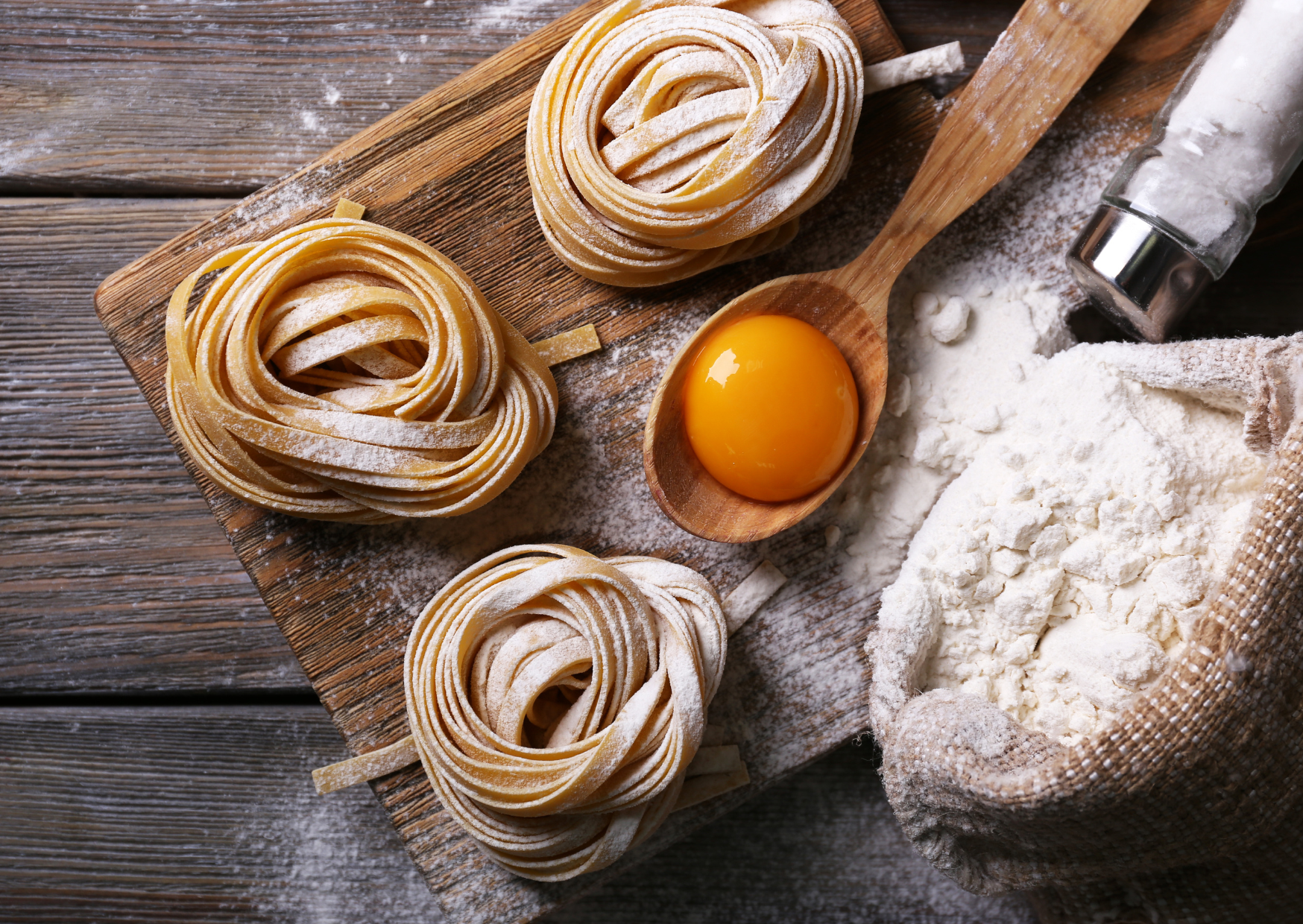
In American food culture, the egg is treated with suspicion. It’s a possible contaminant. A gamble. A gray area between delicious and dangerous. Eggs are sanitized, labeled, and refrigerated from production to plate.
In Italy, especially in regions like Lazio, Emilia-Romagna, and Umbria, the egg is honored. It’s central to dozens of traditional dishes — often used raw or barely cooked.
Carbonara. Tonnarelli cacio e uovo. Tiramisù. Zabaglione.
Each depends on fresh, quality eggs that aren’t chemically manipulated, overwashed, or treated as risky.
Italians trust the egg — not because they ignore the risks, but because they respect the source.
2. Carbonara Is Made With Heat — But Never Scrambled
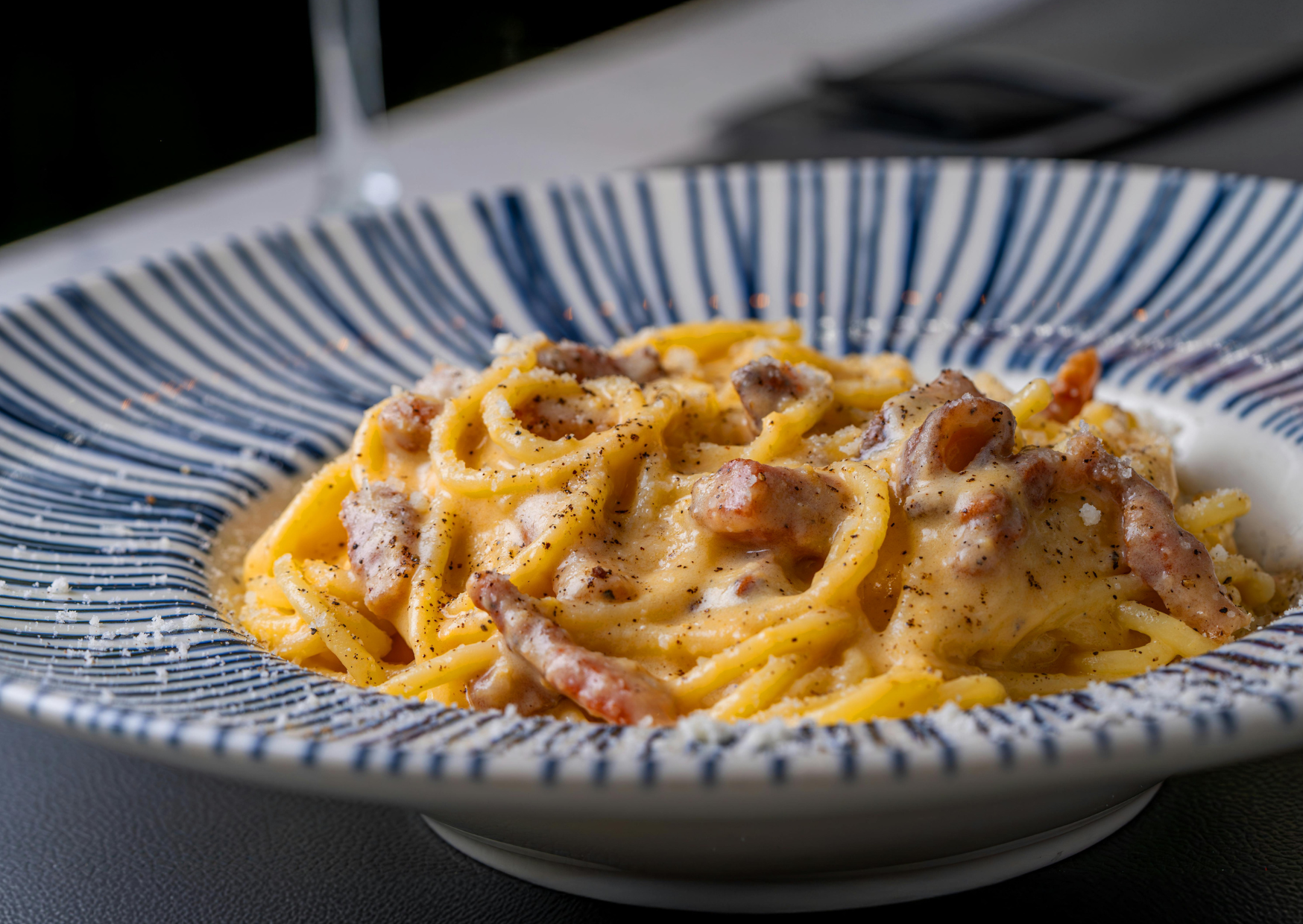
The carbonara panic among Americans usually begins when they realize there’s no cream, no milk, and no separate sauce.
Authentic carbonara is made by combining cooked pasta with raw egg yolks, grated Pecorino Romano, guanciale fat, and pepper — all mixed off the heat.
The residual warmth from the pasta gently thickens the egg and cheese mixture into a creamy coating. No double boiler. No frying pan. No temperature control. And most importantly: no pasteurization.
For Americans raised on FDA guidelines, this seems unsafe.
For Italians, it’s a technique passed down for generations — one you taste, not measure.
3. Italian Eggs Aren’t the Same as American Ones
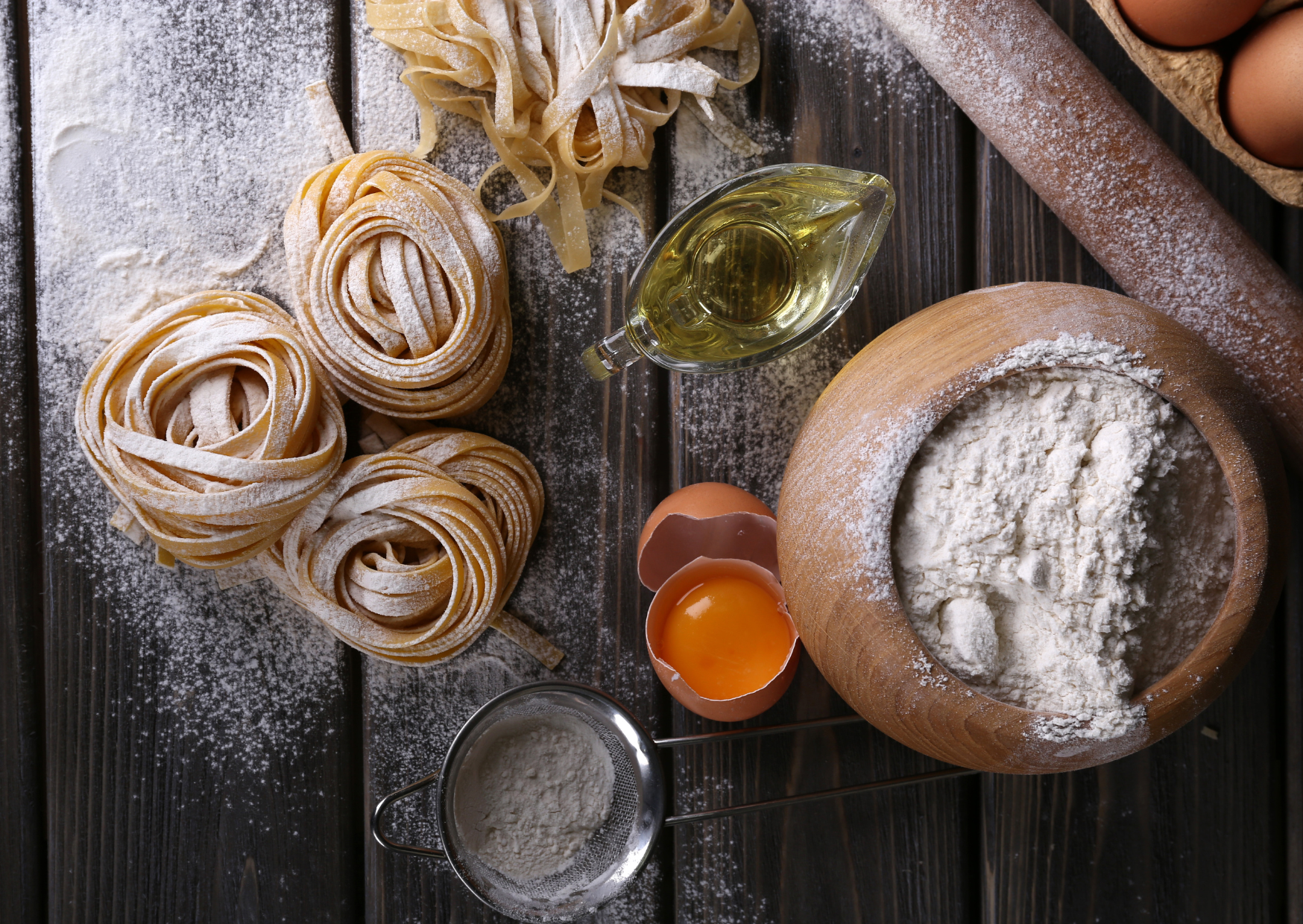
One major reason Italians are comfortable eating raw or lightly cooked egg dishes is because their egg production and handling is different.
In the U.S., eggs are washed, bleached, and refrigerated immediately, which strips away the natural protective coating and creates cold-chain dependence.
In Italy, most eggs are unwashed and shelf-stable, with stricter farming regulations at the source. Many people buy eggs fresh from local vendors or use eggs from their family farm. Supermarket eggs are regulated, but not sterilized beyond recognition.
The result? Cleaner eggs at the source, handled less, trusted more.
4. Pasta Dough Itself Is Made With Raw Eggs
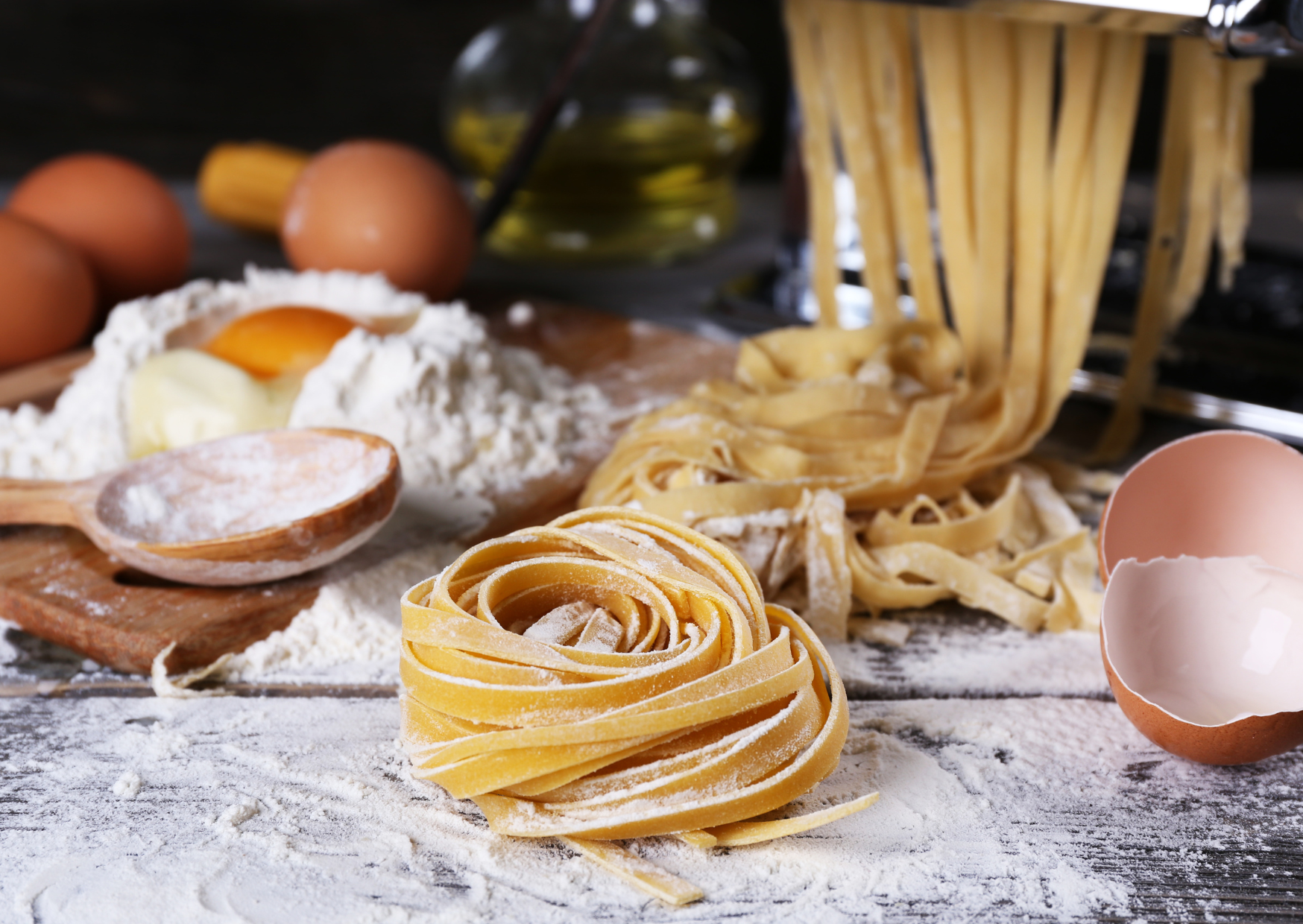
When Americans panic about raw egg in pasta sauce, they often forget that traditional Italian pasta dough is made with raw egg yolks too — especially in northern and central Italy.
Tagliatelle, pappardelle, fettuccine — all are kneaded with eggs, cut, and cooked briefly in salted water. There’s no processing. No drying. Just fresh dough and trust in the ingredients.
So if you’re already eating pasta made with raw eggs, the sauce made with raw egg yolk is simply completing the picture.
5. There’s No Fear-First Approach to Food
American food safety culture is built on prevention through fear. Risk is minimized with pasteurization, chemical preservatives, extensive labeling, and regulatory warnings.
In Italy, food safety is based on relationship and respect — knowing where your food comes from, buying it fresh, storing it properly, and eating it the right way.
Raw egg dishes are eaten the same day the eggs are cracked. Dishes are prepared fresh, served immediately, and consumed without hesitation.
Italians aren’t ignoring danger — they’re choosing trust over paranoia.
6. The Technique Is Precise — Even If It Looks Effortless
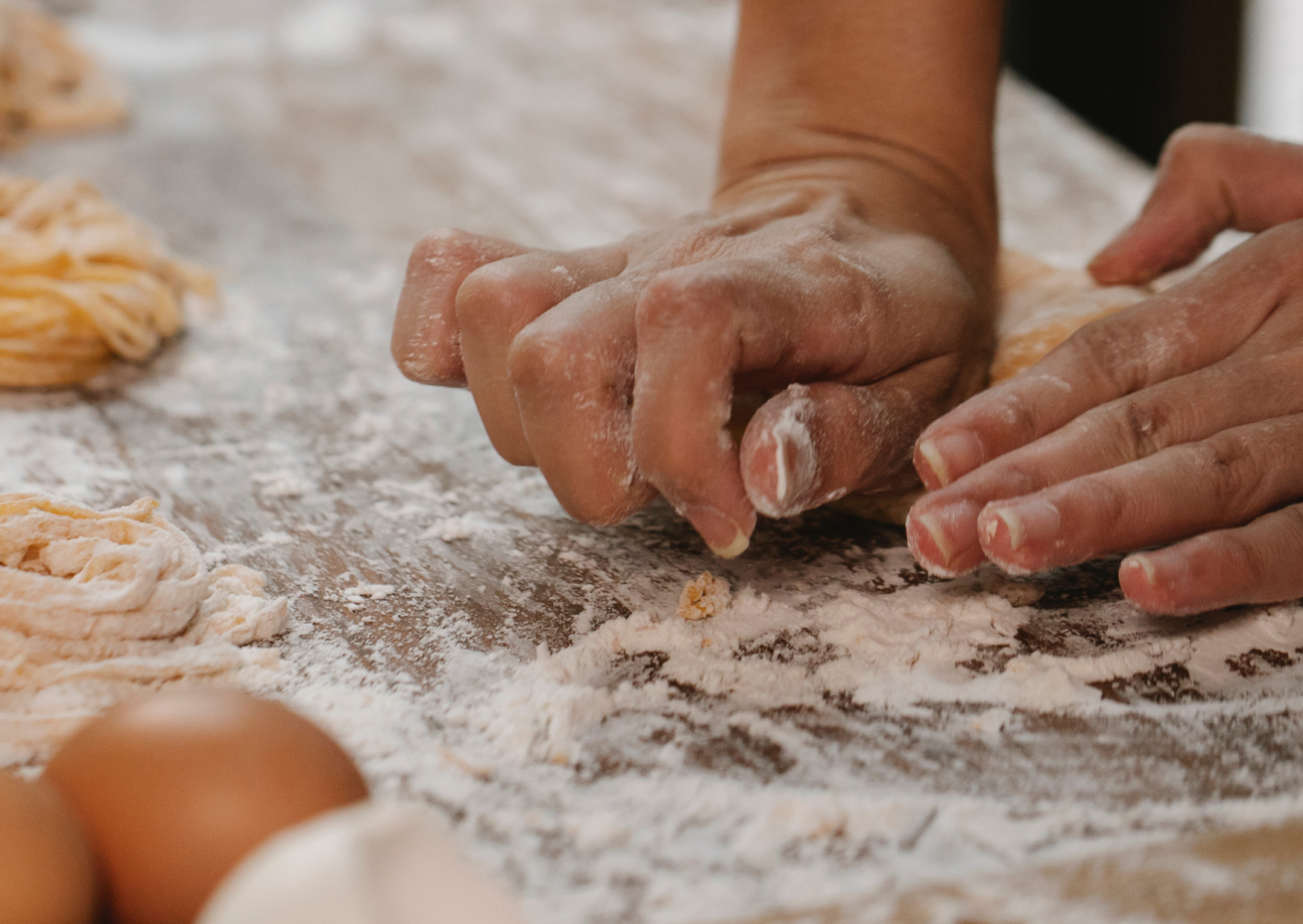
When an Italian chef makes carbonara or other raw egg-based sauces, there’s no thermometer. No digital tools. Just hands, intuition, and years of practice.
The pasta must be hot enough to melt the cheese and emulsify the yolks — but not hot enough to scramble the eggs. Timing, motion, and temperature control are all done by feel.
To an outsider, it looks simple. But it’s a technique rooted in deep knowledge, not carelessness.
The result is a sauce that’s smooth, rich, and velvety — never curdled, never gritty, and never, ever overcooked.
7. Italians Don’t Refrigerate Eggs Like Americans Do
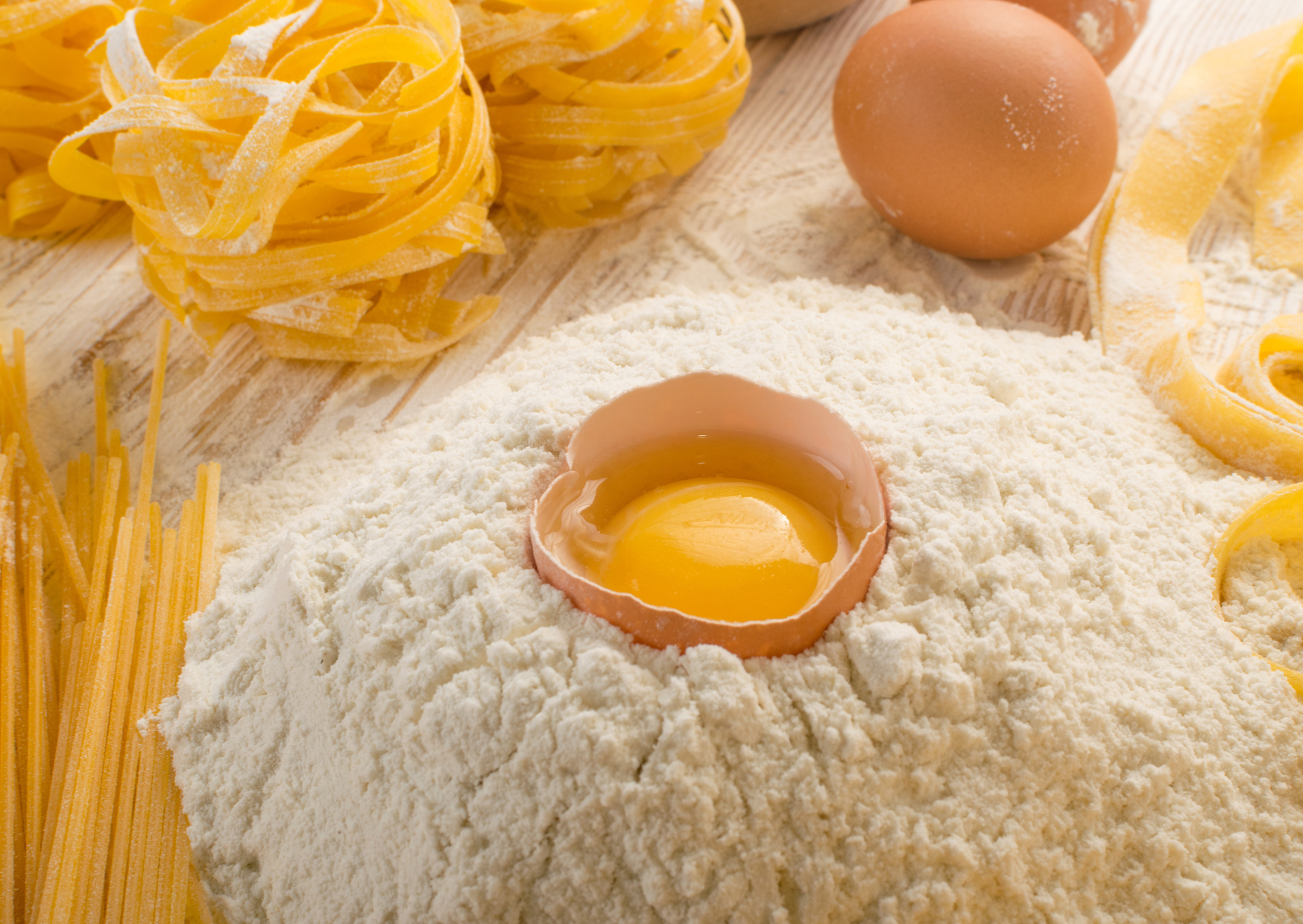
Walk into an Italian kitchen and check the countertop — chances are, the eggs are sitting out in a bowl, unrefrigerated.
In the U.S., this is considered dangerous. But in Europe, especially in southern countries, eggs are not stored cold unless they’re very old or cracked.
Because the eggs aren’t scrubbed clean of their natural protective layer, they can safely be stored at room temperature for several days.
This alone changes how Italians use eggs. They’re always at the ready, always part of the daily rhythm, and always trusted to perform — raw or cooked.
8. Illness From Eggs Is Rare — and Overblown
In the U.S., raw eggs are associated almost immediately with salmonella — a rare but serious foodborne illness.
But statistically, the odds of getting salmonella from a fresh, properly handled egg in Italy are extremely low — lower than Americans might assume.
Because the entire chain of production is smaller, more transparent, and more locally rooted, contamination is rare. And because the culture doesn’t mass-produce egg-based dishes for long-term storage, the exposure window is small.
In other words: fresh food doesn’t linger long enough to become dangerous.
9. Taste Is Prioritized Over Technological Control
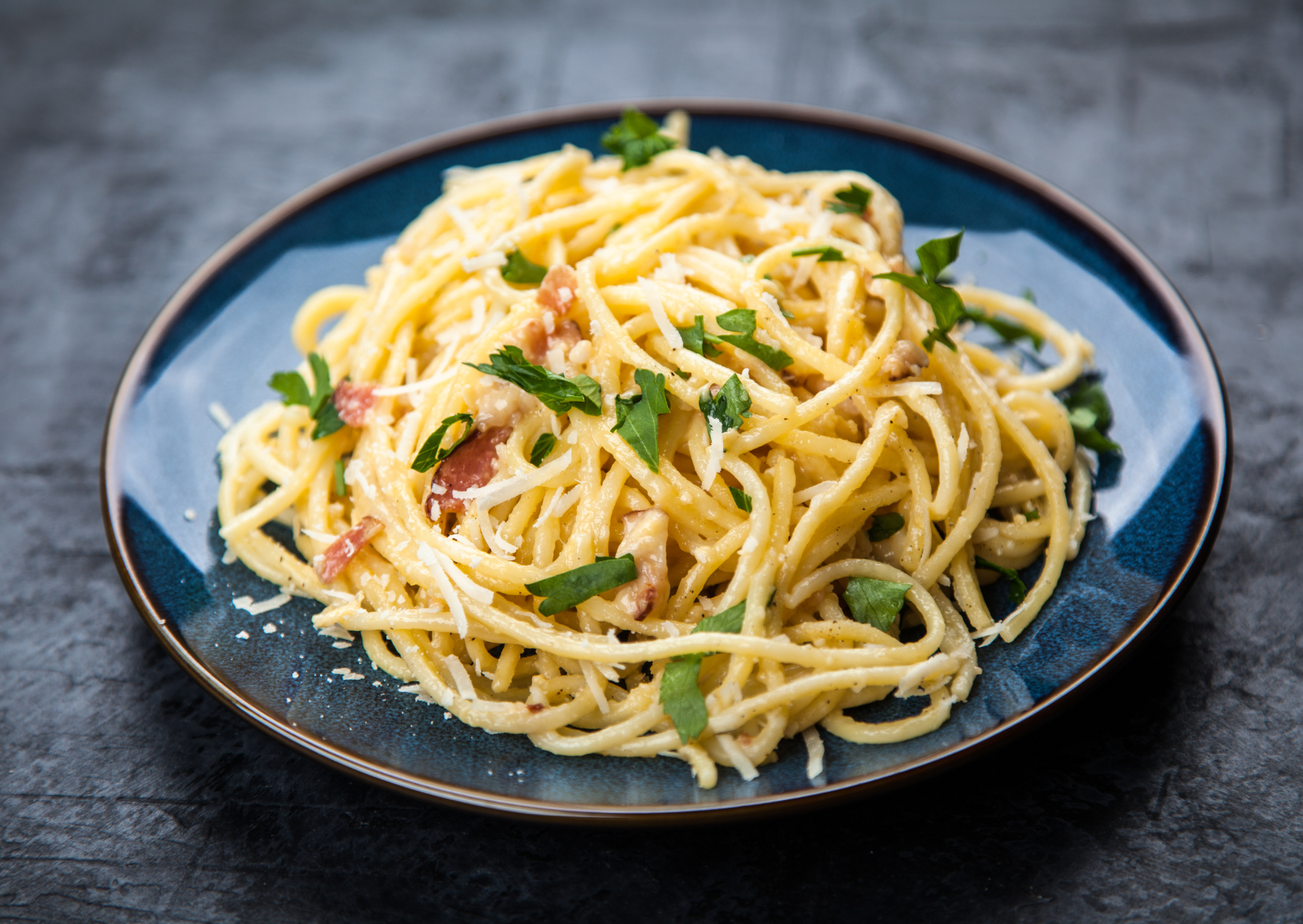
Perhaps the most telling difference is this: Italians are not interested in compromising flavor to gain perceived control.
Raw egg yolk adds richness, depth, and silkiness that no pasteurized, stabilized alternative can match. Italians know this — and they won’t give it up.
Carbonara made with cream and scrambled eggs is considered an insult. Tiramisù made without raw egg yolk? Unthinkable.
Taste isn’t everything in Italy — but when it comes to traditional recipes, it’s not up for negotiation.
One Pasta, Two Perspectives
To Americans, raw egg pasta feels like a health risk.
To Italians, it’s a perfect dish made with real ingredients and precise technique.
In American kitchens, food is often engineered to be safe at all costs.
In Italian kitchens, food is honored — and prepared with skill instead of sterilization.
One culture teaches people to manage fear.
The other teaches people to know what they’re eating, why it works, and how not to ruin it.
So if you’re handed a plate of carbonara in Rome, and your American instincts whisper “Is this safe?” — silence them.
Pick up your fork. Trust the hands that made it.
And taste what happens when tradition knows exactly what it’s doing.
Origin and History
Few dishes capture the heart of Italian cuisine like Carbonara, the iconic pasta that’s as simple as it is controversial. Made from just a handful of ingredients—eggs, cheese, cured pork, and black pepper—it embodies the Italian philosophy of minimalism: fewer ingredients, more depth. The origins of carbonara are murky, but most food historians trace it back to the mid-20th century in Rome. Some say it was invented by coal miners (carbonai in Italian, hence the name), who used preserved pork and eggs to create a hearty, shelf-stable meal while working in remote areas. Others argue it was born during World War II, when Italian cooks mixed American soldiers’ rations of bacon and powdered eggs with local pasta.
Whatever its exact birth story, carbonara quickly became a Roman staple. The dish’s defining feature—the creamy, silky sauce—comes not from cream, but from raw eggs emulsified with hot pasta water and melted cheese. This delicate balance creates a texture that’s rich yet light, binding every strand of spaghetti without heaviness. It’s a culinary magic trick that Italians perfected long before the world feared undercooked eggs.
Over time, carbonara evolved from a humble meal to a global sensation. Yet its authenticity remains fiercely protected in Italy. The Accademia Italiana della Cucina even codified the official recipe: only guanciale (pork jowl), pecorino romano, eggs, black pepper, and pasta. Anything else, they argue, isn’t carbonara—it’s imitation.
The controversy surrounding carbonara begins with one simple question: how “raw” are the eggs? Italians insist the eggs aren’t truly raw—they’re gently cooked by the residual heat of the pasta and pan, reaching a safe temperature that creates creaminess without scrambling. Americans, however, often recoil at the idea of mixing barely cooked eggs into food, fearing salmonella. The cultural divide is as much about mindset as microbiology: Italians trust their ingredients and technique, while Americans trust their thermometers.
Another flashpoint is the addition of cream. Outside Italy, chefs and home cooks frequently add heavy cream to stabilize the sauce and eliminate the risk of curdled eggs. To Italians, that’s culinary blasphemy. “No cream in carbonara” has become a national mantra, repeated by chefs, food writers, and grandmothers alike. They see the addition as diluting the soul of the dish—a shortcut that sacrifices authenticity for convenience.
Even the choice of meat sparks debate. Purists use guanciale, a cured pork cheek with a distinct richness. Many substitutes it with pancetta or bacon, which are easier to find but alter the flavor. Italians argue that every substitution chips away at tradition. To them, carbonara isn’t just a recipe—it’s a cultural artifact that must be preserved, even if it gives outsiders pause.
How Long You Take to Prepare
One of the greatest ironies of carbonara is that such a legendary dish comes together in less than 30 minutes. The ingredients are few, the method straightforward—but precision is everything. Start by bringing salted water to a boil and cooking your pasta until al dente. While it cooks, render guanciale in a skillet until crisp and the fat turns golden, then set it aside.
The heart of the recipe lies in the sauce: raw eggs whisked with pecorino romano, black pepper, and a splash of starchy pasta water. Timing is crucial here—the mixture should be ready before the pasta is drained. Once the pasta is cooked, it’s transferred directly into the pan with the hot guanciale, off the heat, before the egg mixture is poured in. The residual warmth gently cooks the eggs, transforming them into a silky coating.
If you rush, you risk scrambled eggs. If you hesitate, the sauce cools and separates. But when done right, it’s perfection: glossy, aromatic, and balanced between salty, sharp, and creamy. The entire process—from prep to plating—rarely exceeds 25 minutes, making carbonara one of the most rewarding quick meals in the culinary world.
Serving Suggestions
Authentic carbonara needs no embellishment. It’s typically served piping hot, straight from the pan, with a final dusting of pecorino romano and a twist of freshly ground pepper. The dish pairs beautifully with a glass of Frascati or Verdicchio, white wines that cut through the richness without overpowering it. Italians often serve carbonara as a primo piatto—the first course in a multi-course meal, followed by lighter dishes.
For a modern twist, some chefs experiment with alternative pastas like rigatoni or bucatini, which better hold the sauce’s velvety texture. While traditionalists scoff, these variations can enhance the mouthfeel and give the dish a playful update. Garnishes like fresh parsley or lemon zest, though unorthodox, can brighten the flavor for those who prefer a lighter touch.
If serving for a crowd, prepare the components separately and toss portions to order to keep the sauce smooth and warm. Carbonara doesn’t reheat well—the eggs can curdle upon reheating—so it’s best enjoyed fresh. The beauty of the dish lies in its immediacy: a fleeting moment of texture and flavor that can’t be replicated once it cools.
Final Thoughts
Carbonara represents everything that makes Italian cooking timeless: simplicity, respect for ingredients, and the courage to trust tradition. What many outsiders see as risky or raw, Italians see as art—an act of control and confidence in the kitchen. It’s a dish that rewards intuition over precision, proving that sometimes, the best cooking happens when you rely on feel, not fear.
The controversy over “raw eggs” misses the bigger picture. True carbonara isn’t about breaking rules—it’s about understanding them. The eggs are never truly raw, the flavors never accidental. Each forkful embodies centuries of culinary wisdom distilled into five perfect ingredients. It’s a lesson in restraint and reverence, reminding us that good food doesn’t need to be complicated to be profound.
So, the next time you crave pasta, skip the cream and the shortcuts. Embrace the heat, the timing, and yes, the eggs. When you take that first bite of authentic carbonara—the silky sauce clinging to every strand—you’ll realize the Italians were right all along. Sometimes, what scares us most in the kitchen is exactly what makes food unforgettable.

About the Author: Ruben, co-founder of Gamintraveler.com since 2014, is a seasoned traveler from Spain who has explored over 100 countries since 2009. Known for his extensive travel adventures across South America, Europe, the US, Australia, New Zealand, Asia, and Africa, Ruben combines his passion for adventurous yet sustainable living with his love for cycling, highlighted by his remarkable 5-month bicycle journey from Spain to Norway. He currently resides in Spain, where he continues sharing his travel experiences with his partner, Rachel, and their son, Han.