
The creamy cling of a Roman carbonara or a Ligurian pesto does not come from cream. It comes from pasta water, the cloudy, salty liquid Italians treat like an ingredient. As of September 2025, every serious Italian cookbook and chef says the same thing: save it, use it, and your sauce will emulsify and taste alive. Here is the culture, the chemistry, the restaurant playbook you can copy at home, and four foolproof recipes that prove it.
You do not need new gadgets.
You need a ladle and the courage to stop rinsing your noodles.
In Italy the most valuable liquid in the kitchen is not wine or stock. It is the starchy water left in the pot. Home cooks and trattoria pros keep a mug beside the boil, dip before draining, and finish every sauce with careful splashes. The rule is so ingrained that many recipes never write it down. Everyone knows.
In the United States the pot is often dumped and scrubbed shiny. Pasta gets rinsed to keep it from sticking. Cheese clumps. Oil separates. Then cream arrives to fake silk that starchy water would have created for free.
If you change one habit, change that. Salt the water, save a cup, stir it in with intent. The difference is immediate and unmistakable.
Want More Deep Dives into Other Cultures?
– 9 Italian Style Rules That Instantly Outshine American Fashion
– Why Europeans Walk Everywhere (And Americans Should Too)
– How Europeans Actually Afford Living in Cities Without Six-Figure Salaries
– 9 ‘Luxury’ Items in America That Europeans Consider Basic Necessities
The Italian Rule That Makes Sauce Cling
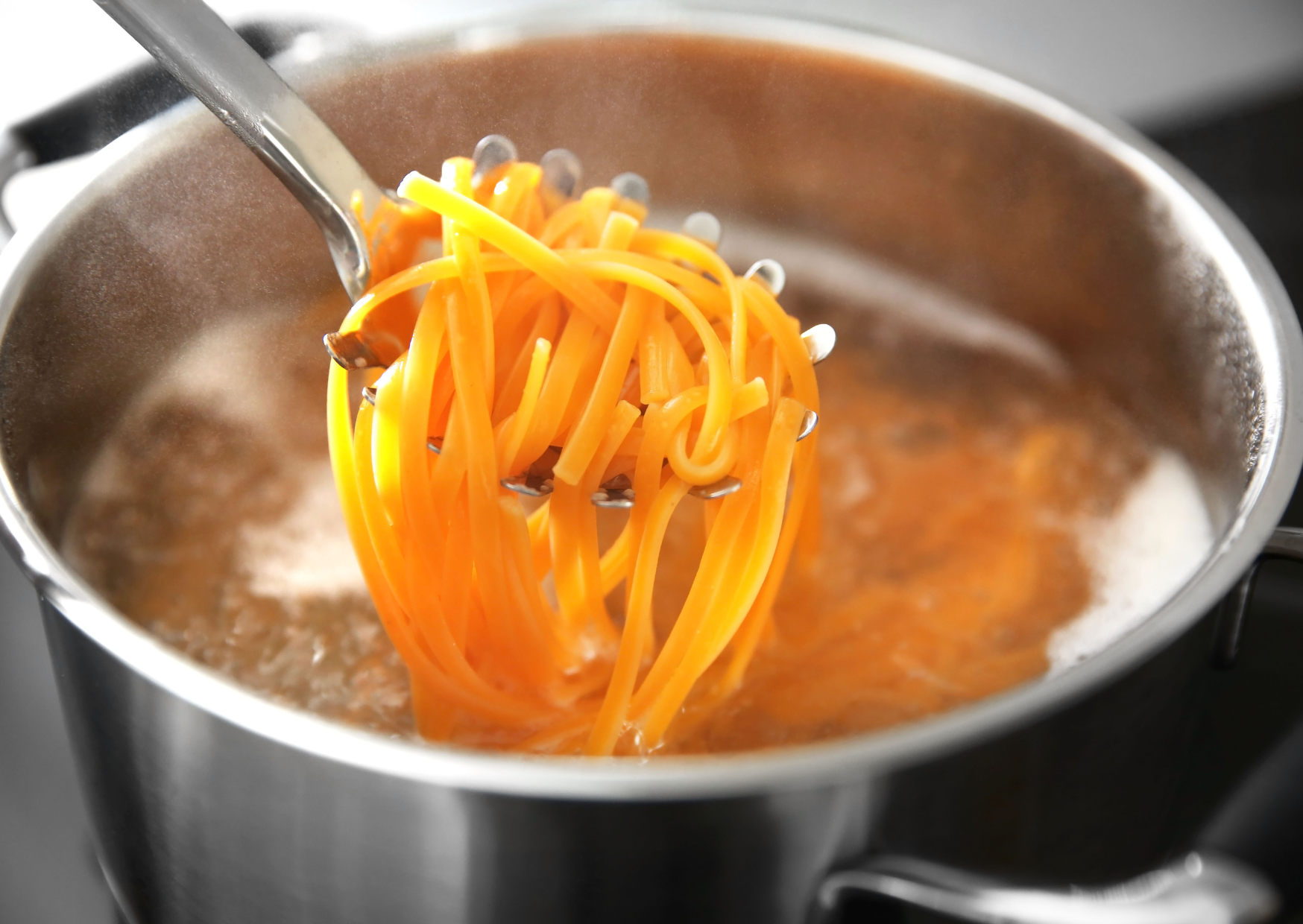
Italian cooks treat acqua di cottura as part of the recipe, not kitchen waste. They learned by watching bowls transform when a ladle of starch hits fat and cheese.
In Rome, carbonara and cacio e pepe do not exist without it. In Liguria, pesto alla genovese is a paste until hot pasta water turns it into a sauce that clings. In Naples, spaghetti aglio e olio becomes glossy only when garlic oil meets the pot’s starch.
The first paragraph of any Italian lesson is simple: pasta finishes in the sauce, and sauce finishes with pasta water. That is the rhythm. Boil, ladle, toss, taste.
Two habits make it work. First, salt is generous, so the water seasons as it binds. Second, the pot stays milky, because cooks do not rinse. Those two moves raise your floor from average to Italian in one dinner.
The Chemistry You Can Taste
Great sauce texture is not magic. It is physics in a pan.
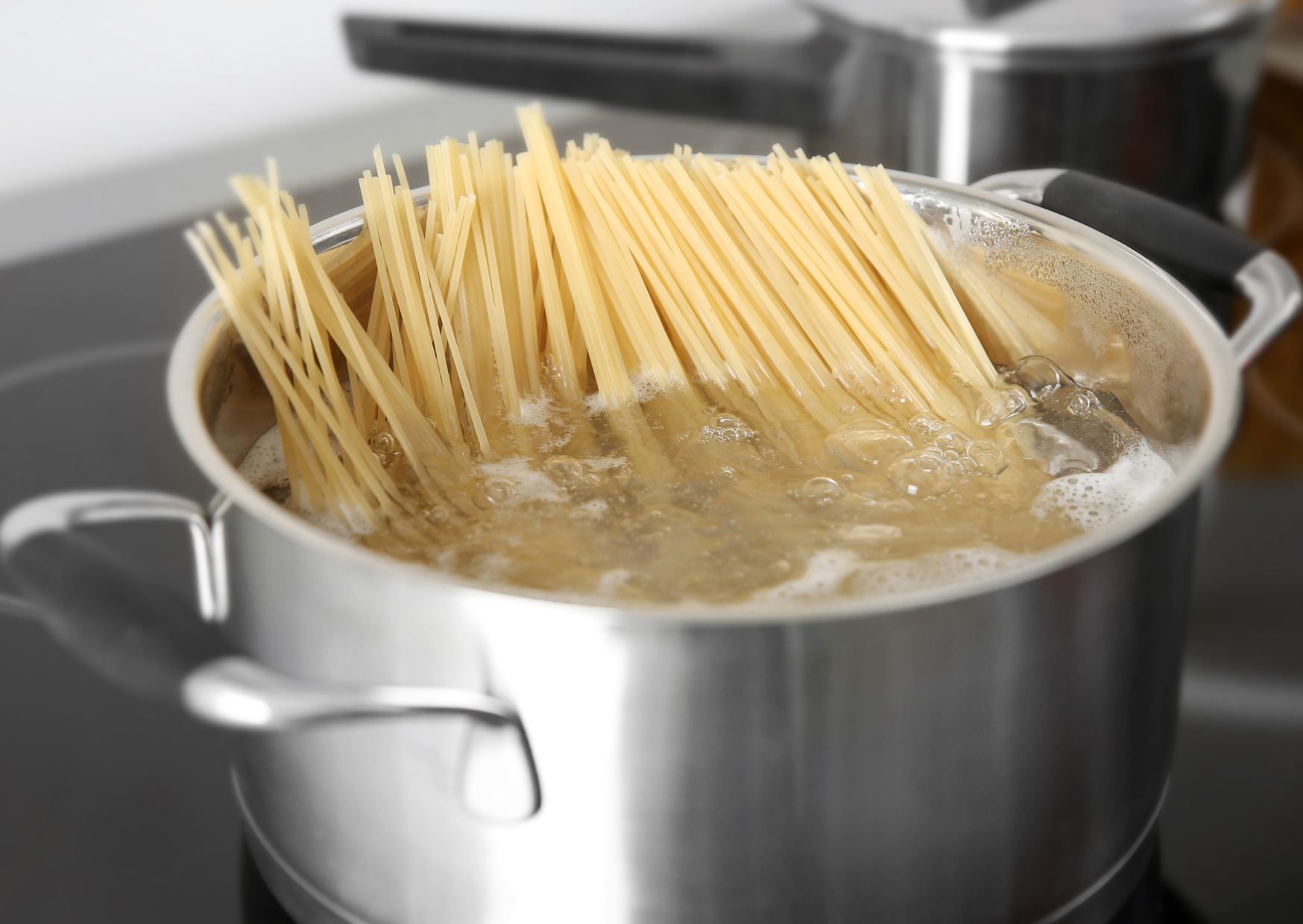
When pasta cooks, its surface leaks two starches: amylose and amylopectin. Amylose slips into the water early and gives body. Amylopectin arrives later, thickening liquid and helping emulsions stay together. That is why the water looks cloudy by minute three and silky by minute nine.
Add fat and cheese to the picture and something elegant happens. Starch molecules sit between water and fat and help them mix. Oil that would normally slick the plate turns into a thin, stable coating on every strand. Cheese that would clump melts smoothly because the starchy liquid dilutes and disperses its proteins as they heat.
Salt matters twice. It seasons the pasta from within so your last bites do not taste like plain noodles under a hat of sauce. It also changes how starch and proteins behave, which is why under-salted water gives you bland pasta and useless binding liquid.
If you want numbers, Italian culinary schools often teach a working range of 10 to 12 grams of salt per liter. That tastes like clean seawater, not a brine. It is the difference between sauce that sings and sauce that dies when it hits the noodle.
What Americans Get Wrong, And How To Unlearn It
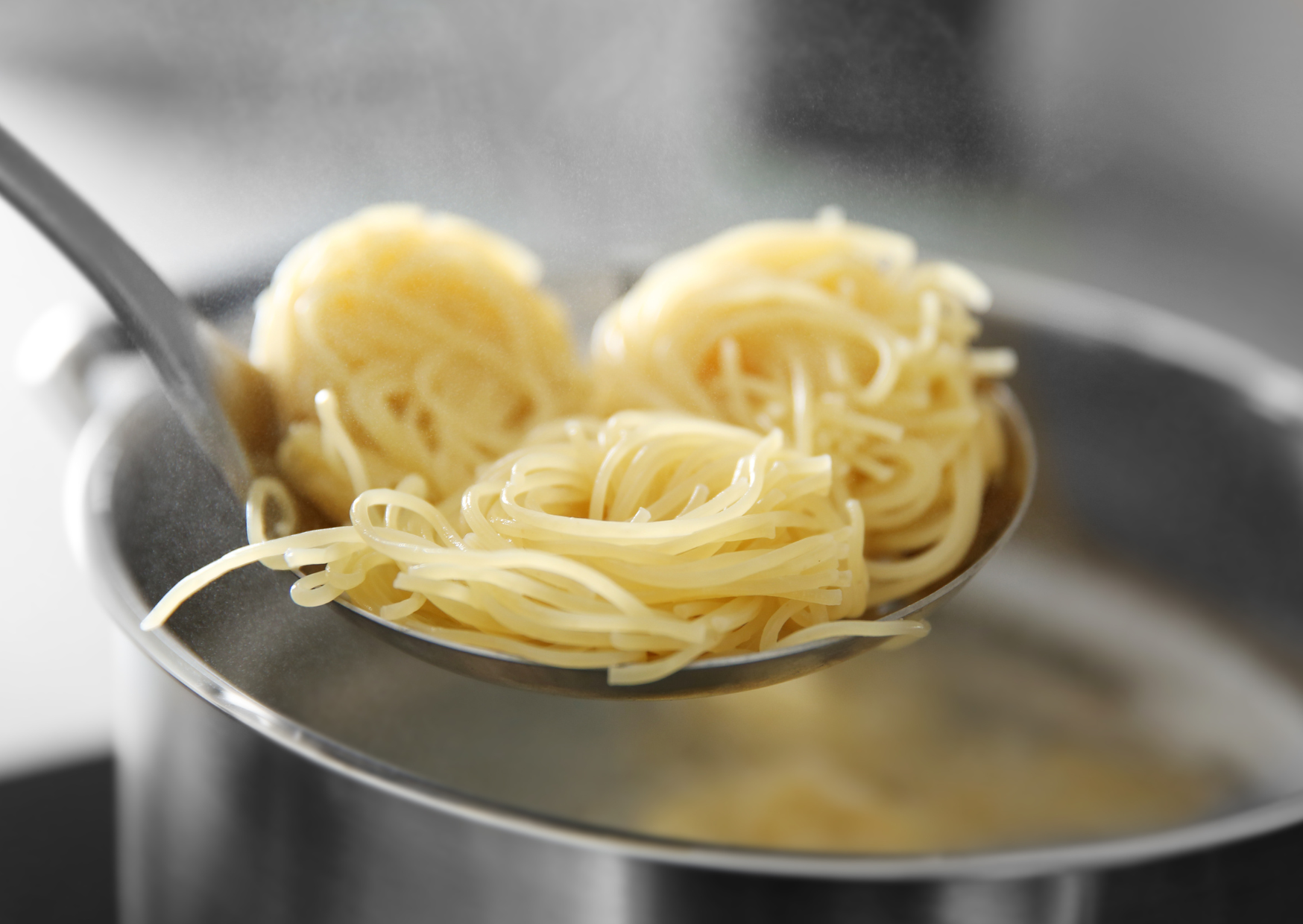
The mistakes are not moral. They are mechanical. Fix them once and the pasta fixes itself.
Americans rinse cooked pasta because they fear sticking. Rinsing blasts away the starch film that turns oil into sauce. Italians never rinse unless they are making a cold salad.
Americans boil in a cauldron of water because they were told to give pasta “room to swim.” Too much water dilutes starch. Italians cover the pasta by a couple of inches and let the boil concentrate a useful liquid.
Americans salt timidly and try to season later. That fails twice. The noodle stays dull, and the water lacks backbone to carry cheese and fat. Italians salt first so the water can work.
Americans finish sauce in a separate skillet and dump it onto pasta like gravy. Italians put pasta into the pan and treat the pot as a mixing bowl. Heat, splash, toss, taste. The sauce and the noodle become one thing.
Americans call cream when a sauce breaks. Italians call for another spoon of pasta water. The fix is not richer dairy. The fix is more starch and more tossing.
The Restaurant Playbook You Can Copy At Home
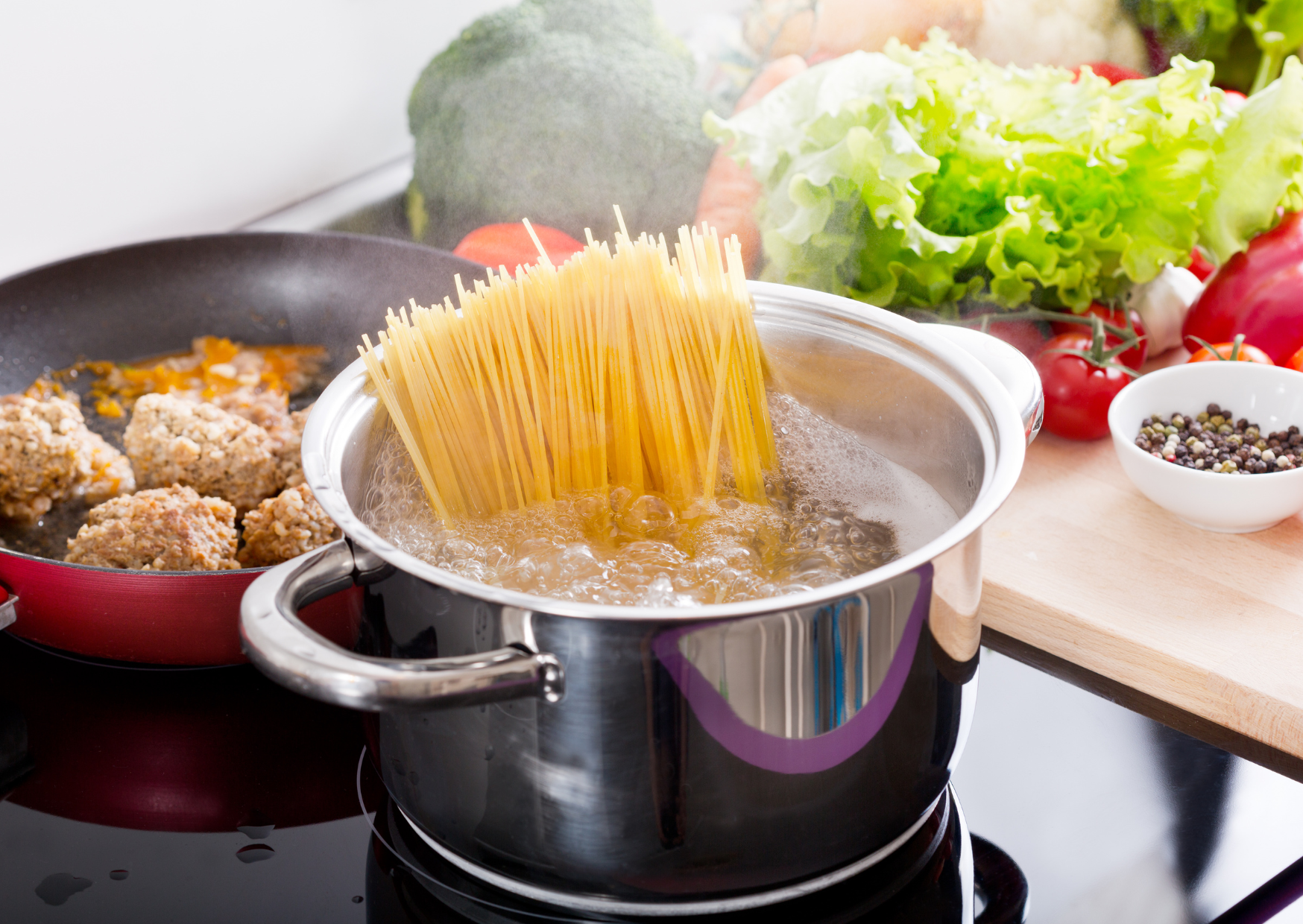
Italian kitchens run on choreography. You can steal it, exactly.
Boil in a wide pot with water that tastes like the sea. Keep a mug beside it. That is your insurance.
Cook sauce in a large skillet that has room to toss. The sauce should be hot and slightly too thick before pasta arrives. You want headroom to thin with starchy liquid.
A minute before the pasta is al dente, ladle out a cup of the water. Then lift pasta straight into the skillet with tongs or a spider. Some water will drip along. That is good.
Turn heat to medium-high. Toss. Add two or three small splashes of water while you stir vigorously. Watch for the moment the sauce turns glossy and coats every piece. If it looks soupy, keep tossing. The starch will tighten again.
Add cheese off the heat for any sauce that contains it. Stir. If it clumps, splash more water and keep stirring. If it is tight, splash again. A silky sauce is a moving target, not a single pour.
Plate hot. Eat immediately. Pasta is alive for about three minutes after it hits the sauced state. That is when it tastes like Italy.
Four Recipes That Teach Your Hands
You can read about emulsions all day. These four dishes teach your hands what good looks like. Use the weights and cues. Repeat until the motions feel automatic.
Spaghetti Carbonara
Serves: 4
Ingredients
- 400 g spaghetti
- 150 g guanciale, cut in thin sticks
- 3 whole eggs plus 1 yolk
- 70 g Pecorino Romano, very finely grated
- Fresh black pepper
- Salt for the water
Method
- Bring a wide pot of well salted water to a boil.
- Cook guanciale over medium heat until the fat renders and the meat is crisp. Turn off the heat.
- Whisk eggs and cheese in a bowl until thick like cake batter. Add a spoon of hot pasta water to warm it.
- Cook spaghetti until just shy of al dente. Ladle out a cup of water. Lift pasta into the pan with guanciale, turn the heat to low, and toss.
- Slide the pan off the heat. Add the egg mixture and toss fast. Splash in pasta water, two tablespoons at a time, until the sauce turns glossy and flows.
- Crack pepper, taste for salt, and serve immediately.
Cues that matter: The pan should be warm, not screaming hot, when the egg mixture hits. The sauce should look like heavy cream and cling to each strand. If it tightens, add a teaspoon more water and toss.
Cacio e Pepe
Serves: 4
Ingredients
- 400 g tonnarelli or spaghetti
- 120 g Pecorino Romano, finely grated
- 2 teaspoons black peppercorns, toasted and coarsely ground
- Salt for the water
Method
- Boil pasta in salted water. Reserve a mug of water.
- Warm a large skillet. Add pepper and a small splash of pasta water to make a loose slurry.
- Lift pasta into the pan. Toss over medium heat. Add another splash of water.
- Kill the heat. Add cheese in three additions, tossing like you mean it. Use more water as needed to keep it moving and glossy.
Cues that matter: If the cheese clumps, you added it too hot or too fast. Off heat, stir and keep splashing until it smooths. The final sauce should coat the pasta evenly and leave a thin sheen on the pan.
Pesto alla Genovese
Serves: 4
Ingredients
- 400 g trofie, trenette, or spaghetti
- 90 g basil leaves
- 50 g pine nuts
- 2 small cloves garlic
- 70 g Parmigiano Reggiano plus 30 g Pecorino, finely grated
- 100 ml extra virgin olive oil
- Salt
Method
- Pound or blend basil, garlic, pine nuts, cheeses, and oil to a thick paste. Season lightly.
- Boil pasta. Save ½ cup of the water.
- In a large bowl, loosen pesto with two tablespoons of hot pasta water.
- Add pasta and toss, thinning with more water in spoonfuls until it turns creamy and clings.
Cues that matter: Olive oil and cheese want to split. Starch and heat bring them back together. The finished sauce should be bright green, not greasy, with no puddles at the bottom.
Spaghetti Aglio e Olio
Serves: 4
Ingredients
- 400 g spaghetti
- 4 cloves garlic, thinly sliced
- 80 ml extra virgin olive oil
- Pinch of chili flakes
- Fresh parsley, chopped
- Salt
Method
- Boil pasta in salted water. Reserve a mug.
- Warm oil with garlic in a wide skillet until the edges of the garlic just turn gold. Add chili.
- Lift pasta into the skillet. Toss on medium heat. Splash in pasta water until the oil and starch become a silky coating.
- Finish with parsley and taste for salt.
Cues that matter: If the sauce looks oily, you need more water and more tossing. If it looks watery, keep tossing on the heat and it will tighten.
Important Notes to Keep in Mind
There are real exceptions. Use them, do not fight them.
Cold pasta salad is the one time rinsing makes sense. You want to stop cooking and remove the surface starch because the dressing is not built on emulsified cheese or oil. Rinse, chill, dress lightly, and season again before serving.
Gluten free pastas shed less familiar starch. Keep extra water and consider a teaspoon of cornstarch slurry if a cheese sauce refuses to come together. Toss gently, not aggressively. The window between silky and gummy is narrow.
Whole wheat pasta carries more flavor and more surface texture. It grabs sauce naturally, which means you can use slightly less water to reach gloss. Taste for salt. Whole wheat needs a more assertive base seasoning.
Regional dishes prove the rule. Amatriciana uses pasta water to bring tomato and rendered guanciale fat into one sauce that clings. Orecchiette con cime di rapa looks simple, yet it depends on starchy water to marry bitter greens and olive oil. Even a slow ragù gets a spoon to connect the meat sauce to the noodle right before serving.
The subtle move many Italian cooks use is risottare la pasta, cooking the last minute or two directly in the sauce with repeated small additions of pasta water. It is not a trick. It is insurance that every strand finishes seasoned and coated.
Troubleshooting, Tools, And Shortcuts
You will make a mess the first time. That is normal. Here is how to fix it on the fly and how to equip your station so the next round is automatic.
If sauce breaks into oil and clumps, remove the pan from heat, add a tablespoon of pasta water, and stir vigorously. Repeat until it comes back. If it refuses, add a teaspoon more grated cheese off the heat and keep stirring. The starch needs something to cling to.
If sauce is watery, do not panic and do not add cream. Keep tossing over medium heat so water evaporates and starch tightens. The line between soupy and glossy is one minute long.
If pasta sticks in the pot, your water was not at a boil or you did not stir in the first minute. Stir early, then let it go. Do not add oil to the water. Oil floats and coats the pasta in a film that repels sauce.
If cheese clumps, the pan is too hot. Pull it off the flame, add a splash of water, and stir until smooth. Then return to the heat only if you need to tighten. Cheese wants gentle heat and patience.
The right tools help. Keep a mug or heatproof measuring cup on the counter to grab water fast. Use a spider or tongs to move pasta from pot to pan without fully draining. Choose a wide skillet so you can toss without spilling. Grate cheese very fine with a microplane so it melts instantly into the starch.
Salt smart. Taste the water before you add pasta. It should taste pleasantly seasoned, not harsh. If it tastes like nothing, add a little more. Measuring once will teach your hand faster than a chart.
The Discipline That Changes Everything
Italian cooking is less about recipes and more about attention. A ladle of water, a quick toss, a decision in the moment. The cook is the thermostat. The cook is the blender. The cook is the taster. That is why the same four ingredients taste different in different hands.
If you want to move from pasta with sauce to pasta in sauce, adopt three small disciplines.
First, decide that pasta water is an ingredient. Put the mug by the pot before you turn on the flame. Ladle before you drain. You will use it because it is there.
Second, finish on the stove, not at the table. The sauce belongs in the pan with the pasta for a minute of tossing and tasting. The heat does the last bit of work that a bowl cannot do.
Third, let salt carry some of the load. Things taste better and emulsify more easily when the base seasoning is right. Under-salting slows you down and forces you to chase flavor with last minute fixes.
Do that and your pasta stops tasting like a pile of noodles with something on top. It starts tasting unified, glossy, and alive.
What This Means For You
You do not need to memorize a dozen sauces. You need to trust the pot.
The water you used to pour down the drain is the missing bridge between fat and flavor. Italians never wash pasta pots because that cloudy liquid is part of dinner. Americans who rinse and dump are sabotaging the very thing they want.
Salt the water until it tastes like the sea. Save a cup before you drain. Move pasta to the pan and let starch, heat, and movement finish the job. When it looks glossy and feels elastic on the fork, you are done.
Do it once for carbonara. Do it twice for cacio e pepe. By the third night, your hands will know. The rule is old and the trick is simple. The pasta you love in Italy can live in your kitchen. All you needed was the water.

About the Author: Ruben, co-founder of Gamintraveler.com since 2014, is a seasoned traveler from Spain who has explored over 100 countries since 2009. Known for his extensive travel adventures across South America, Europe, the US, Australia, New Zealand, Asia, and Africa, Ruben combines his passion for adventurous yet sustainable living with his love for cycling, highlighted by his remarkable 5-month bicycle journey from Spain to Norway. He currently resides in Spain, where he continues sharing his travel experiences with his partner, Rachel, and their son, Han.