
French families are getting more probiotics from their nightly cheese course than Americans get from their $80 monthly supplements, and they’re doing it with wine while Americans choke down pills with kombucha. Every French household creates elaborate cheese plates after dinner that deliver billions of beneficial bacteria through raw-milk aged cheeses while Americans buy freeze-dried capsules from Instagram ads. My Parisian neighbor’s 5-year-old has better gut health from eating Roquefort since age two than most Americans achieve with their supplement cabinet worth of expensive probiotics.
The absurdity is stunning: Americans spend billions on probiotic supplements while avoiding the exact foods that deliver probiotics naturally. French people think probiotics are something yogurt companies invented to sell to worried Americans. They just eat cheese properly and their guts work perfectly.
After learning the French winter cheese course from three generations of my neighbor’s family, I threw away my supplements and started ending meals with proper cheese. My digestion improved more in two weeks than two years of expensive capsules ever achieved.
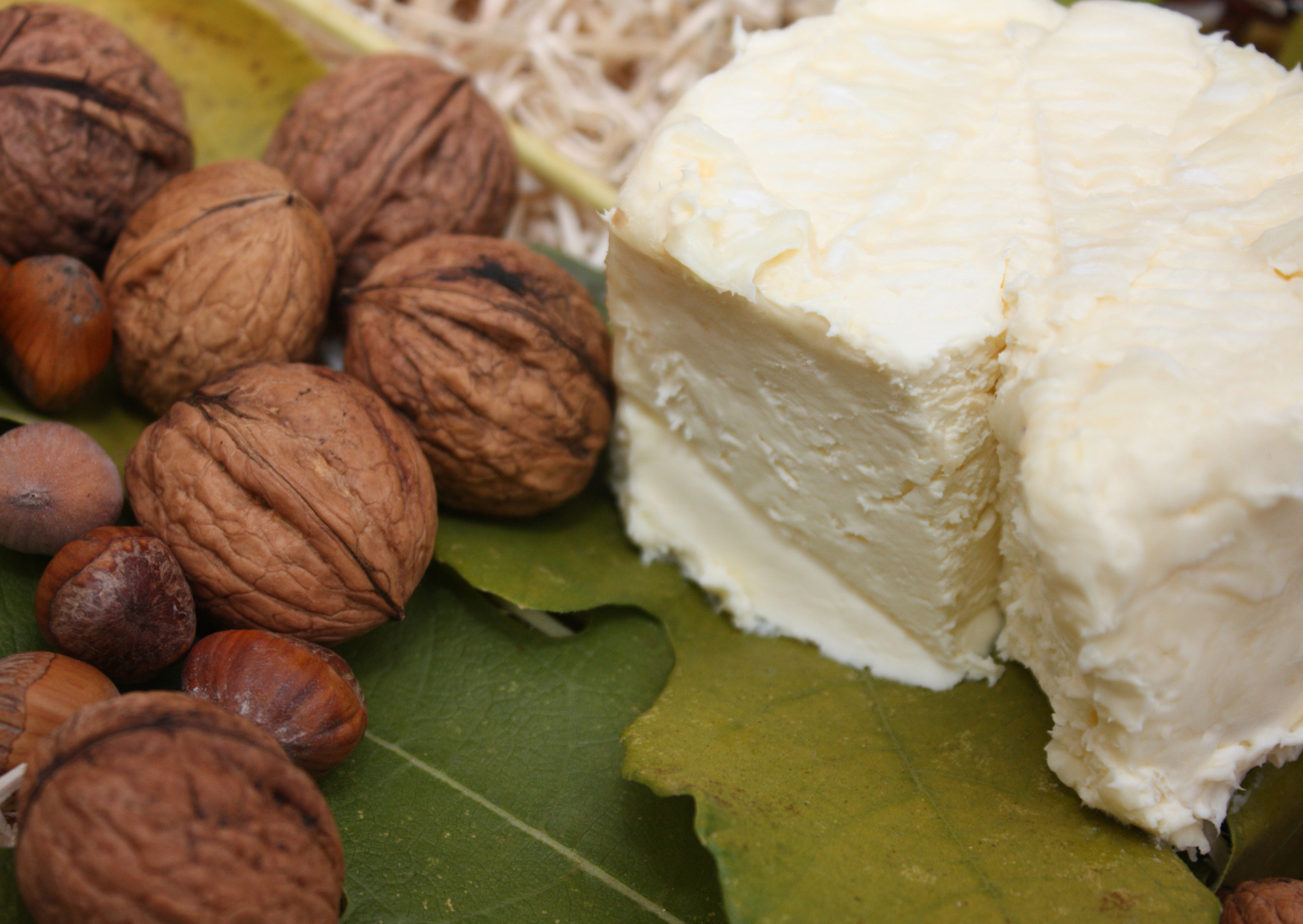
Traditional French Winter Cheese Course (Plateau de Fromage d’Hiver)
Prep Time: 20 minutes
Temperature Setting: 1 hour (bringing to room temp)
Serving: 4-6 people
Cost: €15-20 total (vs $80 for monthly probiotics)
Probiotic Count: 10-50 billion CFU per serving
Essential Tools
- Large wooden board or slate (30-40cm minimum)
- Cheese knives (different knife for each cheese – critical)
- Soft cheese knife (holes prevent sticking)
- Hard cheese knife (sharp, sturdy)
- Blue cheese knife (narrow blade)
- Spreader for very soft cheeses
- Cheese paper (not plastic wrap – cheese needs to breathe)
- Room temperature plate (cold plates kill flavor)
- Small labels (optional but helpful for learning)
- Proper wine glasses (cheese without wine is incomplete)
The Five Essential Winter Cheeses
1. Camembert de Normandie AOC (Soft, bloomy rind)
- Must say “au lait cru” (raw milk)
- Wooden box packaging
- €4-5 per wheel
- 10 billion CFU probiotics per 30g serving
- Room temperature: 1 hour minimum
2. Comté (18-month aged) (Hard, alpine)
- Crystal formations mean proper aging
- Nutty, complex flavors
- €3-4 per 150g piece
- Lactobacillus helveticus (immune boosting)
- Cut into triangular chunks, not slices
3. Roquefort AOC (Blue, sheep’s milk)
- Penicillium roqueforti = natural antibiotic
- Cave-aged minimum 3 months
- €4-5 per 125g
- Most potent probiotic punch
- Crumble, don’t slice
4. Époisse (Soft, washed rind)
- Burgundy’s stinkiest treasure
- Washed in Marc de Bourgogne
- €8-10 per box (worth it)
- Brevibacterium linens (vitamin B12 production)
- Serve in its wooden box, spoon out
5. Chèvre (Fresh or aged goat)
- Sainte-Maure de Touraine ideal
- Straw through center = authentic
- €3-4 per log
- Easier to digest than cow’s milk
- Slice into rounds
The Accompaniment Setup
Essential accompaniments:
- Bread: Fresh baguette, sliced at angle
- Walnuts: Activates cheese flavors
- Dried figs: Classic winter pairing
- Quince paste: For hard cheeses
- Honey: Small pot for blue cheese
- Fresh pear: Sliced just before serving
- Cornichons: Palate cleanser
Never include (French would be horrified):
- Crackers (use real bread)
- Grapes (too sweet, too summer)
- Processed anything
- Flavored items
- Chocolate (sacrilege)
Assembly Method
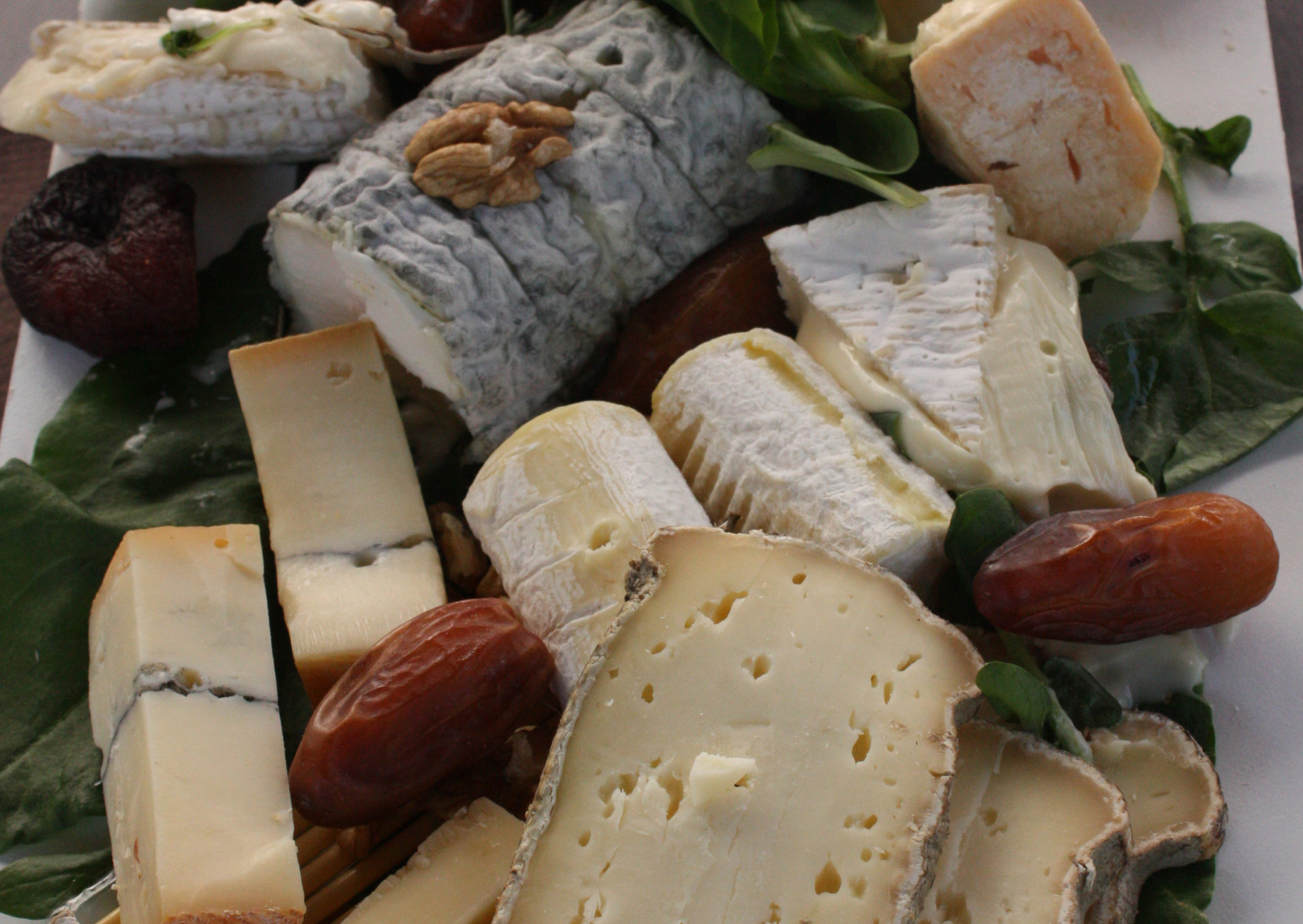
Step 1: Temperature Management (1 hour before)
Remove all cheeses from refrigerator exactly one hour before serving. This is non-negotiable. Cold cheese has no flavor and reduced probiotic activity.
Keep in paper wrapping until 10 minutes before serving. Unwrap, let breathe, arrange on board.
French rule: “Cheese must weep” – slight moisture on surface means perfect temperature.
Step 2: Board Arrangement (The Clock Method)
Arrange cheeses like clock face, mildest at 12, strongest at 6, progressing clockwise:
- 12 o’clock: Fresh chèvre (mildest)
- 2 o’clock: Camembert
- 4 o’clock: Comté
- 5 o’clock: Roquefort
- 6 o’clock: Époisse (strongest)
This creates natural tasting progression. Never random placement.
Step 3: Cutting Techniques
Each cheese has proper cutting method for optimal flavor and texture:
Camembert: Cut like cake, triangular wedges from center Comté: Break into chunks with knife tip, never thin slices Roquefort: Crumble from the edge, preserve blue veins Époisse: Don’t cut – provide spoon Chèvre: Straight rounds, 1cm thick
Wrong cutting destroys texture and flavor distribution.
Step 4: The Service Ritual
Place board center of table after main course, before dessert. Each person takes small plate. Progression is crucial:
- Start with mildest (chèvre)
- Progress through flavors
- End with strongest (Époisse)
- Bread between different cheeses
- Wine sips throughout
Portion control: 30g each cheese per person. This isn’t American excess. Small amounts, high quality.
The Wine Pairing
Winter cheese wine pairings:
- Camembert: Light red Burgundy or Normandy cider
- Comté: White Jura wine (same region)
- Roquefort: Sauternes (sweet balances salt)
- Époisse: Burgundy red
- Chèvre: Sancerre (Loire white)
One wine for all: Good Côtes du Rhône works universally.
Temperature: Reds at 16°C (60°F), whites at 10°C (50°F)
The Probiotic Science
Why French cheese beats supplements:
- Live cultures: Supplements often dead from processing
- Bioavailability: Milk fat helps absorption
- Variety: Multiple strains, not single isolated strain
- Prebiotics: Cheese contains food for probiotics
- Synergy: Cultures work together
- Evolution: Thousands of years of development
Probiotic content per 30g serving:
- Raw Camembert: 10 billion CFU
- Aged Comté: 1 billion CFU
- Roquefort: 8 billion CFU
- Époisse: 12 billion CFU
- Raw milk chèvre: 5 billion CFU
Total from cheese course: 36 billion CFU
American probiotic supplement: 10-20 billion CFU (if still alive)
The Digestive Benefits
French eating pattern optimizes digestion:
- Main course: Prepared stomach
- Cheese course: Introduces probiotics
- No sweet dessert after: Sugar doesn’t feed bad bacteria
- Wine: Aids digestion, doesn’t overwhelm probiotics
- Walking after: French digestive walk
Americans: Huge meal → sugary dessert → collapse on couch → wonder why bloated
Storage Between Courses
Proper storage (cheeses last weeks properly stored):
- Wrap in cheese paper or parchment (never plastic)
- Place in cheese drawer or vegetable crisper
- Store different types separately
- Blue cheese in airtight container (spreads mold)
- Fresh chèvre in original packaging
Never:
- Plastic wrap (suffocates cheese)
- Freeze (destroys texture and cultures)
- Store near strong odors
- Keep too cold (kills cultures)
The Children’s Version
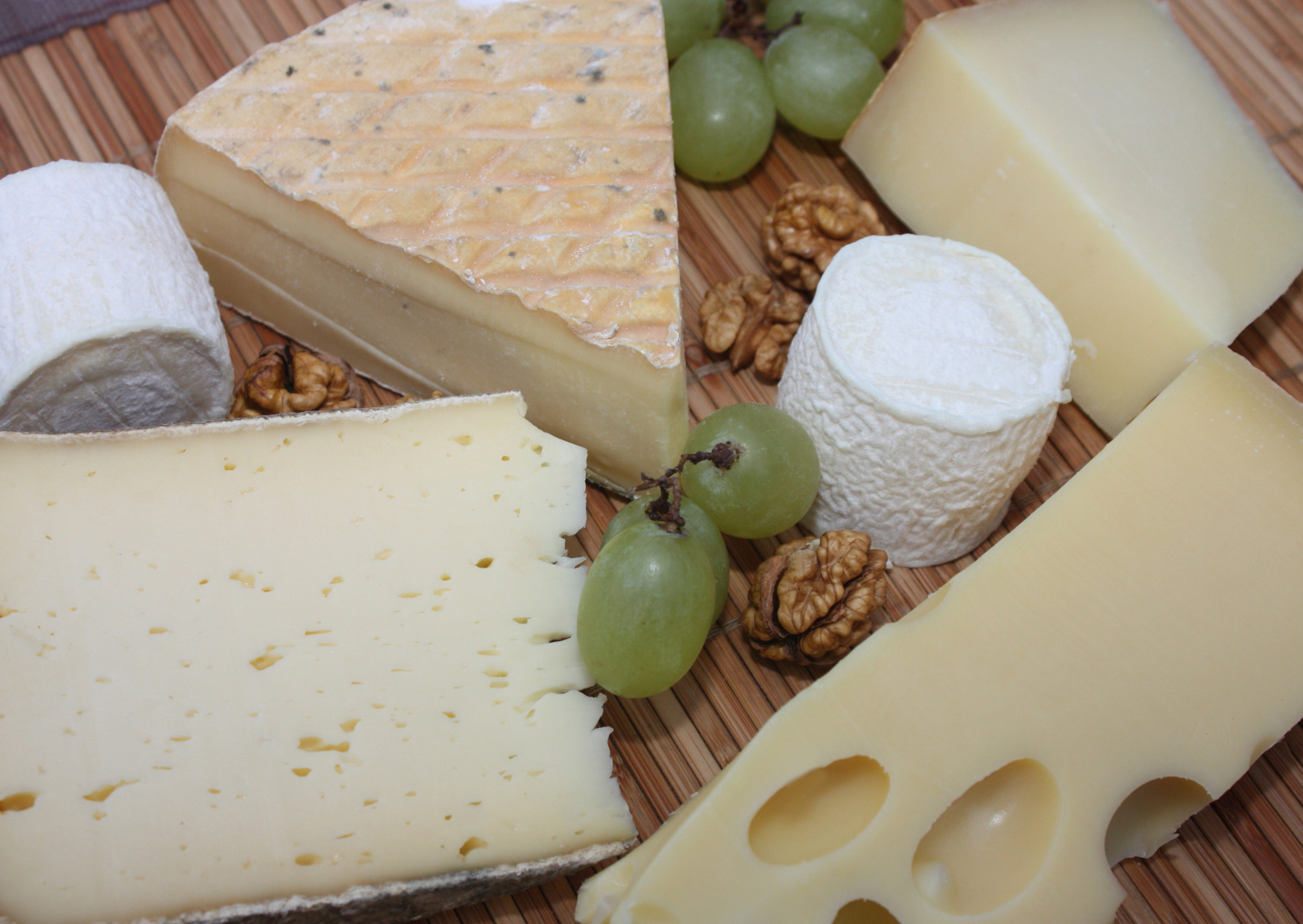
French children eat this from age 2:
- Smaller portions (10g each)
- Milder selections first
- No Époisse until older
- Paired with apple, not wine
- Learn proper knife technique early
Result: French kids have sophisticated palates and healthy guts. American kids eat processed cheese and have allergies.
Seasonal Variations
Winter (December-February):
- Stronger, aged cheeses
- Washed rinds perfect
- Pair with walnuts, dried fruit
Spring (March-May):
- Fresh goat cheeses arrive
- Lighter flavors
- Pair with radishes, herbs
Summer (June-August):
- Fresh cheeses dominate
- No heavy washed rinds
- Pair with tomatoes, stone fruits
Autumn (September-November):
- Mountain cheeses peak
- Pair with apples, pears
The Cost Analysis
French monthly cheese budget:
- 4 cheese courses weekly: €60-80
- Provides all probiotics needed
- Plus calcium, protein, B12
- Social enjoyment included
- Wine pairing pleasure
American probiotic routine:
- Supplement bottle: $80
- Kombucha: $60
- Yogurt drinks: $40
- Total: $180
- No enjoyment, questionable efficacy
The Morning After
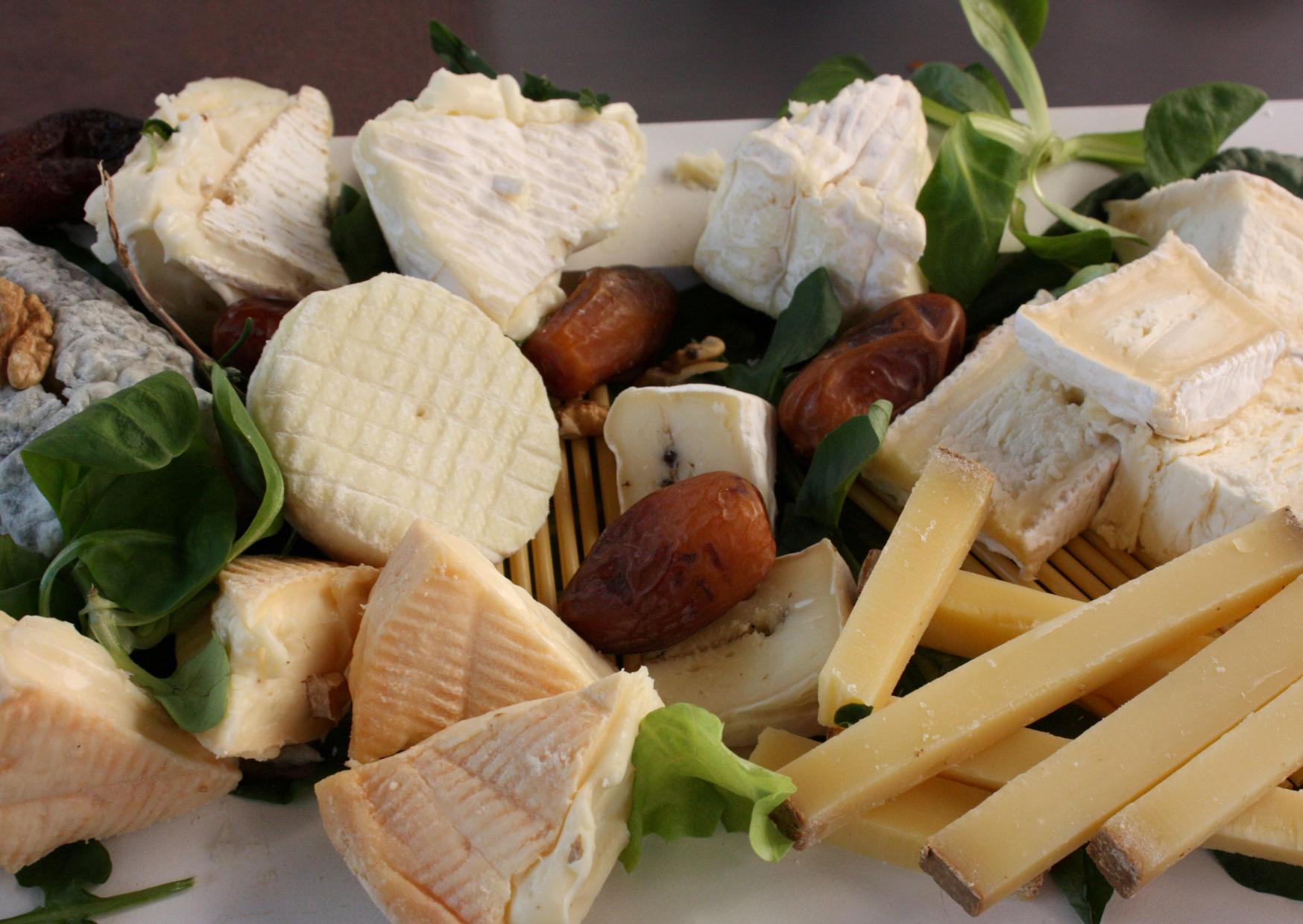
French people eating cheese nightly:
- Regular digestion
- No bloating
- Better nutrient absorption
- Stable weight
- Happy gut
Americans taking probiotics:
- Still constipated
- Still bloated
- Still buying more supplements
- Still avoiding real food
- Still wondering why it’s not working
Common Mistakes Americans Make
Temperature crimes:
- Serving straight from fridge
- Using cold plates
- Rushing the warming
Cutting disasters:
- Using one knife for all
- Cutting paper-thin slices
- Mixing flavors on knife
Pairing problems:
- Sweet jam with everything
- Crackers instead of bread
- Beer instead of wine
- Eating as appetizer not after meal
Portion psychosis:
- Huge chunks like cheddar blocks
- Eating entire wheel of brie
- Making it the meal not course
The Cultural Education
This isn’t just about probiotics. It’s about:
- Slowing down after dinner
- Conversation over cheese
- Teaching children food culture
- Appreciating craftsmanship
- Understanding terroir
French families spend 45 minutes on cheese course. Talking, tasting, teaching. Americans spend 30 seconds swallowing pills while scrolling phones.
The Lactose Reality
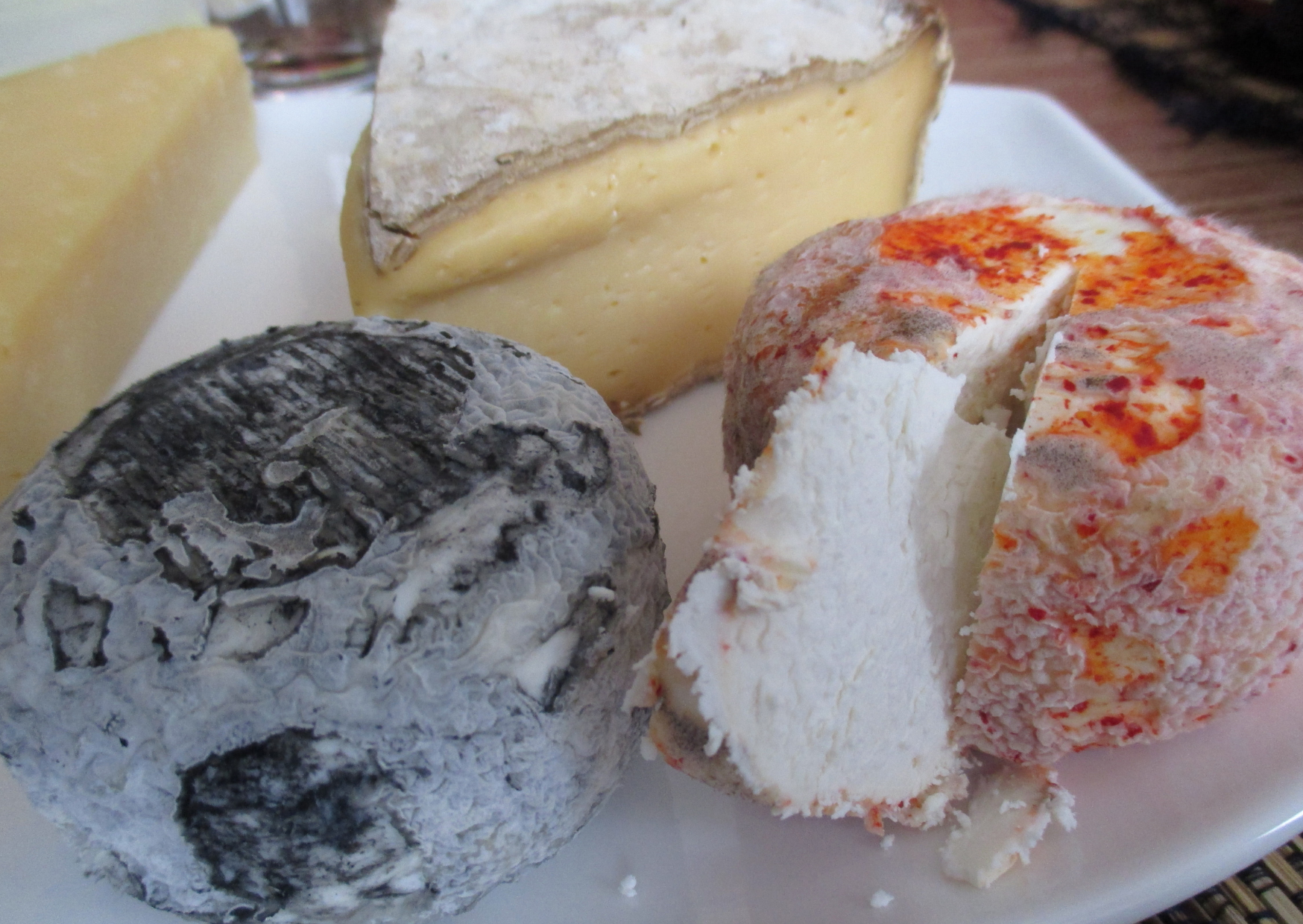
“But I’m lactose intolerant!”
Aged cheeses have minimal lactose:
- Comté 18-month: 0g lactose
- Aged chèvre: Trace amounts
- Roquefort: Nearly none
- Camembert: Very little
Lactose converts to lactic acid during aging. French “lactose intolerant” people eat aged cheese fine. American “intolerance” often just poor quality dairy reaction.
The Supply Shopping
Where to buy in America:
- Whole Foods cheese counter (ask for raw milk)
- Local cheese shops (building relationships helps)
- Costco (surprisingly good Comté)
- Trader Joe’s (decent budget options)
- Online (Murray’s, iGourmet)
What to ask:
- “Do you have raw milk cheeses?”
- “What’s aged over 60 days?” (US requirement)
- “Can I taste before buying?”
- “What’s seasonal right now?”
The Investment Return
Initial investment:
- Wooden board: $40
- Proper knives: $60
- First cheese selection: $40
- Total: $140
Monthly cost: $60-80 Annual cost: $720-960
American probiotics annual: $960-2,160 Plus: No culture, no pleasure, questionable results
The Three-Generation Testimony
Grand-mère (82): “I’ve eaten cheese every night for 75 years. Never taken supplement. Perfect digestion.”
Maman (55): “Raised three children on cheese courses. No allergies, no digestive issues, no picky eaters.”
Daughter (28): “Moved to America for work. Started probiotics. Got sicker. Returned to cheese course. Immediately better.”
The Final Plate
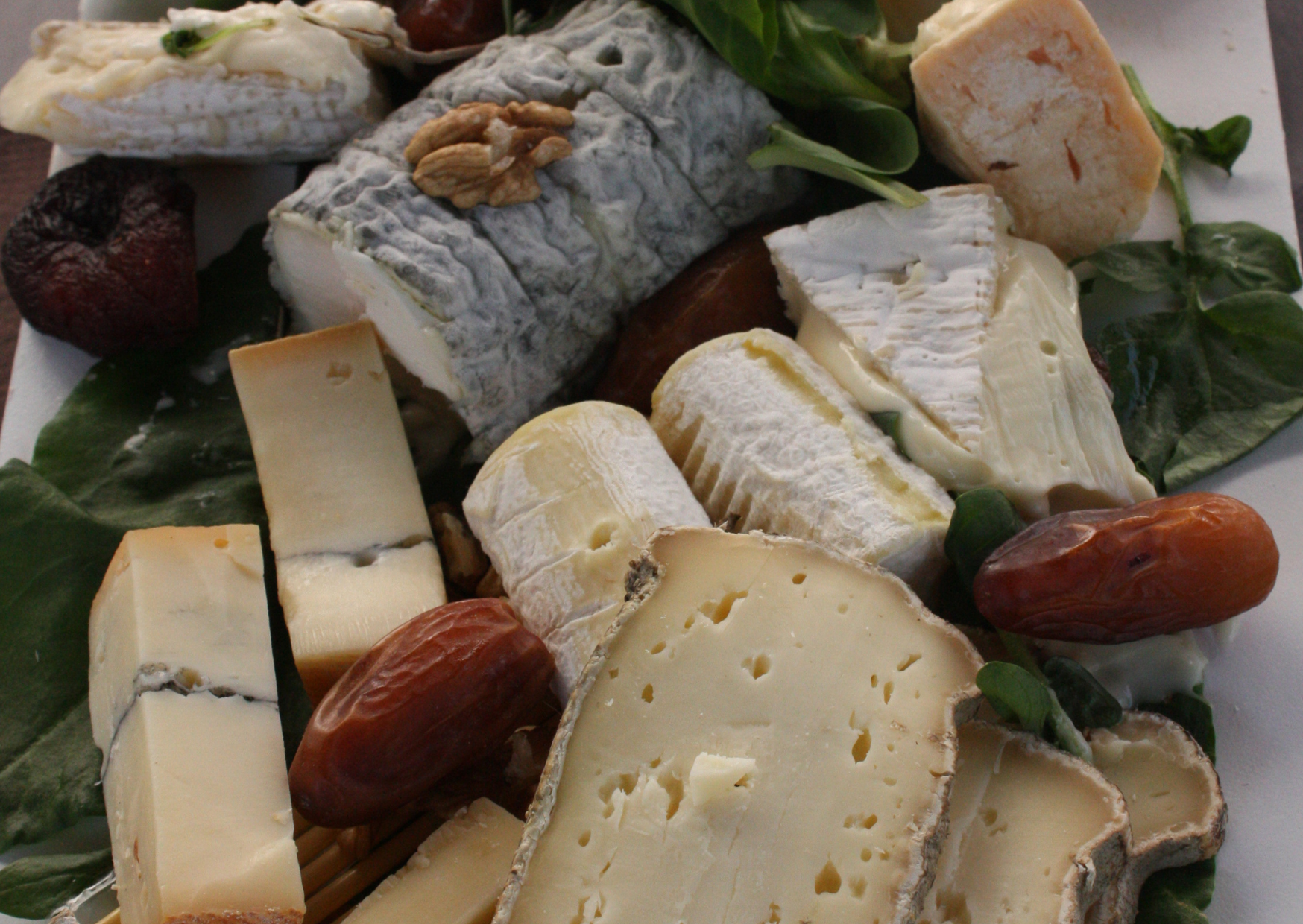
French winter cheese course delivers more probiotics than American supplements, costs less, tastes magnificent, creates family ritual, teaches food culture, and actually works.
While Americans spend $80 monthly on dead bacteria in capsules, French families gather around cheese boards getting live cultures with wine and conversation.
Your gut doesn’t need expensive supplements. It needs proper cheese, properly served, properly enjoyed. The French proved this for centuries.
Set your board. Bring cheese to temperature. Pour wine. Gather family. Eat slowly.
Watch your digestion improve while your supplement-taking friends stay bloated despite their capsule collection.
The probiotics you need are in the cheese cave, not the pharmacy. The ritual you need is at the table, not the medicine cabinet. The solution costs €15 and comes with wine.
Bon appétit and better gut health. Through cheese. As nature intended. Not through capsules. As capitalism invented.

About the Author: Ruben, co-founder of Gamintraveler.com since 2014, is a seasoned traveler from Spain who has explored over 100 countries since 2009. Known for his extensive travel adventures across South America, Europe, the US, Australia, New Zealand, Asia, and Africa, Ruben combines his passion for adventurous yet sustainable living with his love for cycling, highlighted by his remarkable 5-month bicycle journey from Spain to Norway. He currently resides in Spain, where he continues sharing his travel experiences with his partner, Rachel, and their son, Han.