
And what it reveals about fat, food culture, and why one society fears what another still pours generously on the pan
In Spain, no kitchen is complete without olive oil. Not a drizzle for salads, not a splash for occasional cooking—but full, glugging pours. It sits by the stove, not the cupboard. It’s added to soup, rubbed on toast, drizzled over grilled vegetables, and used to finish nearly everything. Grandmothers in small towns use it liberally, without measuring spoons or second thoughts. It’s part of the landscape of flavor and health.
In the U.S., olive oil carries more tension. It’s often labeled as heart-healthy, but also as a “good fat” that must be used in moderation. Americans are taught to fear fat, to minimize oils, to count servings. Even olive oil, revered in theory, is sometimes handled with anxiety. Is it extra virgin? How many tablespoons? Will this spike my cholesterol?
The contrast runs deeper than diet. It reflects two ways of thinking about food. In Spain, olive oil is a base, a binder, a carrier of culture. It’s not a substitute for butter or a health product—it’s the default. In the U.S., it’s a wellness accessory. Its use is cautious, moralized, and often filtered through medical literature rather than culinary tradition.
Here’s why Spanish grandmothers still cook with the oil American hearts can’t process—and what this difference reveals about how food, fat, and fear shape the body and the kitchen.
Want More Deep Dives into Everyday European Culture?
– Why Europeans Walk Everywhere (And Americans Should Too)
– How Europeans Actually Afford Living in Cities Without Six-Figure Salaries
– 9 ‘Luxury’ Items in America That Europeans Consider Basic Necessities
1. Olive oil is treated as food, not medication
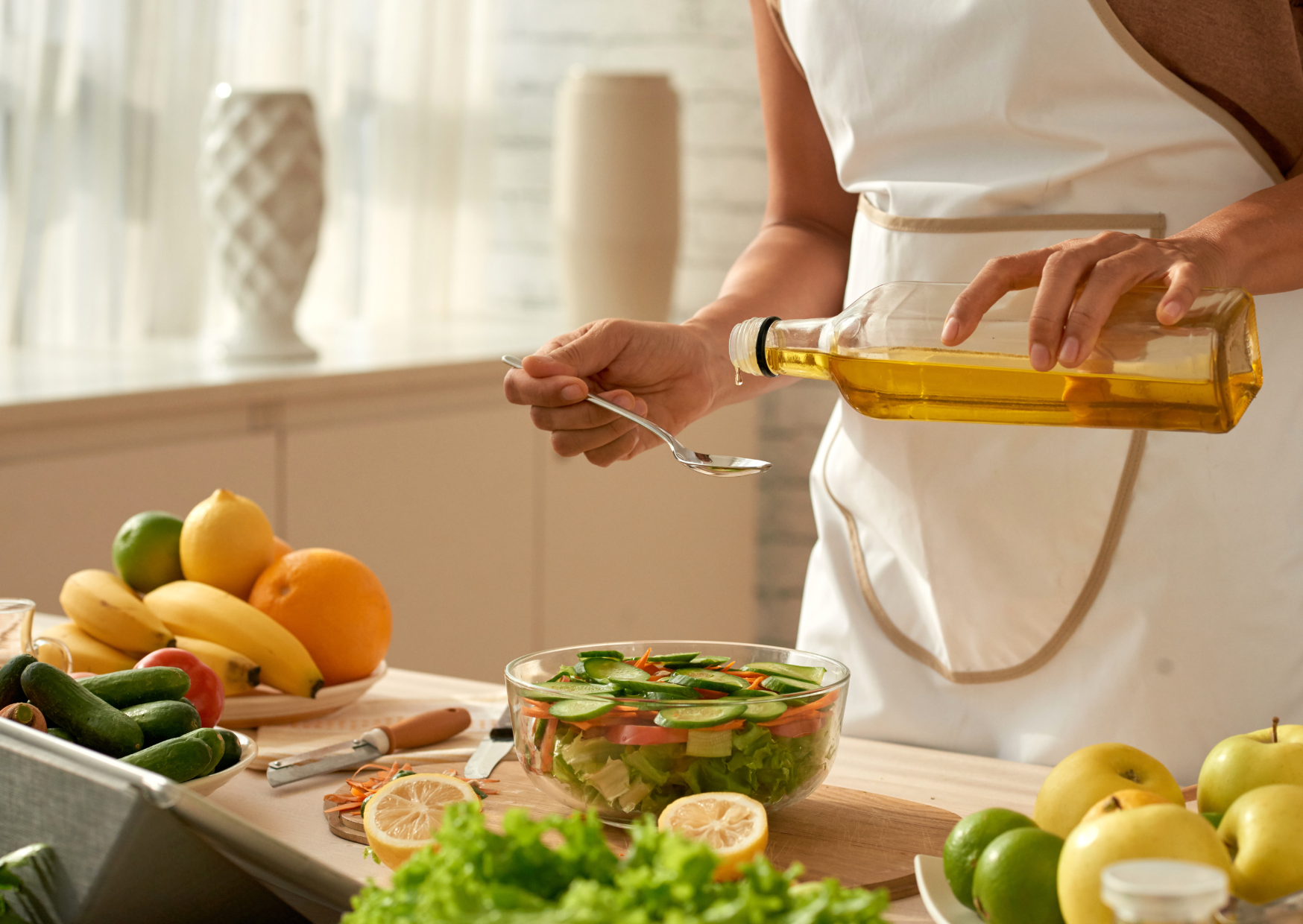
In the U.S., olive oil is often framed as a healthy alternative. Cookbooks recommend it in place of butter. Doctors endorse it as a heart-friendly fat. Health magazines rank it by polyphenol content. The message is: use it wisely, sparingly, and with an eye on your cholesterol.
In Spain, no one is measuring their olive oil intake. It’s not a health tool. It’s the default cooking medium. People use it to sauté onions, to confit garlic, to marinate meat, and to fry eggs. It’s not limited to salads or special diets. Children grow up watching grandparents pour oil straight into soup pots and onto grilled bread. It’s not performative—it’s instinctive.
This difference matters. When olive oil is used as food, it becomes part of the emotional and cultural experience. When it’s used as a supplement, it’s reduced to its function. Spanish kitchens allow olive oil to be flavorful, aromatic, and tactile. American kitchens tend to treat it as a controlled substance.
That cultural framing alters how people use oil, and how they feel about using it. In Spain, cooking with olive oil isn’t an exception. It’s the beginning of every dish.
2. Fat isn’t feared in Mediterranean kitchens
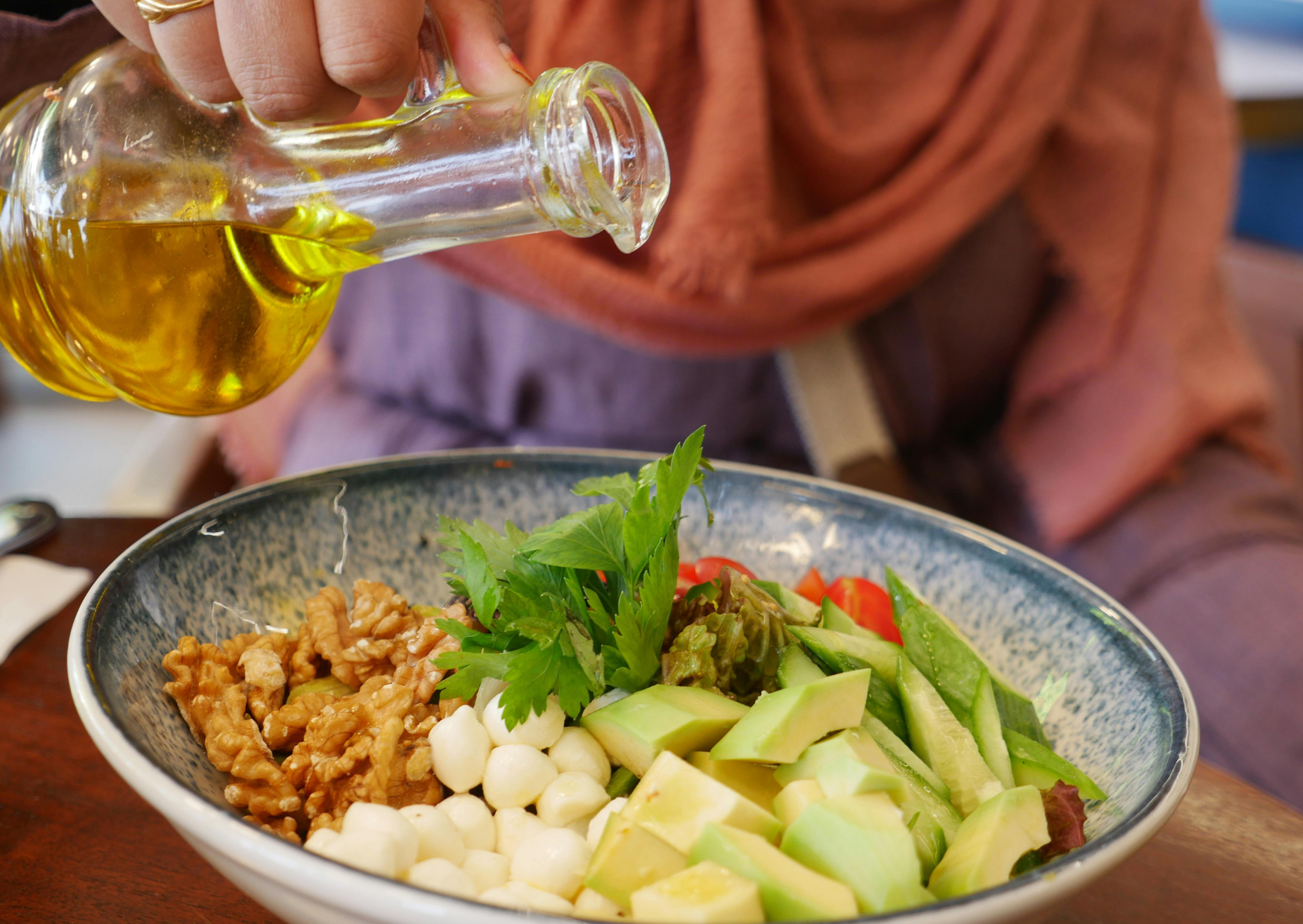
American dietary history has taught generations to fear fat. Low-fat products, fat-free yogurts, and cooking sprays replaced the fats once common in home kitchens. Even as nutrition research has evolved, the legacy remains. Many Americans still hesitate around fat—not just animal fat, but even oils long celebrated by other cultures.
In Spain, this hesitation never took hold. Fat has always been seen as part of nourishment. Olive oil is poured without shame. Pork fat appears in traditional dishes. Anchovies, tuna, and sardines are preserved in oil, not drained. The body is not treated as a site of restraint—but as something that needs warmth, flavor, and substance.
That doesn’t mean Spanish diets are excessive. But they’re generous. A pot of beans might start with three tablespoons of oil. Bread is eaten with oil, not low-fat spread. Salads are dressed, not spritzed.
The result? A population that consumes more fat—but has historically lower rates of heart disease and obesity. Because the type of fat, the way it’s used, and the culture around it matters far more than the number on the label.
3. Spanish olive oil is fresh, local, and understood
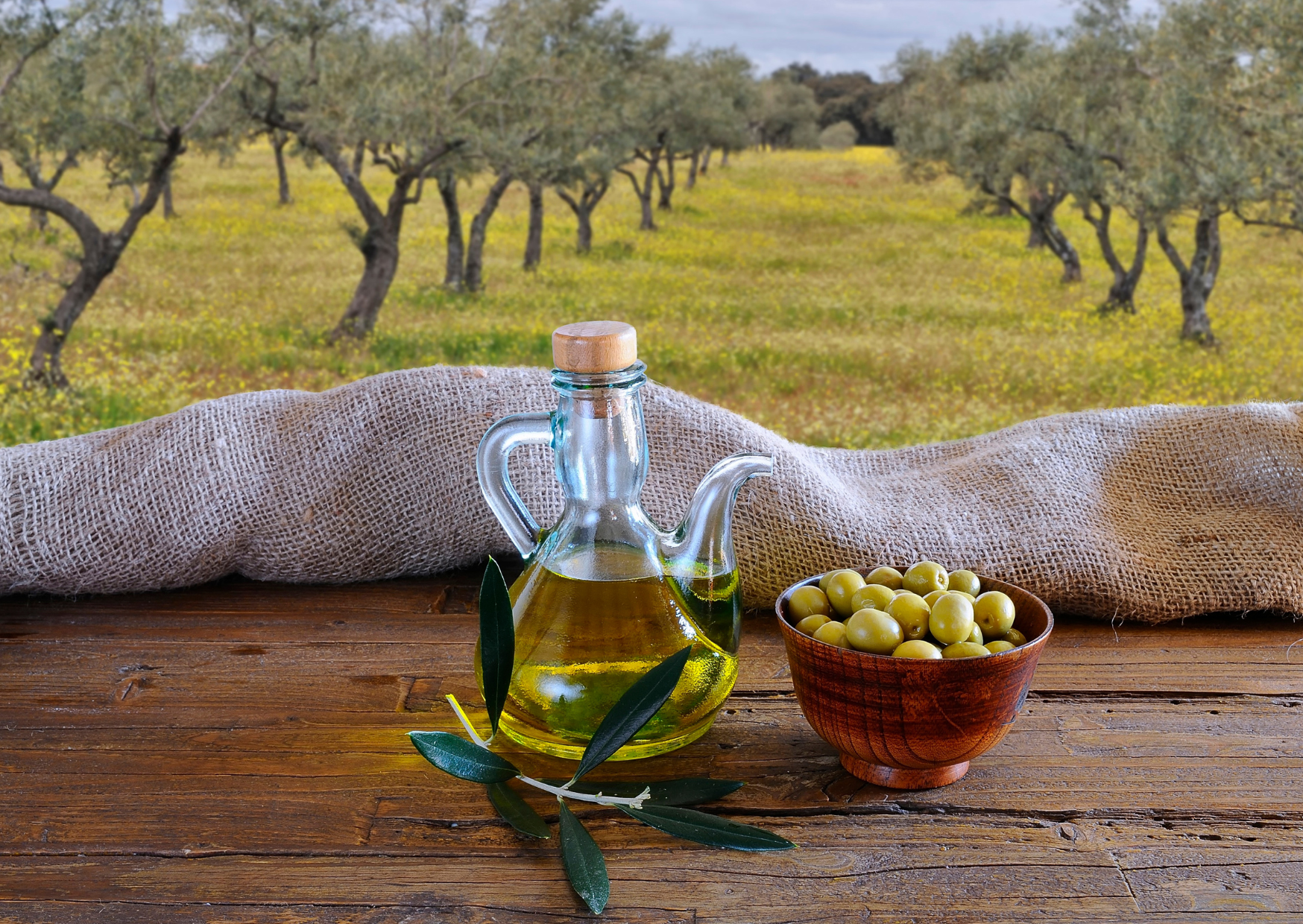
In the U.S., olive oil often travels far. It’s imported. It’s bottled for shelf life. It’s stored in clear glass or left under lights in supermarkets. Even high-quality brands may lose their flavor before they’re opened. And many Americans don’t know how to judge oil’s freshness.
In Spain, olive oil is part of life. People know which brands are local. They buy oil from family farms, in 5-liter tins. They understand flavor differences—picual versus arbequina, spicy versus sweet. Olive oil is discussed, tasted, gifted, and argued over. It’s not a background product. It’s a centerpiece.
This intimacy allows people to trust the oil they’re using. It’s not mysterious. It’s not exotic. It’s normal.
That comfort removes the hesitation. Spanish grandmothers pour olive oil confidently because they know where it came from, what it tastes like, and how it behaves. They’re not experimenting. They’re working with a tool they’ve mastered.
4. Food is built around oil not covered with it
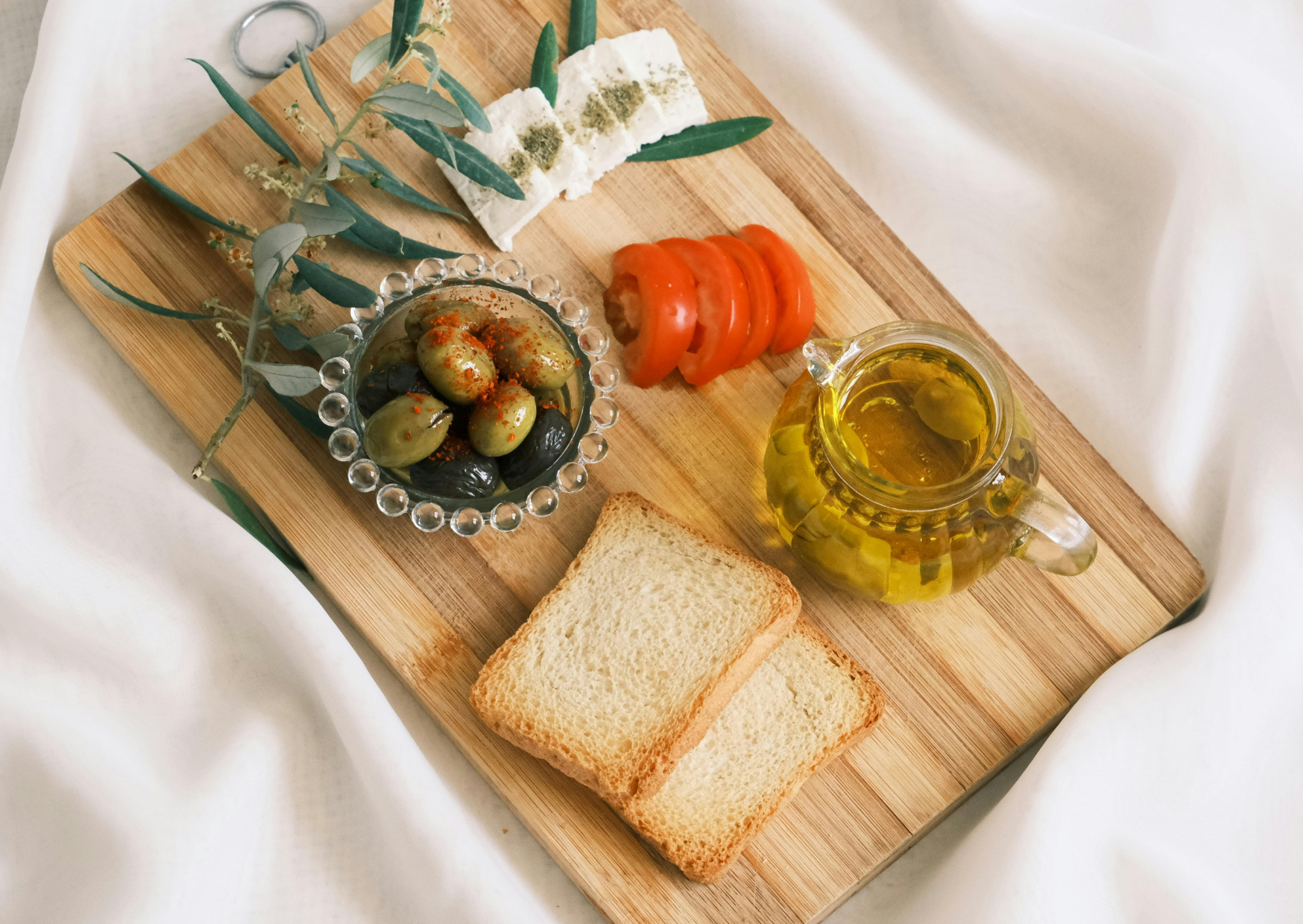
One of the unspoken reasons olive oil use is more acceptable in Spain is that the rest of the meal is structured differently. Vegetables are central. Beans, legumes, and grains are regular. Meat is used for flavor, not bulk. Bread is present, but modest. Meals are filling but balanced.
This allows for generous fat without excess calories. A dish of spinach sautéed with garlic and olive oil isn’t caloric indulgence—it’s a side dish. Fried eggs in olive oil come with toast, not a mound of bacon. A drizzle on soup enhances texture and warmth, not density.
In contrast, many American meals are already heavy. Oil becomes one more layer on top of cheese, cream, sauces, and starches. That makes it feel like a threat, not a support.
Spanish food architecture creates space for oil. The meal accommodates it. And that structure reframes it as necessary, not indulgent.
5. Medical fear in the U.S. changed how people cook
The American relationship to food has been shaped by decades of conflicting health advice. Cholesterol scares led people to avoid eggs. Saturated fat campaigns turned butter into a villain. Sugar was ignored, then demonized. Low-fat diets became low-carb diets. Trust in food disappeared.
Olive oil, caught in the middle, was promoted—but cautiously. Use a teaspoon. Avoid high heat. Buy extra virgin. Read labels. Check sourcing. Each recommendation added complexity and confusion.
In Spain, this nutritional fear never took root. The medical system never moralized food. Doctors may advise moderation, but they rarely interfere with traditional diets. There’s no war between culture and health.
This absence of fear allows people to cook more freely. It keeps home kitchens focused on taste and nourishment, not compliance. And it’s why olive oil remains at the center of Spanish food—not just for flavor, but for emotional safety.
6. Grandmothers didn’t change—so the culture didn’t either
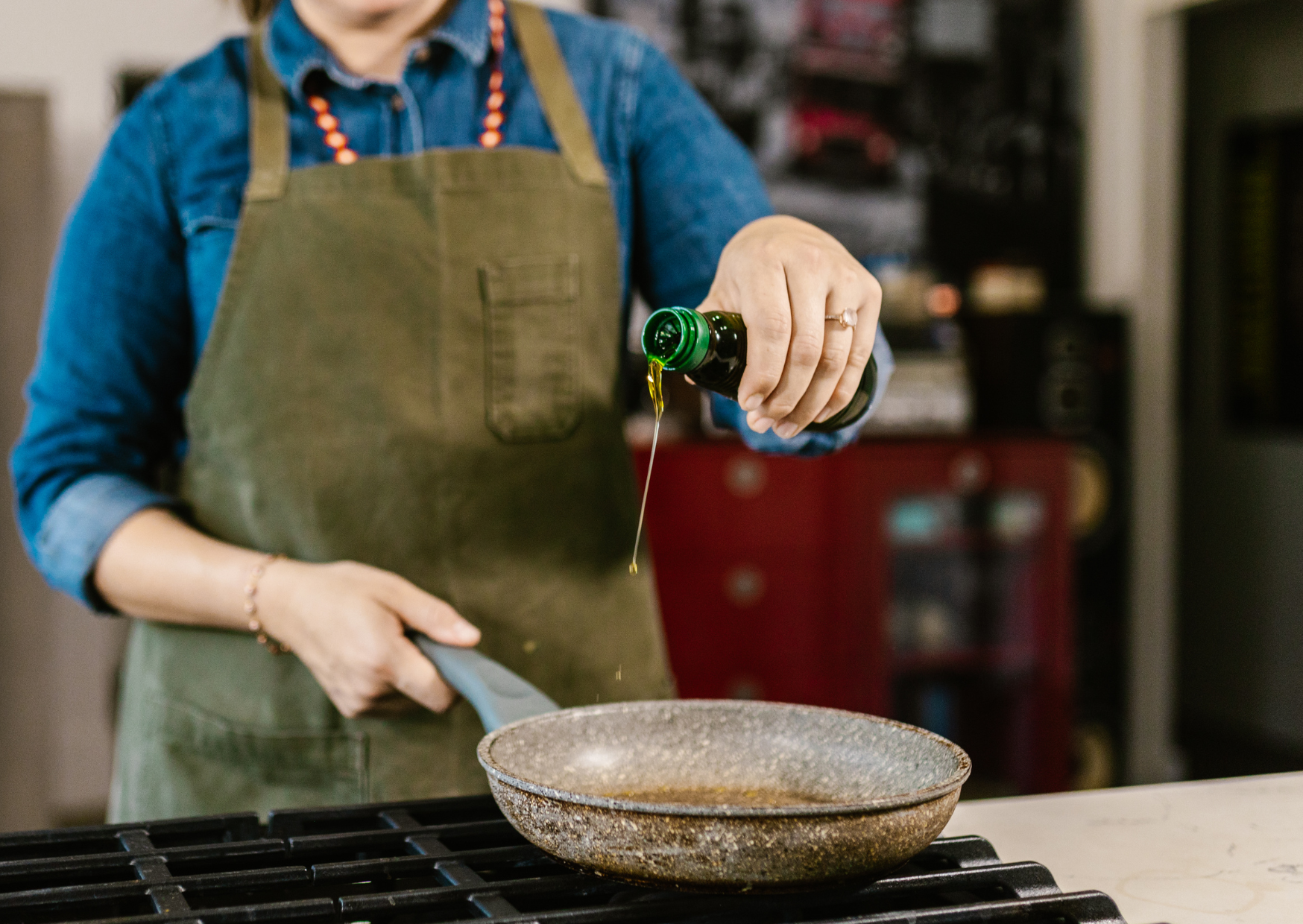
In American families, generational food habits have shifted dramatically. Many younger people don’t eat like their grandparents. Family recipes are lost. Fast food replaced home cooking. The kitchen is a relic.
In Spain, grandmothers still cook. They still pass recipes down. They still send grandchildren home with tupperware. They haven’t swapped olive oil for sprays or frozen dinners. They still simmer beans. They still use anchovy oil. They still cook rice in broth.
That continuity matters. It means that cultural knowledge—about food, flavor, health, and fat—stays active. Younger Spaniards may eat more globally, but they still return home to chickpeas and cod. They still see olive oil as the first step in every recipe.
And because that knowledge never broke, fear never replaced it.
7. Price doesn’t dictate quantity
In the U.S., olive oil is expensive. A small bottle might cost $15–20. That price encourages rationing. People drizzle lightly. They worry about waste. Cooking becomes cautious.
In Spain, olive oil is cheaper—because it’s local, plentiful, and essential. A 5-liter tin from a farm might cost €25–30. That means it can be used liberally, even by modest households.
This access changes how people relate to it. Olive oil becomes a basic ingredient, not a luxury. It sits by the stove, not locked in the pantry. And that availability reinforces cultural use. People pour without guilt because they can afford to.
The structure around the ingredient allows the habit to persist.
8. Fear of fat leads to worse choices not better ones
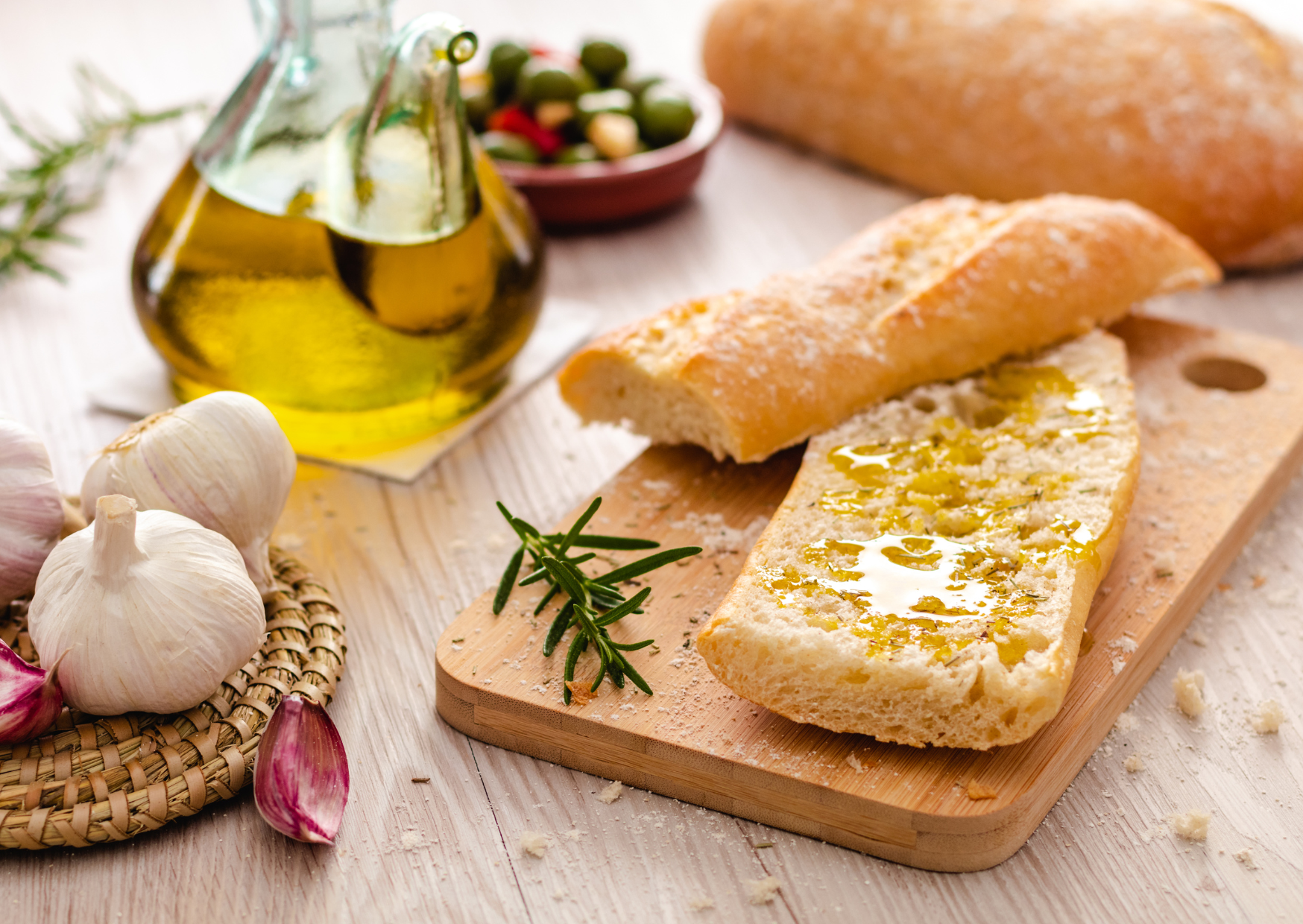
In many American kitchens, fat is avoided—but not replaced with something better. Cooking sprays, artificial butter, or dry cooking techniques leave food bland. People add sugar to compensate. They buy sauces and dressings. They snack later because meals don’t satisfy.
In Spain, food is satisfying from the start. Oil adds mouthfeel, depth, and warmth. Meals carry through. There’s less grazing, fewer snacks, and more satiety.
This isn’t just preference—it’s biology. The body needs fat. When meals lack it, hunger lingers. And the calories return in other forms—often worse ones.
Spanish meals start with fat and end with satisfaction. That simplicity is healthier than many of the “health foods” marketed in U.S. aisles.
They Don’t Pour Olive Oil Because They Ignore Health. They Pour It Because They Trust the Food
Spanish grandmothers don’t fear the fat in the bottle. They don’t measure it out like medicine. They don’t hesitate before pouring it into a hot pan. They cook like they always have—because it still works.
The American hesitation around olive oil isn’t just about health. It’s about fear, confusion, and disconnection from food tradition. It’s the result of a culture that replaced flavor with control—and now can’t trust either.
In Spain, they still pour the oil. Not because they’re unaware—but because they remember what it’s for.

About the Author: Ruben, co-founder of Gamintraveler.com since 2014, is a seasoned traveler from Spain who has explored over 100 countries since 2009. Known for his extensive travel adventures across South America, Europe, the US, Australia, New Zealand, Asia, and Africa, Ruben combines his passion for adventurous yet sustainable living with his love for cycling, highlighted by his remarkable 5-month bicycle journey from Spain to Norway. He currently resides in Spain, where he continues sharing his travel experiences with his partner, Rachel, and their son, Han.