
In an age of global travel and digital interaction, cultural misunderstandings are not only common—they’re inevitable. But some missteps go beyond awkwardness. Some seemingly harmless behaviors can deeply offend in ways most outsiders would never expect. One of the most surprising examples? A simple gesture many Americans view as polite, even generous: over-enthusiastic customer service and excessive friendliness from strangers.
That’s right. In France, what Americans consider friendly small talk, overt smiling, or repeated check-ins from waitstaff are often interpreted not just as odd—but as fake, intrusive, or even insulting.
This article explores the cultural roots of this clash, the philosophy behind it, and why a well-intended American gesture can come across as deeply offensive to the French. It’s not about who’s “right”—it’s about understanding the layers of identity, history, and worldview that shape even the smallest of social rituals.
Read here Common Mistakes to avoid in France, France Sim Card for Tourists and 28 Things to Know Before Visiting France
BOOK YOUR TRAVEL INSURANCE
Two of our favorite travel insurance: Heymondo Vs Safetwing cheapest travel Insurance. You can get for $135 USD your Heymondo Travel Insurance with Heymondo discount code valid for 90 days. Read our full comparison of Genki vs Safetywing Travel Insurance Review and the comparison Heymondo vs Genki
Quick & Easy Tips to Avoid Social Missteps in France
Use formal greetings first – Always begin with “Bonjour, Madame/Monsieur” when entering a shop, restaurant, or even asking for directions. Skipping this is often viewed as rude.
Avoid over-smiling – In American culture, smiling is seen as friendly. In France, constant smiling — especially without a clear reason — can come off as superficial or insincere.
Say “vous” not “tu” – When addressing someone you don’t know, especially older people or professionals, use the formal “vous.” Using “tu” too soon can be seen as presumptuous.
Don’t ask overly personal questions too soon – In France, people value privacy and boundaries. Questions about someone’s job, income, or family can feel intrusive if you’re not well-acquainted.
Let the French set the tone – If you’re not sure how to behave, mirror the level of formality and energy around you. Observation is your best guide.
Many Americans grow up with the idea that being warm, open, and casual is inherently polite. In the U.S., strangers will greet you with a big smile, make small talk in elevators, and treat service workers like instant friends. But in France, this kind of familiarity — especially with people you don’t know — is seen as inappropriate or overly familiar.
One of the biggest surprises for American visitors is that French politeness is more formal, reserved, and structured. You earn familiarity over time. What Americans see as friendliness (like using someone’s first name too quickly or being overly chatty) can feel like a violation of social space to the French.
And here’s the biggest shock: trying too hard to be “nice” can actually be viewed as manipulative. In France, authenticity and directness are more respected than constant cheerfulness. Excessive grinning or “Have a nice day!”-style pleasantries, while routine in the U.S., may come across as disingenuous or performative in France.
The “Friendly American” Problem

Let’s set the scene. You’re an American in a Paris café. You smile warmly at the waiter. You ask them how their day is going. When they walk away, you thank them profusely. You may even wave cheerfully at the end and say, “Have a great day!”
This behavior feels natural—maybe even necessary—in the U.S., where service culture emphasizes friendliness, warmth, and customer satisfaction. In fact, it’s considered rude not to behave this way.
Now flip perspectives. A French person, witnessing or receiving this behavior, might not be charmed. They might be uncomfortable—or worse, offended. Why?
Because in French culture, over-familiarity is seen as a form of boundary violation. Excessive friendliness—especially from strangers—can feel disingenuous, infantilizing, or even patronizing. For the French, politeness lies in formality and respectful distance, not bubbly enthusiasm.
Cultural Values in Collision
To understand why this dynamic is so charged, we need to dig into the core values that underpin American and French social behavior.
1. American Value: Optimism and Openness

The United States, with its relatively young cultural roots, often embraces positivity, informality, and friendliness as default social norms. The American Dream itself promotes optimism, egalitarianism, and approachability. Smiling at strangers, asking “How are you?” (even if you don’t care about the answer), and chatting with store clerks are all ways Americans signal good intentions and reduce social friction.
2. French Value: Dignity, Privacy, and Precision

By contrast, French society places a high value on privacy, nuance, and intellectual distance. Relationships unfold slowly and deliberately. Intimacy and warmth are earned, not assumed. A French waiter isn’t ignoring you because they hate their job; they’re giving you space to enjoy your meal in peace—as a sign of respect.
So when an American smiles broadly or bombards someone with questions and “helpful” offers, the French may interpret it as superficial, performative, or even condescending—as if the American is implying the other person needs emotional validation or guidance to get through the day.
Why It Feels Insulting—From a French Perspective
To a French person, exaggerated friendliness might carry unintended connotations:
“You don’t take me seriously.”
Being overly casual can be seen as a refusal to engage at an adult, professional, or intellectual level.
“You’re assuming a false intimacy.”
Smiling and chatting as if you’re old friends may feel intrusive and presumptuous.
“You’re faking it.”
Sincerity in France is linked to emotional authenticity—not social cheerfulness. Forced smiles or scripted greetings can come off as dishonest.
“You’re acting superior.”
Americans who constantly try to “cheer up” a reserved French person may inadvertently seem like they’re “fixing” them, which reads as paternalistic or arrogant.
Even something as basic as a retail worker repeatedly asking, “Do you need help with anything?” is viewed as bothersome in France—where customers prefer to shop undisturbed unless they actively request assistance.
Language Barriers and Nonverbal Offense

The cultural divide isn’t limited to spoken interaction. Nonverbal cues also differ dramatically.
Smiling at strangers is normal—even expected—in the U.S., where friendliness signals harmless intent. In France, smiling without context can seem suspicious, flirtatious, or just bizarre.
Eye contact is shorter and more subdued in France. Americans’ habit of prolonged eye contact and large gestures can feel invasive.
The tone of voice matters. Americans tend to use a high, animated pitch in service interactions. In France, this can be read as infantilizing or fake.
These differences aren’t about one side being wrong. They reflect deeply embedded assumptions about what respect, politeness, and professionalism look like.
The Colonial Undertone: Soft Power Through Culture
Now we arrive at the uncomfortable part—the controversial layer that makes this topic go viral.
For many French people (and Europeans in general), American friendliness can feel like a form of cultural imperialism. It’s not just the behavior—it’s the expectation that everyone should appreciate and emulate it.
In global tourism, for example, Americans often complain that the French are “rude” or “cold.” But from the French perspective, Americans are the rude ones—for being loud, overly familiar, and failing to observe local customs.
This leads to a power dynamic: Americans often act as though their way is the global standard, while the French see themselves as defending cultural authenticity against homogenization.
To some French citizens, being told they are “unfriendly” simply because they don’t perform American-style friendliness is insulting—not just personally, but nationally.
Real-World Examples of This Clash
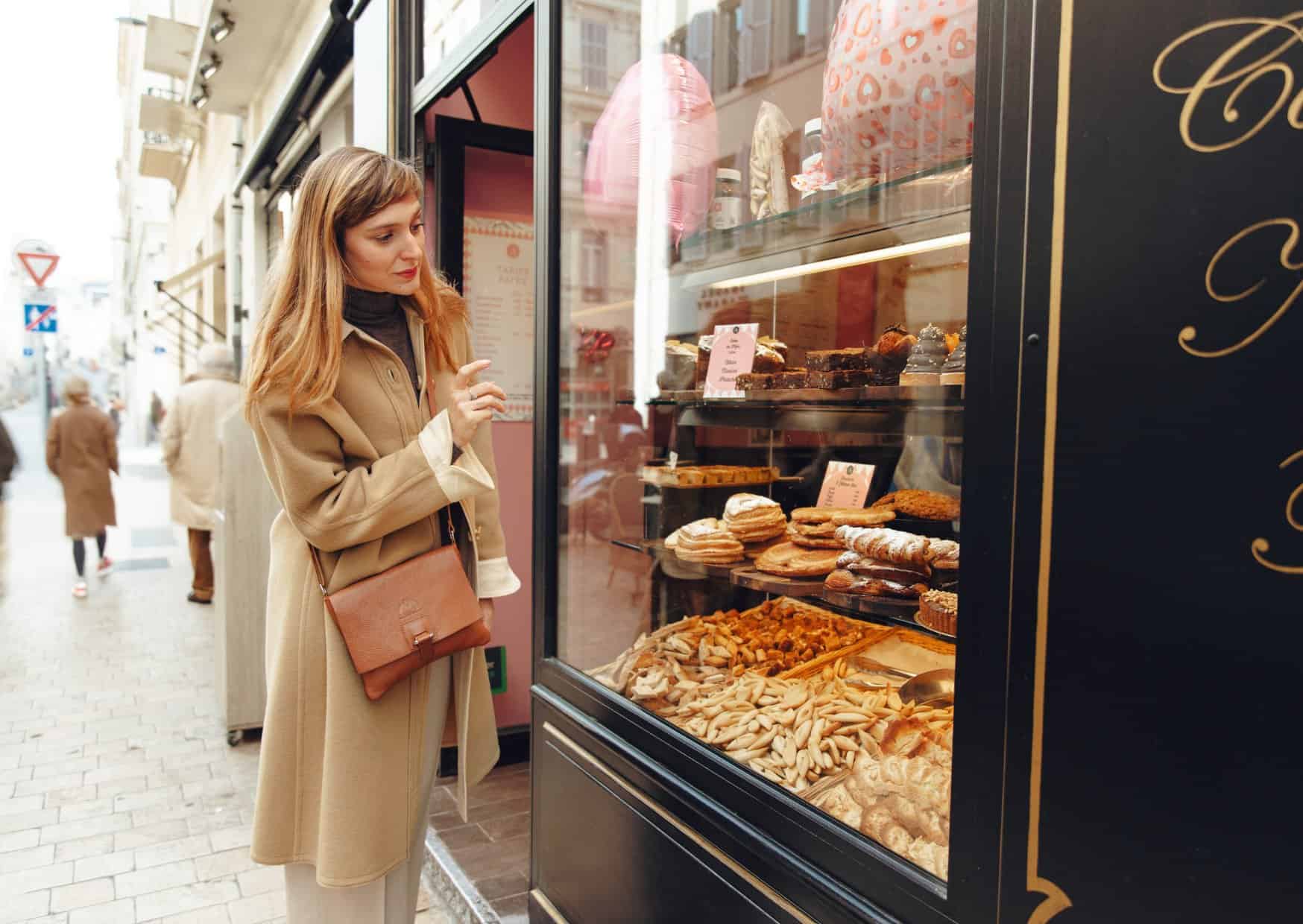
Restaurant Etiquette:
American tourists often interpret a French server’s distance as neglect or bad service. But in France, not interrupting your meal is the highest form of courtesy.
Small Talk:
Americans might initiate casual conversation in line or on public transport. French people are more reserved and might find it inappropriate or invasive.
Customer Service:
French customer service is typically more formal and restrained. The idea of “the customer is always right” is not culturally dominant. American-style hand-holding can seem infantilizing.
Who’s Being Rude? A Matter of Perspective
This issue raises a deeper philosophical question: What is rudeness?
In truth, rudeness isn’t a universal trait—it’s defined by the expectations of a given culture. Americans often think they’re being nice when they’re actually being pushy by French standards. French people often think they’re being dignified when Americans see them as aloof or dismissive.
Both sides think the other is being impolite. But both are just behaving according to what they were taught is proper.
That said, when Americans insist their friendliness should be universally appreciated, it crosses into cultural arrogance. And when the French reject all friendliness as fake, it risks becoming unnecessarily exclusionary or elitist.
Navigating the Divide: What Travelers (and Locals) Can Learn

For Americans in France:
Dial down the volume and cheer. You don’t need to be icy—but tone down the bubbly demeanor. Let people warm up at their own pace.
Respect personal space. Don’t assume strangers want small talk or compliments. Keep things brief and polite.
Adapt to the formality. Use proper greetings (“Bonjour, madame/monsieur”) and don’t jump into first names or casual language too soon.
For the French encountering Americans:
Recognize the intent. Even if the tone feels jarring, remember that most Americans genuinely believe they’re being polite or helpful.
Don’t assume superiority. Emotional openness and cheerfulness are cultural norms, not flaws in character or intellect.
Extend a little grace. Just as you don’t want your customs judged, try not to mock or dismiss others’ norms too quickly.
Conclusion: One Gesture, Two Worlds
What we often call “politeness” is not a universal behavior—it’s a mirror of our cultural upbringing. A smile in New York can be a threat in Paris. A warm greeting in California can be an intrusion in Lyon. The same gesture can be a welcome mat in one place and a slap in the face in another.
The polite American gesture—enthusiastic friendliness and casual familiarity—may be rooted in kindness, but in France, it collides with centuries-old norms of dignity, restraint, and earned trust.
That this difference has gone viral speaks volumes about how we misunderstand one another—not just across borders, but across values. The solution isn’t to choose one culture over the other. It’s to move beyond the arrogance of assuming politeness looks the same everywhere.

About the Author: Ruben, co-founder of Gamintraveler.com since 2014, is a seasoned traveler from Spain who has explored over 100 countries since 2009. Known for his extensive travel adventures across South America, Europe, the US, Australia, New Zealand, Asia, and Africa, Ruben combines his passion for adventurous yet sustainable living with his love for cycling, highlighted by his remarkable 5-month bicycle journey from Spain to Norway. He currently resides in Spain, where he continues sharing his travel experiences with his partner, Rachel, and their son, Han.