
Imagine nicking your hand on a glass, walking into a neighborhood clinic, and leaving twenty minutes later with three neat stitches, a tetanus update, and a receipt that reads €50 to €120.
You wash the cut, hold a paper towel, and head out. The door says Urgencias, Urgence, Pronto Soccorso, Notaufnahme. A nurse cleans the wound. A doctor closes it, two or three sutures, a simple bandage. You tap a card, take an aftercare sheet, and go home to cook dinner.
In much of Europe, simple laceration repair is priced like a small, fixable problem. A walk-in fee, a few minutes of skilled work, a standard supply drawer. In the United States, the same cut routinely becomes two or more bills: a hospital facility charge, a professional fee from the emergency physicians group, itemized supplies, sometimes a pharmacy-level price for a tetanus shot. The total often lands in the thousands of dollars, and documented cases for a handful of stitches exceed $6,000, with bills around $8,000 once facility fees and extras stack up.
Below is a clear map of how the European pricing works, what it costs in real clinics, why American bills explode, and how to get treated the smart way when you are traveling or living abroad. You will see exact phrases to use at reception, what to expect at the desk, when to go to a hospital instead of a clinic, and how to keep the total small without cutting corners on care.
Want More Cultural Myth-Busting?
– 7 Ways You’re Insulting Europeans Without Even Realizing It
– 10 Secrets to Understanding European Politeness (And Why You’re Doing It Wrong)
– How to Spend a Month in Europe With Just a Carry-On—Minimalist Packing Hacks
Quick and Easy Tips
Research local healthcare before traveling. Many European clinics allow visitors to pay out-of-pocket for affordable procedures—sometimes cheaper than insurance co-pays in the U.S.
Consider medical tourism. Countries like Portugal, Hungary, and Spain offer reputable facilities where even complex treatments cost a fraction of U.S. prices.
Understand your coverage. Some travel insurance plans reimburse medical expenses abroad, but only if you keep all receipts and official documentation. Always check before booking care.
The conversation around healthcare affordability is as emotional as it is political. Supporters of the U.S. system argue that American innovation drives global medical advancements—pointing to cutting-edge research, technology, and pharmaceuticals that often originate stateside. They claim the higher costs reflect a system that rewards progress and excellence.
Critics, however, argue that innovation should not come at the expense of accessibility. They point out that millions of Americans skip essential procedures due to cost, leading to worse outcomes and higher long-term expenses. In contrast, European countries demonstrate that universal access and affordability can coexist with innovation. Their systems prioritize efficiency and collective wellbeing over shareholder profit.
Another layer of controversy lies in perception. Some Americans view low-cost European care as “basic” or inferior, unaware that many European hospitals consistently rank among the world’s best. For travelers who experience this firsthand, it’s often eye-opening. Paying €50 for the same treatment that costs $8,000 back home isn’t just a savings—it’s a revelation about what’s possible when healthcare serves people, not profit margins.
What The Procedure Actually Is (And Why The Price Splits So Hard)
This is not surgery in an operating room. It is minor injury care: clean the wound, assess depth, close a simple cut, update tetanus if needed, give aftercare, and book stitch removal. In ICD and procedure books it reads as simple laceration repair. In your day it reads as problem solved.
European clinics treat it as a packaged service. You pay a walk-in or urgent consult fee, plus a small charge for suturing and supplies, sometimes rolled into that consult. Price lists from private urgent-care-style clinics and official tariff schedules show totals in the €35 to €120 range for uncomplicated cases, and public fee schedules set reference prices of the same order for basic care. A French act for small sutures prices under €60 in the national scale. An Irish chain lists €35 for a nurse visit and €140–€180 for a physician consult, with wound care included at that level. A Barcelona clinic advertises €100 for “urgencias leves,” which explicitly includes wound cleaning and dressings, and many Spanish private hospitals publish urgent traumatology packages near €120, radiology included if needed. These are not promotional unicorns. They are routine tariffs.
In the United States, the same three stitches often cross a hospital threshold. That flips a switch called the facility fee, and it is the main reason a small repair can cost more than a month’s rent. Documented bills for six stitches with a tetanus shot total $6,589.77 once the physician group’s bill is added to the hospital’s Level-4 emergency visit charge. Stories like this are not edge cases, they are the structure: a facility fee for the building and staff, a separate professional fee from the ER physicians, and supply line items. Even with new federal protections limiting some surprise bills, the baseline pricing architecture remains. A minor cut becomes a major invoice.
The short version: same procedure, different script. Europe prices the fix. The U.S. prices the venue.
Europe’s Workflow: What You Say, What You Pay, How It Ends

Walk into a clinic that treats urgencias leves, soins non programmés, minor injuries, or Pronto Soccorso. The desk asks what happened. Keep it simple: “Small cut, needs stitches,” “corte pequeño, necesita puntos,” “petite plaie, sutures,” “kleine Wunde, Nähte.” You will either be seen by a GP with urgent-care training or by a traumatology or emergency physician.
Triage and cleaning. A nurse irrigates the wound, checks depth and edges, and looks for contaminants. If a tendon or nerve is in question, you are routed to hospital care. If it is a straight, superficial cut, you stay.
Closure. Two or three sutures, sometimes skin adhesive if appropriate. A small sterile dressing. No long forms, no waiting room shuffle. The whole thing takes 10 to 20 minutes.
Tetanus. If your last booster is more than ten years, a Td or Tdap is offered. In clinics that post line items, you will see a modest vaccine charge or it is folded into the consult. In hospitals, it is often included in the urgent visit tariff.
Payment. You tap a card at the desk. Expect €50 to €120 out of pocket in private clinics for an uncomplicated repair, or a published urgent tariff around €120 in Spanish private hospitals that bundles triage, nursing, the on-call doctor, basic labs or radiology if necessary, and supplies. Public systems may bill foreigners at official rates or process a reciprocal card for EU residents; either way, the price point stays small for simple repairs.
Follow-up. You return in 7 to 10 days for stitch removal, either included or charged as a €25–€35 nurse visit. Ireland’s urgent care network lists that nurse-level price openly, and Spanish at-home nursing services quote €25–€35 to remove sutures if you prefer a visit.
Paperwork is short. You leave with a receipt, a printed wound report, and aftercare in plain language. It is a tidy, finite episode of care.
Why U.S. Bills Go Wild: Facility Fee, Level Coding, Separate Bills
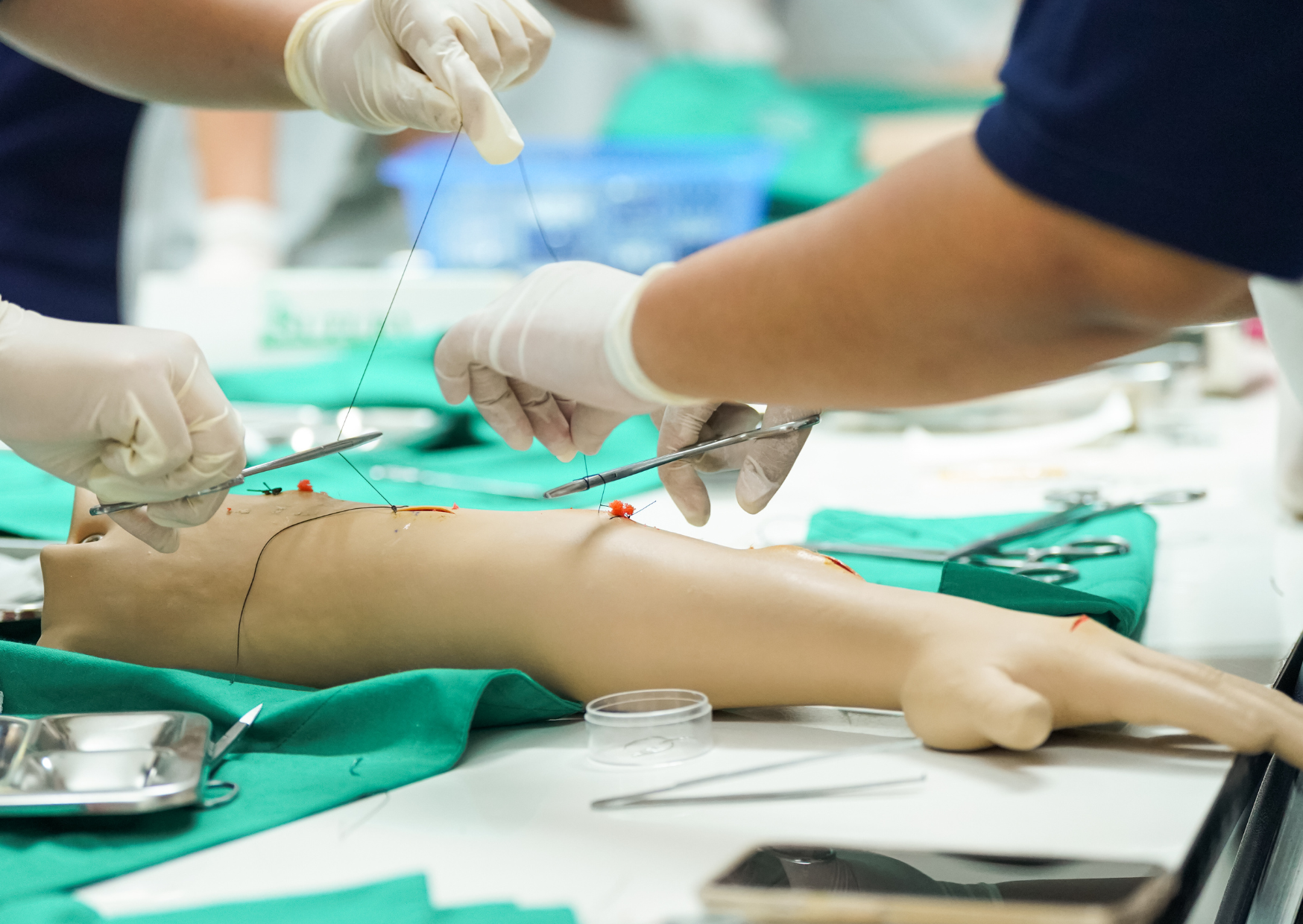
Three mechanics make an American ER bill swell, even when nothing dramatic happens.
Facility fee. Hospitals bill a facility charge for your use of the ER and its readiness. This number alone can run into the thousands. It is not fraud, it is finance, and it dwarfs the time a clinician spends placing three sutures. Consumer agencies and health reporters have explained this repeatedly, and the new federal rules do not erase the fee, they limit balance billing for some out-of-network situations.
Level of service coding. Your visit is tagged as Level 3, 4, or 5 based on documentation and resource use. The higher the level, the higher the charge. In the stitches case that hit headlines, the hospital coded a Level 4 ER visit, and the itemized tetanus shot alone posted near $500. That is how a plain repair racks up a $4,500 hospital bill before the physician’s bill arrives.
Separate professional bill. ER physicians often bill apart from the hospital. Add $1,500–$2,000 for the professional component and you are at the $6,000–$7,000 range. With routine facility add-ons and supply fees, totals around $8,000 are unsurprising in some markets, especially out of network. The No Surprises Act curbs balance billing in many cases, but it does not turn an emergency room into a cheap place to close a small cut.
None of this means you should avoid emergency departments when you need them. It means a minor repair in a hospital billing environment becomes a major bill.
Real Prices, Side By Side: A Three-Stitch Case
To keep this practical, here is a realistic comparison for a 3 cm, superficial hand laceration with no nerve or tendon involvement, no imaging needed.
Europe, private clinic or published urgent tariff
- Clinic consult + minor injury care: €100 (Barcelona “urgencias leves,” price includes cleaning, dressings; suturing typically falls under this scope).
- Urgent traumatology package, private hospital: €120, includes box, nurse care, on-call physician, basic labs and radiology allowance, supplies and medications to €20.
- French CCAM act for small suture: tariff €29–€60 depending on site and urgency coding, reimbursed within the national schedule.
- Nurse follow-up (suture removal): €25–€35 typical, listed publicly in Ireland and Spain.
United States, hospital emergency department
- Facility fee: commonly $2,000–$5,000 for Level 3–4 encounters.
- Professional fee: $1,000–$2,000 from the ER physicians group.
- Tetanus shot and supplies: hundreds of dollars at hospital rates.
- Documented total for 6 stitches + tetanus: $6,589.77 across two bills, with similar cases often landing in the $3,000–$7,000 band and higher when out-of-network facility fees apply.
Even if you adjust for country, city, and after-hours timing, the order-of-magnitude gap holds. In Europe, this is a two-digit problem. In the U.S., the same wound often turns into four.
How To Get The €50–€120 Version When You’re In Europe
You do not need insider tricks. You need the right door and two sentences.
Find the minor-injury door. Search for Urgencias, Urgence sans RDV, Guardia Médica, Centro Medico, Urgent Care, Ambulatorio, Notfallpraxis, Centro de Salud. If you see a hospital ER and a neighborhood clinic, pick the clinic.
At the desk, say the job. “Small cut, needs stitches,” and show a clean wound. If the edges are straight, bleeding is controlled, and you have full finger movement, you will be routed to a room quickly. If there is any sign of deep tissue damage, the clinic will send you to hospital care. That gatekeeping is part of the value.
Ask once about price. In private clinics, prices are posted or quoted. Expect €50–€120 for uncomplicated repair. In public facilities, foreigners pay published tariffs. A Madrid government schedule pegs basic primary-care contact at €50 before extras, and private hospitals publish €120 urgent packages that include trauma consult, nursing, radiology allowance, and supplies. It is all ordinary.
Pay, get paper. Tap a card. Keep the factura or attestation for your records and travel insurance. If you want stitches removed at home, ask them to write the suture type and removal day on your sheet.
If you truly need a hospital, go. Deep, gaping, dirty, or hand-tendon injuries, facial lacerations crossing the vermilion border, or anything with numbness or loss of movement belong in a hospital. Money is not the first variable when a function is at risk.
Who Pays What In Europe: Private vs Public, Residents vs Visitors
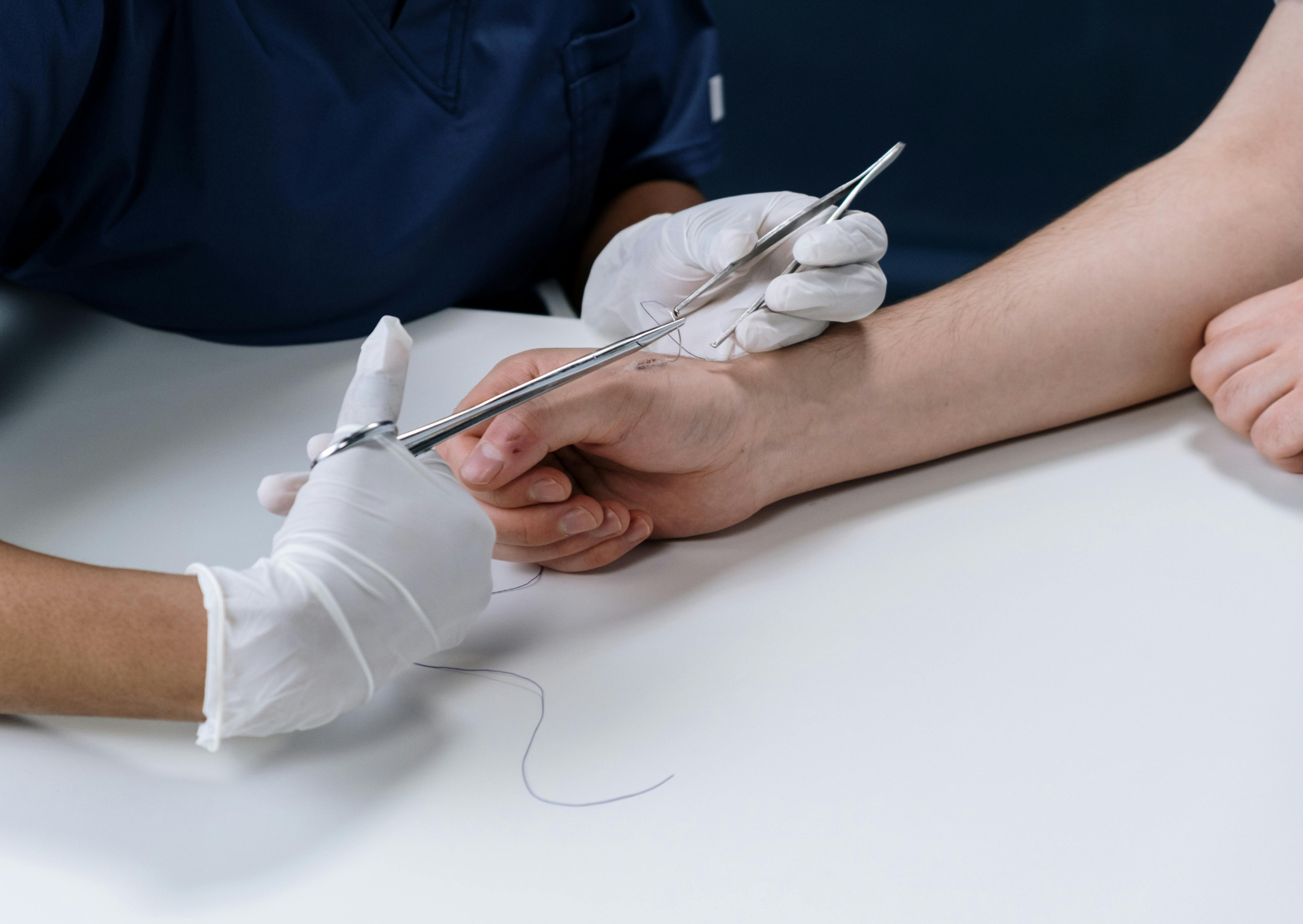
In Europe you will see two doors, private clinics with posted self pay prices, and public systems with resident coverage. Your cost depends on which door you choose and your status.
Private urgent care. Anyone can walk in and pay the posted fee. For a simple laceration repair, expect roughly €50 to €120 at neighborhood clinics or urgent departments that handle minor trauma. Prices are shown up front and usually include cleaning, closure, dressing, and routine aftercare. Nurse removal of sutures often sits around €25 to €35.
Public system, residents. Locals use state care on resident terms, free at point of use or a small co pay depending on the country and venue. Stitching a straightforward cut typically falls under primary or urgent care with minimal or no out of pocket.
Public system, visitors.
- EU or UK visitors with EHIC or GHIC are treated on the same terms as residents in public facilities. You may owe the local co pay if one exists.
- Non EU visitors are billed at the published public tariff or asked to self pay at the desk, then claim on travel insurance.
Country cues at a glance.
- France: a small flat urgent care contribution applies to non admitted ER visits in the public system. Private clinics post menus.
- Ireland: public ERs charge a fixed fee if you arrive without a GP referral. Private urgent care centers publish clear self pay prices.
- Italy: low acuity ER visits can carry a ticket in some regions. Higher acuity is generally exempt.
- Portugal: most user fees were abolished in the national system. Limited charges can appear in specific emergency contexts or without referral.
- Spain: state ER is free at point of use for residents. Non residents can be billed public tariffs. Private hospitals and clinics publish self pay urgent packages.
- Germany: statutory insurance covers ER care without a separate ER co pay. You may still pay small pharmacy or prescription fees.
What to say at the desk. Name the job and your status. “Small cut, needs stitches.” If you hold EHIC or GHIC, present it. If you are self pay, ask for the posted price before treatment.
Paper to keep. Take the receipt, the clinical note with the suture type and removal date, and any vaccine record. If you plan to claim on insurance, ask for a tax invoice with your full details.
Why Europe Can Charge Less Without Cutting Corners
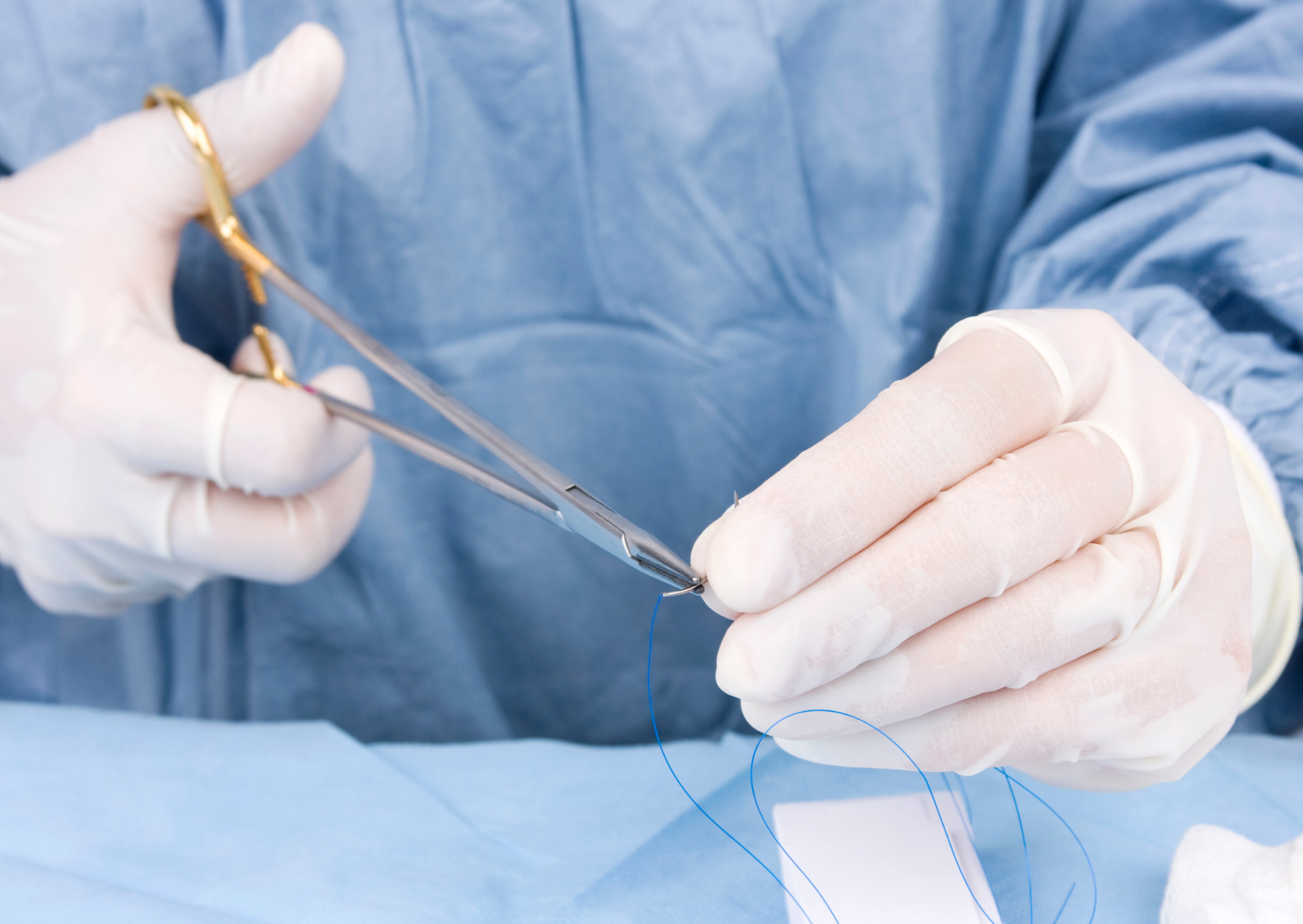
The price gap is not a mystery. It is design.
Venue selection. Europe routes small problems to small rooms. Minor-injury clinics and primary-care urgent slots soak up simple lacerations, burns, sprains, and infections. The hospital is for high-acuity care. That alone cuts overhead from the bill.
Tariffs and transparency. Many countries publish reference prices and act tariffs, and private clinics post their self-pay lists. A French CCAM entry can tell you what a small facial suture pays. An Irish chain puts nurse and doctor visit prices on one page. A Spanish hospital prints what “Urgencia Traumatología” includes. When prices are visible and unbundled, small care stays small.
One episode, one bill. The physician who treats you and the place you sit are usually the same entity for billing. No extra professional bill arrives later from a separate ER doctors group. The admin stays light because the episode is light.
Culture of primary care. If the neighborhood clinic can close it, it does. If it cannot, it hands you to the right team cleanly. The gate is a feature, not friction.
None of this makes care free. It makes pricing proportionate to the work.
Edge Cases, Red Flags, And When To Pay More On Purpose
There are times when the cheap door is the wrong door.
- Face and eye. Lacerations crossing the lip line, eyelid, or lash margin need meticulous repair. Go to hospital or a clinic with maxillofacial coverage.
- Hand function. Cuts on the palm, finger flexor side, or near tendons with weakness or numbness need surgical assessment. Do not bargain with grip strength.
- Contamination. Deep, dirty wounds, animal bites, or glass-heavy cuts deserve imaging and IV antibiotics if indicated.
- Bleeding that does not stop with ten minutes of direct pressure needs urgent attention, not a price quote.
If a clinic triages you up, thank them and go. The whole point of the cheap clinic is to be honest when it should not touch a case.
Regional Differences You Will Notice
The structure holds, the labels change.
- Spain and Portugal. Look for Urgencias or Urgência at private clinics and hospitals. Private urgent packages near €100–€120 for minor trauma are commonplace, and nurse home-visit services list €25–€35 for suture removal.
- France. Soins non programmés at Maisons de Santé or a cabinet often handle small repairs. CCAM tariffs for sutures are public, and many clinics bill one episode price.
- Ireland. Branded Urgent Care centers publish prices, with €35 nurse and €140–€180 doctor visits, X-rays priced on a menu, and minor injury closures folded in.
- Germany, Austria. Notfallpraxis or Ambulanz in hospitals, Bereitschaftspraxis co-located with clinics for after-hours. Expect an office-style invoice rather than a mystery bundle.
- Italy. Pronto Soccorso at hospitals for higher acuity, Guardia Medica or Ambulatorio for the small stuff, with transparent, small self-pay amounts for non-residents.
- UK. Urgent Treatment Centres handle most minor lacerations without charge for residents. Private self-pay is posted, but most travelers should use public UTCs for simple repairs if eligible.
You do not need to memorize the words, only the pattern: small door for small problems.
Practical Playbook: If This Happens To You Tomorrow
- Stop the bleed. Wash hands, light tap water through the wound, ten minutes of firm pressure with clean cloth.
- Decide the door. If edges are clean and shallow, aim for a minor-injury clinic. If deep, contaminated, or function is in doubt, go to a hospital ER.
- At reception, be brief. “Three-centimeter cut, needs stitches.” Answer triage questions.
- Ask price once, then let them work. In private clinics, confirm the posted fee. In public, ask for the tariff if curious, otherwise move on.
- Keep the paper. You want the diagnosis, suture type, removal date, and paid invoice for your files or insurer.
- Remove stitches on time. 7–10 days for hands, 5–7 for face, unless told otherwise. A nurse visit is cheap and worth it.
This is not about gaming a system. It is about using the door built for your problem.
What This Means For You
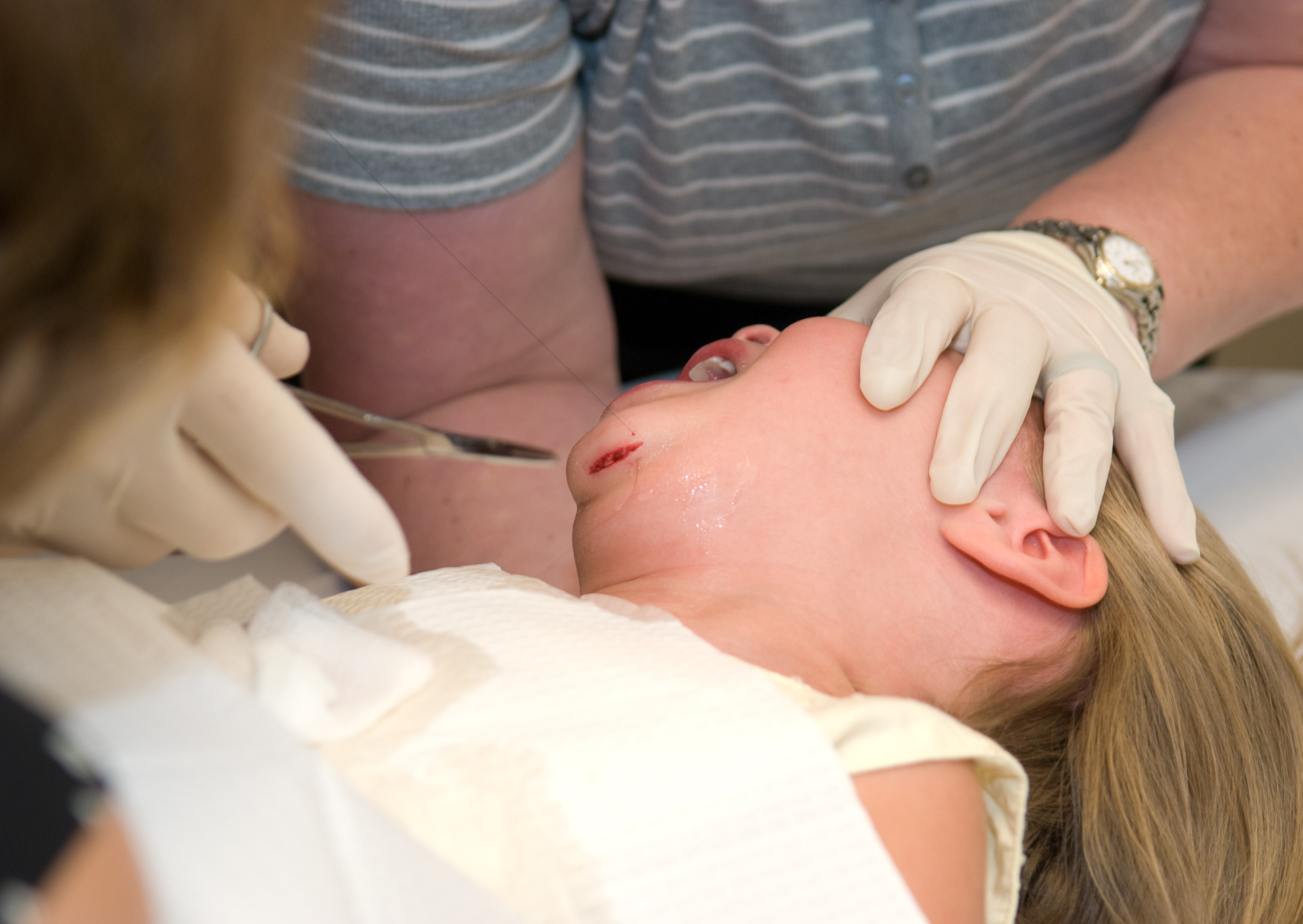
Some health expenses are unpredictable. This one is not. A small, clean cut is a clinic-level problem in Europe, priced like a clinic-level problem. If you reach for the minor-injury door, you will usually spend €50 to €120, get proper care, and keep your day intact. If you walk into a hospital for the same job, especially in the United States, you invite facility fees and a second professional bill, and you should not be surprised when the total looks like a car payment.
Pick the right venue, say the job in one line, and pay a small bill. That is the whole secret behind the headline.
The staggering difference between European and American healthcare costs often feels unbelievable until you experience it firsthand. What might cost €50 across much of Europe can easily reach thousands of dollars in the United States—not because the quality of care is drastically different, but because the systems are built on completely different philosophies. In Europe, healthcare is treated as a public good. In America, it’s a commodity.
This gap highlights more than just numbers on a bill—it reflects two distinct worldviews. European nations prioritize accessibility and prevention, ensuring citizens can get treatment without financial fear. The U.S., on the other hand, often places profit and privatization at the center, resulting in inflated prices, complex insurance systems, and financial strain for patients. It’s a divide that sparks envy, confusion, and anger among those who see how affordable healthcare can truly be elsewhere.
At its core, this isn’t just a discussion about medicine—it’s about fairness. The European model proves that quality care doesn’t have to bankrupt people, while the American experience serves as a cautionary tale about what happens when healthcare becomes a business. The contrast continues to push conversations about reform, transparency, and what it really means to prioritize public health over profit.

About the Author: Ruben, co-founder of Gamintraveler.com since 2014, is a seasoned traveler from Spain who has explored over 100 countries since 2009. Known for his extensive travel adventures across South America, Europe, the US, Australia, New Zealand, Asia, and Africa, Ruben combines his passion for adventurous yet sustainable living with his love for cycling, highlighted by his remarkable 5-month bicycle journey from Spain to Norway. He currently resides in Spain, where he continues sharing his travel experiences with his partner, Rachel, and their son, Han.