
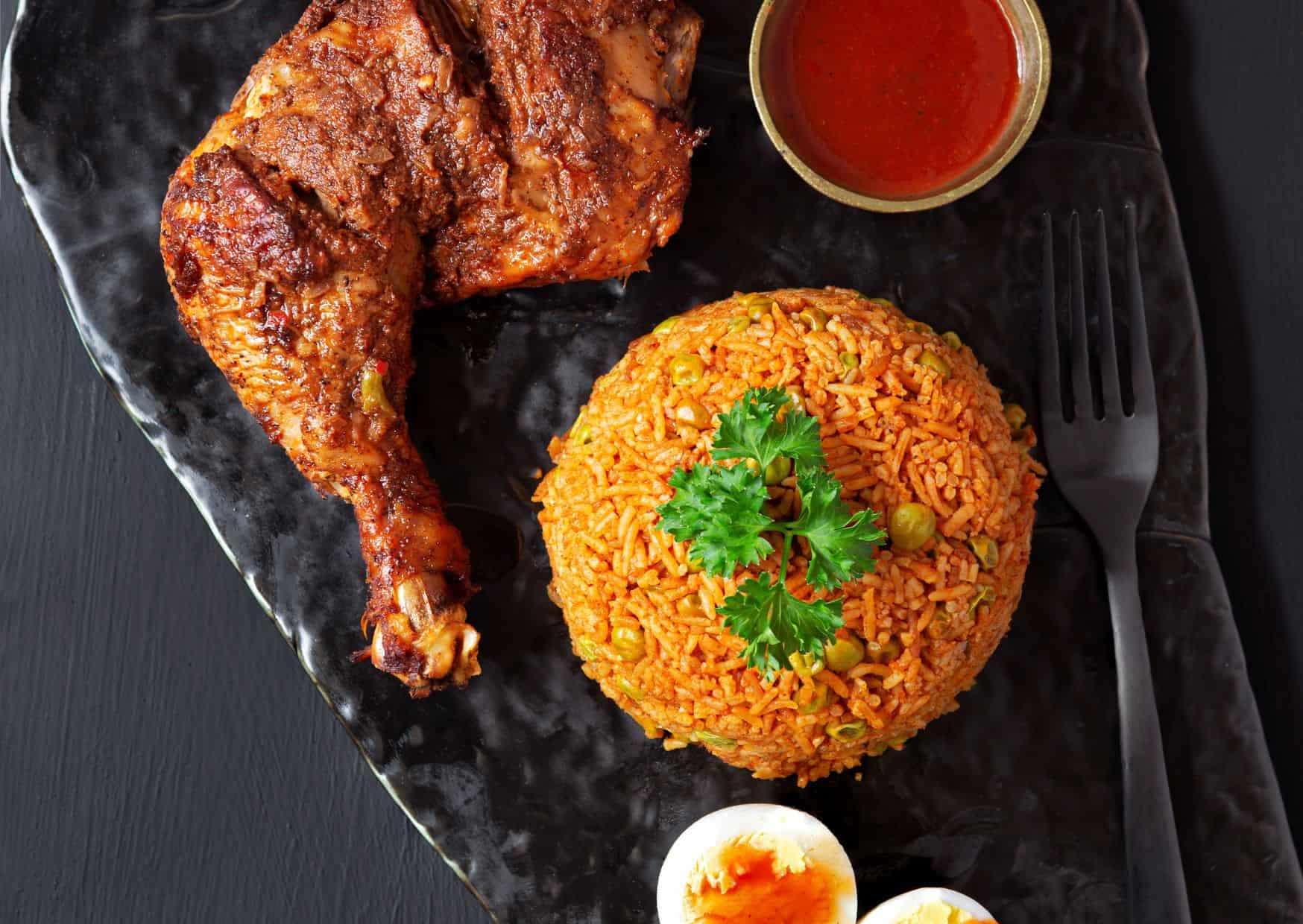
Jollof rice isn’t just food—it’s a cultural identity, a party essential, and in many cases, a national pride. This bold, spicy, tomato-based rice dish is one of the most iconic meals to come out of West Africa, enjoyed everywhere from Nigeria and Ghana to Senegal and Sierra Leone. If you’ve never tasted it, imagine a comforting mix of fragrant rice, rich tomato stew, peppers, and deeply layered spices all cooked into one pot of absolute magic.
Making Jollof rice at home is not only possible—it’s also incredibly satisfying. While every country claims their version is the best (and they will fight you on it), the core ingredients remain similar: rice, tomato paste or purée, onion, stock, and a mix of spices that vary by region. Add-ins like vegetables, fried plantains, or grilled chicken can elevate it from a humble side dish to a full-blown feast.
Whether you’re new to African cuisine or already hooked, learning to cook Jollof is a rite of passage. It’s a one-pot wonder with a smoky, savory depth that only gets better as it sits. From Sunday dinners to celebrations, this dish brings people together—and sparks fierce debates on whose version reigns supreme.
BOOK YOUR TRAVEL INSURANCE
Two of our favorite travel insurance: Heymondo Vs Safetwing cheapest travel Insurance. You can get for $135 USD your Heymondo Travel Insurance with Heymondo discount code valid for 90 days. Read our full comparison of Genki vs Safetywing Travel Insurance Review and the comparison Heymondo vs Genki
Best Time to Eat and How to Partner
Jollof rice is a versatile meal best enjoyed during lunch or dinner, especially when you’re feeding a crowd. It’s traditionally served with grilled meats, spicy fried chicken, fried plantains, or boiled eggs. For a vegetarian option, roasted vegetables or spicy beans complement the rice beautifully. A chilled hibiscus drink or ginger beer pairs wonderfully to cut through the heat and enhance the spices.
The “Jollof War” is real, and it’s one of the most passionate culinary rivalries in the world. Nigeria and Ghana are at the center of it, each claiming to have the best recipe. The main point of contention? Ingredients and method. Nigerian Jollof is often spicier with a deep, smoky flavor, while Ghanaian Jollof includes more herbs and often incorporates basmati rice for a firmer texture. Senegal, believed by many historians to be the birthplace of Jollof, takes a more traditional approach with its dish called “thieboudienne.”
What outsiders may see as a fun food rivalry, locals often see as a matter of pride. It’s not just about taste—it’s about tradition, identity, and national pride. Even a celebrity or chef publicly choosing one version over the other has caused social media uproars. Ask any West African which Jollof reigns supreme, and be prepared for a passionate (and possibly heated) defense of their country’s version.
Adding to the controversy is how Western chefs have begun to “reinvent” Jollof rice without understanding its cultural weight. Recipes that add non-traditional ingredients like peas, coconut milk, or cheese are often criticized as missing the point entirely. For many Africans, Jollof isn’t just a recipe—it’s a sacred dish that should be respected, not gentrified or diluted for trends.
How to Make Jollof Rice
Jollof Rice Recipe Ingredients
2 cups long-grain parboiled rice
1/4 cup vegetable oil
1 large onion, finely chopped (divided)
2 cloves garlic, minced
1 tablespoon ginger, minced
1 red bell pepper, chopped
1 green bell pepper, chopped
2 cups chicken broth
1 cup tomato puree
2 tablespoons tomato paste
1 teaspoon thyme
1 teaspoon curry powder
1 teaspoon paprika
1 bay leaf
Salt and pepper to taste
1-2 Scotch bonnet peppers (optional, for heat)
1 cup mixed vegetables (peas, carrots, green beans)
Fresh parsley (for garnish)
Get the best deals for your home and kitchen needs
Step By Step How to Make Jollof Rice
Prepare the Tomato Base
In a blender, combine the red bell pepper, half of the chopped onion, and Scotch bonnet peppers (if using). Blend until smooth.
Heat the vegetable oil in a large pot over medium heat. Add the remaining chopped onion and sauté until translucent.
Stir in the minced garlic and ginger, cooking for another minute until fragrant. Add the tomato paste and cook for 2-3 minutes, stirring frequently.
Pour in the blended pepper mixture and the tomato puree. Cook for 10-15 minutes, stirring occasionally, until the sauce thickens and the oil begins to separate.
Cook the Rice
Stir in the thyme, curry powder, paprika, and bay leaf. Season with salt and pepper. Pour in the chicken broth and bring to a simmer.
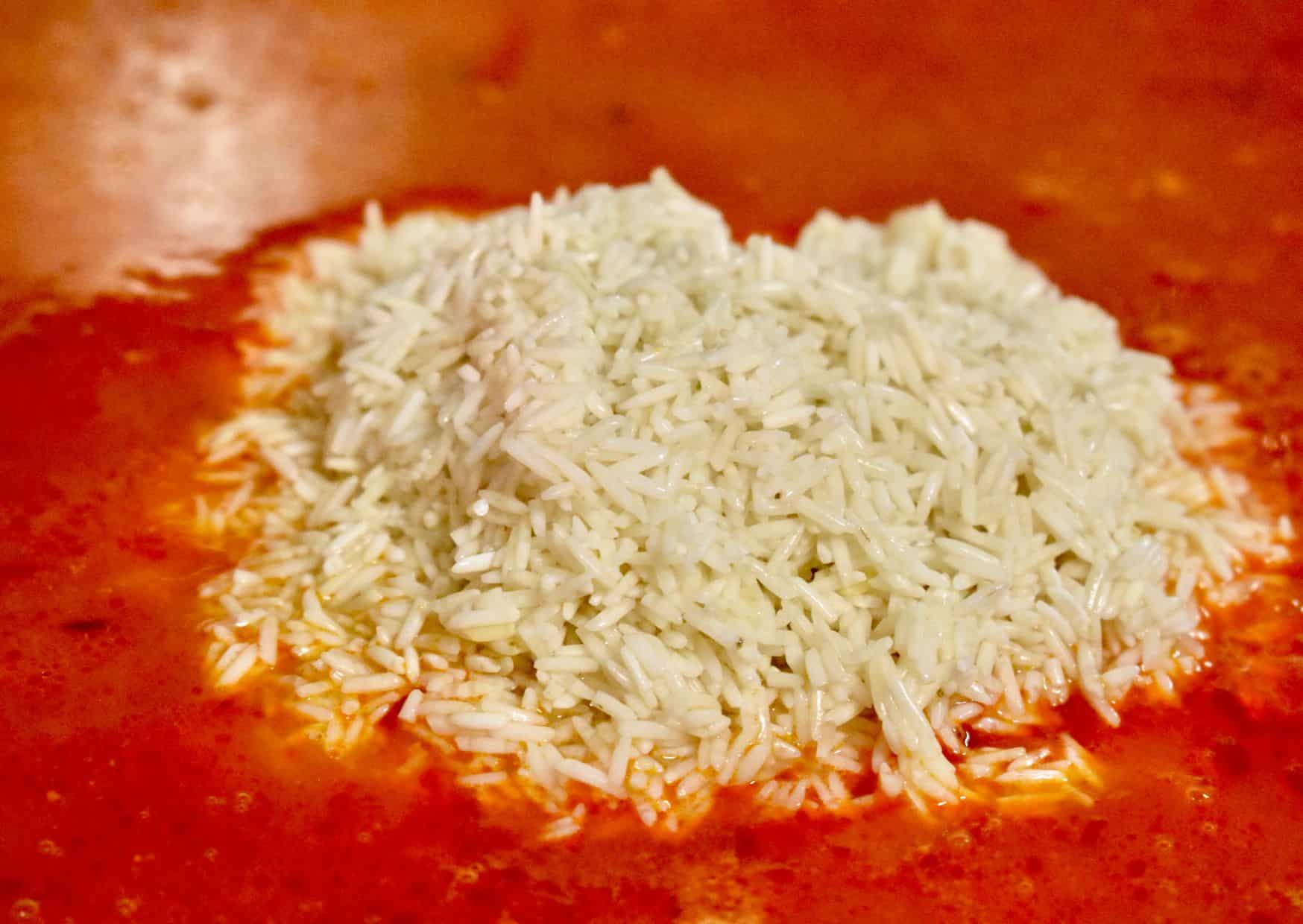
Rinse the rice under cold water to remove excess starch, then add it to the pot. Stir well to ensure the rice is evenly coated with the tomato mixture.
Reduce heat to low, cover the pot, and cook for about 20-30 minutes, or until the rice is tender and the liquid is absorbed. Stir occasionally to prevent burning.
Add Vegetables
In the last 10 minutes of cooking, stir in the mixed vegetables. Cover and allow the vegetables to cook through while the rice finishes.
Serve
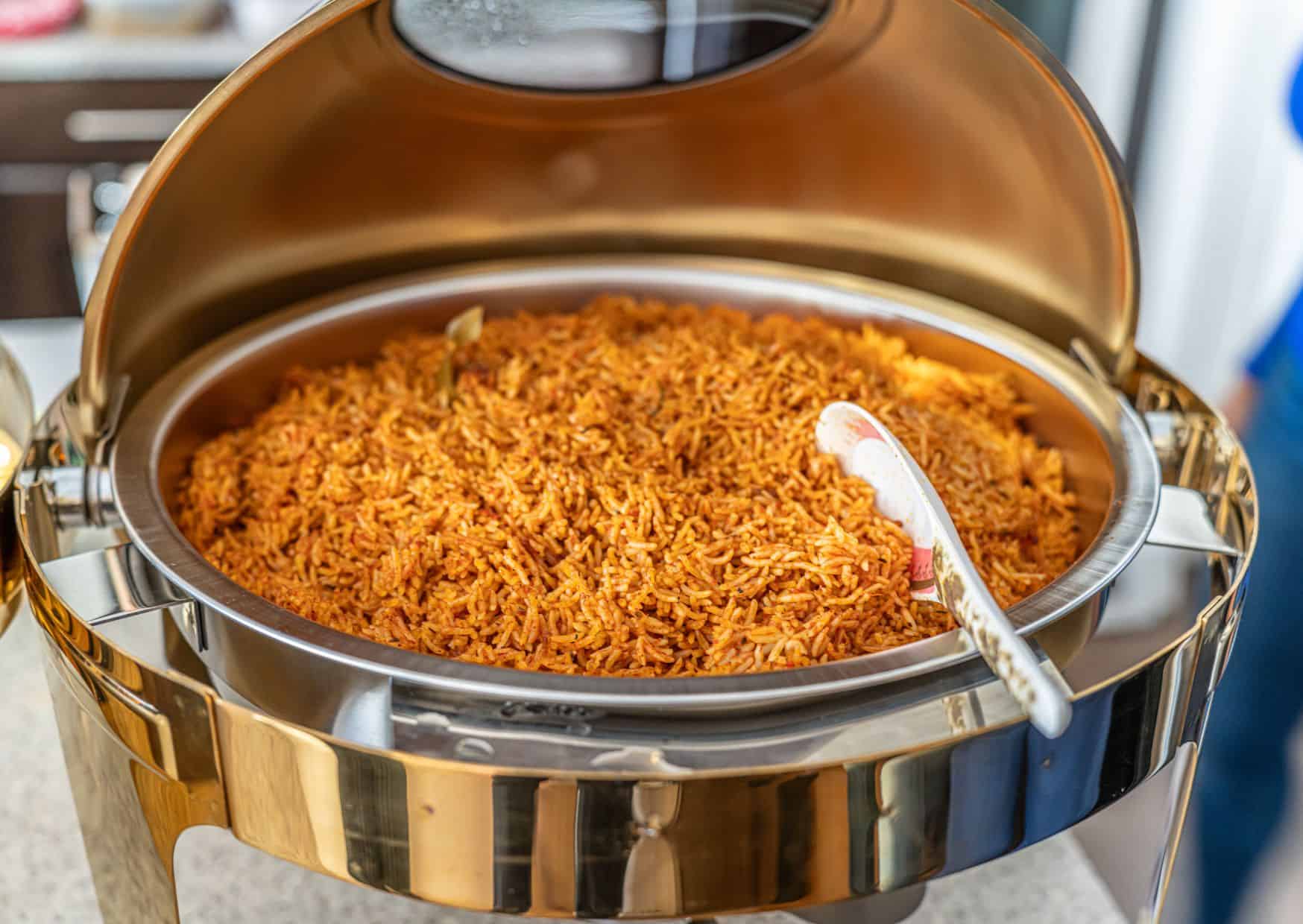
Once the rice is cooked, remove the bay leaf and fluff the rice with a fork. Garnish with fresh parsley before serving.
Tips To Make Jollof Rice
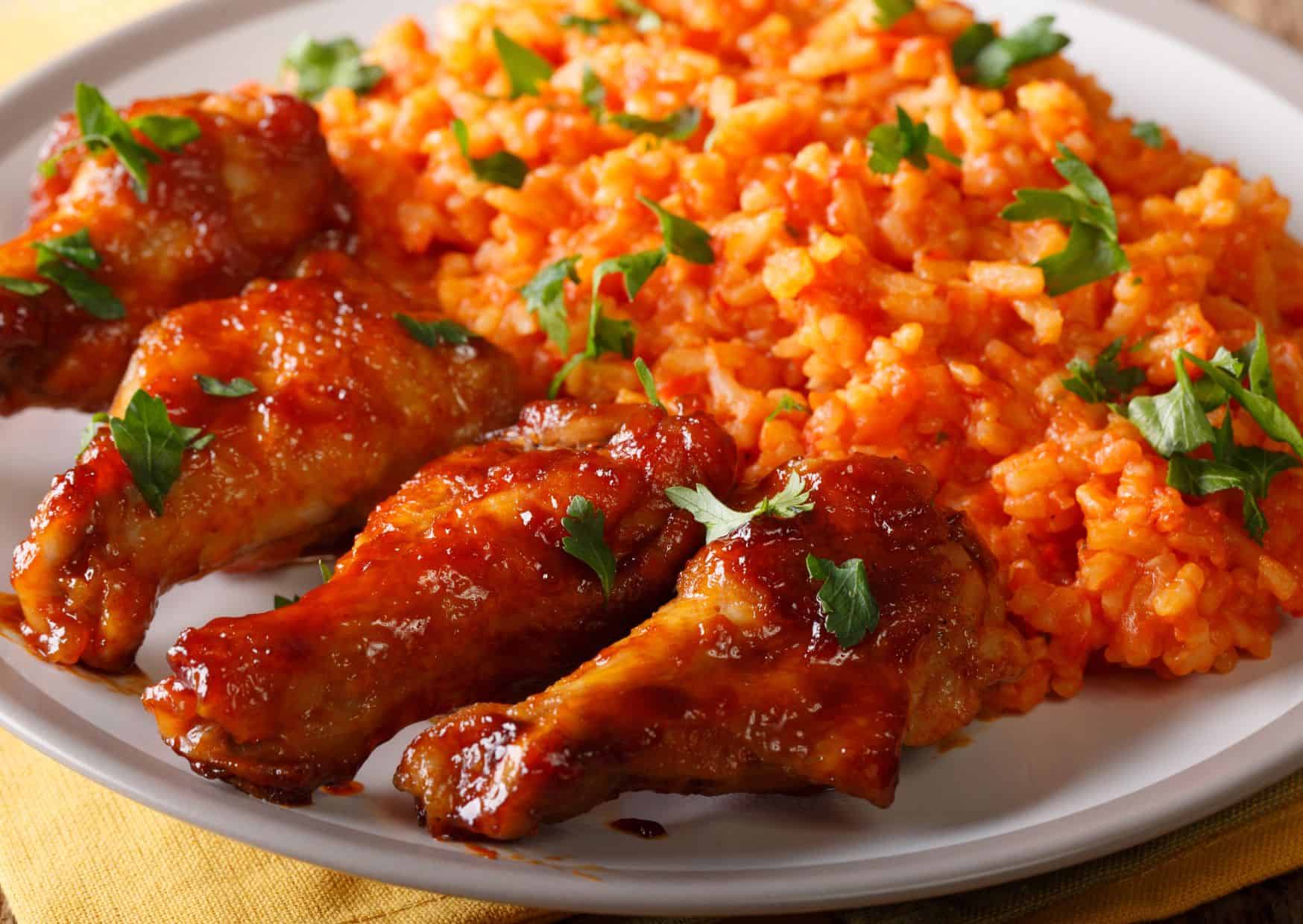
Use long-grain parboiled rice for the best texture. It stays firm and doesn’t get mushy. Adjust the amount of Scotch bonnet peppers to control the heat level of the dish.
Stir occasionally to prevent the rice from sticking to the bottom of the pot, but avoid over-stirring to maintain the rice’s texture.
How Many Calories Have Jollof Rice
Rice: Approximately 200 calories per cup
Vegetable Oil: Approximately 60 calories per tablespoon
Chicken Broth: Approximately 10 calories per cup
Tomato Puree: Approximately 40 calories per cup
Vegetables: Approximately 25 calories per cup
Other Ingredients (onions, garlic, ginger, spices): Approximately 20 calories
Total Calories per Serving: Approximately 350-400 calories
Origin and History
Jollof rice is more than just a dish—it’s a symbol of pride, culture, and identity across West Africa. Its origins trace back to the Wolof Empire (also known as Jolof), which once spanned parts of present-day Senegal, The Gambia, and Mauritania. The dish began as thieboudienne, a flavorful rice and fish meal cooked with tomatoes and local spices. As trade routes expanded across the region, this one-pot style of cooking spread, adapting to different ingredients and influences along the way.
When rice became more widely available during the colonial period, the dish evolved into what we now know as jollof rice. Each region infused its own twist—Nigeria leaned into bold pepper heat, Ghana embraced fragrant herbs and spices, and Senegal maintained its tomato-rich base. The result was not one single recipe but a family of variations, all sharing the same foundation yet fiercely defended by those who make them.
Over time, jollof rice became more than food—it became a statement. Served at weddings, holidays, and festivals, it represents unity, community, and the joy of shared meals. Yet, beneath the laughter and celebration, one question continues to divide the continent: who makes it best?
Few dishes have sparked as much friendly rivalry—or passionate debate—as jollof rice. The so-called “Jollof Wars” pit countries like Nigeria, Ghana, and Senegal against each other in a battle of flavor, color, and technique. Each nation insists its version reigns supreme, claiming to hold the most authentic or delicious recipe. What started as lighthearted banter has grown into a cultural phenomenon, inspiring competitions, documentaries, and heated social media exchanges.
Some argue that these debates overshadow the dish’s shared heritage. Instead of uniting people through a common culinary history, the rivalry sometimes fuels national pride at the expense of appreciation for diversity. Others, however, see it as a positive display of cultural confidence—a celebration of creativity and the power of food to inspire conversation and emotion.
There’s also an ongoing discussion about authenticity versus innovation. Traditionalists insist that true jollof must follow the classic one-pot cooking method with a smoky, tomato-rich base, while modern chefs experiment with new ingredients like quinoa or coconut milk. The debate reflects a broader question: how much can a dish evolve before it loses its soul?
How Long You Take to Prepare
Making the ultimate jollof rice at home takes time, but the payoff is worth every minute. The process typically takes about 1½ to 2 hours from start to finish, depending on your level of experience and the ingredients you use. It’s not a dish to rush—perfect jollof depends on patience, layering flavors, and letting the rice absorb every drop of sauce.
The first step involves creating the signature jollof base—a blend of tomatoes, bell peppers, onions, and spices that must be simmered until the raw taste of the tomatoes disappears. This step alone can take 30 to 40 minutes, but it’s what gives the dish its deep, complex flavor. Once the rice is added, the mixture is steamed slowly, allowing it to develop that distinctive smoky aroma known as the “party rice” effect.
For home cooks with limited time, shortcuts exist. You can prepare the sauce in advance and refrigerate it for up to three days. When ready to cook, simply combine it with rice and broth for a quicker version. Still, even with shortcuts, great jollof requires attention—burnt edges, vibrant color, and balanced seasoning are the hallmarks of perfection.
Serving Suggestions
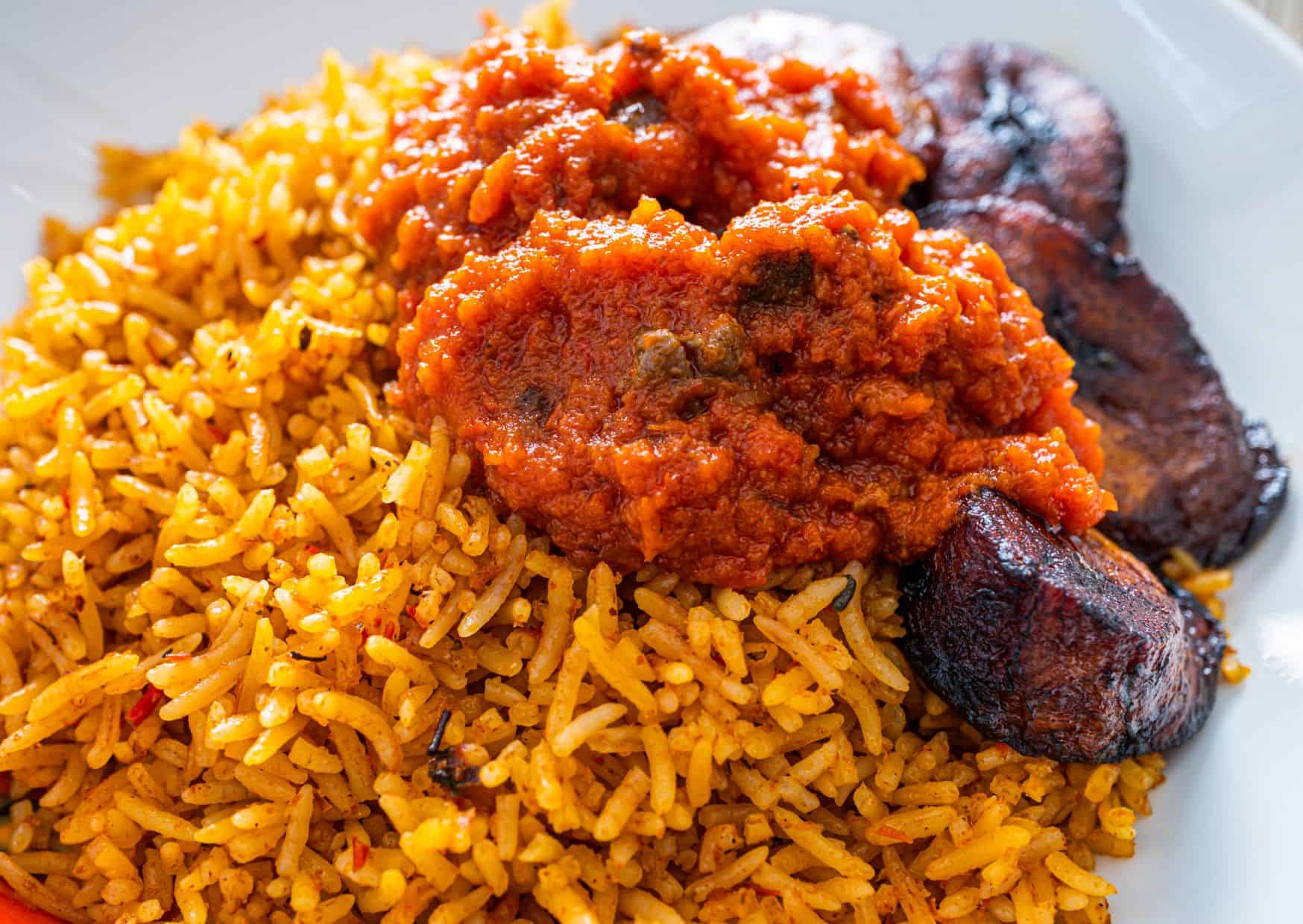
Jollof rice is a complete meal on its own, but it truly shines when served with the right accompaniments. Many West Africans enjoy it alongside fried plantains, grilled chicken, or spicy goat meat. The sweetness of the plantains balances the savory richness of the rice, creating a perfect contrast of flavors and textures.
For a festive spread, pair your jollof with side dishes like coleslaw, moi moi (steamed bean pudding), or a simple green salad. Garnishing with sliced onions or fresh herbs adds color and freshness to the plate. Whether served in a communal bowl or neatly plated, jollof rice brings warmth and generosity to any table.
If you’re hosting a dinner or cultural event, consider offering a “Jollof Bar” where guests can sample different regional versions—Nigerian, Ghanaian, Senegalese, or even your own creative twist. It’s a fun and interactive way to showcase the diversity of the dish while keeping the friendly rivalry alive.
Final Thoughts
Jollof rice is more than food—it’s history, culture, and competition simmered together in one pot. Its journey from the Wolof Empire to modern kitchens around the world tells a story of adaptation and identity. Every spoonful carries centuries of trade, migration, and shared heritage, reminding us how food connects people across borders.
Despite the rivalries, the real beauty of jollof lies in its ability to unite. No matter which version you prefer, it brings friends and families together around laughter, debate, and satisfaction. It’s a dish that turns ordinary gatherings into celebrations and sparks conversations that last long after the plates are empty.
So, instead of choosing sides, why not learn to make your own? Experiment, taste, and find your perfect balance of spice and flavor. Once you’ve mastered it, you’ll understand why jollof rice continues to inspire passion, pride, and a little bit of playful competition across Africa—and beyond.

About the Author: Ruben, co-founder of Gamintraveler.com since 2014, is a seasoned traveler from Spain who has explored over 100 countries since 2009. Known for his extensive travel adventures across South America, Europe, the US, Australia, New Zealand, Asia, and Africa, Ruben combines his passion for adventurous yet sustainable living with his love for cycling, highlighted by his remarkable 5-month bicycle journey from Spain to Norway. He currently resides in Spain, where he continues sharing his travel experiences with his partner, Rachel, and their son, Han.