
Spain is one of the most visited countries in the world, but if you think a guidebook and a few Spanish phrases will help you blend in, think again. Locals in cities like Madrid, Seville, or Barcelona have a radar for tourists—and it’s not just about the camera slung over your shoulder. From your outfit to the way you order coffee, small missteps can scream “I’m not from here.”
The Spanish lifestyle is deeply rooted in centuries of tradition, regional etiquette, and an easygoing but specific rhythm. Tourists often stick out not because of how they look, but how they act. From showing up to dinner at the wrong time to misjudging casual dress codes, visitors often miss the unwritten rules that shape daily Spanish life.
Whether you’re strolling through a local market or joining a tapas crawl in the evening, knowing how to behave like a local will unlock a deeper, more authentic experience. If your goal is to truly experience Spain and not just visit it, mastering these subtle cultural cues is essential. Here’s how to do it right.
Read here best things to know before visiting Spain, Planning an Itinerary in Spain: 3 Days Madrid Itinerary and 4 Days Barcelona Itinerary
BOOK YOUR TRAVEL INSURANCE
Two of our favorite travel insurance: Heymondo Vs Safetwing cheapest travel Insurance. You can get for $135 USD your Heymondo Travel Insurance with Heymondo discount code valid for 90 days. Read our full comparison of Genki vs Safetywing Travel Insurance Review and the comparison Heymondo vs Genki
Quick Easy Tips
Don’t eat dinner before 9 p.m.—locals dine late.
Dress smartly; no gym shorts or flip-flops in the city.
Greet people with a simple “Hola” and maintain polite tone and volume.
Never rush through a meal—enjoy the pace.
Avoid oversized backpacks in busy areas (a tourist giveaway).
Don’t tip excessively—rounding up or leaving small change is the norm.
To many American tourists, being direct, casual, and energetic seems perfectly normal. But in Spain, that can come off as brash or oblivious. Spaniards prize a balance of confidence and humility, and they notice when visitors barge into local customs without trying to adjust. While tourism fuels parts of Spain’s economy, locals are growing weary of travelers who don’t bother to adapt.
One of the biggest faux pas is ignoring the importance of mealtimes and social rhythm. Lunch is sacred, siesta hours still matter in small towns, and showing up to dinner at 7 p.m. might earn you an empty dining room and a raised eyebrow. Tourists often expect a 24/7 service culture similar to the U.S.—but in Spain, life unfolds slowly and with purpose.
Another touchy subject is fashion. While Americans prize comfort, Spaniards interpret casualness differently. Wearing sneakers and cargo shorts outside of a hiking trail, or carrying loud branded gear, immediately marks you as “not from here.” This isn’t about elitism—it’s about respect for public presence. Locals dress to reflect dignity and intention, and expect the same from guests.
1. Dress Smart, Not Flashy or Sloppy
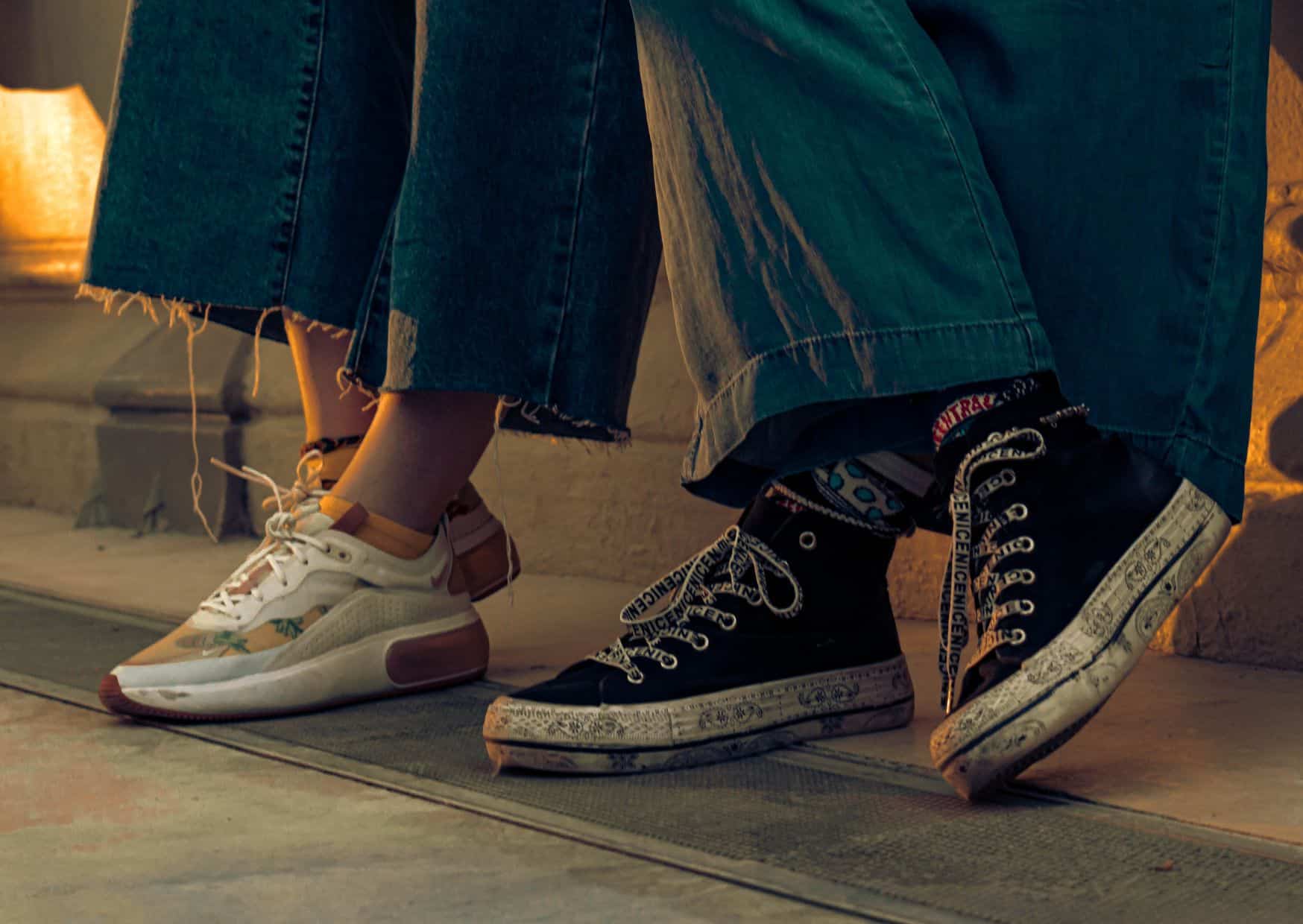
What to know: Spaniards take pride in their appearance and tend to dress stylishly—even for casual outings. Athletic wear, oversized backpacks, and flip-flops instantly mark you as a tourist, especially in cities.
What to do instead:
Wear clean, fitted clothes (think jeans, loafers, neutral layers).
Avoid gym clothes outside the gym.
Swap sneakers for leather shoes or fashionable trainers.
Leave the cargo shorts and baseball caps at home.
2. Learn a Few Basic Spanish Phrases
What to know: While English is spoken in major cities, especially in tourist zones, many locals appreciate even the smallest effort to speak Spanish.
What to do instead:
Learn greetings and polite phrases: Hola, por favor, gracias, perdón, una cerveza por favor.
Always greet with “Buenos días” or “Buenas tardes” when entering shops or restaurants.
Use “¿Hablas inglés?” instead of launching into English.
3. Adjust Your Schedule to Local Time
What to know: Spain operates on a different daily rhythm than many other countries. Lunch happens around 2–3 PM, dinner around 9–10 PM, and shops often close for siesta hours in the afternoon.
What to do instead:
Don’t expect to find restaurants serving dinner at 6 PM.
Be patient with the pace of life—things move slower here.
Plan your sightseeing around the mid-day closures, especially in smaller towns.
4. Avoid Eating on the Go or in Tourist Traps
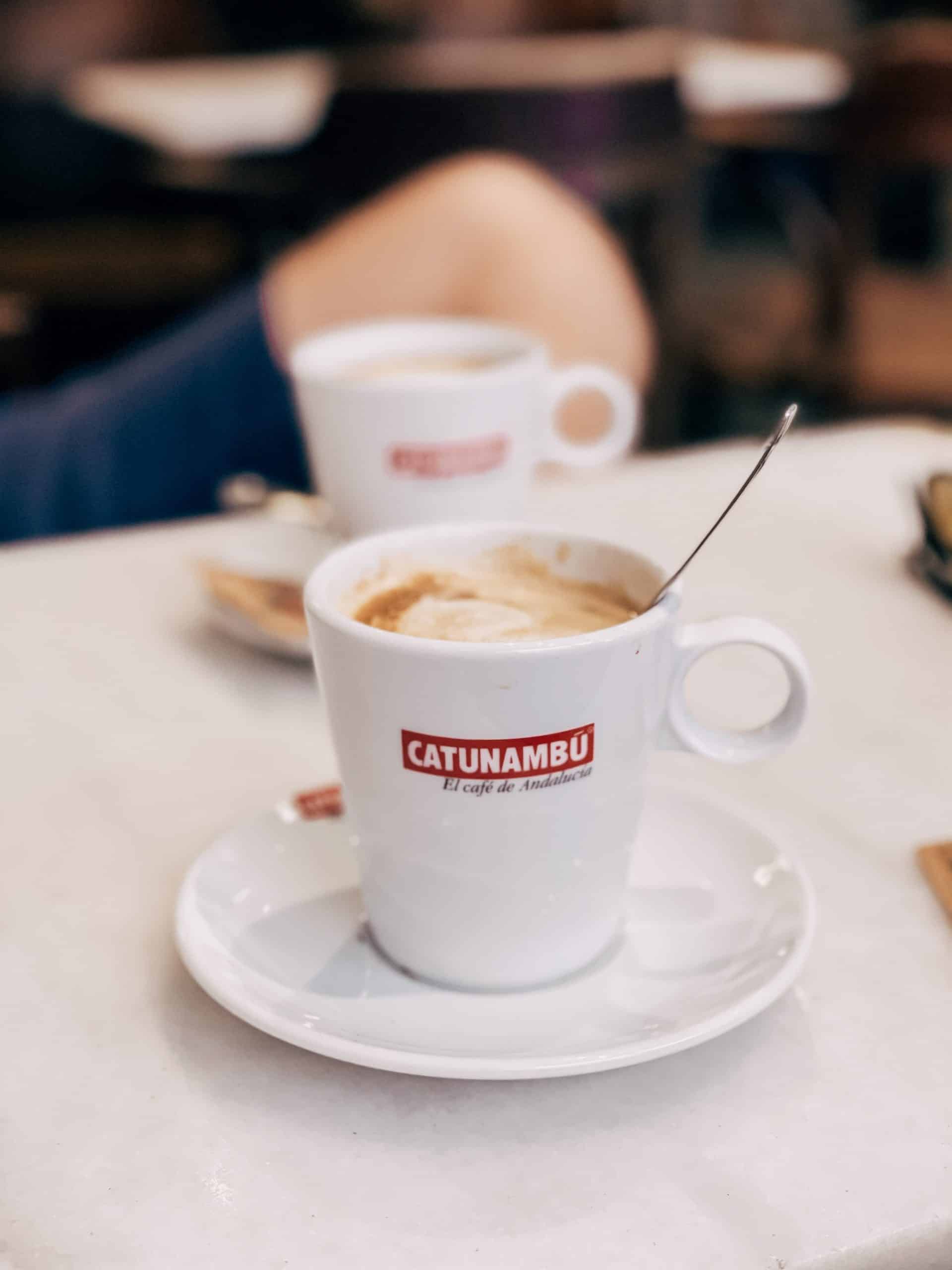
What to know: Spaniards rarely eat while walking, and mealtimes are seen as social, sit-down affairs. Tourists often fall into overpriced, low-quality restaurants near landmarks.
What to do instead:
Sit down to enjoy coffee or a snack at a café.
Look for places filled with locals—not just English menus or people holding maps.
Skip the sangria signs on La Rambla and opt for local vermouth, cava, or a caña (small draft beer).
5. Don’t Expect to Tip Big (Or At All)

What to know: Tipping is minimal in Spain and not expected like it is in the U.S. Leaving small change or rounding up is more than enough in most cases.
What to do instead:
At a casual café: leave a few coins.
At a nicer restaurant: round up to the next euro or leave 5–10% max if the service was great.
Never tip for things like ordering at the bar or quick bites.
6. Be Subtle With Photos and Phones
What to know: Constantly pulling out your phone, snapping photos of everything, or using maps loudly in public can draw attention.
What to do instead:
Be discreet when taking photos, especially in churches or markets.
Download offline maps or use small guidebooks.
If you need directions, step aside rather than stopping in the middle of a busy walkway.
7. Watch Your Volume
What to know: Americans and other tourists are often recognized by how loudly they speak in public places.
What to do instead:
Speak at a lower volume, especially in restaurants or public transportation.
Be mindful in quiet places like cathedrals or trains.
8. Respect Cultural Spaces and Local Norms
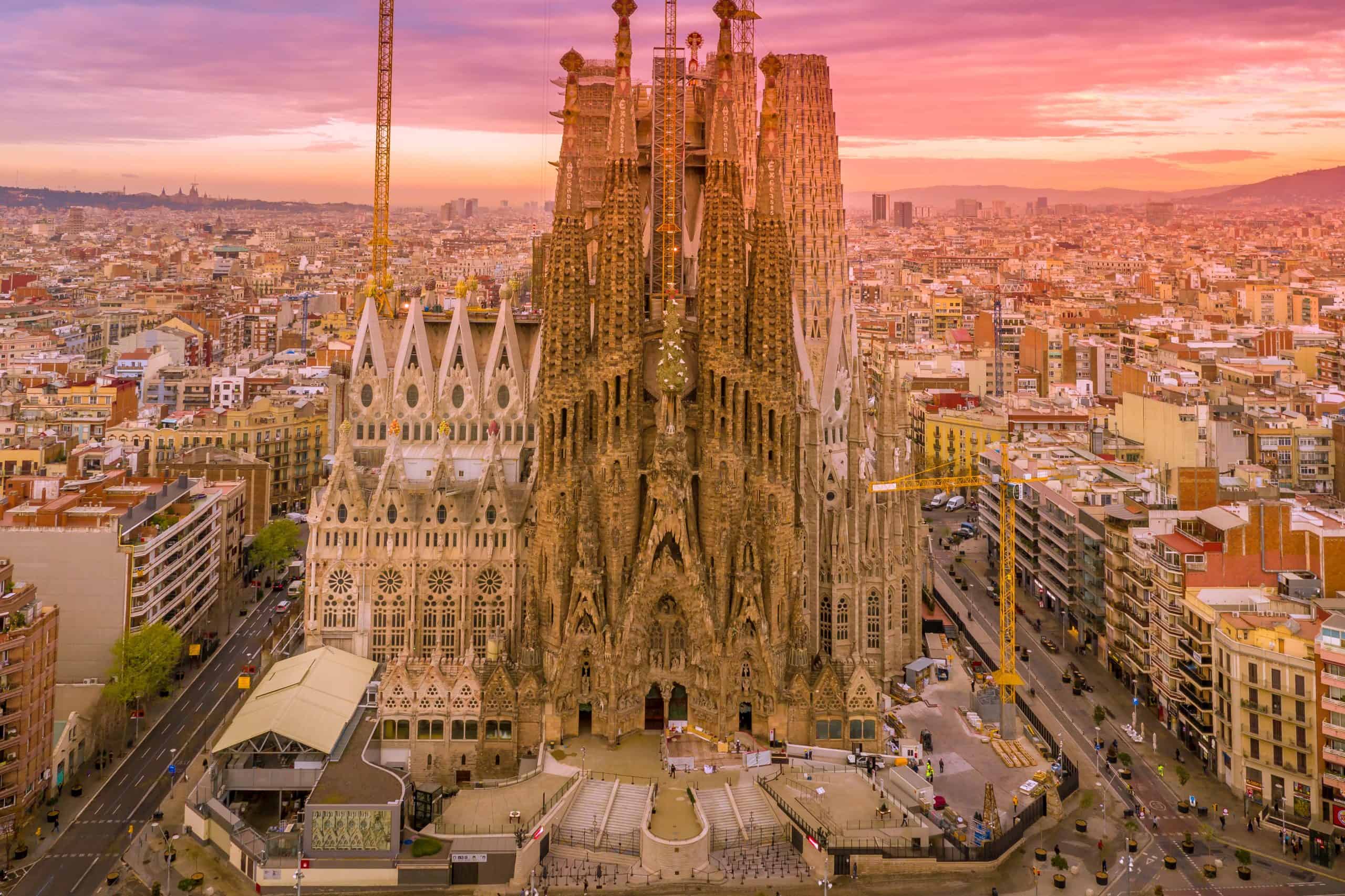
What to know: Spain is proud of its culture, and locals often bristle when visitors treat cities like theme parks. Over-tourism is a real concern in places like Barcelona, Seville, and Madrid.
What to do instead:
Dress respectfully in religious sites.
Don’t touch artwork or monuments.
Avoid blocking narrow streets with large groups or luggage.
9. Be Confident—but Not in a Rush
What to know: Spaniards walk with confidence, but the culture isn’t as rushed or hyper-productive as some others. There’s time for conversation, lingering, and enjoying life.
What to do instead:
Walk with purpose, but not stress.
Don’t get frustrated if things take a little longer (especially in service).
Embrace the slower pace and spontaneity.
10. Use Public Transportation Like a Local
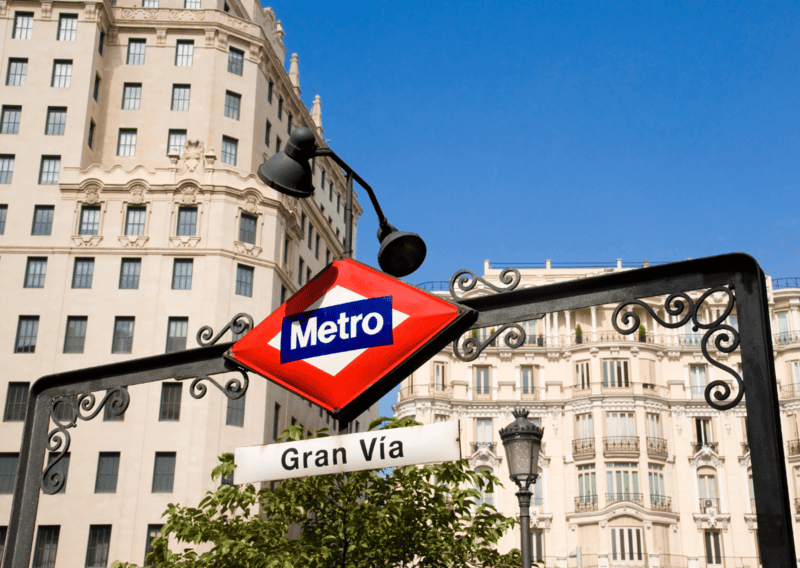
What to know: Spain has excellent metro systems in big cities and reliable buses and trains. Tourists often opt for taxis when it’s unnecessary or miss the chance to ride like a local.
What to do instead:
Use the metro or tram—easy, fast, and cheap.
Validate tickets before boarding regional trains or buses.
Learn the transit card system (like Madrid’s Multi Card or Barcelona’s TMB pass).
11. Avoid Tourist Gimmicks and Scams
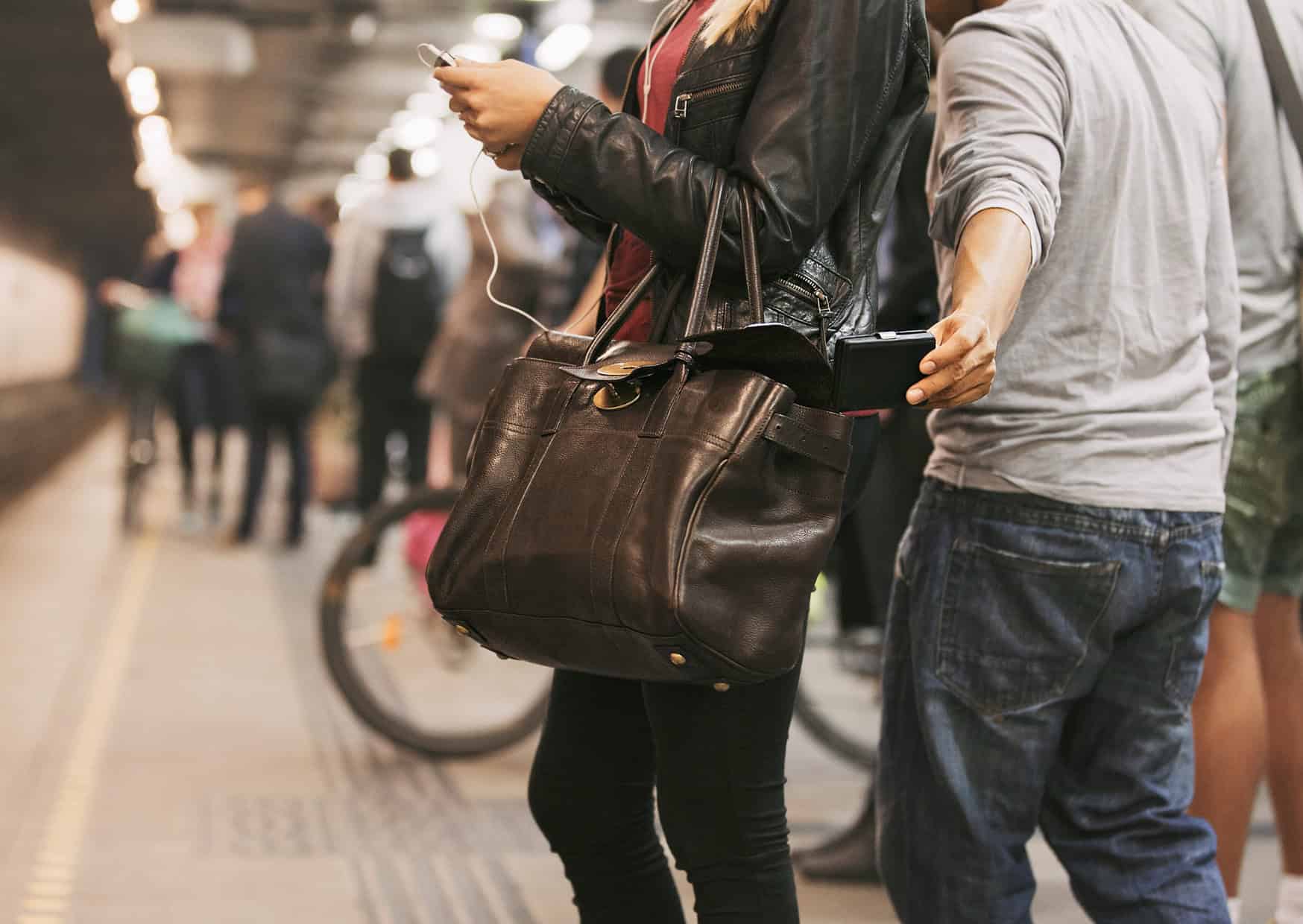
What to know: Scams targeting tourists (fake petitions, flower sellers, bracelet trick, pickpocketing) are common in busy areas.
What to do instead:
Ignore unsolicited offers or “free gifts.”
Keep your valuables in front of you, especially in crowds.
Wear a crossbody bag or money belt and avoid dangling cameras or open backpacks.
12. Don’t Treat Flamenco, Bullfighting, or Paella as Stereotypes
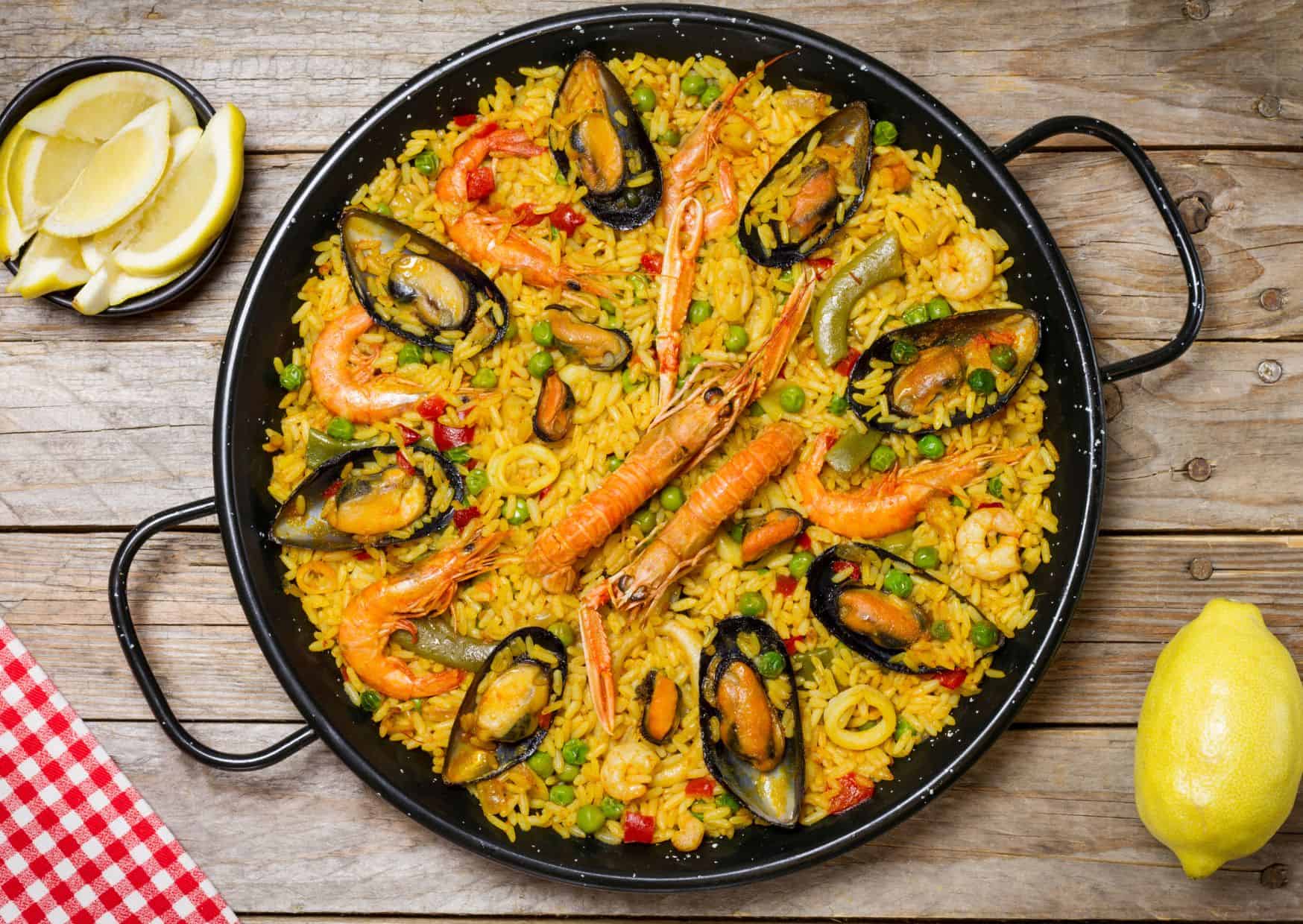
What to know: These cultural elements are regional and more complex than tourists often realize. Flamenco is from Andalusia. Paella is from Valencia. Bullfighting is controversial and not universally embraced.
What to do instead:
Respect cultural traditions but do your research.
Support authentic, ethical experiences.
Ask locals where to see real flamenco or try regional dishes properly.
Final Thoughts
Traveling in Spain can be unforgettable, but only if you lean into the cultural nuances that shape everyday life. You don’t need to be fluent in Spanish or pass as a local—but showing respect, adapting your behavior, and observing others will go a long way. Travel is less about comfort and more about connection.
The beauty of not looking like a tourist isn’t about hiding who you are, but becoming more aware of where you are. By slowing down, dressing thoughtfully, and understanding local values, you’ll open yourself to richer interactions and warmer welcomes. Spaniards are famously social and generous—but they respond best to those who meet them halfway.
Ultimately, blending in is less about camouflage and more about cultural fluency. The tourists who get the best stories, meals, and memories are the ones who take the time to listen, observe, and adapt. When in Spain, live like the Spanish do—gracefully, thoughtfully, and always with a glass of wine at the right hour.

About the Author: Ruben, co-founder of Gamintraveler.com since 2014, is a seasoned traveler from Spain who has explored over 100 countries since 2009. Known for his extensive travel adventures across South America, Europe, the US, Australia, New Zealand, Asia, and Africa, Ruben combines his passion for adventurous yet sustainable living with his love for cycling, highlighted by his remarkable 5-month bicycle journey from Spain to Norway. He currently resides in Spain, where he continues sharing his travel experiences with his partner, Rachel, and their son, Han.