
And What It Reveals About Acceptance, Subtlety, and the Long Game of Beauty
Spend a few days in Paris or Lyon, and you’ll notice something quietly striking.
The women in their fifties, sixties, and seventies look… comfortable.
Elegant without trying. Minimal makeup. Lined faces that aren’t hidden. Grey hair worn like an accessory, not an apology.
They’re not hiding their age. They’re inhabiting it — in good clothes, good posture, and with a kind of practiced self-awareness that doesn’t beg to be complimented.
Meanwhile, across the Atlantic, aging often looks like a battle.
Bright lights. Tight skin. Products that “fight” or “correct.” Procedures that erase.
The result? American anti-aging efforts often feel urgent. Aggressive. Obvious.
French aging, by contrast, is softer — but more deliberate. And ironically, it often looks better — not because it hides age more successfully, but because it never tried to erase it in the first place.
Here’s why French people age differently — and why American anti-aging habits may actually be making things worse.
Quick & Easy Tips (Inspired by the French Approach)
Prioritize prevention, not correction – Start with gentle skincare and sun protection early instead of harsh treatments later.
Less is more – Minimal makeup, quality ingredients, and fewer invasive procedures often age better.
Eat your skincare – Mediterranean-style diets (rich in healthy fats, antioxidants, and low sugar) promote glowing skin from within.
Don’t fear aging—own it – French culture embraces laugh lines as part of identity, not flaws.
Consistency over trends – Daily habits beat miracle creams or TikTok fads every time.
The French approach to aging is built on acceptance and balance, not fear of wrinkles. While many Americans are taught to fight aging with aggressive treatments—Botox, fillers, chemical peels—French women typically embrace natural beauty with moderation. Their secret isn’t in a magic serum but in how they view aging itself—not as a problem to fix, but as a chapter to live gracefully.
This cultural contrast has sparked debate. Critics of American anti-aging culture argue that the obsession with youth has created a market of overcorrection—leaving faces expressionless and bodies altered to fit unrealistic ideals. Meanwhile, in France, signs of aging like crow’s feet or graying hair are often seen as symbols of character, not decline. It’s a psychological shift that leads to very different beauty routines—and outcomes.
Even more controversial is the idea that American anti-aging methods might actually backfire. Overuse of injectables and harsh treatments can age the skin faster in the long run, stripping it of natural texture and elasticity. Meanwhile, the French preference for gentle skincare, sun protection, and self-acceptance may be a far more sustainable—and healthy—path to aging well.
1. French Culture Doesn’t Glorify Youth the Same Way
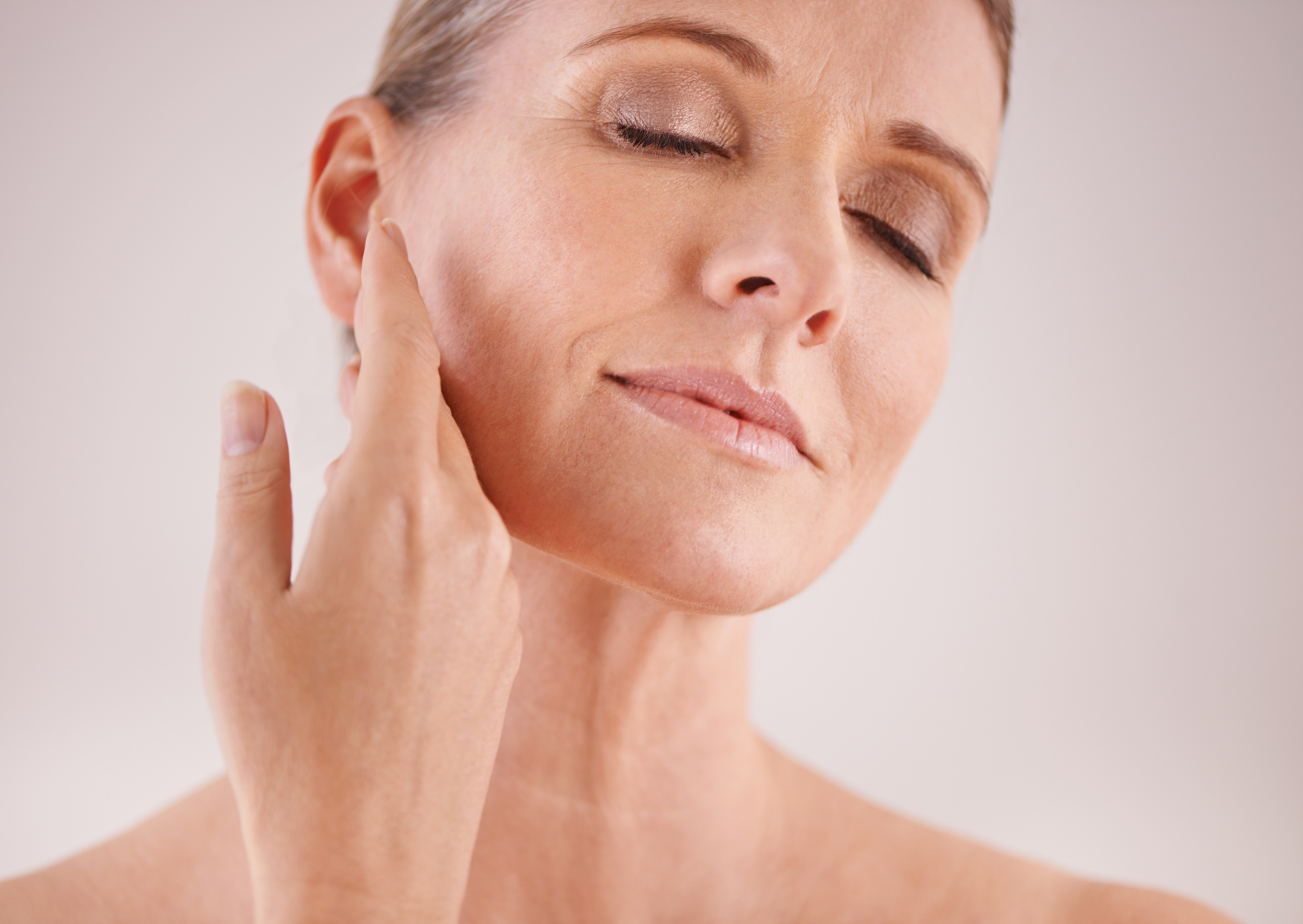
In American media, youth is synonymous with:
- Relevance
- Beauty
- Success
- Opportunity
Wrinkles, grey hair, and softness are seen as threats — things to fight or delay.
In France, aging is not something to mourn. It’s simply a new phase of self-presentation.
Older women are seen as:
- Wise
- Sexually confident
- In control of their style
- Socially powerful
There is no cultural shame in looking your age — only in trying too hard not to.
2. They Start Early — But Subtly
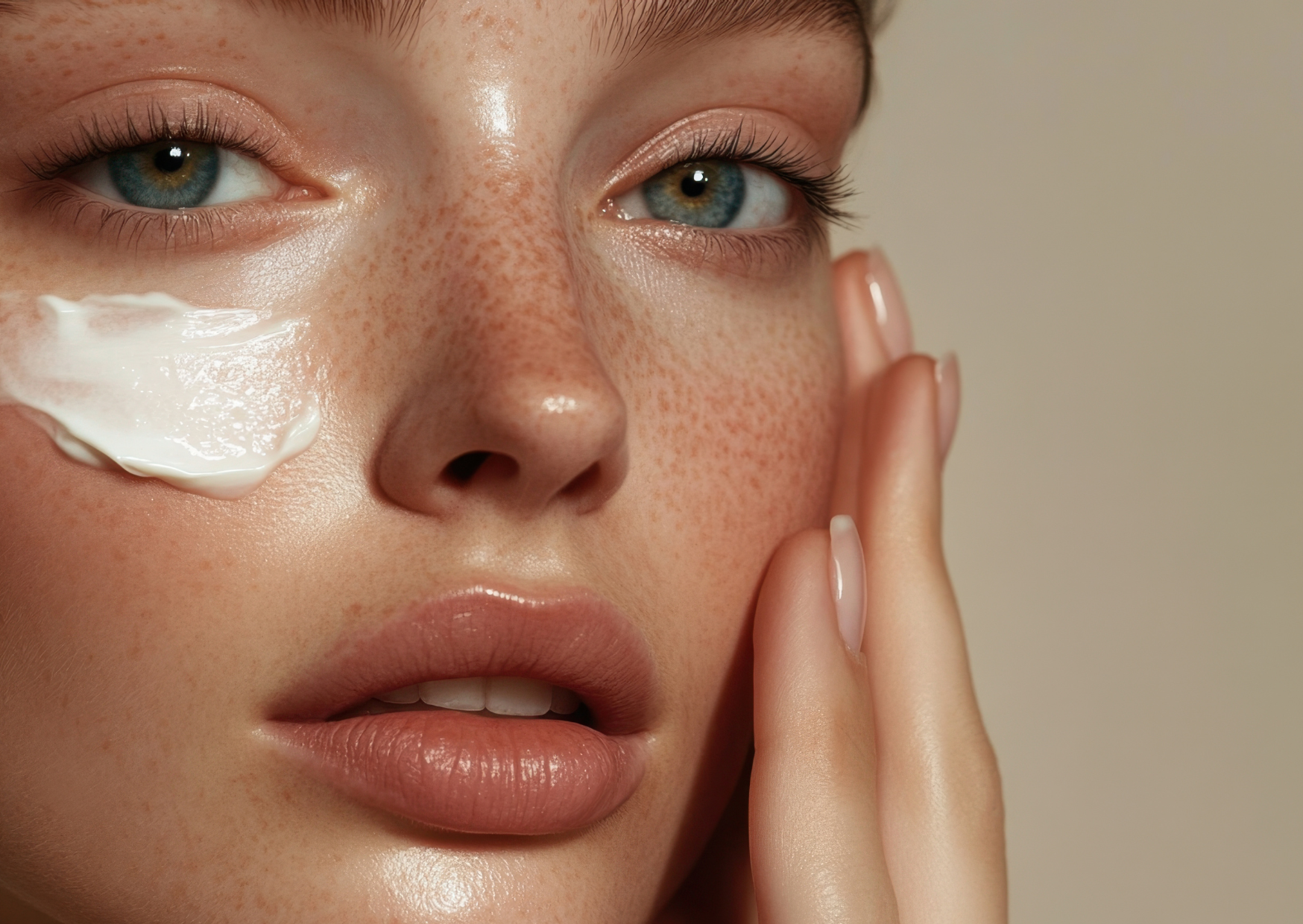
French women don’t wait until forty-five to panic.
They start caring for their skin in their twenties — but without drama or overreaction.
That means:
- Cleansing every night
- Using real moisturizer, not trendy serums
- Staying out of harsh sun
- Avoiding over-exfoliation or “miracle” treatments
The philosophy is slow, consistent, and preventative.
Americans often swing between neglect and extreme correction — waiting until signs of aging appear, then throwing powerful products or procedures at them in a rush.
But by then, it’s not care — it’s damage control.
3. They Avoid Harsh or Overly “Active” Products
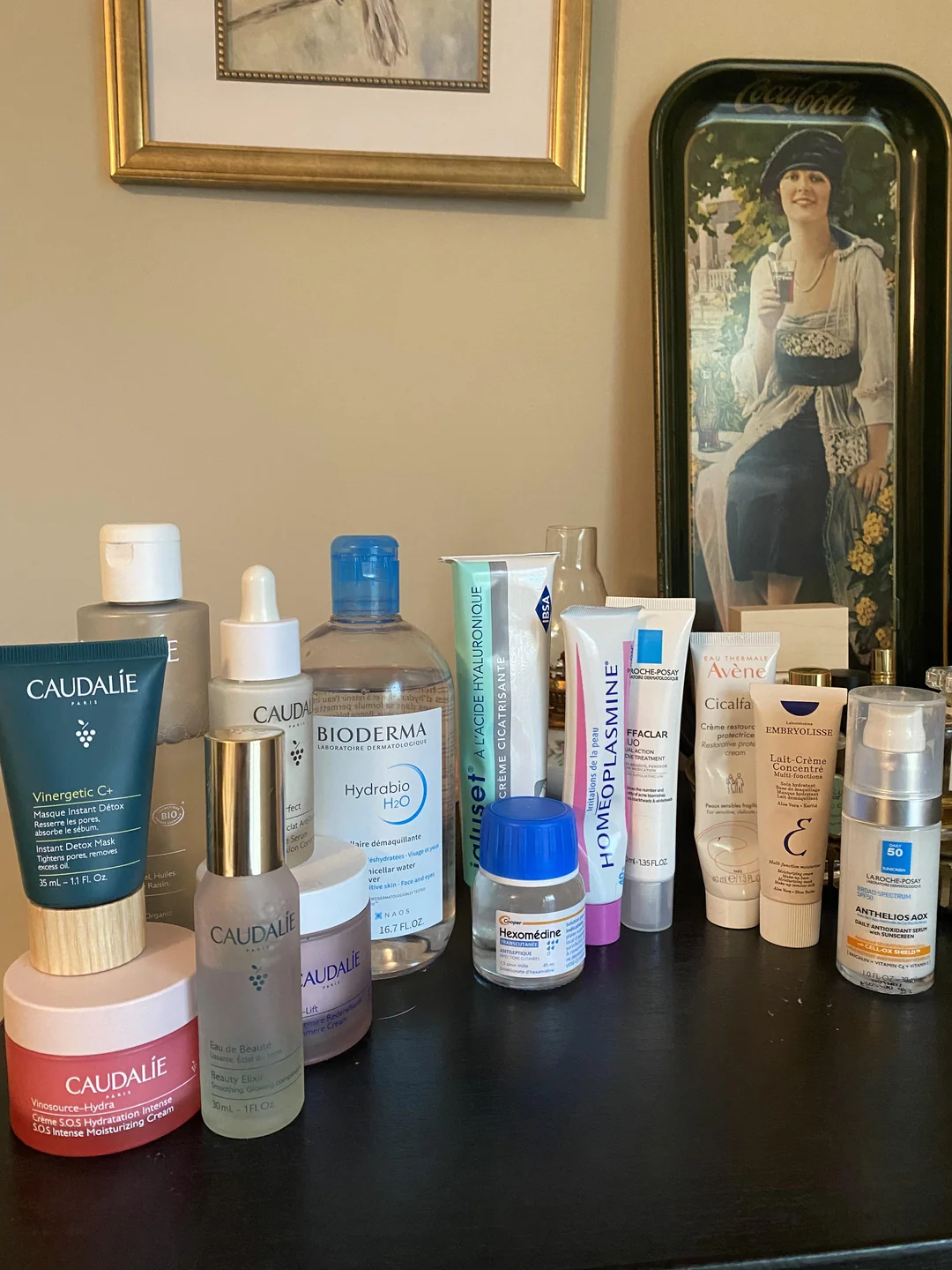
Walk into a French pharmacy, and you won’t see many aggressive actives.
What you’ll find instead:
- Thermal water sprays
- Mild retinoids
- Soothing creams with minimal scent
- Products tested for sensitivity and balance
The goal isn’t to strip the skin, force turnover, or trigger a glow-up.
It’s to preserve the skin’s barrier and integrity over time.
American skincare often involves:
- Acids
- Peels
- Microneedling
- Prescription retinoids layered with brighteners
This “fix-it” culture can make skin appear irritated, inflamed, or thinner over time — aging it faster in the long run.
4. They Don’t Obsess Over Wrinkles — They Focus on Texture and Tone
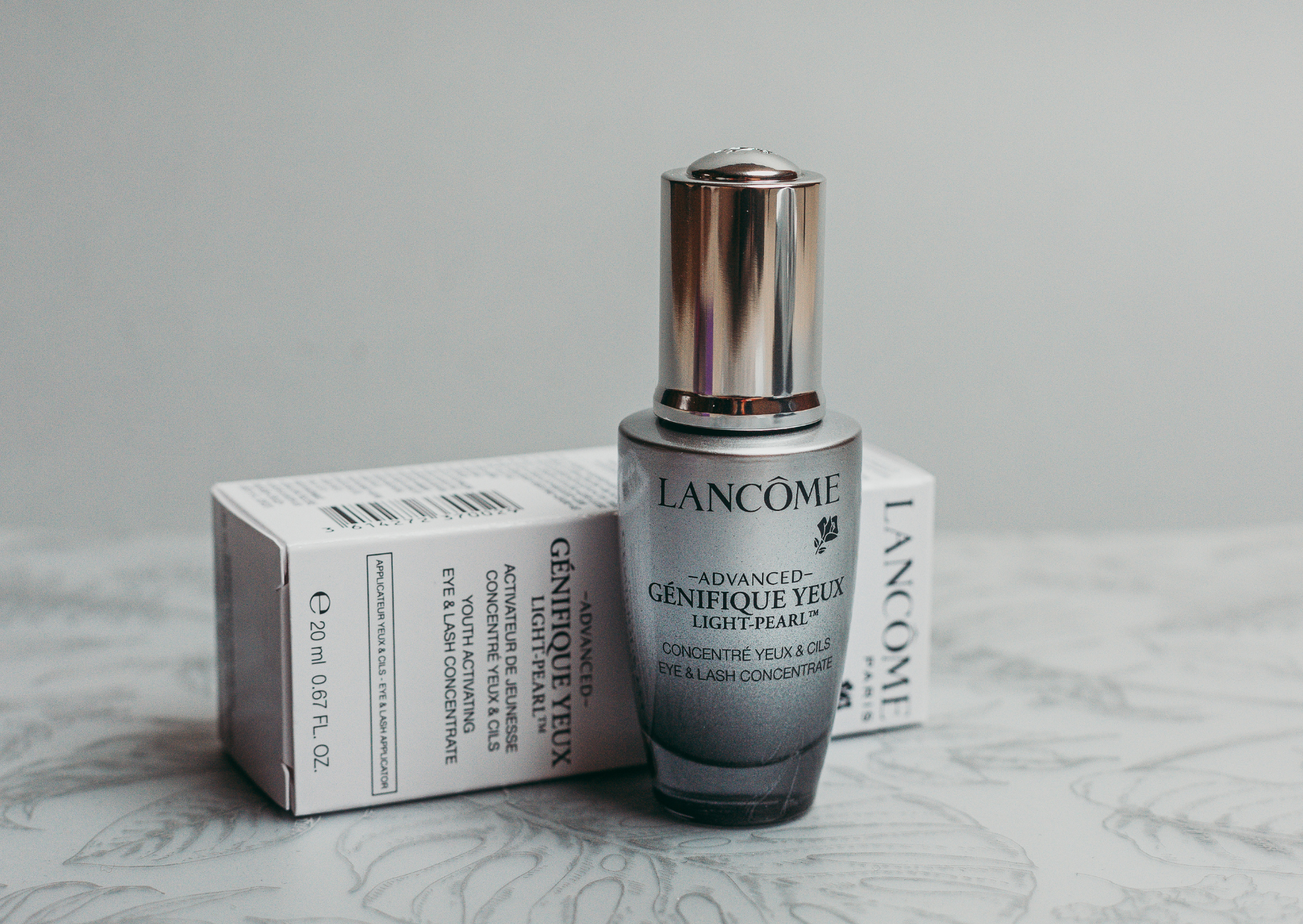
In America, aging is measured in:
- Forehead lines
- Crow’s feet
- Smile creases
But French women — and their dermatologists — focus less on lines and more on:
- Skin texture
- Radiance
- Evenness of tone
- Elasticity
They accept lines. They soften puffiness. They prioritize freshness over flawlessness.
This shift in priorities means they don’t spend money trying to look 28 at 60.
They spend it looking luminous and rested at every age.
5. They Embrace Grey Hair Instead of Hiding It

French women don’t fear going grey — they plan for it.
They:
- Transition gradually with lighter highlights
- Maintain sleek cuts
- Keep hair healthy and styled
- View grey as a mark of elegance, not decay
The look is intentional. Thoughtful. Often stunning.
American women often go from full brunette to platinum blonde overnight, or color so aggressively that damage becomes visible.
When the grey inevitably wins, the contrast is sharp — and harder to carry with grace.
French women? They age into grey as if it were always part of the plan.
6. They Avoid Cosmetic Procedures That Scream “I Had Work Done”
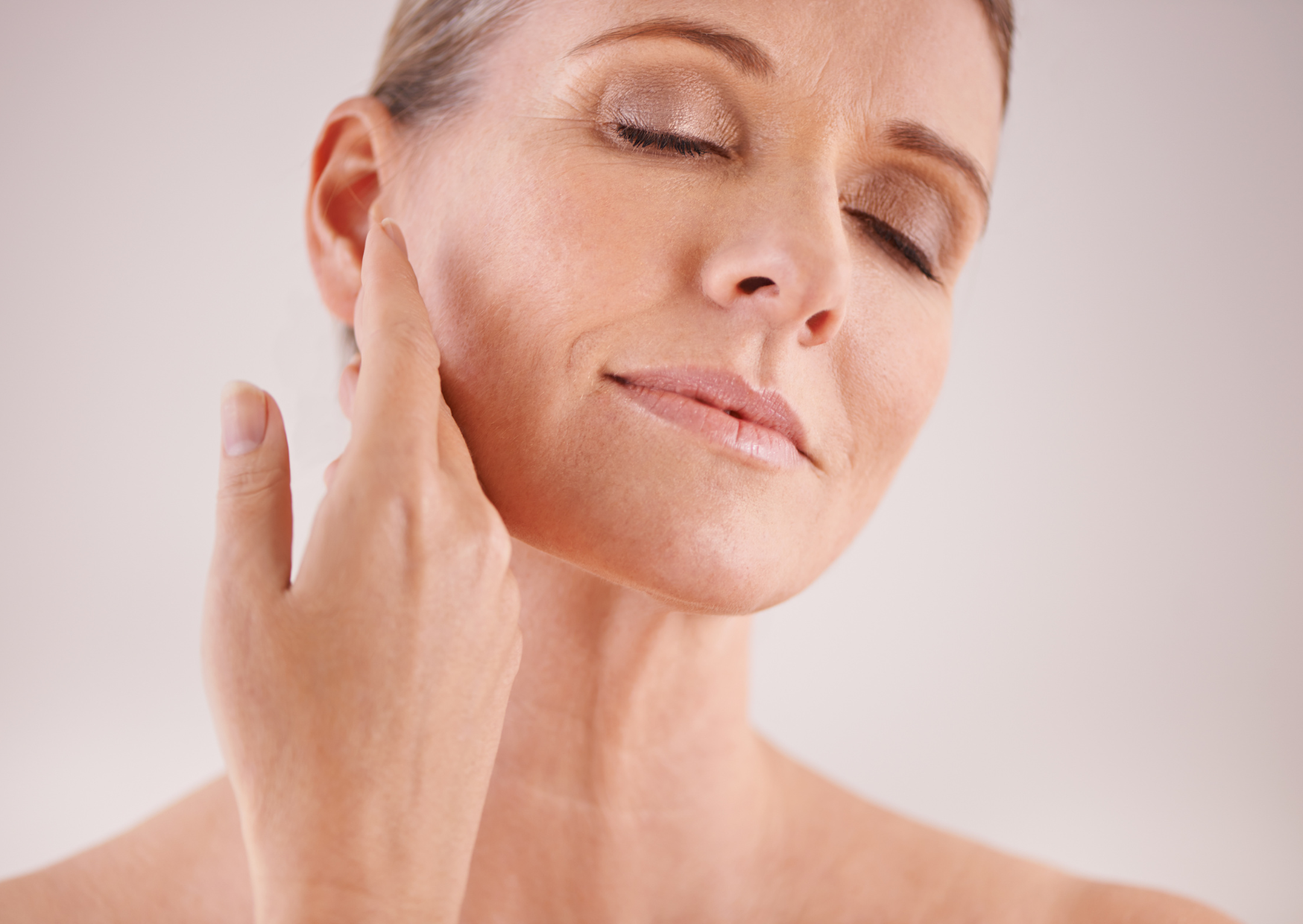
French attitudes toward plastic surgery are pragmatic but conservative.
They may have minor procedures, but they avoid:
- Overfilled lips
- Frozen foreheads
- Pulled-tight lower faces
They prefer:
- Light touch-ups
- Laser treatments or peels done in moderation
- Injectable fillers done so subtly you wouldn’t notice
The key is discretion.
In America, even minimal procedures are often overdone — and they show.
The pursuit of youth becomes visible effort, which ironically makes someone look more aged by comparison.
French women value mystery over perfection.
7. They Rely on Routine, Not Reinvention
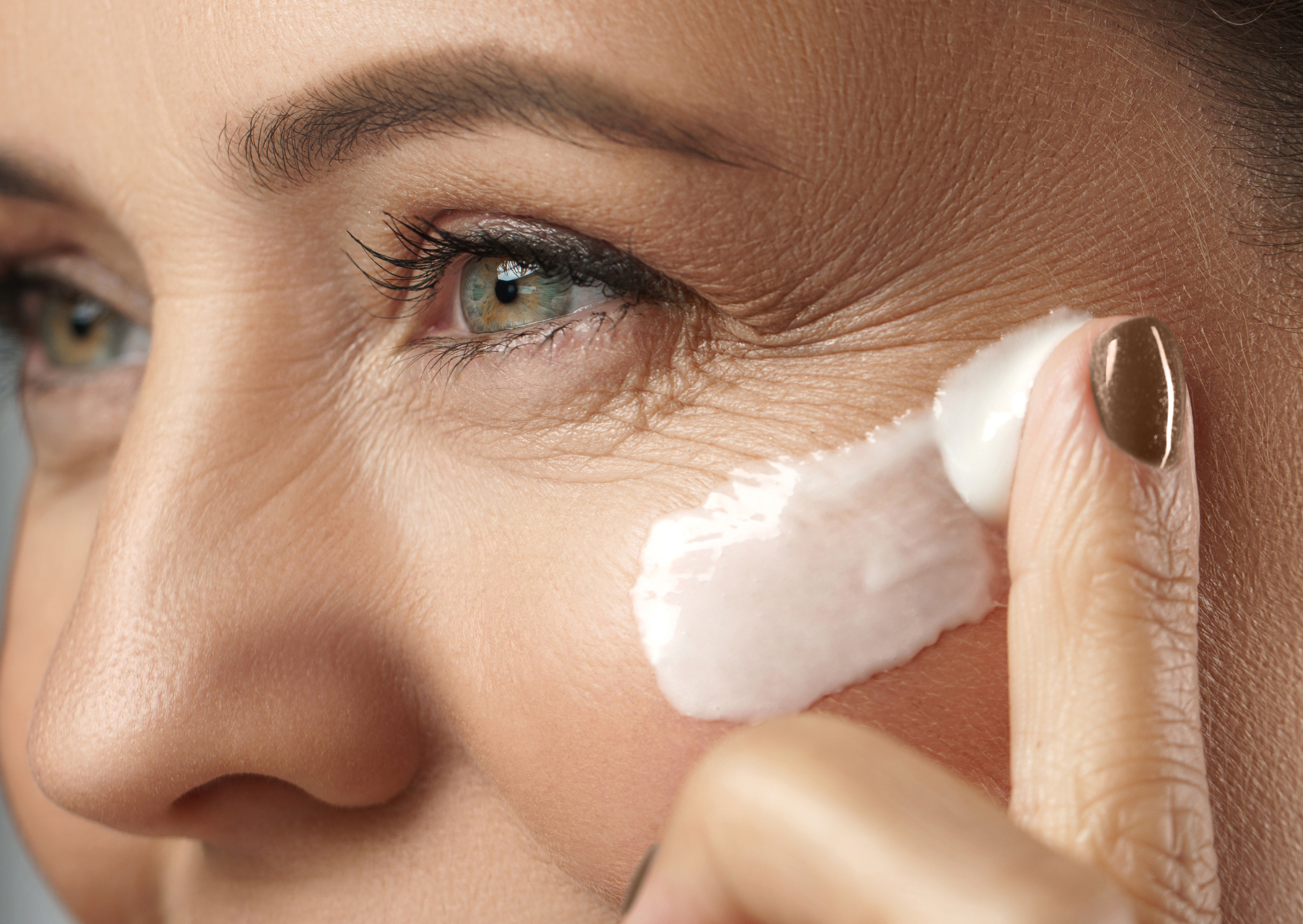
In France, beauty is ritual. Not transformation.
That means:
- Daily walks
- Minimal but regular makeup
- Eating real food
- Good posture
- Touching up lipstick instead of redoing the whole face
They don’t change everything overnight. They evolve gracefully.
Americans are encouraged to reinvent:
- New hair
- Trendy serums
- Fresh identity every decade
- Dramatic weight changes
But that pressure to constantly update often leads to inconsistency, self-doubt, and aesthetic chaos.
French beauty rewards continuity. Not panic.
8. They Dress for the Age They Are — Not the Age They Miss
Older French women don’t try to look young.
They try to look well put together.
That means:
- Tailored silhouettes
- Quality fabrics
- Tasteful accessories
- A wardrobe that matches the energy of their life — not the trends of a teen
There’s no pressure to look “hot” or “relevant.”
Only to look like yourself, at your best.
American women, under far more pressure to look youthful, often chase youth by dressing down or dressing trendy — which rarely works long term.
In France, style ages with you. And that makes it last.
9. They Don’t Apologize for Their Age — They Refine It
Perhaps the most subtle difference: French women never frame their age as a flaw.
They don’t say:
- “I feel so old.”
- “I hate my neck.”
- “Ugh, these wrinkles.”
Instead, they say:
- “I’m tired.”
- “This cream helps when I’m dull.”
- “This neckline flatters me more now.”
They don’t deny aging. They adjust to it.
American culture, obsessed with age-shaming and transformation, often teaches women to treat aging as a personal failure.
But in France, aging is a reality you meet with elegance, not regret.
One Face, Two Philosophies
To Americans, aging is a countdown.
To the French, it’s a progression.
One culture fears age — and fights it with visible effort.
The other accepts it — and moves through it with softness and strategy.
One says: Don’t let them see your age.
The other says: Let them see your beauty evolve.
And in the long run, it’s often the woman who looks like she didn’t try too hard — who ages best.

About the Author: Ruben, co-founder of Gamintraveler.com since 2014, is a seasoned traveler from Spain who has explored over 100 countries since 2009. Known for his extensive travel adventures across South America, Europe, the US, Australia, New Zealand, Asia, and Africa, Ruben combines his passion for adventurous yet sustainable living with his love for cycling, highlighted by his remarkable 5-month bicycle journey from Spain to Norway. He currently resides in Spain, where he continues sharing his travel experiences with his partner, Rachel, and their son, Han.