
Spanish people live to 83 on average while Americans die at 76, and everyone wants to credit olive oil and wine. Nobody talks about the fact that they shut down the entire country for three hours every afternoon to eat and sleep.
My Spanish neighbor had a heart attack at 71. His doctor’s main advice? “Keep taking your siesta.” Not “take these pills” or “cut salt” but “keep napping.” The man is 78 now, still napping daily, still alive.
Meanwhile, Americans are mainlining coffee at 2 PM to push through the afternoon crash, then having heart attacks at 55.
The Study Nobody in America Wants to Discuss

University of Athens tracked 23,000 people for six years. The ones who took regular afternoon naps? 37% lower coronary mortality. That’s not a small difference. That’s massive.
But here’s what’s insane – the effect was strongest in working men. The exact people Americans would mock for being “lazy” – working men who nap – had 64% lower risk of dying from heart disease.
Harvard School of Public Health confirmed it. Countries with siesta cultures have lower rates of heart disease death. Not a little lower. Significantly lower.
The American response? “Correlation isn’t causation.” Sure, except when the correlation is this consistent across every Mediterranean country while Americans drop dead at their desks.
What Actually Happens at 2 PM
Your body temperature drops. Alertness crashes. Blood pressure should naturally dip. This happens to everyone, everywhere, because we evolved this way. It’s called the post-prandial dip.
Spanish people: “Time to rest.” Americans: “Time for more coffee.”
When you fight through this natural dip with stimulants and willpower, your body stays in stress mode. Cortisol elevated. Blood pressure high. Heart working overtime for no reason except capitalism.
Dr. Marta Garaulet at University of Murcia studies this. Found that people who skip siesta have higher blood pressure, higher inflammatory markers, higher everything bad. Their bodies never get the midday reset.
My Three Weeks of Forced Siesta

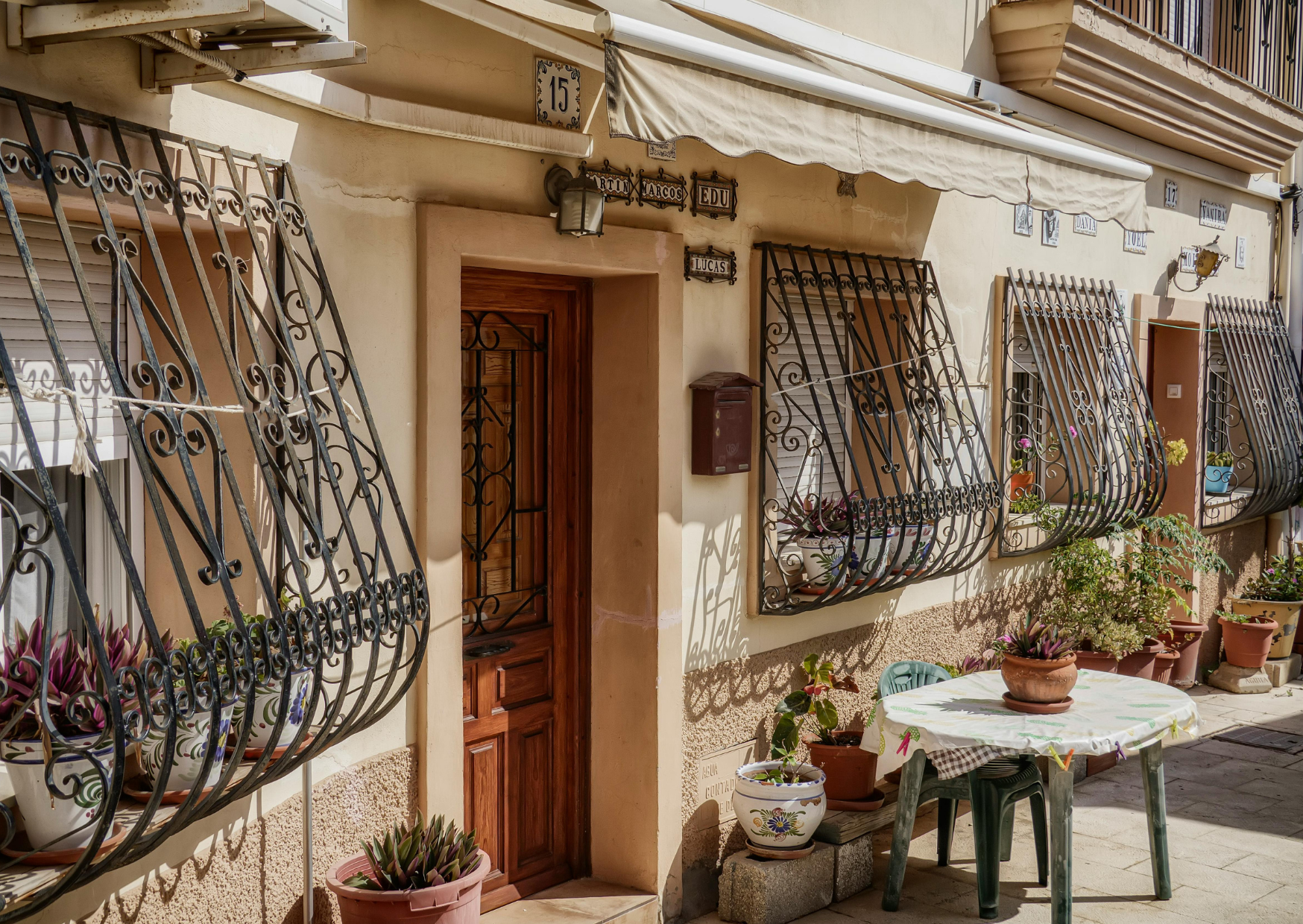
Rented an apartment in Sevilla in July. Everything closes 2-5 PM. EVERYTHING. Not some things. Everything. Grocery stores, banks, pharmacies. The city dies.
First week: Furious. How am I supposed to get anything done?
Second week: Started lying down because what else was there to do?
Third week: Understood everything.
That afternoon rest isn’t laziness. It’s biological intelligence. Your body screaming for a break and actually getting one instead of being told to shut up and produce.
My usual 3 PM exhaustion? Gone. The 5 PM why-am-I-alive feeling? Gone. Evening energy? Actually had some.
Blood pressure (yes, I track it because I’m American and paranoid): Dropped 8 points. In three weeks. From napping.
The Greek Island Study That Should’ve Changed Everything
Ikaria, Greece. One of the Blue Zones where people routinely live to 100. Researchers went to figure out why. Expected to find special diet, magical olive oil, ancient secrets.
Found: They nap. Every single day. The entire island shuts down after lunch.
Men who napped had 4x lower risk of heart disease than non-nappers. Four times. That’s better than most medications. But instead of prescribing naps, we prescribe statins with 47 side effects.
The researchers literally said “afternoon napping is one of the strongest predictors of longevity.” Published it. Nobody cared. Can’t patent naps.
Why the Afternoon Rest Actually Works
Between 1-4 PM, your body wants to:
- Lower blood pressure
- Reduce stress hormones
- Reset cognitive function
- Repair cellular damage
- Process morning’s information
When you let it happen: Cardiovascular system gets a break. Blood pressure drops 10-20%. Heart rate slows. Inflammation markers decrease. Stress hormones reset.
When you power through: Everything stays elevated. Your heart never gets its midday break. Like running an engine at redline constantly then wondering why it breaks at 50,000 miles.
Spanish cardiologist explained it: “The heart is a muscle. Do you exercise muscles 16 hours straight? No. You rest between sets. Siesta is rest between life’s sets.”
The American “Power Nap” Scam
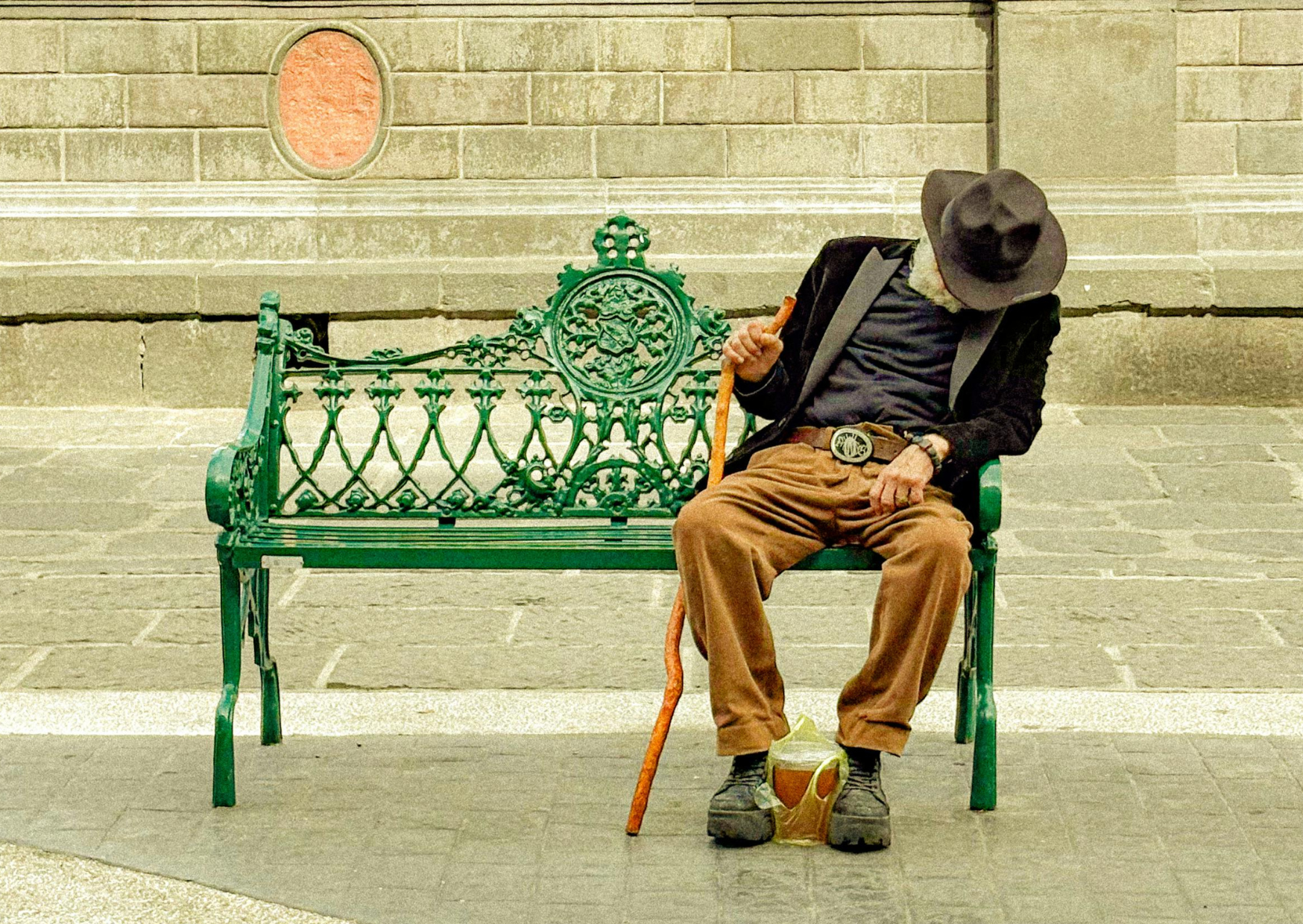
Americans heard about siestas, missed the entire point, invented “power naps.” 20 minutes maximum. At your desk. Alarm set. Still stressed.
That’s not siesta. That’s torture with a fancy name.
Real siesta:
- 30-90 minutes
- In bed or couch
- No alarms
- After real lunch
- No guilt
- No optimization
- Just… rest
My Spanish colleague laughed when I explained power naps. “You Americans make even rest into work.”
She’s right. We turned the biological need for rest into another productivity hack. Missing the entire point: Rest isn’t productive. That’s why it works.
The Lunch + Siesta Combination

Spanish lunch isn’t a sad desk salad. It’s the main meal. Hot food. Multiple courses. Wine sometimes. The body has to digest this. Needs blood flow to stomach. Wants you horizontal.
American lunch is whatever you can swallow while answering emails. Body gets confused. Digest? Work? Both? Neither happens properly.
After proper lunch, siesta makes biological sense. Blood goes to digestion. Brain rests. Body repairs. Temperature drops. Everything resets for afternoon.
After American lunch, you’re fighting biology with willpower and wondering why you have acid reflux, anxiety, and heart disease by 45.
The Japanese Have Their Own Version
Japan, another long-lived country. They have “inemuri” – napping at work. Completely acceptable. Shows you’re working so hard you need rest.
Japanese companies now have nap rooms. Google Japan, Nike, Mitsubishi. Not because they’re soft. Because napped employees make fewer mistakes, have fewer health issues, cost less in healthcare.
Japanese study: 20-30 minute afternoon naps reduced heart disease 12%. Not as good as Spanish siesta but better than American nothing.
The Blood Pressure Evidence
University Hospital of Lausanne: People who nap have 5mmHg lower blood pressure on average.
“That’s not much.”
5mmHg reduction = 10% less risk of heart attack. Blood pressure medications struggle to achieve that. Naps do it for free.
Spanish study measured blood pressure continuously. Nappers had:
- Lower daytime readings
- Better nighttime dipping (crucial for heart health)
- Less arterial stiffness
- Better overall cardiovascular markers
Non-nappers stayed stressed all day, into evening, sometimes all night. Hearts never getting proper rest.
What Three Hours Really Means
Spanish siesta time isn’t just napping. It’s:
- Leisurely lunch with family (1 hour)
- Actual rest/nap (30-90 minutes)
- Slow transition back to afternoon (30 minutes)
The entire nervous system gets to downshift. Not just sleep but complete departure from productivity stress.
Americans get 30 minutes to microwave something, eat at desk, check Instagram while chewing, feel guilty about not working, then back to grind.
Which system sounds more likely to cause heart disease?
The Temperature Factor Nobody Considers
Spain gets hot. Really hot. 40°C (104°F) in summer. Traditional siesta was practical – don’t work during peak heat.
But here’s what’s interesting: Even with air conditioning, they still siesta. Because the benefit isn’t just avoiding heat. It’s the rest itself.
Your body temperature naturally drops 1-2 degrees early afternoon. Fighting this with activity stresses the system. Accepting it with rest supports natural rhythms.
Americans blast AC, drink ice coffee, and pretend biology doesn’t exist. Then wonder why we’re exhausted but can’t sleep at night.
My Spanish Coworkers’ Reality
María, 52, accountant: Lunch at home 2-4 PM daily. Twenty-minute nap. Been doing it 30 years. Blood pressure perfect. No medications.
Jorge, 61, lawyer: One-hour lunch, 30-minute nap in office. Every day. Had one parent die at 89, other at 92. Expects the same.
Ana, 45, marketing: Goes home for lunch because “eating at desk is sad.” Naps on couch. Runs marathons on weekends.
They don’t see this as special. It’s just… Tuesday. Meanwhile, my American colleagues brag about skipping lunch like it’s an achievement.
The Economic Argument Falls Apart
“But productivity!”
Spain’s productivity per hour worked is higher than Japan, where people literally die at their desks (karoshi). Similar to UK. Not far behind Germany.
They work fewer hours but get same amount done. Because exhausted people aren’t productive. They’re just present.
Spanish shops closing midday seems inefficient until you realize they’re open until 9 PM when people actually want to shop. Americans close at 5 PM when everyone’s still at work. Which is actually dumber?
The Heart Attack Timing Evidence
Most heart attacks happen:
- Monday mornings (stress of returning to work)
- Between 6-10 AM and 4-8 PM
Notice what’s missing? The siesta hours. Heart attacks drop during traditional rest time. Even in America, where nobody’s resting, there’s still a dip because biology wants that break.
Spanish heart attack distribution is different. Fewer morning attacks (less rushed mornings). Much fewer evening attacks (actual rest in afternoon). Overall fewer attacks period.
What Happens When Siesta Disappears
Younger Spanish people in international companies can’t siesta. Working American hours. And guess what?
Their heart disease rates are rising. Matching American patterns. The protection is disappearing as the tradition dies.
Greece forced to abandon siesta during economic crisis. People working straight through. Heart disease up 10% in five years. Stress-related illness skyrocketing.
The experiment is running in real-time. Remove siesta, add heart disease. We’re watching it happen.
The Sleep Debt Nobody Mentions
Spanish people sleep less at night. Go to bed at midnight or later. Up at 7-8 AM. Only 6-7 hours.
Americans: “See! They’re sleep deprived!”
No. They’re getting 7 hours at night plus 1 hour midday. Eight total. Divided naturally when the body wants it. Not forced into one block that fights circadian rhythms.
Humans might be naturally biphasic sleepers. Most mammals are. We just forgot because industrial schedules demanded single sleep blocks.
My Blood Pressure Experiment
Tracked for three months:
- Month 1: American schedule, no naps
- Month 2: 20-minute “power naps”
- Month 3: Full Spanish siesta
Month 1: 135/85 average (pre-hypertension) Month 2: 130/82 (slightly better) Month 3: 124/78 (normal)
Changed nothing else. Same food. Same exercise. Same stress. Just added proper afternoon rest.
Doctor said it was “interesting” but recommended medication anyway. Because that makes more sense than napping apparently.
The Nurses’ Study Nobody Talks About
Nurses’ Health Study followed 71,000 women. The ones who worked night shifts (disrupted natural rhythms) had:
- 40% higher heart disease
- Higher blood pressure
- More diabetes
- Earlier death
Same job. Same stress. Just different relationship with natural rest cycles. The body wants what it wants. Fight it and lose.
What You Can Actually Do
Can’t take three-hour Spanish siesta? Fine. But you could:
Eat lunch away from your desk. Actually away. Outside if possible.
Lie down for 20 minutes after lunch. Floor of your office if necessary. Lock door. Don’t apologize.
Stop the 2 PM coffee. Let yourself feel tired. It’s supposed to happen.
Work from home? You have no excuse. Nap properly.
Weekends at minimum. Full siesta. Lunch, rest, slow afternoon. Practice not feeling guilty about rest.
The Companies Getting It
Some American companies added nap rooms. Google, Nike, NASA. Not from kindness. From data.
NASA found 26-minute naps improved pilot performance 34%.
Google found nap pods reduced sick days.
Nike found afternoon rest improved creativity and decision-making.
But most companies still see rest as weakness. Rather pay for cardiac events than prevent them with naps.
The Mediterranean Secret That Isn’t
Every long-lived Mediterranean population has afternoon rest culture:
- Spanish siesta
- Greek mesimeri
- Italian riposo
- Maltese siegħa
All the Blue Zones have rest patterns. All of them. But we credit olive oil because we can sell olive oil. Can’t sell naps.
The Death We Choose
Americans choose to:
- Power through natural tired times
- Medicate with caffeine
- Stress our hearts continuously
- Die younger
For what? To answer emails faster? To look productive? To brag about being “busy”?
Spanish people choose to:
- Rest when tired
- Eat with family
- Let heart recover
- Live seven years longer
Not because they’re lazy. Because they’re not stupid enough to fight biology and call it success.
The Conclusion That Writes Itself
Your body wants to rest every afternoon. Fighting it causes stress, inflammation, elevated blood pressure, and eventual heart disease.
Accepting it, embracing it, scheduling around it? 37% less heart disease death.
No medication has those results with zero side effects. But naps aren’t profitable, so we’ll keep dying at our desks, proud of never resting.
The Spanish will keep napping. Keep living longer. Keep having functional hearts at 80.
The science is clear. The evidence overwhelming. The solution free.
But it requires admitting that rest isn’t laziness. That productivity isn’t everything. That maybe, possibly, the Spanish understand something about being human that Americans forgot.
Take a nap. Your heart will thank you.
Or don’t, and die seven years earlier.
Your choice.
But don’t say nobody warned you. The Spanish have been trying to tell us for centuries.
We’re just too busy to listen.

About the Author: Ruben, co-founder of Gamintraveler.com since 2014, is a seasoned traveler from Spain who has explored over 100 countries since 2009. Known for his extensive travel adventures across South America, Europe, the US, Australia, New Zealand, Asia, and Africa, Ruben combines his passion for adventurous yet sustainable living with his love for cycling, highlighted by his remarkable 5-month bicycle journey from Spain to Norway. He currently resides in Spain, where he continues sharing his travel experiences with his partner, Rachel, and their son, Han.