
Paris after dinner: cafés glow, spoons clink, and plates arrive with immaculate tarts cut to humble sizes. No one flips a cheesecake on its head or asks for “a second fork.” The ritual is simpler—and far more strategic. Many French dietitians coach clients with a tiny guideline that travels fast because it works: three mindful bites, taken slowly, with full attention, then stop. It isn’t a law or a magic number. It’s a behavioral cue that rides two realities: most of the pleasure is front-loaded in the first few bites, and the pace you eat them at changes how satisfied you feel.
Think of it as a dessert protocol, not a diet. You don’t swear off sweets; you sequence, savor, and size them so your brain cashes the check before your plate does.
Want More Deep Dives into Other Cultures?
– Why Europeans Walk Everywhere (And Americans Should Too)
– How Europeans Actually Afford Living in Cities Without Six-Figure Salaries
– 9 ‘Luxury’ Items in America That Europeans Consider Basic Necessities
What the “3-bite” rule actually is—and isn’t
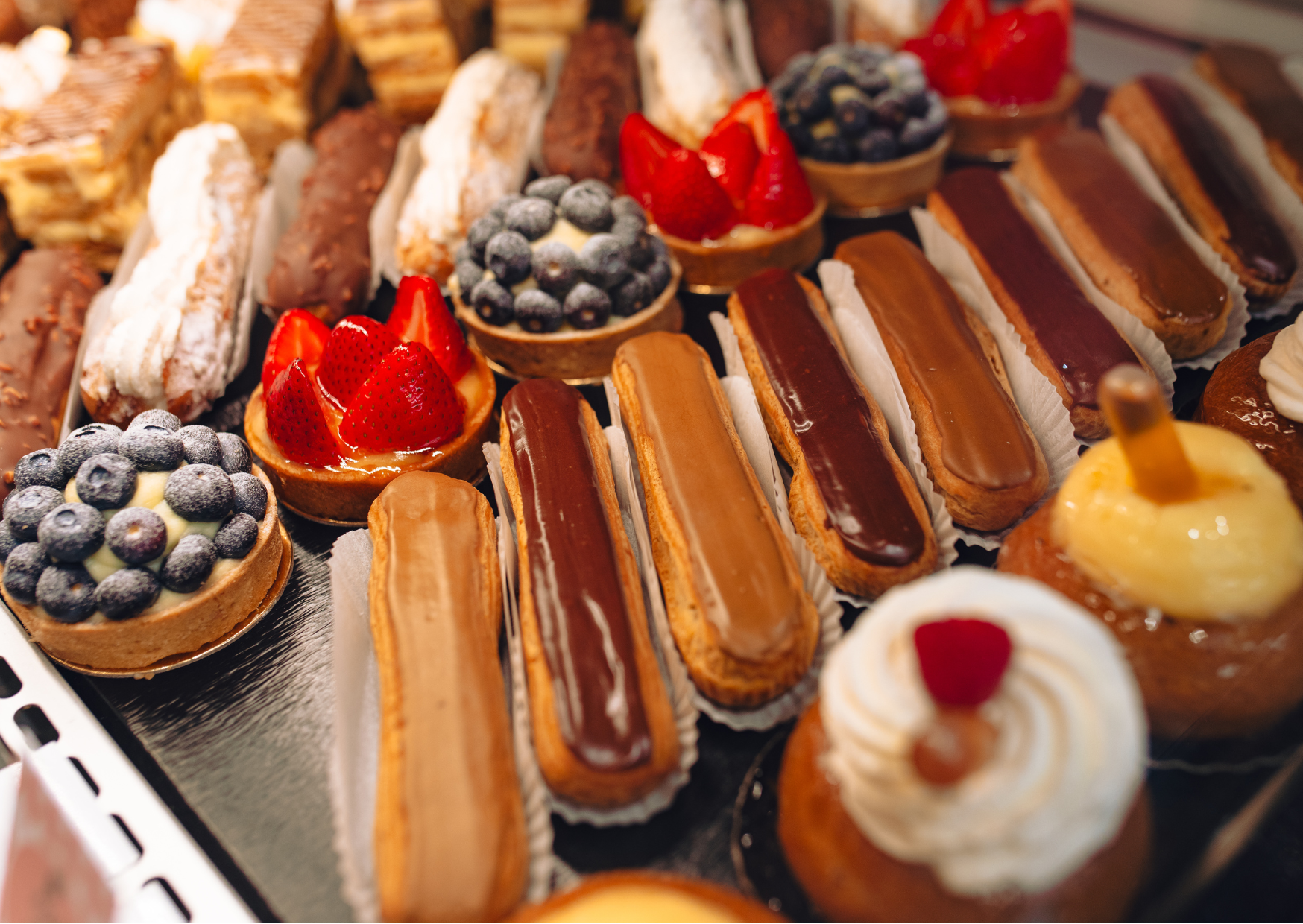
In French counseling and weight-management clinics, you’ll hear variations of la règle des trois bouchées—a coaching tool that says: take three intentional bites of a rich dessert, notice flavor and texture, and decide whether you’ve met the moment. It’s a permission slip, not a punishment; an anchor for portion awareness, not a calorie penalty.
The idea rests on two simple claims: the first bites carry most of the pleasure, and mindful pacing magnifies that pleasure so you need less. Neither claim demands perfection. The rule gives you a script when willpower is low and pastry is high—a small ritual, a clear stopping point, a repeatable habit you can run in any café in Europe.
Why the first bites matter more than the last
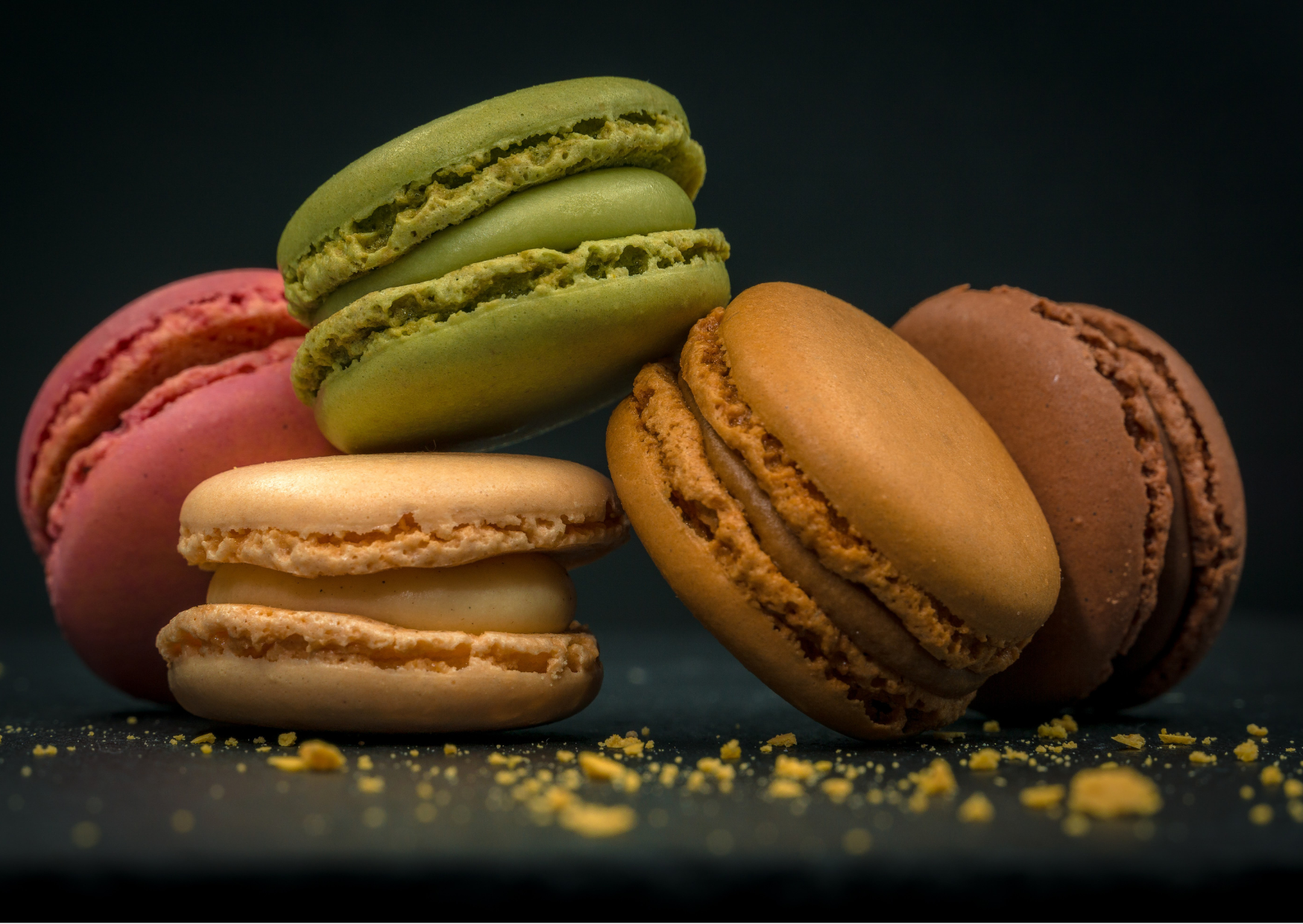
Sensory scientists have documented a steady drop in pleasantness as you keep eating the same taste—a phenomenon called sensory-specific satiety. Translation: the first fork of lemon tart is fireworks, the fourth is a rerun, the eighth is background noise. That decline can start shockingly early, which is why three slow bites often extract most of the reward for minimal intake.
Pair that with orosensory exposure—the time flavors spend in your mouth—and you have a lever most people never pull. Longer exposure, slower pace, smaller bites all nudge your brain toward earlier satisfaction, even before your stomach weighs in. The rule’s genius isn’t the number; it’s the front-loading of attention when the pleasure curve is highest.
How French pros teach it—tiny plate, tiny fork, big attention
French dietitians rarely say “Never.” They say “Less—and better.” The dessert arrives in a small portion, on a small plate, sometimes with espresso to slow you down. Then three cues:
Take bite one for aroma and texture—name what you taste.
Take bite two for balance—acid, sweet, fat—adjust your pace.
Take bite three to choose—continue deliberately or close the ritual.
You’re not performing; you’re training attention. By the third bite, most people feel the peak pass. That’s the moment to stop—or to consciously commit to two more, not two hundred. The power comes from choice, speed, and tiny tableware that shrinks default bites without drama.
Why Americans struggle with it (and how to fix that)
Two American reflexes collide with the rule. First, big default portions—desserts served to share but eaten solo. Second, fast eating—dessert as a sprint. Together, they erase the very window where three slow bites win. The fix isn’t moral strength; it’s environmental design:
Order one dessert for the table, not per person, so portion cooperates.
Ask for espresso spoons—they create smaller bites by default.
Park the plate out of reach after bite three—distance finishes the decision.
You haven’t “quit sugar.” You’ve just moved the spotlight to the best seconds of the experience and dimmed the rest.
The science that quietly props this up
Three strands of evidence support the rule’s logic:
- Sensory-specific satiety: liking for a food drops as you consume it, and it drops fast—which is why early bites do most of the work.
- Orosensory exposure: longer in-mouth time and smaller bites increase satiation, lowering how much you need.
- Portion size effects: reducing offered portions reduces total energy intake, especially with calorically dense foods.
Together, they validate a simple proposition: small, slow, early trumps big, fast, late. That’s not French magic; it’s human wiring.
When to deploy it—and when to bend it
Use the rule for rich, high-calorie desserts—ganache, crème brûlée, cheesecake—where taste intensity spikes and satiation rides attention. Bend it when food is acting like culture—the once-a-year gâteau from your grandmother—or when dessert is naturally light (berries, sorbet, plain yogurt). The French trick isn’t rigidity; it’s context:
- Specialty pastry? Go three bites—then share the rest.
- Fruit tart at home? Enjoy a modest slice, still slowly.
- Celebration cake? Take your portion, then switch to coffee and conversation—social cues end the eating as cleanly as a number does.
The point is agency—you decide, rooted in pleasure, not fear.
The clinic-level add-ons: what pros layer on top
Dietitians in France often pair the three-bite cue with three practical rails:
Plan the treat—a scheduled dessert feels smaller to your brain than an ambush.
Pair with protein or coffee—contrast slows eating and stretches pleasure.
Set an exit—ask for the bill or box the remainder as you take bite three.
These rails turn a clever idea into a repeatable protocol—pre-commitment, pacing, clean stopping. The goal isn’t heroics; it’s making the good choice the easy choice.
Eating out in Europe—how to make it effortless
In Italy or France, you’ll notice desserts are already smaller, denser, and meant to be finished without guilt. That’s your tailwind. Make it smoother by choosing high-intensity options that reward tiny bites—dark chocolate mousse, citrus tarts, custards—over bland bulk. Ask the server for spoons for sharing and keep the plate centered, not in front of you. Use bite one to inhale the aroma, bite two to confirm the texture, bite three to close—or to declare you’ll split two more with the table.
In the U.S., reverse-engineer the same feel: split desserts by default, request small spoons, and plate to a saucer if it arrives oversized. You’re hacking proportions, not your personality.
What about kids? Dessert without drama
French family tables avoid turning dessert into currency. Instead of “Finish your broccoli or no cake,” dessert is occasional, modest, and unremarkable—often fruit-forward yogurt or a small pastry on weekends. If you offer a rich dessert, teach three slow bites as a game of senses—“What flavors? What textures? What changes from bite one to bite three?” Kids learn that pleasure peaks early, that waiting tastes different from rushing, and that stopping can be satisfying, not sad.
Make it normal, not moral: small portions, slow spoons, no bargaining. The habit survives adolescence because it never had a spotlight—just regularity and rules that feel kind.
Sugar, cravings, and the difference between need and want
Cravings aren’t a character flaw; they’re reward circuitry requesting a hit. The three-bite rule sidesteps the hit-and-spiral by front-loading attention and curbing exposure. On days when cravings scream, change your sequence: eat a regular meal first, then add your three mindful bites. Fullness blunts the drive, pleasure stays high, and the stop lands softly.
If stress drives the urge, pair the ritual with a walk or tea. You’re building competing rewards so dessert doesn’t carry the whole job of feeling good.
“But three bites isn’t enough”—read the signals you’ve been missing
If three bites feel impossible, test your mechanics before your will. Are your bites too big? Are you scrolling between them? Did you choose a low-intensity, high-bulk dessert that needs more to feel like anything? Fix those and try again:
- Shrink the utensil—espresso spoon, not tablespoon.
- Put the phone down—attention amplifies satisfaction.
- Pick intensity—dark chocolate, citrus, coffee, spice.
Most people discover that “not enough” was actually “not present.” Three tiny, attentive bites often feel bigger than ten distracted ones.
Aligning with French guidance—pleasure, limits, and frequency
French public-health messaging repeats two ideas that live happily with the three-bite cue: limit sugary foods, and enjoy them consciously. You’ll see official material advising people to reduce desserts and ultra-sweet products, prefer fruit-based endings, and treat rich sweets as occasional pleasures. School and catering standards go further, restricting how often very sweet desserts appear on menus. The cultural current runs one way: pleasure, yes—daily overload, no. The three-bite ritual fits that current with clarity and grace.
Your pocket playbook (so you can run this in any café)
- Choose intensity: pick a dessert where small equals satisfying—dark, citrus, custard.
- Control the tools: ask for an espresso spoon; put the plate center-table for sharing.
- Run the ritual: bite one—notice, bite two—confirm, bite three—decide.
- Close clean: sip coffee, slide the plate away, or box what’s left.
- Repeat on purpose: make rich desserts occasional, fruit regular, and three bites your default on “big” sweets.
In two weeks, most people report the same shift: dessert stops being a cliff and becomes a moment—small, bright, over.
What to do tonight
Pick one dessert you genuinely want, not the one parked in the fridge because it exists. Plate a small piece, swap to a tiny spoon, and step into bite one like a critic—aroma, texture, temperature. Take bite two slower than feels normal. Take bite three, then pause—hand on cup, not on fork. If you continue, call your number (two more, split with someone) and move the plate out of reach. Notice how fullness and pleasure separate once the thrill fades. That’s the point. That’s the habit.
You didn’t diet. You edited.
Putting it in perspective
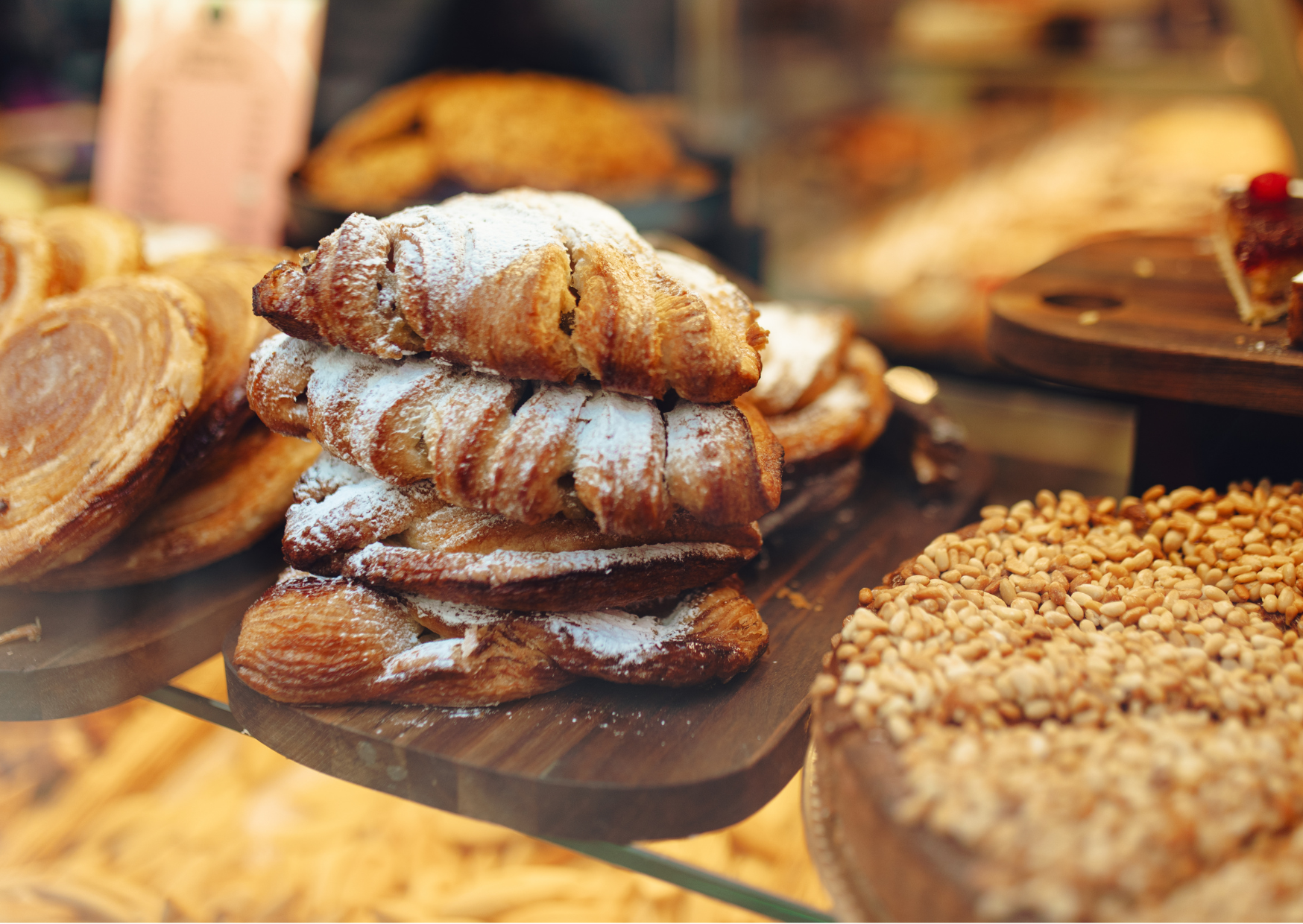
The French advantage isn’t witchcraft. It’s a choreography: smaller portions, slower spoons, social cues, and a tiny rule that catches the best seconds of dessert and lets the rest go. The science agrees: pleasure is front-loaded, speed changes satiation, size steers intake. Steal that sequence and dessert slides back into its rightful place—a highlight, not a habit; a whisper, not a shout.
You can do it anywhere there’s a plate and a spoon. Three mindful bites, then the bill.

About the Author: Ruben, co-founder of Gamintraveler.com since 2014, is a seasoned traveler from Spain who has explored over 100 countries since 2009. Known for his extensive travel adventures across South America, Europe, the US, Australia, New Zealand, Asia, and Africa, Ruben combines his passion for adventurous yet sustainable living with his love for cycling, highlighted by his remarkable 5-month bicycle journey from Spain to Norway. He currently resides in Spain, where he continues sharing his travel experiences with his partner, Rachel, and their son, Han.