
And what it reveals about self-awareness, routine observation, and a radically different trust in the human body
If you live in the United States, chances are your approach to health is guided by a professional. Preventive screenings, insurance-covered checkups, digital reminders, and apps that log your steps and blood pressure. You rely on systems — doctors, diagnostics, and documentation — to tell you how your body is doing.
But in much of Europe, especially in Mediterranean countries, health is monitored differently. Not with machines or apps, but with something far older and more instinctive: daily, personal, observational body checks.
These are not dramatic rituals. They don’t involve blood pressure cuffs or Fitbits. They are small, quiet, physical interactions people have with their bodies — every morning, every evening, or whenever they shower, dress, or sit in silence.
And to most Americans, who outsource this kind of attentiveness to professionals, the very idea of touching, observing, and monitoring one’s own body daily — outside of a medical context — feels foreign.
Here’s the European body check habit Americans rarely notice, never talk about, and rarely learn from their doctors — and why it speaks to a deeper trust in physical intuition that doesn’t require a waiting room.
Want More Deep Dives into Everyday European Culture?
– Why Europeans Walk Everywhere (And Americans Should Too)
– How Europeans Actually Afford Living in Cities Without Six-Figure Salaries
– 9 ‘Luxury’ Items in America That Europeans Consider Basic Necessities
Quick Easy Tips
Get in the habit of doing a quick skin, stool, and weight check every morning.
Monitor small changes: bloating, nail color, and tongue coating are often early red flags.
Keep a journal to track recurring symptoms or subtle shifts — your body is always talking.
In many parts of Europe, it’s considered completely normal — even essential — to check your body daily for subtle signs of imbalance. From examining their stool consistency to glancing at their tongues, many Europeans treat these moments like brushing their teeth: non-negotiable. Meanwhile, most Americans only consider something wrong if there’s pain or bleeding. This passive attitude means warning signs are often ignored until it’s too late.
Why the difference? Much of it comes down to how Western medicine is structured in the U.S. Healthcare is often reactive — you wait until something is wrong before seeking help. Preventative wellness isn’t emphasized unless you’re already at a high-risk age. In contrast, many European countries promote self-awareness and lifestyle monitoring as core pillars of public health. It’s not just about early detection; it’s about understanding the body’s patterns before a crisis erupts.
Some American doctors even discourage this kind of self-monitoring, arguing it leads to “health anxiety” or self-diagnosis spirals. But critics say that dismissive attitude is part of the problem. Encouraging patients to ignore their bodies until symptoms are undeniable puts power in the hands of the system, not the individual. Europeans may not be perfect in this department, but their proactive, informed habits challenge a healthcare culture that often prioritizes treatment over prevention.
1. It Starts in the Shower — and Never Feels Clinical

In many parts of Europe, particularly in Spain, Italy, and France, the daily shower is not just about cleanliness. It’s the moment when people check their bodies — instinctively, gently, and without fear.
You feel the skin. You notice a new bump. You run your hands over your legs, belly, or chest. You see whether something has changed. Not in a panicked way. Just in an “I know this body” kind of way.
American culture tends to separate washing from examining. You shower to get clean. You visit the doctor to check for issues. The result? Many Americans don’t truly know what their body feels like on a normal day.
In Europe, these small checks happen naturally. Daily. No paperwork. No timer. Just presence.
2. Women Check Their Breasts as Part of Dressing — Not as a Campaign
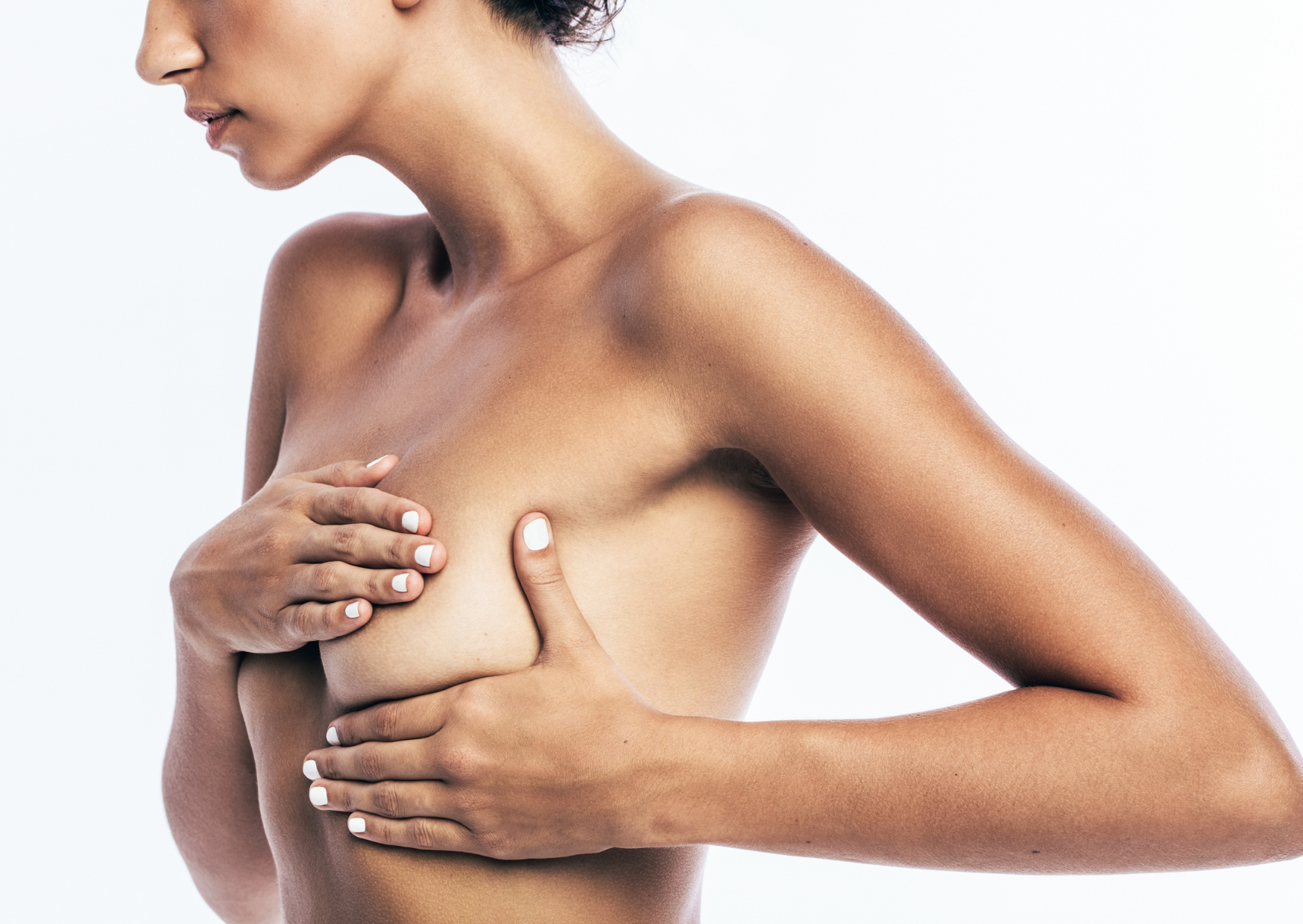
In the U.S., breast self-exams are often presented as medical tasks. Monthly reminders. Posters on clinic walls. Step-by-step guides. It’s a scheduled responsibility — and often a stressful one.
In Europe, especially among older generations, breast awareness is often integrated into daily dressing or bathing. A quick feel while applying lotion. A passing touch while drying off. No dramatics. No pressure.
It’s not something women talk about often. It’s something they do, without needing instructions.
This casual integration leads to long-term familiarity — which, ironically, is what most U.S. campaigns are trying to promote through structured steps.
3. People Touch Their Stomachs, Necks, and Joints — Without Meaning to

One of the most common “body check” behaviors across European homes is unconscious self-contact.
Men rubbing their stomachs after eating. Women massaging their necks at night. Someone checking for tension in their jaw. Flexing a joint slowly while seated on the sofa.
These are not symptoms. They’re not complaints. They are acts of familiarity with the body’s baseline.
This constant, informal contact means that changes — swelling, pain, heat, tightness — are noticed sooner. Not because of data, but because of daily experience.
4. Bathroom Habits Are Treated as Health Reports

In the U.S., few people talk openly about digestion, stool, or urination — outside of medical appointments. Even there, patients are often unsure what’s “normal.”
In Europe, especially in Mediterranean homes, people are acutely aware of their gut behavior. They notice when digestion is off. They observe stool color or consistency without shame. They talk about bloating and constipation like they talk about the weather.
Bathroom visits aren’t rushed, ignored, or dismissed. They are moments of feedback — and people act accordingly.
Eat lighter. Drink more water. Take a walk. The response isn’t panic — it’s adjustment.
5. Parents Teach Children to Be Aware — Not Afraid

In the U.S., kids are often told to wash, but not necessarily to understand their bodies. They’re encouraged to report pain, but rarely taught to describe sensations clearly or to observe patterns.
In European households, children are often raised with language around physical states: “Do you feel tight?” “Are your bowels moving?” “Any pressure in your chest?”
It’s not medical training. It’s trust-building.
Children learn that their bodies are not mysteries — and that listening to them isn’t something only adults or doctors do.
6. There’s Less Fear Around Touching One’s Own Body
In American culture, touching your own body is quickly labeled: sexual, strange, obsessive, or inappropriate — especially in public.
In Europe, there is less judgment about self-touch — rubbing sore legs, massaging feet under the table, resting a hand on one’s chest while breathing.
These small moments are intuitive check-ins, and they’re seen as normal.
No one pulls away when you rub your own neck in a meeting. No one gasps if you adjust your waistband to feel your bloating. It’s human, not problematic.
7. Pain Isn’t Feared — It’s Observed
In the U.S., pain often triggers alarm. We want answers fast. We seek diagnosis. We’re trained to flag anything unusual.
In Europe, pain is often watched, not immediately treated. People notice it, sit with it, press on it. They see if it grows, if it shifts, if it changes with movement or food.
If it persists, they may seek help. But the first response is self-monitoring, not outsourcing.
That patience doesn’t mean ignoring warning signs. It means trusting that your body can often explain itself — if you’re paying attention.
8. Aging Comes With More Touch — Not Less
In the U.S., aging is often accompanied by fear — and a sense that medical professionals are the only ones capable of keeping your body “in check.”
In Europe, especially among older generations, aging means more time spent noticing the body: swelling ankles, new moles, shifting digestion, a different rhythm to sleep.
That awareness isn’t anxious. It’s intimate. It’s built over decades of self-contact, long before doctors or apps got involved.
Old age is not a time to fear the body. It’s a time to stay close to it.
9. There’s No “Perfect Body” to Maintain — Just One to Stay Connected To

At the heart of this daily body check habit is a key truth: the goal isn’t optimization.
Americans are taught to chase the “best version” of the body — through weight, metrics, performance. Europeans are more likely to focus on comfort, alignment, digestion, and energy.
You feel your body in the shower to see how it’s reacting to life. You check your tongue in the mirror not for aesthetics, but for signs of imbalance. You stretch your arms to see if something is still tight — not to prepare for a workout.
The goal isn’t to perfect the body. It’s to stay in touch with it.
One Body, Two Approaches
To Americans, body checks are things doctors do — with machines, in fluorescent rooms, with charts and graphs.
To Europeans, body checks happen every day — at home, by hand, in mirrors, and through memory.
In the U.S., the message is: Get a checkup so you don’t miss anything.
In Europe, the message is: Stay close to your body, and you’ll notice when something changes.
This isn’t about rejecting medical care. It’s about complementing it with daily presence — and trusting that your body has already been trying to tell you something. You just have to get used to listening.
Daily body checks won’t replace medical professionals, but they can bridge the gap between wellness and illness. They put power back in your hands and promote a better relationship with your body. When done thoughtfully, these habits can prevent bigger problems — and reduce your dependency on last-minute doctor visits or medications.
For travelers or expats, adopting this mindset abroad can feel empowering. You begin to see your body as a feedback system, not a ticking time bomb. Small changes like dry skin, discolored nails, or sudden appetite swings aren’t dismissed — they’re investigated. And with more awareness comes more agency over your own health decisions.
Ultimately, the cultural divide around body checks highlights a bigger issue: whether you see your health as your responsibility, or someone else’s job to fix. Europeans may not have all the answers, but their daily rituals reflect a quiet truth — that noticing something early is often better than realizing it too late.

About the Author: Ruben, co-founder of Gamintraveler.com since 2014, is a seasoned traveler from Spain who has explored over 100 countries since 2009. Known for his extensive travel adventures across South America, Europe, the US, Australia, New Zealand, Asia, and Africa, Ruben combines his passion for adventurous yet sustainable living with his love for cycling, highlighted by his remarkable 5-month bicycle journey from Spain to Norway. He currently resides in Spain, where he continues sharing his travel experiences with his partner, Rachel, and their son, Han.