
French families don’t actually spend their entire paycheck at the market buying organic hand-raised lettuce blessed by monks. They feed four people on €50 a week and nobody’s dying of scurvy.
The average French family spends between €300-400 monthly on groceries. That’s not per person. That’s total. For everything. Including wine. Yes, wine is groceries in France.
How French People Actually Shop (It’s Annoying)
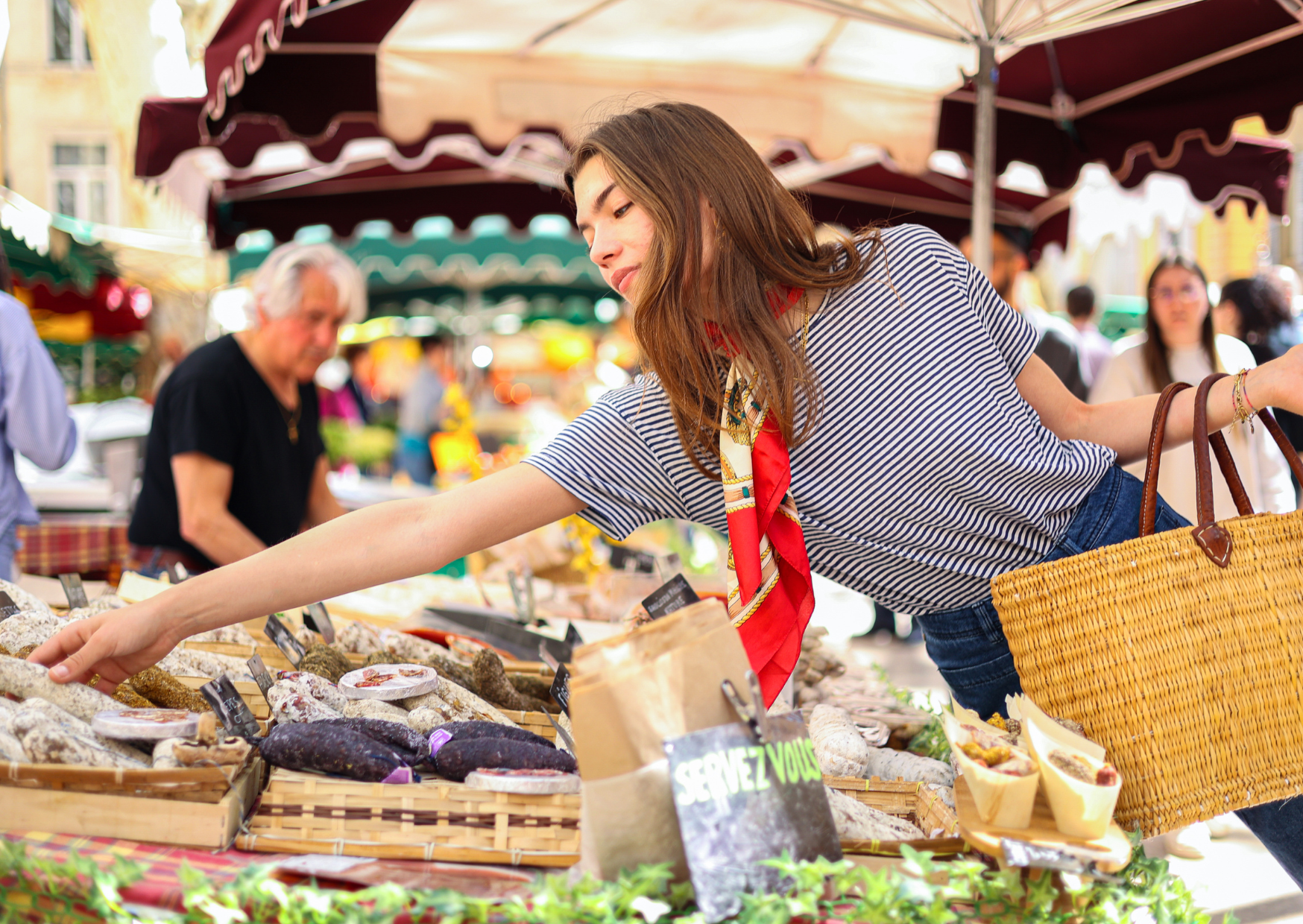
They shop every two days. Sometimes daily. Nobody does a massive weekly haul like Americans cramming their SUVs with 47 bags from Costco. French people buy Tuesday’s dinner on Tuesday. Maybe Wednesday’s if they’re feeling ambitious.
This sounds exhausting but here’s why it works: they’re not buying three backup bags of chips “just in case.” They’re not stockpiling yogurt until it develops sentience in the back of the fridge. They buy what they need for the next day or two. That’s it.
The grandmother down the street from my friend’s apartment in Lyon goes to three different shops every morning. Bread from the bakery. Vegetables from the vegetable guy. Meat from the butcher who apparently knows her dog’s name. She spends maybe €10 total. Her meals are better than anything you’ll get at most restaurants.
But let’s be realistic. You’re not doing that. You have a job. Kids. A life. You’re going to shop once a week like a normal person. Fine. Here’s how French families do their weekly shopping without selling kidneys.
The Sacred Sunday Market Run
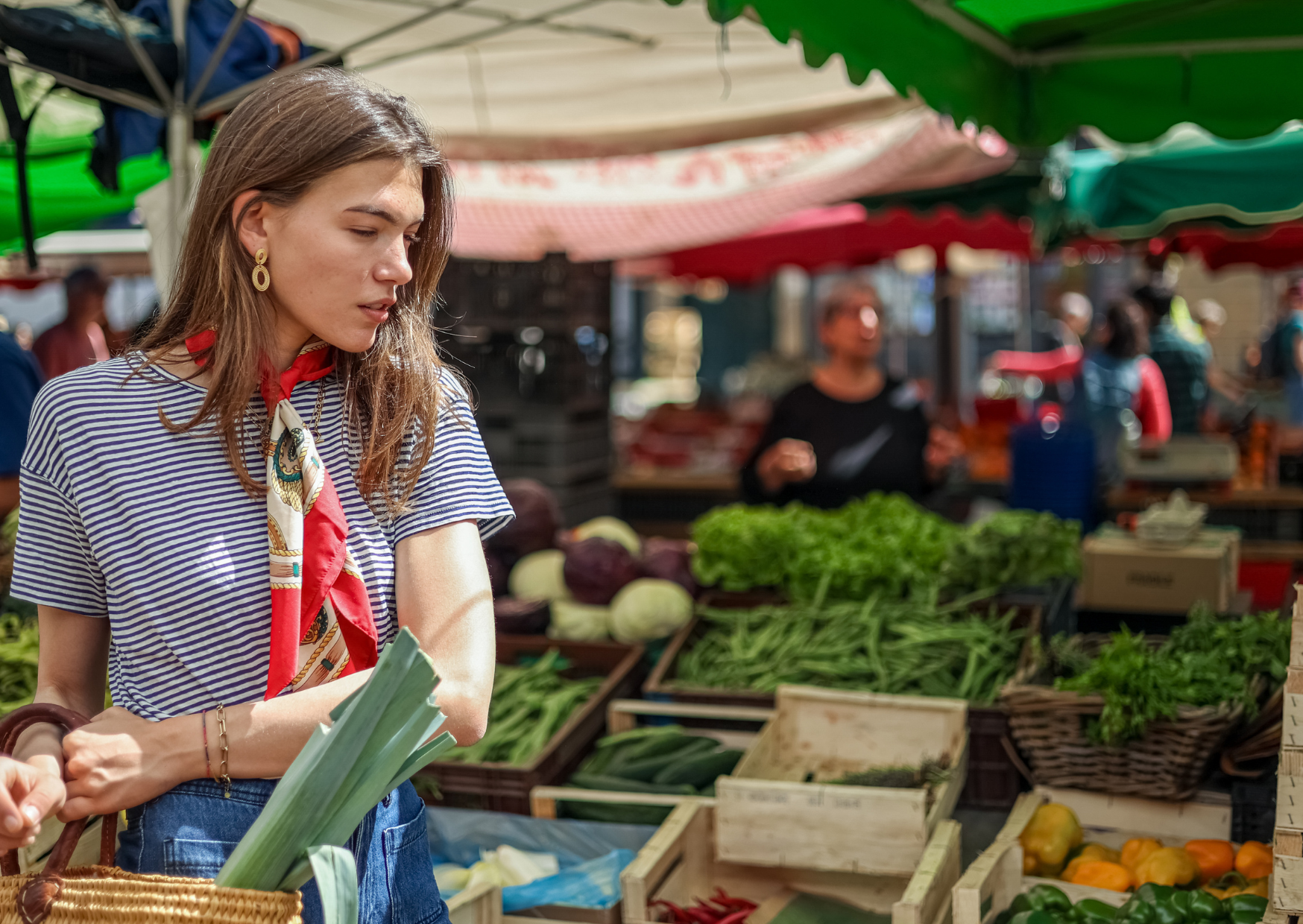
Every French town has a Sunday market. Even the depressing ones. Even the ones that are basically just a roundabout with delusions of grandeur. Sunday. Market. Always.
French families hit these markets early. Like 8 AM early, which for France on a Sunday might as well be the middle of the night. They’re buying:
- Seasonal vegetables (whatever’s cheap and everywhere)
- One good piece of meat or whole chicken
- Eggs from chickens you can probably hear from the stall
- Cheese ends (the random bits they sell cheap)
- Whatever fruit the kids will actually eat
They spend about €20-25 here. For the whole week’s core ingredients. The vendors basically throw extra stuff at you if you’re a regular. Last Sunday some grandmother got an entire bag of “ugly” tomatoes for €1 because she chats with the tomato guy every week about his grandson.
Then they hit the regular supermarket for the boring stuff. Oil. Pasta. Yogurt. The things that taste the same everywhere.
The Actual List That Actually Works
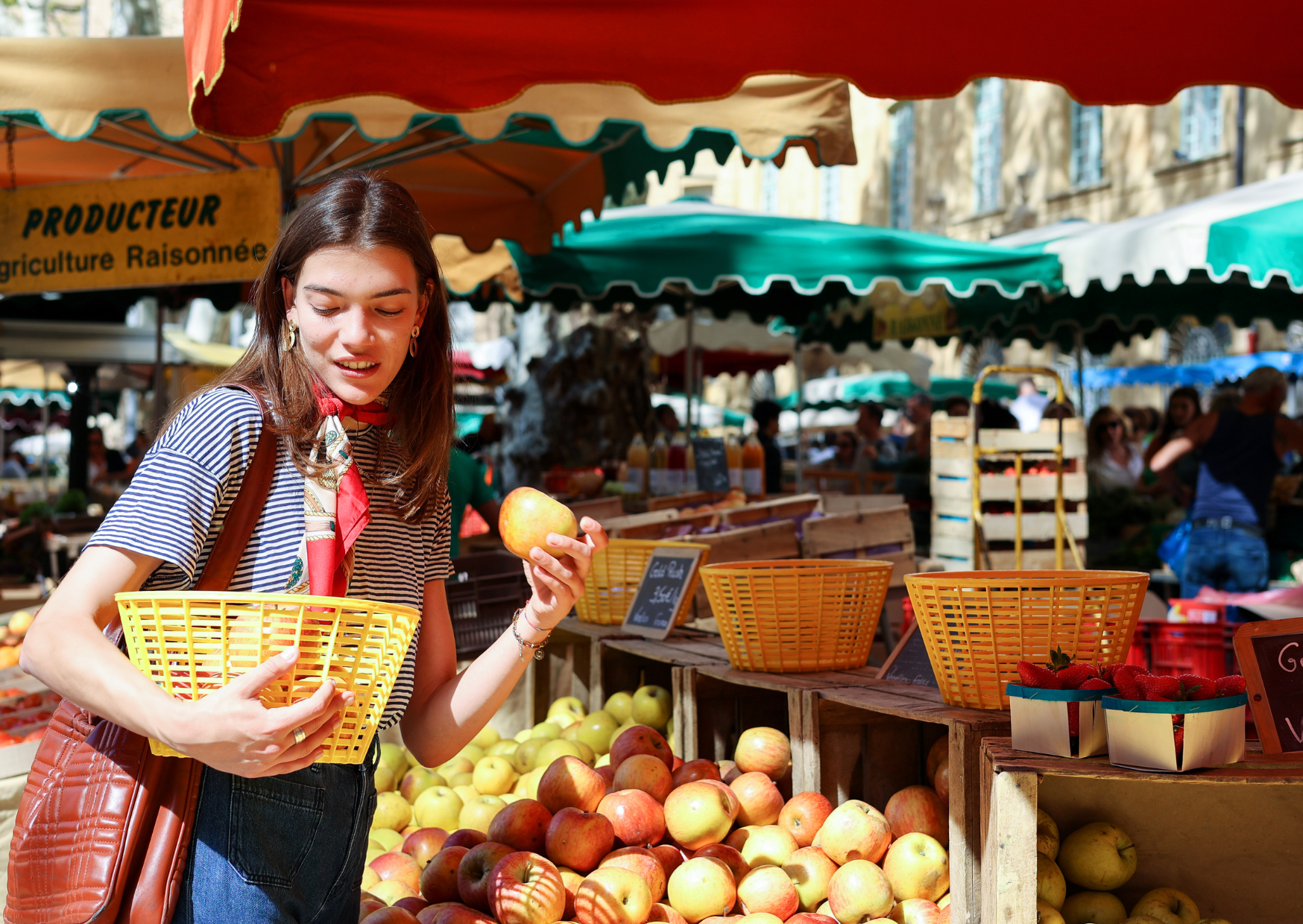
Carbs That Keep Everyone Alive (€8-10)
- Pasta: €0.70 per package (store brand, nobody cares)
- Rice: €1.50 for a kilo bag
- Bread: €1 per baguette x 7 = €7 (or bake your own if you hate yourself)
- Potatoes: €2 for 2 kilos
Proteins That Aren’t Depressing (€12-15)
- Whole chicken: €5-6 (this becomes three meals minimum)
- Eggs: €2.50 for 12
- Lentils: €1.50 per bag
- Ham or basic cheese for sandwiches: €3-4
- Ground meat: €4 for 500g (stretch it with lentils)
Wait, I lost track of the prices. Whatever, you get the idea.
Vegetables Nobody Complains About (€8-10)
- Onions: €1.50 for a kilo (goes in everything)
- Carrots: €1 for a kilo
- Seasonal whatever: €5-7
- Garlic: €0.50 (one bulb lasts forever)
- Canned tomatoes: €2 for several cans
Dairy Situation (€5-7)
- Milk: €3 for 6 liters (UHT because French milk is weird)
- Yogurt: €2 for 8 pack
- Butter: €1.50 (not the good stuff, just butter)
- Cheese that melts: €2
The Extras That Make Life Worth Living (€5-8)
- Coffee: €3
- Chocolate: €1 (for sanity)
- Wine: €3 (cheapest drinkable bottle)
- Fruit: €3-4 (apples usually, or whatever’s on sale)
Total: €48-50
Sometimes €52 if someone needs shampoo or toilet paper or other non-food nonsense that screws up the budget.
How One Chicken Becomes Everything

French people turn one €5 chicken into a week of eating. It’s basically alchemy.
Sunday: Roast chicken dinner. Everyone gets a piece. Fight over the crispy skin. Serve with those potatoes and vegetables. Feels fancy. Isn’t fancy. Just chicken.
Monday: Leftover chicken in sandwiches for lunch. Kids don’t even notice it’s yesterday’s dinner.
Tuesday: Pick remaining chicken off bones. Make chicken fried rice or pasta or whatever. Call it “poulet transformation” if anyone asks. They won’t ask.
Wednesday: Boil the carcass with vegetable scraps. Soup. Add pasta or rice to make it filling. Congratulations, you’ve extracted every molecule of nutrition from that bird.
One chicken. Four days. €5.
Americans would throw the carcass out after the first meal. French people would rather die.
The Vegetables Nobody Wants But Everyone Eats
Leeks. French people are obsessed with leeks. They’re like €1 for a huge bundle and they make everything taste French. Don’t ask me how. They just do.
Cabbage costs nothing and lasts forever. Cut some off. Fry it with onions. Add to whatever carb you’re serving. Suddenly it’s a meal.
Turnips are basically free in winter. French kids eat them without complaining. Probably because they’re covered in butter and their parents don’t make a big deal about it.
Zucchini in summer costs nothing. NOTHING. People basically give them away. Grate them into everything. Pasta sauce. Soup. Omelettes. Kids don’t even know they’re eating vegetables.
The Hypermarket Strategy
Once a month, French families hit Carrefour or E.Leclerc for the massive stock-up shop. But they’re strategic about it. They only buy:
- Non-perishables in bulk (pasta, rice, canned goods)
- Frozen vegetables (for emergencies)
- Cleaning supplies (not food but in the budget)
- The weird specific thing one kid insists on having
They DON’T buy fresh produce there. It’s more expensive and tastes like disappointment. They don’t buy meat unless it’s on serious discount. They definitely don’t buy cheese because hypermarket cheese is an insult to France.
This monthly run is maybe €30-40 extra but it means the weekly €50 goes further because you’re not buying olive oil every week.
School Lunch Changes Everything
French school lunches cost €2-4 per day and they’re actual food. Three courses. Balanced nutrition. Someone else cooking.
Most families use school lunch as the kid’s main meal. Dinner becomes simpler. Soup and bread. Omelette and salad. Nobody’s cooking elaborate dinners on Tuesday night when the kids ate beef bourguignon at school.
This isn’t cheating the budget. It’s being realistic. The school lunch IS part of the food budget and it’s often cheaper than packing lunch.
Unless you’re in Paris where everything costs more and everyone’s miserable about it.
The Things They Never Buy
Snacks. French families barely buy snacks. Kids get bread and chocolate at 4 PM for goûter. That’s it. No massive variety packs of chips. No 47 types of crackers. No granola bars that cost €5 for six.
Pre-made anything. Frozen pizza exists in France but buying it marks you as someone who’s given up on life. Pre-cut vegetables? They’d rather starve. Bagged salad? Only if you’re dying.
Soda. Some families buy it. Most don’t. Kids drink water. Or milk. Or watered-down fruit syrup that tastes like disappointment but costs €2 and lasts forever.
When the Budget Gets Tight
End of the month and there’s €30 left for the week? Here’s what French families do:
Pasta with butter. Not exciting. Fills bellies. Add an egg on top and call it carbonara.
Potato soup. Potatoes, leeks, water, salt. Blend it. Pretend it’s fancy. It’s not fancy.
Crepes. Flour, eggs, milk. Makes 20 crepes for €2. Fill with whatever’s left in fridge. Ham and cheese. Just sugar. Whatever.
“Clean out the fridge” quiche. Eggs, cream, whatever vegetables are dying in the drawer. Looks intentional. Isn’t intentional.
Lentils with everything. Lentils with sausage. Lentils with vegetables. Lentils with regret about the end of the month.
Why This Actually Works in France But Not America
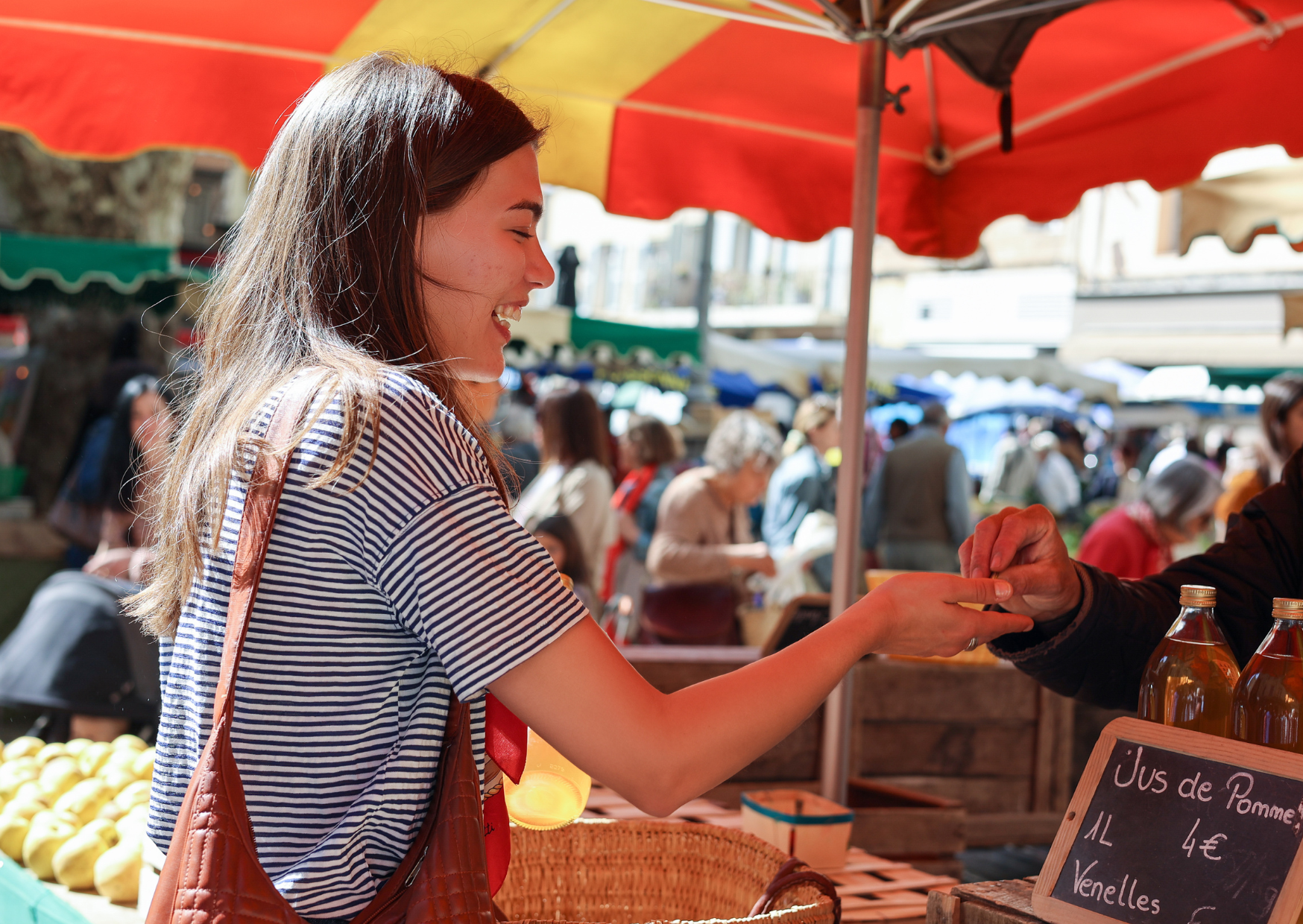
Everything’s closer. The market, supermarket, bakery—all within walking distance. Nobody’s driving 45 minutes to Walmart. Quick shops actually make sense.
Portions are smaller. French people aren’t eating American-sized portions. A chicken breast feeds two people. A baguette is dinner’s carb for four. Everyone’s satisfied with less.
Less processed food. When you’re buying ingredients instead of products, money goes further. Potatoes cost nothing. Frozen french fries cost way more. Flour costs nothing. Cookies cost more.
Cultural expectations are different. French kids don’t expect chicken nuggets and individual yogurt tubes and string cheese. They eat what adults eat. Usually.
The Weekly Routine Nobody Talks About
Saturday: Realize there’s no food. Panic slightly.
Sunday morning: Market run. Spend €20. Feel virtuous. Buy flowers because they’re €2 and make you feel French.
Sunday afternoon: Meal prep but not really. Just roast the chicken and make soup base.
Monday: Shop at the regular supermarket for boring stuff. Spend €25. Wonder how you’ll make it stretch.
Tuesday-Thursday: Everything works fine. Meals happen. Nobody starves.
Friday: Fridge is empty again except for questionable leftover something. Make pasta with butter and call it “simple Friday dinner.”
Saturday: Repeat cycle.
The Honest Truth About the €50 Budget
It works but it’s work. You’re cooking every day. No ordering pizza because you’re tired. No stopping for McDo because the kids are screaming.
You’re planning. Thinking about tomorrow’s dinner while making today’s lunch. Using everything. Wasting nothing.
Sometimes it’s €55. Sometimes it’s €45. Depends on whether wine is on sale and whether anyone needed toothpaste.
The kids might complain there’s “nothing to eat” while staring at vegetables and ingredients that require cooking. That’s normal. French kids do it too.
You’ll eat the same things repeatedly. Chicken on Sunday. Soup on Monday. Some potato thing on Tuesday. It’s not Instagram-worthy variety. It’s just food.
What French Families Know That We Don’t
Hunger is the best seasoning. Kids eat vegetables when they’re actually hungry and there’s nothing else.
Simple food is fine. Not every meal needs to be special. Bread and cheese is dinner sometimes.
Expensive ingredients aren’t necessary. Olive oil, garlic, onions make everything taste good. You don’t need truffle oil or himalayan pink salt or whatever.
Shopping daily seems inefficient but prevents waste. That aspirational kale doesn’t rot in the drawer if you only buy what you’re cooking today.
Kids eat what you eat. There’s no “kid food” budget. They eat smaller portions of adult food. Eventually they stop complaining.
The Part Where This Falls Apart
Birthday parties destroy the budget. Suddenly you need cake ingredients and party food and wine for parents.
Teenagers eat everything. That €50 budget assumes younger kids. Add teenagers and it becomes €70 minimum.
If both parents work full-time, this system breaks. Nobody’s shopping every two days with two careers and commutes.
Tourist areas cost more. That €1 baguette is €2.50 near monuments. The market prices double when vendors hear English.

About the Author: Ruben, co-founder of Gamintraveler.com since 2014, is a seasoned traveler from Spain who has explored over 100 countries since 2009. Known for his extensive travel adventures across South America, Europe, the US, Australia, New Zealand, Asia, and Africa, Ruben combines his passion for adventurous yet sustainable living with his love for cycling, highlighted by his remarkable 5-month bicycle journey from Spain to Norway. He currently resides in Spain, where he continues sharing his travel experiences with his partner, Rachel, and their son, Han.