
Lisbon went from welcoming Americans with open arms to spray-painting “Yankee Go Home” on Airbnb buildings in less than five years. The same locals who helped lost tourists in 2015 now refuse to speak English to anyone who looks American. The golden visa gold rush turned into genuine resentment, and Americans walking around Príncipe Real with their MacBooks and loud voices are finding out exactly how much damage their dollars did.
The transformation is jarring. Restaurant menus that were proudly bilingual are back to Portuguese only. Landlords who courted American tenants now specify “locals only.” The friendly café owner who practiced English with customers speaks only Portuguese, even when he knows you don’t understand. The backlash isn’t subtle anymore – it’s deliberate, visible, and getting worse.
Portuguese people aren’t naturally hostile. They’re some of Europe’s warmest, most welcoming people. It took systematic destruction of their city’s affordability to make them this angry. And Americans wondering “why don’t they like us anymore?” while paying $3,000 for apartments that locals can no longer afford are about to learn exactly what went wrong.
The Numbers That Broke Lisbon
In 2015, average Lisbon rent was €500. Portuguese minimum wage was €505. Tight but manageable. Locals could live where they were born.
By 2024, average rent hit €1,500. Portuguese minimum wage reached €760. The math stopped working. An entire generation can’t afford their own city.
American remote workers arrived with $4,000 monthly salaries, happy to pay €1,500 for a “bargain” apartment. What’s cheap for Americans is three months’ salary for Portuguese. The market adjusted to American budgets, not local wages.
The neighborhood transformation timeline:
- 2015-2017: Príncipe Real gentrifies, locals pushed out
- 2017-2019: Bairro Alto becomes Airbnb district
- 2019-2021: Pandemic pause, false hope
- 2021-2023: American influx explodes
- 2023-2024: Even suburbs unaffordable
Portuguese families who lived in Lisbon for generations now commute from distant towns they’d never heard of. Their apartments became Airbnbs for American digital nomads posting about “authentic Portuguese life.”
The Golden Visa Catastrophe
Portugal offered residency for €500,000 property investment (later €350,000 in “low-density” areas). Seemed brilliant – bring foreign money, boost economy, everyone wins.
What actually happened: Americans and others bought entire buildings, evicted Portuguese families, converted to luxury rentals. Whole neighborhoods became investment portfolios. The government created a legal mechanism for pricing out its own citizens.
One building’s story (repeated hundreds of times):
- 2018: 12 Portuguese families paying €400 rent
- 2019: Building sold to American investment group
- 2020: All families evicted for “renovations”
- 2021: Reopened as €2,500/month luxury apartments
- 2024: Original families now live 40km away
The golden visa is suspended now, but damage is done. Thousands of apartments are forever out of local reach.
The Airbnb Apocalypse
Lisbon has more Airbnbs per capita than almost any European city. Entire buildings are ghost hotels – no actual residents, just revolving tourists.
Alfama, the historic neighborhood that survived the 1755 earthquake, couldn’t survive Airbnb. Traditional residents – elderly, working-class, multi-generational families – replaced by drunk tourists dragging suitcases over cobblestones at 3 AM.
The conversion rate:
- Long-term rental to local: €600/month
- Same apartment on Airbnb: €100/night
- Monthly Airbnb income: €2,000-3,000
- Economic choice: Obvious
- Social cost: Devastating
Portuguese saw their communities dissolve. The corner grocery closed because tourists don’t buy groceries. The local café became a brunch spot charging €15 for eggs. The neighborhood bar where everyone knew each other is now a craft cocktail place with English menus.
The Digital Nomad Invasion
COVID created remote work. Americans discovered European time zones work for East Coast meetings. Lisbon became “digital nomad capital” in every YouTube video and Medium article.
They came by thousands. Not tourists who leave, not immigrants who integrate – something in between that takes without giving. They brought American salaries and American expectations, creating a parallel economy locals can’t access.
Digital nomad Lisbon:
- Co-working spaces: €300/month (half of Portuguese minimum wage)
- “Nomad-friendly” apartments: €1,500-2,500
- Brunches: €25
- Coffee shops colonized as offices
- English-only social circles
- Zero integration
Portuguese people can’t compete. They can’t work in their own cafés because every table has an American on a Zoom call. They can’t live in their own neighborhoods because nomads pay triple. They’ve become strangers in their own city.
The Language Arrogance
Americans living in Lisbon for years who never learned Portuguese. Not even basics. They don’t need to – everyone speaks English to serve them.
This is the deepest insult. Portuguese people learn English, French, often German or Spanish. They make the effort. Americans arrive expecting everyone to accommodate them, making zero effort to learn “obrigado” properly.
The entitled encounters:
- Americans annoyed when elderly vendors don’t speak English
- Complaints about Portuguese bureaucracy not having English forms
- One-star reviews for restaurants with Portuguese-only menus
- “Why don’t they speak better English?” discussions
- Expat bubbles speaking only English
The same Americans who complain about immigrants not learning English in America refuse to learn Portuguese after years in Portugal. The hypocrisy is staggering.
The Price Tag on Everything
A Portuguese coffee (bica) cost €0.60 in 2015. Same neighborhoods now charge €2.50 for “authentic Portuguese espresso experience.” The price increase isn’t inflation – it’s American pricing.
Everything repriced for American wallets:
- Pastéis de nata: €1 → €3
- Lunch menu: €7 → €15
- Beer: €1.50 → €5
- Taxi to airport: €10 → €25
- Gym membership: €30 → €80
Portuguese salaries didn’t triple. Only prices did. Locals can’t afford their own culture. They watch Americans Instagram their “cheap European life” while Portuguese people can’t afford coffee in their neighborhood café.
The Rental Market Destruction
Portuguese rental law protected tenants. Families had generations-old contracts with controlled rents. This system had problems but kept Lisbon affordable for locals.
Enter American property investors who found loopholes. “Renoviction” became standard – claim renovations, evict family paying €400, renovate minimally, re-rent for €2,000 to Americans.
Real estate agent quotes (overheard):
- “Portuguese? They can’t afford it”
- “We only rent to foreigners now”
- “Americans pay without negotiating”
- “Why rent to locals for €700 when Americans pay €1,700?”
Young Portuguese can’t leave parents’ homes. Teachers, nurses, police – essential workers – commute two hours because they can’t afford to live where they work. The social contract broke.
The Cultural Colonization
Lisbon’s character is disappearing. Traditional tascas replaced by “authentic Portuguese experiences” designed for Instagram. Fado houses that were community gathering spots became tourist shows with €50 minimum consumption.
American brunches everywhere. Açaí bowls and avocado toast in a country that doesn’t eat breakfast. Craft cocktails replacing wine and beer. Food halls where markets used to be.
The replacement economy:
- Portuguese bookshop → Trendy co-working space
- Local butcher → Vegan burger joint
- Family restaurant → Instagram-worthy brunch spot
- Neighborhood bar → Craft cocktail lounge
- Traditional café → Specialty coffee shop
Each replacement makes economic sense individually. Collectively, they erased Lisbon’s soul. The city Americans fell in love with doesn’t exist anymore because Americans loved it to death.
The Visa Entrepreneurs
Americans selling Portuguese visas to other Americans. “Portugal relocation consultants” charging $5,000 to fill out forms Portuguese people would help with for free. “Expat services” creating parallel systems to avoid dealing with Portuguese bureaucracy or language.
These businesses exist because Americans refuse to integrate. Instead of learning the system, they pay other Americans to shield them from Portugal while living in Portugal. It’s colonialism with WiFi.
The expat economy:
- Visa consultants: $3,000-5,000
- Relocation services: $2,000
- English-speaking lawyers: €200/hour
- American real estate agents: 5% commission
- Expat Facebook groups: Monetized advice
Portuguese watch Americans get rich helping other Americans avoid learning Portuguese or understanding Portugal. The insult is profound.
The COVID Acceleration
Pandemic should have given Lisbon breathing room. Tourists vanished. Airbnbs sat empty. Prices started dropping. Portuguese people had hope.
Then American remote workers arrived en masse. “Portugal is open!” “Digital nomad paradise!” “Work from paradise!” Every tech worker who could leave San Francisco did. They brought Silicon Valley salaries and turned the knife deeper.
2021-2023 saw more American arrivals than the previous decade combined. They came when Portugal was vulnerable, paid above asking for everything, and accelerated gentrification beyond recovery.
The Government’s Betrayal
Portuguese government courted foreign investment over citizen welfare. Tax breaks for foreigners (NHR regime), golden visas, startup visas – every policy favored wealthy arrivals over working locals.
Politicians celebrated foreign investment while Portuguese families became homeless. They changed laws to make evictions easier. They allowed unlimited Airbnb licenses. They sold their country for tourist euros and foreign real estate investment.
Now they act surprised at the backlash. New restrictions are too little, too late. The damage is done. A generation of Portuguese will never afford homes in their own country.
The Breaking Point Moments
The graffiti started appearing:
- “TOURISTS GO HOME”
- “MY CITY IS NOT YOUR AIRBNB”
- “FUCK YOUR DIGITAL NOMAD LIFE”
- “PORTUGUESE CAN’T AFFORD PORTUGAL”
The resistance became visible:
- Restaurants refusing American credit cards
- Cafés with “No laptops” signs
- Portuguese-only service in tourist areas
- Landlords rejecting foreign tenants
- Protests blocking tourist buses
These aren’t random acts. They’re desperation from people who tried being welcoming until being welcoming meant losing everything.
The Americans Who Get It
Some Americans in Lisbon understand. They learned Portuguese, integrated into Portuguese life, pay fair prices, contribute to communities. They’re appalled by their countrymen’s behavior.
But they’re outnumbered by Americans who treat Lisbon like a discount California with castles. Who complain about “slow” Portuguese service while destroying Portuguese life. Who write “ultimate guides to Lisbon” after three months of living in an expat bubble.
The good Americans suffer for the bad ones’ sins. Portuguese can’t tell the difference anymore. They’re too exhausted from losing their city to care about individual exceptions.
The Suburban Spread
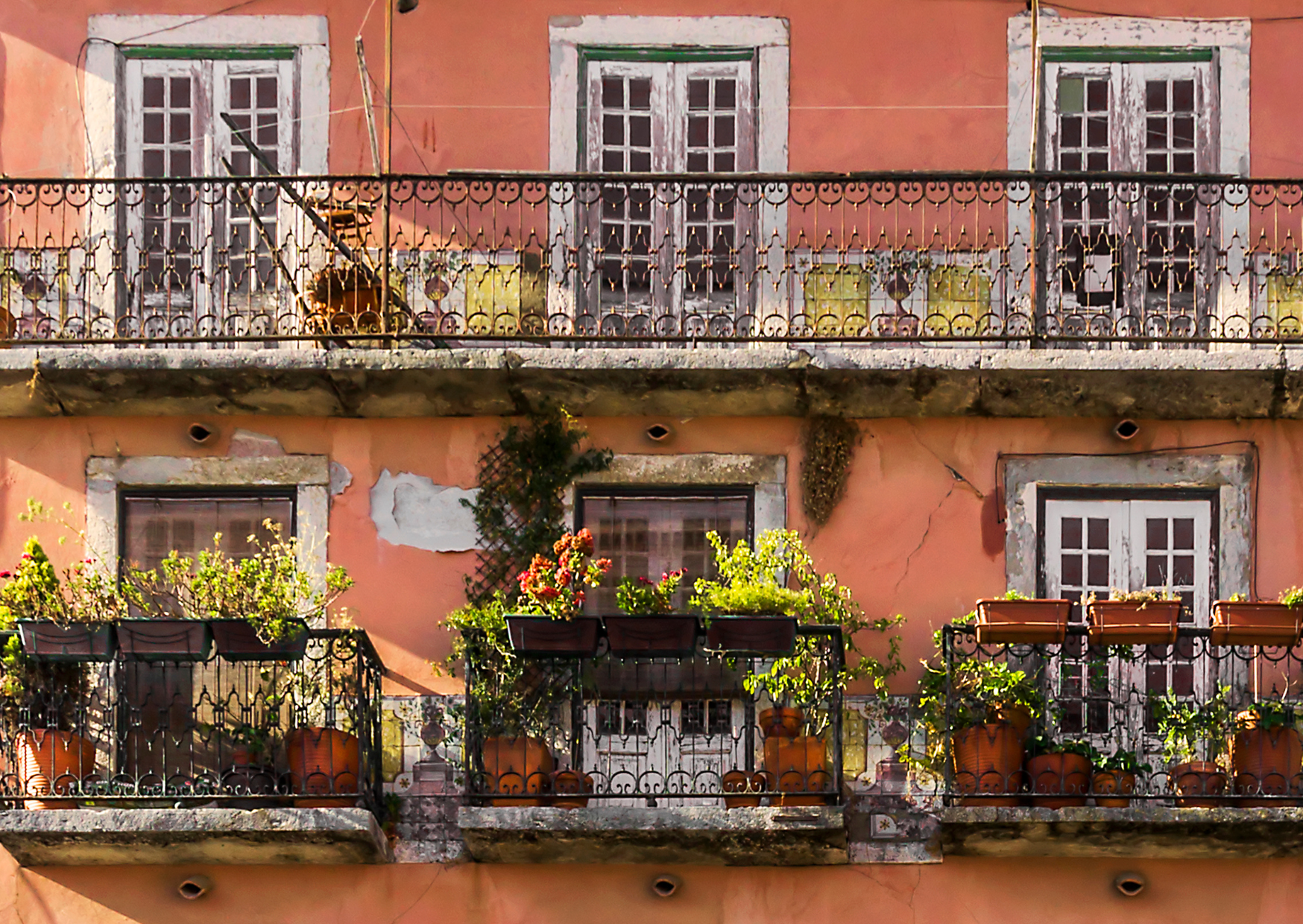
Americans priced out of Lisbon proper are now gentrifying suburbs. Cascais, Sintra, Almada – formerly affordable areas becoming American enclaves.
The cycle repeats: Americans arrive, pay above asking, prices triple, locals leave. The infection spreads outward. There’s nowhere left for Portuguese people to go except other cities, which are experiencing the same colonization.
Portuguese people are becoming refugees in their own country, pushed from city to city by American money. The resentment is completely justified.
What Americans Don’t Understand
This isn’t about jealousy or xenophobia. Portuguese people welcomed foreigners for centuries. They’re angry because Americans specifically came in overwhelming numbers with overwhelming money and zero cultural sensitivity.
Americans think they’re bringing money to the economy. They’re actually extracting value. The money goes to international landlords, foreign-owned businesses, and offshore Airbnb companies. Local Portuguese businesses close because they can’t afford rent in the new economy.
The “economic benefit” argument is insulting when Portuguese people can’t afford to exist in their own capital. GDP might be up but quality of life for locals is destroyed.
The Future That’s Already Lost
Young Portuguese people accepted they’ll never live where they grew up. They’re learning to emigrate themselves – to Germany, France, UK – because foreigners made Portugal unlivable for Portuguese.
The brain drain is accelerating. Why stay in Portugal to serve coffee to Americans when you can make real money in Berlin? The country is losing its future because its present was sold to foreign investors.
Lisbon will become what Venice became – a theme park staffed by commuters. Beautiful, expensive, and dead. The Americans who “discovered” it will move to the next “hidden gem” to destroy.
The Warning for Other Cities

Porto is next. Already happening. Americans priced out of Lisbon are “discovering” Porto. Same pattern starting – prices rising, locals leaving, English replacing Portuguese.
Then Braga. Then Coimbra. Then the Algarve towns. Each “discovery” is a death sentence for local affordability. Portuguese people see it coming and can’t stop it.
Other European cities watch Lisbon and learn. Barcelona, Valencia, Prague – all implementing restrictions before it’s too late. Lisbon is the cautionary tale of what happens when you let American money determine local reality.
The Honest Conclusion
Americans broke Lisbon. Not alone – Chinese, French, British, Brazilians all contributed. But Americans came with the most money, the least integration, and the loudest voices. They became the face of gentrification.
The backlash is earned. Every “Yankee Go Home” graffiti represents a Portuguese family that can’t afford to live where they were born. Every Portuguese-only menu is a small act of resistance. Every refused English conversation is exhausted locals taking back something, anything.
Americans in Lisbon complaining about feeling unwelcome need to understand: You made locals unwelcome in their own city first. The resentment you feel is a fraction of what Portuguese people experience daily watching their culture become your playground.
The friendly Lisbon that attracted Americans is gone because Americans killed it with kindness and cash. What remains is a beautiful corpse being picked over by digital nomads posting about “living their best life” while locals can’t afford to live at all.
Portuguese people didn’t become unfriendly. They became exhausted from watching their city be stolen in broad daylight by people who think they’re doing them a favor.
The backlash isn’t going away. It’s going to get worse. Because Portuguese people have nothing left to lose – Americans already took it all.
The question isn’t why Portuguese people resent Americans. It’s why Americans are surprised that destroying a city’s affordability has consequences.
Lisbon was paradise. Americans found it. Now it’s paradise lost. And Portuguese people know exactly who to blame.

About the Author: Ruben, co-founder of Gamintraveler.com since 2014, is a seasoned traveler from Spain who has explored over 100 countries since 2009. Known for his extensive travel adventures across South America, Europe, the US, Australia, New Zealand, Asia, and Africa, Ruben combines his passion for adventurous yet sustainable living with his love for cycling, highlighted by his remarkable 5-month bicycle journey from Spain to Norway. He currently resides in Spain, where he continues sharing his travel experiences with his partner, Rachel, and their son, Han.