
The average French household spends €2,400 yearly on food per person. Americans spend $4,800. Yet somehow French people are eating duck confit while Americans are eating whatever that stuff from Applebee’s is supposed to be.
I tracked every euro and every bite for 30 days. The French aren’t magic. They’re just not doing what we’re doing, which is apparently the secret.
The Numbers That Don’t Make Sense Until They Do

French person: €200 monthly on food ($218) American person: $400 monthly on food
But here’s where it gets weird. That French €200 includes wine. Good wine. And cheese that doesn’t taste like rubber. And bread from actual bakeries. And meals that would cost $45 at an American “French” restaurant.
Meanwhile, Americans are spending twice as much on… what? Uber Eats delivery fees? Seventeen different types of crackers? Those sad pre-washed salads that taste like disappointment?
Day 1 of my experiment: Tracked what my French neighbor Marie spent. €8.50 for the day. She ate fresh bread, homemade soup, roasted chicken with vegetables, cheese, and wine.
Same day, checked with my sister in Ohio. She spent $23 on lunch from Chipotle, a Starbucks run, and takeout dinner. Her food was objectively worse.
Why the French Don’t Have Costco (And Don’t Need It)
Americans buy in bulk because it’s “economical.” Except 40% of food in America gets thrown away. That’s not economical. That’s insanity.
French people buy what they’re eating in the next 48 hours. No bulk packages. No warehouse stores. No second freezer in the garage filled with forgotten meat from 2019.
Marie shops four times a week. Sounds exhausting, except each trip takes 15 minutes. She walks to the market on her street corner. Buys two tomatoes, not a plastic clamshell of twenty. Gets 200 grams of cheese, not a two-pound block.
Nothing goes bad. Nothing gets forgotten. No guilt-cleaning of fuzzy vegetables from the produce drawer.
The money saved from not wasting food? That’s how they afford the good ingredients.
The Bakery Economics Nobody Explains
French people buy fresh bread daily. €1 per baguette. Seems expensive until you realize:
- No $5 loaf of sandwich bread that goes moldy
- No $8 artisan bread that sits until it’s stale
- No buying three loaves on sale then throwing two away
- Bread is actually the meal’s foundation, not a side
One baguette feeds a family for dinner. €1. Done. Americans spend $8 on inferior bread that sits in plastic until it develops new life forms.
But here’s the real difference: French bread is the meal. Bread with cheese = lunch. Bread with soup = dinner. Bread with anything = solved.
Americans treat bread as an addition to the meal. French treat it as the meal with additions.
Week 1: The Painful Adjustment

Tried shopping French-style in Valencia. No cart, just a basket. Only buying two days ahead. It was deeply uncomfortable.
My American brain: “But what if I need snacks?” Reality: You don’t.
My American brain: “But bulk is cheaper!” Reality: Not if you throw half away.
My American brain: “But I need options!” Reality: No, you need food.
First week spending: €45. Ate better than usual. Had wine with dinner. Didn’t die of starvation without backup chips in the pantry.
The Market vs Supermarket Price Mystery
Saturday market prices:
- Tomatoes: €1.50/kg
- Chicken: €5 whole
- Vegetables: €5 for more than you can carry
- Cheese: €3 for a good chunk
Supermarket prices:
- Tomatoes: €2.99/kg (worse quality)
- Chicken: €8 (parts, not whole)
- Vegetables: €8-10 for less
- Cheese: €5 for plastic sadness
French people shop markets. Americans shop supermarkets. The better food is literally cheaper, but you have to talk to humans and wake up on Saturday morning.
Also, market vendors throw in extras. Buying tomatoes? Here’s free basil. Getting chicken? Have some herbs. It’s like gambling but you always win and the prize is parsley.
How French People Cook Without Recipes
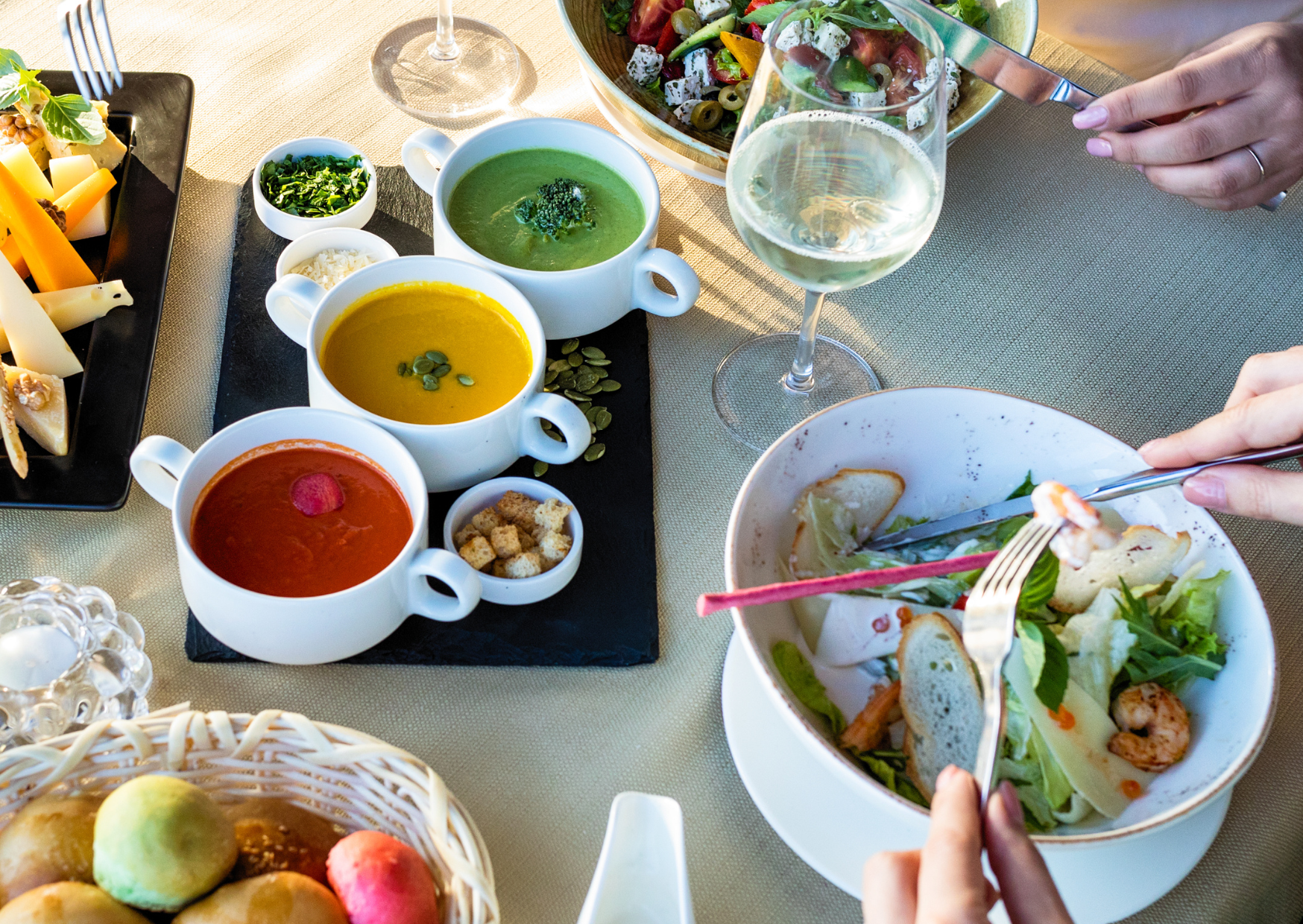
They don’t meal plan. They don’t follow recipes. They look at what’s cheap/fresh/available and make it into food.
Leeks are €1? Leek soup. Zucchini everywhere? Zucchini gratin. Chicken on sale? Roast chicken.
It’s not complicated. It’s the opposite of complicated. One main ingredient, add fat, add heat, maybe some herbs. Done.
Americans need recipes for everything. French people need vegetables and butter. The vegetables could be anything. The meal will be fine.
This saves money because you’re buying what’s abundant/cheap/in season, not specific ingredients for a Pinterest recipe that requires $40 of items you’ll use once.
Week 2: The Snack Revelation
French people don’t snack. Kids get one snack at 4 PM (le goûter). Adults get… meals. That’s it.
No grazing. No constant eating. No $200 monthly Whole Foods snack budget.
My American brain rebelled. By day 10, I was hallucinating about Goldfish crackers. But something weird happened—when you eat actual meals, you don’t need snacks.
Real fat. Real protein. Real food. It actually sustains you for more than 45 minutes.
American food is designed to leave you hungry. Low-fat yogurt. Lean cuisine. 100-calorie packs. You eat, you’re hungry an hour later, you eat again.
French food has butter. Cream. Fat. You eat, you’re full until the next meal. Revolutionary.
The Restaurant Math That Changes Everything
French people eat out less but better. Once a week, maybe twice. But it’s an event. Two hours minimum. Multiple courses. Actual enjoyment.
Monthly restaurant budget: €60-80 per person
Americans eat out constantly but terribly. Fast food. Fast casual. Grab and go.
Monthly restaurant budget: $200-300 per person
For worse food! Spending more for worse food! Make it make sense!
Four McDonald’s meals: $45 One French bistro lunch: €15
The bistro lunch includes wine. And food that doesn’t taste like cardboard. And you don’t hate yourself after.
Week 3: The Cheese Enlightenment
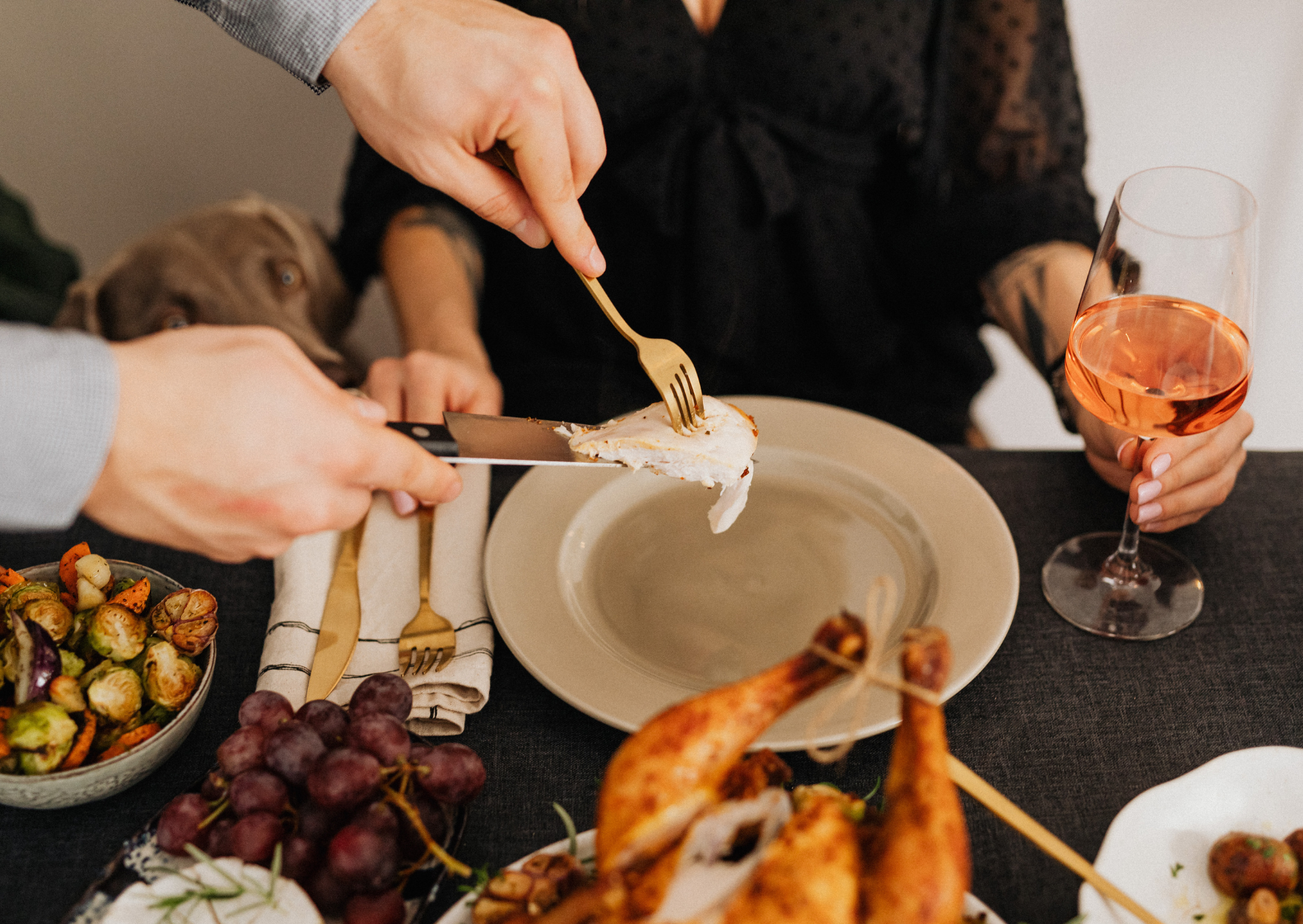
Good cheese costs €15/kg. Sounds expensive. But you eat 30 grams, not 300. One piece of real cheese is more satisfying than half a pound of that orange stuff Americans call cheddar.
French cheese budget: €20 monthly American cheese budget: $40 monthly
For what? Those individually wrapped slices? Pre-shredded bags of sadness? Blocks of something that technically qualifies as dairy?
Quality over quantity isn’t a lifestyle choice. It’s economics. Better food = eat less = spend less = feel better.
The French aren’t eating massive cheese plates daily. They’re eating one piece of good cheese after dinner. Maybe €0.50 worth. Americans are melting cups of bad cheese on everything and wondering why they feel terrible.
The Time Argument Is Bullshit
“French people have time to shop daily!” Marie works full-time. Still shops almost daily.
“They have time to cook!” Dinner takes 30 minutes. Roast chicken and vegetables isn’t complicated.
“They have time for long meals!” They make time. Because food is the point, not an inconvenience between Netflix episodes.
Americans spend 2.5 hours daily on social media but “don’t have time” to cook. French people cook dinner while drinking wine and call it relaxation.
It’s not about having time. It’s about what you do with time.
Week 4: The Final Numbers

My 30-day French-style eating:
- Total spent: €180
- Ate out: 4 times
- Food wasted: Maybe €5 worth
- Weight lost: 2 kg (wasn’t trying)
- Money saved: €70 versus usual spending
What I ate: Real bread, good cheese, fresh vegetables, decent wine, butter on everything, dessert when I wanted it.
What I didn’t eat: Snacks, processed anything, fast food, guilty 10 PM cereal, whatever was on sale at Whole Foods.
Why This Works in France But We Can’t Do It
Every French town has markets. Every neighborhood has bakeries. Shops are walking distance. Cities are built for humans, not cars.
Fresh food is subsidized. Junk food isn’t. A salad costs less than McDonald’s. Vegetables cost less than cookies.
The culture supports eating, not consumption. Lunch breaks are sacred. Dinner is important. Food is respected, not just fuel.
Work-life balance exists. 35-hour work weeks. Actual lunch hours. Time to shop, cook, eat like a human being.
But even with American infrastructure working against you, some things are possible:
- Buy less, buy better
- Shop more often for less stuff
- Cook simple things with good ingredients
- Eat meals, not snacks
- Stop throwing food away
The Processed Food Scam
Frozen dinners: $5-8 each Ingredients for actual dinner: $4-6 total
Pre-made salad: $8 Lettuce and vegetables: $3
Protein bars: $3 each Eggs: $0.30 each
Yogurt cups: $2 each Big yogurt container: $3 for 10 servings
Americans pay premium prices for convenience that isn’t convenient. It’s just processed food in smaller packages.
The French buy ingredients. Americans buy products. That’s the difference.
What French People Never Buy
- Breakfast cereal (€5 for a box of sugar)
- Granola bars (€8 for six tiny bars)
- Sports drinks (water is free)
- Protein shakes (eat actual food)
- Meal replacement anything
- 100-calorie packs
- Diet anything
- Low-fat anything
All the expensive “health” foods Americans buy don’t exist in French shopping carts. They eat butter and bread and cheese and wine and they’re thinner than Americans eating Special K and shame.
The Vegetable Reality Check
French people eat vegetables because vegetables taste good when you cook them in butter and don’t overthink it.
Americans eat vegetables because they’re “supposed to” then cover them in ranch dressing which defeats the entire purpose.
Roasted carrots with butter: €1, delicious Baby carrots with ranch: $4, sad
French vegetable preparation: Oil, salt, heat American vegetable preparation: 47-step recipe from food blog with backstory about author’s grandmother
Just cook the vegetables. They’re vegetables. They want to taste good. Let them.
The Dinner Problem Nobody Admits
Americans don’t know what to cook because they’re choosing from infinite options. Analysis paralysis. Recipe hunting. Pinterest overwhelm.
French people cook the same 10 things repeatedly with seasonal variations. Soup. Roast chicken. Salad. Omelette. Pasta. Gratin. Repeat.
Tuesday’s dinner: Whatever vegetable looked good at market + standard preparation = done
Not exciting. Not Instagram-worthy. Just dinner. Which is the point.
Why the French Aren’t Fat (The Actual Reason)
It’s not wine. It’s not genetics. It’s not walking more.
They eat real food in normal quantities at regular times.
That’s it. That’s the secret.
No snacking. No giant portions. No eating in cars. No constant grazing. No low-fat processed garbage that leaves you hungry.
Real food. Normal amounts. At meals. Revolutionary.
My month proved it. Ate butter, bread, cheese, wine. Lost weight. Spent less money. Felt better.
The French paradox isn’t a paradox. We’re just doing everything backwards.
The Mental Load Difference
French person planning dinner: “What’s fresh today?” American planning dinner: checks seventeen recipes, Pinterest, meal planning app, grocery list, coupon app, three different stores for best prices, still orders takeout
Decision fatigue is real. When everything is an option, nothing sounds good.
When dinner is “protein + vegetable + starch,” suddenly it’s simple. Chicken, green beans, potatoes. Fish, tomatoes, rice. Done.
The Numbers One More Time
French food spending: €2,400 yearly per person
- Includes wine
- Includes good cheese
- Includes eating out
- Real ingredients
- Almost no waste
American food spending: $4,800 yearly per person
- Constant snacking
- Processed everything
- Fast food regularity
- 40% thrown away
- Still hungry
We’re spending twice as much for worse food and worse health. It’s mathematically stupid.
What Actually Needs to Change
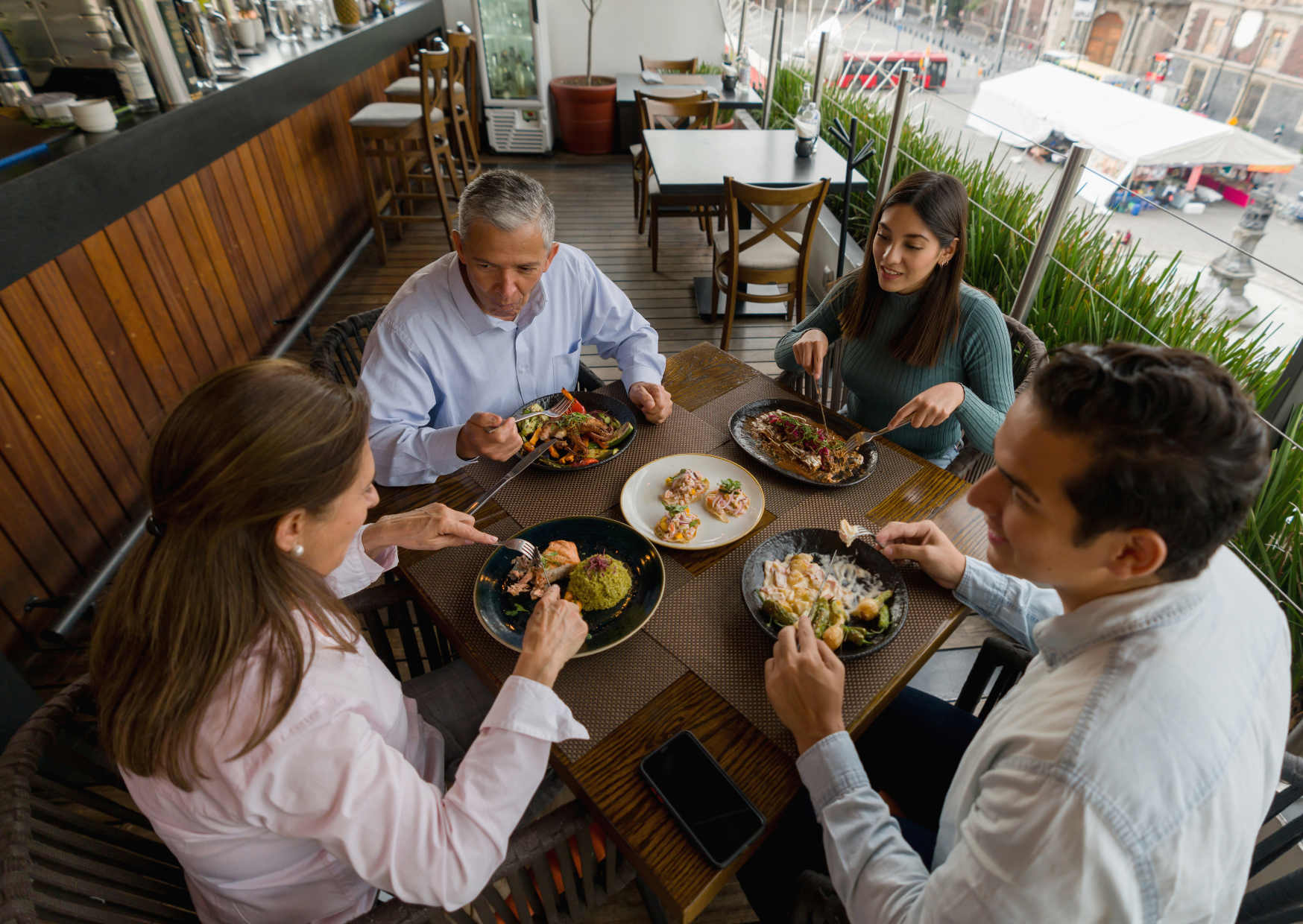
Stop buying food for “someday.” Buy food for today and tomorrow.
Stop buying ingredients for specific recipes. Buy what’s good/cheap/available and figure it out.
Stop snacking. Eat meals that actually fill you up.
Stop shopping once a week. Shop more often for less stuff.
Stop buying processed convenience foods. They’re neither convenient nor food.
Stop treating food like a problem to solve. It’s food. Humans have been doing this for millennia.
Final Thoughts
The French spend less and eat better because they never forgot that food is food. Not entertainment, not medicine, not morality. Just food.
Good ingredients, simple preparation, eaten at regular times, in normal quantities, with other humans when possible.
Americans turned food into a complex problem requiring apps and algorithms and optimization. The French just… eat dinner.
For 30 days, I ate like the French. Spent €180. Lost weight. Enjoyed food. Didn’t die without backup snacks.
It’s not about France being magic. It’s about America making everything unnecessarily complicated and expensive.
Buy less. Buy better. Cook simply. Eat normally.
Revolutionary concepts, apparently.
But it works.
€180 for a month of good eating, versus whatever Americans are doing with their $400 and their Uber Eats addiction and their seventeen types of protein bars.
The French figured this out centuries ago.
We’re still ordering DoorDash and wondering why we’re broke and unhealthy.

About the Author: Ruben, co-founder of Gamintraveler.com since 2014, is a seasoned traveler from Spain who has explored over 100 countries since 2009. Known for his extensive travel adventures across South America, Europe, the US, Australia, New Zealand, Asia, and Africa, Ruben combines his passion for adventurous yet sustainable living with his love for cycling, highlighted by his remarkable 5-month bicycle journey from Spain to Norway. He currently resides in Spain, where he continues sharing his travel experiences with his partner, Rachel, and their son, Han.