
Americans spend $50 per yoga class to learn poses incorrectly while Indian grandmothers do them perfectly for free in their living rooms every morning. The poses Americans struggle with for years take Indians five minutes to teach their children, and the difference isn’t flexibility – it’s that Western yoga turned simple movements into complex performances.
Yoga studios in America are teaching Instagram yoga, not actual yoga. The poses are wrong, the breathing is wrong, the entire purpose is wrong. Meanwhile, 70-year-old Indians are doing perfect poses they learned as children, never took a class, never bought a mat, never wore Lululemon.
A yoga teacher from Mumbai watched a $3,000 teacher training in Los Angeles and couldn’t stop laughing. “They’re making everything so complicated. My grandmother could teach this better in her sari.”
The Downward Dog Disaster
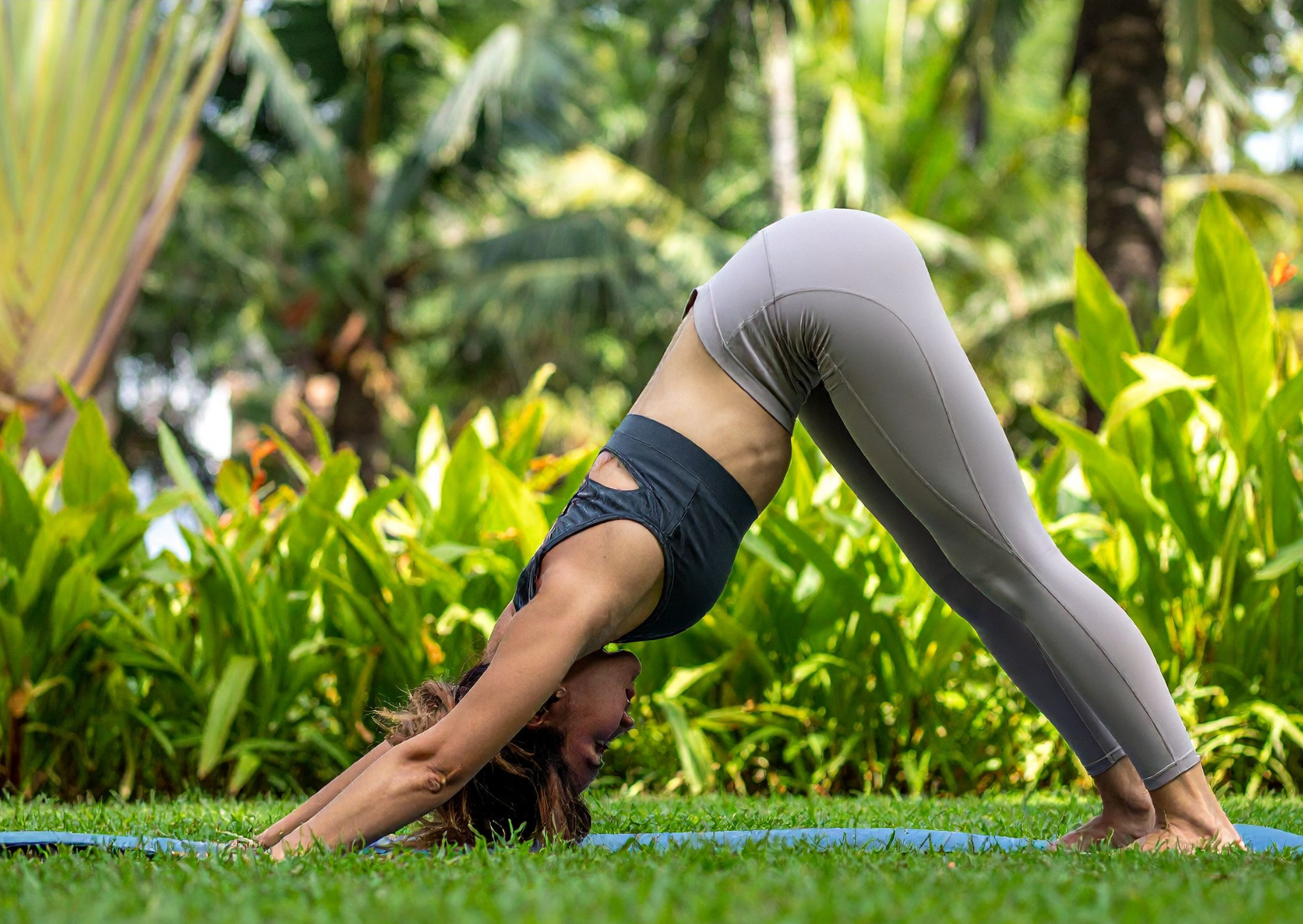
Americans turn downward dog into an arm workout. Pushing through shoulders, collapsing the chest, fighting the pose. Every yoga class, dozens of people struggling, shaking, suffering through what should be a resting position.
Indians learn this as children playing. It’s how you stretch after waking. The weight is in the legs, not arms. The chest moves toward thighs, not floor. The pose is rest, not work.
American version: Weight forward, shoulders burning, neck cranked up, heels reaching desperately for floor, holding breath, suffering for 5 breaths.
Indian version: Weight in legs, arms just guiding, head completely relaxed, heels wherever they are, breathing normally, could hold for 10 minutes.
The difference: Americans are performing downward dog. Indians are being in downward dog. One hurts. One heals.
The Lotus Position Lie
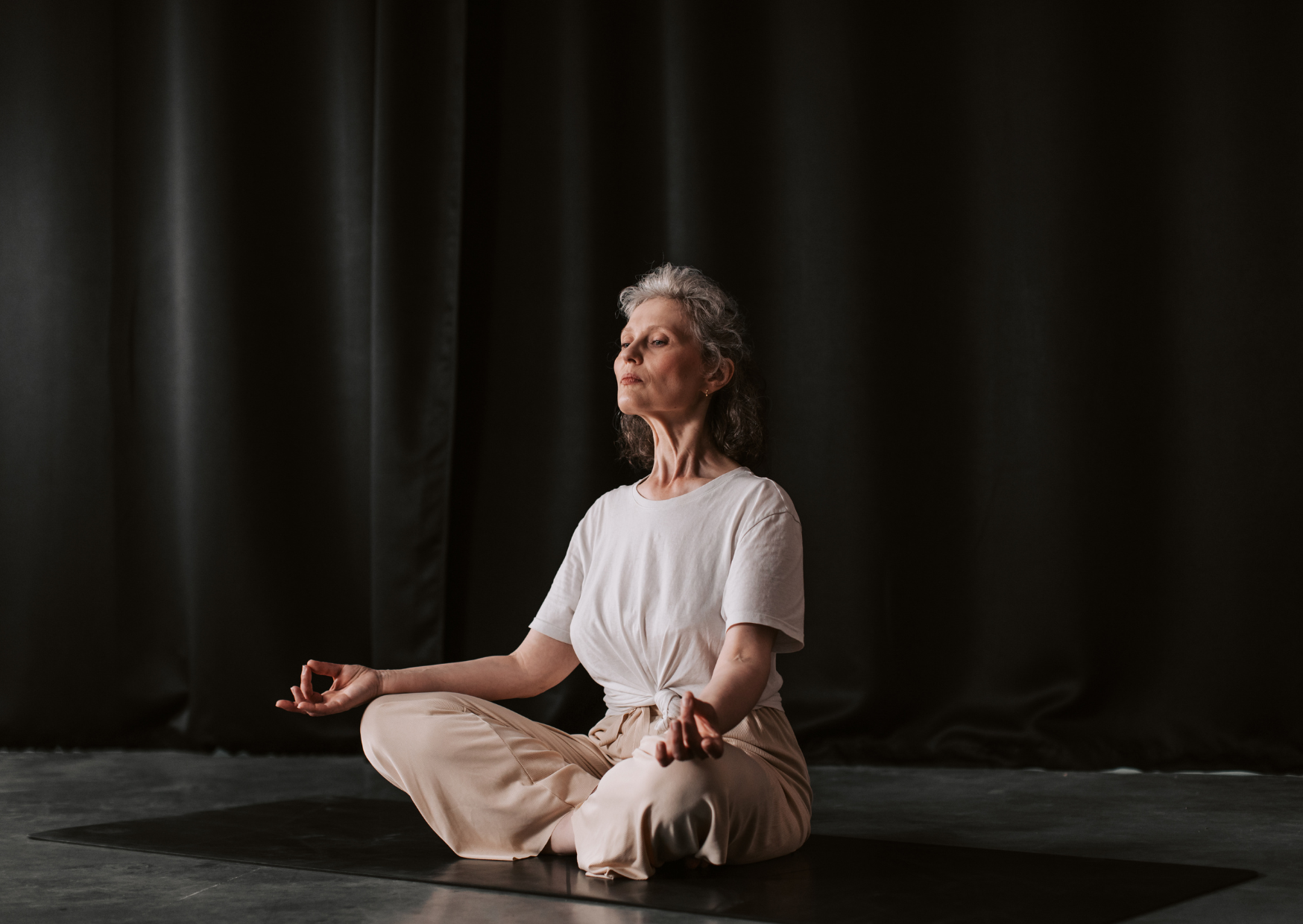
Every American yoga class has people forcing themselves into lotus, destroying their knees because they think it’s the “advanced” pose. Instagram yogis in perfect lotus getting thousands of likes while secretly icing their joints after photos.
Indians sit in lotus to watch TV. Not because they’re flexible. Because they learned to rotate from hips, not knees. The knee joint doesn’t rotate. Forcing it tears meniscus. Every orthopedic surgeon in America has lotus-injured patients.
How Indians teach lotus:
- Years of hip opening first
- Never force knees
- Use cushions liberally
- Half-lotus for years if needed
- No shame in simple cross-legged
How Americans learn lotus:
- Try it first class
- Force knees down
- “Work through” pain
- Post on Instagram
- Schedule knee surgery
Indian children sit cross-legged from birth. Their hips open naturally. Americans sit in chairs, hips lock, then try to force lotus at 35. It’s anatomically impossible without years of preparation.
The Breathing They Never Teach
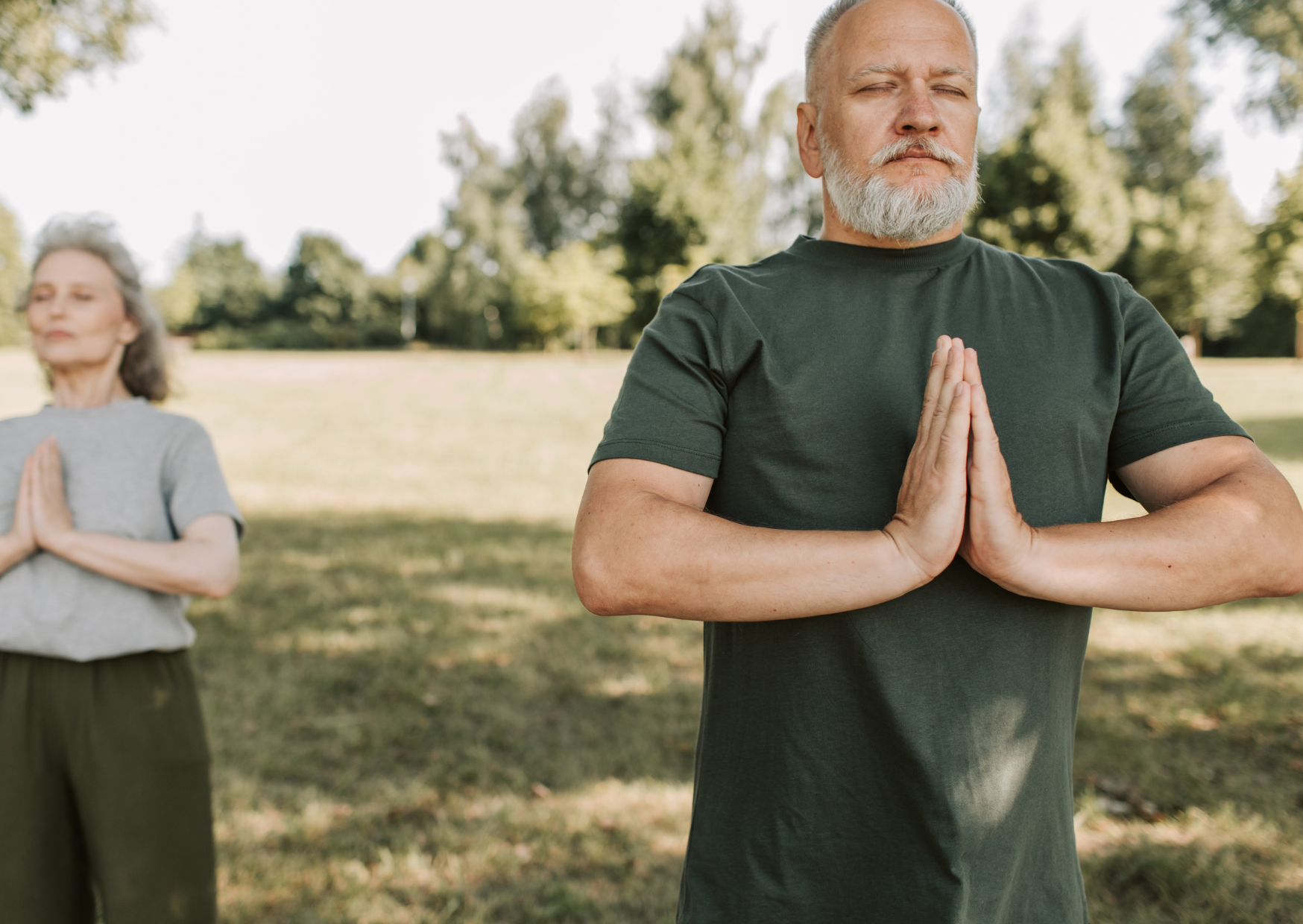
American yoga: “Don’t forget to breathe!” shouted over music while flowing through poses too fast to actually breathe properly.
Indian yoga: Breathing IS the practice. Poses are just shapes to breathe in.
Pranayama (breath control) is 50% of yoga. American studios maybe spend 2 minutes on breathing. Usually just “inhale up, exhale down” cues that everyone ignores while struggling through poses.
Indians learn specific breathing:
- Bhastrika (bellows breath): Cleans lungs
- Anulom Vilom (alternate nostril): Balances nervous system
- Kapalbhati (skull shining): Improves digestion
- Bhramari (humming bee): Reduces anxiety
Each has specific technique, specific benefits, specific timing. Americans pay $50 to never learn any of them because class time is for poses that photograph well.
The Warrior Poses That Aren’t War
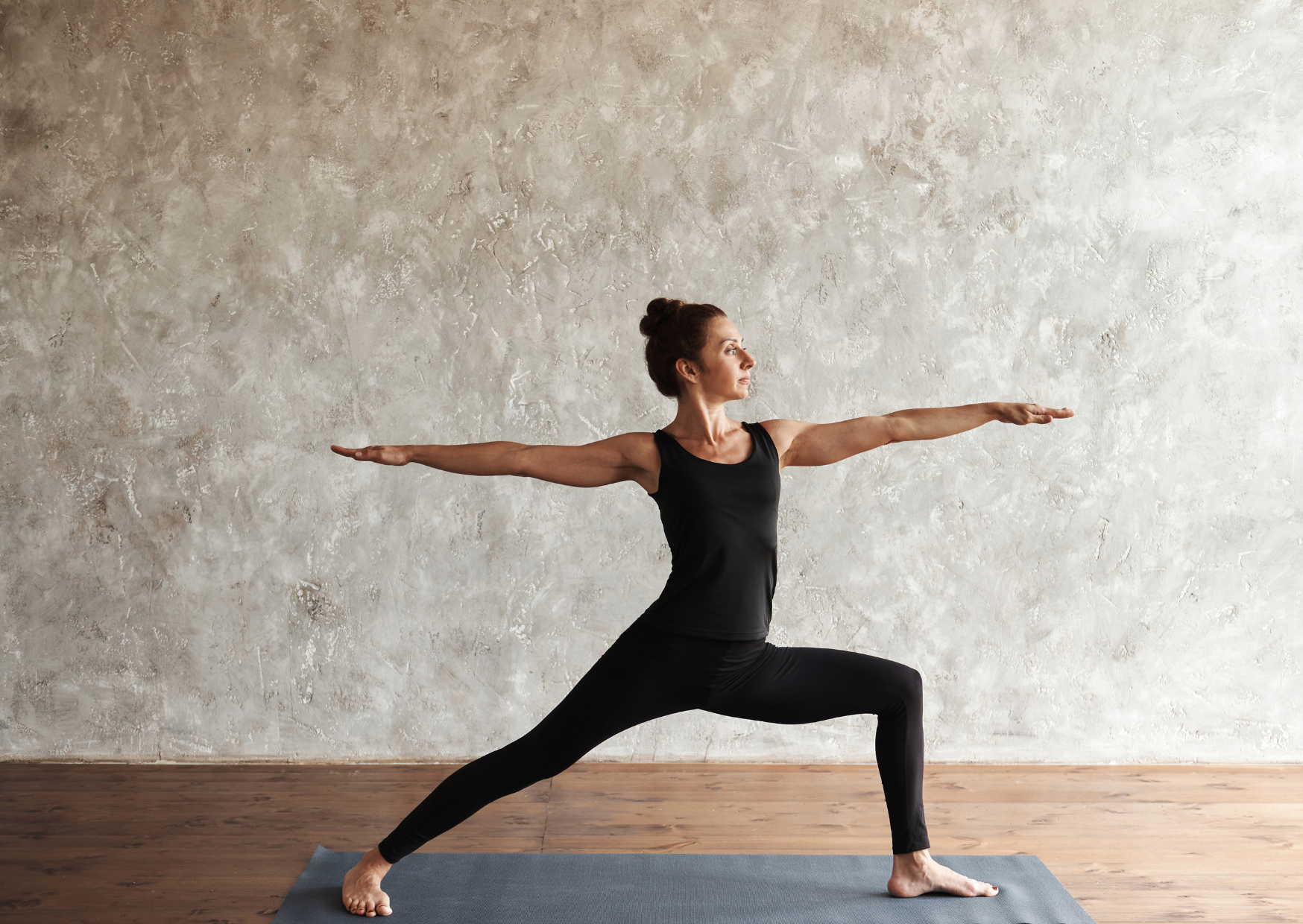
Warrior 1, 2, 3 in American yoga are performed like military drills. Sharp angles, aggressive positioning, “feel the burn,” “warrior mentality.”
Indians call them Virabhadrasana – poses of a spiritual warrior, not military warrior. They’re about grace under pressure, not conquering enemies.
American Warrior 2: Front knee at exactly 90 degrees (even if it hurts), arms parallel to floor (shoulders screaming), gaze fierce over front finger (neck tension), hold until shaking.
Indian Warrior 2: Front knee where comfortable, arms floating where natural, gaze soft, breath steady, could maintain for minutes without struggle.
The obsession with “perfect” angles comes from photographs, not tradition. Indians care about energy flow, not Instagram angles.
The Headstand Hysteria
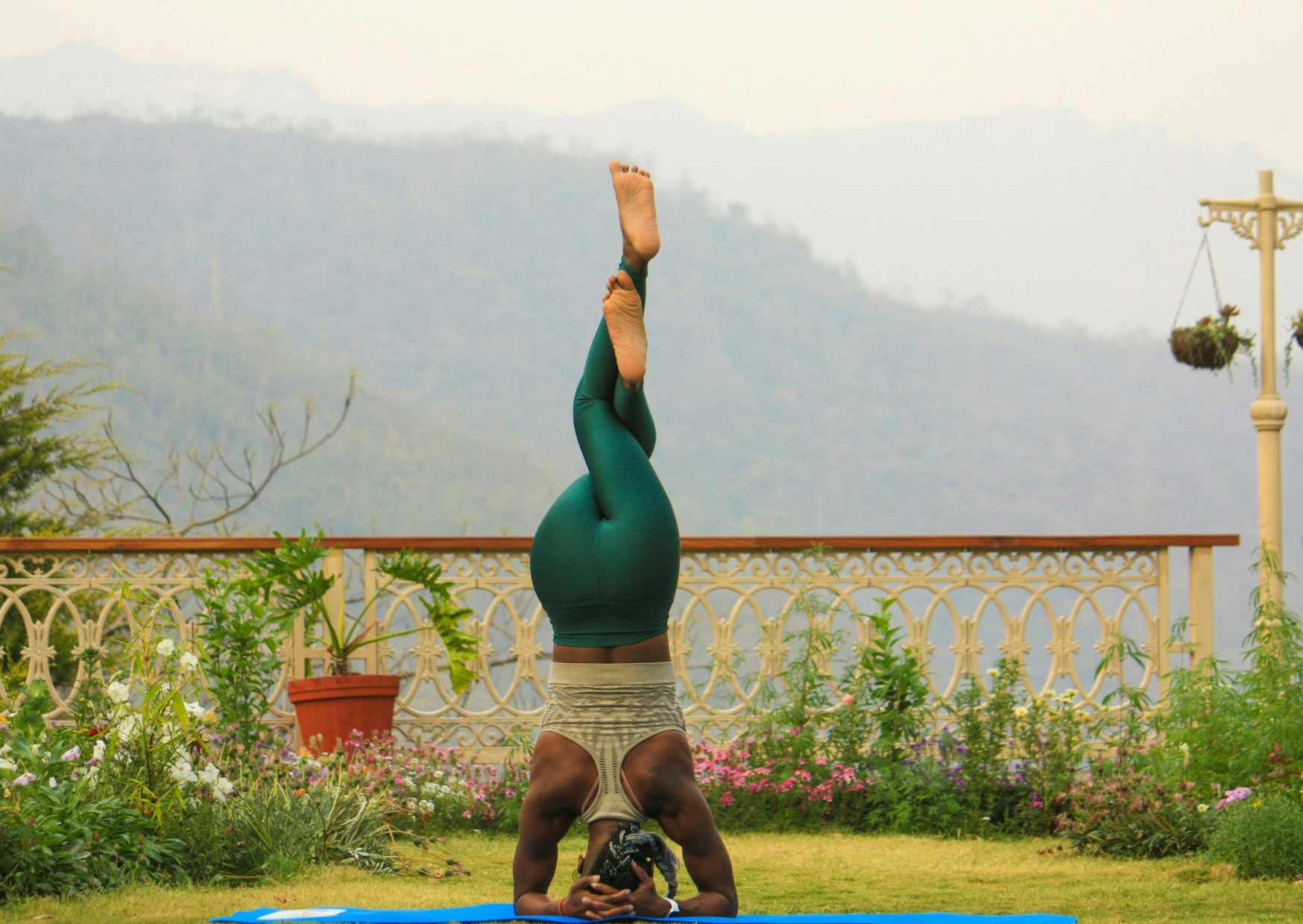
Every American yoga studio has people attempting headstands they’re not ready for. Teachers pushing students into inversions for the achievement. “Get your headstand!” like it’s a medal.
Indians don’t attempt headstand (Sirsasana) until years of preparation. Neck strength, core stability, mental readiness all required. It’s not a party trick. It’s serious practice with serious consequences if done wrong.
American headstand progression:
- Try it month one
- Use wall constantly
- Kick up aggressively
- Hold briefly for photo
- Develop neck problems
Indian headstand progression:
- Years of preparation poses
- Months of partial practice
- Teacher physically assists
- Hold for minutes when ready
- No neck issues ever
One American broke his neck attempting headstand in his third class. The teacher had encouraged him to “go for it.” In India, that teacher would be banned from teaching.
The Props Problem
American yoga turned props into profit. $120 mats, $30 blocks, $40 straps, $80 bolsters. Can’t do yoga without equipment. Studios selling merchandise because classes don’t profit enough.
Indians use:
- Floor (no mat needed)
- Wall (free block)
- Old sari or rope (strap)
- Folded blanket (bolster)
- Total cost: $0
The mat industry convinced Americans you need special sticky mats. Indians do yoga on tile, concrete, dirt. The earth is the prop. Your body adapts to surface, not surface to body.
The Sun Salutation Speed

Surya Namaskar (sun salutation) in India: Slow, meditative, each position held, breathing coordinated, prayer included, takes 5-10 minutes for one round.
Sun salutation in America: Race through 20 rounds, barely breathing, positions not held, just flowing for cardio, entire sequence in 30 seconds.
Indians do 12 rounds maximum. Each round is prayer, gratitude, connection to sun. Americans do 108 rounds for New Year’s challenge, counting completions like CrossFit.
The original purpose – greeting the sun with gratitude – completely lost in Western optimization culture.
The Meditation Myth
Every American class ends with Savasana (corpse pose) for “meditation.” Two minutes lying down while instructor talks over spa music. People checking phones, leaving early, never actually meditating.
Indian Savasana: Minimum 10 minutes. Complete silence. Systematic body relaxation. Actual meditation practice. The most important pose. Americans treat it as cool-down. Indians know it’s where the benefits integrate.
American meditation: Guided visualization about beaches while thinking about dinner.
Indian meditation: Actual techniques – Trataka (candle gazing), Mantra (repetition), Vipassana (observation). Each requires training, practice, dedication.
Americans pay for meditation apps while Indians meditate for free using techniques passed down generations.
The Teacher Training Scam
American yoga teacher training: $3,000-5,000 for 200 hours. Three weeks to become “certified.” Learn sequences, anatomy, how to playlist. Graduate knowing zero philosophy, unable to do half the poses correctly.
Indian yoga training: Years with one guru. Free or donation-based. Learn philosophy first, poses later. Must master practice before teaching. Can’t teach until guru approves, sometimes decades.
American teachers teaching after 200 hours what Indian teachers study for 20 years. The dilution is criminal.
The Hot Yoga Hoax
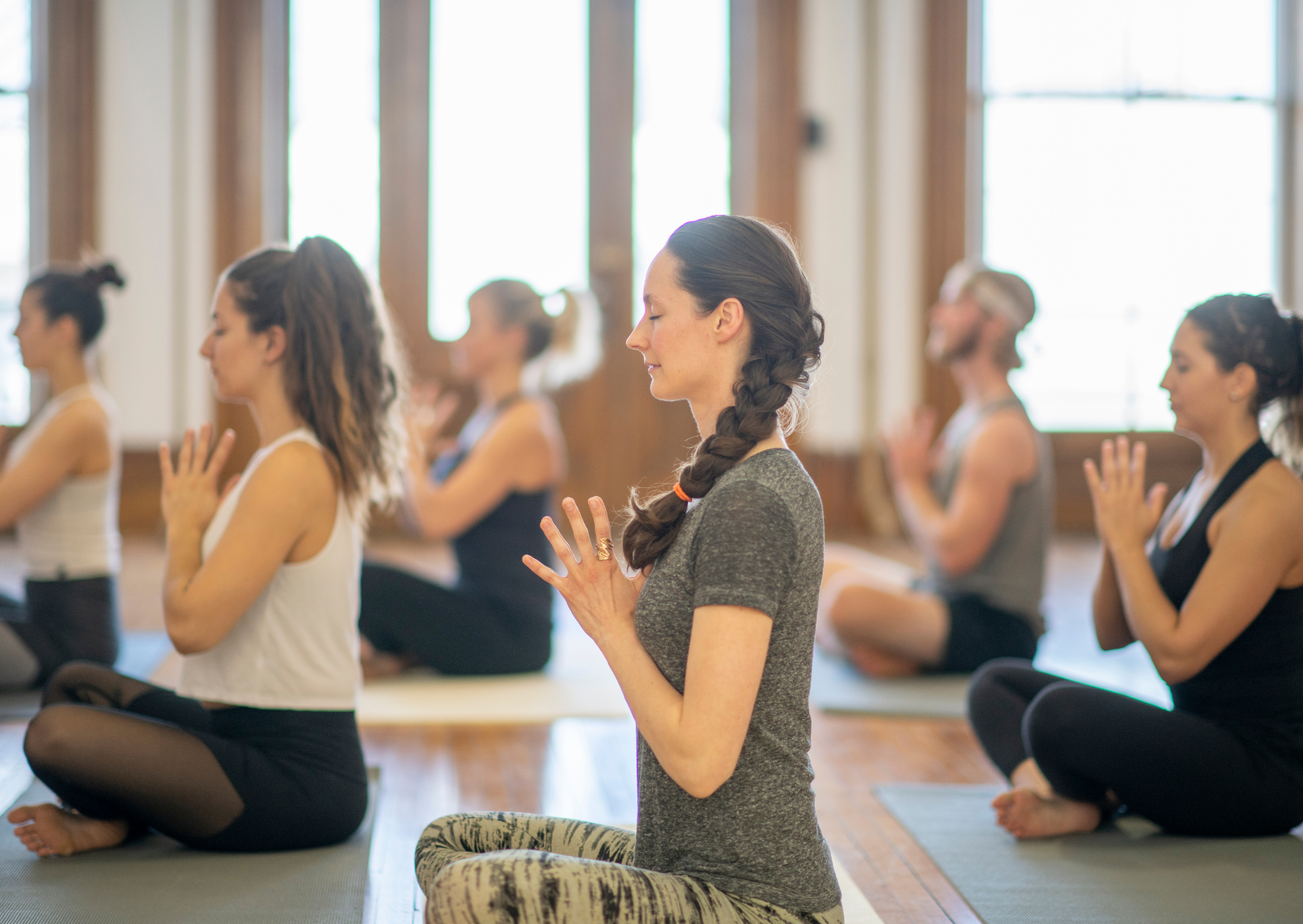
Bikram convinced Americans yoga should be 105°F. Paying extra to suffer in dangerous heat because “toxins” need sweating out. People passing out, getting heat stroke, thinking it’s “detoxification.”
Traditional yoga: Room temperature or cooler. Heat comes from internal practice, not external source. Forcing poses in heat causes injury. Sweating isn’t detoxification, it’s temperature regulation.
Indians laughing at Americans paying premium prices to do yoga in saunas. “You could just go to India in summer for free.”
The Cultural Appropriation Currency
American yoga studios full of Sanskrit words nobody understands, Om symbols nobody can explain, Hindu deities as decoration, “Namaste” said wrong.
Studio owners who can’t pronounce “yoga” correctly (it’s not yo-guh) charging $50 to teach poses they learned from YouTube. White teachers with Sanskrit names teaching “authentic” yoga they learned in Bali last summer.
Meanwhile, Indian immigrants teaching correct yoga in community centers for $5 getting no students because it’s not trendy enough.
The Actual Practice
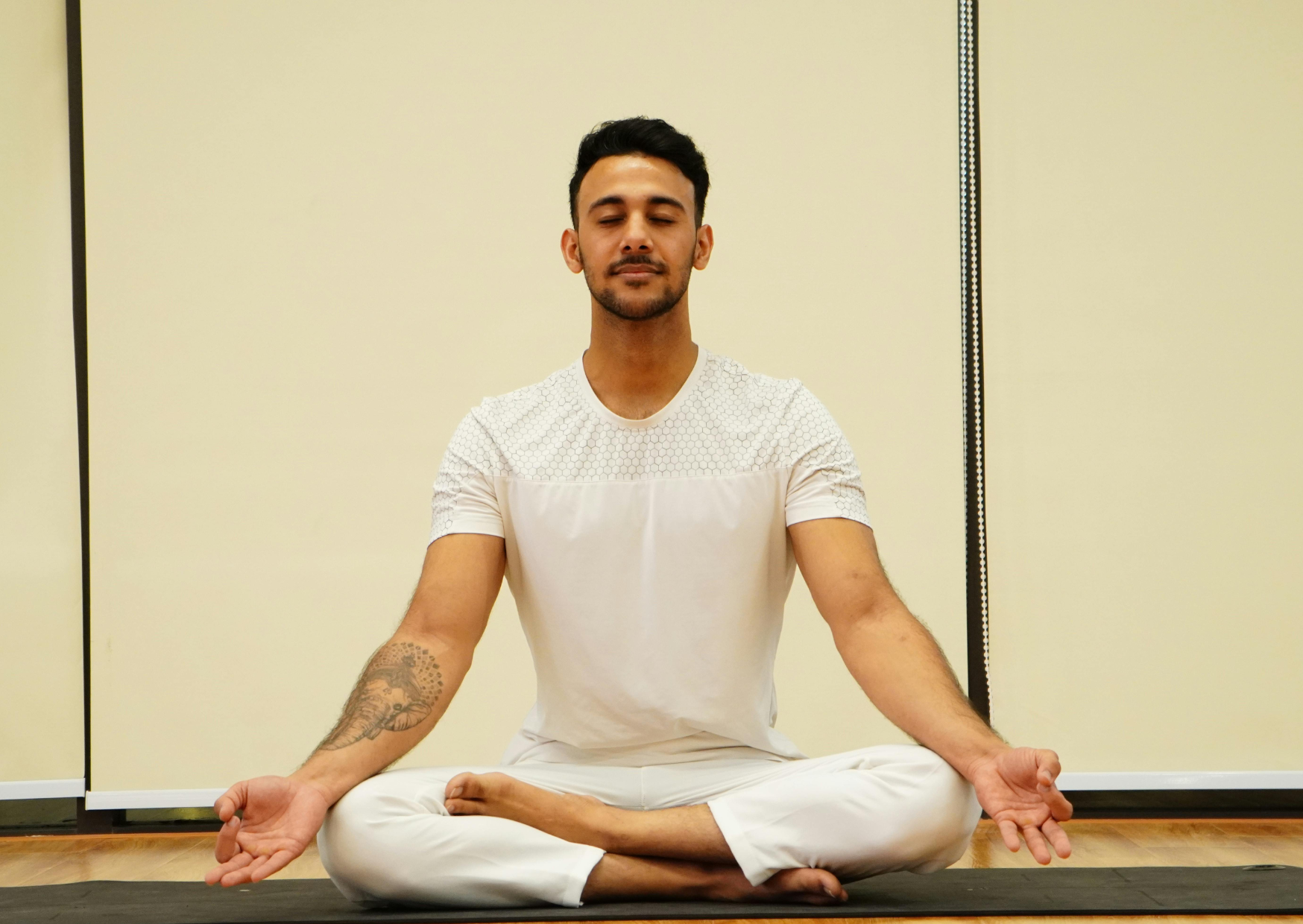
How Indians practice yoga:
Morning: Wake at 5 AM. No coffee. Basic cleaning poses – joint rotations, simple stretches. Then pranayama (breathing) for 20 minutes. Then meditation 20 minutes. Maybe 10 minutes of poses. Done by 6 AM.
Evening: Light poses before dinner. Focus on digestion aids – twists, forward bends. Five minutes maximum.
Total: 45 minutes daily, mostly breathing and meditation, some movement.
How Americans practice yoga:
Rush to 6 PM class after work. Coffee in car. 75-minute intense vinyasa flow. Constant movement. Loud music. Competitive atmosphere. Push through pain. Skip meditation to beat traffic. Shower at gym. Protein shake.
Total: 2 hours including commute, mostly exercise, no meditation.
The Injuries Everywhere
American yoga injuries are epidemic:
- Torn hamstrings from forced forward folds
- Wrist injuries from too many vinyasas
- Neck injuries from bad headstands
- Knee destruction from forced lotus
- Lower back injuries from aggressive backbends
- Shoulder impingement from repetitive chaturangas
Indian yoga injuries are rare because:
- Poses aren’t forced
- Practice is gradual
- Focus on sustainability not achievement
- Teachers actually know anatomy
- Ego isn’t involved
Physical therapists in America have entire practices dedicated to yoga injuries. In India, yoga IS physical therapy.
The Weight Loss Weapon
Americans do yoga for weight loss. Power yoga, hot yoga, yoga sculpt – all just exercise with Sanskrit names. Burning calories, building muscle, sweating buckets.
Indians do yoga for health. Weight normalizes as side effect, not goal. The practice balances hormones, improves digestion, reduces stress eating. Weight loss happens without trying.
Forcing yoga into fitness category destroyed its actual benefits. It’s not exercise. It’s medicine. Using medicine wrong creates problems, not solutions.
The Price of Pretense
American yoga costs:
- Classes: $50 per session
- Unlimited monthly: $200
- Clothes: $300 (somehow necessary)
- Mat and props: $200
- Workshops: $100-500
- Retreats: $2,000-5,000
- Teacher training: $3,000-5,000
- Annual spending: $3,000+
Indian yoga costs:
- Community class: Free or donation
- Clothes: Regular clothes
- Mat: Floor
- Props: Household items
- Learning: From family or free classes
- Annual spending: $0-50
Americans turned free spiritual practice into luxury fitness. Indians kept it accessible because that’s the entire point.
The Simple Solution
Real yoga is:
- 80% breathing and meditation
- 20% physical poses
- 0% performance
- 100% internal
American yoga inverted this:
- 95% physical poses
- 5% breathing mentioned
- 100% performance
- 0% internal
The solution isn’t finding “authentic” studios charging $60 instead of $50. It’s understanding yoga isn’t a workout. It’s a practice. It’s medicine. It’s free.
What Indians Know
Every Indian grandmother knows:
- Five basic poses for health
- Three breathing techniques
- Simple meditation
- When to practice
- When not to practice
This knowledge: Free, passed down generations, actually works.
Every American yogi knows:
- 100 pose names in Sanskrit
- No Sanskrit meanings
- No breathing techniques
- No meditation practice
- No actual yoga
This knowledge: $5,000 minimum, learned in workshops, causes injuries.
The Final Reality
Indians practice yoga daily for free and have better physical health, mental health, and longevity than Americans paying thousands for fake yoga.
The yoga Americans pay $50 to learn wrong is available free from:
- Indian community centers
- Hindu temples
- YouTube (actual Indian teachers)
- Library books (classical texts)
- Indian grandmothers (if you ask nicely)
But Americans prefer paying for:
- Yoga with weights
- Yoga with goats
- Yoga with wine
- Yoga with music
- Yoga with competition
- Everything except actual yoga
The irony: Americans traveling to India for “authentic” yoga teacher training, taught by Indians who learned from Americans who learned wrong from other Americans who went to India 20 years ago and misunderstood everything.
Meanwhile, the janitor at the yoga studio, who’s Indian, does perfect yoga every morning at home, for free, learned from his grandfather, never took a class, never bought Lululemon, has no Instagram, and will outlive everyone.
$50 per class. To learn wrong. What Indians teach their children free. And correctly.
The American yoga industry is worth $12 billion. The Indian yoga tradition is worthless. Because it’s free.
One makes money. One makes health.
Your choice.
But Indians aren’t the ones with yoga injuries, debt from teacher training, and chronic pain from forcing poses they saw on Instagram.
They’re just doing simple poses correctly, breathing properly, and living longer.
For free. Every morning. In their living rooms. Without mats. Without apps. Without teachers who can’t pronounce “yoga.”
Just yoga. Actual yoga. The kind that works.

About the Author: Ruben, co-founder of Gamintraveler.com since 2014, is a seasoned traveler from Spain who has explored over 100 countries since 2009. Known for his extensive travel adventures across South America, Europe, the US, Australia, New Zealand, Asia, and Africa, Ruben combines his passion for adventurous yet sustainable living with his love for cycling, highlighted by his remarkable 5-month bicycle journey from Spain to Norway. He currently resides in Spain, where he continues sharing his travel experiences with his partner, Rachel, and their son, Han.