
You slide into a trattoria in Rome or a seafood place in Bari and reach for the wine list like an American—scan the bottles, pick a label, brace for a tip line. That’s how you overpay. The Italian move is simpler: ask for the vino della casa first, taste, and only then decide whether to step up to a bottle. It’s how locals drink on a Tuesday—good, affordable, unfussy—and it eliminates the awkward question of how much to tip because the check already accounts for service the Italian way.
Below is the exact playbook. It’s not about being cheap; it’s about ordering the way Italians designed their restaurants to work: modest house wine by the carafe, real food, clear costs, zero tipping stress.
Want More Deep Dives into Other Cultures?
– Why Europeans Walk Everywhere (And Americans Should Too)
– How Europeans Actually Afford Living in Cities Without Six-Figure Salaries
– 9 ‘Luxury’ Items in America That Europeans Consider Basic Necessities
Quick Easy Tips
Ask for the “vino della casa”: Most restaurants offer it by the glass, half liter, or liter.
Trust the pairing: House wine is usually selected to match the kitchen’s specialties.
Don’t overthink it: Locals treat house wine as part of the meal, not a luxury.
Skip pricey upsells: Servers may offer premium bottles, but you rarely need them for a great meal.
Enjoy it like a local: Savor it slowly alongside your dishes, not as a stand-alone drink.
While house wine is a beloved tradition in Italy, it can create tension with tourists who arrive expecting the same wine service they’re used to back home. Some travelers assume that “cheap” means “bad,” not realizing that Italian house wine often comes straight from regional vineyards and carries more authenticity than imported labels.
There’s also a subtle cultural clash around tipping. In the U.S., tipping is built into the dining experience, often inflating the final bill. In Italy, tipping is minimal or unnecessary, and the idea of splurging on an expensive bottle to signal status is foreign to many locals. Some tourists feel uncomfortable skipping the upsell, while Italians see it as normal.
Finally, high-end restaurants sometimes look down on tourists who only order house wine, though this attitude is rare in traditional trattorias. The heart of the controversy lies in the different philosophies around dining. For Italians, a good meal isn’t about proving anything—it’s about enjoying quality, simplicity, and company.
Why “house wine first” works in Italy

Italian dining is built around simplicity, seasonality, and price clarity. Most neighborhood spots keep a well-kept local wine on tap—or a humble table wine they pour from full bottles into carafes—meant to pair with everyday dishes. By asking for house wine first, you let the kitchen set the tone of the meal instead of the label.
You also sidestep the subtle upsell. When the first thing on your table is a mezzo litro of house red or white, there’s no rush to commit to a €28–€45 bottle. If the house pour is great—and in plenty of trattorie it is—you stay there and save. If it isn’t your style, you’ve risked very little, and you’ve learned something about the kitchen’s palate before you invest.
Finally, the service model favors this rhythm. Italians expect you to order quietly, eat what the place cooks best, and settle the check without a performance. House wine first puts you on that track immediately.
What “house wine” actually is

“Vino della casa” is not code for leftovers. In many regions it’s vino sfuso—well-made local wine purchased in bulk and stored properly—poured into quartini (about 250 ml), mezzi litri (about 500 ml), or a litro (a liter) carafe. It’s served young, food-friendly, and chilled or room-temp as appropriate, with zero pretense.
You’ll see it listed as rosso (red) and bianco (white), sometimes rosato. If the staff is proud of a particular producer, they’ll often tell you unprompted. If they don’t, ask—politely. A quick “Da dove viene il vino della casa?” shows curiosity without suggesting distrust, and it often gets you a better pour.
The key is freshness. A busy trattoria that moves volume is your friend. House wine is at its best where the kitchen is hopping and the carafes don’t sit. That’s why the strategy shines in places with a short, seasonal menu and a steady lunch crowd—lively rooms, quick turnover, honest pours.
How to order like a local (and sound like you know what you’re doing)

Keep it short and specific. Start with: “Un mezzo litro di vino della casa, rosso, per favore”—half a liter of house red. Prefer white? “… bianco.” Want to try a sip first? “Posso assaggiare prima un goccio?” You’ll usually get a quick taste with a smile.
If you’re not staying long, ask for a quartino and reassess; if you’re four at the table, a litro is the simplest math. Pair with water the Italian way—acqua naturale (still) or frizzante (sparkling). No ice, no lemon—just cold, clean water that keeps the food the star.
When the carafe lands, take a breath. Italians don’t swirl and monologue; they sip, nod, eat. If you want to upgrade to a bottle later, you can. There’s no rule against ordering house wine first and a bottle second—just be decisive and polite.
Price reality: why the carafe changes your bill

By design, a carafe of house wine undercuts most bottles. You’re paying for drinkability, not branding—local grapes, low markup, no ceremony. In neighborhood trattorie, a quartino plus water and a couple of plates is still one of the best-value meals in Europe. In tourist-heavy zones the carafe costs more, but the ratio holds: it’s generally the cheapest sound choice on the list, and often the best match for the food.
Watch the bottom of the check. Italy often lists coperto (a per-person cover charge for the table, bread, linens) or servizio (a service charge, especially in tourist districts or for large groups). When servizio appears, it’s the tip—included, not a suggestion. When it doesn’t, you can leave a euro or two per person in cash if you loved the service, but nothing is expected. The house-wine-first habit trims the biggest variable—bottle markups—while the check structure trims the tipping drama.
If you want complete price control, say this when you order: “Per adesso un mezzo litro della casa e acqua naturale—poi vediamo.” For now a half-liter of house wine and still water—then we’ll see. You’ll never get a pushback for starting simple and adding.
Tipping in Italy, minus the anxiety
Italy is not a 20% culture. Servers are paid wages, prices include tax, and many places either add servizio on the bill or rely on coperto to cover the table cost. If servizio incluso appears, that’s the end of the story—no extra tip. If it doesn’t, a small mancia (a few coins or rounding up) is a thank-you, not an obligation.
If you’d like to leave something, do cash on the table; don’t ask the POS for a tip line. In plenty of restaurants the card terminal won’t offer it, and asking confuses the cadence. House-wine-first helps here, too—the total is modest, rounding feels natural, and you never stare at a 3-digit bottle price wondering what 10% even means.
When in doubt, read the receipt. If you see servizio 10%, you’re done. If you see coperto and no servizio, leave a little only if you want to—polite, optional, small.
House wine pitfalls (and how to avoid them)
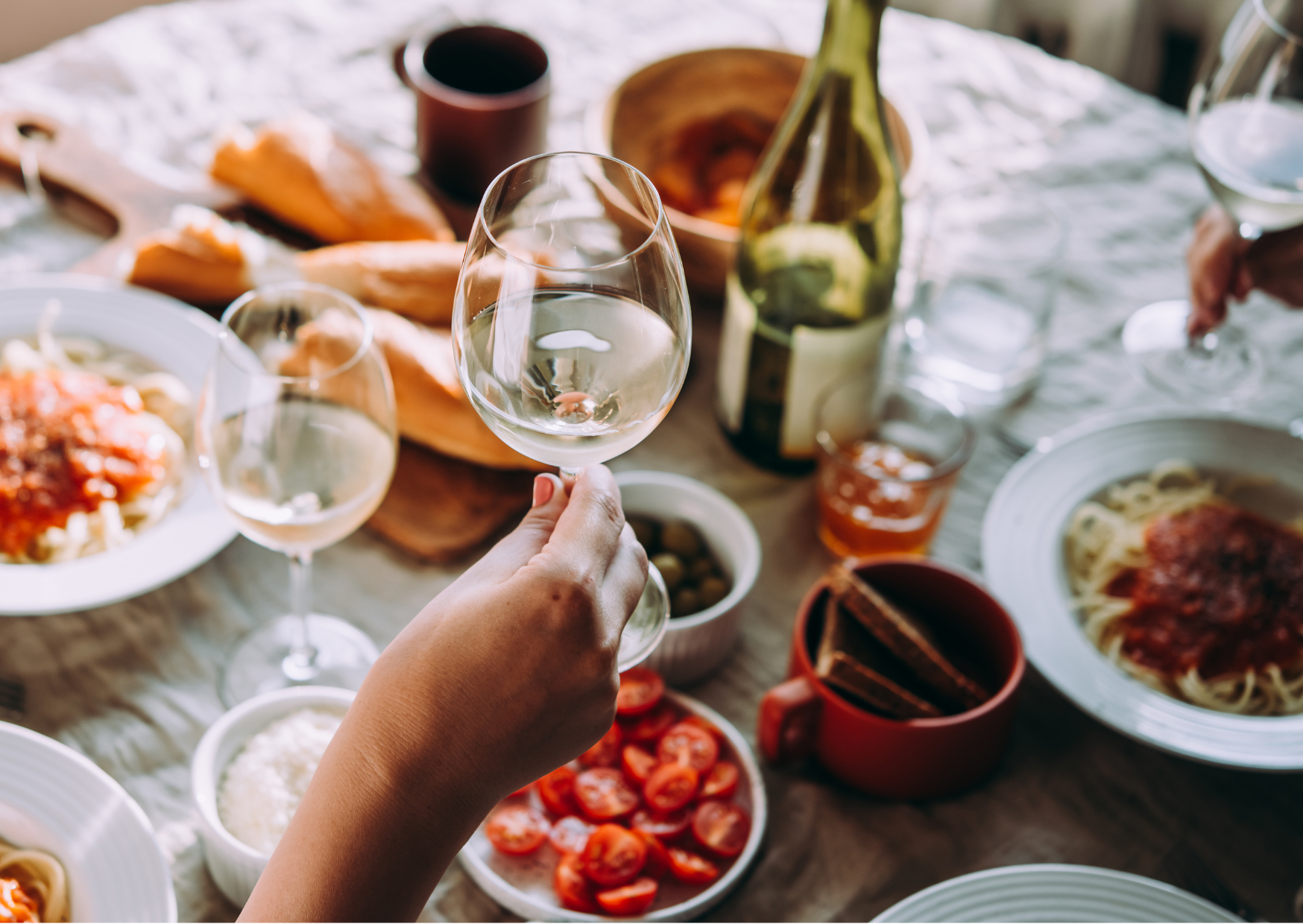
Three watch-outs keep the strategy clean. First, dead dining rooms—if the place is empty at peak hours, the carafe could be tired. Pick spots with movement, lunch menus, locals at two-tops. Second, tourist traps that treat “house wine” as a profit center. If the staff dodges the “where’s it from?” question or the carafe hits the table warm and flat, switch gears and ask for a specific bottle from a region you like.
Third, beware the pushy aperitivo: a premixed spritz you didn’t ask for, a large bottle of still water opened before consent, or an instant bread basket with a fee you didn’t see. You can decline—gentle, firm, friendly—and return to the carafe plan. Italians respect polite boundaries more than performative outrage.
Pairing basics that make house wine taste better
You don’t need a sommelier to make house wine sing. In coastal towns, the house bianco is calibrated for grilled fish, fried seafood, and lemony salads—bright, saline, easy. Inland, a house rosso loves ragù, grilled sausage, and braised meats. If the daily special board reads like a garden—peas, artichokes, tomatoes—expect a fresher, lighter pour.
Tell the server what you’re ordering, then ask: “Meglio il rosso o il bianco con questi piatti?” Better red or white with these dishes? You’ll get the house pair and the kitchen’s intention—and you’ll usually be happier than with a random mid-range label.
Remember salt and fat are your friends. A modest carafe shines with pecorino, anchovies, olive oil, and simmered sauces. Keep the flavors classic and let the wine do its job: cleanse, lift, repeat.
Water, “coperto,” and the parts of the bill Americans misread
Two lines trip visitors. Coperto is a cover charge per person for table service and bread—common around Italy, typically small, and not a tip. In Lazio (Rome’s region) the cover charge is officially banned, which is why you’ll more often see pane or servizio as distinct items in Rome instead; elsewhere, coperto is normal when posted. Either way, that line exists so you can dine with a small wine and still be a welcome guest.
Second, acqua is not free. Italians drink bottled water with meals. Choose naturale or frizzante, and accept that it appears as a line item. The upside: prices are posted and predictable, and they keep the check orderly. That clarity—line items, no mystery, vanishing tip pressure—is what lets a carafe-first meal feel civilized and affordable.
If you’re truly thirsty, ask for a bottiglia grande and pour into water glasses. It’s cheaper than repeated small bottles and keeps your wine glasses for wine.
When to skip the carafe and spring for a bottle
There are nights when the house wine isn’t the move. If you’re at a regional trattoria known for a particular appellation—say, a seafood place in Etna country pouring local whites, or a Piedmont spot with a cellar list—ask for a recommendation under a clear price: “Ci consiglia una bottiglia sui 25–30 euro che stia bene con questi piatti?” The server will pick a local gem that won’t ambush your budget.
Also upgrade if the house pour clashes with your mains (a heavy rosso with delicate crudo, for example), or if you want to linger with a secondo and cheese. In those cases, keep the carafe for starters, then move to a bottle mid-meal. No one will blink—you’re pacing, not penny-pinching.
The split-the-difference move for groups
For four people, a liter carafe can vanish in minutes. If you plan to have two glasses each, consider this hybrid: one litro della casa to start, plus a mid-range bottle aligned with your mains. You’ll pay less than two bottles, enjoy variety, and never wait with empty glasses.
When the bill comes, resist American arithmetic. If there’s servizio, that’s it. If there isn’t, round the final number—gentle, cash. Italians split checks cleanly at the register if you ask, but you’ll look more local if one person pays and you settle up after with a transfer or cash.
A sample check breakdown (so you can visualize the savings)
Imagine two couples in Bologna ordering like locals:
- Antipasti to share, two primi, two secondi with contorni, a litro di bianco della casa, a big acqua frizzante, coperto for four.
If you swapped the carafe for a famous-label bottle at tourist prices and then felt obligated to leave a U.S.-style tip, your total rockets. With the carafe-first plan, the food stays the hero, the wine supports, and the line items stay sane. You leave content, not calculating percentages in a new currency.
Numbers vary by city and season, but the pattern holds: carafe-first compresses the biggest swing on your bill—the wine—and the check itself will tell you if any servizio already covered service.
How to gracefully pay and avoid last-second fees
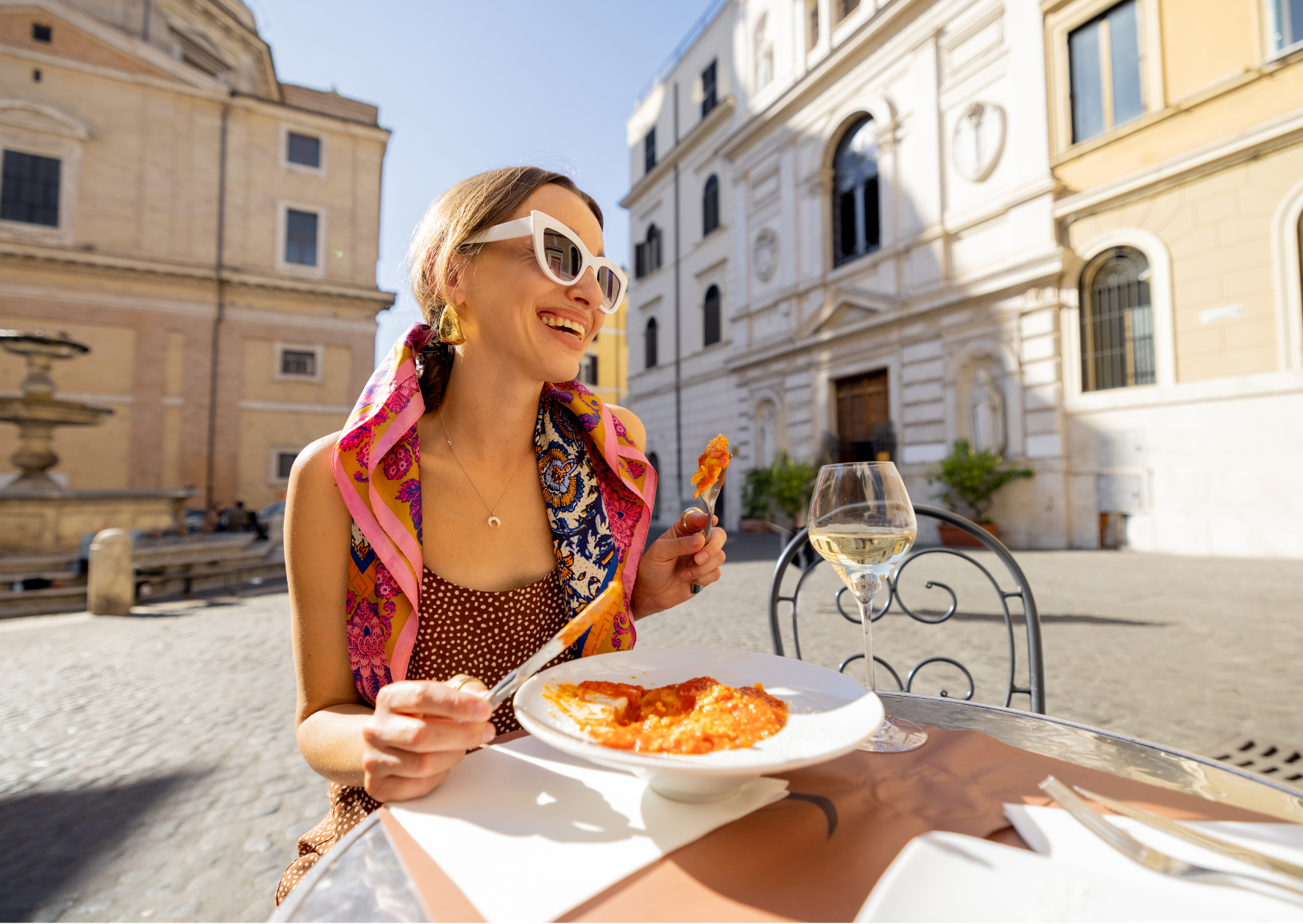
When you’re ready, ask “Il conto, per favore” and wait; Italian meals end by request, not by default. Review the lines. If you see servizio incluso, coperto, acqua, and your dishes, perfect—pay the total. If you want to leave a thank-you, do coins on the table. If the terminal prompts for a tip (it’s uncommon in classic trattorie), decline; you already handled it the Italian way.
One last trick: if the card terminal offers to charge you in dollars, say no—always pay in euros to avoid a dynamic currency conversion markup. It’s not wine-related, but it’s the easiest way to keep a clean, honest bill.
Bottom line
Start with the house wine, not the label. You’ll match the kitchen, keep the cost predictable, and skip the American habit of tipping anxiety at 20%. Italy built its dining rooms for everyday pleasure—carafes on tables, food that changes with the week, checks that state their terms. Order into that system: vino della casa first, water on the side, no performance at the POS. If the house pour delights, you’ve won. If it doesn’t, you haven’t lost much—and you now know exactly what bottle to ask for.
Do this for a week and you’ll wonder why you ever led with brands. In the right room, the simplest glass is the most Italian thing you can drink.
Dining in Italy isn’t just about the food—it’s about the ritual. One of the simplest ways to enjoy an authentic Italian meal while saving money is embracing what locals have known for generations: the house wine. Unlike in United States, where house wines can feel like an afterthought, in Italy they’re often locally sourced, affordable, and surprisingly good.
By starting with the house wine, travelers avoid the common trap of overspending on a fancy bottle, often without sacrificing quality. In many family-run trattorias, the house wine is the same local vintage that pairs perfectly with the menu. This strategy isn’t just about cost—it’s about aligning with the local dining culture, where wine is enjoyed casually, not marked up extravagantly.
This small shift in how you order can transform your dining experience. It helps keep your bill lower, removes awkward tipping expectations, and gives you a taste of how Italians actually eat and drink.

About the Author: Ruben, co-founder of Gamintraveler.com since 2014, is a seasoned traveler from Spain who has explored over 100 countries since 2009. Known for his extensive travel adventures across South America, Europe, the US, Australia, New Zealand, Asia, and Africa, Ruben combines his passion for adventurous yet sustainable living with his love for cycling, highlighted by his remarkable 5-month bicycle journey from Spain to Norway. He currently resides in Spain, where he continues sharing his travel experiences with his partner, Rachel, and their son, Han.