
And Why It Might Be the Best Year Yet to Make a Move Across the Atlantic
In recent years, more Americans have started asking a question that used to sound impossible:
Could I actually live in Europe—legally—for more than just a vacation?
As cost-of-living in the U.S. climbs, healthcare remains expensive, and work-life balance feels increasingly out of reach, interest in long-term life abroad has surged. But in 2025, something unexpected is happening: a quiet but real shift among European countries that are making it easier for Americans to get long-term residency visas.
Whether you’re a remote worker, early retiree, slow traveler, or simply craving a cultural reset, these visa changes are more than bureaucratic updates—they’re open doors. And some of the best opportunities are happening in countries that may not be shouting about them but are absolutely welcoming U.S. citizens with the right paperwork.
Here are seven European countries that are quietly easing long-term visa paths for Americans in 2025—and what you need to know before packing your bags.
Want More Deep Dives into Other Cultures?
– Why Europeans Walk Everywhere (And Americans Should Too)
– How Europeans Actually Afford Living in Cities Without Six-Figure Salaries
– 9 ‘Luxury’ Items in America That Europeans Consider Basic Necessities
Quick Easy Tips
Start researching early. Each country has its own specific requirements and timelines for long-term visas.
Gather financial documents, proof of insurance, and accommodation details well in advance.
Consider countries with digital nomad or retirement visa options if you don’t plan to work locally.
Consult with an immigration lawyer or visa specialist to navigate changing policies confidently.
Apply early in the year, as some programs have quotas or limited slots.
While more accessible visas are a win for many Americans, not everyone in Europe views these changes positively. In countries like Portugal, Spain, and Greece, some locals worry that easier residency for foreigners could drive up housing prices and contribute to gentrification. Critics argue that these programs can unintentionally prioritize foreign interests over local needs.
Another layer of controversy revolves around equity. Easier visa pathways often favor people from wealthier countries, raising questions about fairness and who truly benefits from these relaxed rules. While Americans and other Westerners may find doors opening, applicants from other regions still face stricter requirements.
Lastly, governments must balance economic opportunity with cultural and social impacts. While attracting long-term residents can boost economies, it can also strain resources, shift community dynamics, and reshape cities in ways not all locals welcome. The visa boom may be good news for travelers, but it’s sparking important debates across Europe.
1. Portugal: The Most Accessible Doorway Into the EU

Portugal has been a fan favorite among American expats for years—and in 2025, it’s doubling down on ease and flexibility.
- The D7 visa, originally designed for retirees and passive income earners, is still available and requires only around €820 per month in proof of income per adult.
- For digital nomads, the D8 Remote Work Visa introduced in recent years now offers a simplified application process, including easier health insurance requirements and streamlined appointment bookings through SEF.
- New regional programs offer extra incentives to live outside Lisbon and Porto, including tax reductions and faster residency paths.
Even after adjusting its Golden Visa program, Portugal remains one of the most visa-friendly EU countries for Americans looking to stay a year or more—and possibly transition to permanent residency.
What’s changed
In Portugal, residents are taxed on their worldwide income, and in 2025 the personal income tax brackets for residents now range from about 12.5% up to 48% (depending on income) plus solidarity surcharges.
The previous flagship regime, the NHR (Non-Habitual Resident) status, allowed many new Portuguese tax residents to enjoy favourable tax treatment on foreign-source income (dividends, interest, capital gains, pensions) under certain conditions.
That regime has been phased out for most new applicants and replaced by the IFICI programme. Under IFICI (often described as “NHR 2.0”), only individuals who qualify (principally via “highly qualified professions”, innovation or research roles, or certain strategic activities) may benefit from special tax treatment.
Among the changes is the fact that foreign-sourced income such as pensions, dividends, and capital gains are now more tightly controlled and often taxed at the regular resident rates unless covered by a double tax treaty or other specific exemption.
2. Spain: Quietly Expanding Digital Nomad and Non-Lucrative Options

Spain made waves in 2023 with its digital nomad visa, but 2025 is the year it’s finally functional across most major regions.
- The remote work visa now applies to a wider range of professions and offers a one-year residency with potential renewals up to five years.
- Income requirements remain competitive: around €2,600 per month, significantly less than other Western European nations.
- For those not working, Spain’s non-lucrative visa is still a strong option, especially for early retirees or those with savings.
Additionally, autonomous regions like Valencia, Andalucía, and Galicia are offering localized support for foreign residents, including language assistance and housing guidance.
Spain’s appeal goes beyond the sunshine and tapas: the infrastructure is increasingly expat-friendly, with public healthcare access after one year and simplified residency renewals.
3. Greece: Relaxed Requirements and a Rise in Long-Stay Interest

Greece has quietly become one of the easiest European countries to get a long-stay visa, especially for Americans who can work remotely or support themselves.
- The digital nomad visa offers a one-year stay with possible extensions, and requires just €3,500 per month in income (plus extra for dependents).
- Recent policy updates in 2024 now allow in-country applications, meaning you can enter as a tourist and apply once you’re settled.
- Greek authorities have added English-speaking support in major cities like Athens and Thessaloniki for visa processing.
Greece’s cost of living remains one of the lowest in Western Europe, and while some bureaucracy lingers, the country is now actively welcoming Americans who bring income and are looking to stay longer than 90 days.
4. Italy: Introducing the “Freelancer Lite” Visa in 2025

Italy’s traditional self-employment visa has always been challenging—but in 2025, they’ve introduced a new variation designed for freelancers, creatives, and solo entrepreneurs.
- This “lite” pathway simplifies tax registration and lowers the income threshold to around €8,500 annually, as long as applicants can prove steady freelance income.
- Some regions in Southern Italy are fast-tracking approvals to counter depopulation and stimulate local economies.
- The program also allows applicants to stay and work in Italy for up to two years with renewal options.
While still more paperwork-heavy than Portugal or Greece, Italy is finally recognizing modern work styles and easing access for solo professionals, especially in the creative or tech fields.
5. Croatia: Europe’s Most Underrated Visa Gateway
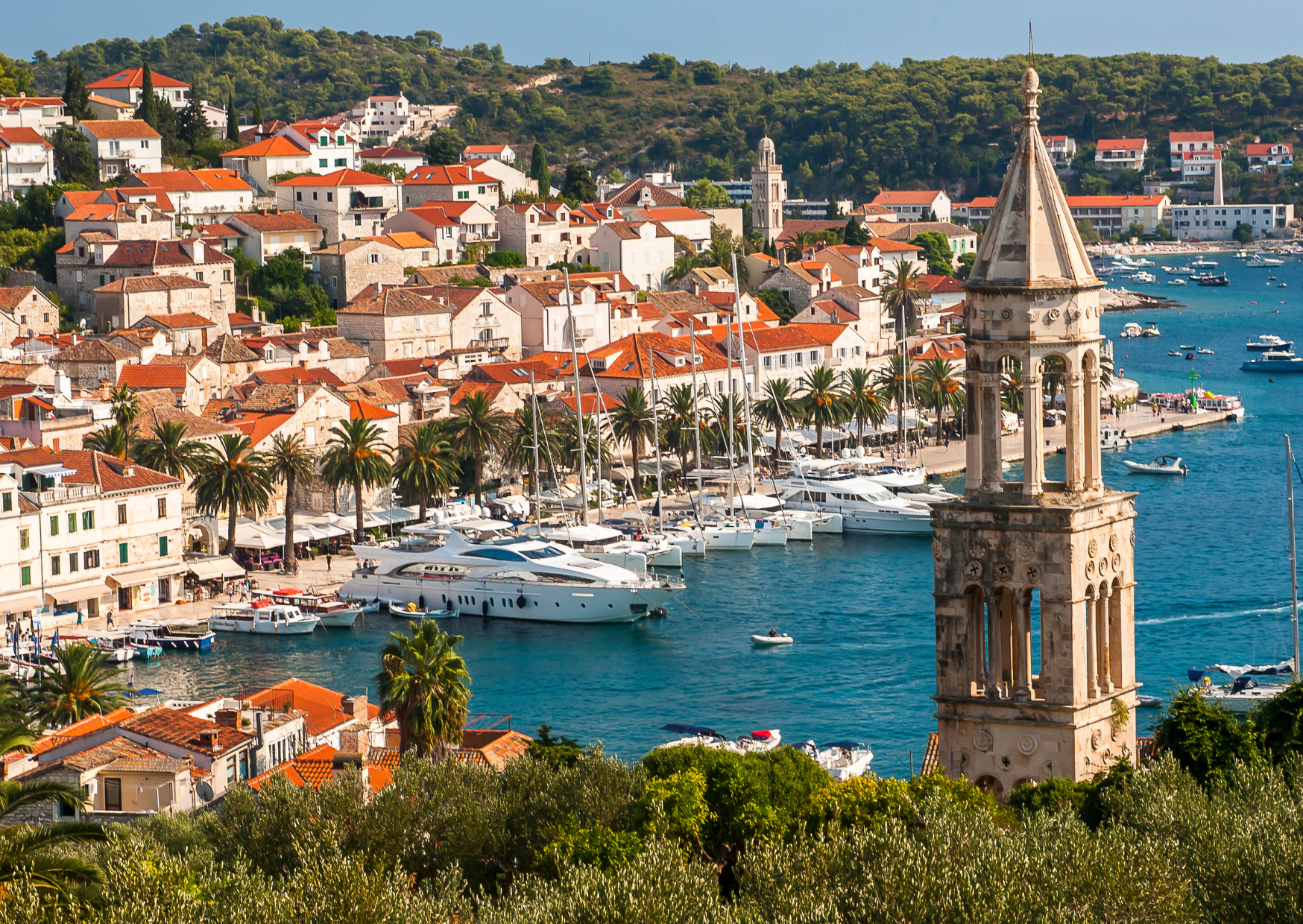
Since joining the Schengen Zone in 2023, Croatia has gone from hidden gem to serious relocation contender.
- The country offers a digital nomad visa that allows Americans to stay up to one year—without paying local income tax if the job is overseas.
- The required monthly income is around €2,300 per month, and the application process is now available online and in English.
- Rent in coastal towns like Split and Zadar remains significantly lower than most Western cities.
While Croatia used to be a tough country to settle in long-term, 2025 brings stable residency pathways and clearer visa rules that make it an easy entry point into the EU experience—especially for remote workers who don’t need city hustle.
6. Estonia: The Quiet Tech Haven With Long-Stay Options
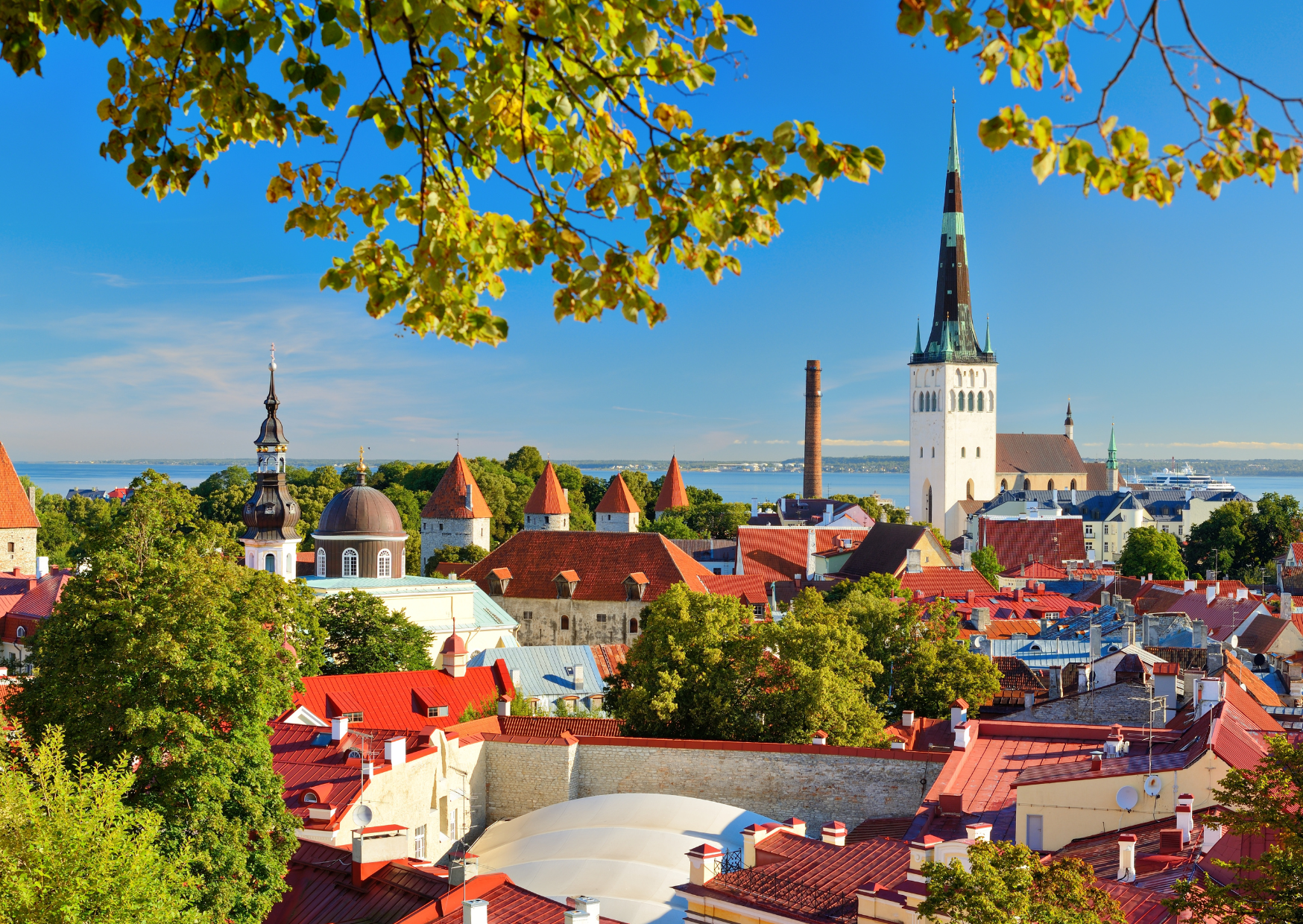
Often overlooked, Estonia is quietly positioning itself as a long-term base for digital-first Americans.
- The Digital Nomad Visa remains in place for Americans who work online and earn at least €3,500 monthly.
- Estonia’s “e-Residency” program continues to attract freelancers who want to register a business in the EU without needing to live there full-time.
- Residency extensions and tech infrastructure make Estonia a surprisingly smooth home base, especially for solo professionals or startup founders.
While winters are long, the bureaucracy is short, and Estonia offers one of the most transparent systems in Europe for visa applicants.
7. France: Not the Easiest—But Quietly Becoming More Flexible

France might not seem like the obvious choice, given its reputation for red tape. But 2025 has brought incremental changes that matter.
- The “visitor visa” still allows Americans to stay up to 12 months without working in France, provided they can show adequate savings or retirement income (around €1,500–€2,000 per month).
- French consulates in the U.S. have shortened appointment wait times and now offer clearer application instructions in English.
- Rural regions and smaller towns have launched initiatives to attract long-term foreign residents, including housing assistance and community integration programs.
France is still France—you’ll need patience—but for Americans who can prove financial independence and want cultural immersion, 2025 is shaping up as a more welcoming year than ever before.
The European Door Is Quietly Opening
While media attention often focuses on high-profile “Golden Visas” or expensive residency routes, a quieter revolution is happening across Europe in 2025.
Countries from Portugal to Estonia are realizing that welcoming responsible, independent Americans—especially remote workers and retirees—brings cultural exchange and economic vitality without overcrowding or overreach.
You do not need a six-figure salary or European ancestry to live in Europe legally.
What you need is:
- A modest, steady income (often under $3,000/month)
- A clear application
- Patience with the process
- And a real desire to integrate, not just visit
If you’ve been dreaming about building a life abroad, this year might be your moment to act.
Securing long-term stays in Europe has long been seen as a complicated and often intimidating process for many Americans. But 2025 is quietly shaping up to be a turning point. Several European countries are introducing more flexible visa pathways designed to attract foreign professionals, retirees, and investors. This shift reflects a growing interest in international mobility and a recognition of the economic benefits that long-term visitors can bring.
For many Americans, these policy changes open doors to a lifestyle once reserved for those with citizenship or high-net-worth status. Whether it’s spending extended time in a sunny Mediterranean country or exploring work-from-abroad opportunities, the possibilities are expanding.
This trend isn’t just about paperwork—it’s about accessibility. As borders soften for certain types of travelers, living in Europe for an extended period is becoming more achievable than ever before, turning what once felt like a dream into a tangible goal.

About the Author: Ruben, co-founder of Gamintraveler.com since 2014, is a seasoned traveler from Spain who has explored over 100 countries since 2009. Known for his extensive travel adventures across South America, Europe, the US, Australia, New Zealand, Asia, and Africa, Ruben combines his passion for adventurous yet sustainable living with his love for cycling, highlighted by his remarkable 5-month bicycle journey from Spain to Norway. He currently resides in Spain, where he continues sharing his travel experiences with his partner, Rachel, and their son, Han.