
And What It Reveals About Expectations, Etiquette, and Quiet Adaptation in Hospitality
Book a hotel in Greece, Italy, or Spain, and you’ll likely be greeted with warmth.
Smiles, keys handed over, maybe a glass of something cool while you wait.
Mediterranean hospitality is real—generous, seasoned, and deeply human.
But behind the warmth lies something else: a subtle choreography of adjustment.
Because as welcoming as Mediterranean hotels are, they do treat American guests differently.
Not in obvious ways.
Not out of judgment.
But out of necessity.
Years of experience have taught staff how to preempt misunderstandings, lower frustration, and gently adjust cultural mismatches. The result? A parallel experience that feels seamless—but is quietly customized.
Here are 9 subtle ways Mediterranean hotels change their approach when Americans check in—and what it reveals about the unspoken expectations each side brings to the table.
Want More Deep Dives into Other Cultures?
– Why Europeans Walk Everywhere (And Americans Should Too)
– How Europeans Actually Afford Living in Cities Without Six-Figure Salaries
– 9 ‘Luxury’ Items in America That Europeans Consider Basic Necessities
Quick Easy Tips
Research the hotel thoroughly: Look beyond star ratings and read international guest reviews to spot patterns.
Communicate expectations early: Email the hotel before arrival with any specific requests or questions.
Ask about fees upfront: Some extras may be included for local guests but not for tourists.
Blend in when possible: Avoid obvious behaviors that signal you’re an “easy upsell” guest.
Book directly when you can: Third-party bookings sometimes flag you for different treatment.
One of the more sensitive realities of Mediterranean travel is that American guests are often seen as “high-value customers.” Hotels may assume they’re willing to spend more, leading to subtle markups or upselling strategies. While this is a business tactic rather than personal bias, it creates an uneven playing field compared to European travelers who may pay less for similar services.
Another layer of controversy comes from service expectations. American travelers often expect a higher level of attentiveness, air conditioning, larger rooms, and fast service, while many Mediterranean hotels operate with a more laid-back, local rhythm. To some, accommodating these preferences is good hospitality. To others, it’s seen as bending to foreign expectations at the expense of authenticity.
There’s also tension among travelers themselves. Some Europeans quietly resent the perception that Americans receive extra conveniences, while some Americans feel they’re not getting the same local experience as other guests. This cultural gap isn’t always intentional on the hotel’s part, but it reveals how travel, money, and perception often intersect in subtle but powerful ways.
1. They Offer More (or Earlier) Ice—Without Being Asked
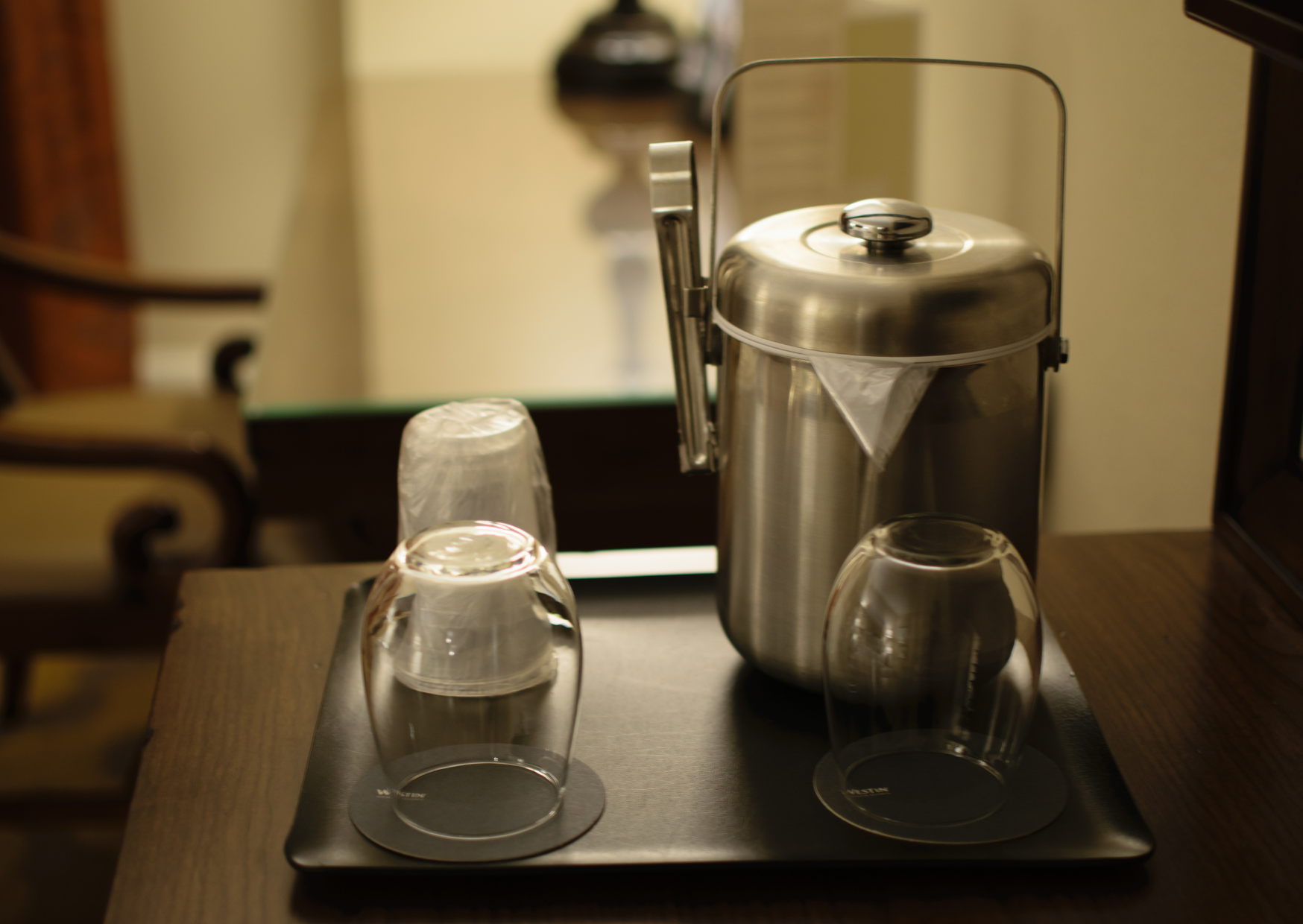
In much of the Mediterranean, ice is used sparingly.
A few cubes, if any. Room-temperature water is considered better for digestion, especially in Italy and Greece.
But hotel staff know that many Americans:
- Want ice-cold drinks
- Expect glasses filled to the brim with cubes
- Associate “refreshing” with cold, not flavor
So hotels often pre-stock extra ice, add ice buckets to rooms, or quietly bring more when they see a U.S. passport.
They won’t mention why. But they know: if the water isn’t freezing, a complaint is likely.
2. They Rehearse Appliance Instructions for One Very Specific Audience
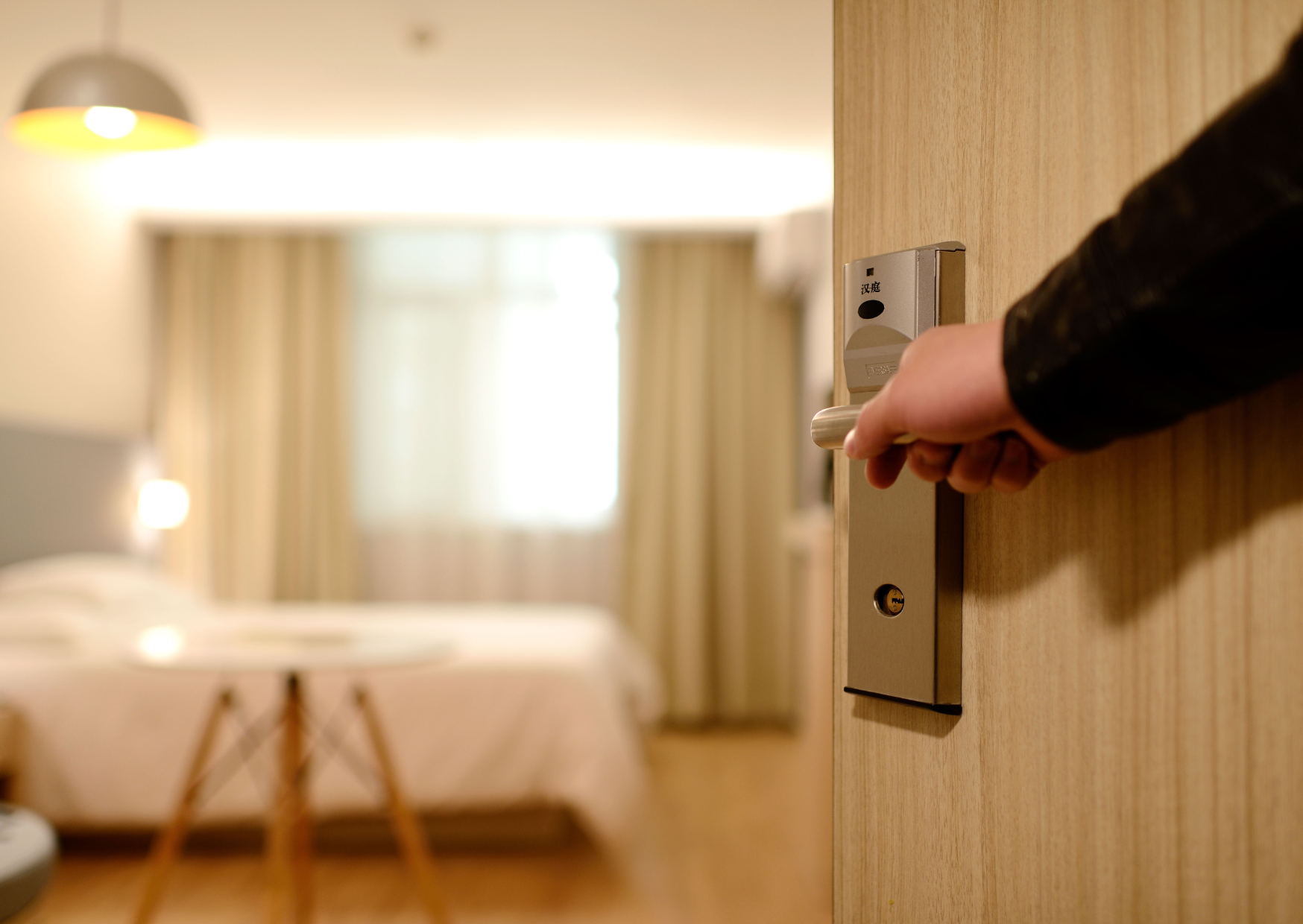
That quirky AC remote?
The bidet in the corner?
The key card that turns on the electricity?
The elevator that won’t move unless the button is pressed just right?
Most Mediterranean travelers shrug and adjust. But for American guests, hotel staff will often:
- Give slightly longer instructions at check-in
- Offer to walk you to the room and demonstrate
- Anticipate confusion around things locals find intuitive
Why? Because American homes don’t typically use:
- Bidets
- Key-activated power systems
- Wall-mounted AC split units
- Manual window shutters
Rather than waiting for the “how does this work?” call, hotels now preemptively coach American guests, gently and thoroughly.
3. They Avoid Talking Politics—Even When Other Guests Bring It Up
Mediterranean hotel staff often chat freely with European travelers about current events, local elections, or cultural trends.
But with Americans, they tend to:
- Stick to lighter topics
- Focus on food, views, and tips
- Steer conversations away from sensitive global issues
This isn’t because they’re afraid. It’s because experience has taught them that some American guests become visibly uncomfortable—or overly defensive—if the topic turns political.
To avoid tension, many staff default to neutrality.
They’ll nod, smile, and pivot the moment it feels risky.
4. They Know the Breakfast Buffet Needs More Eggs and Bacon

A typical Mediterranean breakfast includes:
- Bread
- Cheese
- Sliced meats
- Pastries
- Yogurt
- Tomatoes and olive oil
But when Americans check in, many hotels quietly:
- Add scrambled or fried eggs
- Include sausage or bacon
- Keep peanut butter or cold milk on hand
They don’t advertise it. But it’s understood that the American palate leans toward hot, protein-heavy, and savory breakfasts—not sweet or carb-based starts.
You may think that bacon was always on offer.
But chances are, it was stocked just for you.
5. They Quietly Translate Cultural Formalities Into Casual Instructions
Mediterranean hospitality is full of subtleties:
- Waiting to be invited to enter a room
- Using formal language at check-in
- Speaking in regional greetings, not just “hello”
But with American guests, staff often shift into a more casual, straightforward tone, including:
- Speaking in first names
- Giving brief, clear instructions
- Skipping layered formalities in favor of ease
This isn’t to be less polite—it’s to meet Americans where they are, avoiding confusion that can happen when social codes differ.
6. They Prepare for Requests That Locals Don’t Make
Hotel staff across the Mediterranean have learned to expect certain questions from Americans, including:
- “Can I get ice water to go?”
- “Do you have decaf coffee?”
- “Is there a clothes dryer?”
- “Can I have a top sheet?”
- “Do you have a washcloth?”
Most of these requests don’t align with local customs. But staff are often trained specifically to handle them smoothly, without drawing attention or showing surprise.
They might have a stash of extra top sheets.
They might have an American-style filter coffee maker tucked in the kitchen.
They might offer towel swaps more frequently.
These touches are rarely visible to other guests—but they’re quietly deployed when needed.
7. They Keep an Eye on the Air Conditioning Remote

In much of southern Europe, especially in older or family-run hotels, AC usage is monitored. Electricity is expensive, and locals typically only cool rooms at night, or when it’s truly unbearable.
But American guests are used to full-time AC—including in empty rooms.
So what happens?
- Staff may disable AC when you’re out (via keycard or front desk override)
- They may cap the minimum temperature
- They may gently suggest opening the window “like we do here”
But they’ll never say: you’re overusing it.
Instead, they manage it discreetly—trying to balance comfort with sustainability, without confrontation.
8. They Use Subtle Phrasing to Reinforce Time Norms
In Mediterranean cultures, time is fluid. Check-in is “around 2.” Dinner starts “from 8.” Breakfast goes “until about 10:30.”
But American travelers often prefer fixed times and firm guarantees.
So hotel staff will:
- Emphasize clear opening/closing hours
- Offer printed schedules
- Say things like “we recommend arriving no later than…”
- Clarify when housekeeping will come, rather than letting it happen loosely
They’re not doing this for German or French guests.
They’re doing it because they’ve learned Americans get anxious when time isn’t tightly managed.
9. They Shield You (Gently) From Local Frustrations
If the bus is late, if the elevator is broken, if there’s no hot water for a few hours—Mediterranean travelers often accept it with a shrug.
But hotel staff know that many Americans expect prompt fixes, apologies, and service recovery.
So they’ll:
- Explain issues more thoroughly
- Apologize even when it’s not their fault
- Offer a free drink, room upgrade, or taxi call
- Remove the local context (strikes, bureaucracy, shared infrastructure) to keep things smooth
They’re not patronizing.
They’re protecting your vacation from cultural friction.
They’ve done it for years. They’re experts at it.
One Guest, Two Experiences
To the American traveler, everything seems welcoming, relaxed, and personalized.
And it is.
But behind the scenes, Mediterranean hotel staff are adjusting constantly:
- Softening culture shocks
- Translating expectations
- Anticipating tension points before they appear
One guest sees an extra bowl of ice.
The other never needed it.
One guest gets instructions for the AC remote.
The other figured it out ten years ago.
This isn’t about favoritism. It’s about hospitality as cultural interpretation.
And in Mediterranean hotels, that interpretation is practiced with grace, warmth, and quiet expertise—even when they know you left the AC on all day.
Traveling to the Mediterranean Sea region can feel magical, but behind the charm of coastal views and historic architecture, hotels often adjust their service depending on where their guests come from. Americans, in particular, tend to experience subtle differences in how they’re treated—sometimes for the better, sometimes not. These differences aren’t always obvious at first, but they can shape the overall travel experience in unexpected ways.
Some hotels may cater more to American guests with added conveniences, English-language materials, or familiar amenities. Others, however, may make quiet assumptions about American travelers, leading to different pricing strategies, service styles, or room allocations. This is less about discrimination and more about how businesses adapt to cultural expectations and spending habits.
Recognizing these differences can help travelers navigate their stay more confidently. When you understand how your nationality may influence your treatment, you can make smarter choices, communicate more clearly, and avoid paying extra for things locals or other tourists get by default.

About the Author: Ruben, co-founder of Gamintraveler.com since 2014, is a seasoned traveler from Spain who has explored over 100 countries since 2009. Known for his extensive travel adventures across South America, Europe, the US, Australia, New Zealand, Asia, and Africa, Ruben combines his passion for adventurous yet sustainable living with his love for cycling, highlighted by his remarkable 5-month bicycle journey from Spain to Norway. He currently resides in Spain, where he continues sharing his travel experiences with his partner, Rachel, and their son, Han.