
And what it reveals about labels, cultural enforcement, and why one continent posts signs while the other just shrugs
Every summer, American tourists look for the signs. They ask locals. They Google. They hunt for beaches labeled “topless,” “naturist,” “clothing optional,” or “FKK.” They’re trying to follow the rules. But what they don’t realize is that in much of Europe, those labels are barely relevant. Toplessness happens everywhere—whether or not a sign invites it.
Across France, Spain, Germany, Greece, and Italy, you’ll find women of all ages sunbathing, swimming, or strolling without bikini tops. Sometimes there’s a posted notice. More often, there isn’t. And nobody minds. These aren’t naturist beaches. They’re just beaches. And the absence of tops is no more surprising than the presence of towels.
This isn’t lawlessness—it’s a kind of social logic. In European beach culture, designation is about nudity. Not toplessness. The difference matters. In the U.S., removing a bikini top can feel like a statement, a risk, or a spectacle. In Europe, it’s a way to tan evenly and avoid wet elastic. The cultural meaning isn’t written on a sign. It’s absorbed through decades of public normalcy.
Here’s why beach labels in Europe are more about form than function—and why Americans keep searching for signs that Europeans stopped needing years ago.
Want More Deep Dives into Everyday European Culture?
– Why Europeans Walk Everywhere (And Americans Should Too)
– How Europeans Actually Afford Living in Cities Without Six-Figure Salaries
– 9 ‘Luxury’ Items in America That Europeans Consider Basic Necessities
Quick Easy Tips
Observe before reacting. Notice how locals behave on the beach before making assumptions.
If topless sunbathing makes you uncomfortable, choose a quieter area rather than judging those around you.
Remember that topless sunbathing in Europe isn’t inherently sexual—it’s a cultural norm.
Respect others’ personal choices, even if they’re different from what you’re used to.
Learn about local beach etiquette before visiting to avoid misunderstandings.
The difference in beach culture between Europe and the U.S. often sparks debate. Many Americans view topless sunbathing as shocking or inappropriate, while Europeans see it as ordinary and harmless. This cultural divide highlights how attitudes toward the human body can be shaped by societal values rather than universal truths.
In many European countries, beach signs are not strictly enforced because the focus is on personal responsibility rather than control. Authorities trust people to behave respectfully without needing strict oversight. In the U.S., by contrast, rules are often tied to moral standards and public image, making such freedoms less common.
The controversy deepens when tourists bring their own cultural expectations to foreign beaches. Some may film, stare, or judge, not realizing how inappropriate that behavior is in local contexts. Understanding these cultural nuances is essential—not just for respectful travel, but for avoiding unnecessary misunderstandings and discomfort on both sides.
1. Toplessness isn’t nudity. It’s continuity
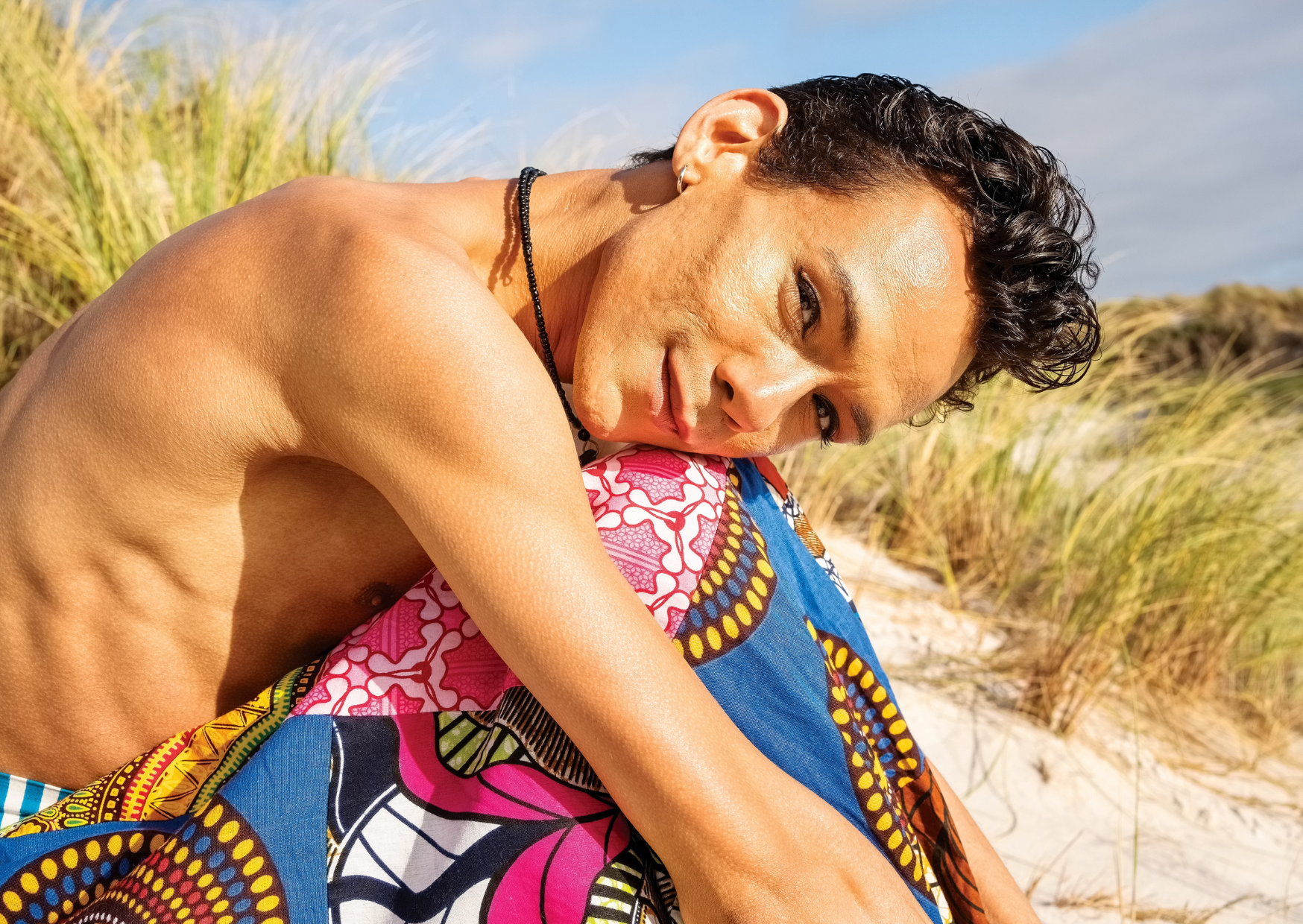
In much of Europe, toplessness isn’t coded as nudity. It’s something else—less political, less provocative, more practical. Women remove their tops to avoid tan lines, to dry off quickly, or because they always have. There’s no age restriction. There’s no need for permission.
This started decades ago, particularly in France and Germany, where the postwar era normalized topless sunbathing as a break from conservative dress. What began as a liberating gesture became routine. And once it became routine, it no longer required a label.
You’ll still find signs at official naturist beaches—places where full nudity is expected and regulated. But on regular public beaches, toplessness is part of the landscape. Grandmothers, teenagers, and new mothers all make their own choices. No one stares. No one applauds. No one posts about it.
The cultural expectation is clear: do what’s comfortable, and don’t disrupt anyone else. That makes designation almost irrelevant. The sign doesn’t define behavior. The behavior has already shaped the culture.
2. Labels are legal buffers, not social boundaries

European countries often post designations like “Naturist Area” or “Zona Nudista” not to allow something, but to preempt complaints. The signs exist so that authorities can say: this space is regulated. This space was marked. You were warned.
But in practice, these signs don’t prevent people from going topless on non-designated beaches. Women remove their tops on city beaches in Barcelona, local coves in Marseille, and pebbled bays in Greece—no designation required. If there’s no full nudity, no one enforces anything.
This differs from the U.S., where labels matter more because public exposure is legally risky. American beachgoers look for clear boundaries because they expect consequences. In Europe, people expect latitude.
So while Americans may be looking for validation—“Is this allowed here?”—Europeans are more likely to ask: “Is this bothering anyone?” If the answer is no, then no sign is necessary. The absence of conflict becomes the guideline.
3. The American impulse to categorize meets a culture that doesn’t
American beachgoers, especially first-timers in Europe, often want structure. They want to know: Is this a nude beach? A topless beach? A family beach? A gay beach? But European beaches aren’t labeled that way. They’re mixed-use by default.
You’ll find topless women near toddlers. Gay couples next to extended families. Young solo travelers beside retired locals. It’s not chaotic—it’s relaxed. There’s no separation because bodies aren’t treated as disruptive by category.
In the U.S., the beach is often segmented. There are family zones, lifeguard zones, surf zones, and sometimes designated nude beaches. People move within structure. In Europe, people move within context. If it’s not harmful, it’s permitted.
This difference explains why American tourists may find themselves confused. They look for zones that don’t actually exist. They ask if it’s okay to go topless in places where everyone already is. And they often miss the quiet genius of a system that functions without constant signage.
4. Toplessness happens by presence, not permission

No one waits for a cue. In Europe, toplessness emerges when a few women remove their tops, and others follow suit. It happens naturally, without discussion. No one asks. No one votes. It’s observational permission.
This means the same beach may shift tone throughout the day. In the morning, it’s mostly clothed. By afternoon, half the women are topless. On a windy day, fewer remove tops. On a calm day, more do. It’s fluid.
American tourists often ask: “Is this a topless beach?” But locals don’t think of beaches that way. They think of people, weather, and mood. There’s no fixed category—just current behavior.
This flexibility allows more freedom. You’re not locked into a rule. You’re reading the moment. That’s why Europeans rarely need a sign. The beach tells them what’s happening. And they adjust.
5. Clothing-optional zones still exist but are increasingly irrelevant
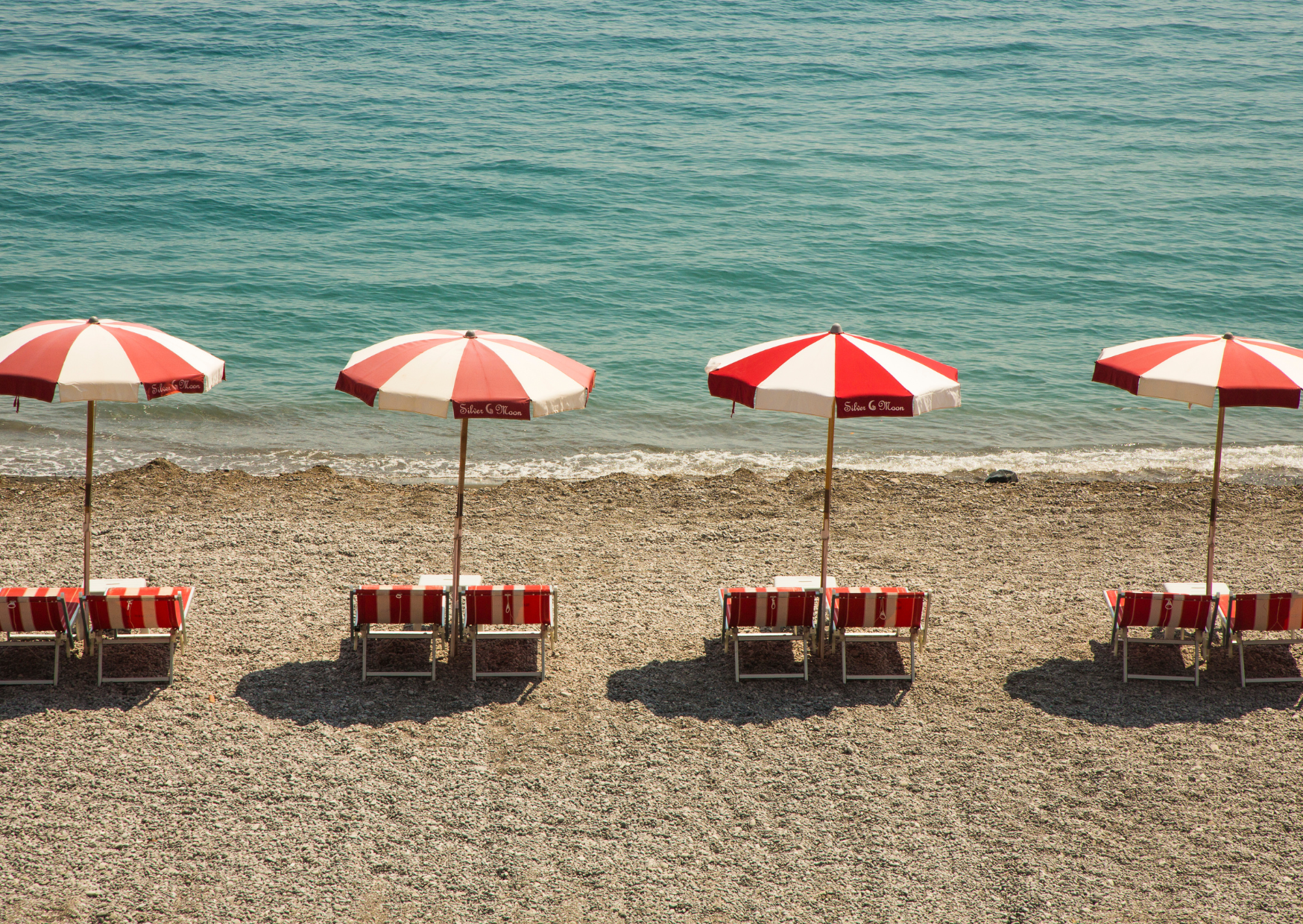
Yes, Europe still has designated naturist beaches. Spain has dozens. France has hundreds. Germany has entire lakes. These zones are clearly marked and legally protected. But the need for them has shrunk. Because toplessness isn’t controversial anymore.
For full nudity, these areas still serve a purpose. They provide space for total body freedom without risk of harassment or legal grey zones. But for simple topless sunbathing? Most women don’t bother seeking them out.
The irony is that American tourists often go out of their way to find these beaches—while the exact thing they’re looking for is already happening all around them. They walk past it without recognizing it.
It’s not that Europe doesn’t designate. It’s that designation is now the exception, not the default. When the public norm already includes toplessness, the signs become background noise.
6. Age and gender don’t limit exposure

Perhaps the most culturally distinct feature of European beaches is their inclusivity. A woman in her 70s removes her top to tan. A mother breastfeeding sits topless with her toddler. A teenager reads a book with her straps tucked away. No one shuffles. No one whispers.
There’s no “acceptable age” for toplessness. There’s no body type threshold. If you want to remove your top, you do. And because that freedom has existed for decades, younger generations grow up knowing it’s not unusual.
American tourists sometimes express discomfort—not because they’re offended, but because they’re surprised. The visibility of aging female bodies, in particular, counters everything they’ve learned about beach culture back home.
But in Europe, visibility is not a spectacle. It’s just part of public life. And that presence reduces the need for signage. Everyone knows what’s allowed, because it’s already happening.
7. Even when signs exist, no one looks at them
Most beach entrances have a map or a regulation board. But very few people read them. Europeans walk past. They know what to expect. The only people who really stop to look are often visitors.
This isn’t recklessness—it’s experience. When a behavior has been normalized for decades, people don’t need constant reminders. It’s like asking whether you can sit on a bench. If it’s not marked off, of course you can.
This also explains why tourists sometimes feel lost. They want clarity. They want signage to tell them what to do. But they’re in a culture where signage is often just a formality, not a guide.
So they spend time trying to decode a system that doesn’t need decoding. The rules are simple: look around. Do what makes sense. Respect space. And that unspoken code works better than any printed one.
8. You’ll find more topless people outside the labeled zones than inside
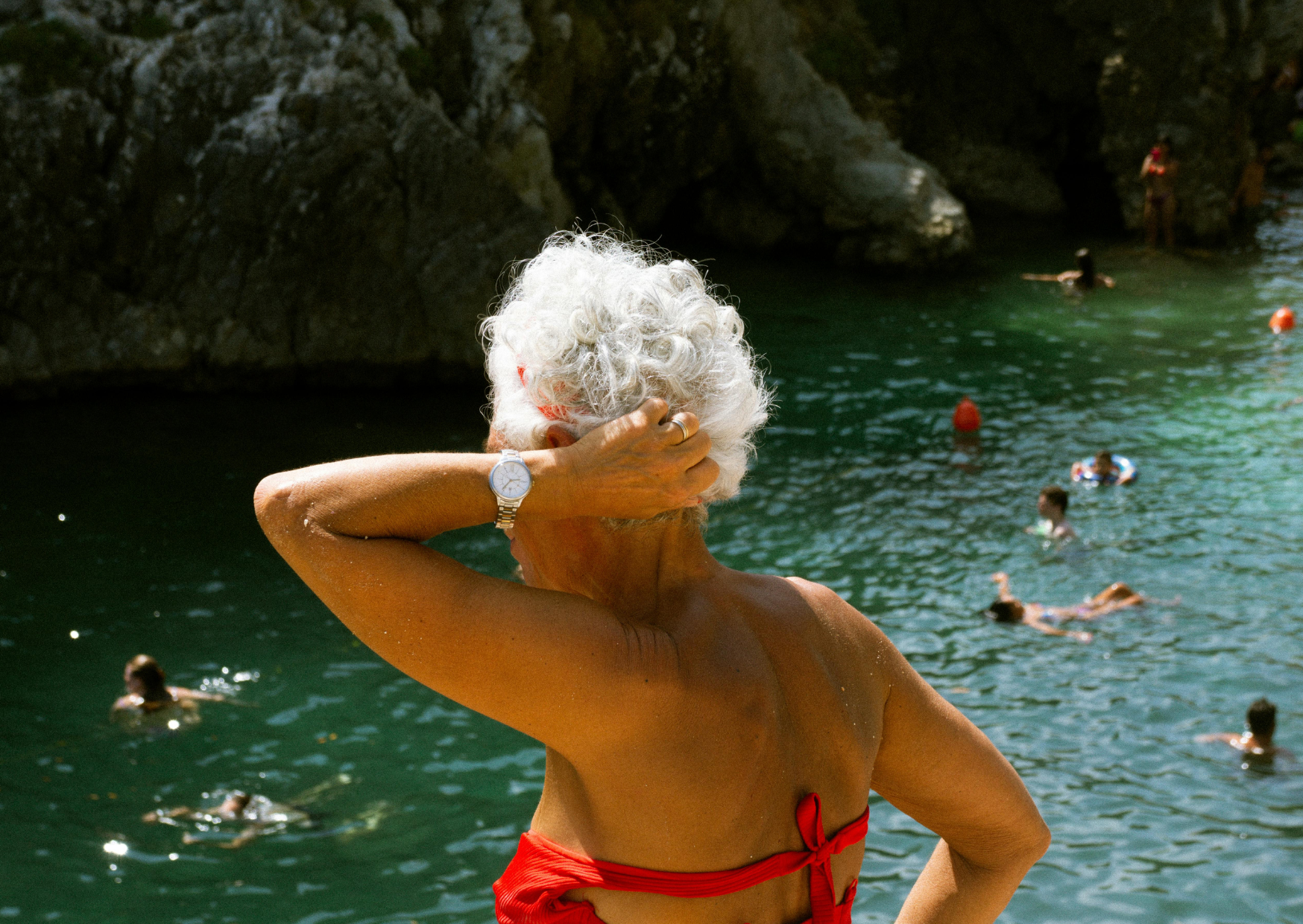
This is the final surprise. Many Americans assume that toplessness happens only where it’s sanctioned. But in Europe, the labeled zones are often the least topless places.
Designated naturist areas attract committed nudists, regulars, and full-body sunbathers. But on ordinary beaches—municipal stretches in Nice, community coves in Mallorca, casual coasts in Naples—you’ll find dozens of topless women doing ordinary things.
These are not niche beaches. They’re default beaches. No label required. The only reason you might not notice is because no one is reacting. And in that stillness, you learn something: when freedom becomes familiar, it doesn’t need signs.
That’s what American tourists miss. The moment you stop looking for designation, you begin to see what’s already there.
Final Thoughts
When it comes to beach culture, Europe operates on an entirely different wavelength than United States. While Americans often associate beaches with a long list of rules and restrictions, many Europeans see them as spaces of freedom and personal expression. This difference is especially clear when it comes to topless sunbathing, which is often accepted as normal—even in places where signs suggest otherwise.
To many Europeans, beach signs are guidelines, not strict rules. The cultural attitude toward the body is more relaxed, and sunbathing topless isn’t seen as provocative but as a natural and personal choice. This lack of over-policing creates a more laid-back environment where people are less concerned about what others are doing.
For travelers, understanding this mindset can make beach visits far more enjoyable. Rather than feeling shocked or judgmental, embracing the cultural norm—or simply respecting it—can turn a confusing moment into a deeper appreciation of how different societies view personal freedom.

About the Author: Ruben, co-founder of Gamintraveler.com since 2014, is a seasoned traveler from Spain who has explored over 100 countries since 2009. Known for his extensive travel adventures across South America, Europe, the US, Australia, New Zealand, Asia, and Africa, Ruben combines his passion for adventurous yet sustainable living with his love for cycling, highlighted by his remarkable 5-month bicycle journey from Spain to Norway. He currently resides in Spain, where he continues sharing his travel experiences with his partner, Rachel, and their son, Han.