
Last updated on October 27th, 2025 at 07:18 am
A friend just moved from Manhattan to Lisbon. Her NYC studio that cost $3,200 and had a view of a brick wall? She now has a two-bedroom with a river view for €800. With a balcony. Where she drinks wine and doesn’t hear sirens.
She makes the same remote salary. Lives like royalty instead of a struggling peasant. The math is so stupid it hurts.
The Rent Reality That Breaks American Brains

NYC: $3,000-4,000 for a studio where you can touch both walls at once Lisbon: €800-1,200 for an actual apartment with rooms, plural
But that’s not even the whole story. The Lisbon apartment includes:
- Sunlight (revolutionary)
- A kitchen that fits more than one person
- No rats (probably)
- Windows that open
- Neighbors who aren’t screaming at 3 AM
- A neighborhood where you won’t get stabbed
The NYC studio includes:
- Depression
- A “kitchen” that’s three appliances in a closet
- Definitely rats
- A window that faces another window 3 feet away
- The constant fear of everything
My friend’s Lisbon apartment is in Príncipe Real. That’s like… the nice area. Her NYC studio was in deep Brooklyn where the subway sometimes worked.
What €800 Monthly Actually Gets You

Portuguese person’s €800 monthly budget:
- Rent: €600 (one-bedroom, decent area)
- Utilities: €50
- Internet: €30
- Phone: €20
- Transport pass: €40
- Whatever’s left: Food? Wine? Life?
New Yorker’s $3,000 monthly:
- Rent for half a room in Bushwick
- Nothing else
- You need another $2,000 minimum to survive
- Hope you like ramen
The Portuguese complain their salaries are low. Average salary in Lisbon: €1,200. They’re right, that’s not much. But they’re also not spending 70% on rent for a closet with aspirations.
The Healthcare Bomb Nobody Expects
Portuguese health insurance: €50 monthly for private coverage. Good coverage. The kind where you can see doctors whenever.
NYC health insurance: $400-800 monthly for the privilege of arguing with insurance companies about whether you really need that medication to not die.
My friend got sick in Lisbon. Walked into a private clinic. Saw a doctor in 20 minutes. Got prescription. Paid €60 total. No insurance involved. Just… healthcare.
Same issue in NYC last year cost her $400 after insurance, three phone calls, two rejected claims, and a mental breakdown.
Transportation Costs That Don’t Make Sense

Lisbon: €40 monthly pass. Unlimited metros, buses, trams, ferries. Even the fancy historical trams tourists pay €6 to ride.
NYC: $127 monthly. Subway smells like pee. Probably delayed. Definitely overcrowded. Someone’s having a mental health crisis in your car. This is normal.
But here’s the thing—in Lisbon, you can actually walk places. Revolutionary concept. The city is built for humans, not cars. NYC, you walk 20 blocks to save $2.75 and arrive sweaty and angry.
Uber in Lisbon: €5-8 anywhere in the city Uber in NYC: $30 minimum to go 10 blocks because “surge pricing”
Food Costs That Make Me Angry
Lisbon lunch at a tasca (local restaurant): €8-10
- Soup
- Main dish (fish or meat)
- Wine or beer
- Coffee
- Dessert sometimes
- Dignity
NYC lunch at a sad salad place: $18-22
- Lettuce with depression
- Three pieces of chicken if you pay extra
- Water is $4
- They expect a 20% tip for putting leaves in a box
Lisbon coffee: €0.70 at a cafe where you sit and exist NYC coffee: $7 for burnt Starbucks you drink while speed-walking
Groceries for a week:
- Lisbon: €30-40 at the market
- NYC: $150 at Whole Foods for basically the same stuff
The Beach Situation Nobody Talks About

Lisbon: 30 minutes to actual beaches. Free beaches. Atlantic ocean beaches. Take the train for €2.50.
NYC: Coney Island exists and that’s… that’s all I’m going to say about that. The Hamptons? Sure, if you have a car and $500 for a weekend.
Portuguese people complain about Lisbon beaches being too crowded. New Yorkers go to Rockaway and pretend it’s nice while stepping on syringes.
Quality of Life Metrics That Matter
Lisbon:
- Sunshine: 290 days per year
- Walkable: Everything within 20 minutes
- Outdoor dining: 10 months per year
- Wine at lunch: Normal and encouraged
- Dinner at 9 PM: Standard
- Stress level: Mediterranean
NYC:
- Sunshine: When buildings allow
- Walkable: If you don’t mind garbage mountains
- Outdoor dining: In rats’ territory
- Wine at lunch: “Do you have a problem?”
- Dinner at 9 PM: “Kitchen’s closed”
- Stress level: Heart attack by 40
The Work-Life Balance Joke

Portuguese professional: Works 9-6 with a real lunch break. Five weeks vacation. Actually uses it. Leaves work at work.
NYC professional: Works 8-8 minimum. Lunch at desk. Two weeks vacation if lucky. Checks Slack from vacation. Dies at desk. Company replaces them next day.
My friend works NYC hours in Lisbon because her company doesn’t know she moved. Finishes at 5 PM Lisbon time. Has an entire evening. Goes to miradouros (viewpoints) to drink wine and watch sunsets like she’s in a movie.
Her NYC evening was: Subway home (45 minutes if lucky), pickup takeout, eat while watching Netflix, sleep, repeat until dead.
The Savings Math That’s Embarrassing
NYC salary: $85,000 After expenses: Negative somehow
Lisbon with US remote salary: $85,000 After expenses: Saves $4,000 monthly
She’s saving more in “poor” Portugal than she ever could in “rich” New York. The math is stupid but it’s real.
Her NYC friends think she’s insane for leaving. They’re paying $2,000 to share a room and she’s insane?
What €800 of Life Looks Like Daily
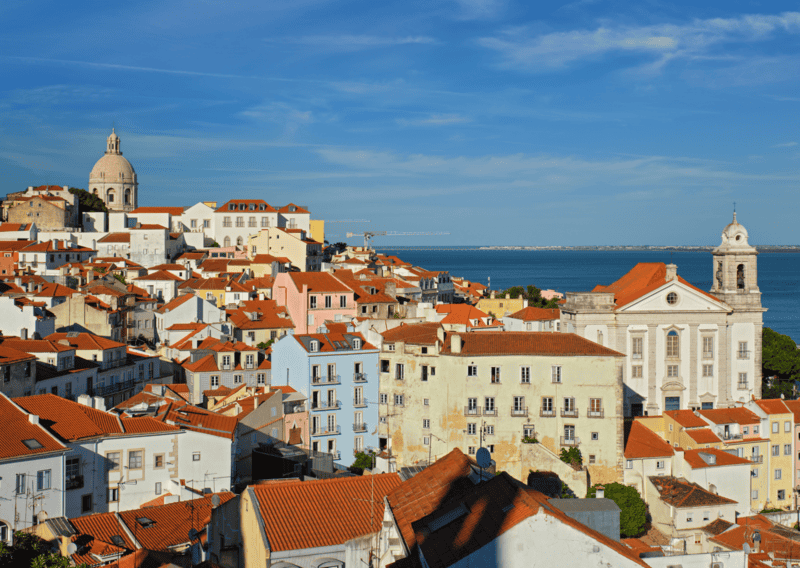
Morning: Coffee at neighborhood cafe (€0.70). Old men arguing about football. Sun shining. Walk to work or work from home or work from a miradouro because why not.
Lunch: Full meal at restaurant (€9) or cook something from the €2 vegetables you bought at the market. Drink wine. Take actual break. Novel concept.
Afternoon: Work but with windows open. Sea breeze. Not listening to sirens or construction or screaming.
Evening: Sunset at a miradouro with €2 wine. Or dinner out for €15. Or cook while listening to fado through the window. Or just… exist without spending money.
Weekend: Beach. Or Sintra. Or just walking around because the city is actually beautiful and not a concrete hellscape.
The Things You Can’t Buy in NYC
Time. Portuguese have time. Time for coffee. Time for lunch. Time for conversation. Time for life.
Space. Physical space. Mental space. Breathing room. The ability to exist without being compressed.
Calm. The city has energy but not anxiety. Movement but not panic. Life but not insanity.
Community. Your neighbors know you. The cafe owner knows your order. The fruit vendor saves the good peaches for you. You’re a person, not consumer unit #4,847,293.
Safety. Women walk alone at 2 AM. Kids play in squares. Tourists leave phones on tables. Crime exists but it’s like… someone stole a bicycle, not someone got pushed onto subway tracks.
The Visa Situation (The Catch)
D7 visa (passive income): Need €9,000 in savings Digital nomad visa: Need remote job Golden visa: Need €500,000 (used to be €350,000)
NYC visa requirements: Be American or marry American or have company sponsor you for years or be Canadian and lie.
The irony? It’s easier for Americans to move to Lisbon than for Portuguese to move to NYC.
Portuguese need to prove they won’t be “public charges.” Americans need to prove they have a laptop and a Zoom account.
What’s changed
In Portugal, residents are taxed on their worldwide income, and in 2025 the personal income tax brackets for residents now range from about 12.5% up to 48% (depending on income) plus solidarity surcharges.
The previous flagship regime, the NHR (Non-Habitual Resident) status, allowed many new Portuguese tax residents to enjoy favourable tax treatment on foreign-source income (dividends, interest, capital gains, pensions) under certain conditions.
That regime has been phased out for most new applicants and replaced by the IFICI programme. Under IFICI (often described as “NHR 2.0”), only individuals who qualify (principally via “highly qualified professions”, innovation or research roles, or certain strategic activities) may benefit from special tax treatment.
Among the changes is the fact that foreign-sourced income such as pensions, dividends, and capital gains are now more tightly controlled and often taxed at the regular resident rates unless covered by a double tax treaty or other specific exemption.
What the Portuguese Think About This
They’re not happy. Locals making €900/month compete with Americans making $5,000/month for apartments. Rents are rising. Cafes are becoming “co-working spaces.”
Traditional tascas close, replaced by brunch places selling €15 avocado toast to digital nomads who could eat for €5 at the tasca.
It’s gentrification but transcontinental. The same thing happening to Brooklyn but with pastéis de nata.
Some neighborhoods are basically Little California now. You hear more English than Portuguese. Yoga studios everywhere. Oat milk at every cafe. The Portuguese eye-roll is becoming an art form.

Why People Actually Leave
It’s not just money. It’s that NYC breaks you. The city demands everything—money, energy, sanity, youth—and gives back anxiety and the privilege of saying you “made it.”
Made what? Made yourself miserable in the most expensive way possible?
Lisbon offers the opposite trade. Less money, more life. Less stress, more time. Less stuff, more experiences.
My friend hasn’t been to a museum in NYC in three years. Too expensive, too crowded, too exhausting. She’s been to every museum in Lisbon. They’re €5. Sometimes free. Never crowded. She has time.
The Social Life Cost Comparison
NYC night out:
- Drinks: $15 each minimum
- Dinner: $50-100 per person
- Uber home: $40
- Total damage: $150-200
- Fun had: Debatable
Lisbon night out:
- Beers: €2 each
- Dinner: €20 with wine
- Walk home: Free
- Total: €30-40
- Fun had: Actually yes
But here’s the real difference—socializing in Lisbon doesn’t require planning three weeks ahead and checking bank balances. It just happens. Meet for coffee. Have wine at miradouros. Dinner runs four hours. Nobody’s checking the time or calculating tips or anxious about tomorrow’s meetings.
The Retirement Math Nobody Does
Stay in NYC until 65: Maybe save $500,000 if lucky. Retire to… where? Florida to die?
Move to Lisbon at 35: Save $50,000 yearly. Retire at 50. Live by the ocean. Learn to surf. Drink wine. Actually enjoy the life you saved for.
Americans kill themselves to save for retirement they’ll be too old and broken to enjoy. Europeans just… live well the whole time.
What $3,000 Gets You Elsewhere
Bangkok: Luxury condo, maid service, pool, gym, probably several mistresses if you’re into that Mexico City: Penthouse in Polanco Berlin: Actual apartment with rooms Prague: Beautiful flat in the center Mumbai: Mansion with staff Buenos Aires: Designer apartment in Palermo
NYC: Still a studio. Still no light. Still rats.
The entire world offers better life for less money. But Americans stay in NYC because… because… actually, why?
The Intangibles That Matter
Lisbon light. There’s something about it. Golden. Warm. Makes everything look like a film. NYC light is gray when it exists at all.
The tiles. Azulejos everywhere. Beautiful for no reason. NYC has concrete and advertisements.
The pace. Urgent but not panicked. Moving but not running. NYC is perpetual emergency.
The wine culture. Wine is food, not alcohol. €2 glasses at lunch. Nobody’s counting drinks or judging. NYC wine is $18 a glass and comes with side-eye if it’s Tuesday.
The hills. Natural StairMaster. Great legs. Views everywhere. NYC is flat except when you don’t want it to be.
The Uncomfortable Truth
NYC is a scam. A massive, collective scam where everyone pretends paying $3,000 for nothing is normal because “it’s New York.”
It’s not that NYC has nothing to offer. It has everything. But it costs everything too. Your money, health, sanity, relationships, youth. All of it. For what? To say you lived in New York?
Lisbon offers 80% of what NYC does for 20% of the cost and 10% of the stress. The math is clear. The life is better. The choice is obvious.
But people stay in NYC. Because leaving feels like failing. Like admitting you couldn’t hack it. Like giving up on the dream.
What dream? The dream of dying at your desk in a city you can’t afford?
The Actual Numbers One More Time
Monthly in NYC:
- Rent: $3,000
- Utilities: $150
- Internet: $80
- Phone: $100
- Subway: $127
- Food: $800 minimum
- Going out: $500 if you’re cheap
- Total: $4,757 to exist
Monthly in Lisbon:
- Rent: €800
- Everything else: €400
- Total: €1,200 to live well
Making NYC money in Lisbon isn’t cheating. It’s intelligence. It’s choosing life over the appearance of success.
What My Friend Says Now
“I was drowning in New York and didn’t know it because everyone else was drowning too.”
She works the same job. Makes the same money. But now she owns furniture. Saves money. Travels. Sleeps. Dates. Lives.
Her NYC friends visit and have existential crises. They see her apartment. Her life. Her lack of stress. They go back to their $3,000 studios and update their resumes.
She’s not special. Not rich. Not lucky. She just did math and chose accordingly.
€800 in Lisbon. An actual life. $3,000 in NYC. Survival mode.
The Portuguese complain about low salaries and they’re right. But Americans with high salaries live worse than Portuguese with low ones.
That’s not economics. That’s insanity. But it’s normalized insanity, which is worse.
The Last Thing
NYC sells you a dream and delivers a nightmare with good marketing.
Lisbon doesn’t sell anything. It just offers life at a reasonable price.
One city treats you like a customer to extract from. One treats you like a human who deserves sunshine.
The math is simple. The choice is clear. The only question is how much more rent you want to pay for the privilege of being miserable in Manhattan.
€800 for a life worth living. $3,000 for Instagram photos at places you can’t afford.
Choose wisely. Or don’t. NYC needs more people willing to pay everything for nothing.
Lisbon will be there when you figure it out.

About the Author: Ruben, co-founder of Gamintraveler.com since 2014, is a seasoned traveler from Spain who has explored over 100 countries since 2009. Known for his extensive travel adventures across South America, Europe, the US, Australia, New Zealand, Asia, and Africa, Ruben combines his passion for adventurous yet sustainable living with his love for cycling, highlighted by his remarkable 5-month bicycle journey from Spain to Norway. He currently resides in Spain, where he continues sharing his travel experiences with his partner, Rachel, and their son, Han.