
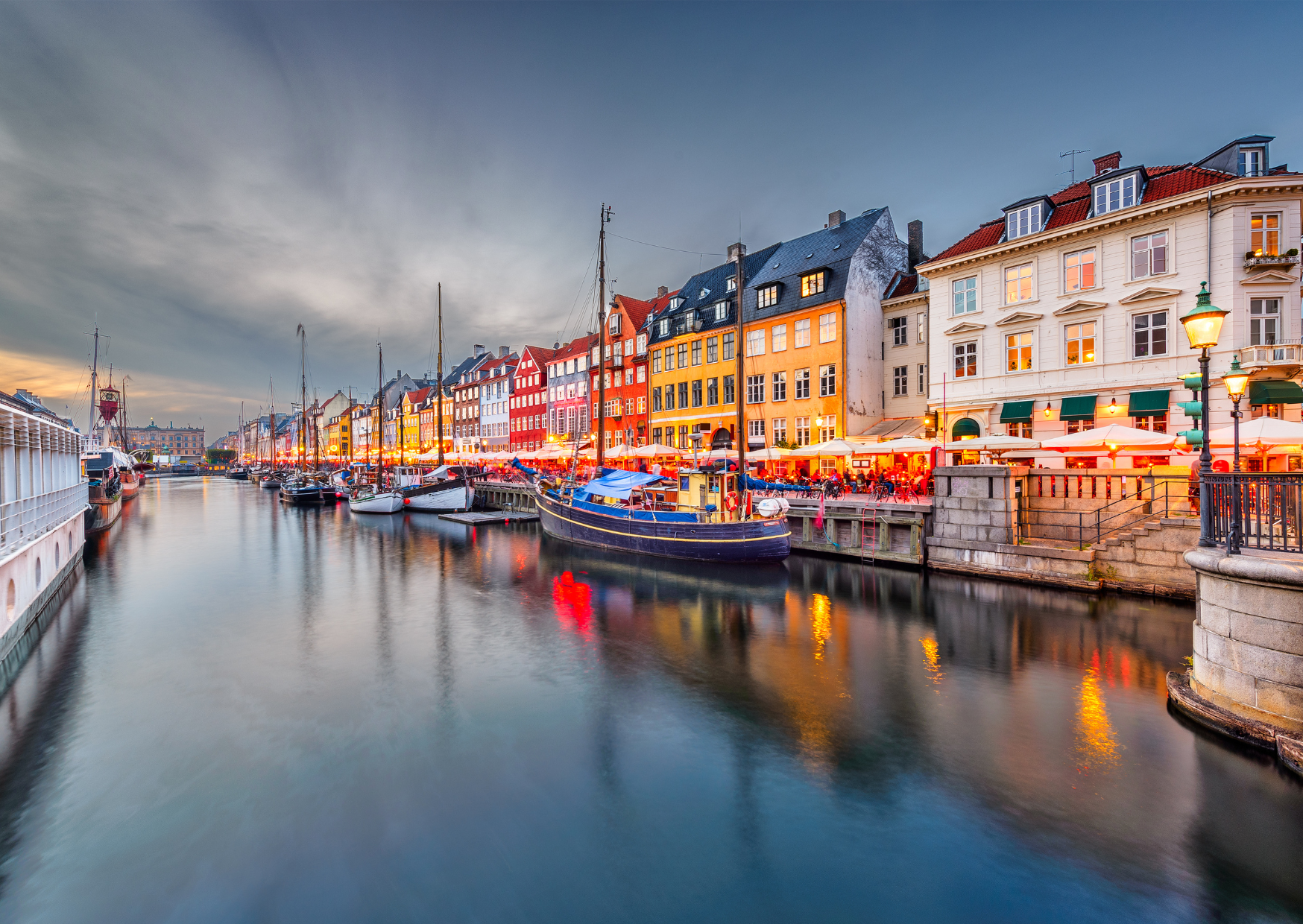
Denmark keeps winning “happiest country” and Americans keep thinking it’s about the free healthcare or the bikes or the pastries. I spent three weeks with a Danish family and discovered the secret: They just don’t do the things that make us miserable.
That’s it. That’s the formula. Stop doing stupid things that make you unhappy. Revolutionary concept, apparently.
The Work Thing That Changes Everything
Danes leave work at 4 PM. Not 4:30. Not 4:15. Four. PM.
And here’s the insane part—nobody emails them after. Nobody calls. Nobody Slacks. Work ends when work ends. The concept of “urgent” after-hours email doesn’t exist because Danish managers aren’t psychopaths.
My Danish friend Mette manages 20 people. She literally doesn’t have work email on her phone. “Why would I?” she asked. “I’m not at work.”
“But what if something urgent—”
“Then it can wait until tomorrow.”
“But what if—”
“It can wait.”
This costs zero dollars to implement. Just… stop. Stop answering emails at 10 PM. Stop pretending everything is urgent. Stop letting work colonize your entire existence.
Americans work 60 hours a week then spend $200 on therapy to figure out why they’re miserable. Danes work 37 hours and go home to their families. The math isn’t complicated.
The Stuff Addiction Nobody Admits

Americans have storage units. Think about that. We buy so much stuff we can’t fit it in our homes so we pay monthly rent to store stuff we don’t use.
Danes don’t have storage units. They have what fits in their apartment. That’s it. When they buy something new, something old leaves. One in, one out. Revolutionary.
Mette’s apartment: 900 square feet for family of three. Feels spacious.
Average American home: 2,500 square feet. Feels cluttered.
Why? Because Americans fill every space with garbage from Target. Throw pillows nobody throws. Decorative bowls that hold nothing. Kitchen gadgets used once. Clothes with tags still on. Exercise equipment that became expensive coat racks.
Danes buy one good couch and keep it 20 years. Americans buy new furniture every time someone on Instagram makes them feel inferior about their living room.
Cost to own less stuff: Negative money. You literally save money by not buying things. But Americans would rather pay for storage than admit they don’t need seventeen throw blankets.
The Friend Thing That Makes No Sense to Americans
Danes have the same friends for decades. The same five or six people. They meet weekly. For decades. Same people, same time, same place sometimes.
Americans ghost friends after two rescheduled coffees.
Mette has Tuesday dinners with the same three couples for TWELVE YEARS. Every Tuesday. Someone hosts. Simple dinner. Nobody cancels for yoga or work or because they’re tired. It’s Tuesday. Tuesday is dinner.
“What if you’re busy?”
“Then I’m not busy. It’s Tuesday.”
This costs nothing. Literally nothing. Actually saves money because you’re not constantly trying to make new friends at $18 cocktail networking events.
But Americans can’t do it because we’ve turned friendship into another optimization problem. Always looking for better friends. More successful friends. Friends who look better on Instagram. Instead of just… having friends.
The Kid Activity Insanity

Danish kids have one, maybe two activities. That’s it.
American kids have soccer and piano and coding and Mandarin and tennis and debate club and volunteer work for college applications that don’t matter yet because they’re eight years old.
Mette’s kid plays handball. Once a week. One tournament per season. Total cost: €100 annually.
My neighbor in California: Three kids in travel soccer, dance, tutoring. Drives four hours daily to activities. Costs $1,500 monthly. Kids are exhausted. Parents are broke. Nobody’s happy. But the Instagram stories look great.
Danish kids play. Like… just play. Outside. Without adults organizing every second. Without uniforms. Without coaches. Without driving to specialized facilities.
Free play costs zero dollars and creates happier kids but Americans would rather spend thousands making everyone miserable because “what if they fall behind?”
Behind what? The other miserable kids?
The Hygge Thing Everyone Gets Wrong
Americans think hygge is about candles and blankets and buying special hygge socks from boutiques. That’s not hygge. That’s capitalism in a cozy font.
Hygge is turning off your phone and actually being present. It’s making coffee and drinking it slowly instead of in traffic. It’s talking to your family without the TV on. It’s doing nothing productive and not feeling guilty about it.
Mette’s family does hygge every night. You know what it looks like? They sit in their living room. Together. Maybe reading. Maybe talking. Maybe just existing. No TV. No phones. Just… being.
Americans would die. We’d last five minutes before checking email or starting a home improvement project or feeling guilty about “wasting time.”
Hygge costs nothing. Turn off the lights. Light a candle (one you already own, not a $40 “hygge candle”). Sit with people you like. That’s it.
But Americans turned it into another thing to buy. Hygge blankets. Hygge tea. Hygge workshops. Missing the entire point, which is to stop buying and start being.
The Comparison Disease

Danes have this thing called Janteloven. Basically means “don’t think you’re special.” Americans think this sounds depressing. It’s the opposite.
When nobody’s trying to be special, nobody feels inferior. When everyone’s roughly equal, you stop comparing. When you stop comparing, you stop being miserable about what you don’t have.
My Danish colleague drives a 2008 Volkswagen. He could afford a Tesla. Doesn’t want one. “Why? This car works.”
In America, he’d be embarrassed. In Denmark, nobody cares. Actually, people would judge him MORE for having an expensive car. “Who does he think he is?”
Not comparing yourself costs zero dollars and saves thousands in stupid purchases trying to impress people who don’t care about you anyway.
The Food Situation Nobody Mentions
Danes eat dinner at home. Together. At 6 PM. Every night.
Not sometimes. Not when convenient. Every night. It’s not negotiable. It’s just what happens at 6 PM.
Simple food. Meatballs. Potatoes. Rye bread. Nothing Instagram-worthy. But everyone sits. Everyone eats. Phones in another room. Conversation happens.
Americans eat in cars, at desks, standing at counters, in front of TVs. Different times. Different foods. Alone mostly. Then wonder why we have no family connection.
Eating together costs nothing extra. Same food, same time, just… together. But Americans act like this is impossible because of schedules we created and refuse to change.
The Vacation Sanity
Danes get five weeks vacation. They take five weeks vacation. Not email-checking vacation. Not work-from-beach vacation. Actual vacation where work doesn’t exist.
But here’s what matters: They don’t feel guilty about it.
Americans with two weeks vacation use five days and “save” the rest like martyrs. Then burnout and quit. Then lose all vacation days. Genius system.
Even if you can’t get five weeks, you could take the vacation you have. All of it. Without apologizing. Without checking in. Without guilt.
This costs nothing. Actually saves money because you don’t quit from burnout and lose income while job hunting.
The Evening Routine That’s Not a Routine
After work (which ended at 4, remember), Danes don’t… do much.
No gym classes. No networking events. No side hustles. No optimization. They go home. Make dinner. Eat with family. Maybe walk. Maybe read. Maybe nothing.
Americans schedule every second from 6 AM to 11 PM then wonder why we’re exhausted. Danes protect their time like it’s precious because—shocking—it is.
“But when do you exercise?” “I bike to work.”
“But when do you network?” “I have friends.”
“But when do you work on self-improvement?” “I’m already fine.”
That last one breaks American brains. Being fine with yourself costs zero dollars but we’d rather spend thousands on self-help books telling us we’re not enough.
The House Pride Problem
Danes don’t renovate constantly. Kitchen from 1987? If it works, it stays. Bathroom dated? Who cares, toilet flushes.
Americans refinance homes to update kitchens that work perfectly because someone on Pinterest made them feel inferior about their backsplash.
Mette’s kitchen is from the 90s. Completely functional. Not a single plan to update it. “Why? It’s a kitchen. It makes food.”
Not renovating costs negative money. But Americans would rather have debt than slightly old countertops someone might judge.
The Birthday Party Reality

Danish kid birthday: Cake at home. Few friends. Maybe pizza. Done. €50 total.
American kid birthday: Rented venue. Entertainment. Themed decorations. Gift bags. Professional photos. $500 minimum. Kid cries from overstimulation. Parents stressed. Credit card smoking.
Which kid is happier? The one eating cake with friends or the one having a breakdown at their “special day” that became a production?
Simple celebrations cost almost nothing and create better memories but Americans turned children’s parties into competitive events nobody enjoys.
The Phone Thing That’s Actually Important
Danes don’t check phones constantly. They leave them in bags. Other rooms. Sometimes home entirely.
At restaurants, no phones on tables. On trains, people look out windows instead of screens. In parks, parents watch kids instead of Instagram.
This sounds small. It’s everything.
Presence costs nothing. Looking at your actual life instead of everyone else’s fake life costs nothing. But Americans average 5.5 hours daily on phones then wonder why we’re anxious and disconnected.
Mette forgets where her phone is constantly. This is seen as normal, not concerning. She’ll find it eventually. Nothing is that urgent.
The Exercise Delusion
Danes bike because it’s transportation, not exercise. They don’t track steps or heart rates or calories burned. They just… move to get places.
No gym memberships. No classes. No apps. No fitbits. Just bikes and legs and occasional swimming.
Americans pay $200 monthly for gym memberships we don’t use, $150 for fitness apps, $300 for equipment, then drive to the gym to walk on treadmills.
Moving your body costs nothing. Walking is free. Biking is basically free. But Americans monetized movement then wonder why we’re unhealthy and broke.
The Social Media Sickness
Danes use Facebook to organize events. That’s basically it. No influencers. No personal brands. No documentation of every moment.
Mette posts maybe once monthly. Usually her kid’s birthday or vacation photo. Three likes. Nobody cares. This is normal.
Americans document lives we’re not actually living for audiences who don’t actually care to create images that aren’t actually real.
Not performing your life costs nothing and gives you time to actually live it. But Americans prefer digital validation from strangers over actual experiences.
The Copenhagen vs NYC Test
Copenhagen minimum wage: €18/hour NYC minimum wage: $15/hour
Copenhagen rent (one-bedroom): €1,200 NYC rent (one-bedroom): $3,500
Copenhagen happiness ranking: #1 NYC happiness ranking: Hahahahaha
It’s not about the money. The Danish person making minimum wage has better life quality than Americans making six figures. Because they’re not doing the stupid things that make us miserable.
What This Actually Means
The Danish happiness formula isn’t about Denmark. It’s about not doing obviously stupid things:
- Don’t work yourself to death
- Don’t buy things you don’t need
- Don’t abandon your friends
- Don’t overschedule your kids
- Don’t check your phone constantly
- Don’t compete with everyone
- Don’t feel guilty for resting
- Don’t complicate simple things
- Don’t create problems that don’t exist
Every single one costs zero dollars to implement.
But Americans would rather buy solutions than stop creating problems. We’ll buy meditation apps instead of putting down phones. Buy organizing systems instead of owning less. Buy time management courses instead of working less.
The Uncomfortable Truth
Americans know what makes us unhappy. We do it anyway. Then spend money trying to fix the misery we created.
Work too much? Buy vacation packages. No friends? Join expensive clubs. Stressed? Buy wellness products. Disconnected? Buy connection apps.
Danes just… don’t create the problems in the first place.
Their secret isn’t Danish. It’s human. Work reasonable hours. See your friends. Eat with family. Own less stuff. Stop comparing. Be present. Rest without guilt.
Total cost: $0
But that would require admitting our entire culture is designed to make us miserable consumers.
Easier to just buy another self-help book about Danish happiness.
While Danes just… live.
At 4 PM, Mette left work. Biked home. Made dinner. Ate with family. Read a book. Went to bed.
Total happiness cost: €0
Meanwhile, Americans worked until 8, ordered delivery, scrolled phones, felt guilty about not exercising, bought something online to feel better, stayed up too late, woke up exhausted.
Total misery cost: $200 + dignity
The formula is free. The implementation is free. The only cost is admitting we’re doing everything wrong.
Which apparently is too expensive for America.

About the Author: Ruben, co-founder of Gamintraveler.com since 2014, is a seasoned traveler from Spain who has explored over 100 countries since 2009. Known for his extensive travel adventures across South America, Europe, the US, Australia, New Zealand, Asia, and Africa, Ruben combines his passion for adventurous yet sustainable living with his love for cycling, highlighted by his remarkable 5-month bicycle journey from Spain to Norway. He currently resides in Spain, where he continues sharing his travel experiences with his partner, Rachel, and their son, Han.