
Steam rises from a mug, a knife splits a warm roll, and the table fills with simple plates that travel well and sit quietly. There is cheese in small squares, a soft egg, sliced cucumbers, a spoon of quark, a dish of jam that will not see half the jar, and a bowl of muesli that looks like it came from a cupboard, not a cartoon box. No one announces health. People eat, talk, and do not think about food again until lunch. What this table prevents is what many American breakfasts cause: a sugar surge at eight, a crash at ten, and a hungry mind that spends the morning negotiating with itself.
What German Breakfasts Are Built To Do
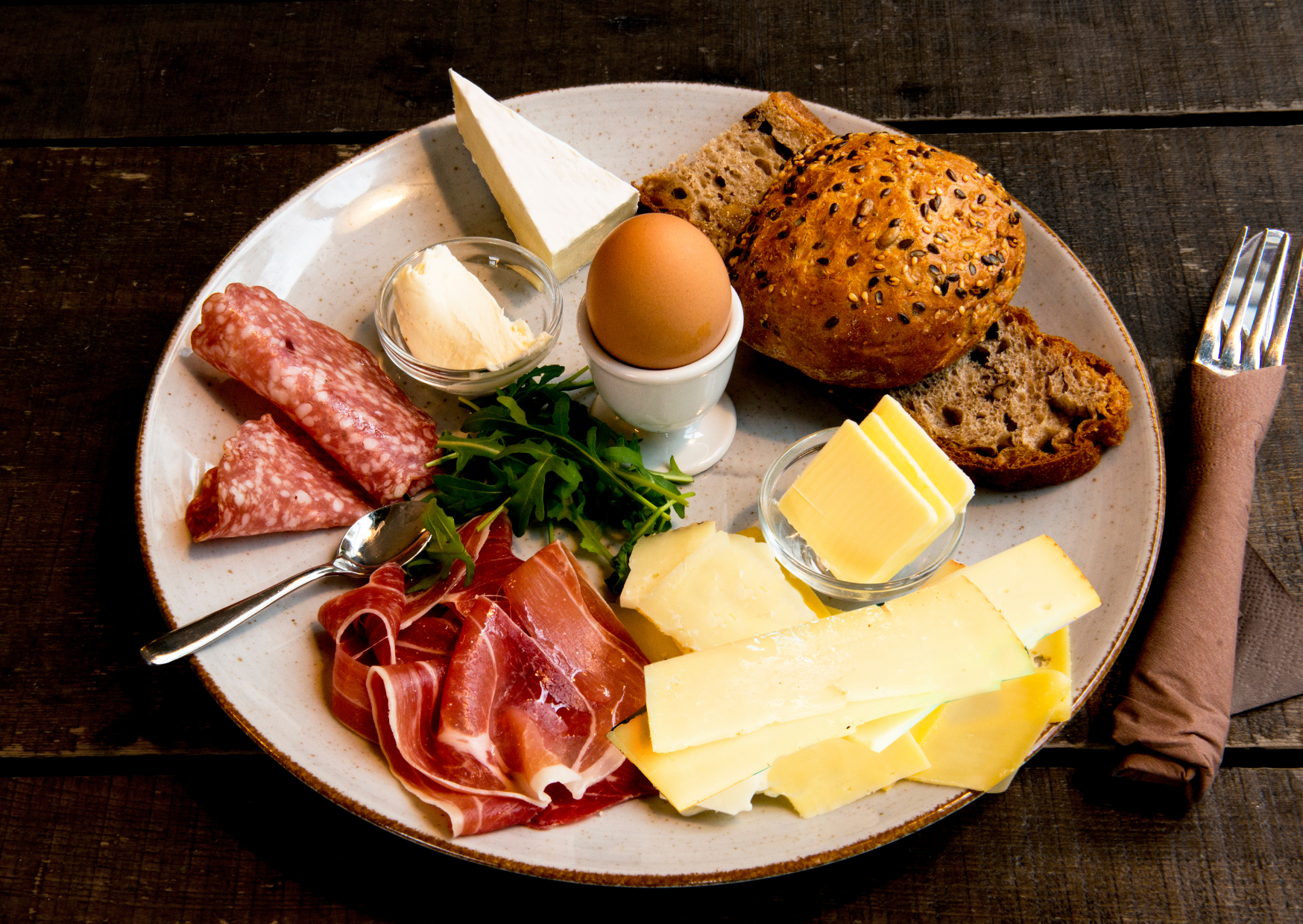
German Frühstück is practical design. It steadies blood sugar, packs protein into the front of the day, and raises fiber without fanfare. The pattern repeats in homes, cafés, offices, and school lunchrooms because it is easy to stock and hard to break.
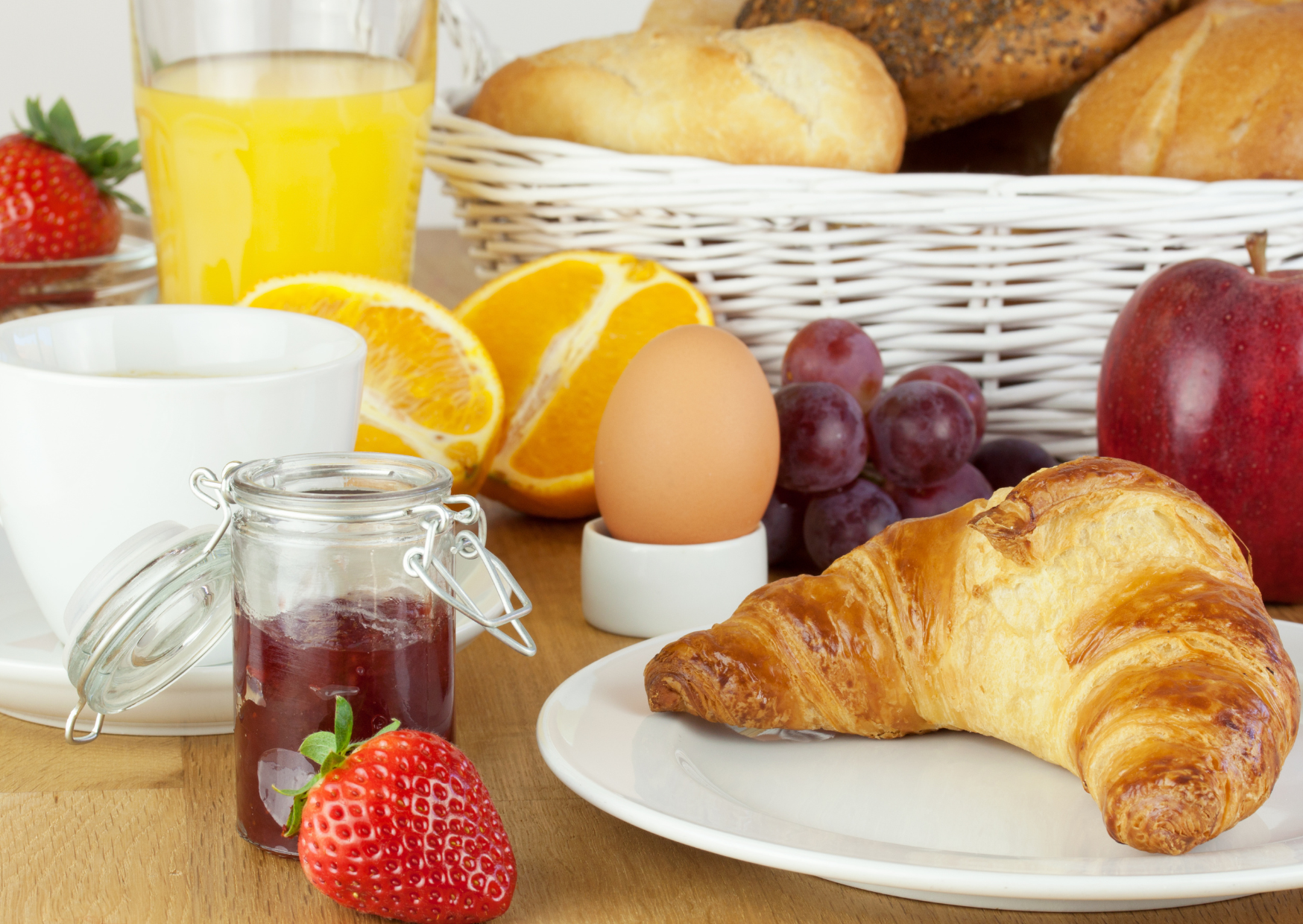
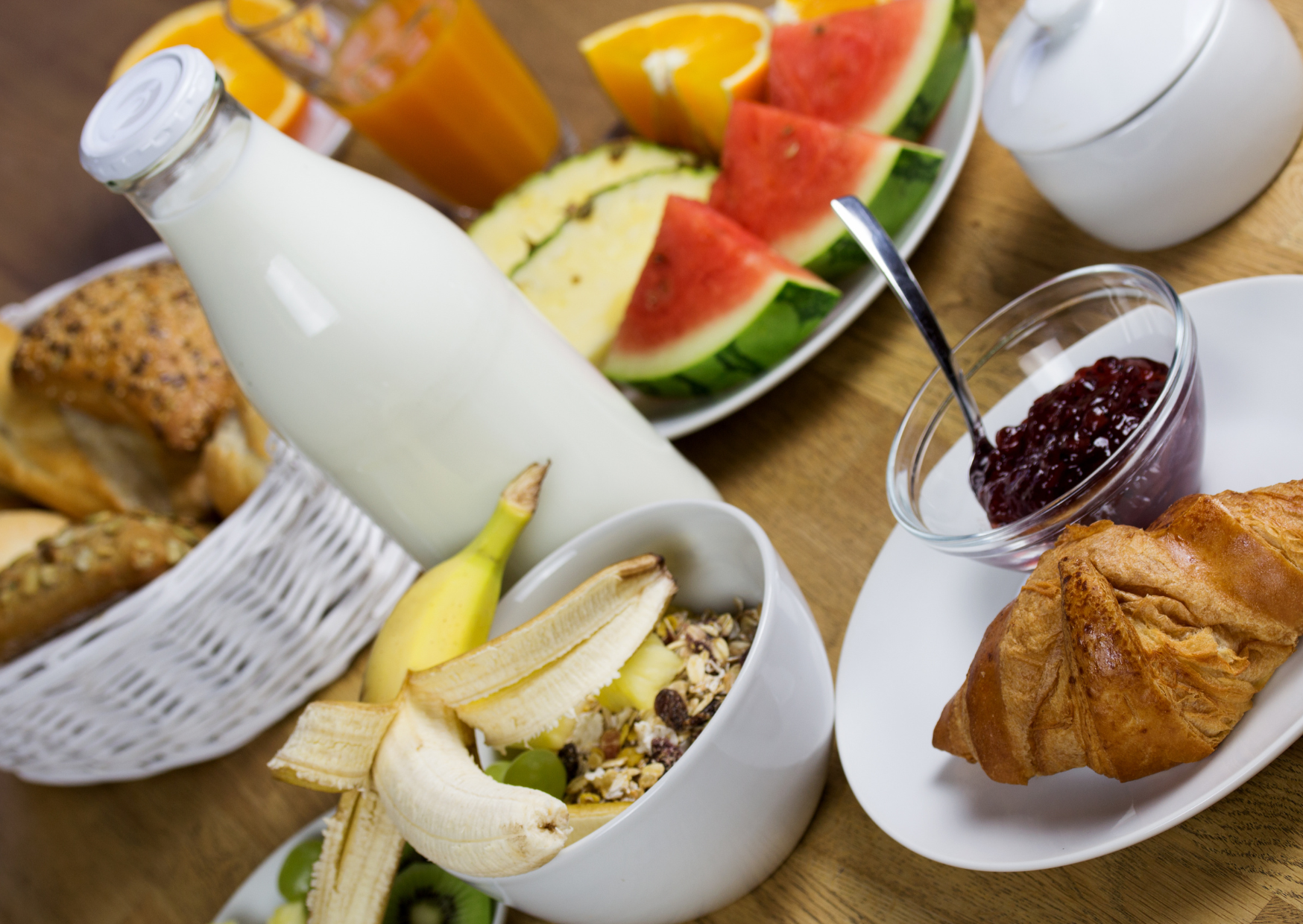
You will see bread rolls and dense sliced breads, butter, quark or yogurt, cold cuts, cheeses, boiled or scrambled eggs, tomatoes, cucumbers, apples, nuts, and muesli that is more oats than sugar. Portions are modest and varied. The structure is the point. Protein and fat arrive early, added sugars stay low, fiber slows digestion, and liquids are not dessert in disguise.
A plate like this does not make headlines, but it does a job. It prevents the mid morning crash, reduces snacking pressure, and pushes the first true hunger to noon. When breakfast behaves, the day behaves.
Three design choices hold it together: protein up front, fiber in the base, sweet as a condiment, not the meal.
What American Breakfasts Often Set In Motion
You do not need to vilify all pancakes to see the pattern. A large share of American breakfasts are ready to eat cereals with double digit grams of added sugar per serving, sweet drinks, pastries, and yogurts that taste like dessert. Even when a box says whole grain, the serving can carry enough sugar to meet a third of the day’s recommended limit before the commute.
Recent analyses confirm the drift. Studies of children’s and newly launched cereals show average sugar content around ten to eleven grams per serving, with an increase over the last decade. Protein and fiber decreased in the same period, and sodium crept up. On a label where the serving is thirty grams of cereal, ten or eleven grams of sugar is more than a third of the bowl by weight once you remove air and color. That is before milk, juice, or a coffee drink that acts like a milkshake.
Public health recommendations are clear. The American Heart Association suggests no more than six teaspoons of added sugar per day for most women and nine teaspoons for most men, which equals twenty five to thirty six grams. Many breakfast plates use half or more of that allotment by nine in the morning. Later choices then feel constrained, and the mind chases “good” decisions that fix what the first decision created.
Add ultra processed patterns to that mix and the morning becomes a loop. National data show that more than half of U.S. calories come from ultra processed foods, with even higher shares among youth. These products are engineered for convenience and craveability, not steady energy. Breakfast is where they cluster, and breakfast is where the day begins to wobble.
Plain truth for scanners: sugary bowls spike and crash, liquid sugars slip past fullness cues, ultra processed breakfasts push hunger forward, not away.
The German Table, Item By Item
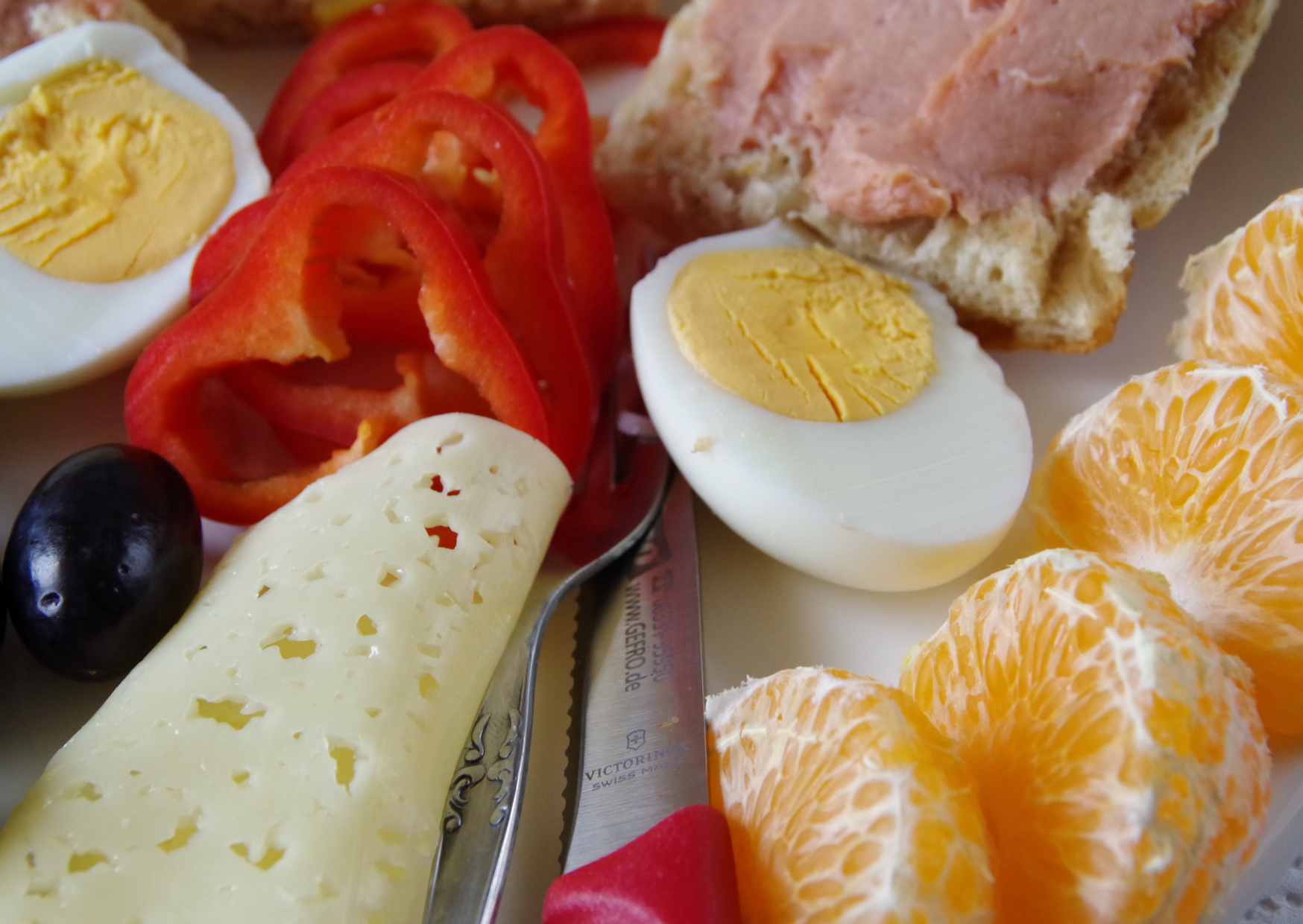
There is nothing exotic here. The difference is what shows up together and how much of it lands on the plate.
Bread that works with you
Germany sells an ocean of bread styles. Some popular white and mixed loaves can run medium to high glycemic index, which surprises many people. The trick at breakfast is to pick dense rye breads with intact grains and seeds or wholemeal slices when you want staying power, and to keep crusty rolls modest. When bread carries fiber and intact structure, blood sugar rises smoother and energy holds.
Quark, yogurt, and muesli
Quark is a fresh cultured dairy that eats like a thick yogurt and spreads like soft cheese. It delivers roughly nine to twelve grams of protein per hundred grams depending on fat level, with low sugar and a clean taste. Mix it with oats and fruit, and you get slow carbohydrates with protein instead of sugar first. Even in brands flavored for the mass market, quark sits higher in protein than many standard yogurts.
Eggs and savory proteins
Eggs appear as soft boiled or scrambled alongside cheese and lean cold cuts. This is normal, not a “high protein” diet. It just means fifteen to twenty five grams of protein arrive early without a supplement. Trials with high protein breakfasts show stronger morning satiety and less snacking pressure than lower protein starts, which mirrors what people report at these tables.
Vegetables at breakfast
Slices of tomato, cucumber, and peppers share the plate. This small choice adds water and fiber that fill space your body can feel. You are not counting anything. You are simply occupying the plate with things that digest slowly.
Sweets as condiments
Jam arrives in a teaspoon, not a trench. Honey is a drizzle, not a pour. Muesli takes fruit, nuts, and seeds, not marshmallows. Sugar exists, but it does not lead.
Two beverages that do not sabotage the plate
Coffee or tea, and water. Juice is not default because juice behaves like liquid sugar. If it appears, it is a small glass beside a full plate, not a replacement for food.
The outcome is structural. Protein at breakfast steadies appetite, fiber slows the climb of blood sugar, and fat from dairy and nuts makes flavor satisfying. You step into a day that does not revolve around the next bite.
What American Breakfasts Often Cause, Biologically
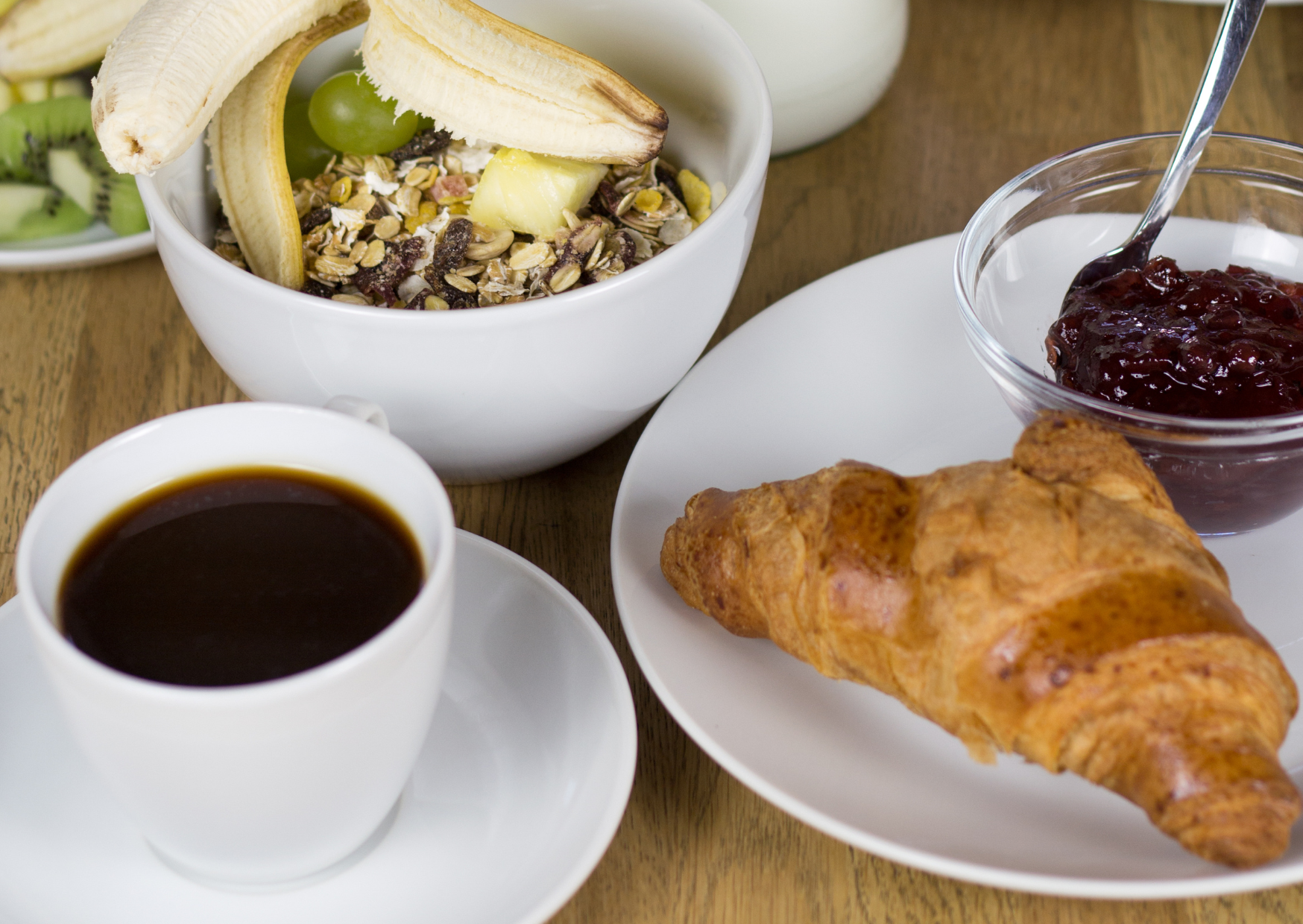
You do not need advanced biology to grasp the arc. A breakfast with refined starches and added sugars raises blood glucose quickly. The body responds with insulin. As glucose falls, hunger rises, often two to three hours later. A second sugary item resets the loop. By noon, choices feel like repairs.
Randomized studies point to a simpler path. Protein forward breakfasts reduce perceived hunger and improve satiety hormones across the morning compared with lower protein or skip-breakfast conditions. Oats and intact grains temper glucose response compared with refined flour. Dairy protein at breakfast can boost satiety in the hours after the meal. None of this is headline news, but it is the quiet math of a weekday that works.
The aim is not to demonize a pancake. It is to recognize that a pattern of sweet cereals and sugary drinks creates a day that is harder than it needs to be. One plate can prevent that pattern by changing the first ninety minutes.
Bold takeaway: protein calms the morning, fiber delays the crash, sugar belongs in teaspoons, not bowls.
How This Prevents The Crash, In Plain Numbers
Let us do rough math with conservative labels you can check in any supermarket.
Scenario A: common sweet bowl
One serving of a popular children’s cereal can carry ten to eleven grams of added sugar per thirty gram serving. Many adults eat more than one serving. Add a cup of low fat flavored yogurt that carries twelve to sixteen grams added sugar and little protein, and you land near twenty five grams of sugar before coffee. Add a glass of orange juice and you cross thirty to forty grams easily. That is the full daily limit for many women and two thirds for many men before nine a.m.
Scenario B: German style plate
One soft boiled egg gives six grams of protein, two thin slices of cheese give ten to twelve grams, a spoon of quark adds nine to twelve grams, and half a cup of plain muesli brings oats and nuts with minimal added sugar. A thin swipe of jam on a small roll might add three to five grams of sugar. Total added sugar stays under ten grams while protein lands over twenty five grams. The stomach leaves the table convinced.
Is this exact science at your table. No. Is the direction clear. Yes. Lower added sugar and higher protein shift the morning from chase to cruise.
How to Recreate This
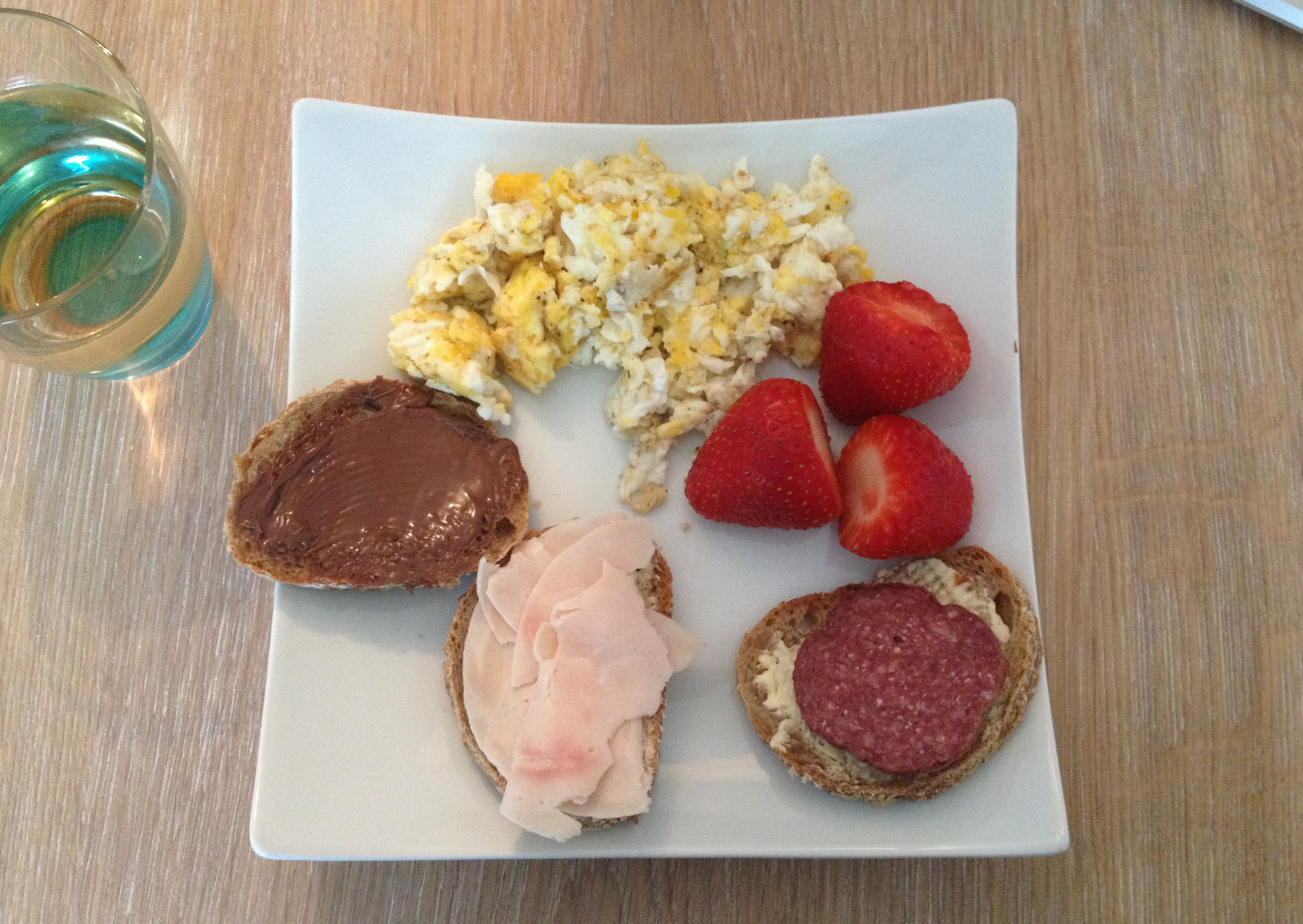
You can build this breakfast in any American city with a regular supermarket. You do not need imported anything. You need a shopping list and the habit of plating small amounts from several bowls.
What to buy
- Dense rye or whole grain bread, or whole grain crispbreads that list grains and seeds first.
- Plain quark if available, or plain Greek style yogurt as a substitute.
- Eggs for boiling or soft scramble.
- Cheese in small blocks to slice, not pre shredded bags.
- Unsweetened muesli or old fashioned oats to mix with yogurt.
- Vegetables that slice cleanly: cucumbers, tomatoes, peppers, radishes.
- Fruit that fills, not drinks: apples, pears, berries.
- Nuts and seeds in small jars, plain and unsalted.
- Jam with short labels and a teaspoon.
How to plate it quickly
- Boil a half dozen eggs on Sunday and keep them in the fridge.
- Set three bowls on the counter: yogurt or quark, muesli or oats, sliced vegetables.
- Add two small plates: cheese or lean cold cuts, bread or crispbread.
- Give each person a small sweet, like a teaspoon of jam, if they want it. The teaspoon is the control knob.
Coffee is fine. Water is non negotiable. Juice can stay in the fridge for another time or live as a small glass beside a full plate. The template is simple. Protein, fiber, fat, and a small sweet. The stomach reads this as breakfast. The rest of the morning reads as available time.
The School And Office Effect
Breakfast is not a private hobby. It is infrastructure for the day that follows. In places where this table is normal, mid morning vending is less of a ritual, and school snacks look like fruit or small sandwiches, not candy with a new name. Standard lunch times can land at twelve to one thirty without children falling apart, because the first plate did its job.
You do not need a study to understand the office version. People who start with plain dairy, eggs, grains, and vegetables open fewer food delivery apps at ten thirty. Meetings do not revolve around pastries. Afternoon coffee still tastes good, but it is not a rescue. The plate prints a schedule on the day.
If You Cook, These Two Small Methods Help
You said this does not have to be a recipe. It does not. Two light methods ensure your plate sets you up.
Soft boiled eggs that behave
Bring a small pot of water to a gentle boil. Lower cold eggs into the water with a spoon. Six minutes gives a tender white and a jammy yolk. Seven minutes gives a firm yolk that still cuts cleanly. Rinse under cold water, crack, and peel. Keep cooked eggs in the fridge for four days.
Quark or yogurt bowl that fills the plate, not the label
Stir one cup of plain quark or Greek style yogurt with a quarter cup of oats or unsweetened muesli, a handful of berries or diced apple, and a tablespoon of chopped nuts. If you want sweet, add a teaspoon of honey. Taste before adding more. The structure is what keeps you full, not a number on a box.
These are not rules. They are tools. The goal is a plate that tastes good and frees your morning.
Costs That Make Sense
A breakfast like this reads as expensive, but the math is forgiving. Most items are staples that last across a week: eggs, oats, nuts, and dairy. The foods that cost more per gram, like cheese and smoked fish, appear in small amounts that matter more for flavor than volume.
A week for two adults can look like this in an ordinary European or American city.
- Eggs, one dozen
- Plain yogurt or quark, one large tub
- Muesli or oats, one medium bag
- A small block of cheese
- Two cucumbers, a bag of tomatoes, two peppers
- A loaf of grain bread or a package of crispbreads
- One jar of jam
- A bag of apples or pears
- A small bag of nuts
Per plate, you are under three to four dollars or euros almost every day, and you are buying hours of not snacking. That is not austerity. That is value that tastes like something.
Common Objections And Clean Answers
I am not hungry in the morning
Fair. Start small. Half a cup of yogurt with oats and a few nuts is enough to change the day. A single soft boiled egg with cucumber works for many people. Breakfast does not have to be a show.
I need something sweet to feel satisfied
Keep the sweet, change the unit. One teaspoon of jam on crispbread with quark scratches the itch. Put fruit in the bowl rather than juice in a glass. A sweet note is welcome. A sugary start is the problem.
I do not have time to cook
There is almost no cooking here. Boil eggs once. Slice vegetables while the coffee brews. Plating from four small bowls takes less time than toasting waffles and hunting for syrup.
I need grab and go
Pack a small lidded container with yogurt, oats, nuts, and fruit the night before. Slip a boiled egg and a crispbread into a bag. Eat at your desk without starting the office pastry spiral.
Bread makes me sleepy
Try dense rye or seeded whole grain and watch portions. If bread still drags you down, build the plate around yogurt, eggs, fruit, and vegetables and treat bread as a side, not the base.
Why This Matters Now
Breakfast is a daily election. You vote for the rest of the morning with what lands on the plate at eight. The German table wins because it is boring in the most helpful way. It repeats. It uses common foods. It takes little time. It sends hunger looking for someone else.
The problem on the other side is not a culture or a flag. It is a supply of sweet convenience that crept into the first hour of the day and convinced people this was normal. The cost is not paid at the register. The cost shows up in attention, patience, and blood sugar. You can change that without labels or speeches by copying a table that has worked for generations.
If you want to test it, take seven mornings and run the experiment. Build a plate with one protein, one grain, one vegetable or fruit, and one small sweet. Remove juice. Keep coffee. Watch what happens at ten thirty. If the inbox feels easier and your stomach is quiet, the table did its job.
Quiet conclusion: Breakfast should end hunger, not start thinking about it. The German plate prevents the thinking. That is why it lasts.

About the Author: Ruben, co-founder of Gamintraveler.com since 2014, is a seasoned traveler from Spain who has explored over 100 countries since 2009. Known for his extensive travel adventures across South America, Europe, the US, Australia, New Zealand, Asia, and Africa, Ruben combines his passion for adventurous yet sustainable living with his love for cycling, highlighted by his remarkable 5-month bicycle journey from Spain to Norway. He currently resides in Spain, where he continues sharing his travel experiences with his partner, Rachel, and their son, Han.