
And what it reveals about water, body rhythms, and the surprising difference between feeling clean and looking polished
Ask an American about their morning routine, and you’ll hear a series of non-negotiables. A hot shower. A strong deodorant. Teeth brushed, mouth rinsed, maybe even a spritz of perfume before breakfast. For many Americans, especially those raised with “don’t leave the house without being fresh” as a baseline, personal hygiene is tied to productivity, responsibility, and public respect.
Now visit Spain — not a rural farmhouse, but a middle-class apartment in Madrid or a busy Barcelona flat — and you’ll find an entirely different rhythm. Yes, Spanish people are clean. Yes, they care about hygiene. But what surprises many Americans is what gets skipped in the morning, and how confidently that choice is made.
In homes across Spain, adults and teens alike regularly start the day without a shower. They brush their teeth. They might splash their face. But the shower? It can wait — until after work, after errands, or even until the next morning.
Here’s why the Spanish morning hygiene routine would shock many Americans — and why, for Spanish people, it’s not neglectful, lazy, or unhygienic. It’s just a different way of moving through the day.
Want More Deep Dives into Everyday European Culture?
– Why Europeans Walk Everywhere (And Americans Should Too)
– How Europeans Actually Afford Living in Cities Without Six-Figure Salaries
– 9 ‘Luxury’ Items in America That Europeans Consider Basic Necessities
Quick Easy Tips
When traveling abroad, remember that hygiene standards differ, and what’s normal for locals may not align with your habits.
Pack personal hygiene essentials if you prefer maintaining your routine no matter where you are.
Avoid making negative comments about cultural differences—it’s better to observe and adapt.
If something surprises you, approach it with curiosity rather than criticism.
Respect local customs even if you don’t adopt them yourself.
One of the most debated aspects of cultural hygiene differences is the expectation around morning showers. In many parts of the U.S., showering first thing in the morning is considered non-negotiable, while in Spain, it’s common for people to shower in the evening or later in the day. Americans may view skipping a morning wash as unhygienic, but for Spaniards, it’s simply unnecessary if they’re already clean.
Another point of contention is how personal scent is perceived. In the U.S., there’s a strong emphasis on deodorant, fragrance, and creating a “fresh” impression before stepping out. In Spain, where people may not rush out at dawn and often have a different relationship with natural scent, skipping a morning routine isn’t seen as offensive.
Finally, this divide is tied to lifestyle rhythms. Spanish culture tends to start the day more slowly, with breakfast and daily activities unfolding at a different pace than the fast, early-start American schedule. This lifestyle difference plays a bigger role in hygiene habits than people often realize, making it more of a cultural pattern than a personal flaw.
1. Morning Showers Aren’t a Default — They’re a Choice
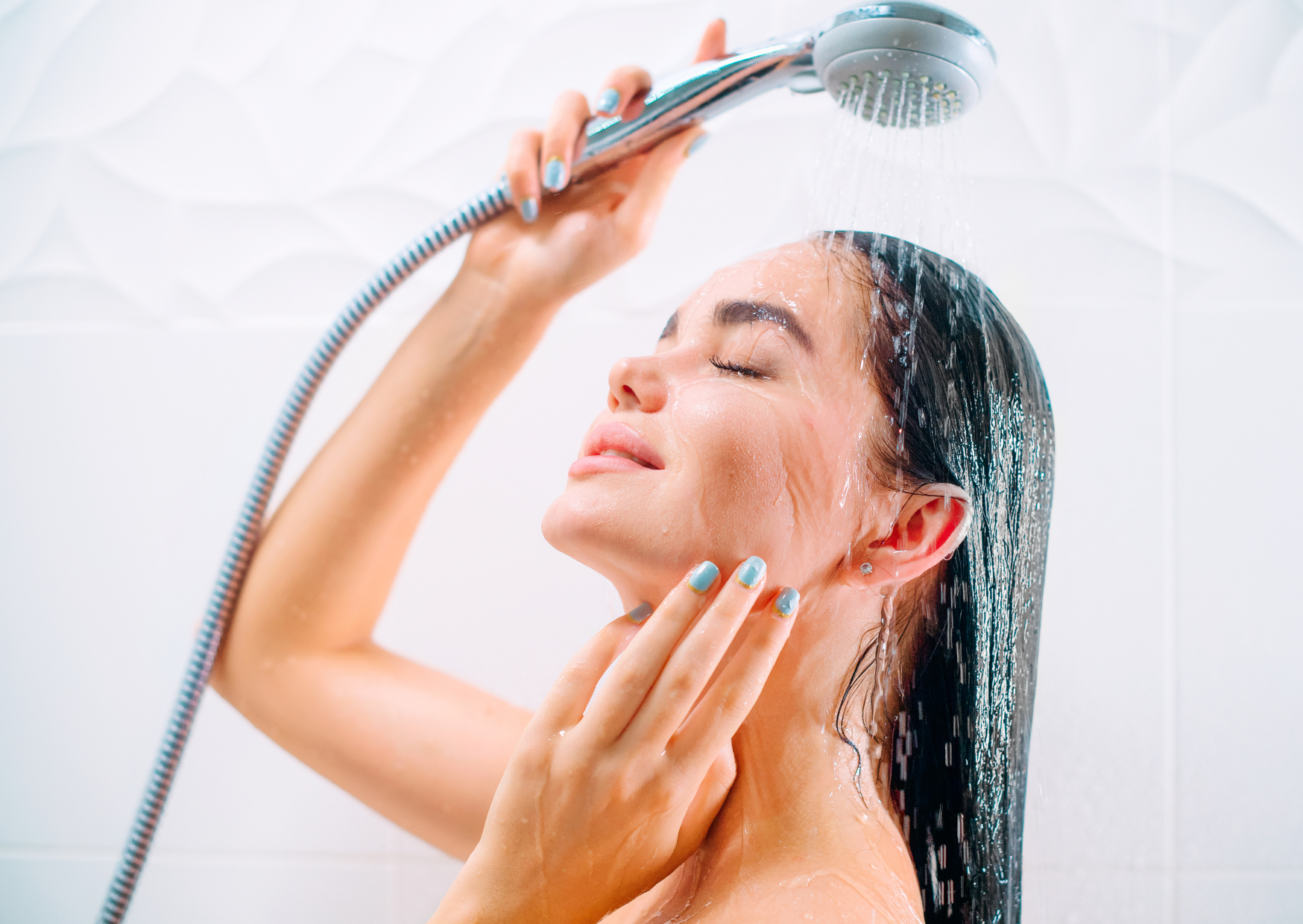
In the U.S., the idea of skipping a morning shower is often associated with uncleanliness or laziness. For many Americans, the shower isn’t just about cleanliness — it’s a psychological reset.
In Spain, showers are absolutely part of life — just not always in the morning.
People might shower at night to remove city grime. They might shower after work, before going out, or after coming home from a hot commute.
The timing isn’t about social pressure. It’s about when the body feels like it needs it.
2. Many People Don’t Sweat First Thing in the Morning
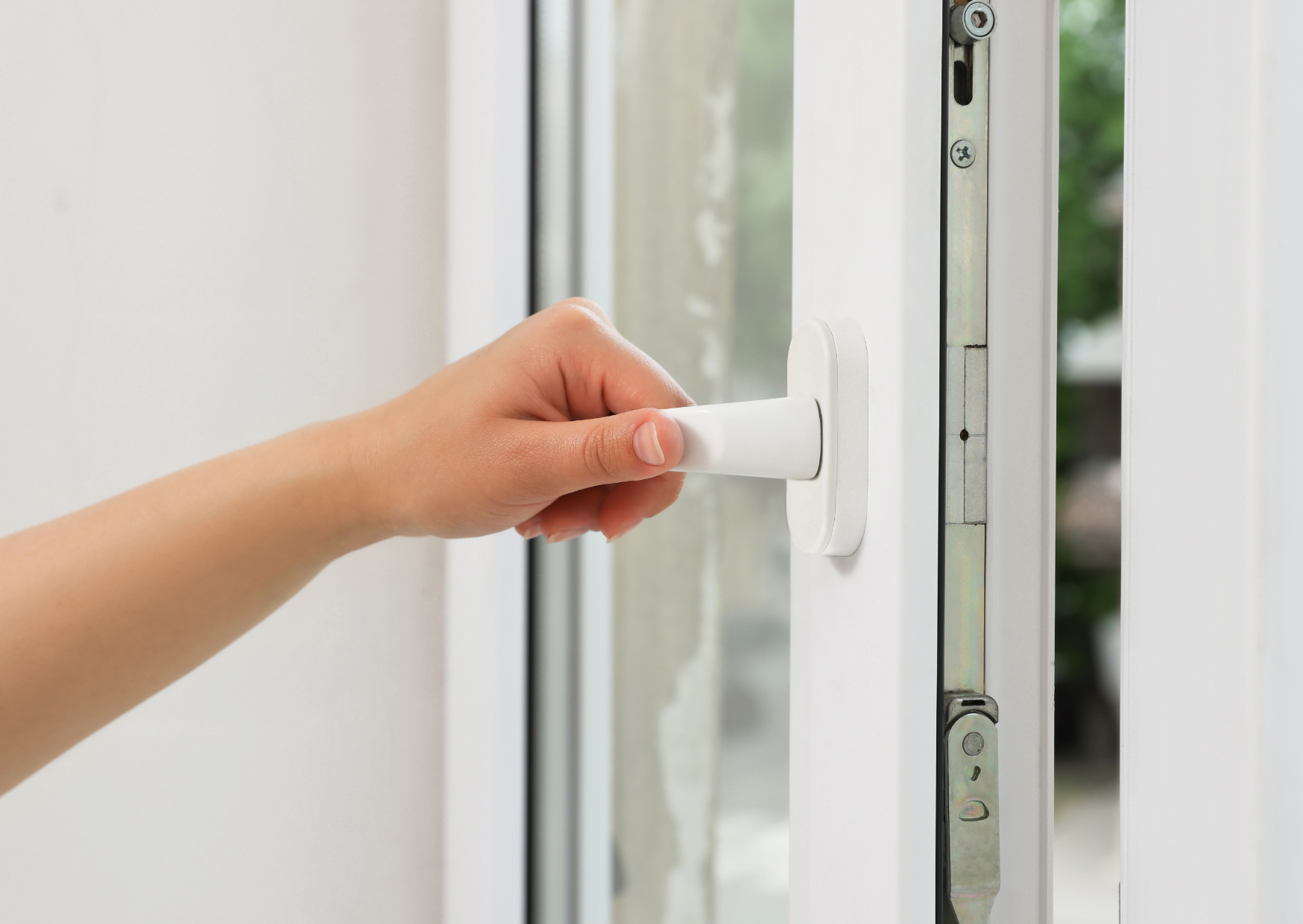
One reason Americans cite for daily morning showers is sweating during sleep. In Spain, people typically sleep in cooler environments — often without central heating or heavy insulation — and don’t wake up feeling sticky.
The bedroom is cool. The windows are cracked open, even in winter. Heavy duvets are used in place of high thermostats. Because of this, morning sweat is minimal.
So if you wake up without sweat, and your skin feels clean — why waste the water?
That’s the Spanish logic. It’s not rebellion. It’s practicality.
3. Water Is Not Treated Like an Infinite Resource
Spain, like much of southern Europe, faces seasonal droughts and water shortages. Growing up with water conservation as a value shapes people’s approach to hygiene.
You don’t take long showers. You don’t run water without reason. You shower when you need it — not when a routine demands it.
In homes with older plumbing, electric water heaters, or shared family bathrooms, a shower is a more deliberate act. You wait your turn. You don’t take two a day just to feel mentally ready.
Cleanliness exists — but luxury routines do not.
4. Dry Shampoo, Face Splashing, and Body Wipes Fill the Gap
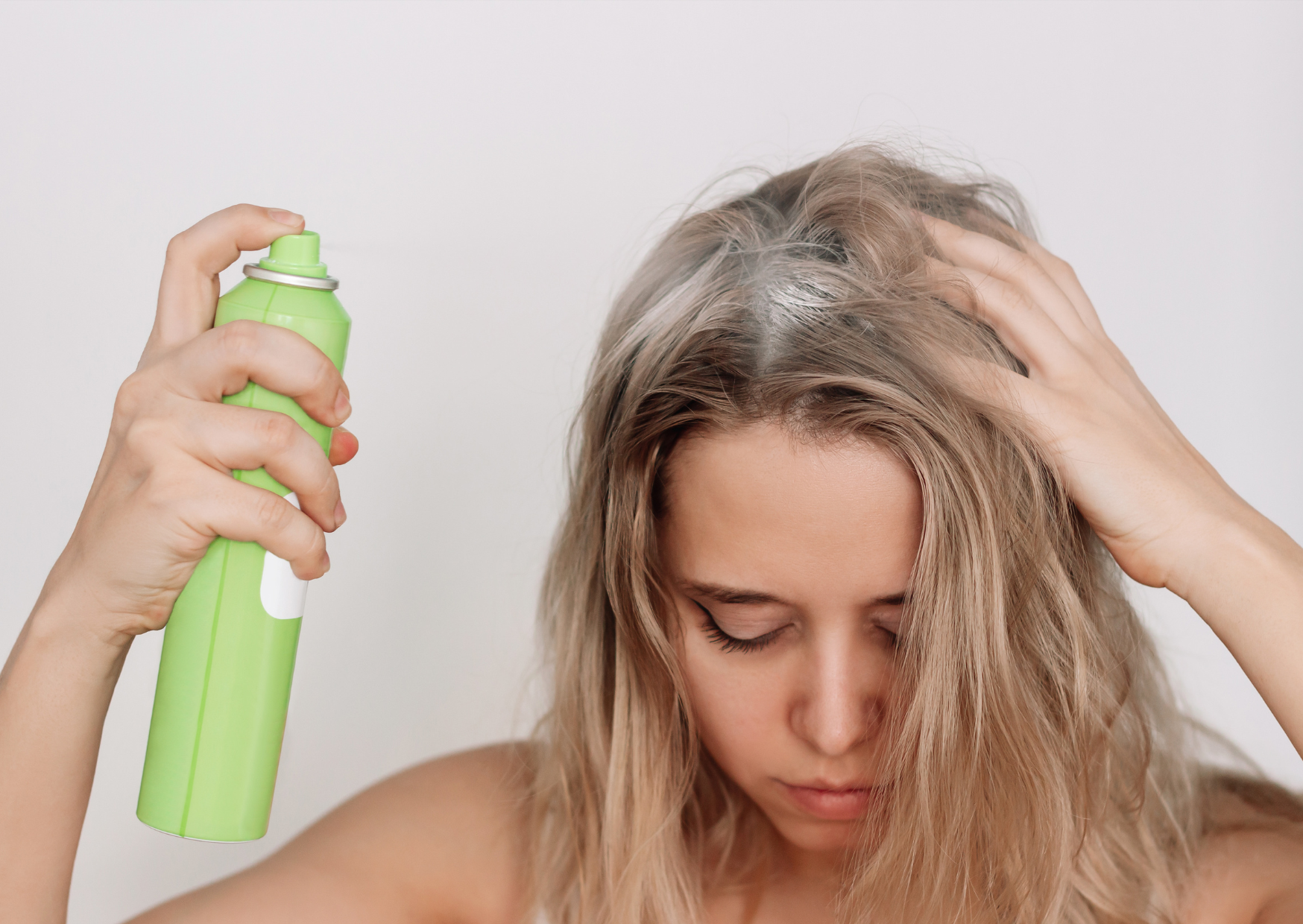
Skipping the shower doesn’t mean skipping all hygiene. Spanish people often freshen up in less water-intensive ways.
Face wash at the sink. A splash of cold water to wake up. Dry shampoo for the hair. A wet cloth for the neck or underarms. A quick swipe of deodorant.
It’s low-maintenance. Efficient. Not performative.
In the U.S., the hygiene industry is built around excess: double-cleansing, 3-in-1 systems, full body product lines. In Spain, it’s about what works with minimal effort.
5. Natural Body Scent Isn’t Treated as Offensive
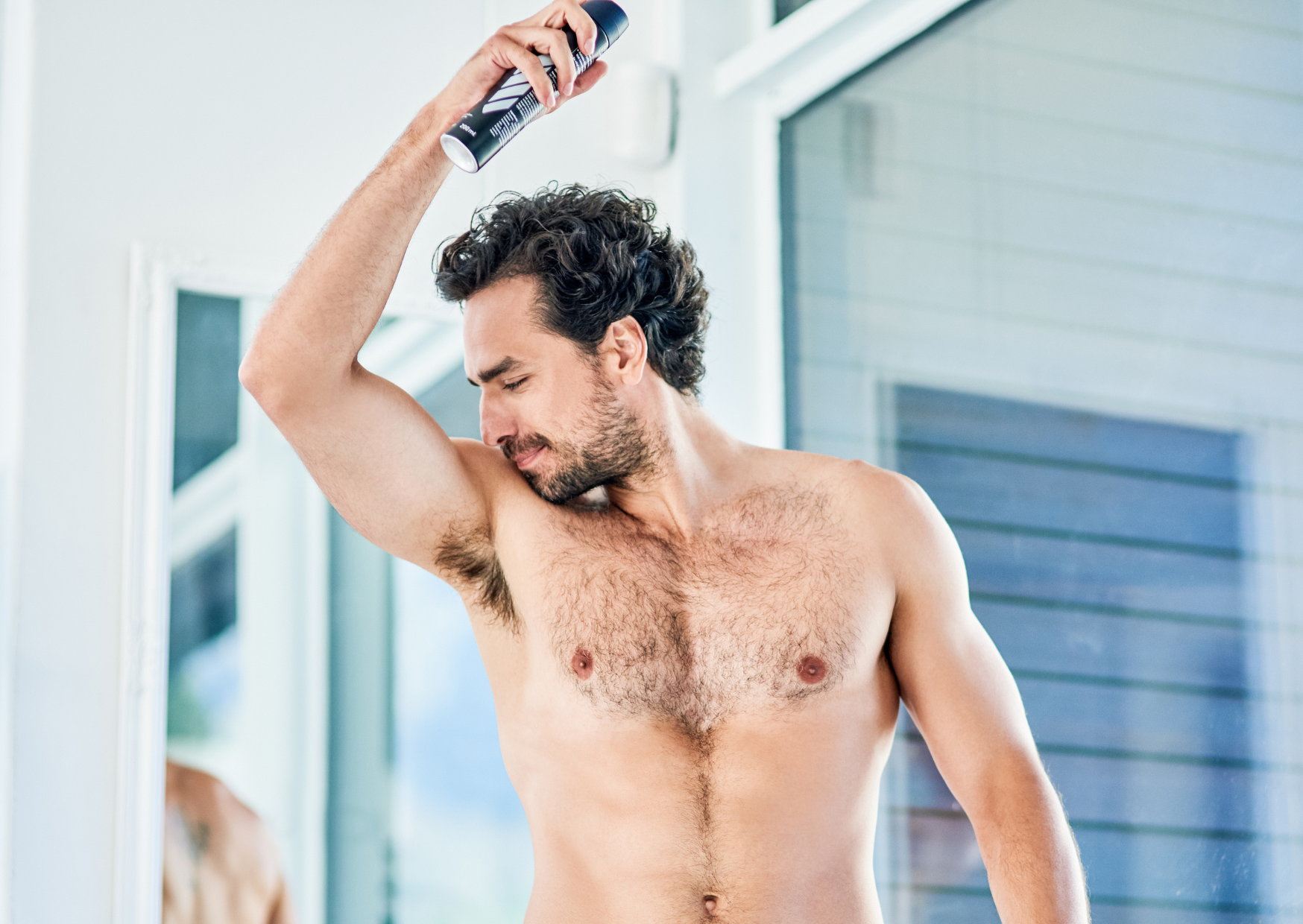
In American hygiene culture, the goal is often to smell like nothing, or at least like something unnatural — cucumber, coconut, or chemical citrus.
In Spain, body scent is not automatically seen as bad. A trace of yesterday’s perfume, a mild human scent on the metro, or a lived-in smell after lunch isn’t offensive. It’s just part of being alive.
If you stink? That’s one thing. If you just smell like yourself, nobody notices — or if they do, they don’t care.
6. Evening Showers Make More Sense for Many Lifestyles
Many Spaniards prefer to shower after the day, not before it. Why?
Because they walk everywhere. Because the climate is hot and dusty. Because work might involve physical activity. Because city life means grime from metros and crowded plazas.
Showering after dinner, before going out, or just before bed feels more logical.
The idea of getting clean before getting dirty again — as many Americans do — is seen as wasteful.
7. School-Aged Kids and Teens Don’t Have Daily Morning Showers

In American households, pre-teens and teens are often coached to shower daily, especially before school, as a sign of maturity or discipline.
In Spain, school-aged kids don’t shower every day — and certainly not every morning. They might shower every other day. Or three times a week. It depends on activity, sweat, hair, and season.
And no one’s being judged at school for it.
Cleanliness is flexible. Shame is not weaponized.
8. Public Smell Culture Is More Forgiving

In the U.S., there’s a subtle but powerful expectation that people smell “fresh” all the time. This is enforced by products, ads, and peer pressure.
In Spain, public tolerance for human scent is higher. Nobody expects you to smell like fabric softener at 8 a.m. People are more forgiving of real bodies, especially on hot days or crowded buses.
This lowers the pressure — and removes the panic over skipping a single shower.
9. Time Isn’t Structured Around Appearance
American work culture often demands that people show up not just on time, but presented: hair done, scent managed, skin glowing. It’s part of the performance of competence.
Spanish work culture, especially outside major corporate offices, is more focused on energy and presence than appearance.
You’re not expected to show up “fresh from the spa.” You’re expected to be awake, alert, and on time. If your hair’s not perfect or your skin is a little shiny? It’s not a problem.
One Morning, Two Realities
To an American, skipping a shower before work might feel lazy, rude, or even disrespectful.
To a Spaniard, it’s normal — even efficient.
In the U.S., hygiene is built into a performance cycle: cleanse, scent, polish, repeat.
In Spain, hygiene is responsive: you clean yourself when your body needs it, not when the clock does.
Both cultures want to feel clean. But only one treats cleanliness like a daily performance.
So if you’re staying with a Spanish family, don’t be surprised if no one rushes to the bathroom first thing in the morning. They’re not being unhygienic. They’re just living by a rhythm that values presence over perfection — and understands that a little bit of yesterday on your skin doesn’t make today any less good.
Cultural habits shape how we perceive hygiene, and what seems perfectly normal in one country can be shocking in another. In Spain, daily routines tend to be more relaxed, especially in the mornings, reflecting a lifestyle that prioritizes practicality over strict personal care rituals. In contrast, in United States, morning hygiene has been built into a structured routine often tied to ideas of personal responsibility and social presentation.
This difference isn’t necessarily about being more or less clean but about differing cultural expectations. Spaniards may view certain morning hygiene steps as unnecessary first thing in the day, especially if they shower or freshen up later, while many Americans see skipping these steps as unacceptable. What’s seen as “revolting” is often just unfamiliar.
Understanding these distinctions can help travelers avoid unfair judgments or misunderstandings. Instead of seeing one culture as “better,” it’s more valuable to view these habits as reflections of different priorities and lifestyles.

About the Author: Ruben, co-founder of Gamintraveler.com since 2014, is a seasoned traveler from Spain who has explored over 100 countries since 2009. Known for his extensive travel adventures across South America, Europe, the US, Australia, New Zealand, Asia, and Africa, Ruben combines his passion for adventurous yet sustainable living with his love for cycling, highlighted by his remarkable 5-month bicycle journey from Spain to Norway. He currently resides in Spain, where he continues sharing his travel experiences with his partner, Rachel, and their son, Han.