
Last updated on February 26th, 2026 at 10:21 am
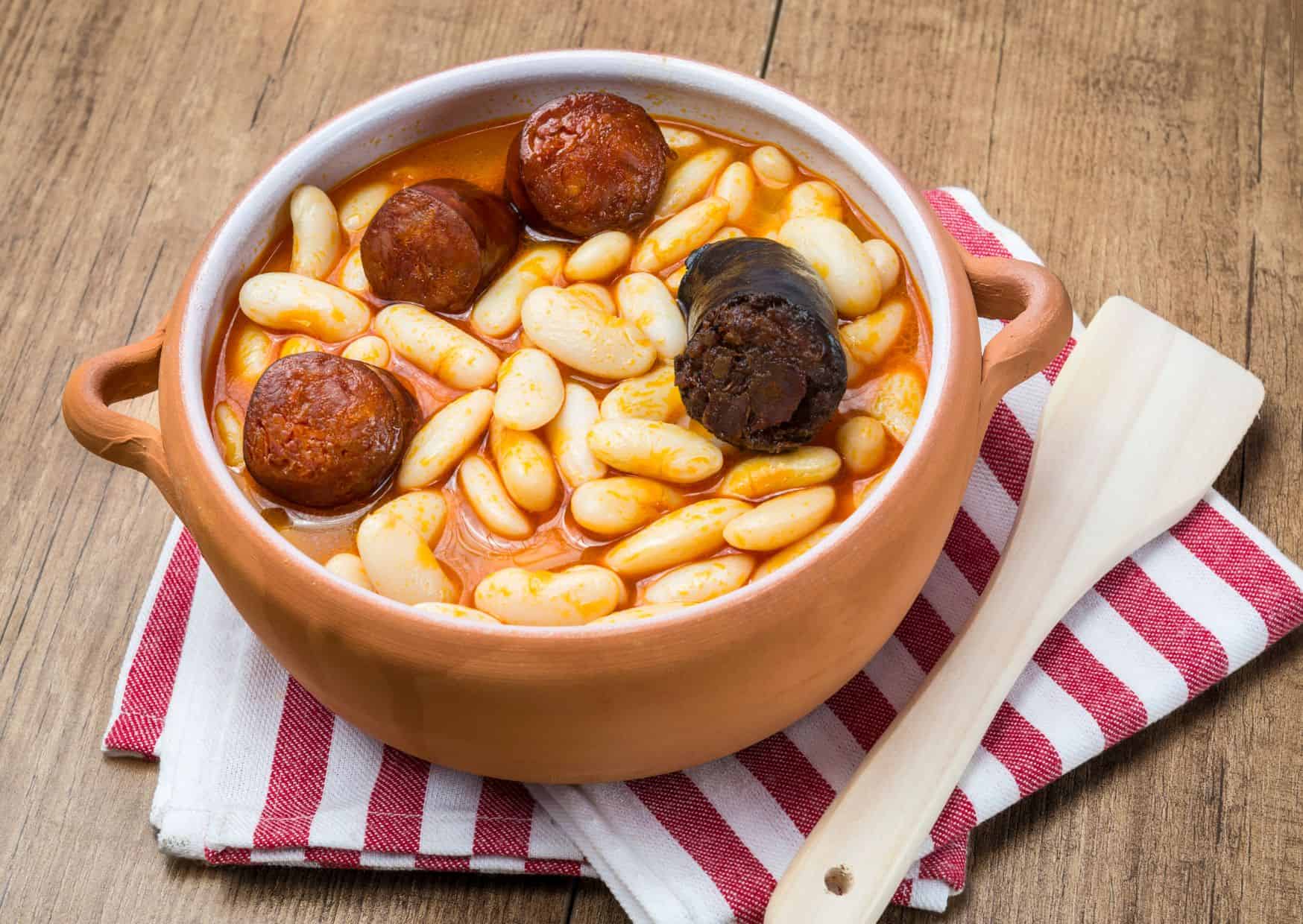
When most people think of Spanish food, they picture paella, tapas, or maybe a sizzling plate of chorizo. But tucked away in the heart of Castilla y León is a dish that’s just as beloved by locals Judiones de la Granja. This humble yet rich white bean stew is a cornerstone of Segovian cuisine and a true comfort food that reflects Spain’s deep culinary roots.
Named after the oversized white beans grown in the town of La Granja de San Ildefonso, Judiones are slow-cooked with chorizo, morcilla (blood sausage), pancetta, and garlic until creamy and full of smoky flavor. The texture of the beans is what makes this dish extraordinary silky, hearty, and deeply satisfying. It’s the kind of recipe passed down from abuelas, often prepared on Sundays or special occasions when the family gathers.
Judiones de la Granja isn’t flashy, but that’s the point. It’s rustic, honest food that tells the story of Spanish agriculture, family traditions, and the slower pace of life in central Spain. If you want to taste Spain beyond the tourist menu, this dish delivers exactly that.
The best Spanish food to try, Breakfast in Spain, and vegetarian food in Spain
BOOK YOUR TRAVEL INSURANCE
Two of our favorite travel insurance: Heymondo Vs Safetwing cheapest travel Insurance. You can get for $135 USD your Heymondo Travel Insurance with Heymondo discount code valid for 90 days. Read our full comparison of Genki vs Safetywing Travel Insurance Review and the comparison Heymondo vs Genki
Best Time to Eat & How to Partner
Judiones de la Granja is best enjoyed during lunch or early dinner, particularly in colder months when you need something warming and hearty. It’s traditionally served as a first course in Spanish meals but is rich enough to stand on its own as a full entrée.
To complement the dish, pair it with a bold Ribera del Duero red wine or a rustic Tempranillo, both regional wines that balance the deep, meaty flavors of the stew. For sides, consider a simple green salad or roasted red peppers in olive oil to keep the focus on the stew. A thick slice of crusty bread is non-negotiable you’ll want every drop of that garlicky broth.
To outsiders, Judiones may seem like a “peasant dish,” but in Spain, it’s a source of pride and regional rivalry. Some insist on using only beans grown in La Granja, claiming any substitutes ruin the authenticity. Others debate the proper balance of meats, or whether it should be soupy or thick. It’s not just a recipe it’s a battleground of culinary identity.
Many Americans shy away from dishes like Judiones because of their use of morcilla (blood sausage), which is often misunderstood or stigmatized in modern Western diets. Yet in Spanish cuisine, ingredients like blood sausage are a celebration of using the whole animal, and this mindset continues to challenge American sensibilities around what’s considered acceptable or “clean” eating.
Finally, the long cooking time and slow-food philosophy behind this dish contrast sharply with the fast-paced, convenience-driven culture elsewhere. It’s a reminder that some of the best meals can’t be microwaved, and that investing time in a simple stew can yield something far more memorable than takeout or trendy food fads.
How to Make Spanish Judiones De la Granja
Spanish Judiones De la Granja Recipe Ingredients
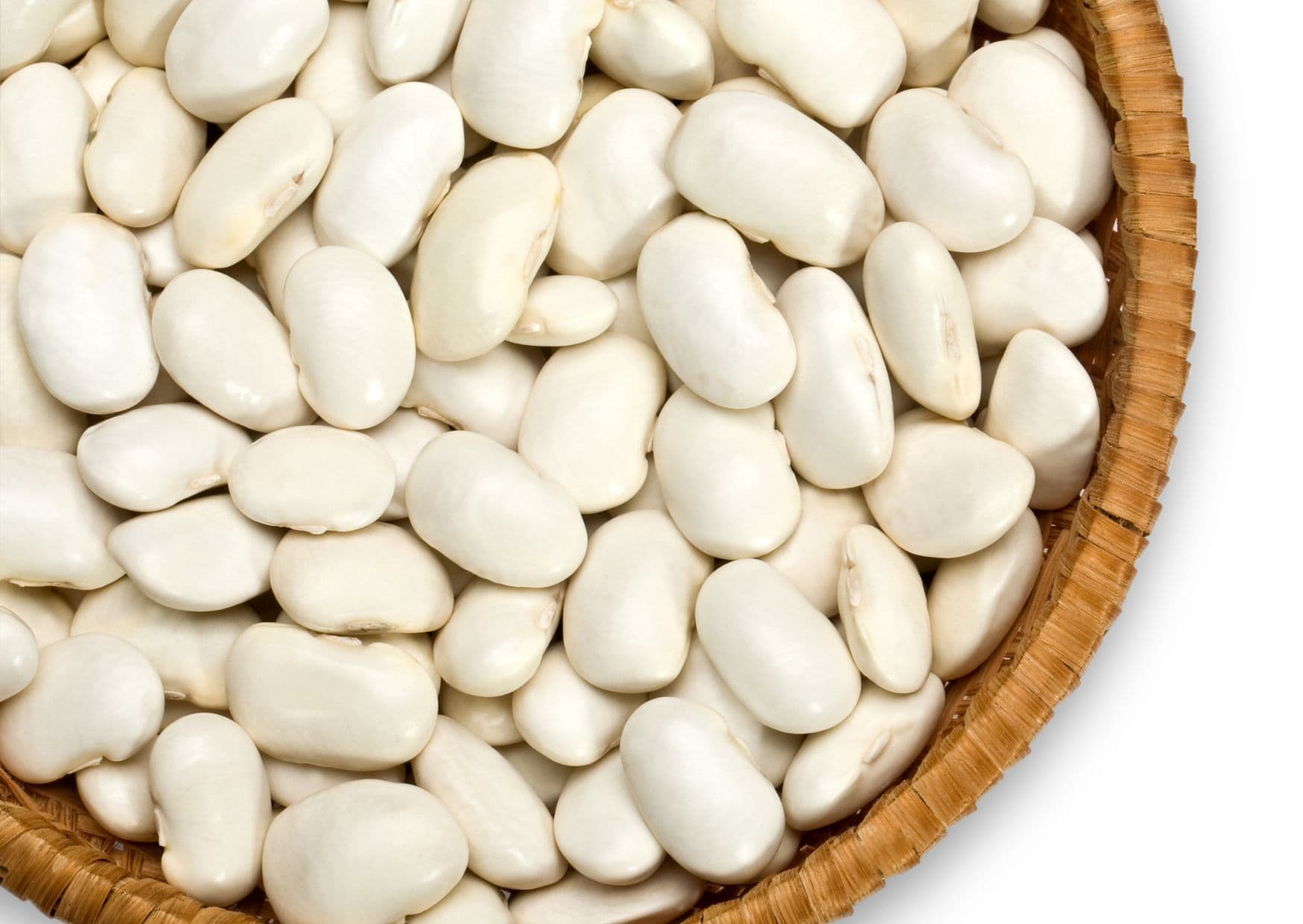
1 pound (450 grams) of Judiones de la Granja (large white beans), soaked overnight
1/4 cup of olive oil
1 onion, finely chopped
2 cloves of garlic, minced
1 bay leaf
1 teaspoon of sweet paprika
1 teaspoon of ground cumin
1/2 teaspoon of smoked paprika (optional, for added depth)
Salt and black pepper, to taste
1 tablespoon of tomato paste
1/2 cup of dry white wine
4 cups of vegetable or chicken broth
1 sprig of fresh thyme
Fresh parsley, chopped, for garnish
Get the best deals for your home and kitchen needs
Step By Step How to Make Spanish Judiones De la Granja
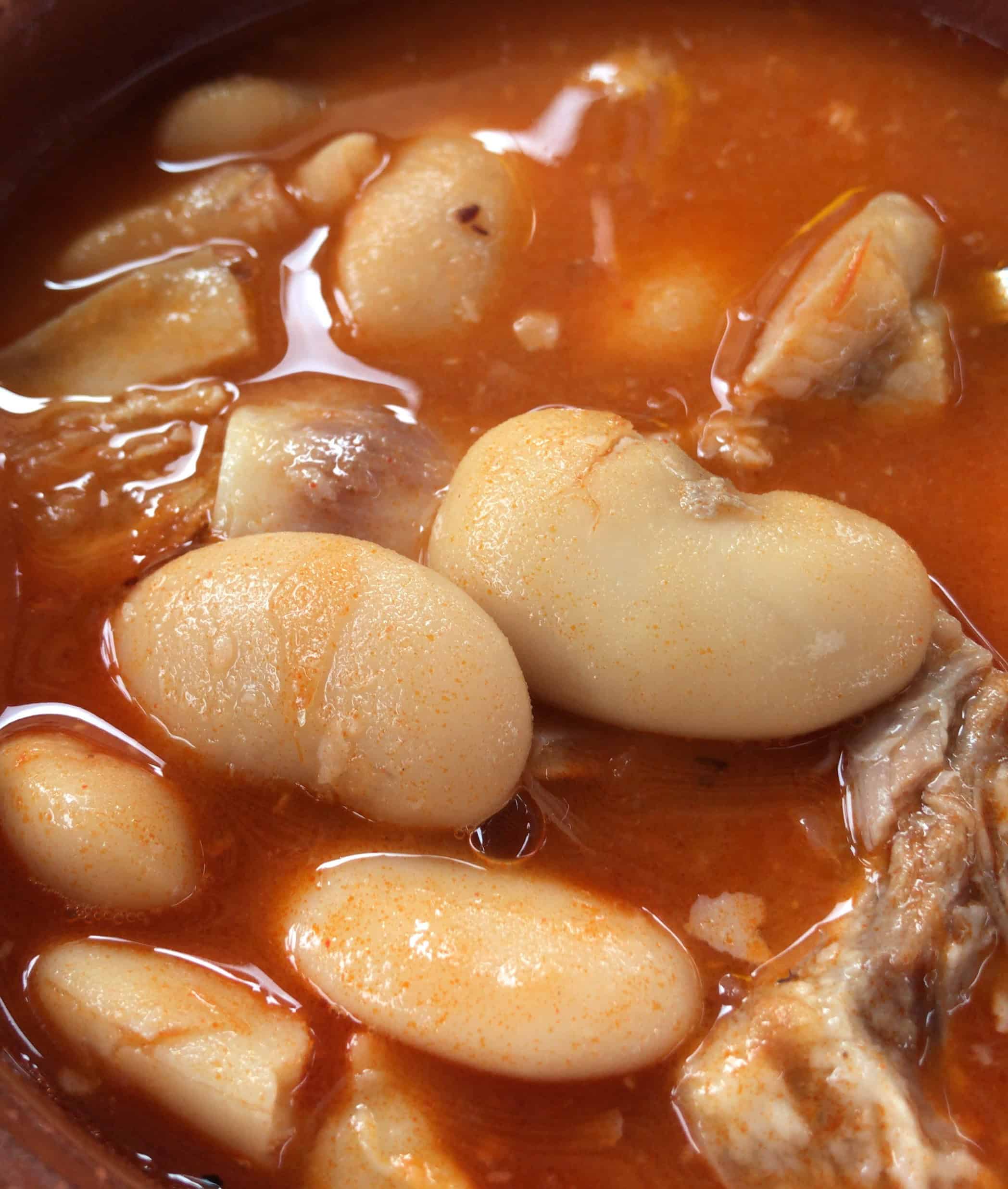
Prepare the Beans
Rinse the soaked Judiones de la Granja under cold water and drain well. In a large pot or Dutch oven, heat the olive oil over medium heat. Add the chopped onion and cook until it becomes translucent, about 5 minutes.
Add the minced garlic, bay leaf, sweet paprika, cumin, and smoked paprika (if using). Stir and cook for another minute until fragrant.
Stir in the tomato paste until well combined with the onion mixture. Pour in the white wine to deglaze the pot, scraping up any browned bits from the bottom.
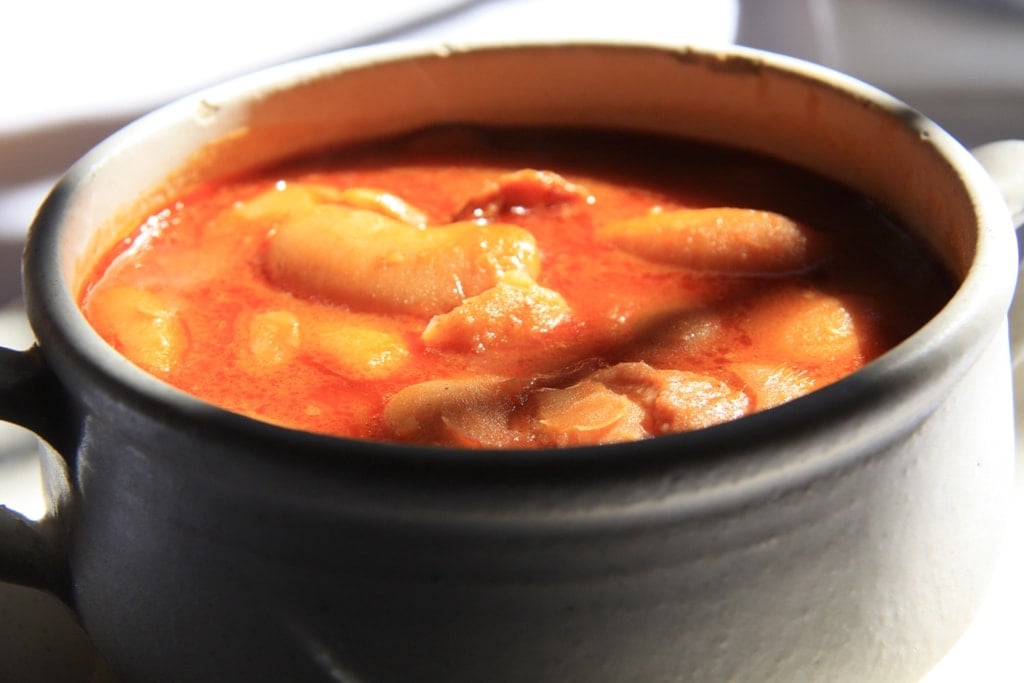
Cook the Beans
Add the soaked Judiones de la Granja beans to the pot, along with the broth and fresh thyme sprig. Bring to a boil over high heat.
Reduce the heat to low, cover the pot, and let the beans simmer gently for about 1.5 to 2 hours, or until the beans are tender and creamy. Stir occasionally and add more broth if necessary to keep the beans submerged.
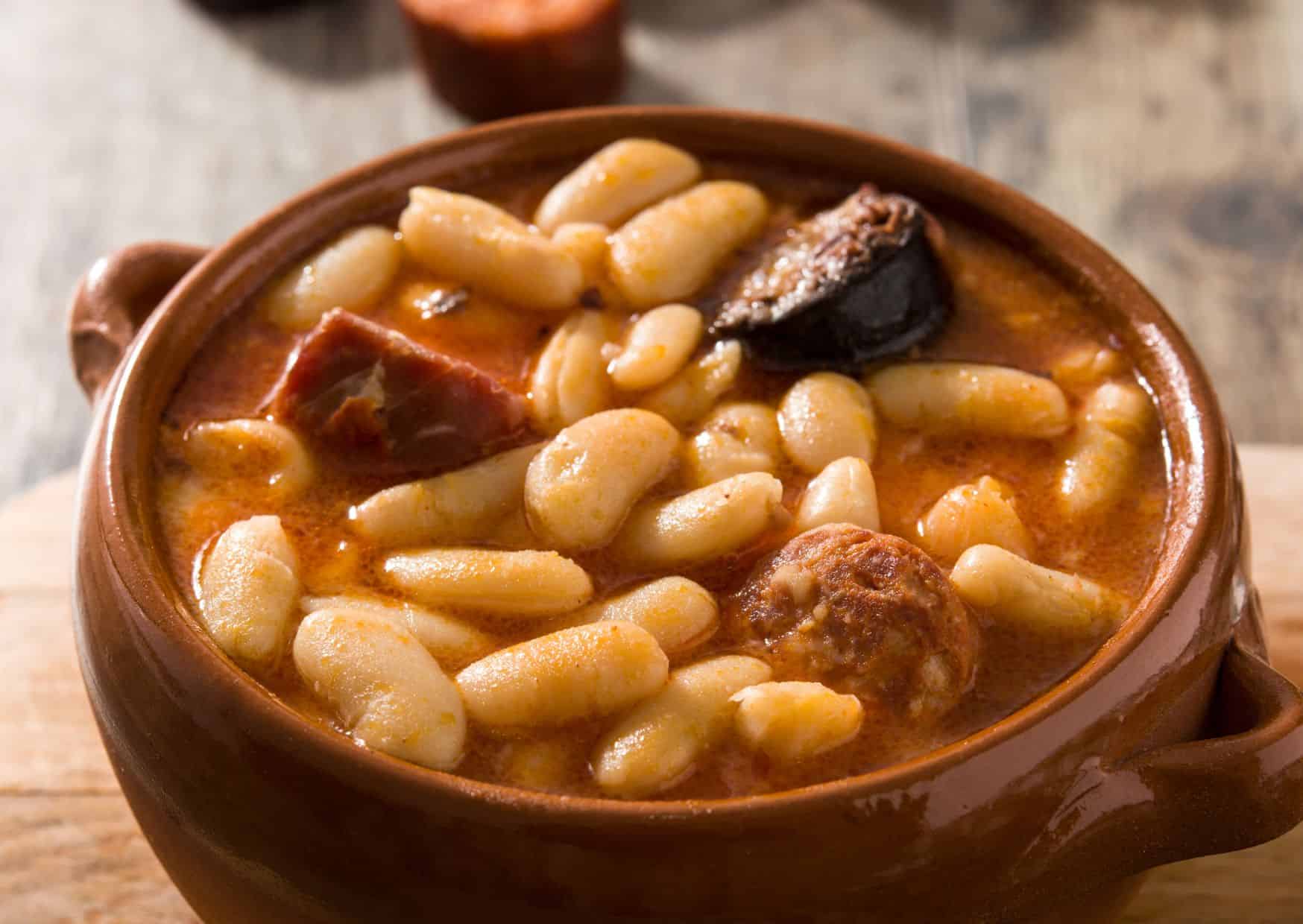
Season and Serve
Once the beans are cooked, remove the bay leaf and thyme sprig. Season with salt and black pepper to taste. If the stew is too thin, you can mash a few beans against the side of the pot to thicken it slightly.
Serve hot, garnished with chopped fresh parsley.
Tips For Making Spanish Judiones De la Granja
Ensure the beans are properly soaked overnight to reduce cooking time and improve texture. Experiment with adding additional herbs or spices like bay leaves, smoked paprika, or even a dash of sherry vinegar for complexity.
Adjust the broth level during cooking to achieve your preferred consistency—some prefer a thicker stew while others prefer it more soup-like.
How Many Calories Have Spanish Judiones De la Granja
A serving of Judiones de la Granja is approximately 200-300 calories, depending on portion size and the amount of olive oil used in the recipe.
Origin and History
Judiones de la Granja comes from the town of La Granja de San Ildefonso in Spain’s province of Segovia. The dish is built around large, creamy white beans known as judiones, which have been cultivated in the region for centuries thanks to the area’s cool climate and mineral-rich soil. What began as a humble rural meal eventually became one of Castile and León’s most comforting traditional stews.
Historically, judiones were prized for their size and ability to hold their shape during long cooking. Farmers and home cooks favored them because they could feed large families with relatively inexpensive ingredients. Like many Spanish stews, the recipe evolved from practical, slow-cooked meals designed to maximize flavor and nourishment.
Over time, the dish became associated with hearty mountain cooking. The beans are typically simmered with pork products such as chorizo, morcilla, or pancetta, reflecting the region’s strong charcuterie tradition. This combination helped transform simple legumes into a deeply satisfying main course.
Today, Judiones de la Granja remains a point of regional pride. While it is less internationally famous than dishes like paella or fabada, it continues to appear on traditional restaurant menus throughout central Spain, especially during cooler months.
One of the most debated aspects of Judiones de la Granja is authenticity. Purists insist the dish must use true judiones beans from Segovia, arguing that their size and creamy texture are difficult to replicate. Others maintain that large white beans such as gigantes or lima beans can produce an acceptable home version.
Another point of contention is the choice of meats. Traditional recipes often include multiple pork components, but modern adaptations sometimes lighten the dish or make it vegetarian. While these versions can be delicious, traditionalists argue they stray too far from the stew’s original character.
There is also disagreement about soaking and cooking methods. Some cooks insist on overnight soaking and very gentle simmering to protect the beans’ skins, while others use quicker methods or pressure cookers. Each approach affects texture and broth consistency.
Finally, seasoning intensity can divide opinion. In some households the paprika and cured meats create a deeply smoky broth, while in others the flavor is kept more delicate to highlight the beans themselves. Regional and family traditions strongly influence the final profile.
How Long It Takes to Prepare
Judiones de la Granja is not a quick dish, but most of the time is hands-off. If using dried judiones, the beans typically need to soak overnight, which takes about 8 to 12 hours. This step helps ensure even cooking and a creamy interior.
Active prep the next day—chopping aromatics, slicing meats, and assembling the pot usually takes about 15 to 20 minutes. The ingredient list is straightforward, so the process remains approachable for home cooks.
The gentle simmer is where the magic happens. Traditional stovetop cooking generally takes about 2 to 3 hours, allowing the beans to soften fully while the broth develops depth. A pressure cooker can shorten this to roughly 45 to 60 minutes, though some cooks prefer the slower method.
In total, expect about half a day from soak to serving, but with minimal active work. The long cooking time is what gives the dish its signature creamy beans and rich, cohesive flavor.
Serving Suggestions
Judiones de la Granja is typically served as a hearty main course, especially in cooler weather. A simple rustic presentation in wide bowls allows the large beans and savory broth to take center stage.
For balance, pair the stew with crusty bread to soak up the flavorful broth. A light green salad with vinaigrette also works well to cut through the richness of the pork and beans.
In Spain, the dish is often part of a leisurely midday meal rather than dinner. Serving smaller portions as a first course followed by a lighter main is another traditional approach.
Leftovers improve noticeably the next day as the flavors continue to meld. The stew reheats well on the stovetop and can be slightly thinned with broth or water if it thickens too much in the refrigerator.
Final Thoughts
Judiones de la Granja is a perfect example of how simple ingredients can produce deeply satisfying results when treated with patience. Its richness comes not from complexity but from slow cooking and well-chosen components.
Part of the dish’s charm is that it still feels relatively undiscovered outside Spain. For home cooks looking to expand beyond more familiar Spanish recipes, it offers something both traditional and distinctive.
Once you understand the basic method proper soaking, gentle simmering, and balanced seasoning the recipe becomes highly repeatable. It is forgiving enough for beginners while still rewarding careful technique.
If you are searching for a comforting, rustic dish that showcases the depth of Spanish home cooking, Judiones de la Granja deserves a place in your rotation. It is the kind of meal that quietly wins people over bowl after bowl.

About the Author: Ruben, co-founder of Gamintraveler.com since 2014, is a seasoned traveler from Spain who has explored over 100 countries since 2009. Known for his extensive travel adventures across South America, Europe, the US, Australia, New Zealand, Asia, and Africa, Ruben combines his passion for adventurous yet sustainable living with his love for cycling, highlighted by his remarkable 5-month bicycle journey from Spain to Norway. He currently resides in Spain, where he continues sharing his travel experiences with his partner, Rachel, and their son, Han.