
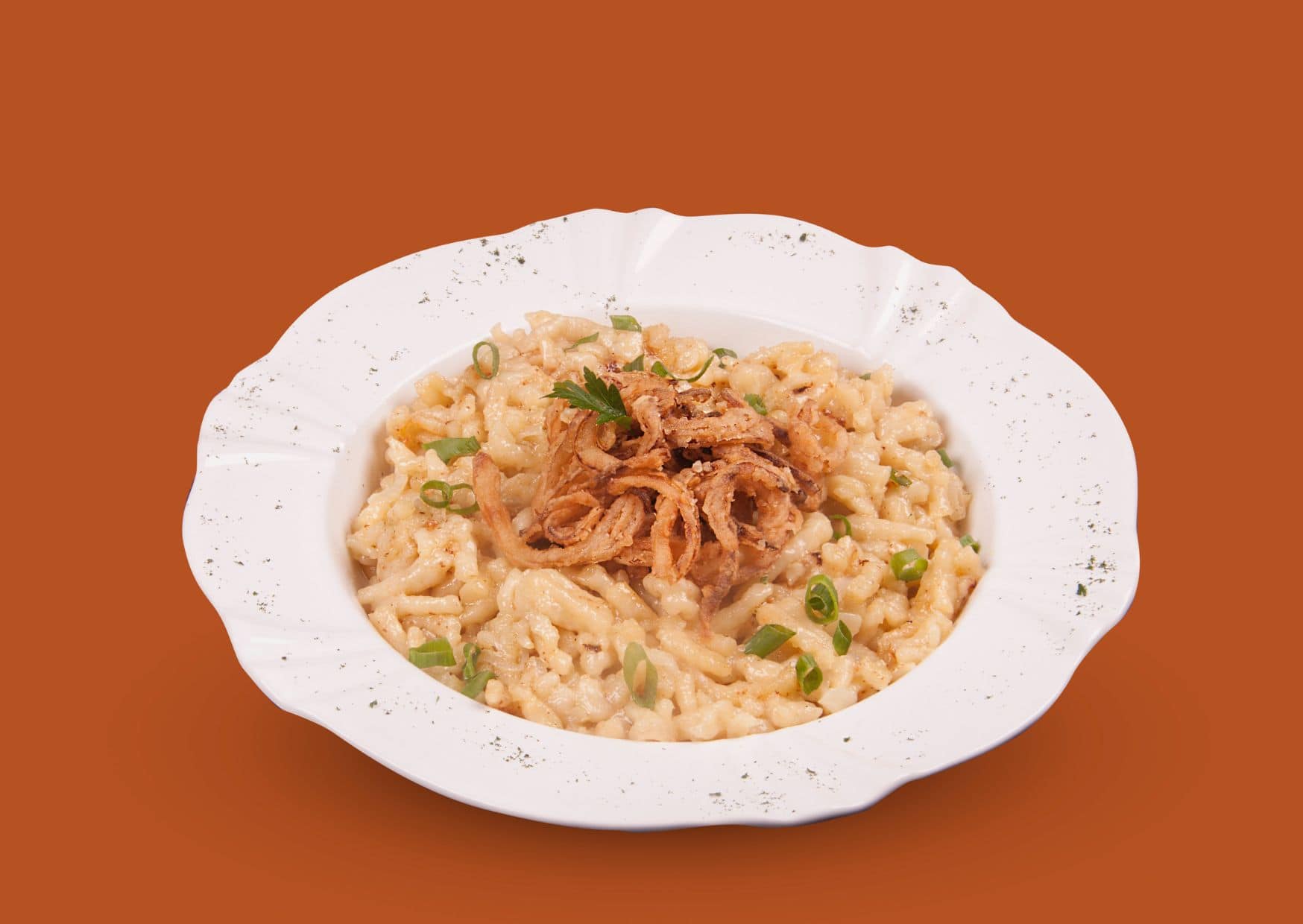
Spätzle is one of Germany’s most comforting and beloved traditional dishes, often described as a cross between pasta and dumplings. These soft, chewy egg noodles are made from a simple batter of flour, eggs, and milk, then pressed or cut into boiling water to create their distinct irregular shape. In this recipe guide, you’ll learn how to make authentic German Spätzle dumplings at home, bringing the flavours of Bavarian kitchens and cosy German inns straight to your table.
What makes Spätzle so special is its versatility and rustic charm. It is served alongside hearty meat dishes like schnitzel or sauerbraten, folded with melted cheese and onions as Käsespätzle, or enjoyed with rich gravy from roasts. This dish reflects the heart of southern German cuisine, focusing on simple, nourishing ingredients transformed into meals that feel like home with every bite.
Whether you’re preparing a traditional German dinner, seeking a satisfying vegetarian side, or wanting to expand your European cooking repertoire, Spätzle is an excellent choice. It proves that comfort food doesn’t need to be complicated – just wholesome, homemade, and served with love.
Read here the best German food, vegetarian food in Germany, German desserts and breakfasts in Germany
BOOK YOUR TRAVEL INSURANCE
Two of our favorite travel insurance: Heymondo Vs Safetwing cheapest travel Insurance. You can get for $135 USD your Heymondo Travel Insurance with Heymondo discount code valid for 90 days. Read our full comparison of Genki vs Safetywing Travel Insurance Review and the comparison Heymondo vs Genki
Best Time To Eat
Spätzle is best enjoyed as a warm side dish for lunch or dinner, especially during cooler months when you crave something hearty, filling, and satisfying to pair with roasted meats or creamy sauces.
Best Dishes To Partner
Serve your Spätzle with German schnitzel, sauerbraten (pot roast), or creamy mushroom sauce, and pair it with a crisp German lager, wheat beer, or a glass of dry Riesling to complement its rich, buttery flavours and complete your authentic German meal experience.
There’s an ongoing debate in Germany over what makes “true” Spätzle. Swabians claim ownership of the dish and have strict views on its shape, texture, and preparation, while Bavarians, Austrians, and even Alsatians all lay claim to their own variations, each insisting theirs is the most authentic.
The method of shaping the dumplings is another contentious topic. Some insist on using the traditional board-and-knife technique, while others embrace the convenience of modern Spätzle makers or colanders. Purists argue that these shortcuts compromise texture and authenticity.
Finally, there’s disagreement over how Spätzle should be served. While some say it should always be a side dish to meaty mains, others believe it can shine as a standalone comfort food—especially in dishes like Käsespätzle, where the dumplings are smothered in cheese and onions. This clash between tradition and adaptation keeps the conversation about Spätzle as lively as the dish itself.
How to Make German Spätzle Dumplings
German Spätzle Dumplings Recipe Ingredients
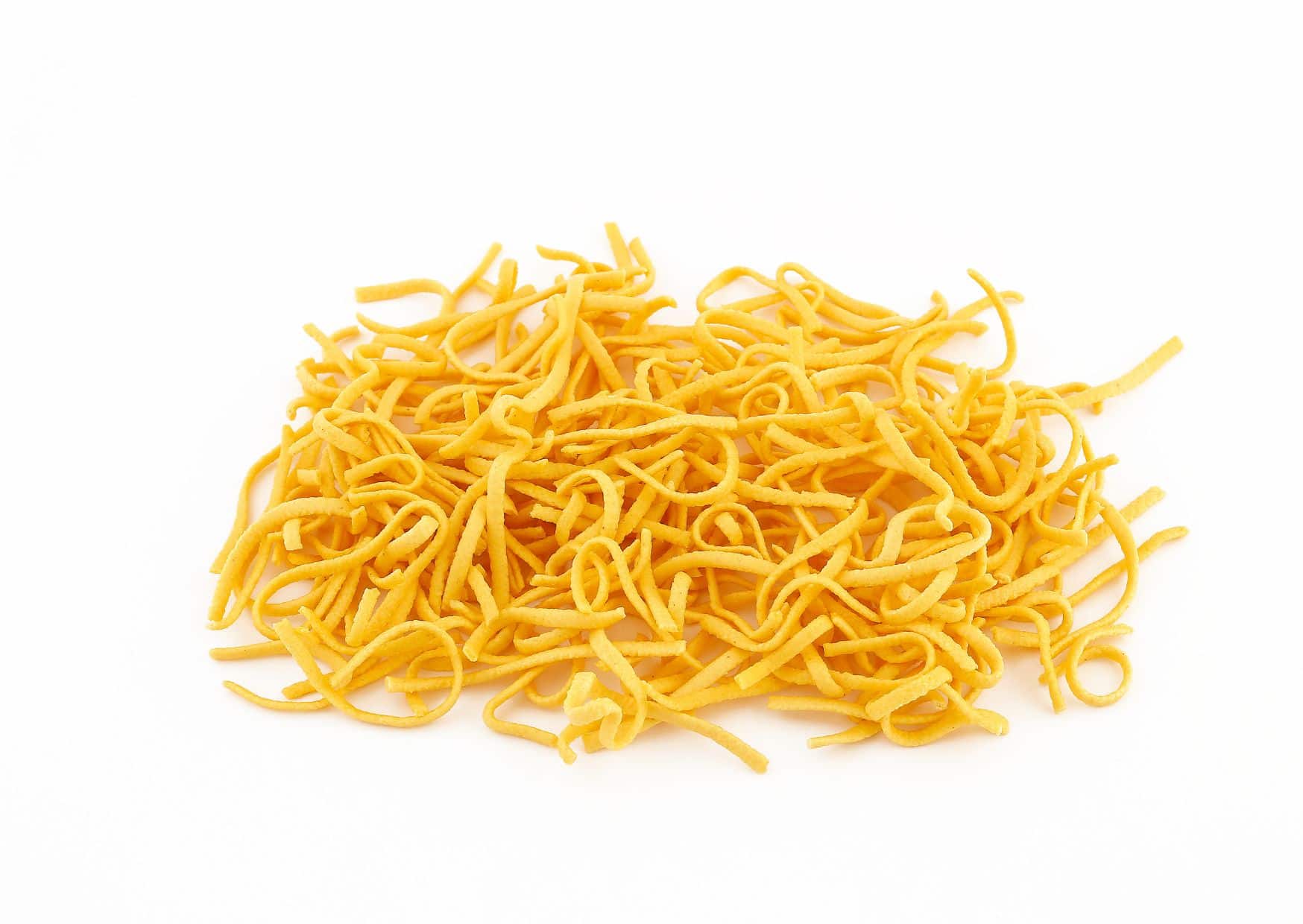
2 cups all-purpose flour (250 grams)
1 teaspoon salt
1/4 teaspoon nutmeg (optional, for flavor)
2 large eggs
1/2 cup milk (120 ml)
1/4 cup water (60 ml)
For Serving:
2 tablespoons butter (for frying, optional)
Fresh herbs like parsley (optional)
Grated cheese (for Käsespätzle, optional)
Get the best deals for your home and kitchen needs
Step By Step How to Make German Spätzle Dumplings
Prepare the Spätzle Dough
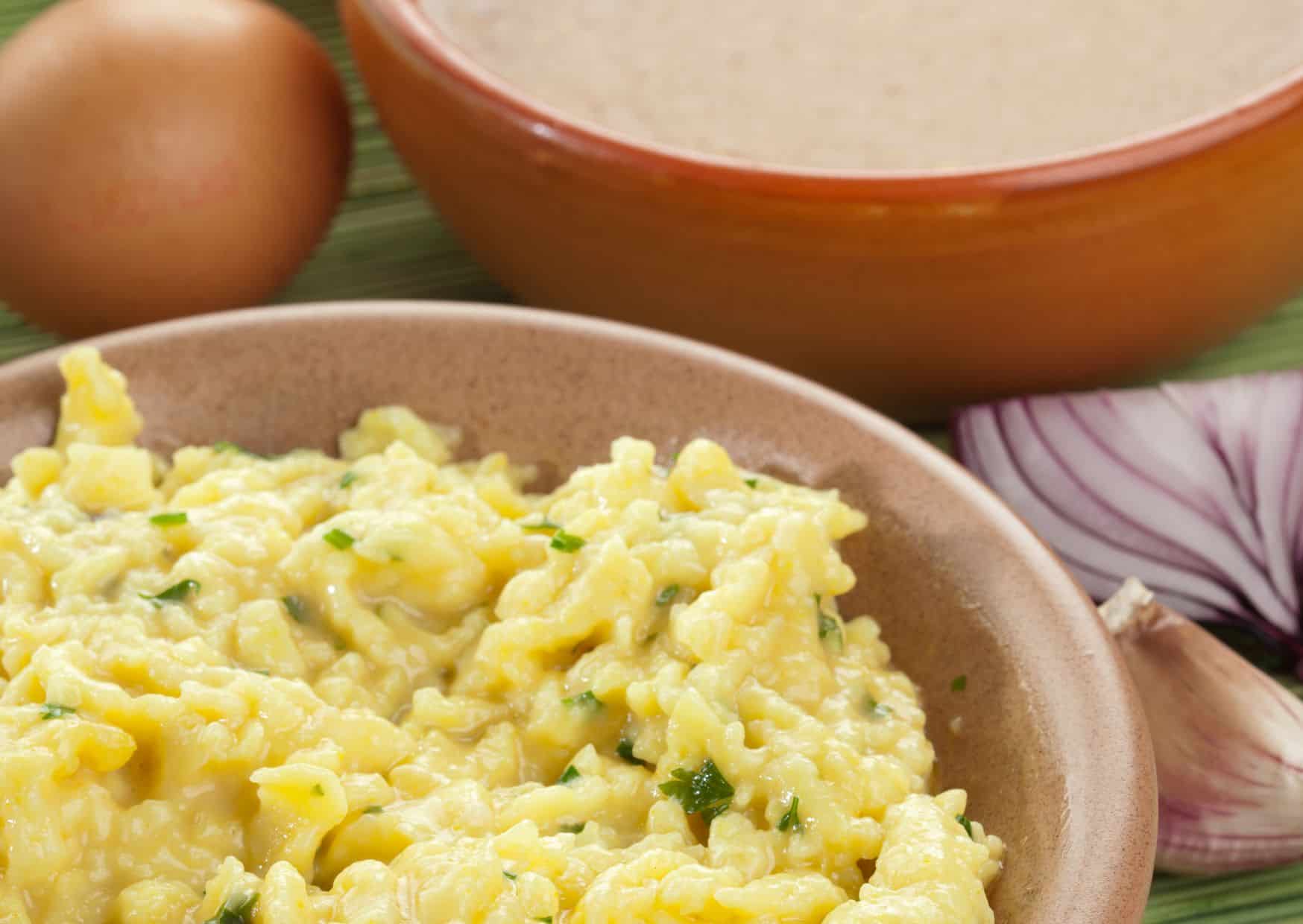
In a large bowl, whisk together the flour, salt, and nutmeg (if using). Create a well in the center of the flour and add the eggs, milk, and water.
Mix the ingredients using a wooden spoon or hand mixer until the batter is smooth and elastic. The dough should be thick but slightly runny. It should drop slowly from a spoon when lifted. If too thick, add a little more water or milk, one tablespoon at a time.
Boil the Water
Bring a large pot of salted water to a boil. Reduce the heat to a gentle boil. If the water is too vigorously boiling, the Spätzle can break apart.
Shape the Spätzle
Place the dough into the press and squeeze it directly over the boiling water, allowing the dough to fall in small strands.
Use a special Spätzle grater that allows you to push the dough through holes to create small dumplings. Place dough in a colander or grater with large holes and use a spatula to push the dough through, letting it drop into the boiling water.
Spread the dough on a cutting board, then use a knife to cut small pieces into the water. This method creates a more rustic shape.
Cook the Spätzle
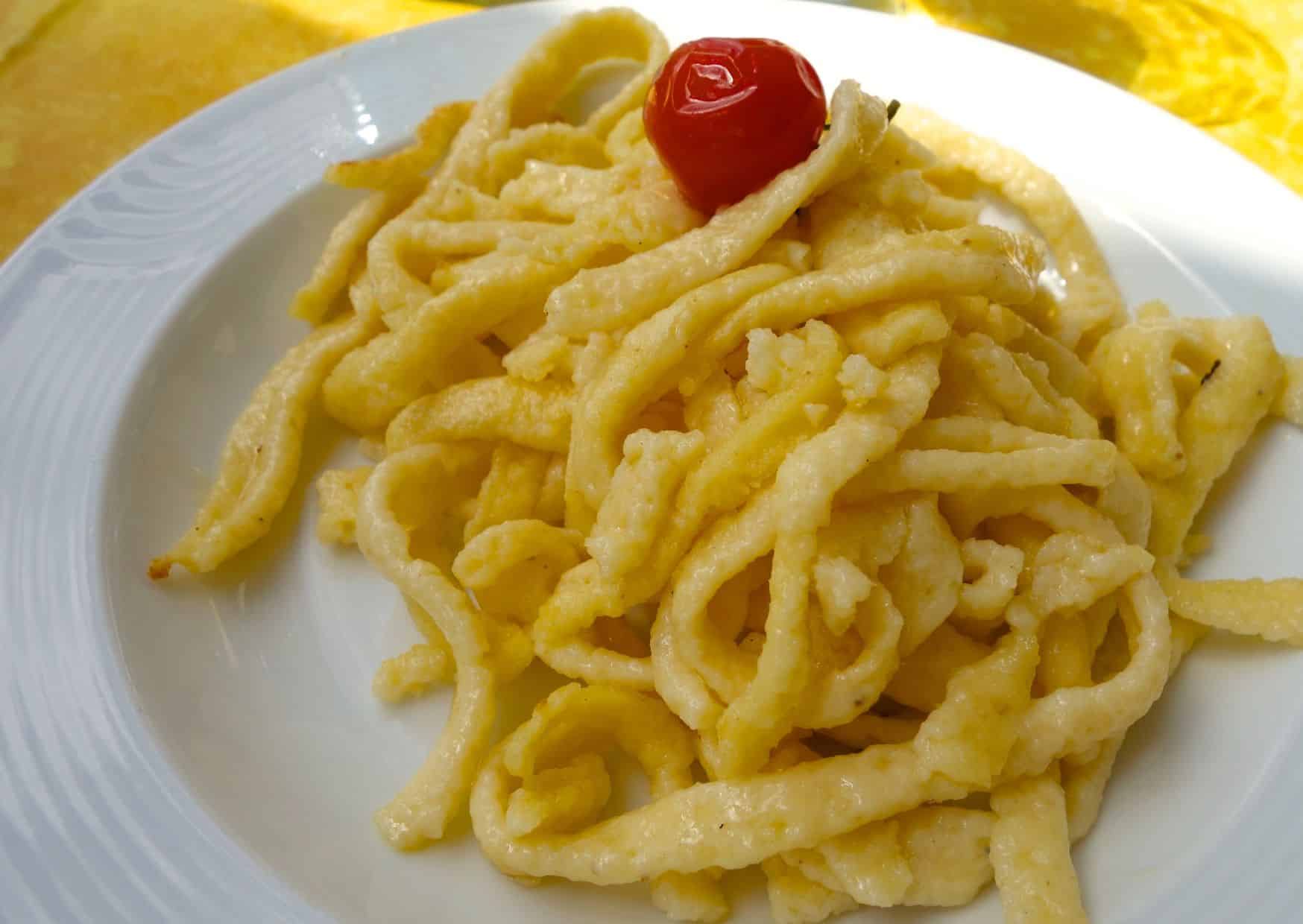
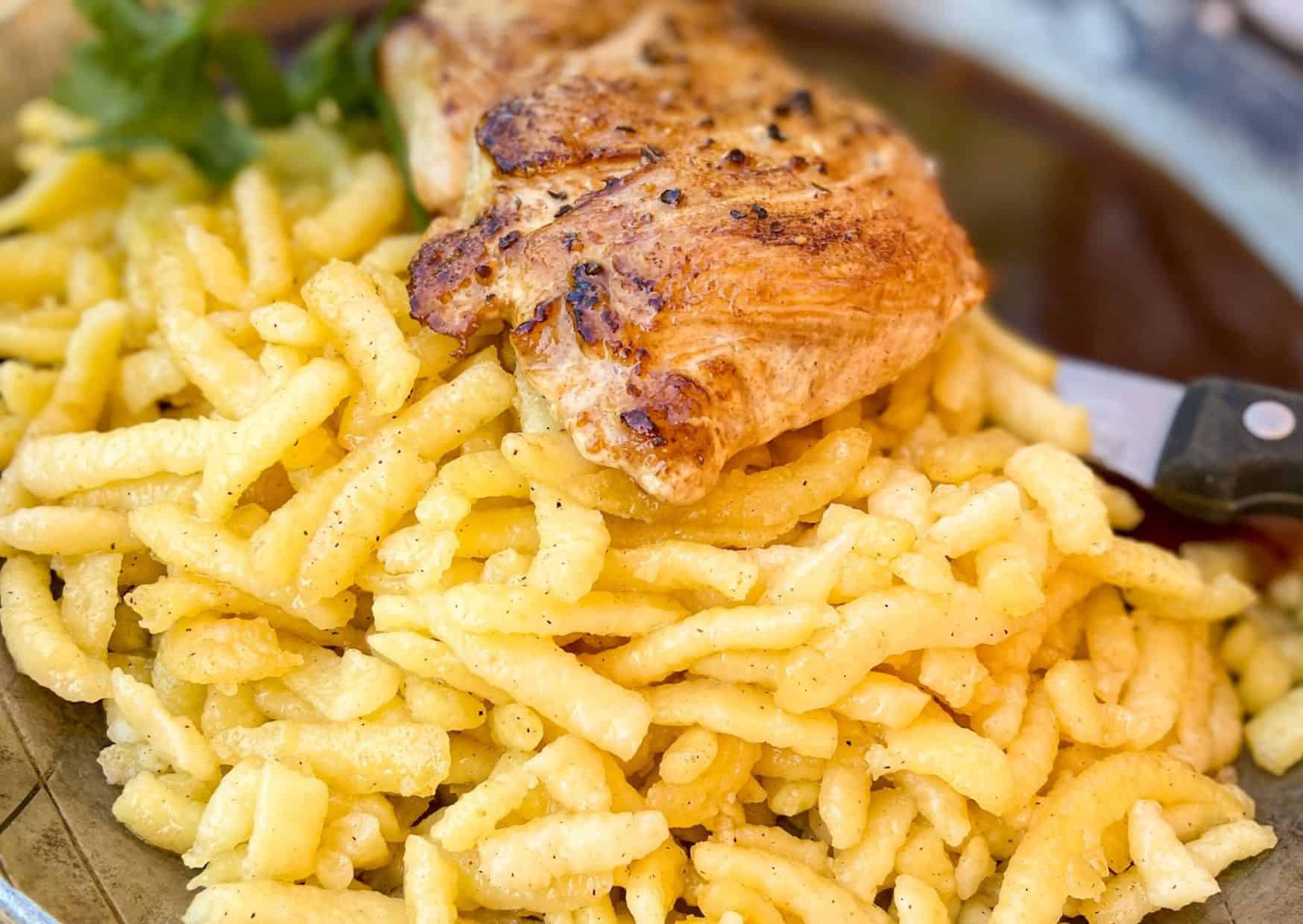
As soon as the Spätzle float to the top (usually in 1-3 minutes), they are cooked. Use a slotted spoon to transfer them to a colander and drain well. You can serve the Spätzle immediately or sauté them for extra flavor.
Melt 2 tablespoons of butter in a large skillet over medium-high heat. Add the cooked Spätzle and fry until they are golden and slightly crispy on the edges, about 3-5 minutes. Season with a pinch of salt and garnish with fresh parsley or chives.
Serve
Serve the Spätzle as a side dish or main dish. They pair perfectly with meat dishes like Sauerbraten, Goulash, or as a base for Käsespätzle (with cheese and caramelized onions).
Tips To Make German Spätzle Dumplings
The consistency of the dough is crucial. It should be thick yet slightly runny, similar to pancake batter. If it’s too thick, add a little more water. If too runny, add a tablespoon of flour.
Mix the batter until just combined to avoid a tough texture. The dough should be smooth but not elastic like bread dough. Experiment with different shaping methods to find what you prefer. A Spätzle press or grater produces more uniform shapes, while using a cutting board creates rustic, uneven dumplings.
For a firmer texture, you can let the dough rest in the fridge for about 30 minutes before shaping and cooking. Frying the Spätzle in butter after boiling adds a rich flavor and slightly crispy texture, making them even more delicious.
Variations:
Käsespätzle (German Mac and Cheese):
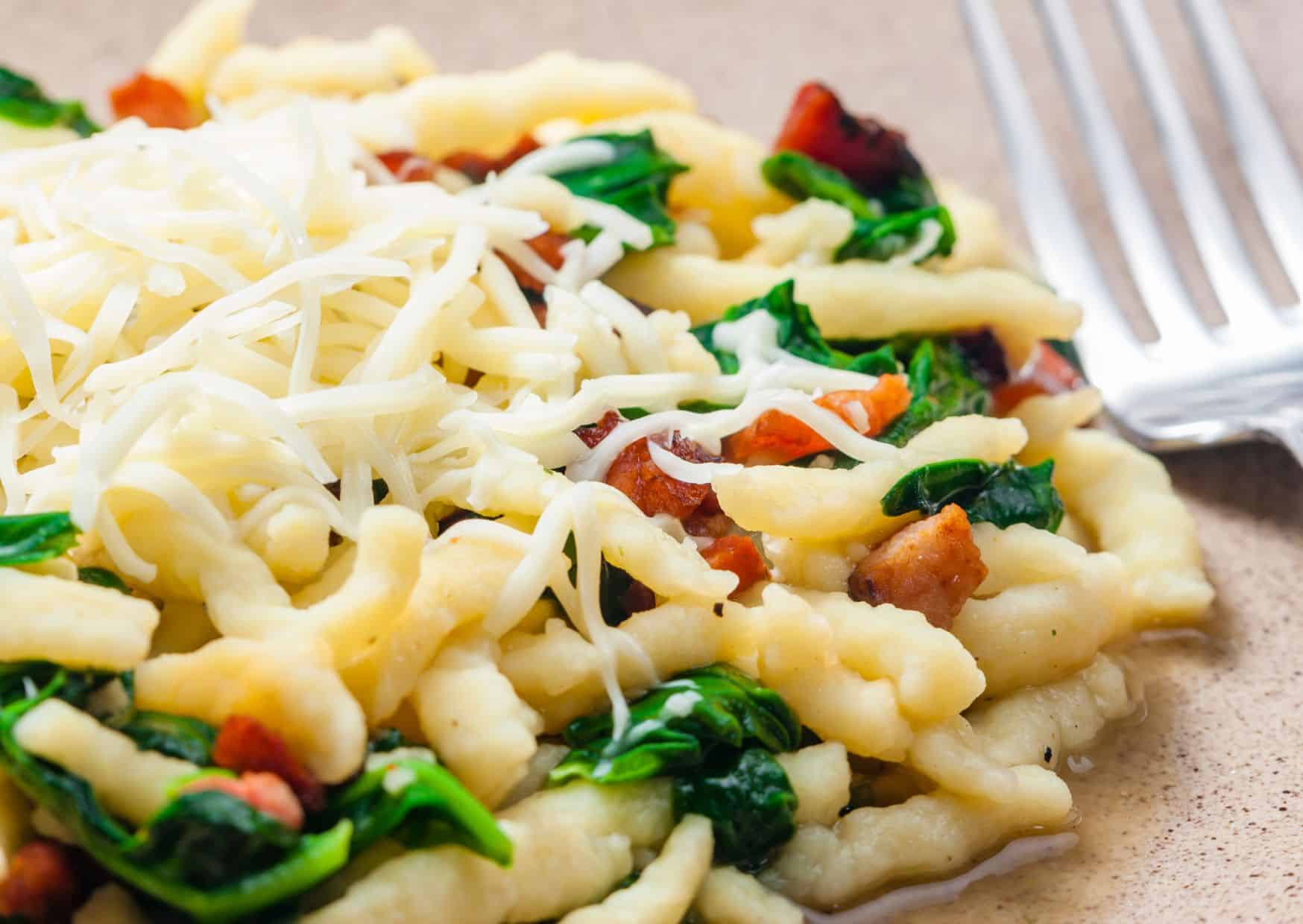
Layer the cooked Spätzle in a baking dish with grated cheese (Emmental or Gruyère) and caramelized onions. Bake until the cheese is melted and bubbly.
Herbed Spätzle:
Add finely chopped herbs like parsley, chives, or thyme to the batter for an herby twist.
Spinach Spätzle:
Blend fresh or frozen spinach into the batter for a vibrant green color and a boost of nutrients.
Spicy Spätzle:
Add a pinch of cayenne pepper or paprika to the batter for a spicy kick.
Serving Suggestions:
Spätzle is a versatile dish and can be served in many different ways:
As a Side Dish: Serve with hearty meat dishes like Sauerbraten, beef stew, goulash, or roast pork.
As a Main Dish: Prepare it as Käsespätzle for a filling vegetarian main course.
With Vegetables: Mix with sautéed mushrooms, caramelized onions, and herbs for a vegetarian option.
Topped with Gravy: Enjoy it topped with a rich, savory gravy or sauce for a comforting meal.
How Many Calories Have German Spätzle Dumplings
The calorie content for Spätzle will vary depending on portion size and any added ingredients like butter or cheese. On average:
1 cup of cooked Spätzle (about 150 grams) contains:
Approx. 220-240 calories
7 grams of protein
8 grams of fat (if fried in butter)
32 grams of carbohydrates
If you choose to add cheese and butter for Käsespätzle, the calorie count can increase significantly, ranging from 350-450 calories per serving.
Origin and History
Spätzle is one of the most beloved comfort foods in Germany, with roots that stretch back hundreds of years. This tender egg noodle is especially associated with the Swabia region in southwestern Germany, where it has been a staple since at least the 18th century. The word “Spätzle” roughly translates to “little sparrows,” referring to their shape, which is often hand-cut or pressed through a special tool.
Traditionally, Spätzle was made from simple ingredients—eggs, flour, and salt—which were readily available in rural households. It became a common side dish for roasts and stews, offering a filling and satisfying base for rich, meaty sauces. Over time, every region developed its own slight variations, from thicker, rustic noodles to delicate, airy strands.
As German immigrants moved abroad, they brought their recipes with them, introducing Spätzle to kitchens around the world. Today, it’s celebrated as both a traditional comfort food and a versatile pasta that pairs beautifully with modern dishes, too.
Despite its humble ingredients, Spätzle is not without culinary debate. One of the most hotly contested topics is the method of shaping the noodles. Traditionalists insist on hand-scraping the dough from a wooden board into boiling water, while others prefer modern tools like Spätzle presses or colanders for consistency. Each method has its champions, and each produces slightly different textures.
Another controversy revolves around the dough itself. Some cooks add milk or water to create a lighter texture, while others stick strictly to eggs for a richer, denser noodle. The ratio of wet to dry ingredients can make or break the final result, leading to passionate arguments about what’s truly “authentic.”
Finally, there’s the question of whether Spätzle should be served simply with butter or dressed up with cheese, cream, or sauces. Purists favor minimal seasoning to let the noodles shine, while modern variations often turn Spätzle into a decadent main dish, similar to pasta gratins.
How Long You Take to Prepare
One of the great things about Spätzle is how quickly it comes together. From start to finish, the dish typically takes about 30 to 40 minutes, making it an excellent option for a comforting homemade meal without spending hours in the kitchen.
The process begins with mixing eggs, flour, and salt into a sticky, elastic dough. The dough is then pressed or scraped into boiling salted water, where it cooks in just a couple of minutes. Once the noodles float to the surface, they’re removed and tossed with butter to prevent sticking and enhance flavor.
While the basic version is quick, you can take extra time to sauté the finished Spätzle in butter until lightly golden, adding another layer of richness. This step is optional but often preferred for a slightly crispier texture.
Serving Suggestions
Spätzle is incredibly versatile and can be served in many ways. The classic preparation is simply tossing it in melted butter and seasoning with salt and pepper. This allows the soft, eggy flavor of the noodles to shine through, making it a perfect accompaniment to hearty meats or stews.
A popular variation is Käse-Spätzle, where the noodles are layered with melted cheese and onions—Germany’s comforting answer to mac and cheese. This version is especially beloved in alpine regions and often served in cozy mountain lodges.
Spätzle also pairs beautifully with roasted meats, goulash, or mushroom cream sauces. Whether served as a side or the star of the meal, it’s a dish that feels both rustic and indulgent at the same time.
Final Thoughts
Spätzle is the ultimate German comfort food—simple, rustic, and endlessly versatile. These tender egg dumplings can be served as a hearty side or turned into a main dish when paired with rich sauces, melted cheese, or roasted meats. Their soft, slightly chewy texture makes them a delight to eat with almost anything.
Making Spätzle at home connects you to a tradition that has been passed down for generations in German kitchens. The recipe is straightforward, and with a bit of practice, you can produce dumplings that rival those served in Bavarian beer halls or Swabian countryside homes.
Whether enjoyed fresh from the pot with a drizzle of butter or baked into a cheesy casserole, Spätzle is proof that humble ingredients can create something truly memorable. Once you’ve mastered it, this dish will likely become a regular on your table.

About the Author: Ruben, co-founder of Gamintraveler.com since 2014, is a seasoned traveler from Spain who has explored over 100 countries since 2009. Known for his extensive travel adventures across South America, Europe, the US, Australia, New Zealand, Asia, and Africa, Ruben combines his passion for adventurous yet sustainable living with his love for cycling, highlighted by his remarkable 5-month bicycle journey from Spain to Norway. He currently resides in Spain, where he continues sharing his travel experiences with his partner, Rachel, and their son, Han.