
Introduction: “Diet? What Diet?”
In many European countries, the word “diet” is rarely used in the same restrictive sense it is in the United States. Instead of chasing the newest fad or counting every calorie, Europeans often embrace a holistic approach to food—one that focuses on taste, tradition, quality, and overall well-being. This approach doesn’t mean there’s some magic formula exclusive to people living in Paris, Milan, or Lisbon, but rather a collective set of habits, cultural norms, and attitudes that keep them healthy without feeling deprived.
That’s not to say Europeans don’t indulge. They enjoy pastries in France, pizza in Italy, and sausages in Germany. Yet, despite these culinary delights, obesity rates in many European countries tend to be lower than in the U.S. and certain other parts of the world. The “secret” is less about extreme dieting and more about small daily choices that accumulate into a consistent lifestyle.
So, what are these daily choices? Why do so many Europeans remain healthier without obsessively labeling their eating habits a “diet”? And most importantly, how can anyone—regardless of nationality—adopt these practices to live a more balanced life? Let’s dig in.
Read here how to pack for Europe and Best eSIM for Europe
BOOK YOUR TRAVEL INSURANCE
Two of our favorite travel insurance: Heymondo Vs Safetwing cheapest travel Insurance. You can get for $135 USD your Heymondo Travel Insurance with Heymondo discount code valid for 90 days. Read our full comparison of Genki vs Safetywing Travel Insurance Review and the comparison Heymondo vs Genki
Quick Easy Tips
Slow down while eating and actually enjoy your meals.
Choose whole, fresh foods over processed alternatives.
Eat smaller portions but make every bite count in flavor and quality.
Walk daily or stay lightly active as part of your routine.
Make food social—share meals and conversations instead of eating alone and rushed.
Many people believe staying healthy requires strict diets, cutting out entire food groups, or punishing exercise routines. This belief is deeply ingrained in diet culture but stands in stark contrast to how many Europeans live. They often eat bread, pasta, cheese, and even desserts—without guilt or extremes—yet maintain better health outcomes.
Another misconception is that Europeans are naturally healthier because of genetics. In reality, much of their wellness comes from lifestyle habits, not biological advantages. Their daily routines, active living, and mindful eating habits play a far bigger role than people give credit for.
Finally, the obsession with rapid results and “perfect” body images can make dieting feel like a never-ending battle. Europeans show that health isn’t about perfection; it’s about consistency, moderation, and enjoyment. This mindset challenges the diet industry’s narrative and offers a simpler, more sustainable path to well-being.
1. Food Is a Source of Pleasure, Not Guilt
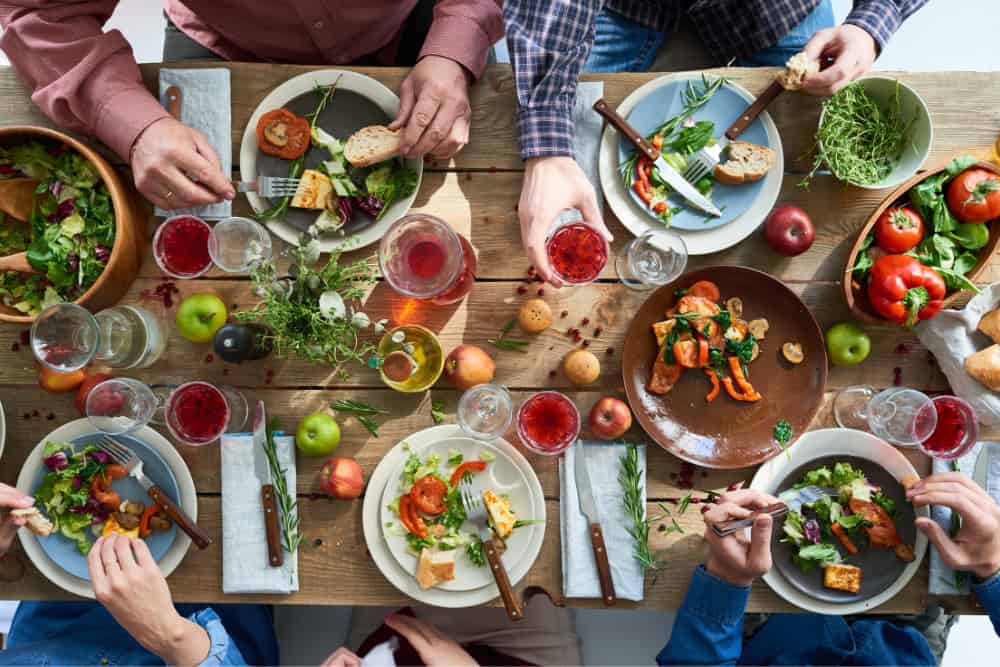
One of the biggest differences between European and American perspectives on food is the emotional lens through which meals are viewed. In many parts of Europe, food is treated as a pleasure that’s integral to daily life. You’ll see long lunch breaks, dinner that extends for hours, and friends chatting over cappuccinos at sidewalk cafés. There is a reverence for flavor, presentation, and the social aspect of eating.
In contrast, in the U.S. (and other places where fast-paced lifestyles dominate), food can become a source of guilt or stress—something that’s either “allowed” or “off-limits.” People are bombarded with messages about cheat meals, forbidden treats, and constant willpower struggles. That doesn’t mean Americans don’t also love food, but the cultural conversation often links eating with restriction or “watching what you eat,” rather than celebrating the experience.
When you shift your mindset from guilt to pleasure, you naturally eat in a more balanced, mindful way. You relish every bite, savor flavors, and pay attention to your body’s signals. If something is highly pleasurable, you don’t need an entire pizza to feel satisfied; a couple of delicious slices might do the trick.
Tactical Tip
- Practice Mindful Eating: For your next meal, try setting the table nicely, putting away devices, and focusing on each bite’s flavor and texture. Slow down, and notice when you’re actually full. It’s simple, but powerful.
2. Smaller Portions, Greater Satisfaction
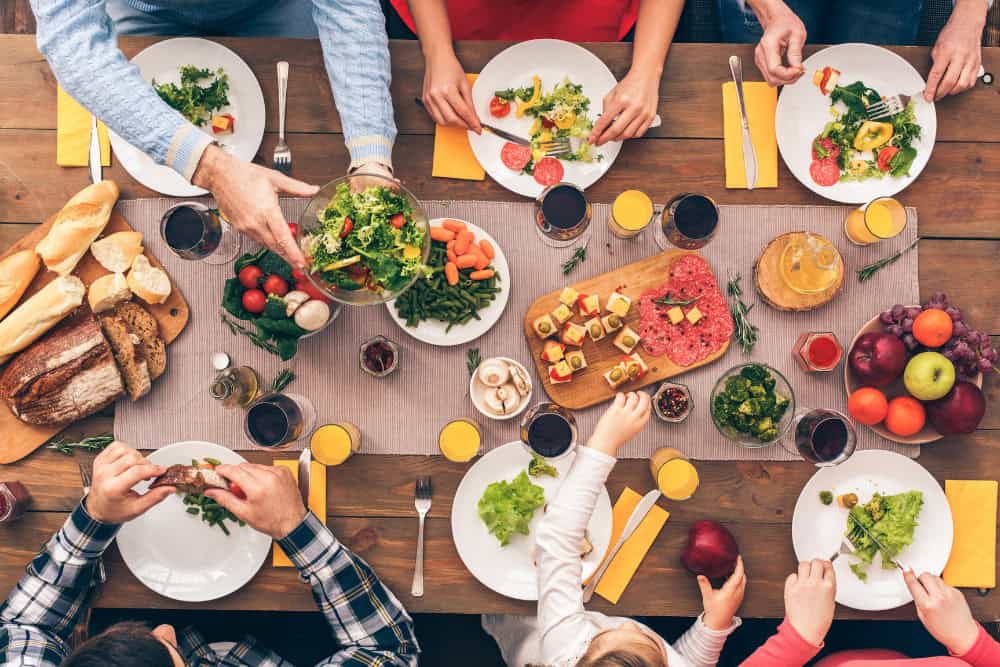
Ever notice that many European dishes come in more modest portion sizes than their American counterparts? A typical plate of pasta in Italy is much smaller than what you might get at an American restaurant. But here’s the twist: People in Italy still feel satisfied afterward.
This focus on smaller portions is rooted in portion control as a cultural norm, not necessarily as a strict rule. Europeans often consume their meals in courses—a light appetizer (like soup or salad), a main dish, and perhaps a dessert or cheese course. Each course tends to be small, creating a sense of variety without overeating in a single sitting.
By the end of a meal, you’ve tasted multiple flavors and textures, which can help prevent boredom and overeating. When we feel both physically and psychologically satisfied, we’re less likely to snack endlessly later.
Tactical Tip
- Use Smaller Plates: Switching from a 12-inch plate to an 8 or 9-inch one can automatically help you reduce portion sizes without feeling deprived. It’s a simple psychological trick that can mimic the European approach to portion control.
3. Eating Is a Social, Unhurried Event
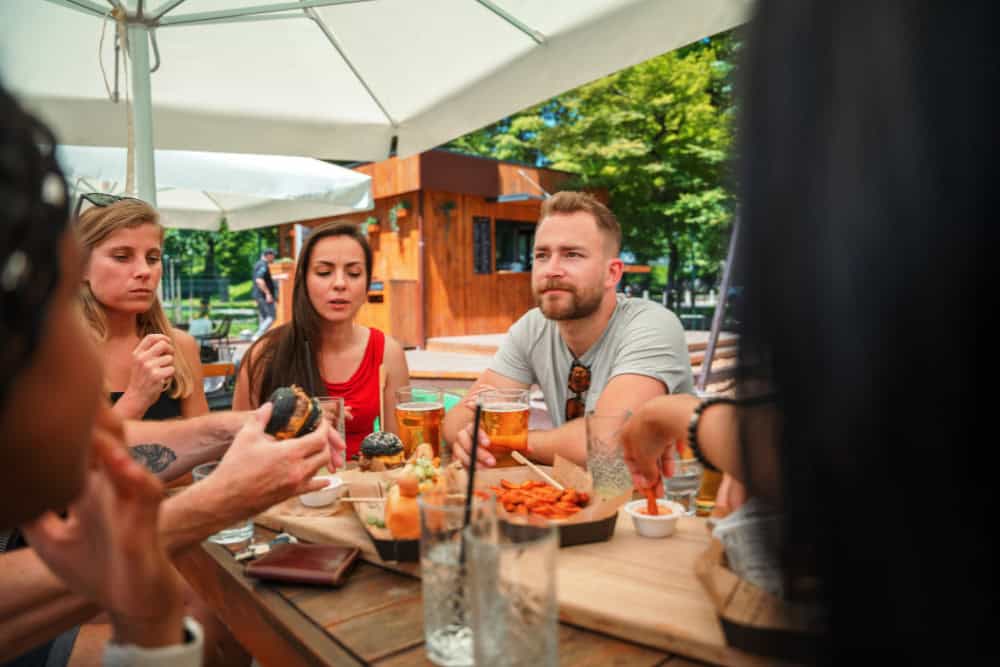
In many European countries, mealtimes are cherished social occasions. Lunch breaks can stretch to an hour or more, and dinner might last the entire evening. The act of lingering over meals promotes:
- Slower Eating – Giving your stomach time to register fullness.
- Meaningful Conversation – Distracting from the impulse to keep reaching for food.
- Reduced Stress – Lower stress levels can promote better digestion and overall well-being.
Contrast this with the quick “grab-and-go” style often seen in the U.S., where meals are sometimes eaten in the car, at a desk, or under constant time pressure. When you rush, you’re less likely to chew thoroughly or register fullness cues. That can lead to inadvertent overeating and frustration.
Tactical Tip
- Schedule Social Meals: At least once a week, plan to have a meal with friends or family where you can chat, connect, and enjoy the food without scrolling through your phone. This fosters a more relaxed relationship with food.
4. Whole Foods Over Processed Alternatives

Although supermarkets in Europe do carry processed items, many Europeans are accustomed to fresher, less processed foods in their regular meals. Strolling through a local market in Barcelona or a street in Greece, you’ll find plenty of fresh produce, artisan bread, and high-quality cheeses. Even in bigger cities, open-air markets and weekly farmers’ stands are common, encouraging people to cook with seasonal, local ingredients.
Cooking from scratch and using basic, wholesome ingredients—like olive oil, garlic, tomatoes, and fresh herbs—forms the backbone of many European cuisines. These whole foods are packed with nutrients and naturally lower in sugar and additives, compared to the prepackaged options loaded with salt, sugar, and artificial flavors.
Tactical Tip
- Meal Prep ‘Mediterranean Style’: Choose fresh produce, healthy fats (like olive oil), and lean proteins (like fish or chicken) to create simple, nutritious meals. Focus on simple seasoning—salt, pepper, garlic, herbs—to bring out the natural flavors.
5. Embracing Movement in Daily Life

Physical activity in Europe often occurs naturally, rather than as a forced session at the gym. Many Europeans live in cities or towns designed for pedestrians, with walkable streets, reliable public transit, and bike-friendly lanes. This means more daily steps—grabbing groceries on foot, walking to a friend’s house, or biking to work.
The cumulative effect of these smaller movements is often significant. Rather than treating exercise as a separate event you must schedule and attend, Europeans tend to weave light to moderate activity into daily life. Of course, gyms and fitness classes exist, but they’re not the only route to staying in shape.
Tactical Tip
- Active Errands: Next time you need a few items, try walking or biking if feasible. Look for small ways to incorporate daily movement: taking the stairs, walking to lunch, or even doing a quick evening stroll with your family.
6. Less Obsession With Trends and Fads
Fad diets come and go in the U.S., ranging from low-carb to keto to paleo to juice cleanses. In parts of Europe, while you might see some trends gaining traction (like veganism or farm-to-table movements), the concept of jumping from one restrictive diet to another is far less common. Instead, people rely on long-standing culinary traditions and everyday routines that have been passed down for generations.
Food is not just fuel; it’s part of heritage and culture. Italians eat pasta, the French enjoy cheese and bread, and Germans love pretzels and beer—yet obesity rates remain lower than you’d expect from high-carb cuisines. The key is moderation, portion control, and mindful eating—rather than chasing the newest superfood or eliminating entire food groups.
Tactical Tip
- Adapt Traditions: Explore traditional dishes from your own heritage or a culture you admire. Focus on preparing them with quality ingredients and sensible portions, rather than heavily restricting certain food groups or seeking quick fixes.
7. The Importance of Quality Over Quantity
Another reason Europeans stay healthier without strict diets is their preference for quality over quantity. The idea is simple: If you’re going to eat chocolate, make sure it’s a small portion of excellent-quality chocolate you truly savor. If you’re drinking wine, opt for a glass of something high-quality rather than a bottle of cheap stuff.
This ethos extends beyond food. Europeans often value craftsmanship—from clothes to furniture—opting to invest in fewer, high-quality items rather than hoarding a closet or pantry full of disposable, low-grade products. By translating this mindset to food, you eliminate the desire to binge on mediocre snacks, because you’re satisfied by something truly delicious.
Tactical Tip
- Upgrade Your Indulgences: Instead of cutting out treats entirely, swap the cheap box cookies for a small, gourmet treat. You’ll feel more satisfied, and it might even lead you to consume fewer overall calories, because the experience is so much richer.
8. They Cook… A Lot
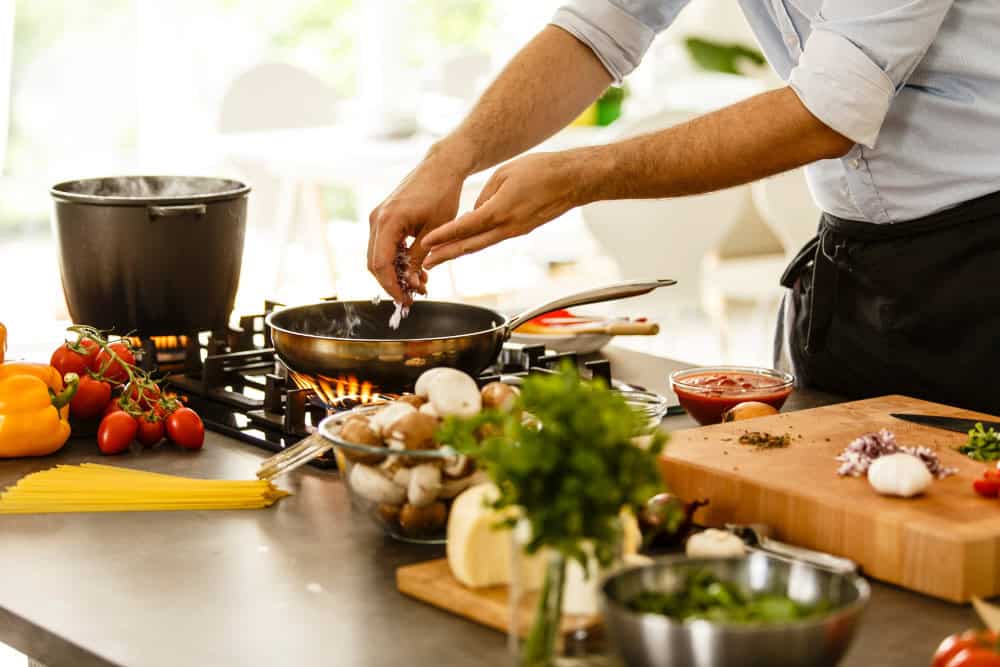
Home-cooked meals are more common in Europe than you might think, even among busy professionals. The focus on fresh ingredients, smaller portions, and quality translates well into the home kitchen. By cooking your own meals, you have greater control over ingredients, portion size, and preparation methods—all without feeling like you’re restricting yourself in some rigid diet plan.
Additionally, home cooking often nurtures a sense of accomplishment, and you become more conscious of what goes into your dishes. When you spend time chopping vegetables, simmering sauces, and plating meals, the process itself becomes an act of self-care and mindfulness. You’re less likely to overeat because you appreciate the effort and flavor that went into each dish.
Tactical Tip
- Cook in Batches: If cooking every night seems daunting, choose one or two days a week to batch-cook simple meals. This allows you to create European-style, portion-controlled dishes you can reheat quickly on busy weekdays.
9. Balanced Approach to Sweets and Alcohol
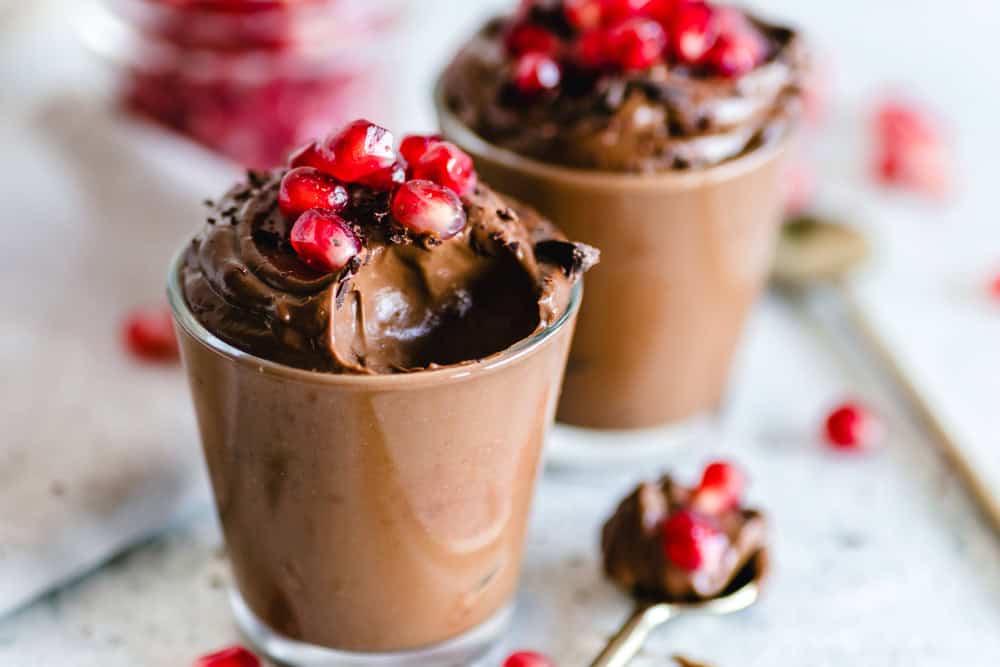
Craving a sweet treat or a glass of wine? Europeans frequently enjoy desserts and alcoholic beverages, but often in moderation. You might see a small slice of cake with afternoon tea in England, or a glass of wine at a family dinner in Spain. However, those same Europeans are less likely to chug multiple sodas daily or overindulge in massive bakery products.
Rather than making certain foods taboo, the culture encourages balance—enjoy a sweet treat here, a glass of wine there, but keep it within reason. By doing so, there’s rarely a feeling of missing out, which can lead to bingeing or a cycle of restriction and overindulgence.
Tactical Tip
- Limit Liquid Calories: If you enjoy sugary drinks, consider switching to sparkling water with a splash of juice, or reduce the sugar in your coffee or tea. This small change can have a big impact over time.
10. Less Stress and More Leisure Time

Stress plays a huge role in overall health and weight management. Chronic stress can spike cortisol levels, which can lead to cravings and emotional eating. A hallmark of many European lifestyles is the emphasis on leisure time—whether that’s a month-long vacation in August or simply ensuring weekends include restful, social activities rather than non-stop productivity.
Of course, not every European country is a stress-free utopia. But overall, there is a cultural value placed on taking breaks, enjoying holidays, and preserving personal time. This approach allows for better mental health, which in turn influences healthier food choices.
Tactical Tip
- Schedule Mini-Breaks: Even if you can’t take a month off, try introducing small pockets of leisure—weekend getaways, afternoon walks, or reading breaks. Lower stress often leads to a more balanced relationship with food.
11. The Art of the Long Walk (and the Short Siesta)
It might sound cliché, but the image of someone strolling through a European city in the early evening (the “passeggiata” in Italy, for instance) is rooted in reality. People gather in public squares, walk with friends, window-shop, or simply relish the fresh air. These communal walks aren’t high-intensity exercise sessions; they’re gentle, social movements that help with digestion and stress relief.
In some southern countries, you also have the cultural tradition of the siesta—a short period of rest or a power nap after lunch. While modern life has reduced the practice in many places, the concept highlights another aspect of balance: Listen to your body and recharge. Adequate rest can help regulate hunger hormones and prevent mindless snacking later in the day.
Tactical Tip
- Post-Meal Stroll: Instead of hopping onto the couch after dinner, take a 10- to 15-minute walk around your neighborhood. This helps digestion, burns a few calories, and might even help you sleep better.
12. Cultural Acceptance of “Real Food” Fats and Carbs
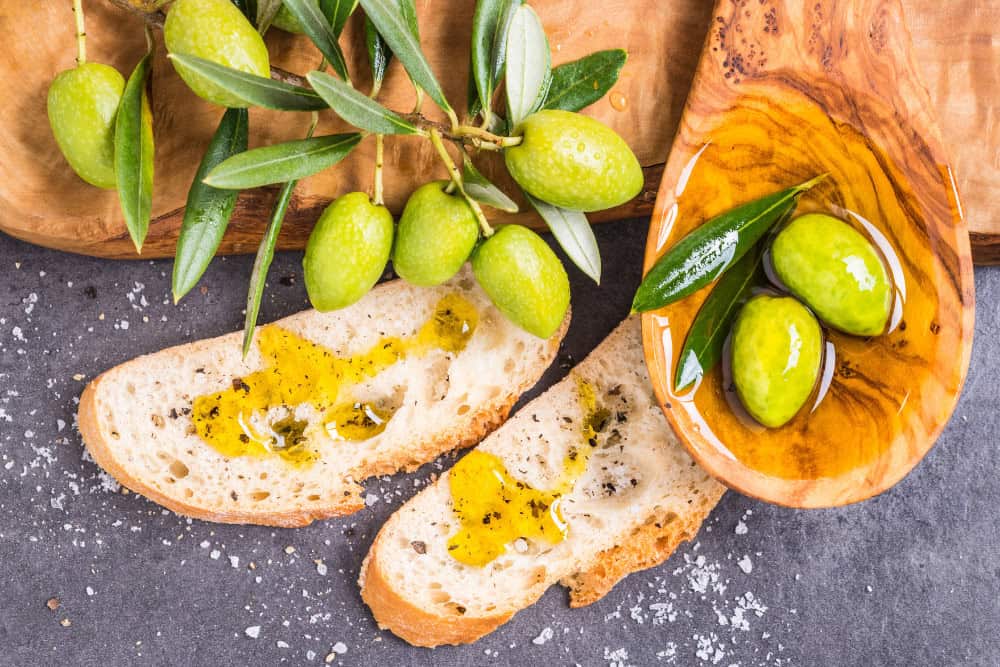
Europeans are less likely to demonize certain macronutrients. Countries like Italy, Spain, and Greece center their diets around olive oil, fresh pasta, and bread—all of which are forms of carbs and/or fats. Nordic countries relish their butter and fish. France is famous for cheese and pastries.
Yet, despite these “carb-rich” or “fat-rich” foods, Europeans often maintain healthier weights and cholesterol levels. The key lies in balance, portion size, and food quality. A drizzle of high-quality olive oil or a small pat of fresh butter can be far more satisfying than a processed, “low-fat” substitute that’s loaded with artificial ingredients.
Tactical Tip
- Don’t Fear The Fat (Or Carbs): If you enjoy bread, pasta, or cheese, allow yourself these foods in controlled portions, paired with plenty of veggies or lean protein. Aim for real, whole-food versions instead of overly processed alternatives.
13. Fewer Snacks, More Structured Meals
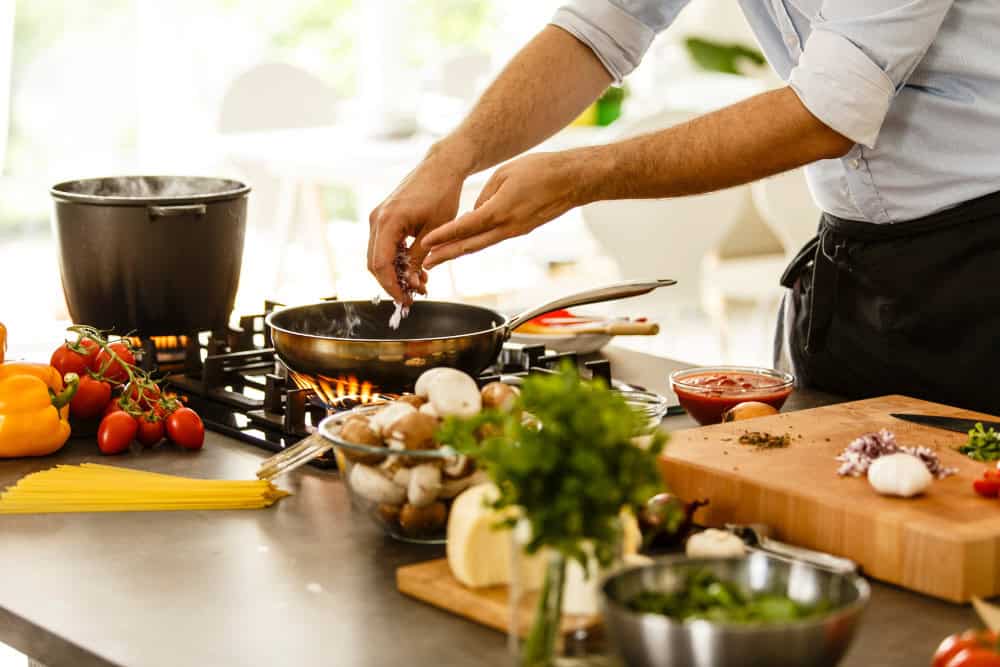
Although snacking can happen anywhere in the world, some European cultures rely more on structured meals throughout the day, rather than constant grazing. In Spain, for instance, meals might be spread out (breakfast, mid-morning snack, lunch, late afternoon snack, dinner), but each is a fairly fixed “occasion.” In France, you might see a simple petit déjeuner (breakfast), a hearty lunch, and a smaller dinner.
By having clear meal times, people are less inclined to mindlessly snack on chips or candy bars. Instead, true hunger cues guide them. When meal times are set, you also learn to wait for the next meal rather than grab something processed immediately.
Tactical Tip
- Establish Meal Times: Pick consistent times for breakfast, lunch, and dinner, plus one or two snacks if needed. This structure makes it easier to distinguish between physical hunger and mere habit or boredom.
14. Social Reinforcement of Healthy Norms
When everyone around you values moderate eating, regular social meals, walking, and fresh produce, it becomes much easier to mimic those habits. In many European communities, neighbors might shop at the same local market, sharing recipes or discussing which bakery has the freshest bread. Family traditions, cultural expectations, and social norms all reinforce a balanced approach to food.
In environments where large servings and constant snacking are the norm, it takes extra willpower to avoid these habits. Conversely, if most people around you eat in moderate, healthy ways, it becomes the default behavior.
Tactical Tip
- Create a Supportive Network: If you can’t move to Europe tomorrow, find a local community—friends, neighbors, or an online group—that shares a passion for healthy living and cooking. Surrounding yourself with supportive individuals makes it easier to maintain new habits.
15. Practical Ways to Eat Like a European Without Moving
Below is a concise checklist of tactical actions you can take right now to adopt a more European-style approach to food and health. Integrate these steps gradually, and notice how they influence your overall well-being:
- Slow Down Mealtimes
- Put away distractions
- Chew thoroughly
- Engage in conversation
- Portion Control
- Use smaller plates or bowls
- Serve multiple small courses instead of one large plate
- Focus on Quality
- Prioritize fresh, whole ingredients
- Choose artisan or organic when possible
- Splurge on good chocolate or cheese, rather than cheap snacks
- Increase Natural Movement
- Walk for errands
- Use stairs instead of elevators
- Take short evening strolls
- Allow Treats Without Guilt
- Enjoy desserts in moderation
- Opt for one glass of quality wine over multiple cheap drinks
- Plan Social Meals
- Invite friends for dinner rather than meeting at fast-food joints
- Make mealtime an event, not a chore
- Cook More Often
- Batch-cook basics (soups, stews, roasted veggies)
- Learn at least three reliable, healthy recipes you love
16. Closing Thoughts: It’s About Balance and Joy
The central theme in European eating habits is balance. There’s no universal Mediterranean meal plan or strict “French woman’s guide to being thin” that captures everything perfectly. However, most cultures across Europe share a respect for fresh ingredients, moderate portions, social dining, and daily movement. This synergy means they don’t need to be on a perpetual “diet.”
At the end of the day, food should be enjoyable. If you dread every meal or live in constant fear of “failing” your diet, it’s a sign your approach might be too restrictive or joyless. By taking cues from European lifestyles—savoring real food, moving more naturally, and prioritizing emotional and social well-being—you can maintain a healthier weight and feel more energized without the guilt or self-punishment that often accompanies strict diets.
You don’t need to hop on a plane to Rome or relocate to a quaint town in the Loire Valley (though it wouldn’t hurt if you could!) to adopt these habits. Start with small, manageable changes in your daily routine—maybe it’s cooking a Mediterranean-style pasta dish once a week, walking to the grocery store instead of driving, or scheduling a weekly “long lunch” break with a friend. Over time, these incremental shifts in mindset and habits will help you embrace the same sense of balance and enjoyment that keeps many Europeans healthier, happier, and free from the diet hamster wheel.

About the Author: Ruben, co-founder of Gamintraveler.com since 2014, is a seasoned traveler from Spain who has explored over 100 countries since 2009. Known for his extensive travel adventures across South America, Europe, the US, Australia, New Zealand, Asia, and Africa, Ruben combines his passion for adventurous yet sustainable living with his love for cycling, highlighted by his remarkable 5-month bicycle journey from Spain to Norway. He currently resides in Spain, where he continues sharing his travel experiences with his partner, Rachel, and their son, Han.