
Drinking is more than just a social activity — it’s a reflection of cultural values, traditions, and even unspoken social codes. In both Europe and the United States, having a drink with friends or family is a common pastime, but the way people approach drinking on either side of the Atlantic can feel surprisingly different. From how drinks are served to when they’re consumed, the drinking cultures of Europe and the USA reveal plenty about each society’s approach to leisure and socializing.
While American drinking habits often emphasize speed, volume, and a party atmosphere, many European countries treat drinking as part of a slow, social experience woven into daily life. What’s considered polite in one place may seem rude or strange in another. These unspoken rules — the ones not printed on bar signs or menus — shape how locals expect you to behave, whether you’re in a Paris café, a German beer hall, or an American sports bar.
In this post, we’ll explore eight key unwritten rules of drinking that highlight the subtle (and sometimes surprising) differences between Europe and the USA. Whether you’re planning a trip abroad or curious about the cultural quirks of your own country, understanding these unwritten rules can help you drink like a local — and avoid awkward moments at the bar.
Read Here European Things that terrify Americans and American Habits that make Europeans Cringe
Read here how to pack for Europe and Best eSIM for Europe
BOOK YOUR TRAVEL INSURANCE
Two of our favorite travel insurance: Heymondo Vs Safetwing cheapest travel Insurance. You can get for $135 USD your Heymondo Travel Insurance with Heymondo discount code valid for 90 days. Read our full comparison of Genki vs Safetywing Travel Insurance Review and the comparison Heymondo vs Genki
Quick & Easy Tips for Navigating Drinking Etiquette
Watch and Learn — If you’re unsure of how to order or toast, take a moment to observe what locals do before jumping in.
Don’t Rush Your Drink — In many European countries, savoring your drink is expected. Chugging may come off as rude or immature.
Toast Appropriately — Know the right way to toast in each culture. In Germany, for example, it’s customary to make eye contact when clinking glasses.
Tip According to Local Norms — In the USA, tipping is often generous and expected; in much of Europe, tipping is appreciated but more modest.
Understand Drinking Times — Happy hour in the USA often means discounts and a party vibe, while in Europe, drinks may accompany a slow dinner or a casual evening out.
One of the most debated topics is whether Americans drink to get drunk, while Europeans drink to socialize. While there’s truth to the stereotype that American drinking culture can be more binge-oriented, this isn’t always the case. Plenty of Americans enjoy casual, social drinking, and plenty of Europeans have their wild nights. The difference often lies in societal expectations and the role alcohol plays in daily life.
Another common misunderstanding is that Europeans are more “responsible” drinkers simply because their culture promotes moderation. In reality, alcohol abuse and overindulgence exist everywhere — but the social settings and legal drinking ages often shape how drinking habits develop. Europeans might start drinking younger, but that doesn’t automatically mean they have a healthier relationship with alcohol.
Finally, there’s a belief that one culture’s drinking rules are superior or more sophisticated than the other’s. The truth is, both Europe and the USA have unique traditions that reflect their histories, values, and social norms. Rather than judging, it’s more meaningful to understand how these differences shape behavior and contribute to diverse social experiences.
Unwritten Rules of Drinking in Europe vs. the USA
1. Drinking Age & ID Checks Are Very Different
USA:
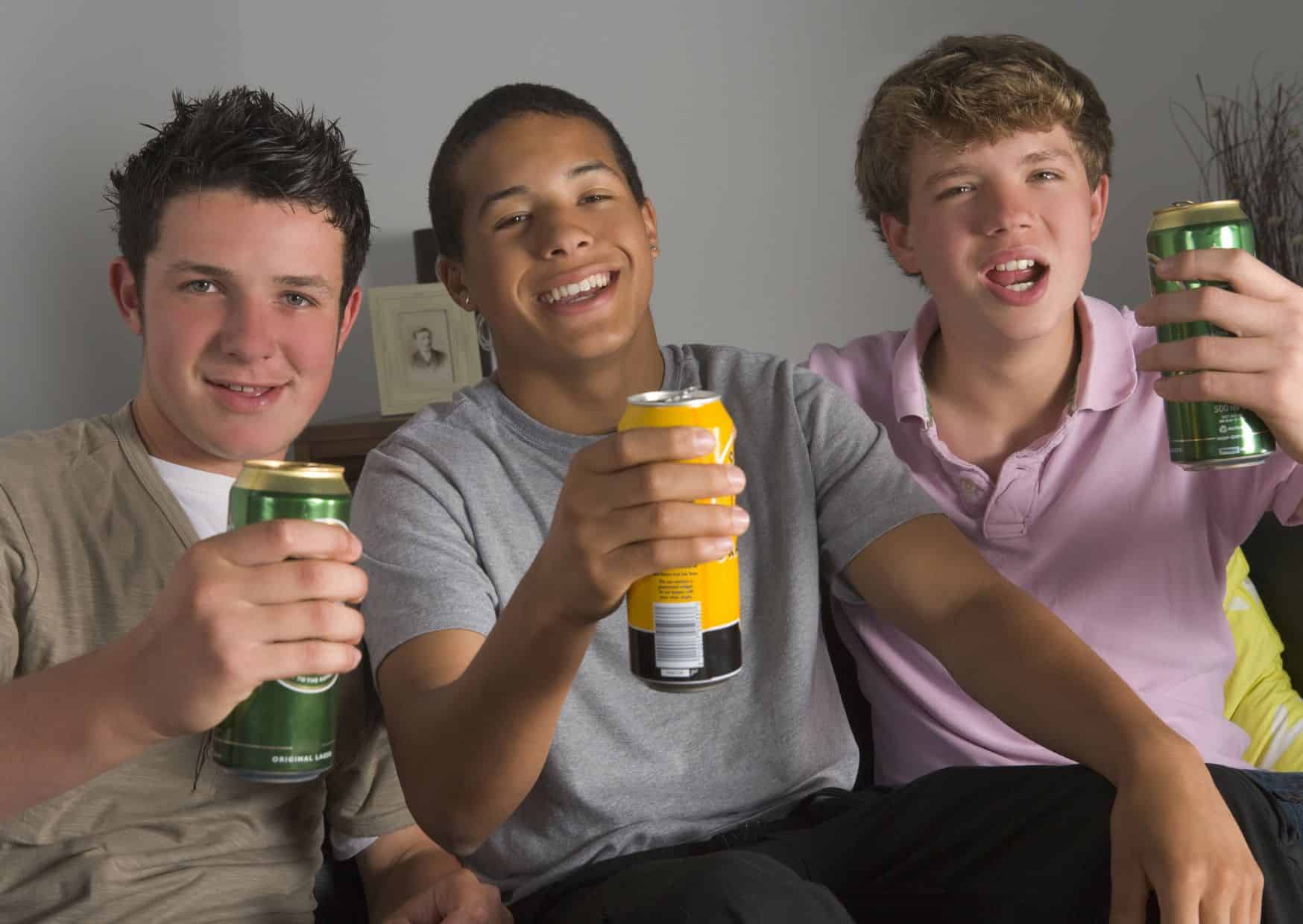
The drinking age is 21, and it’s strictly enforced.
Bars and liquor stores almost always ID everyone, even older adults.
Some states have alcohol sales restrictions on Sundays.
Europe:
Most countries have a drinking age of 18 (some, like Germany, allow beer/wine at 16).
ID checks are rare, especially for those who look over 18.
Drinking laws are generally more relaxed, and you can often buy alcohol in supermarkets.
Biggest Shock for Americans in Europe: Buying wine or beer without being asked for ID feels strange at first.
Biggest Shock for Europeans in the USA: Getting carded at 30+ years old and not being allowed to drink if under 21.
2. Public Drinking: A Huge Divide
USA:
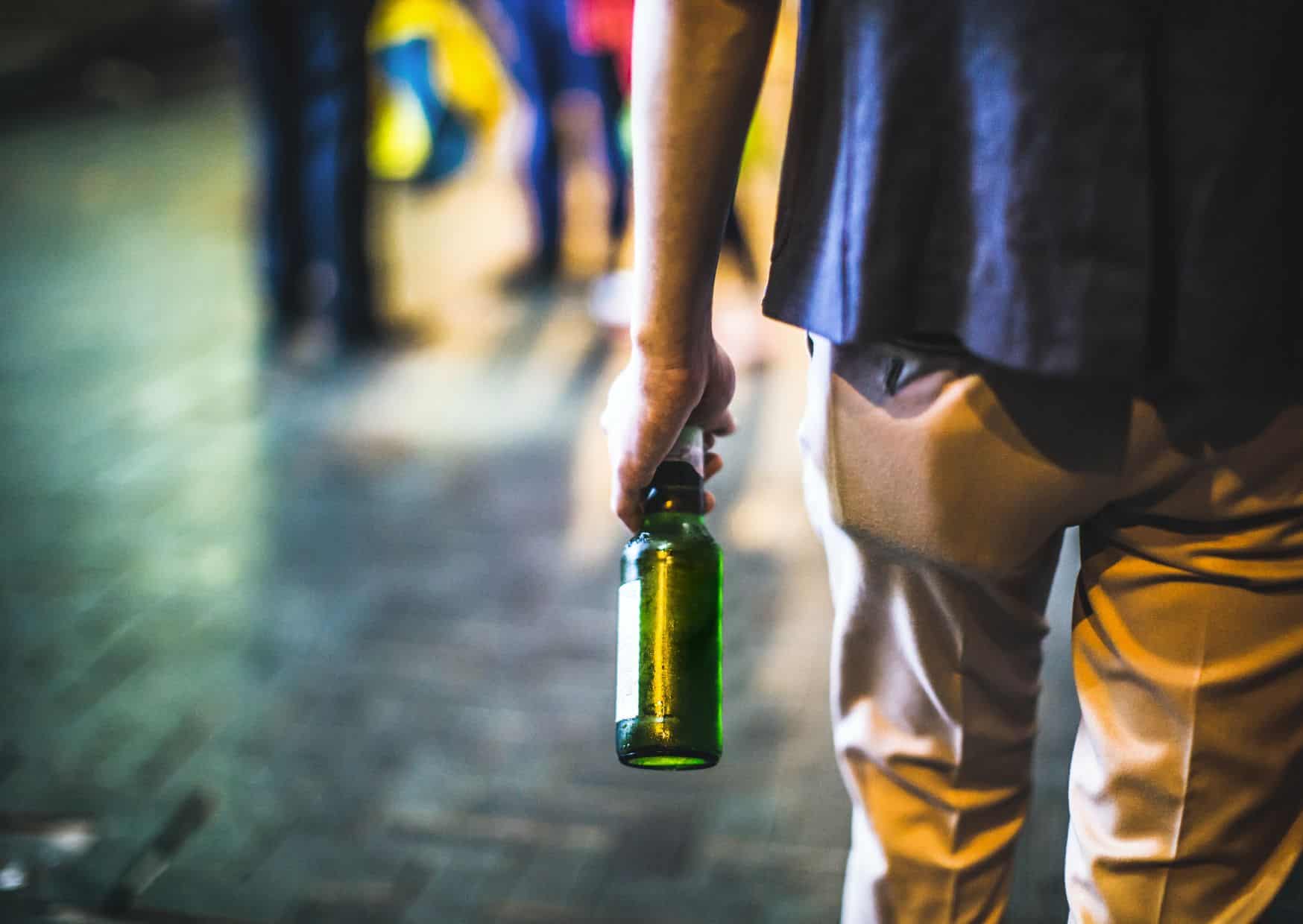
Public drinking is illegal in most places—open container laws apply almost everywhere.
You can’t walk down the street with a beer or cocktail.
Some cities (like New Orleans & Las Vegas) allow it, but it’s the exception.
Europe:
Public drinking is widely accepted—beer, wine, or even cocktails in parks, plazas, or riverside walks are normal.
Many cities have outdoor beer gardens where people gather casually.
Some cities (like Paris or Barcelona) have recently banned public drinking in certain areas to reduce rowdiness.
Biggest Shock for Americans in Europe: Seeing locals drink wine by the river or beer in a public square without hiding it.
Biggest Shock for Europeans in the USA: Getting fined or arrested for walking with a beer in public.
3. The Art of Toasting: Say the Right Thing
USA:
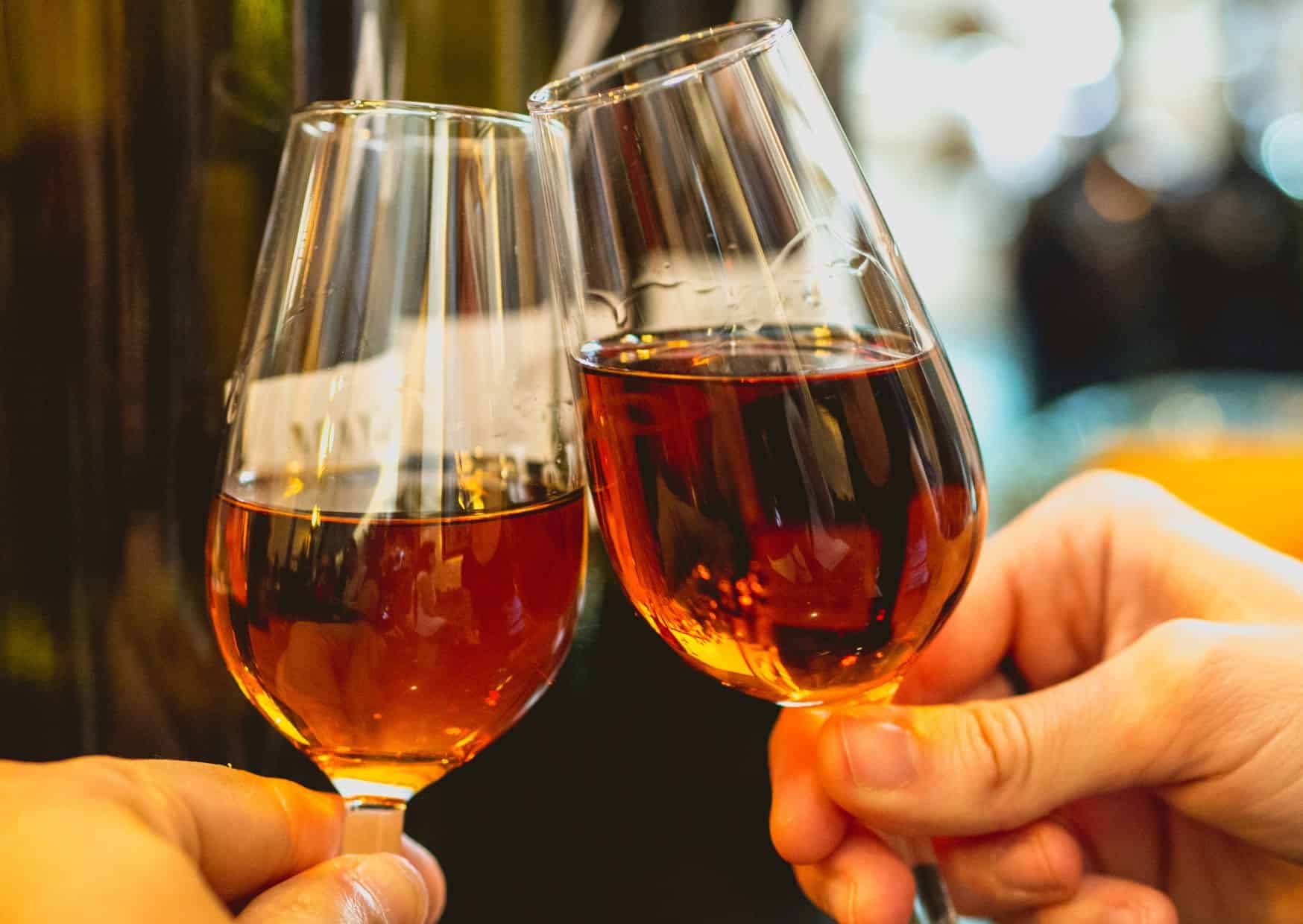
A simple “Cheers!” is enough before drinking.
Toasting is common but not a strict rule—people sometimes skip it.
Eye contact during a toast isn’t a big deal.
Europe:
Toasting is a serious tradition in many countries.
Eye contact while clinking glasses is a must in Germany, France, and Italy (breaking this is bad luck).
Each country has its own toast:
Germany: Prost!
France: Santé!
Italy: Salute!
Spain: Salud!
Sweden: Skål!
Biggest Shock for Americans in Europe: Being reminded to make eye contact when clinking glasses.
Biggest Shock for Europeans in the USA: Toasting isn’t as structured or serious—just a casual “Cheers!” works.
4. Drinking Pace: Slow vs. Fast
USA:
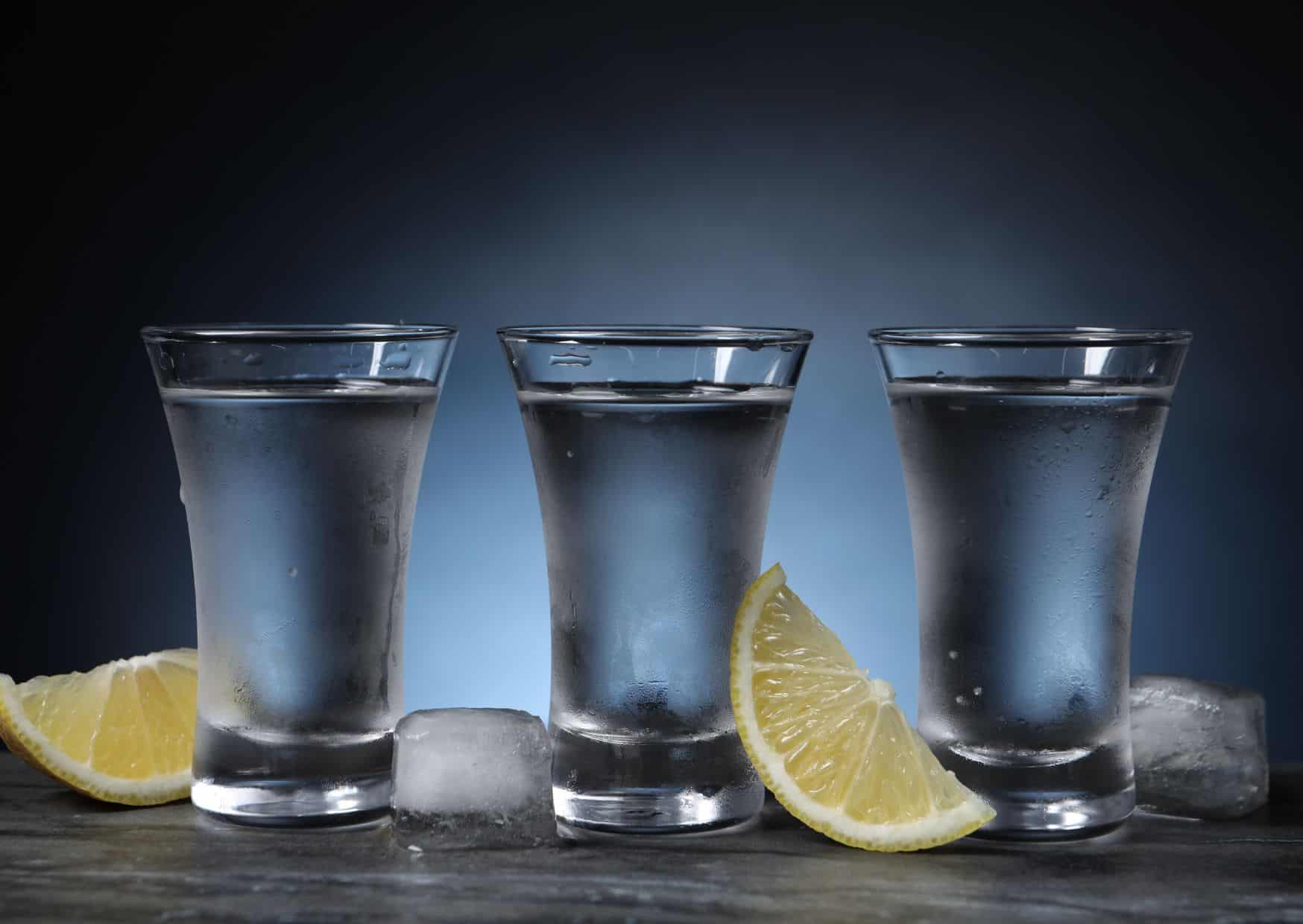
Drinking is often about getting drunk quickly—shots, beer chugging, and strong cocktails are common.
Happy Hour deals encourage fast drinking.
College drinking culture is heavy on binge drinking.
Europe:
Drinking is more about enjoyment than getting wasted.
Wine is meant to be sipped over a long meal.
Beer gardens and pubs are places to relax, not just drink as much as possible.
Biggest Shock for Americans in Europe: Locals drink for hours but don’t get sloppy drunk.
Biggest Shock for Europeans in the USA: Seeing people take multiple shots in a row and blackout by midnight.
5. Ice in Drinks: Less Is More in Europe

USA:
Drinks (especially soda, water, and cocktails) are loaded with ice.
People expect free refills on soft drinks.
Europe:
Ice is used sparingly—a few cubes at most.
Many drinks (even soda) are served with no ice at all.
No free refills—each drink is paid separately.
Biggest Shock for Americans in Europe: Getting a warm Coke with no ice at a restaurant.
Biggest Shock for Europeans in the USA: Ice-filled drinks that taste more like water than soda.
6. Bar Service: Don’t Expect Waiters to Chase You

USA:
Waiters and bartenders actively check on customers.
Tipping well ensures good service.
You can order from your table in most bars.
Europe:
In many places, you must go to the bar to order—waiters won’t check in constantly.
Tipping isn’t expected, and service can feel more relaxed.
Yelling for service is rude—catch the bartender’s eye instead.
Biggest Shock for Americans in Europe: Having to flag down a bartender instead of getting automatic refills.
Biggest Shock for Europeans in the USA: Waiters checking in constantly and asking if “everything is okay” every few minutes.
7. Beer Sizes: Pints vs. Half-Liters
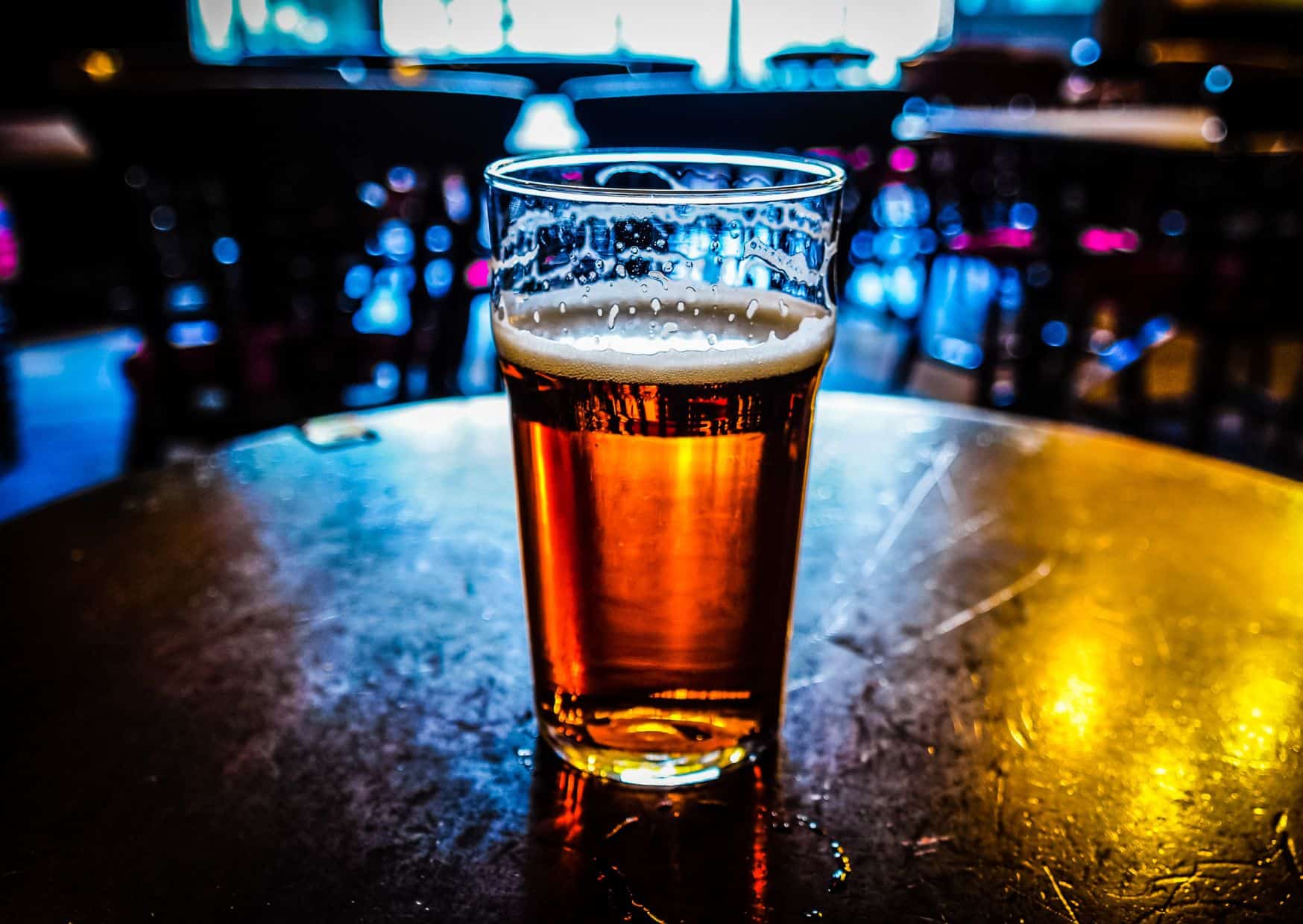
USA:
Beer is served by the pint (16 oz / 473 ml).
Pitchers for sharing are common.
Europe:
Beer is usually served in half-liters (500 ml), slightly larger than a pint.
In the UK, pints are a full 20 oz (568 ml), larger than American pints.
Biggest Shock for Americans in Europe: UK pints are bigger than in the USA.
Biggest Shock for Europeans in the USA: Being served a smaller pint than expected.
8. Drinking Games & College Culture Are Uncommon in Europe

USA:
Drinking games like beer pong, flip cup, and power hour are a big part of college life.
Frat parties and tailgating culture encourage binge drinking.
Europe:
Drinking games are rare outside of tourist-heavy areas.
University students drink, but not in the same extreme way as Americans.
Biggest Shock for Americans in Europe: No beer pong tables at bars.
Biggest Shock for Europeans in the USA: Seeing college kids chugging beer from funnels.
Final Thoughts: How to Drink Like a Local
Europe and the USA both love to drink, but the cultures are very different. To avoid looking like a clueless tourist, keep these golden rules in mind:
Drink slower and enjoy the experience—don’t rush.
Respect local customs—eye contact in toasts, no ice overload, and no binge drinking.
Know the drinking laws—public drinking is okay in Europe but illegal in most of the USA.
Tip in the USA, but don’t worry about it in most of Europe.
Follow bar etiquette—waiters won’t chase you in Europe, and tipping won’t guarantee better service.
Have you ever had culture shock while drinking abroad? Which of these rules surprised you the most?
Understanding the unwritten rules of drinking in different cultures can make you a more thoughtful traveler — and a better guest. What might seem like casual bar behavior in your hometown could be seen as odd or even disrespectful abroad. Taking the time to learn local norms shows respect and often leads to more genuine social connections.
Drinking culture is more than what’s in your glass. It’s about the company you keep, the setting you’re in, and the shared traditions that make each drinking experience unique. Whether sipping wine at a sidewalk café in Europe or enjoying a craft beer at a bustling American bar, embracing the local customs can transform a simple night out into a memorable cultural experience.
So next time you raise a glass, take a moment to appreciate not just the drink, but the traditions and social cues behind it. Sometimes, the best travel lessons are learned not in museums or guidebooks — but at the bar, one toast at a time.

About the Author: Ruben, co-founder of Gamintraveler.com since 2014, is a seasoned traveler from Spain who has explored over 100 countries since 2009. Known for his extensive travel adventures across South America, Europe, the US, Australia, New Zealand, Asia, and Africa, Ruben combines his passion for adventurous yet sustainable living with his love for cycling, highlighted by his remarkable 5-month bicycle journey from Spain to Norway. He currently resides in Spain, where he continues sharing his travel experiences with his partner, Rachel, and their son, Han.