
Walk a French supermarket at noon and you can read the policy in the aisles. At the charcuterie counter, hams list curing methods and additive codes you can pronounce. In the sweets aisle, packages get whiter by cream and sugar, not by a brightening chemical on the ingredient line. The rules reached the shelf.
If you want to copy the outcome in your own kitchen, you do not need a crusade. You need to know two additives that Europe, and France in particular, pushed back on, then replace them with habits that taste better.
The Two Additives You Are Probably Eating Every Day

Open a typical American fridge and you will find both. Nitrites and nitrates in deli meats and titanium dioxide in bright white candies, frostings, and gums. They are not villains in a comic. They are tools the food system uses to keep color stable and textures pretty. France read the cancer and safety debates closely, then tightened its position. The rest of the European Union followed part of that path and made a second part unavoidable to manufacturers.
Start with processed meats. France’s food safety agency, ANSES, reviewed the evidence in 2022 and concluded there is an association between exposure to nitrites and nitrates from processed meat and colorectal cancer risk. The government responded with a plan to reduce the allowed levels of these additives in charcuterie and to steer consumption down. Europe then revised the law and reduced maximum permitted levels for nitrites and nitrates across the bloc in 2023. The result is meat that still looks like lunch, with lower additive ceilings baked into production.
Now look at the whitening agent that hides in bright sweets and frostings. Titanium dioxide, E171, used to turn products glowing white and smooth. France moved first, suspending it in food nationally in 2020. The EU then banned E171 in all foods in 2022 after EFSA said it could no longer consider the additive safe due to uncertainties around nanoparticles. The ban forced reformulation of everything from mints to cake decorations. You can still find titanium dioxide in toothpaste, supplements, and cosmetics, but not on European food labels. Americans still buy it in a surprising number of supermarket items. If an ingredient list on a candy or frosting reads TiO2 or E171, that is the one to put back.
The thread is plain. France pressed for safer defaults, then Europe turned far-reaching decisions into law. If you apply those decisions to your own shopping, you get meat and sweets that behave more like food and less like lab projects.
What France Changed and Why It Matters
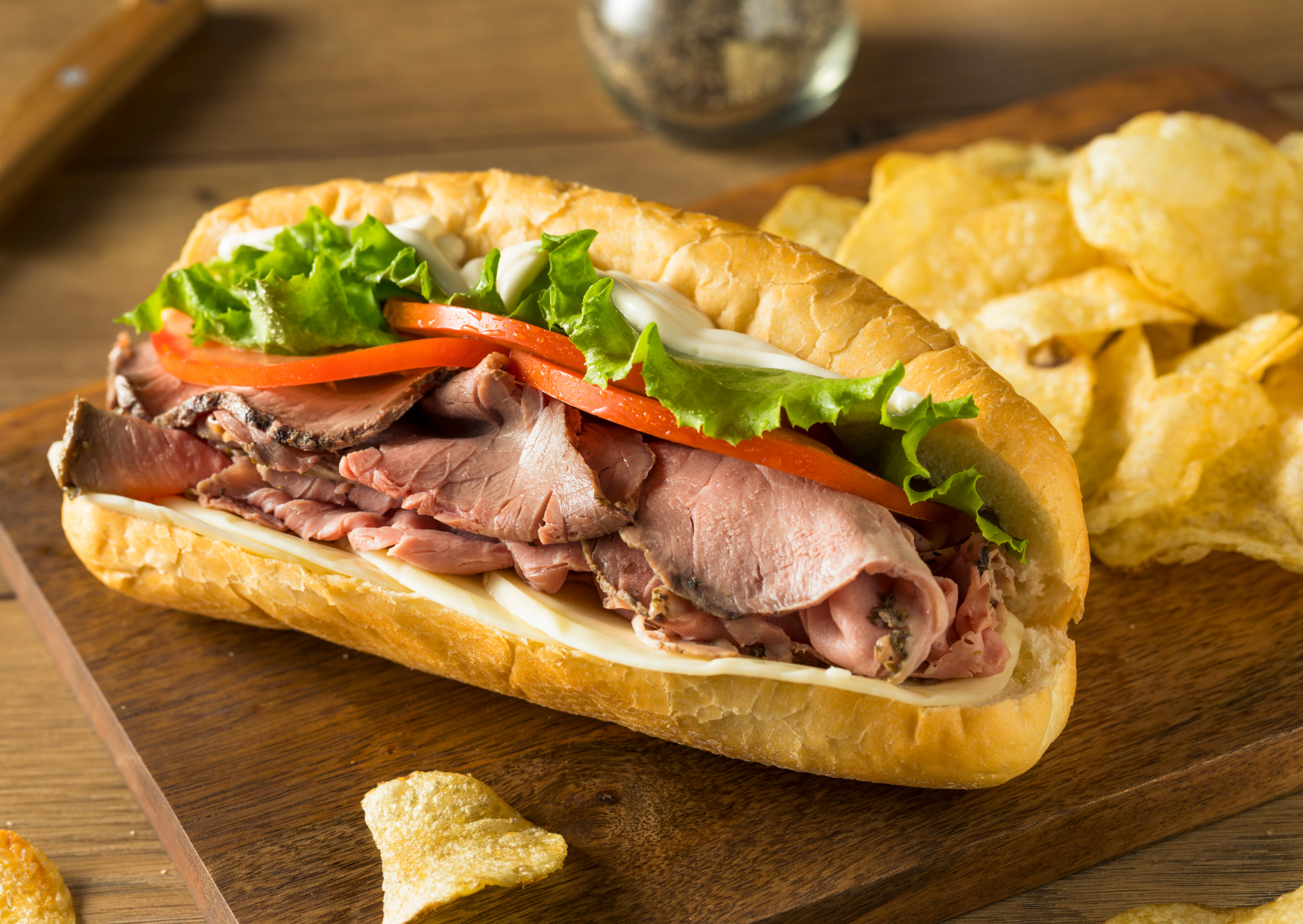
France did not wake up one morning and ban sandwiches. It read evidence, commissioned opinions, and used reduction and labeling as tools. That approach shows up in two ways you can copy.
Lower nitrites by design, not by slogans. Lawmakers and ministries asked industry to cut nitrite inputs and instructed agencies to monitor levels in finished products. In parallel, ANSES told households to cap weekly charcuterie intake and treat cured products as occasional foods. The message is boring and strong. Make less of the risky compound, serve less of the product that makes the compound possible, and label what remains honestly so families can choose. The state moved suppliers and eaters together.
End the food whitening shortcut. Titanium dioxide survived for years because it made cheap products look clean and premium ones look perfect. The EU’s food safety authority re-evaluated the science and could not confirm safety. Regulators reached for the precautionary principle, and the additive left food. Whiteness now comes from cream, sugar, egg whites, and starches, or manufacturers skip the blinding white look entirely. The result is not a taste revolution. It is an honesty revolution in the dessert aisle.
You do not need to memorize decrees. You need to use the same two decisions at home. Reduce cured meats and choose versions made to stricter limits, and stop buying bright white products that list E171. The rest of the plan is practical shopping and two recipes that build a week without feeling like rules.
Exactly What to Swap at the Store
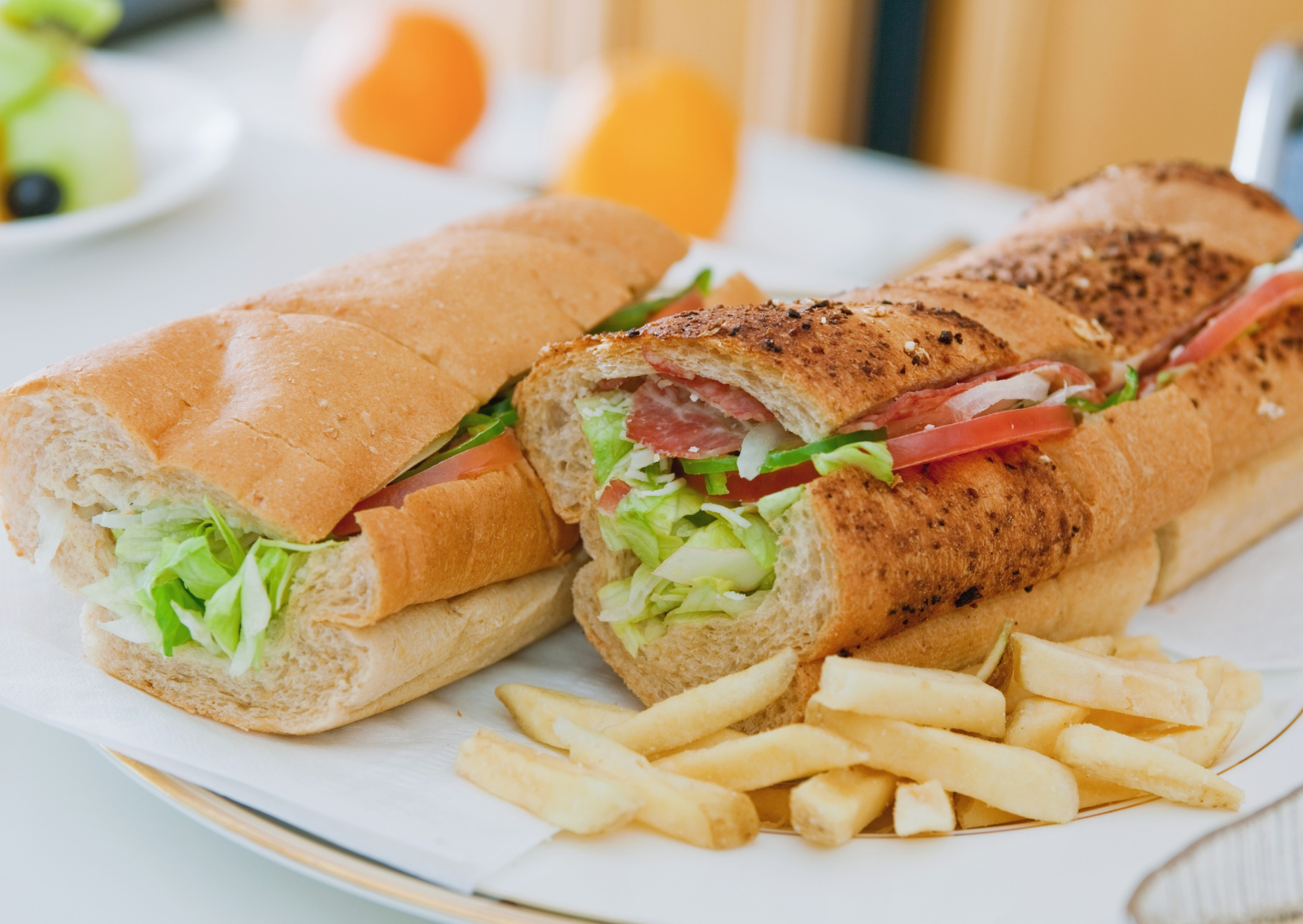
The trick is not being perfect. The trick is making the common choices boringly safe.
For sandwich meat and breakfast plates
- Buy oven-roasted meats with short labels instead of cured pink slices. Roast chicken breast, roast turkey, roast pork shoulder, and slow-cooked beef all slice into sandwiches and salads without nitrite salts. Look for ingredient lists that read like a kitchen: meat, salt, spices. Skip E249, E250, E251, E252 when you can.
- If you buy cured meats, buy less and buy better. Choose smaller portions and brands that publish their curing method and ingredients openly. Pair cured slices with beans, greens, and bread so the meat becomes a flavor, not a meal. Frequency beats purity for health.
For candy, frosting, mints, gum, and sprinkles
- Read the whitening line. If you see titanium dioxide, TiO2, or E171, leave it. Choose chocolate that is brown because cocoa is brown. Choose white glazes that whiten by milk and sugar, not by a pigment. Many global brands already sell EU recipes without E171. Buy those.
- Watch bright whites in shelf-stable decorations. If you enjoy decorating cakes, choose powdered sugar glazes or royal icing made at home. The texture is better and the ingredient list is shorter.
For snacks and sauces
- Pick jars and tins with oil you recognize. Canned fish in olive oil, olives, tomato sauces with olive oil and no suspicious whiteners.
- Make vinaigrette with olive oil, vinegar, salt, and lemon instead of buying bottles with long additive lists. The flavor is not close. Your version is better.
Why this works
Lower intake reduces risk in the real world. Cutting cured meat frequency and picking products made under tighter limits drops formation of nitrosamines in your diet. Eliminating E171 in food removes a pigment that EU scientists could not keep on the safe list. You do not need a graduate degree for that logic. You need a pencil and a patient habit.
Two Recipes That Replace the Additives and Win on Taste
These recipes make leftovers you actually want. They also answer the two problems at hand. The first gives you a week of sandwich meat with no nitrite salts. The second gives you the white dessert look without a chemical pigment.
Herbed Roast Turkey for Sandwiches and Salads
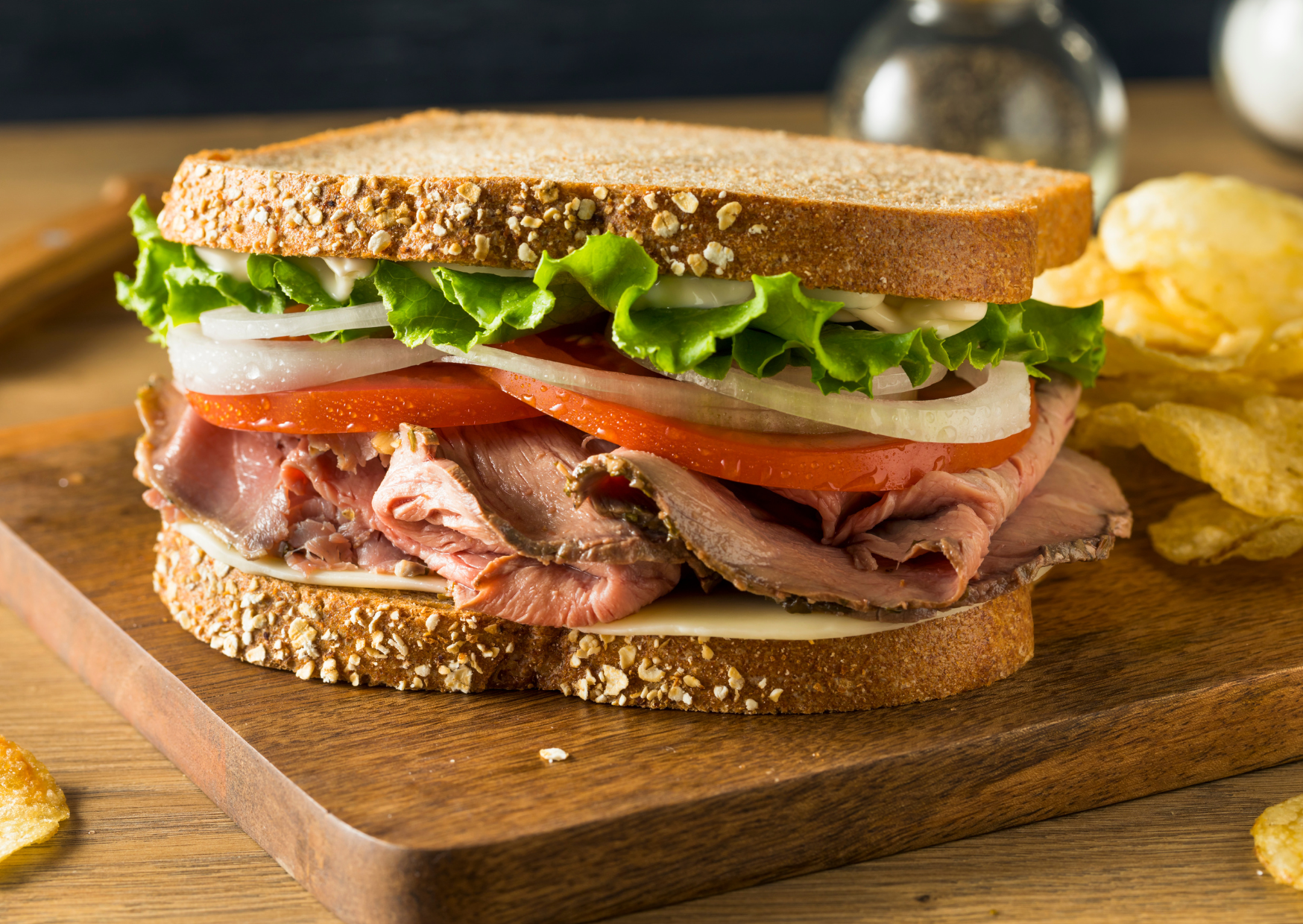
Roast once, slice all week. Short label, long payoff.
Ingredients
1.2 to 1.5 kg boneless turkey breast, skin on if possible
2 teaspoons fine salt
1 teaspoon black pepper
2 teaspoons dried thyme
2 teaspoons dried oregano
1 teaspoon sweet paprika
2 cloves garlic, grated
2 tablespoons olive oil
1 lemon
Method
Pat the turkey dry. Mix salt, pepper, thyme, oregano, paprika, garlic, and olive oil into a paste. Rub all over. Chill uncovered for at least 4 hours, ideally overnight. Heat the oven to 190°C. Roast on a rack over a tray until the center reaches 68 to 70°C, about 55 to 75 minutes depending on thickness. Rest 20 minutes. Slice thin. Squeeze lemon over the cutting board so the juices mix with the herb crust. Store slices in their juices in a covered container for five days.
Why it works
You get the familiar stackable slices without E250. The herb crust delivers color and aroma that curb the urge to buy a sweet sauce. The lemon brightens the meat on day three when cold slices need a lift. You replaced cured pink lunch with real food that behaves like lunch.
How to use it
Layer on bread with sliced tomato and leaves. Toss with olive oil and vinegar over beans and greens. Tuck into a pita with cucumbers and yogurt. The meat is neutral enough to play nice in three directions.
White Lemon Yogurt Cake with Real Glaze

Bright white, no whitening pigment. Cream, sugar, and acid do the job.
Ingredients, cake
200 g plain yogurt
180 g sugar
3 large eggs
80 ml olive oil
Zest of 2 lemons
240 g all-purpose flour
2 teaspoons baking powder
1 pinch salt
Ingredients, glaze
150 g powdered sugar
2 tablespoons lemon juice
1 to 2 tablespoons plain yogurt
Method
Heat the oven to 175°C. Grease a 22 cm loaf tin and line with parchment. In a bowl whisk yogurt, sugar, eggs, olive oil, and lemon zest until smooth. In another bowl whisk flour, baking powder, and salt. Fold dry into wet until just combined. Bake 40 to 50 minutes until a skewer comes out clean. Cool 15 minutes, then turn out.
For the glaze, whisk powdered sugar with lemon juice and enough yogurt to achieve a thick, pourable glaze. The yogurt adds natural whiteness and sheen. Pour over the cooled cake. Let set.
Why it works
You get the bakery look without E171. The yogurt glaze stays white because milk proteins scatter light. The texture is glossy because sugar is sugar. You replaced an additive with a kitchen trick that would make a pastry chef nod.
Variations
Use orange zest and juice. Add a spoon of mascarpone to the glaze for richer whiteness. Top with toasted almonds and carry to neighbors.
What Changed in Ten Days
If you run this swap honestly, you will notice effects that match the direction of the research and the experience of families who live under these rules every day.
Meals became simpler. The sandwich plan is set on Sunday. The cake carries the week without a packet. The day stops needing rescue from snacks and bottled help.
Energy leveled. Deli meat once lived inside a white roll with sweet sauces. The roast turkey lands on whole bread with olive oil and vegetables. Fewer spikes, fewer crashes. The dessert has fat and protein from yogurt, not a whitening agent with a sugar-only base.
Skin reacted less. This is not a medical claim. It is a pattern people report when they ditch highly processed bright sweets. Fewer mystery ingredients usually means fewer hives and fewer “what did I eat” moments. Your body likes short labels.
The shop got faster. You skip packages with E171 and you skip long additive lines on meats. Label literacy makes aisle time short, which is why Europe puts specificity into the ingredient rules.
Pitfalls Most Shoppers Hit and How to Fix Them
“I bought ‘natural’ deli meat and still saw E250.”
Cured meat is still cured. If you want to avoid nitrite salts, buy roasted meats or roast at home. If you buy cured, buy less often and eat it with vegetables, beans, and bread instead of as the main event. Frequency and portion size do the work.
“The white candy looked fine but the label said E171.”
Manufacturers reformulate at different speeds across markets. Read the exact line. If the list says titanium dioxide, TiO2, or E171, you have your answer. Choose chocolate or fruit-sugar candies, or pick brands that already sell the EU recipe in your region.
“My kids want color.”
Color with fruit. Strawberries make pink glaze. Blueberries make purple yogurt. Citrus makes yellow frosting. Food that stains a shirt can decorate a cake.
“The roast dries out by Wednesday.”
Do not slice the entire roast on day one. Slice what you need each day and keep the rest whole, wrapped in its juices. A quick pan warm with olive oil restores moisture.
“I miss the chew of ham.”
Add texture with crisp salad leaves, toasted nuts, or quick-pickled onions. Ham brings salt and chew. You can build both without buying a curing salt.
What This Looks Like on a Family Ledger
The money is not the point, but it is encouraging. A one and a half kilo roast turkey breast becomes five to six days of lunches for two people and a dinner in a salad or pasta, often for the price of two to three packets of branded deli meat. The cake replaces three runs to a café or a box of white cookies. You are not trading up to expensive health products. You are trading sideways toward ordinary food that uses kitchen chemistry instead of lab chemistry.
The longer you run this, the more it spreads. You start checking canned fish for oil types and pick olive oil tins, which changes snack plates. You check sauces and buy the ones that use olive oil and tomatoes rather than a long list that hides a whitening agent and a stabilizer. The baskets get smaller. The refrigerator looks calmer. This is how France made the aisle feel.
If You Want to Go Further
Europe did not stop at two additives. Artificial colors carry warning labels in the EU if they are among six dyes linked with adverse effects on attention in children. Many manufacturers switched to natural colors or to recipes that need less color. If you want the full Euro effect in your pantry, read the color lines too and favor products that do not need cosmetic help to look edible. The daily wins still come from the two big moves you just made. Reduce nitrite-cured meats. Eliminate titanium dioxide in food. That covers a lot of ground while leaving the joy on the plate.
The Quiet Ending
Nobody in a Bordeaux bakery thinks they are avoiding titanium dioxide when they frost a lemon cake. They are using eggs and yogurt because that is how the recipe works. Nobody at a Lyon market claims to have discovered a medical breakthrough when they slice roast turkey on a board. They prefer lunch that tastes like meat and herbs. Policy moved first, taste followed, and daily life stopped needing additives to look perfect.
If you want the same feeling in an American kitchen, use the French habit without the French vocabulary. Buy roasted meats more than cured. Choose sweets that get white by milk and sugar, not by a pigment. Read two lines and put a few things back. Two weeks later you will have different cravings, leftover meat you actually want, and a cake everyone eats until the glaze disappears. You will also have a new shopping reflex. You will no longer wonder what E171 does. You will simply stop bringing it home.

About the Author: Ruben, co-founder of Gamintraveler.com since 2014, is a seasoned traveler from Spain who has explored over 100 countries since 2009. Known for his extensive travel adventures across South America, Europe, the US, Australia, New Zealand, Asia, and Africa, Ruben combines his passion for adventurous yet sustainable living with his love for cycling, highlighted by his remarkable 5-month bicycle journey from Spain to Norway. He currently resides in Spain, where he continues sharing his travel experiences with his partner, Rachel, and their son, Han.