
Open the door, drop your bag, and put a pot on. The kitchen does not need a grand plan when the pantry is stacked correctly. A jar clicks, a knife hits the board, and olive oil pools in a pan that already smells like dinner. By the time a song ends, water is boiling. By the time the second song fades, plates land on the table. This is the small magic of a Mediterranean pantry that cooks for you. Stock it once, learn two base sauces, and twelve minutes becomes a routine rather than a promise.
The 12-Minute Pantry That Does The Cooking
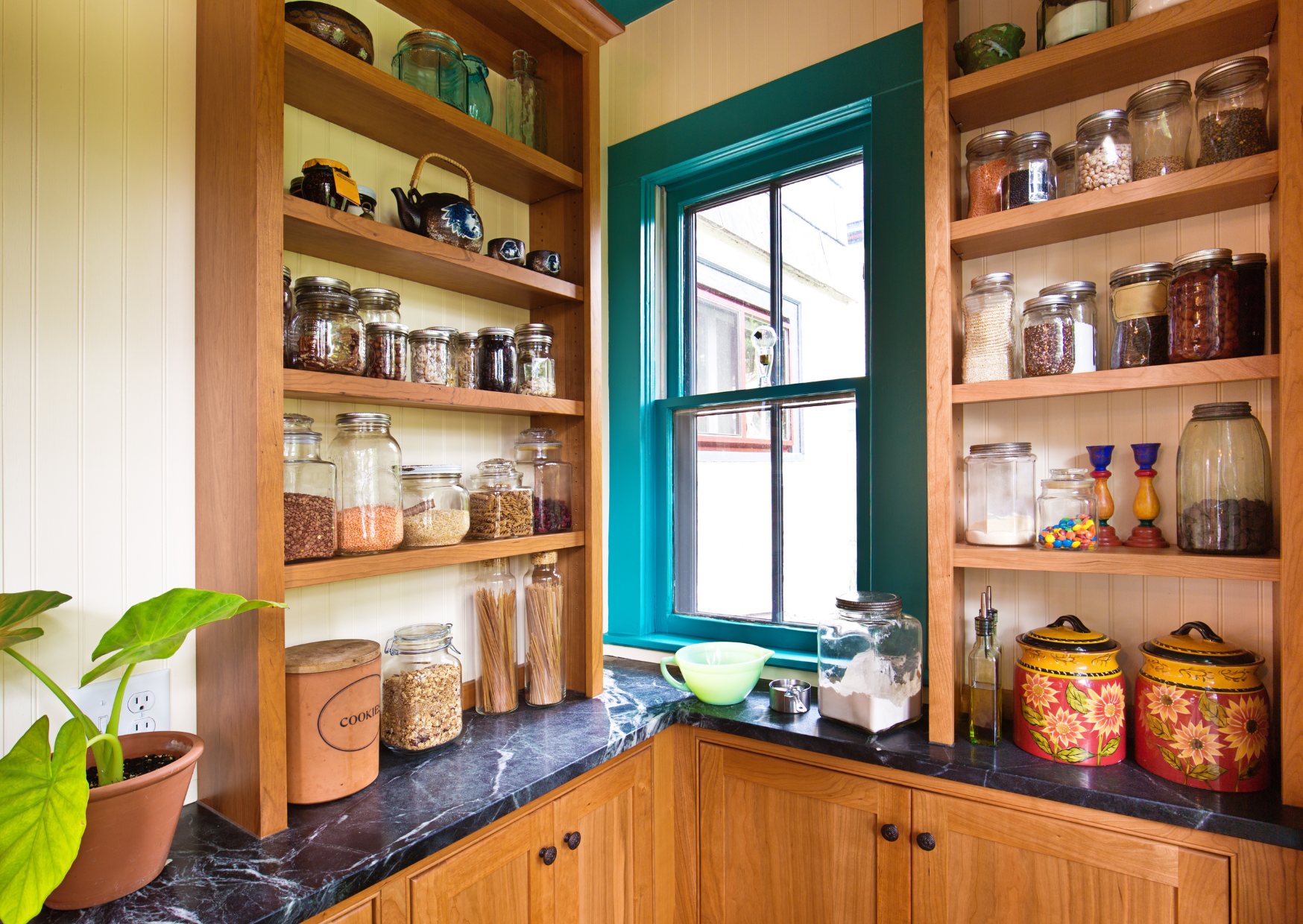
The trick is not speed alone. The trick is speed without sacrifice. A Mediterranean pantry solves weeknights because the core ingredients are shelf stable, the fats are flavorful, and the recipes are built to work in a small window.
What you keep on the shelf matters more than what you know by heart. Think of the pantry as equipment. Good olive oil, salted capers, tomatoes, and tins of fish are not decorations. They are tools that answer the two questions that stall dinner: what tastes like something, and how can I get it there fast.
Twelve minutes is not a gimmick. It is a rhythm. You put the fastest ingredient on heat first, then make one of two sauces while the starch cooks. The plate comes together because each component works alone and works together. There is no waiting for a special delivery of flavor. The flavor lives in the bottle and the jar.
The Shopping List You Can Carry In One Hand
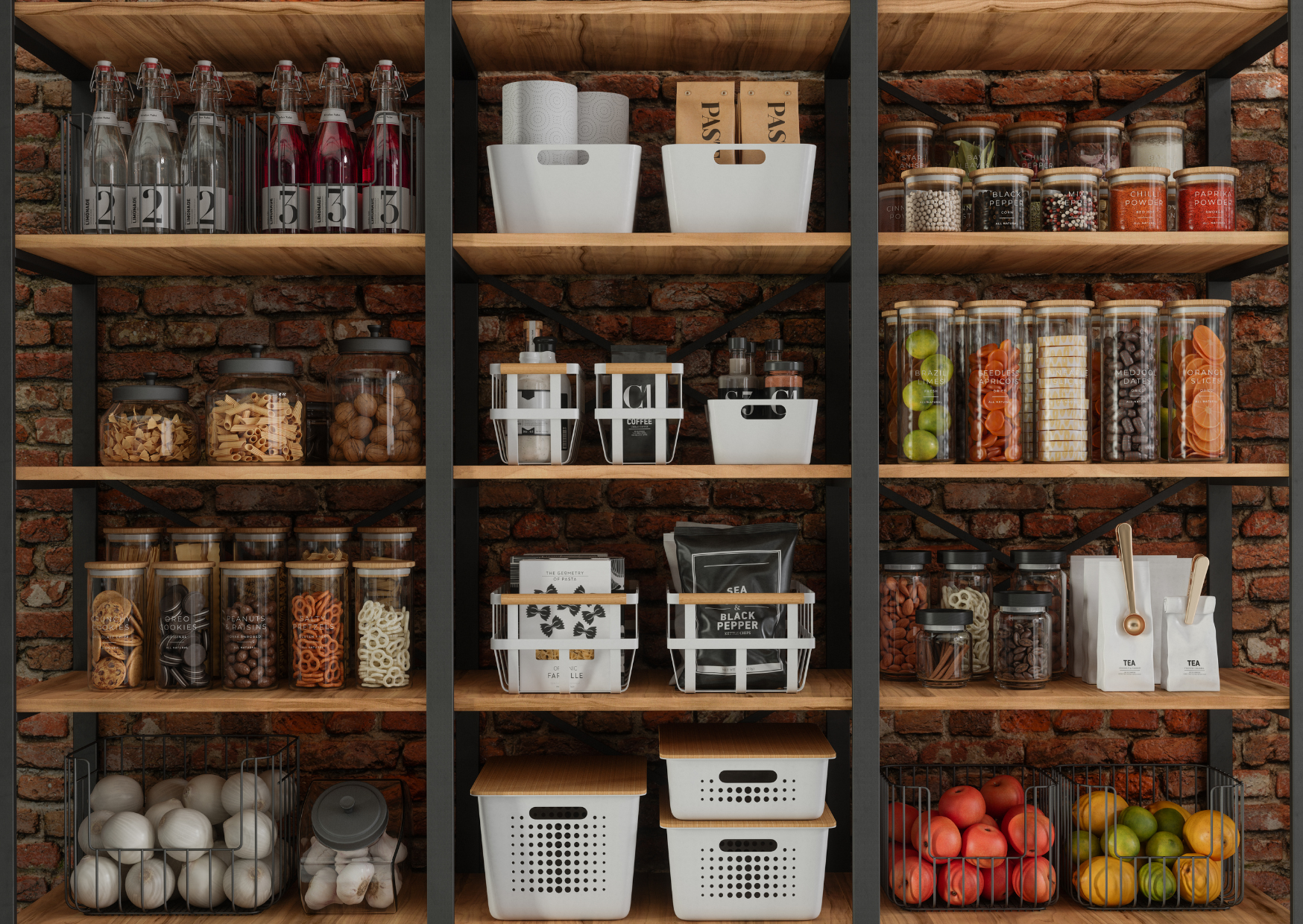
This list turns a cart into a week of meals. You can buy it in any European supermarket and in most American grocers without hunting. The goal is short, strong choices that combine in many directions.
Olive oil and acids
- Extra virgin olive oil, one liter. Buy the best bottle you can afford. It is the engine.
- Red wine vinegar and white wine vinegar.
- Lemons for zest and juice.
Aromatics and salts
- Garlic, flat-leaf parsley, fresh basil if available, dried oregano.
- Sea salt and black pepper.
- Capers in brine or salt. If salted, rinse before use.
- Olives, preferably small and firm.
Tomato and starches
- Two to four jars or cartons of crushed tomatoes.
- Dried pasta in two shapes. Spaghetti and short pasta cover everything.
- Couscous or quick-cooking bulgur for grain bowls.
- One bag of small potatoes for quick boils and pan-crisping.
Protein that waits patiently
- Canned tuna in olive oil.
- Canned chickpeas and white beans.
- A block of feta or a small wedge of pecorino.
- A dozen eggs.
Fresh add-ins that stretch the pantry
- A head of romaine or any sturdy salad green.
- Two zucchini or a small eggplant.
- Cherry tomatoes for raw crunch.
- A loaf of bread with a short label.
This is not a museum shelf. It is a bench of players you will use three or four times each week. Everything on this list tastes good alone, which means everything you combine will cooperate.
Two Base Sauces That Build A Week
If you can make these two, the pantry becomes a machine. One lives in a jar and needs no heat. The other lives in a pan and turns tomatoes into dinner in eight minutes. The names do not matter. The habit does. Make one cold sauce on Sunday. Make one hot sauce any night.
Base Sauce One: Lemon Garlic Chopped Sauce
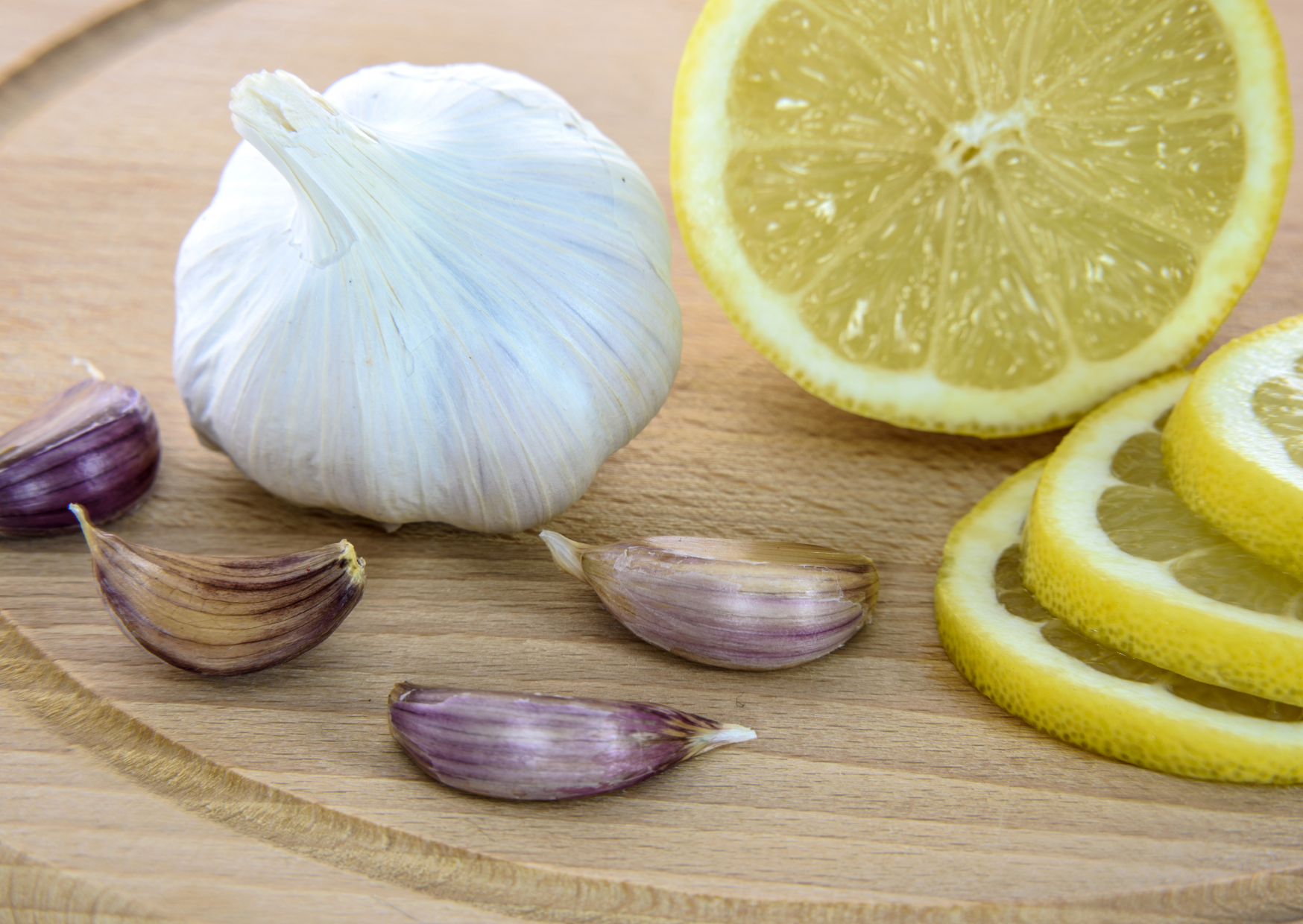
Bright, salty, and ready in three minutes. It turns toast into dinner, tuna into a salad, and cooked vegetables into a plate you want to eat.
Ingredients
1 large handful flat-leaf parsley, finely chopped
2 small garlic cloves, very finely minced
2 tablespoons capers, rinsed and chopped
Zest of 1 lemon
2 tablespoons lemon juice
6 tablespoons extra virgin olive oil
Pinch of red pepper flakes, optional
Sea salt and black pepper to taste
Method
In a bowl, combine parsley, garlic, capers, and lemon zest. Add lemon juice and olive oil. Season with a small pinch of salt and a few grinds of pepper. Stir and taste. Adjust with more lemon if you want it brighter, or with more oil if you want it softer. It keeps three days in the fridge and tastes even better after an hour.
How to use it
- Spoon over grilled or pan-seared zucchini.
- Toss with canned chickpeas and cherry tomatoes for a five-minute salad.
- Spread on toast and top with a soft scrambled egg.
- Fold into flaked tuna in olive oil for a no-mayo tuna salad that belongs on a table, not a desk.
Why this works
Acid, fat, and salt are the three levers of flavor. This sauce sets them in one place and lets you add them by the spoon. No cooking, big payoff.
Base Sauce Two: Eight-Minute Red
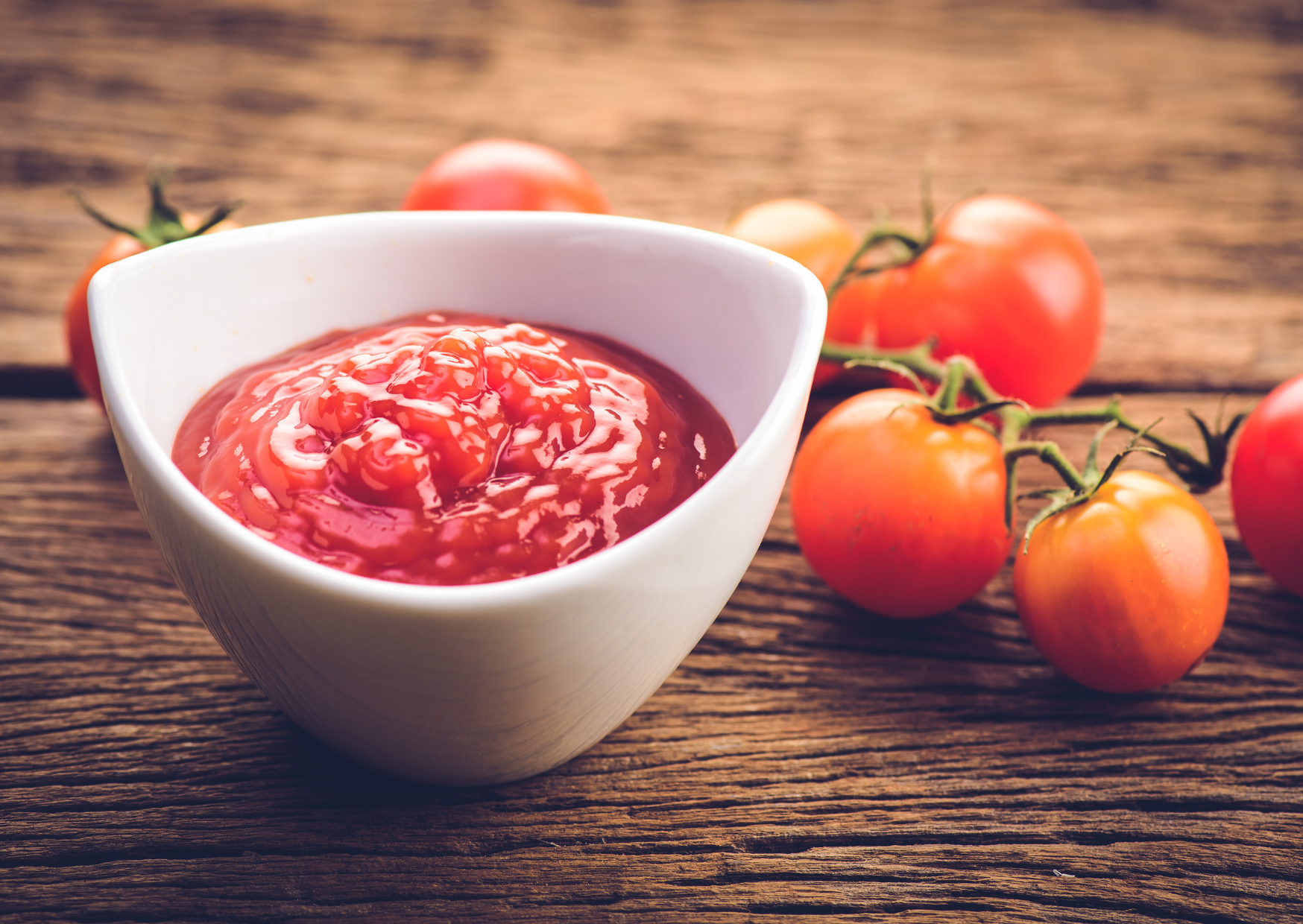
A fast sugo that tastes like you stood there all night. Tomatoes, oil, and garlic
Ingredients
4 tablespoons extra virgin olive oil
3 garlic cloves, thinly sliced
1 pinch red pepper flakes
1 jar or carton crushed tomatoes, about 400 to 500 g
1 teaspoon sugar if the tomatoes taste sharp
1 teaspoon dried oregano or a small handful of torn basil
Sea salt and black pepper to taste
2 tablespoons butter or a splash of olive oil to finish
Method
Warm olive oil in a wide pan over medium heat. Add sliced garlic and cook until it looks blond and smells sweet. Add red pepper flakes. Pour in the tomatoes, stir, and bring to a lively simmer. Add a pinch of sugar if the tomatoes need it. Season with salt and pepper. Simmer eight minutes until thick enough to coat the back of a spoon. Finish with butter or a splash more olive oil and herbs.
How to use it
- Toss with pasta and a handful of parmesan or pecorino.
- Crack in two eggs, cover, and cook until the whites set. Serve with bread.
- Spoon under pan-crisped potato coins.
- Spread on toast, top with tuna, and shower with chopped parsley.
Why this works
Olive oil blooms the garlic. The eight-minute simmer concentrates the tomato. Butter or extra oil at the end gives gloss and body. It is simple because it is honest.
Exactly How To Hit Twelve Minutes On Weeknights
You do not need to cook fast. You need to stack steps. The clock starts when water goes on. The plate lands when the sauce and the starch finish at the same moment.
The method for everything
- Put water on for pasta or set a kettle if using couscous. Salt the water generously.
- Start one base sauce. If you already have chopped sauce in the fridge, pull it out. If not, heat the pan for Eight-Minute Red.
- While sauce cooks, prepare one protein. Open a tin of tuna, drain beans, or slide eggs into a separate pan.
- Finish both components at once. Toss, taste, adjust with salt, lemon, or olive oil.
- Carry to the table. Eat.
Time map
- Minute 0: water on, pan on, garlic sliced, oil in pan.
- Minute 2: garlic blooms, tomatoes in, timer set for eight minutes.
- Minute 3: pasta drops or kettle pours.
- Minute 8: sauce finished, tuna opened or eggs cracked.
- Minute 10: pasta close to done, ladle of water saved, sauce loosened.
- Minute 12: drained pasta hits sauce, tossed with a splash of pasta water, plated.
If you choose couscous or bulgur, the clock is even kinder. Hot water hits the bowl and does the work while you assemble the rest. The key is to decide once. Do not chase recipes across tabs. You already chose the sauce.
Five Dinners Built From The Same Basket
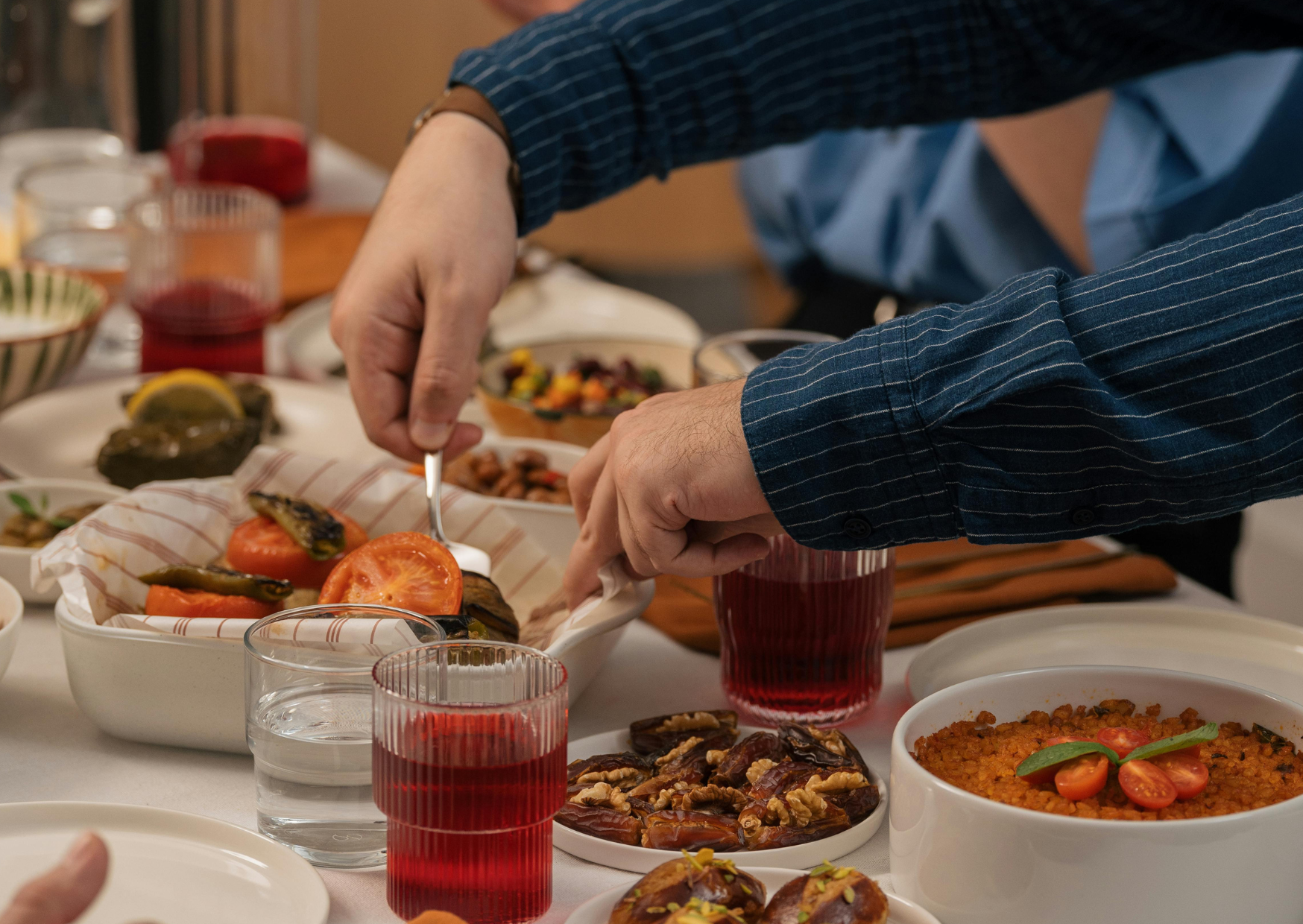
These are not clever. They are copyable. Each one lands in twelve minutes using the pantry and one or two fresh items. Pick two for this week and repeat them in small variations.
1) Spaghetti With Eight-Minute Red And Herbed Breadcrumbs
The breadcrumbs make it feel like a restaurant on a busy night.
Do this
While the sauce simmers and pasta cooks, warm a tablespoon of olive oil in a small pan. Add a cup of coarse breadcrumbs or torn stale bread. Stir until crisp. Season with salt, pepper, and dried oregano. Toss pasta with the sauce, thin with a splash of pasta water, top with crumbs and a drizzle of olive oil.
Why it feels special
Texture plus tomato equals dinner with character. Crunch changes everything.
2) Chickpea And Zucchini Bowl With Lemon Garlic Chopped Sauce
No stove drama. Just heat and assembly.
Do this
Slice two zucchini into half moons and pan sear in olive oil until browned. Season with salt. Warm a drained can of chickpeas in the same pan with a splash of water and a pinch of salt. Spoon into bowls, add chopped sauce, and scatter parsley. Serve with bread.
Make it fuller
Add crumbled feta or a soft egg. The bowl stops being a side and becomes a meal.
3) Tuna Toasts With Warm Red
This is the fastest dinner on the list.
Do this
Toast thick slices of bread. Warm a half cup of Eight-Minute Red. Flake tuna in olive oil with a fork. Spread tomato on the toasts, mound tuna, spoon a little chopped sauce if you have it, and finish with black pepper.
Why this works
Hot and cold on one slice wakes up a tired night. Tins and jars doing real work.
4) Eggs In Red With Crisp Potatoes
Call it a skillet supper and say yes to seconds.
Do this
Slice small potatoes into coins and pan fry in olive oil until golden and tender. Slide them out. Warm a cup of Eight-Minute Red in the same pan. Crack in four eggs, cover, and cook until the whites set. Scatter the potatoes over the top. Finish with herbs and a little grated cheese. Serve with a green salad.
Why it works
Protein, starch, and sauce in one pan. Comfort on a clock.
5) Couscous With Warm Tomatoes, Olives, And Lemon
Mostly a bowl and a kettle.
Do this
Pour hot salted water over couscous, cover five minutes. In a small pan, warm a cup of crushed tomatoes in olive oil with sliced garlic and a few olives. Fluff the couscous with a fork, fold in the warm tomatoes, finish with lemon zest, chopped parsley, and a generous drizzle of olive oil.
Make it travel
Pack cold for lunch. It tastes good at room temperature and looks like you planned.
EU Versus US Swaps And Label Rules That Help
You can build this pantry on either side of the Atlantic. Labels differ. The plan does not.
Olive oil
In Europe, extra virgin is a regulated category with defined chemistry and taste thresholds. In the United States, quality varies. Buy from a busy shop that sells through stock quickly. Dark glass beats clear. If the bottle smells grassy and peppery, you chose well.
Tinned fish
Choose in olive oil when possible. The can should list the oil source clearly. If your store only stocks sunflower or soybean oil versions, drain well and dress the fish in your own olive oil with lemon and salt.
Tomatoes
Jars and cartons of crushed tomatoes often taste cleaner than bargain cans. If the label reads tomatoes, salt, and maybe basil, you are in good shape. If it reads tomato paste and many extras, try another brand. Fewer ingredients usually means better flavor.
Bread
Look for flour, water, salt, and yeast. Additives are common in wrapped loaves. A bakery loaf lasts less time but tastes like dinner. If you need sandwiches for days, slice and freeze.
Capers and olives
Capers in salt are intense and keep forever. Rinse before use. Brined capers are fine and faster. With olives, choose firm, small varieties that bring bite rather than paste. Brine should read like water, salt, and aromatics, not a lab list.
Pitfalls Most Home Cooks Hit
Overloading the pan
Zucchini steams when crowded. Potatoes never brown when they sit on top of each other. Cook in a wide pan and give food room.
Chasing four flavors at once
Pick one sauce. If you add chopped sauce to a plate that already has Eight-Minute Red, keep the spoon light. Acid and heat are friends. Too much of both turns dinner into a contest.
Forgetting salt at the right time
Salt pasta water until it tastes like a mild sea. Salt zucchini when it hits the pan. Salt sauce in two small pinches rather than one big one at the end. Early salt builds flavor and lets you use less.
Fear of oil
Olive oil is not decoration. It is the cooking medium and the flavor. Use enough to coat vegetables and to carry sauce. A tablespoon per plate is common in Mediterranean cooking. Your food will taste better and you will not spend the night looking for dessert to make up for a dry dinner.
Letting the fridge kill herbs
Wrap parsley like a bouquet in a damp towel and stand it in a jar in the fridge. It will last most of the week. Basil prefers a glass of water at room temperature. Healthy herbs are cheap flavor.
What This Costs And How Long It Lasts
Numbers calm the mind. Here is a conservative basket priced for an ordinary European city with notes for a typical American store.
- Extra virgin olive oil, 1 liter: €7 to €12 in many EU chains, higher for premium. In the US, expect $12 to $20 for good everyday bottles.
- Crushed tomatoes, four jars or cartons: €4 to €8 total. US range $6 to $12.
- Pasta, two packs: €2 to €4.
- Couscous or bulgur: €1.50 to €3.
- Canned tuna in olive oil, three tins: €6 to €9 depending on brand.
- Chickpeas and white beans, four tins: €3 to €5.
- Capers and olives: €5 to €8 combined, but they last weeks.
- Garlic, parsley, lemons, zucchini, potatoes: €10 to €14 for a week’s worth.
- Cheese and eggs: €6 to €10.
The total sits roughly between €45 and €70 depending on brands and city, with leftovers that roll into a second week. In the US, expect $60 to $95 for the same cart. The math holds because most items are not perishable. You are paying for versatility and time saved, not a single recipe.
Clean Up And Storage Plan
Weeknight dinners fail when dishes pile up. Keep the sink calm and the next meal easier.
Do this once on Sunday
Make a jar of Lemon Garlic Chopped Sauce. Wash herbs. Rinse capers. Pre-portion breadcrumbs into a jar. Now every night has a ten minute head start.
Do this while the pasta boils
Keep a small bowl on the counter for scraps. Wipe the board while the sauce simmers. Rinse the knife and pan. Twelve minutes stays twelve minutes when the sink never piles up.
Store smart
Eight-Minute Red holds in the fridge for four days and freezes well. Freeze in flat bags in one cup portions. Chopped sauce lasts three days. Keep parsley like flowers. Keep lemons in a small basket, not the back of the drawer.
Leftovers that do not feel like leftovers
Toss yesterday’s potatoes into a pan and spoon warm red on top. Turn a little chopped sauce into a quick vinaigrette by adding more olive oil and a splash of vinegar. Small amounts make lunch.
A Week You Can Repeat Without Thinking
Here is one menu that rotates the two sauces without running them into the ground. Adjust to your taste and calendar.
Monday
Spaghetti with Eight-Minute Red and herbed breadcrumbs. Green salad with lemon and olive oil.
Tuesday
Chickpea and zucchini bowls with Lemon Garlic Chopped Sauce and crumbled feta. Toast on the side.
Wednesday
Eggs in Red with crisp potatoes and parsley. A few olives on the table.
Thursday
Tuna toasts with warm red and a simple salad of cherry tomatoes, capers, and lemon.
Friday
Couscous with warm tomatoes, olives, and lemon. Add grilled zucchini if you have time. Finish the week with a square of good chocolate.
Saturday lunch
Leftover pasta fried in olive oil until crisp on the edges. Spoon chopped sauce on top.
Sunday
Make the chopped sauce again. Restock tomatoes and tuna. Buy herbs. The cycle continues and the kitchen stops being a chore because nothing in it is a surprise.
If You Want To Dress It Up
Twelve minutes can look like an hour if you use one small flourish.
- Citrus finish. Grate lemon zest over hot pasta or warm red. It pushes aroma to the top of the plate.
- Hot oil splash. Warm a tablespoon of olive oil with a sliver of garlic and a pinch of pepper flakes, then pour over greens.
- Breadcrumb dust. Keep a jar of toasted crumbs and sprinkle at the table. Texture is flavor.
- Herb rain. A handful of chopped parsley or basil changes mood and color in a second.
The point is not to impress. The point is to keep the habit enjoyable so it survives long weeks.
Troubleshooting In Real Kitchens
My sauce tastes flat
Add salt in two pinches and cook one minute. If it still feels dull, add a teaspoon of lemon juice or a splash of vinegar off heat. Fat, salt, and acid live together. Move one dial at a time.
My garlic burned
Start over. Burned garlic will follow the dish to the table. Keep the heat modest and watch the edges. Blond is flavor. Brown is bitter.
The pasta clumps
Reserve a cup of pasta water before draining. Toss the pasta in the sauce with a splash of water and a drizzle of olive oil. Water carries starch that binds the sauce. Oil carries flavor.
The chopped sauce is too sharp
Add more oil and a pinch of salt. Lemon juice swings the balance quickly. Oil settles it.
The potatoes never crisp
Dry them after rinsing. Use enough oil. Give them space. Salt at the end, not at the start. Moisture and crowding kill browning.
The Quiet Ending
A good pantry makes ordinary days feel generous. The bottle of olive oil, the jar of tomatoes, and a few smart jars on a low shelf turn minutes into food that carries you. You are not chasing novelty. You are choosing reliability that tastes alive. Two base sauces are not a limit. They are a promise. Once you trust them, weeknights stop taking your energy and start giving it back.
Make the chopped sauce tonight. Put a pan on for red while the water boils. Twelve minutes later, you will have dinner that looks like you thought about it all day. The secret is that you only thought about it once when you wrote the shopping list.

About the Author: Ruben, co-founder of Gamintraveler.com since 2014, is a seasoned traveler from Spain who has explored over 100 countries since 2009. Known for his extensive travel adventures across South America, Europe, the US, Australia, New Zealand, Asia, and Africa, Ruben combines his passion for adventurous yet sustainable living with his love for cycling, highlighted by his remarkable 5-month bicycle journey from Spain to Norway. He currently resides in Spain, where he continues sharing his travel experiences with his partner, Rachel, and their son, Han.