
A departures board clicks from green to red. The gate agent’s smile fades. Somewhere between a thunderstorm over Frankfurt and a broken pump in Madrid, your last flight of the day vanishes.
Families coil around wall sockets. Trolleys become pillows. A security guard points at chairs. Then a small, plain thing happens at Desk B that changes the night: the agent prints a paper slip worth an actual bed, hot water, and breakfast.
Most people never ask for it. Fewer still insist. Here is the quiet rule that gives you a hotel, the exceptions that do not kill it, and the exact way to walk out of the airport with a key card instead of a story about sleeping on tile.
The Rule Most Travelers Skip

The short version is simple. If your flight is delayed long enough that the airline rebooks you to the next day, the airline must provide a hotel and transport between the airport and the hotel under EU law, regardless of who caused the disruption. This is called the right to care, and it applies even during extraordinary circumstances like weather or air traffic control restrictions. Compensation for delay can vanish in a storm. Care does not.
Coverage is broad. Any flight that departs from the EU, Iceland, Norway, or Switzerland is covered, no matter the airline. Flights arriving to the EU are also covered if the operating airline is EU based. If your overnight comes from one of these scenarios, you are not asking for a favor. You are asking for a benefit the law already wrote into your ticket.
The right to care includes meals and refreshments proportionate to the wait, two free communications, and when needed, hotel accommodation with transfers. The timing thresholds for care at the airport are two, three, or four hours depending on route length. The overnight threshold is common sense. If the next available flight leaves tomorrow, the hotel is due today.
Three facts to hold in your head: care is separate from compensation, airport of departure decides EU coverage, and overnight delay turns a printed voucher into your bed.
When A Hotel Is Mandatory, Not A Favor
Most travelers get stuck here. The agent says “weather” and the line accepts floor sleep. Read the boundary clearly.
If your new departure is the next day, the airline must put you somewhere to sleep under EU rules. The cause can be weather, strikes at air traffic control, or a broken aircraft. The airline can deny cash compensation for extraordinary circumstances, but it cannot deny care, including hotels, once an overnight wait appears. Cause affects money. Cause does not erase a bed.
This also holds on UK routes governed by UK261 after Brexit. The UK government’s passenger guide states plainly that if the delay or cancellation forces an overnight stay, you are entitled to hotel accommodation and transport between the airport and the accommodation. The legal language changed country names, not the duty.
On the line between day and night, the test is practical. If the last rebooking available tonight would deliver you to your destination at an impossible hour or the airline’s only workable itinerary leaves in the morning, the hotel is part of care. It is not an apology. It is logistics the law pushes onto the airline, not onto families with children asleep on plastic chairs.
Bold cue for the counter: ask for care, not compensation, ask for a hotel, not “help”, ask for transfers, then ask where to collect meal vouchers. The framing matters because the rule is written for care first.
How To Leave The Airport With A Room Key
Getting a hotel from a tired agent at 23:10 is ninety percent posture and ten percent paperwork. You do not need speeches. You need the right nouns and you need proof of overnight.
Walk up with your boarding pass, your new itinerary that shows tomorrow’s departure, and a one sentence request that uses the rule’s name.
Say, “Our new flight departs tomorrow morning. Please issue EU passenger right to care for hotel and transfers for our booking.” Then put the papers on the counter and stop talking. The silence is part of the method. The agent must type. The printer must print.
If the agent blames weather, acknowledge it, then separate the two rights: “Under the regulation, compensation is different from care. We are just asking for the hotel and transport for the overnight.” Most agents know this line. Some need the reminder said calmly. Never argue about blame when you are asking for a bed. That discussion lives in a claim later.
If the airline’s hotels are “full”, ask the counter to authorize self booking up to a reasonable cap. Many carriers will tell you the amount. If they refuse or the line is collapsing, book a modest, nearby hotel, keep all receipts, and take the shuttle or a taxi. The right to care allows reimbursement for reasonable costs when the airline fails to provide service. Reasonable means clean, close, and mid scale. Do not book the grand. Do not book the hostel. Book the practical middle and keep the invoice.
Collect four items before you leave the terminal: hotel voucher or your hotel receipt, transport voucher or taxi receipt, meal voucher or receipts, and a written delay or cancellation notice if staff hand them out. Photograph the departures board and your rebooked itinerary. Short facts beat long complaints later.
If You Must Self Book, Make The File That Wins
Sometimes the desk is chaos or closed. Your plan then is to behave like the airline should have behaved, pay for the basics, and present an adult, itemized claim after travel.
What to book
Pick a mid priced hotel within airport radius. Choose the shortest available transfer. If a shuttle exists, take it. If nothing runs, use a standard city taxi or an app car. Avoid luxury categories. Reasonable costs are reimbursable. Lavish costs invite emails.
What to keep
- Itemized hotel invoice with dates and names that match your booking.
- Transport receipts between airport and hotel for each direction.
- Meal receipts during the delay window.
- Proof of delay: screenshots of the airline app, departure board photos, and your new itinerary.
- Your boarding passes and booking reference.
How to send it
As soon as you get home, file a right to care claim with the operating airline. Keep it to one page. Write the facts in five lines: booking reference, route and date, overnight delay due to cancellation or disruption, EU right to care expenses claimed, total amount, bank details for a SEPA transfer. Attach PDFs. Do not attach feelings.
If they stall
Reply once, then escalate to the National Enforcement Body for the country where the disruption happened. NEBs are not courts, but their emails wake sleepy claims. This is normal. Use it.
The quiet truth
Most airlines reimburse clean claims for care, even when they deny compensation, because the law on care is clear and the documentation is boring. Boring wins.
Outside The EU: UK Rules And U.S. Leverage

If you fly to, from, or within the UK, your rights mirror the EU’s. The UK government’s guide states that overnight delays trigger hotel accommodation and transport, plus meals and communications. The amounts are not specified because the right is practical, not numeric. A clean mid range hotel and a shuttle or taxi are the standard.
In the United States, the rule takes a different path. There is no federal law that mandates hotels for airline-caused overnights on domestic itineraries. Instead, the U.S. Department of Transportation created a public dashboard that lists what each airline commits to do during controllable delays and cancellations. Most major U.S. carriers now promise hotels during overnight disruptions that are within the airline’s control. If an airline posts a commitment, DOT can hold it to that promise. The dashboard is leverage at the counter and proof in a complaint.
For international itineraries touching the U.S., the Montreal Convention can cover actual damages from delay, which often include meals and lodging. This is not a voucher rule. It is a reimbursement route. File with the airline first. If they deny, you can escalate by complaint to DOT or by small claims where appropriate. Montreal is slower than an EU hotel voucher and lives in paperwork, but it pays reasonable, documented out of pocket losses.
Quick map for memory: EU and UK give care as a right, U.S. gives leverage through posted airline promises, and international trips can claim actual delay damages under Montreal. You will leave fewer nights to chance if you know which system you are standing in.
Pitfalls Most Travelers Hit And How To Avoid Them
Arguing about compensation at 23:10
Agents cannot change the weather. They can print hotel vouchers. If you start with cash demands, you lose time and goodwill. Care first. Compensation later.
Asking for “help” instead of a right
Say “EU right to care, hotel and transfers”, not “Is there anything you can do.” One is a switch. The other is a hope.
Booking the wrong level when self booking
You will get paid for reasonable rooms and transport. Choose mid range properties near the airport, not designer hotels in the city center. If you push beyond reasonable, you gift the airline a reason to delay or deny.
Keeping no proof
A tidy file wins. Photograph the board, keep the rebooking email, save receipts. Your claim is a receipt, not a memoir.
Forgetting transfers
The right includes transport between the hotel and the airport. Vouchers often exist. If not, claim the taxi both ways with receipts. Do not walk this in the rain on principle.
Mixing codeshares
File claims against the operating carrier, not the marketing carrier. The airline that flew or failed to fly the leg is the one that owes care. This is true in the EU and in common sense.
Letting a voucher replace cash reimbursement
If you self paid, the airline may offer a future travel voucher. You can say no and stick to a bank transfer. Vouchers are optional, not the default.
What To Do At The Counter, Step By Step

You do not need a script. You need three moves and two documents.
Move one: ask for care by name
“New flight is tomorrow morning. Please issue right to care hotel and transfers for booking ABC123.” Then wait. The printer is your friend.
Move two: split the issues
If the agent says “weather,” say, “I understand compensation might not apply. Care still applies during overnights. We only need the hotel and transfers.” Keep voice level. You are stating the rule, not debating it.
Move three: self booking authorization
If counters are overwhelmed, ask, “If hotels are unavailable, please authorize self booking up to your cap so we can leave the line and rest.” If they will not put a cap in writing, use reasonable mid range choices, then claim.
Two documents that make life easy
Carry a note in your phone with the rule name and coverage and a photo of the EU passenger rights poster near check in. Showing the agent their own poster is occasionally more effective than any speech.
The Morning After: How To Get Paid Without Chasing
Once you reach your destination and sleep properly, do not let receipts fossilize in your wallet. Claim while the memory is fresh and the airline still remembers the meltdown.
File within seven days if you self paid
Attach scanned PDFs only, never photos. Title them clearly: Smith_Hotel_Invoice_12Oct.pdf, Smith_Taxi_AirportToHotel.pdf. State the total and the bank details for a SEPA transfer if you are in Europe. If you are in the U.S., give the airline your preferred refund method and ask for confirmation of processing.
Follow once
Set a reminder for four weeks. If no response or a weak refusal arrives, escalate to the National Enforcement Body for the country of disruption. Keep your escalation short, attach the same file, and include the airline’s reply. This is not dramatic. It is standard. NEB nudges often move stuck claims.
Use the DOT dashboard for U.S. itineraries
If a domestic airline promised hotels for controllable overnight cancellations on the DOT dashboard and did not deliver, include a screenshot in your complaint to the carrier and, if needed, to DOT. Regulators can hold airlines to their posted commitments.
For international trips touching the U.S.
If you were stranded overnight outside EU or UK coverage, Montreal Convention Article 19 supports reimbursement for actual delay damages like lodging and meals. File with the airline. If denied, consider small claims where available. This is slower than vouchers, but it is real.
Real Numbers: What “Reasonable” Looks Like
Airlines rarely publish hard caps for self booking, but reasonableness repeats city to city.
- Airport hotel or nearby business hotel in Europe: €85 to €140 per room per night, often including breakfast.
- Airport shuttle or taxi: €10 to €35 each way depending on distance and time.
- Meals: €12 to €20 for dinner, €7 to €12 for breakfast if not included.
When your file lands with totals that sit inside these ranges, agents say yes faster. If you had to book higher because the city was at capacity during a festival or fair, explain the constraint in one line and attach a screenshot showing sellouts. Short context plus receipts often passes.
Remember that meals and hotel are care, and cash compensation is separate if your arrival delay crossed the three hour mark on EU itineraries with causes under the airline’s control. You can claim both, but never mix them into one muddled letter. Two claims. Two outcomes.
Why This Matters In Winter More Than Summer
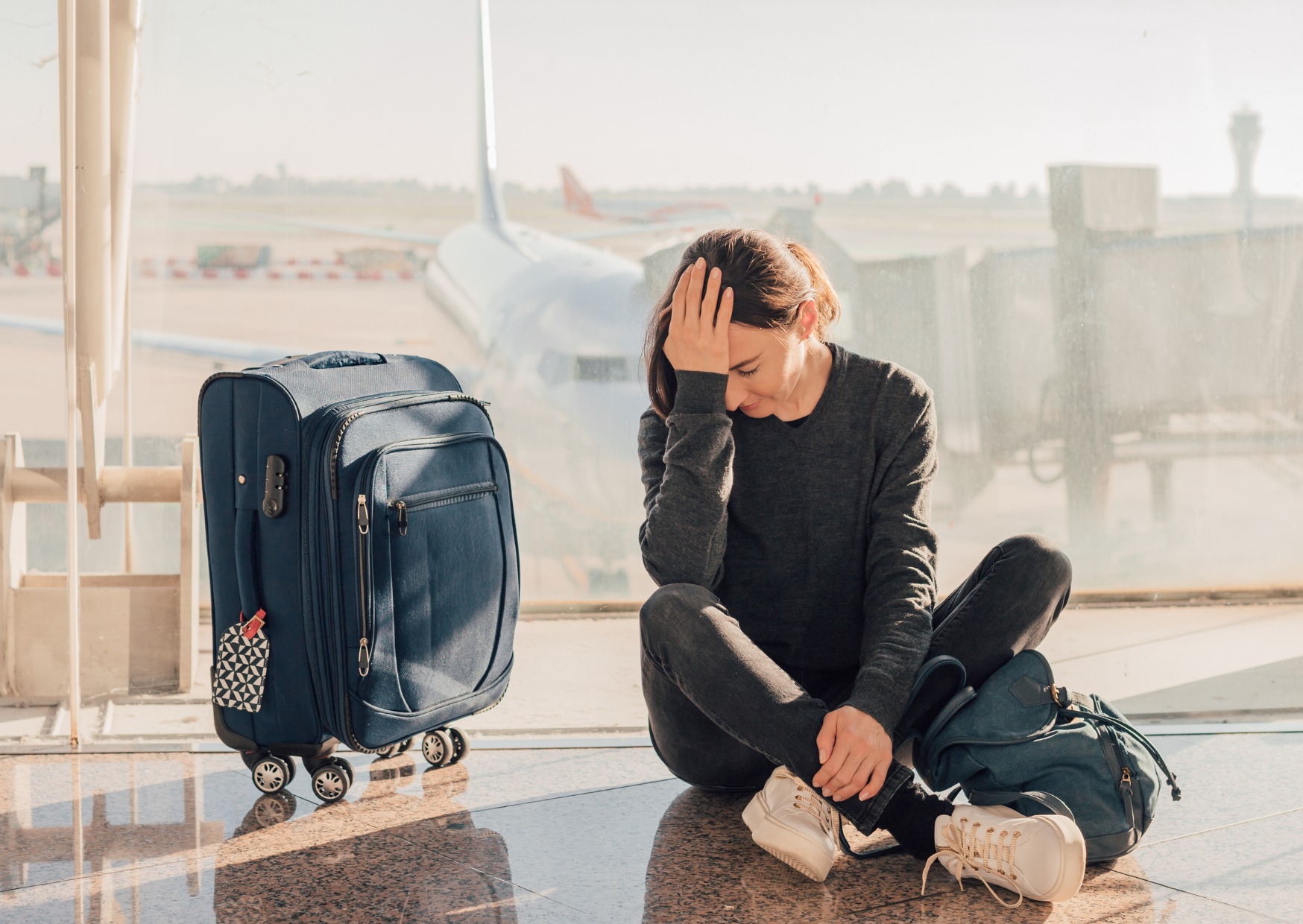
Winter brings more weather, longer nights, and fewer late flights to rescue your itinerary. That means more overnights and more tired desks. Knowing that care survives storms turns chaos into logistics. It also saves real money. One hotel night, transfers, and meals for two can easily top €180 to €250. Families of four double that. Most people absorb the cost because they do not know they can ask. You do now.
There is another reason. Dignity travels better than endurance. A bed and a hot shower turn a missed meeting into a morning reboot. You land one day later and move on. The law was built for that outcome. Use it.

About the Author: Ruben, co-founder of Gamintraveler.com since 2014, is a seasoned traveler from Spain who has explored over 100 countries since 2009. Known for his extensive travel adventures across South America, Europe, the US, Australia, New Zealand, Asia, and Africa, Ruben combines his passion for adventurous yet sustainable living with his love for cycling, highlighted by his remarkable 5-month bicycle journey from Spain to Norway. He currently resides in Spain, where he continues sharing his travel experiences with his partner, Rachel, and their son, Han.