
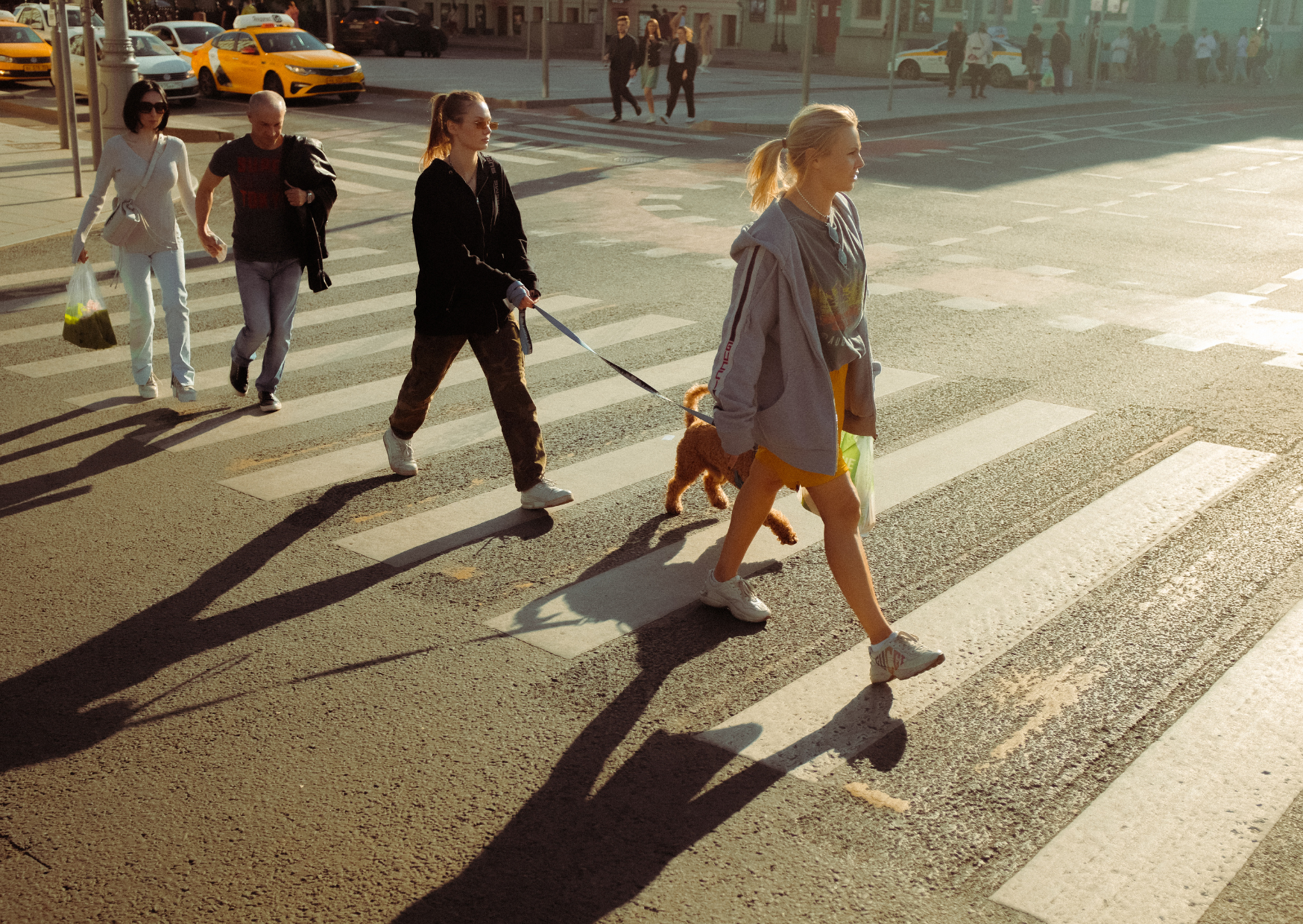
On a weeknight in a medium European city, footpaths do the work that apps promise. Couples step out in jackets, cross three quiet streets, and reach a neighborhood bistro before the soup cools. A student leaves a library and joins a stream of people heading toward lighted squares. The walk is not a workout. It is the route. The bill at the end of the evening buys food and time, not a parking slip. Across the Atlantic, the same hour often starts with a car key. Dinner sits across a five-lane road, so the errand waits, and a gym absorbs the movement the street denied. One culture treats motion as a way to arrive. The other buys motion because arrival requires a car.
What This Really Means
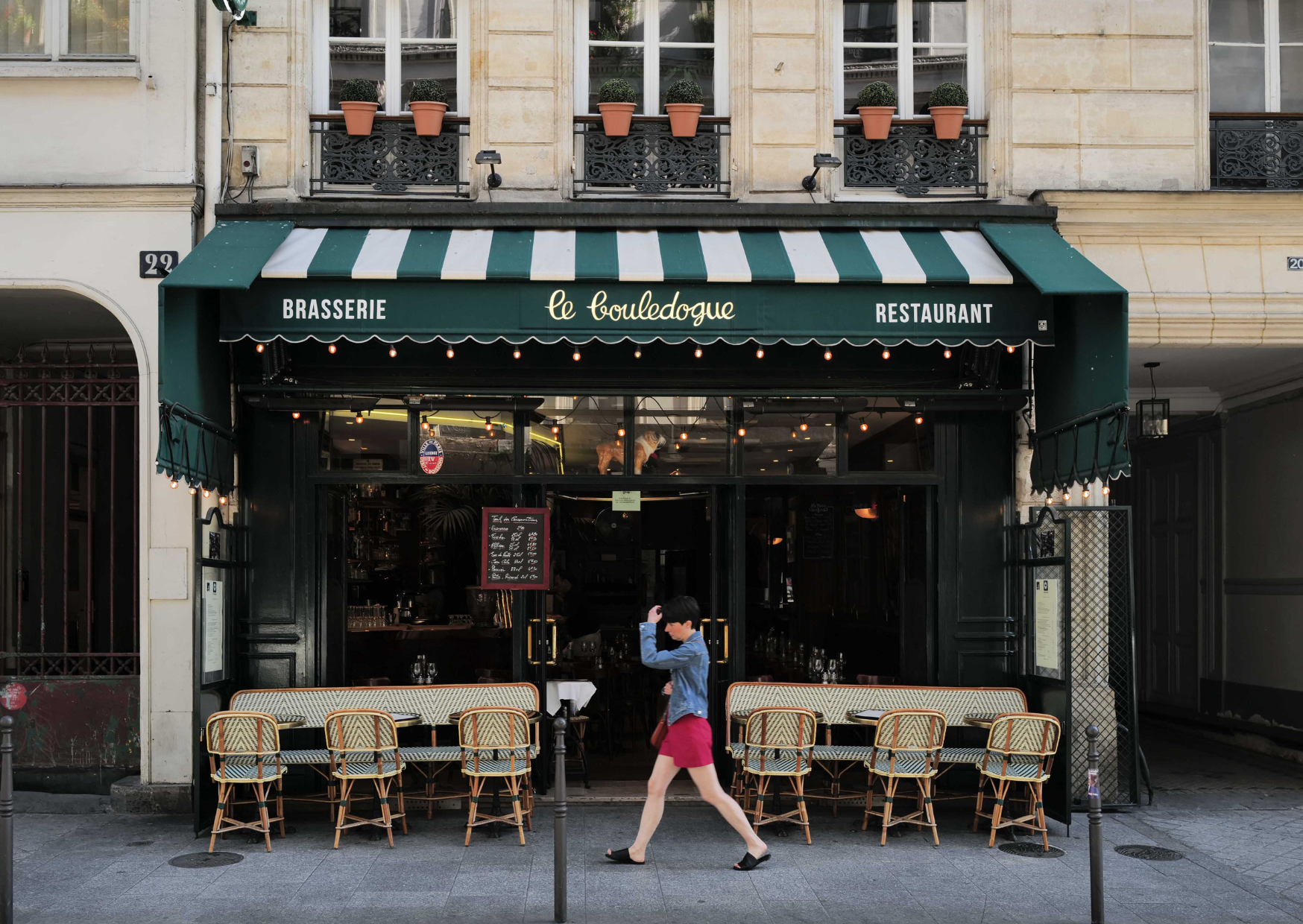
The point is not that Europeans avoid gyms or that Americans never walk. The point is structural. Europe equips routes that invite movement, then layers gyms on top for sport or preference. America equips roads that demand cars, then sells movement later as a service. When the street is already asking you to move, habits cost less, and movement wraps itself around errands, meals, and work. When the street fights you, movement becomes a scheduled task with a fee. The difference feels cultural until you measure it.
Across European cities, walking and biking claim a meaningful share of daily trips. A European Commission study that pooled data from city travel surveys found that about 18 percent of daily trips are on foot and 6 percent by bike, with transit around 10 percent. Car use still dominates, but the baseline for active travel is visible in ordinary streets and at ordinary hours.
In the United States, the National Household Travel Survey shows that walking is a small share of trips for most regions, with active travel often under 10 percent outside the densest counties. Analysts caution that the 2022 sample for walking was smaller than past years, yet even generous readings align with what American commuters already know. The median day is built for the car, so most trips happen by car.
These two realities produce different evenings. In one, people decide where to eat and walk there. In the other, people decide to drive somewhere to eat or drive somewhere to move. The receipt follows the route.
The Map Decides What The Body Does
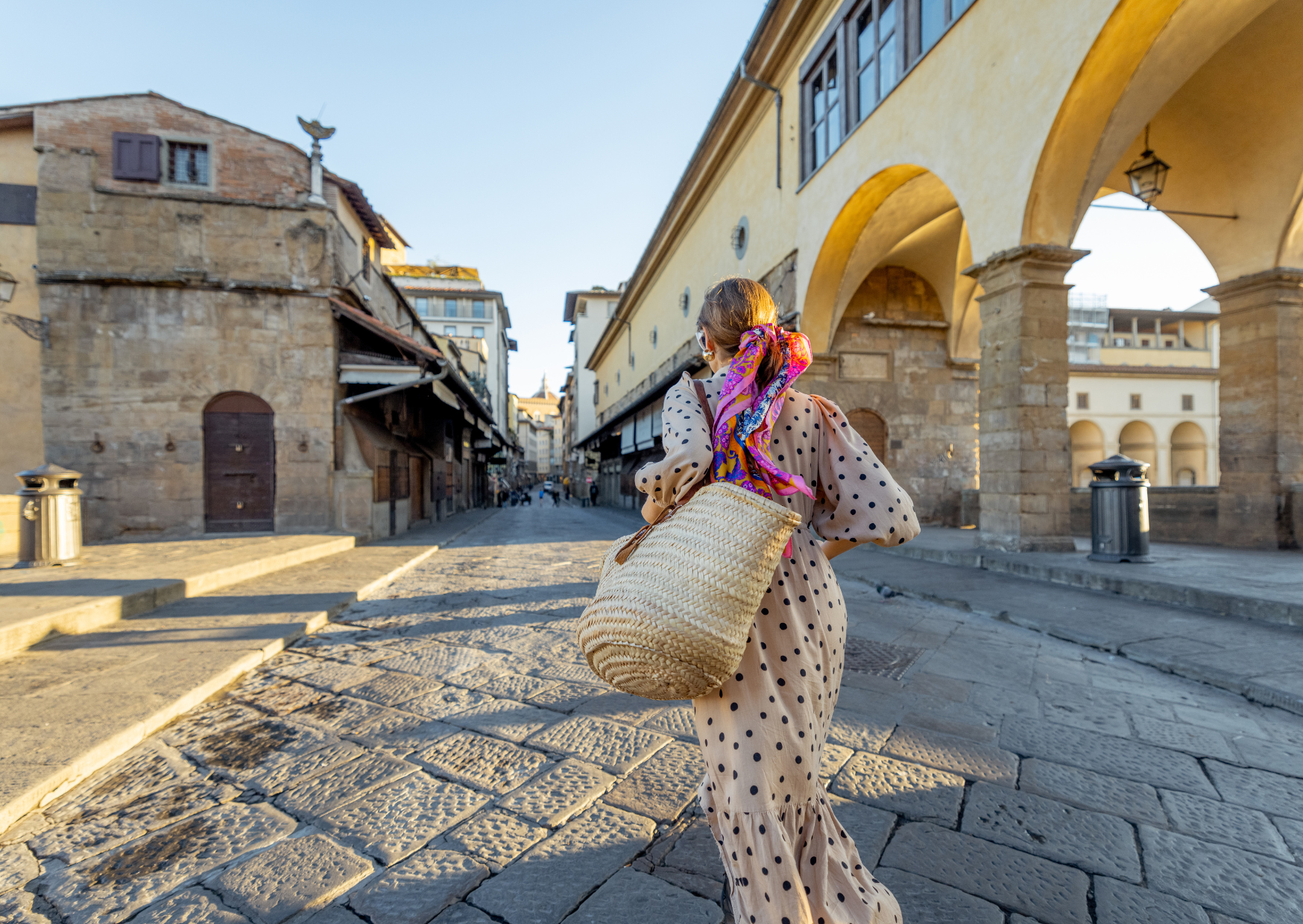
Walk a European middle belt city and you see infrastructure that shrinks decisions. Crossings are short. Pavements connect. Local streets are calmed. Transit stops sit where the feet want them. Municipal planning frameworks like Sustainable Urban Mobility Plans codify this into timetables and funding, which is why even second cities post targets to raise active travel shares and keep routes predictable. The output is not a brochure. The output is a habit that repeats without a calendar reminder.
Research inside Europe keeps linking “walkability” to actual walking once the street supplies width, crossings, density, and nearby destinations. Dutch and pan-European work has demonstrated that an index of sidewalks, junction density, and mixed land use predicts more total walking, and that the components you can feel under your shoes matter most. Routes that feel obvious get used, which turns dinner into a stroll instead of a drive.
American cities are not without sidewalks or routes. The difference is distance and interruption. Suburban arterials break walks with long waits and high speeds. Parking minimums push buildings apart, then push front doors behind lots. Planners in the United States are now dismantling those rules in many places, which tells you why the day felt heavy before. Parking mandates create walking deserts, and deserts create gym commutes.
The Numbers That Matter
It helps to put a few numbers next to the street scenes people describe.
Trip shares
Across a recent European cities study, 18 percent of daily trips were walking and 6 percent were cycling, with the rest split among cars and transit. Country and city differences are wide, yet walking remains part of the baseline. In the United States, analyses of 2022 national data and follow-ups by transportation researchers note that walking and cycling together are a small fraction of all trips for most counties, with a few dense metros as exceptions. Most Americans drive to most places most days, including short errands that could otherwise be movement.
Time spent moving versus time spent going to move
Global health monitors point out that about 31 percent of adults did not meet recommended activity levels in 2022, and the trend has worsened since 2010. The regions differ in how people try to fix that. In a city where walking happens by default, the day already covers half the recommendation before a gym opens its doors. In a city where walking is rare, movement requires a second trip and an extra calendar slot. That extra slot often loses to traffic and fatigue.
Price of movement
A budget American chain now lists a basic monthly membership at $15, and mid-tier clubs often sit around $30 to $60 per month, with prestige options priced far higher. None of these prices buys time on a sidewalk. They buy a room to move in because the street will not help you. In Europe, low-cost gyms with about €20 per four weeks exist too, but many people hit their steps before any door opens because dinner sits within a walk. In one place, the gym is a supplement. In the other, it is a substitute.
Price of getting to movement
Germany’s nationwide transit pass, a policy experiment that many countries are watching, sells unlimited local and regional public transport for €58 per month as of 2025. The price is not the lesson. The lesson is that millions can reach restaurants, pools, and gyms without a car because a single pass and a dense network connect their evenings. Where a car is the only option, movement inherits fuel, depreciation, and parking.
The pattern is not subtle. Cities that place ordinary destinations within a short walk see more walking. Cities that separate every destination with a road see more driving and more payments to undo what the road did.
Why Dinner Is A Walk In Europe
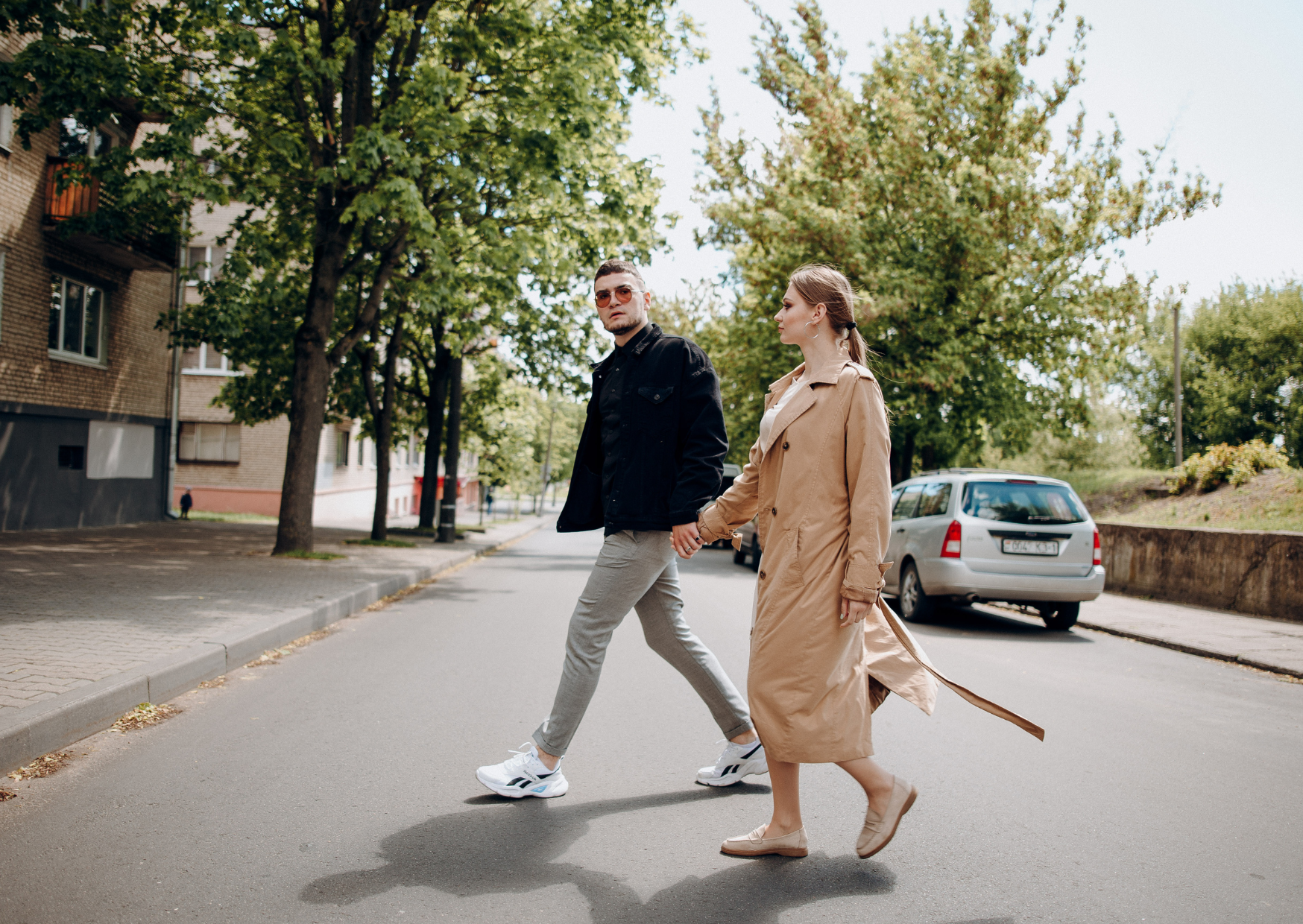
The simplest answer is proximity. European housing patterns place apartments over shops, quiet streets next to main streets, and schools and clinics inside neighborhoods. The consequence is that a good share of evening destinations sit 5 to 20 minutes away on foot, which satisfies the need for food and the need to unwind at once. You do not count steps when your fork is the endpoint.
Policy keeps the pattern intact. European cities publish targets to raise the share of walking and cycling, then pay for crossings, lighting, and traffic calming. The guidance now tells cities to count the health benefits of walking in transport appraisals, which is not romance, it is accounting. When you price health, you build sidewalks, and when you build sidewalks, you get pedestrians at 8 p.m. with jackets instead of keys.
The indoor layer mirrors the street. Municipal pools and low-cost gyms are scattered near homes and tram stops, not just in auto malls. That is why people who want a swim or a lift often do it on the way to dinner or after, not as a separate car trip. The meal and the movement share a route. The routine feels slow. The routine wastes nothing.
Why Gyms Absorb The Walk In America
American cities are full of passionate walkers and runners. The system is not. Distance and discontinuity are the problem. Zoning separated homes from restaurants and shops for decades, then piled parking between every front door and every entrance. The result is a map that turns simple dinners into drives, which in turn forces a second trip for health. That second trip is the gym.
Prices reflect the role. A low basic membership at a budget chain is still a monthly bill for movement. Mid-tier monthly fees add to that. Prestige clubs layer on services that transform transportation into valet, because the club knows you had to drive. As an extreme example, a luxury chain now sells annual wellness programs for about $40,000, which is proof that the market knows the street is not doing its job. In a healthy city, a shoe handles what a valet does.
The fix has started. Cities are eliminating parking minimums and reclaiming curbs for people. Reformers call it overdue because minimums inflated distance and price for half a century. As those rules fade, short trips return and walking makes sense where it was impossible. The change will not turn a region overnight. It will change a school run, a grocery run, and a dinner walk this year. Every rule that shrinks a parking lot grows a footpath in practice.
Health Is A Side Effect Of Errands
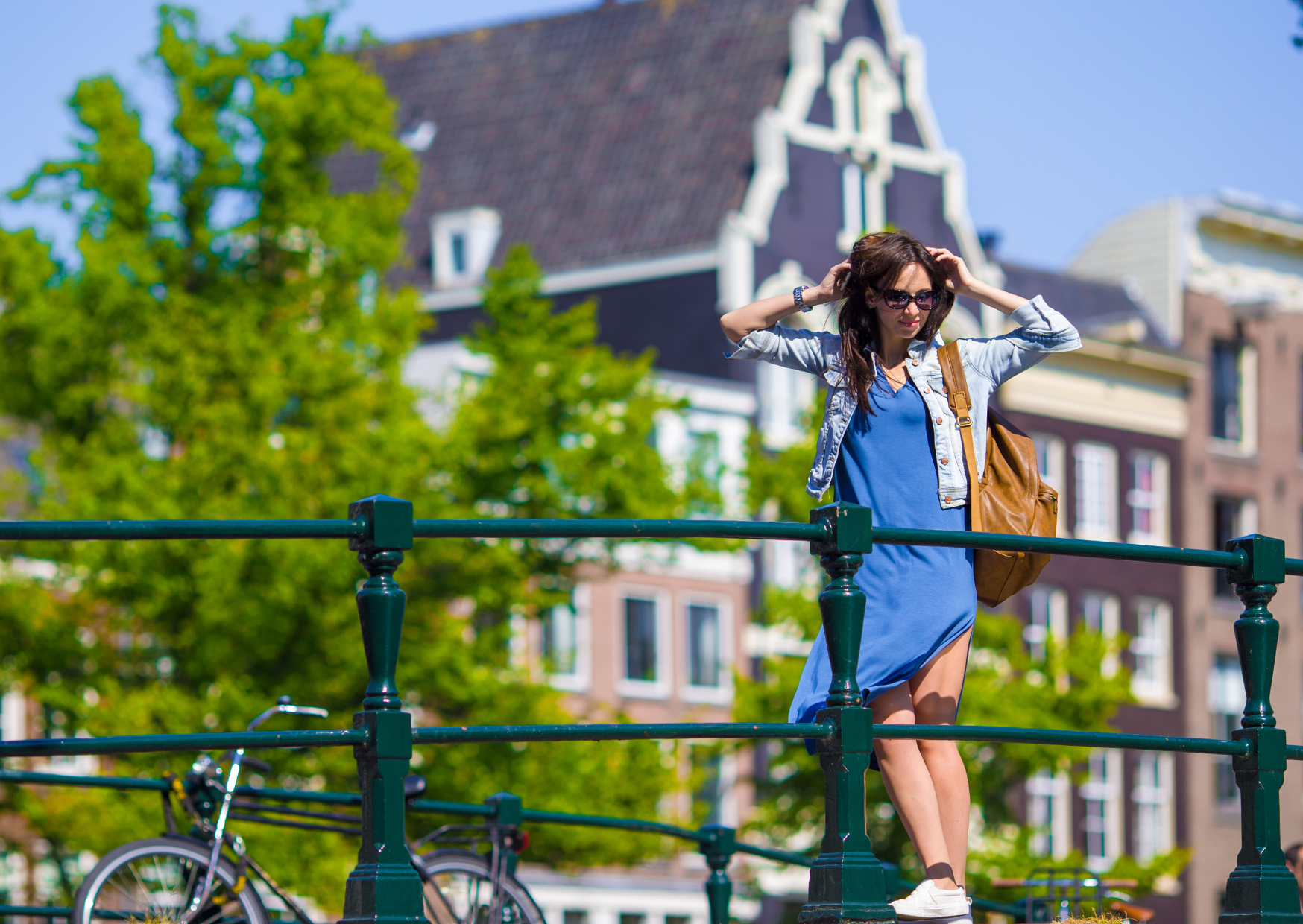
When dinner begins with a path, exercise hides inside life. A ten minute walk to eat and a ten minute walk home cover a third of daily recommendations without a wardrobe change. Add a lunch stroll to a bakery and a shop run, and the day clears the target. The meal prevents burnout instead of competing with it. That is why people in walkable neighborhoods often report that they did not plan to move. They simply went somewhere.
Global health monitors are not optimistic about the planet’s movement trends. A third of adults do not meet the minimum. The reason to build routes that invite short evening walks is that they lower the activation energy. You do not need a second decision. The fork uses the footpath. The gym becomes dessert.
The Budget Angle Nobody Sees At First
Car-centric dinners carry costs that do not sit on the receipt. Fuel to get there. Depreciation to be allowed to try. Insurance sized for every errand. In a year those shadow costs dwarf any restaurant savings a household thinks it found by choosing a cheaper menu in a strip mall. When you walk to dinner, you erase the travel line and you often eat earlier because the route itself is calmer.
The gym commute carries a similar shadow. Drive time eats the hour you purchased. Parking adds a hassle tax. A late meeting knocks the whole plan flat. Low fees are still fees when the route is hostile. In a place where dinner is a walk, the gym slot shrinks because the walk already happened.
European households also save because routes are stitched together by transit. A single pass moves people between home, work, pool, and dinner for a known monthly price. This is not ideology. It is budgeting. Predictable mobility creates predictable habits, and predictable habits keep bodies healthy at lower cost.
The Cultural Layer Without Stereotypes

Yes, many European scenes feature families and friends sitting longer at tables. Time is not indulgence here. Time is a tool that helps people arrive by foot, talk while they eat, and walk home without a rush. The slow part is not productivity. The slow part is transitions. When transitions are calm, evenings steal steps from stress.
American life has its own strengths. Restaurants hustle because they must turn tables to pay rent on arterials. Gyms gather people who would otherwise not move at all. The culture is not wrong. The map is expensive. If you place homes and meals far apart and build a sidewalk that ends in a gutter, only a zealot will walk. The fix is to move destinations closer and remove obstacles, which many cities are finally doing.
Exactly How To Copy The European Outcome Anywhere
You cannot rebuild a metro by Friday, but you can rebuild your evenings. These steps meet the protocol we use for all habit pieces: short decisions that install long behavior.
Pick a dinner triangle
Draw a fifteen minute walking radius around home. List three places inside it that you actually want to eat. One café, one casual spot, one shop for bread and cheese. Put the list on your phone as a home screen note. If nothing exists inside the radius, move the center to a tram stop or a bus line you can reach, then draw again. The point is to remove choice friction at 7 p.m.
Make dinner the walk, not a reward for a drive
On two weeknights, leave without a car. If children are part of the evening, make the route countable. Younger kids love counting crossings and benches. Teenagers love picking songs. Everybody loves the habit once it is installed.
Shift one gym visit to a route you like
Keep your membership. Replace one session with a brisk walk to dinner and back or a walk to a municipal pool with a posted lap hour. Your watch will not know the difference. Your calendar will.
Fix three pain points
If your nearest crossings feel unsafe, use the city’s service app to request signals or calming. If the night walk needs lights, note the poles and send a calm email to the district office. If a stretch lacks pavement, photograph the gap and report it. Micro-advocacy turns into routes faster than you think when several neighbors ask for the same fix.
Install a weather rule
Buy one jacket that blocks wind and one umbrella that does not fold when the street turns a corner. Keep them by the door so the sky stops deciding your steps.
Pitfalls Most People Hit In Month One
Waiting for perfect restaurants
Your first month is about walking, not cuisine. Pick places that open when you need them and seat you quickly. The point is the route.
Over-programming the walk
You do not need to count zones or steps. You need to go and return. If a friend calls, bring them. If a child wants to scooter beside you, let them. Movement tolerates mess better than resolutions do.
Letting the car win because of groceries
If food shopping threatens the habit, split nights. On walk nights, eat near home. On shopping nights, use transit or plan a shop that is small enough to carry. Once a week, do a big shop by car. Keep the rest human scale.
Thinking this costs more
Short walks change what you order because time slows. Households that walk to dinner often split a starter or skip a third course because the table already delivered what the body wanted. The bill is shorter, not longer, even when service is generous.
The Larger Lesson For Cities And Brands
Cities win when dinner is close. Restaurants see more repeat visits because the hurdle is low. Families spend steadier amounts because they are not buying valet and fuel. Health care systems feel less pressure when people meet movement guidelines without thinking about it. If you want a public health win without a campaign, build crossings, fill sidewalk gaps, and allow homes near food.
Brands win when they sell participation instead of identities that fight the street. Sporting goods chains that keep family gear at €10 to €30 per piece know the truth. When movement is a default, gear is a tool. When movement is a chore, gear becomes a costume. Costumes are fun. Tools change months.
People like to attribute European walking to culture, weather, or a genius for leisure. The truth is simpler and kinder. Routes are close, routes are safe, and destinations are worth the trouble. That turns dinner into movement and movement into a side effect of living. Gyms still matter. Pools still matter. What changes is that they stop carrying the whole week.
If you want the European outcome, build for the decision you want at 7 p.m. Put dinner inside a ten minute walk. Keep the path legible at night. Price the train so it feels like a utility. Your residents will not post about walkability. They will just walk, eat, and sleep. The city will get quieter. The health charts will move the right way. The gym will still have a place. It will no longer be the only place the body moves.

About the Author: Ruben, co-founder of Gamintraveler.com since 2014, is a seasoned traveler from Spain who has explored over 100 countries since 2009. Known for his extensive travel adventures across South America, Europe, the US, Australia, New Zealand, Asia, and Africa, Ruben combines his passion for adventurous yet sustainable living with his love for cycling, highlighted by his remarkable 5-month bicycle journey from Spain to Norway. He currently resides in Spain, where he continues sharing his travel experiences with his partner, Rachel, and their son, Han.