
Japanese cuisine is often celebrated for its delicate flavors, seasonal ingredients, and attention to presentation. While sushi and ramen tend to steal the spotlight abroad, everyday Japanese dinners offer a variety of dishes that are comforting, nourishing, and deeply rooted in tradition. From simmered stews to sizzling grilled meats, Japanese dinner fare blends simplicity with complex taste in a way few cuisines can match.
What makes Japanese dinners special isn’t just the flavor — it’s the thoughtful approach to balance. Meals often include a combination of rice, soup, protein, and vegetables, creating a harmonious experience that satisfies without overwhelming. Unlike Western dining habits that favor large portions or heavy courses, Japanese dinners prioritize variety and balance on the plate.
In this post, we’ll explore ten of the most popular Japanese dinner dishes you can make at home. Whether you’re craving something warm and hearty or light and refreshing, these recipes bring a taste of authentic Japan to your kitchen — and showcase why Japanese home cooking is loved around the world.
Read here Traditional breakfast in Japan and Things to know before visiting Japan
BOOK YOUR TRAVEL INSURANCE
Two of our favorite travel insurance: Heymondo Vs Safetwing cheapest travel Insurance. You can get for $135 USD your Heymondo Travel Insurance with Heymondo discount code valid for 90 days. Read our full comparison of Genki vs Safetywing Travel Insurance Review and the comparison Heymondo vs Genki and if you look for accommodation with Booking
Tips for Making Japanese Dinners
Fresh seafood, quality soy sauce, and seasonal vegetables enhance the flavors.
Dashi (a broth made with kombu and bonito flakes) is the backbone of many Japanese dishes.
Include a mix of rice, protein, vegetables, and soup for a traditional and balanced dinner.
Japanese cuisine values visual appeal. Use small bowls and plates to serve portions attractively.
Japanese dinners are generally lower in calories and fats due to their reliance on lean proteins, fresh vegetables, and lighter cooking techniques.
For healthier options, minimize frying (e.g., tempura) and focus on grilled, steamed, or simmered dishes.
Best Time to Eat & How to Partner These Dishes
Japanese dinners are typically enjoyed in the early evening, often between 6 p.m. and 8 p.m., when families gather for a home-cooked meal. Unlike in many Western countries, dinner in Japan isn’t necessarily the heaviest meal of the day but is seen as a time to share food and conversation. Meals are often served family-style, with a variety of small dishes meant to be shared.
These classic dinners pair well with steamed rice, miso soup, and seasonal pickled vegetables, which act as palate cleansers and balance the meal’s flavors. For drinks, a warm cup of green tea or a light glass of sake or Japanese beer complements most dinner dishes without overpowering their subtle tastes.
If you’re planning a Japanese-inspired dinner at home, consider setting the table with small sharing plates and serving everything at once rather than in courses. This encourages a communal dining experience that mirrors traditional Japanese meals — turning an ordinary dinner into a memorable occasion.
A common misconception is that Japanese dinners revolve mostly around sushi or noodles, likely due to their popularity outside Japan. In reality, sushi is often reserved for special occasions or dining out, while noodles like ramen are typically a lunch or casual meal. Everyday dinners are more likely to feature simmered dishes like nikujaga or grilled fish with sides of rice and miso soup.
Another misunderstood idea is that Japanese meals are complicated or require hard-to-find ingredients. While certain traditional dishes use specialty items, most everyday dinners are simple, homey meals that rely on pantry staples like soy sauce, miso, mirin, and dashi. Japanese cooking often emphasizes clean flavors and natural ingredients — making it approachable even for beginners.
Perhaps most surprising is the belief that Japanese dinners are strictly traditional or rigid. In fact, many Japanese households blend Western influences into their meals, incorporating dishes like curry rice, hamburger steaks, or pasta alongside classic Japanese fare. This fusion reflects a modern, adaptable approach to cooking that keeps tradition alive while embracing global tastes.
Most Popular Dinners in Japan
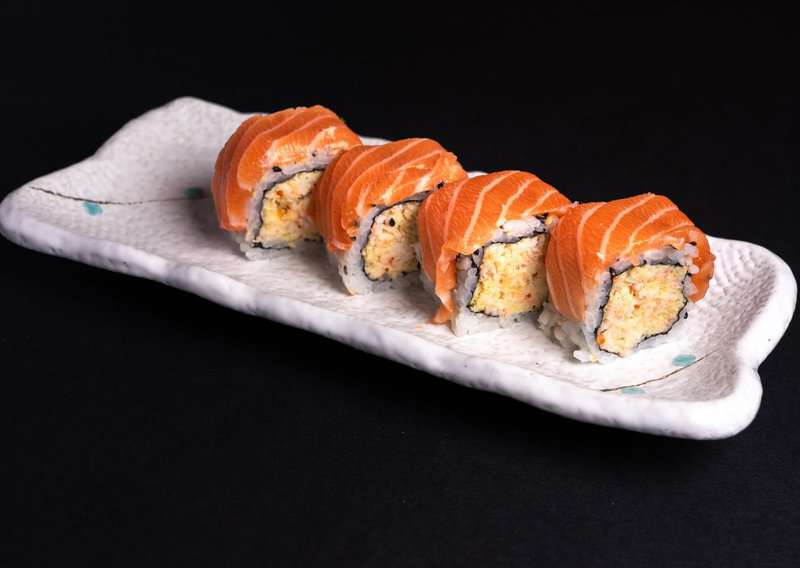
1. Sushi and Sashimi
Why It’s Popular:
Sushi and sashimi are iconic Japanese dishes that showcase fresh, high-quality seafood with minimal seasoning.
Types:
Sushi: Vinegared rice topped with raw fish, seafood, or vegetables.
Sashimi: Thin slices of raw fish or seafood served without rice.
Ingredients:
Sushi rice, rice vinegar, nori (seaweed), fresh fish (e.g., tuna, salmon), soy sauce, wasabi, pickled ginger.
Cook sushi rice and mix with rice vinegar. Shape rice into small mounds for nigiri or roll it with nori and fillings for maki. Serve sashimi with soy sauce and wasabi.
Calories:
Sushi: ~40–60 kcal per piece.
Sashimi: ~30–50 kcal per slice (depending on the fish).
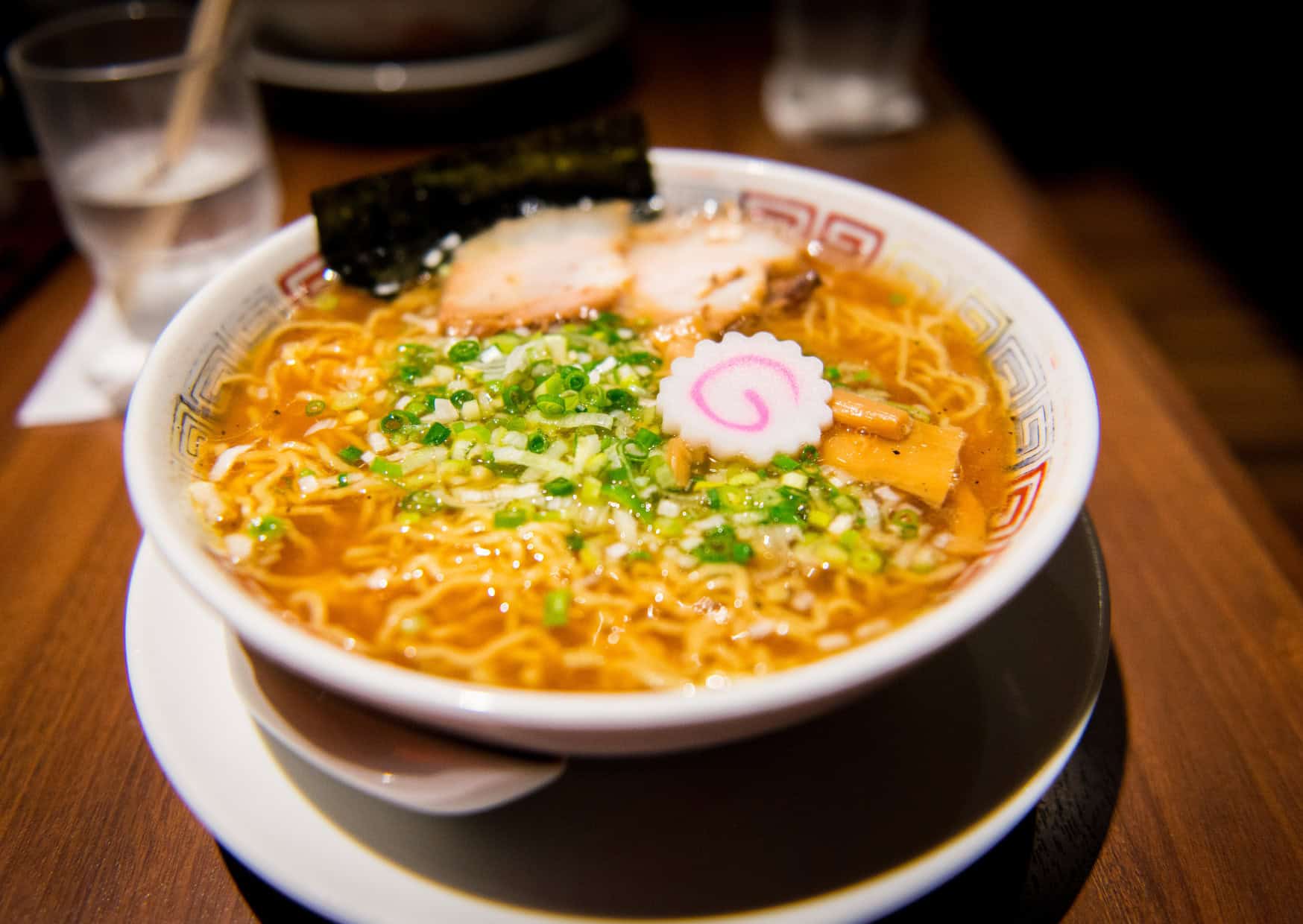
2. Ramen
Why It’s Popular:
A comforting noodle soup that varies by region, with endless customizations.
Ingredients:
Ramen noodles, broth (miso, soy sauce, tonkotsu, or shio), toppings like pork belly, soft-boiled eggs, green onions, nori.
Prepare the broth using your chosen base (miso, soy sauce, or pork bone). Cook ramen noodles and assemble with toppings. Garnish with green onions and nori.
Calories: ~450–600 kcal per serving (depending on toppings and broth).
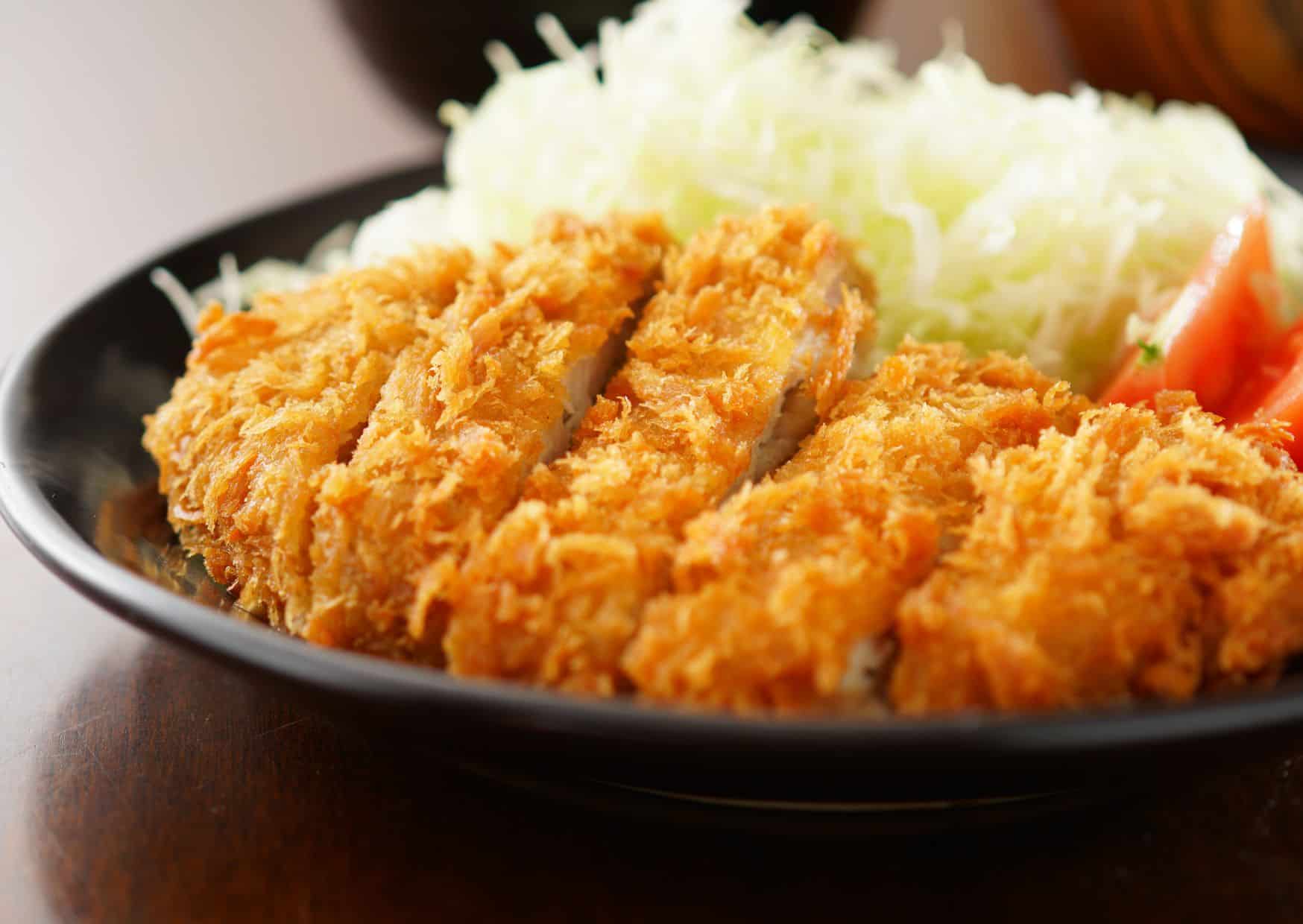
3. Tonkatsu (Breaded Pork Cutlet)
Why It’s Popular:
Crispy, juicy, and satisfying, often served with shredded cabbage and miso soup.
Ingredients:
Pork cutlets, panko breadcrumbs, eggs, flour, oil, tonkatsu sauce.
How to Make It:
Dredge pork cutlets in flour, egg, and breadcrumbs. Deep-fry until golden and crispy. Serve with shredded cabbage and tonkatsu sauce.
Calories: ~500–600 kcal per serving (including cabbage and sauce).
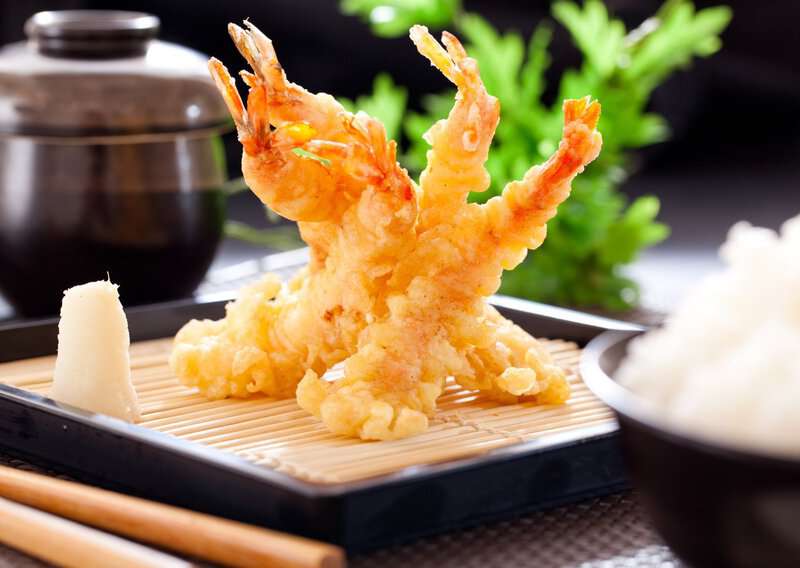
4. Tempura
Why It’s Popular:
A light and crispy dish of battered and deep-fried vegetables, seafood, or meats.
Ingredients:
Shrimp, sweet potatoes, eggplant, flour, egg, ice water, oil, soy sauce, grated daikon.
Make a thin batter with ice-cold water, egg, and flour. Dip ingredients in the batter and deep-fry until golden. Serve with a dipping sauce (tentsuyu) made of soy sauce, mirin, and dashi.
Calories: ~300–400 kcal per serving (varies by ingredients).
5. Yakitori (Grilled Chicken Skewers)
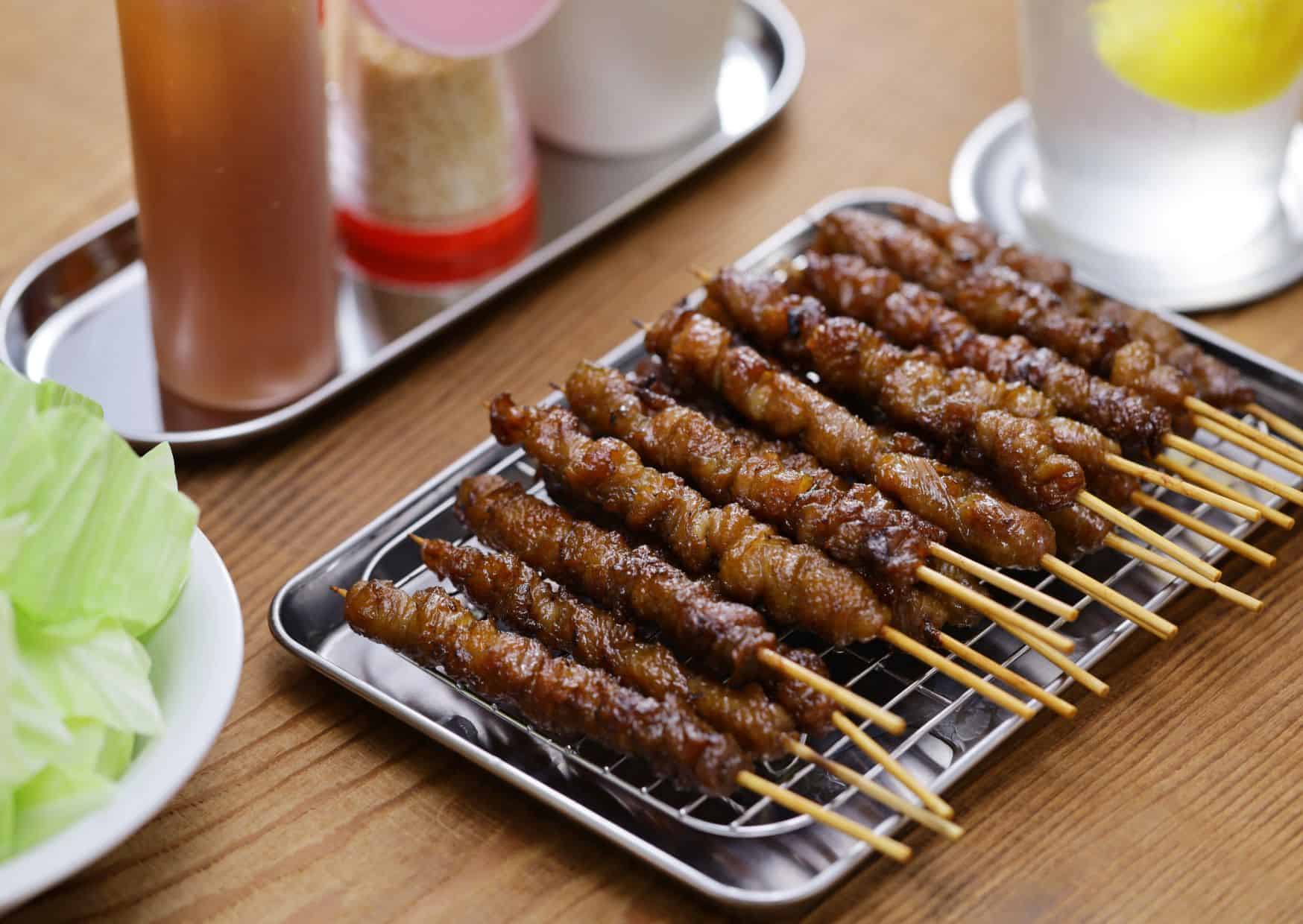
Why It’s Popular:
Bite-sized pieces of chicken grilled on skewers, often seasoned with a savory tare sauce or salt.
Ingredients:
Chicken thighs, leeks, soy sauce, mirin, sugar, skewers.
How to Make It:
Cut chicken into small pieces and thread onto skewers with leeks. Grill and brush with tare sauce or sprinkle with salt.
Serve hot.
Calories: ~150–250 kcal per skewer (depending on the sauce and meat used).
6. Sukiyaki
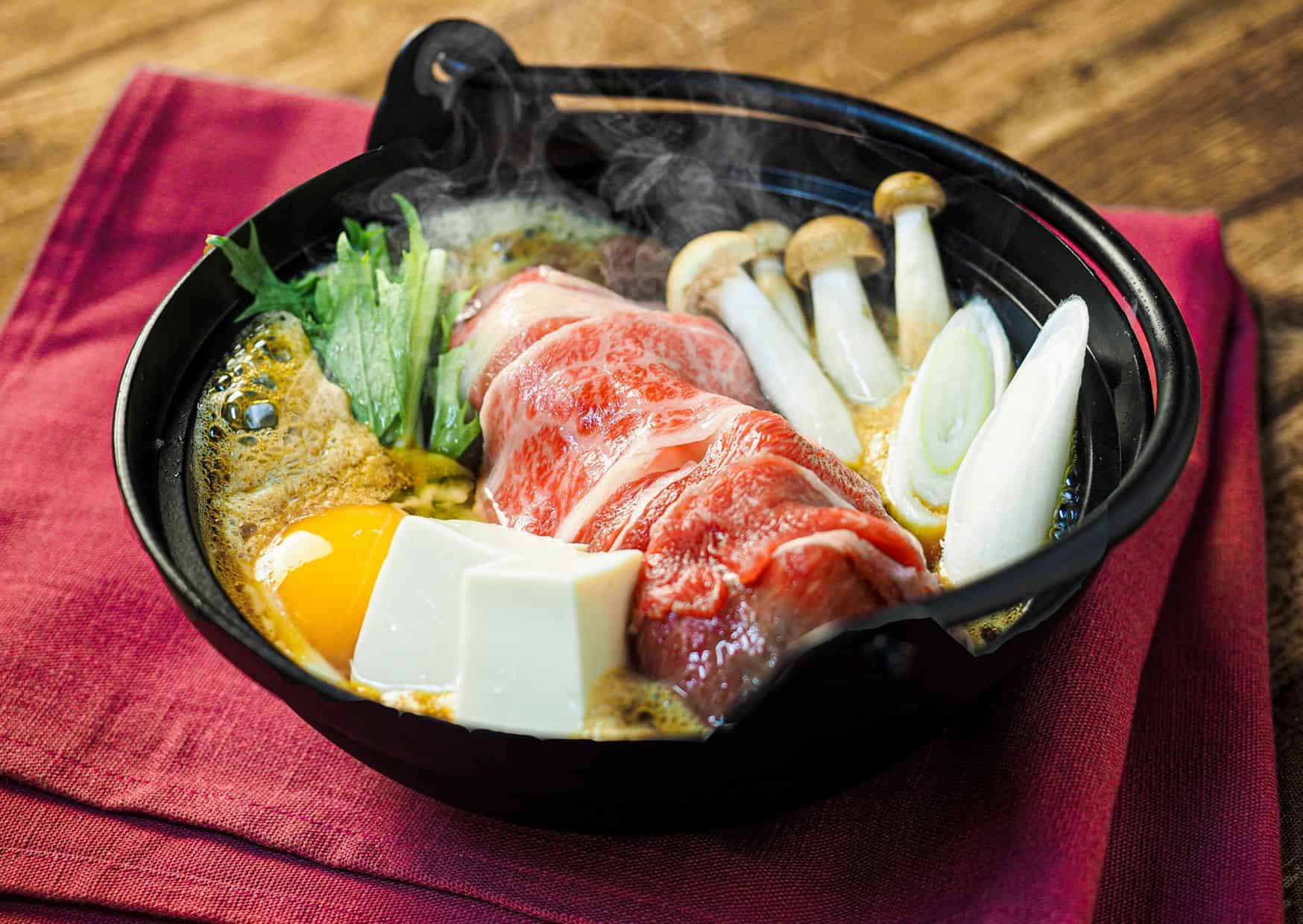
Why It’s Popular:
A sweet and savory hot pot dish cooked at the table with thinly sliced beef, vegetables, and tofu.
Ingredients:
Beef slices, tofu, shiitake mushrooms, napa cabbage, konjac noodles, soy sauce, sugar, mirin.
How to Make It:
Prepare a sweet soy-based broth. Cook beef and vegetables in the broth at the table. Dip cooked ingredients into beaten raw egg (optional) before eating.
Calories: ~500–700 kcal per serving.
7. Gyoza (Japanese Dumplings)
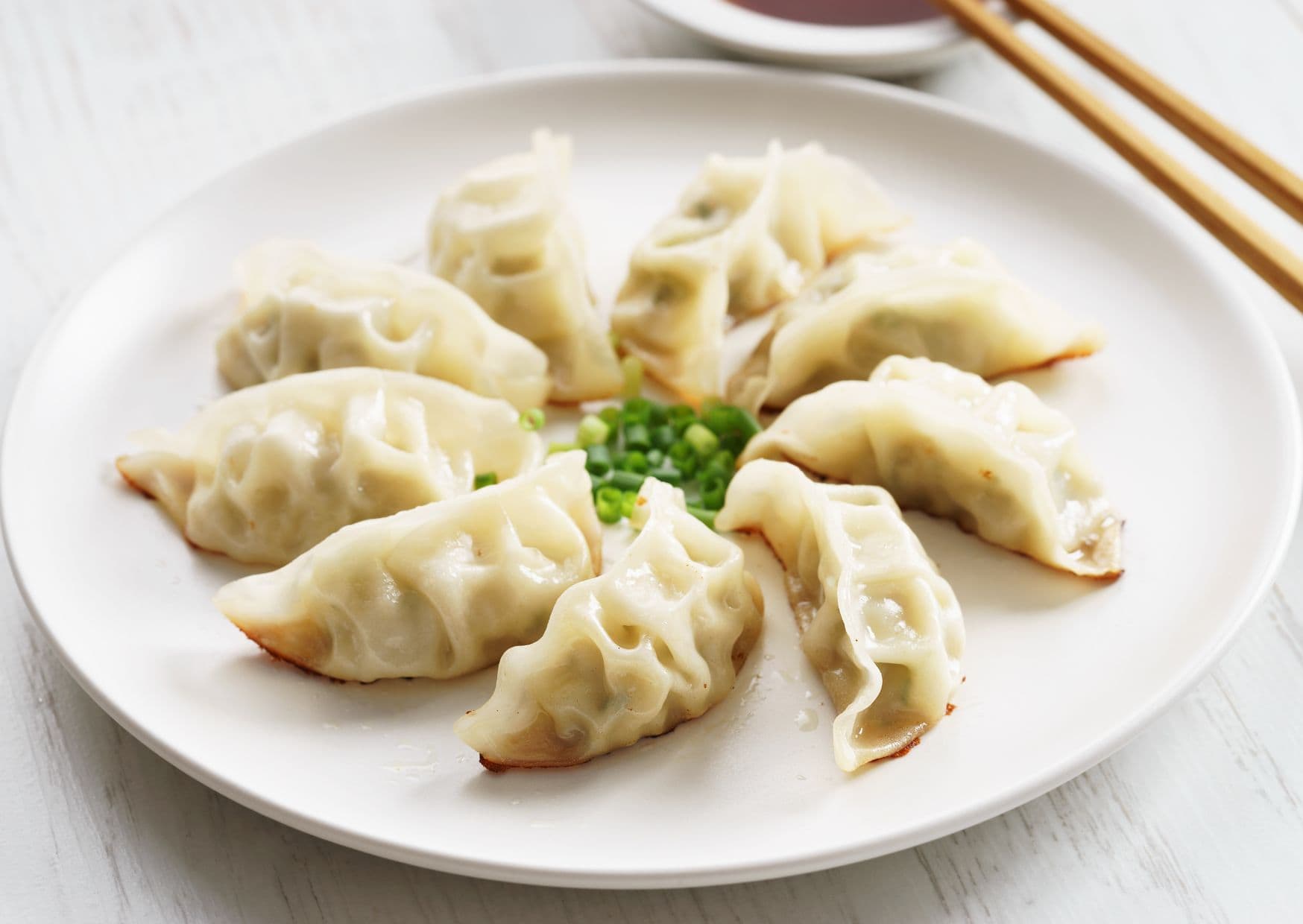
Why It’s Popular:
Pan-fried dumplings with a crispy bottom and juicy filling.
Ingredients:
Gyoza wrappers, ground pork, cabbage, garlic, ginger, soy sauce, sesame oil.
Mix pork, cabbage, and seasonings for the filling. Wrap filling in gyoza wrappers and pleat the edges. Pan-fry until crispy, then steam with a splash of water.
Calories: ~40–50 kcal per dumpling.
8. Okonomiyaki
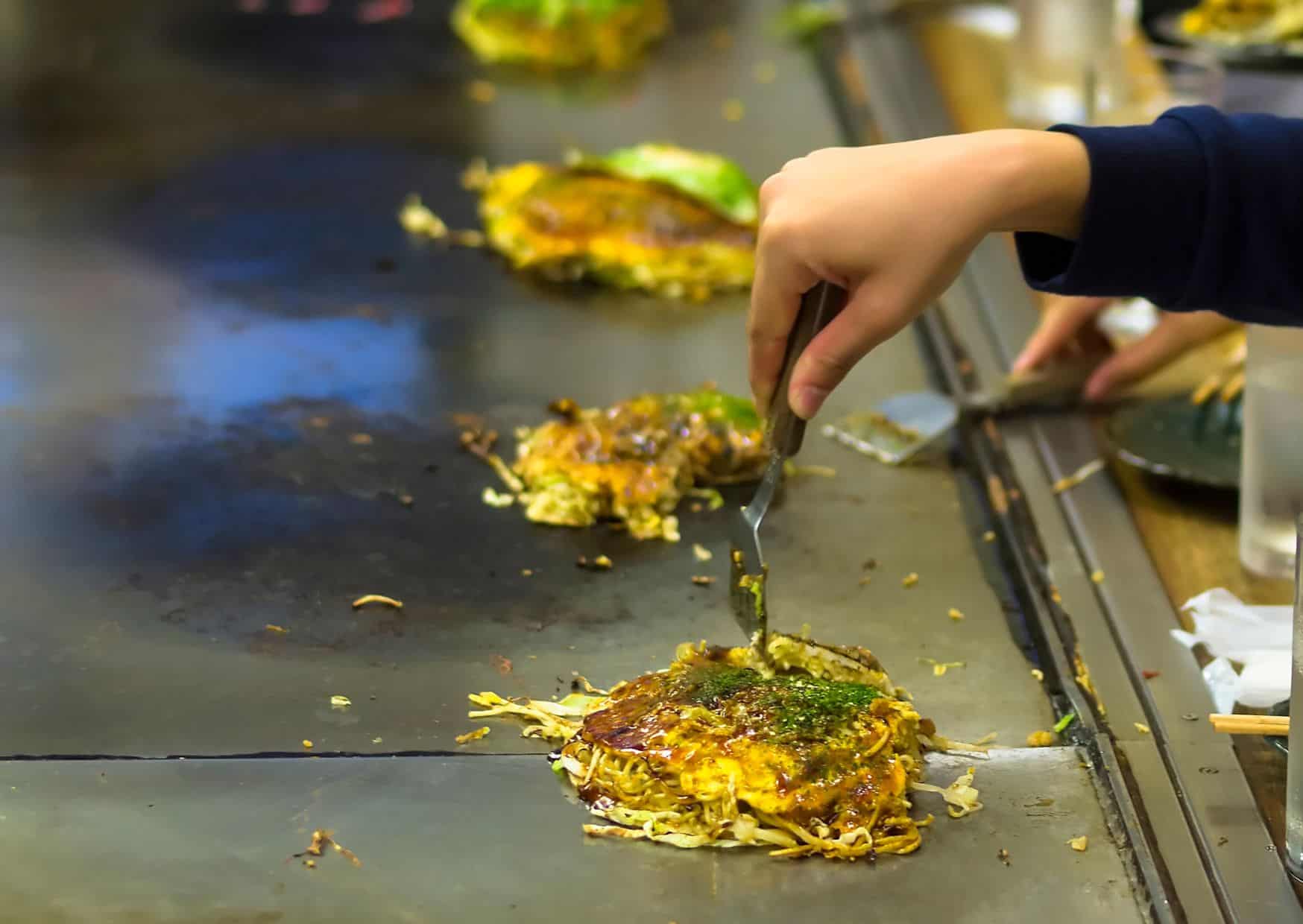
Why It’s Popular:
A savory pancake filled with cabbage, pork, and other toppings, often called “Japanese pizza.”
Ingredients:
Cabbage, flour, eggs, dashi, pork belly, okonomiyaki sauce, mayonnaise, bonito flakes.
How to Make It:
Mix cabbage, flour, eggs, and dashi into a batter. Cook on a griddle with pork belly slices. Top with sauce, mayonnaise, and bonito flakes.
Calories: ~500–600 kcal per serving.
9. Nabe (Hot Pot)
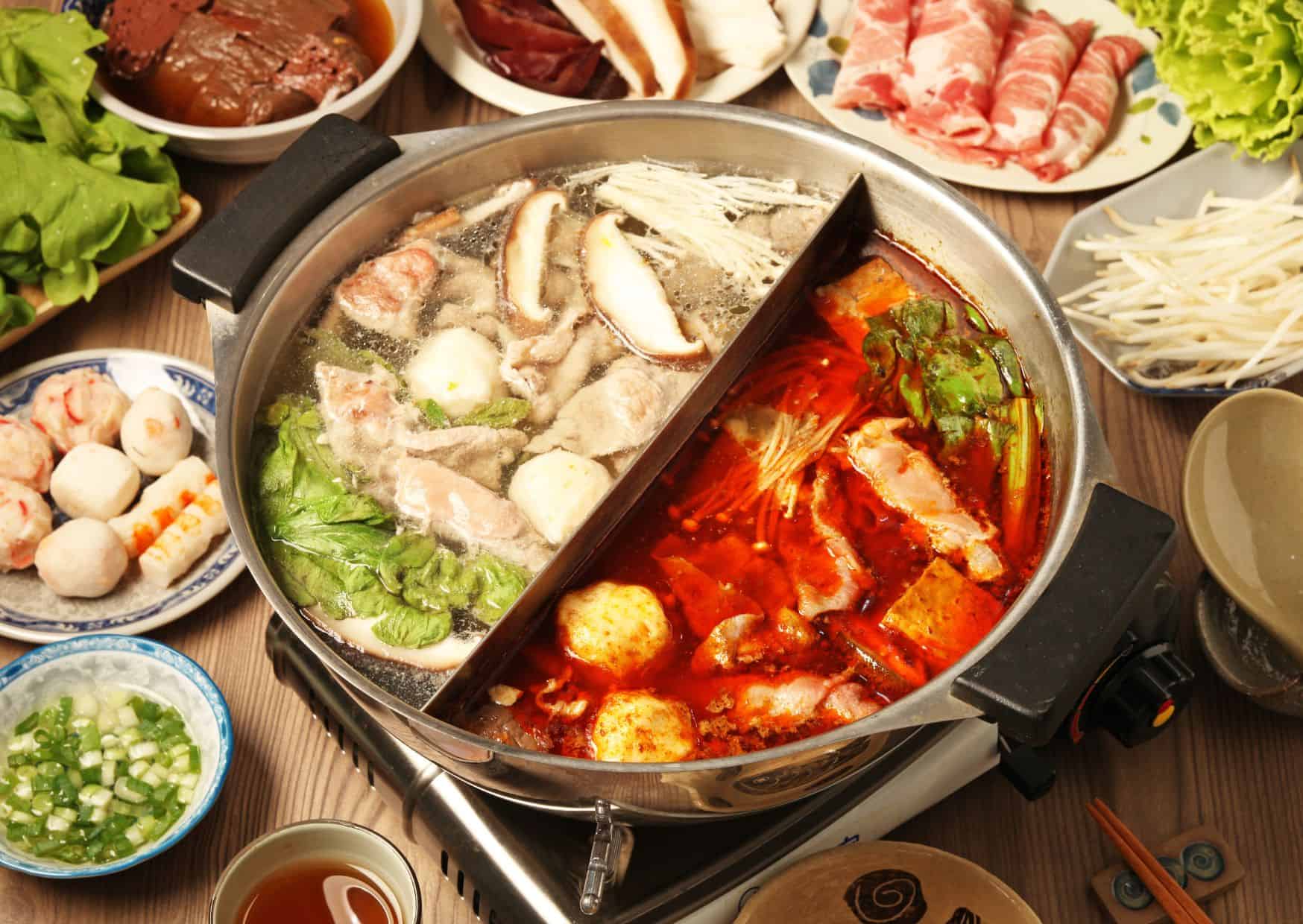
Why It’s Popular:
A comforting communal dish where ingredients like vegetables, tofu, and meats are cooked in a shared pot of broth.
Ingredients:
Chicken, tofu, mushrooms, napa cabbage, udon, dashi broth, soy sauce, mirin.
How to Make It:
Prepare a flavorful broth with dashi, soy sauce, and mirin. Add ingredients to the pot and cook until tender. Serve with dipping sauces like ponzu or sesame sauce.
Calories: ~400–600 kcal per serving.
10. Donburi (Rice Bowl)
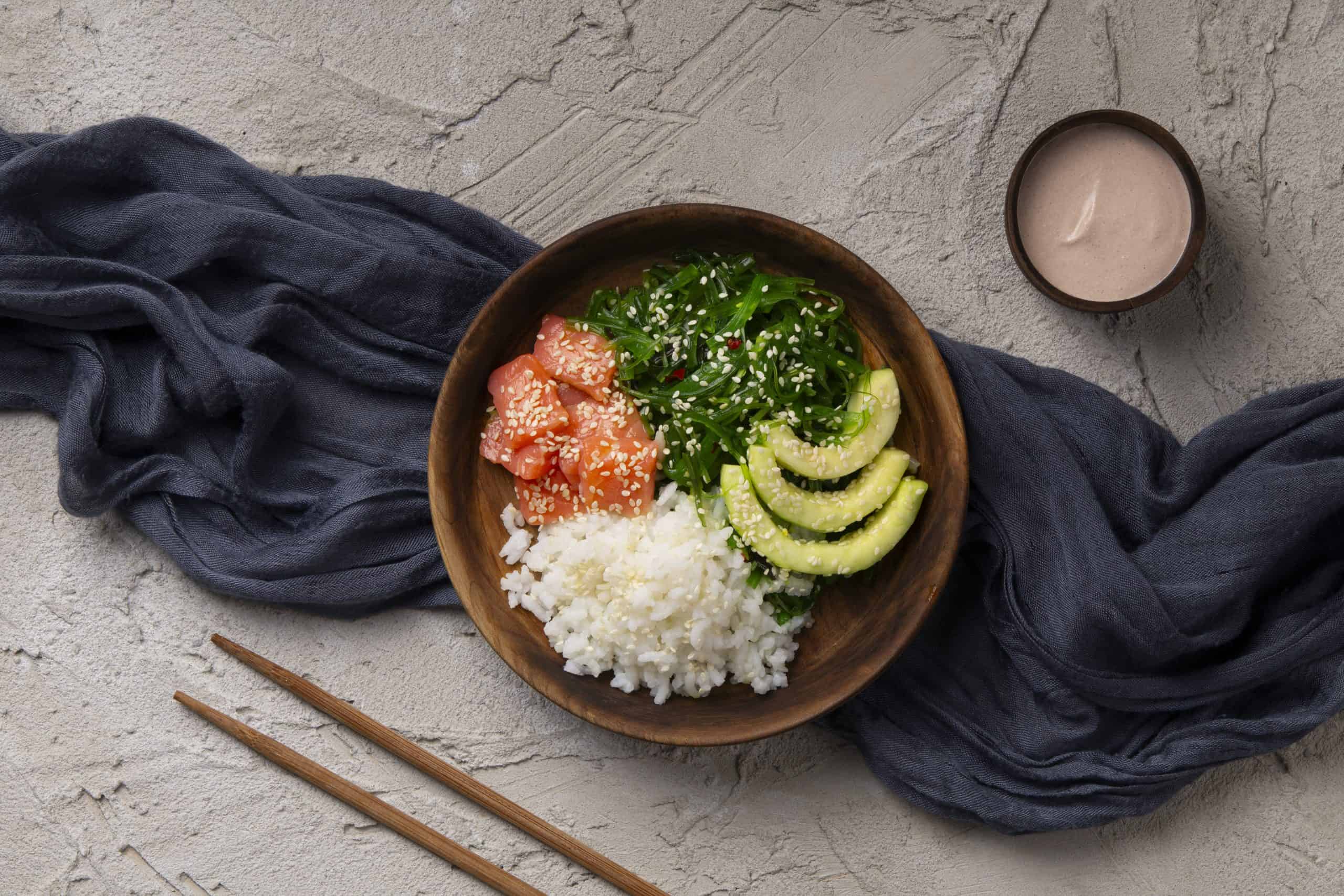
Why It’s Popular:
A quick and versatile dinner with a variety of toppings served over rice.
Popular Variants:
Gyudon: Thinly sliced beef and onions in a soy-based sauce.
Oyakodon: Chicken and egg cooked in a savory broth.
Katsudon: Breaded pork cutlet with egg and onions.
Ingredients:
Rice, protein (beef, chicken, or pork), soy sauce, mirin, dashi, sugar.
How to Make It:
Cook the protein and onions in a soy-based sauce. Pour over hot rice and garnish with green onions.
Calories: ~500–700 kcal per bowl.
Origin and History
Japanese cuisine, or washoku, has a long and intricate history that reflects centuries of cultural tradition, geography, and seasonality. Its foundation lies in simplicity and balance, with each dish carefully designed to highlight the natural flavors of the ingredients. From delicate soups to perfectly grilled fish, Japanese dinners have always prioritized harmony over heavy seasoning or excess.
During the Edo period, Japan’s relative isolation allowed its culinary traditions to flourish independently. Regional specialties emerged, from the seafood-based dishes of coastal areas to vegetable-forward meals in farming regions. Staple elements like rice, miso, and soy sauce became cornerstones of daily dinners, creating a cuisine both humble and deeply flavorful.
As Japan opened up to the world in the late 19th century, Western influences blended with tradition, creating modern classics like tonkatsu and curry rice. Yet, the essence of Japanese dinners remains rooted in seasonal ingredients, elegant presentation, and a sense of mindful eating that continues to shape the country’s food culture today.
Japanese food may seem universally beloved, but its traditions often clash with Western expectations. One of the biggest misunderstandings lies in portion sizes. While many Americans are used to large, single-plate meals, traditional Japanese dinners are served in smaller portions across multiple dishes. This can lead some visitors to mistake the meal as “too small,” even though it’s intentionally balanced.
Another debate involves flavor. Japanese cuisine emphasizes umami and subtlety rather than overpowering spices or sauces. To those used to bold flavors, this can initially feel unfamiliar. Some Western diners even mistakenly add extra condiments or sauces, unintentionally masking the carefully crafted flavors.
Lastly, there’s the misconception that Japanese dinners are difficult to make at home. While restaurant presentations may look elaborate, many classic dishes are surprisingly straightforward. The challenge isn’t complexity—it’s respecting technique and balance.
How Long You Take to Prepare
One of the appeals of Japanese home cooking is that most classic dinners can be prepared in under an hour. Dishes like miso soup, teriyaki chicken, and grilled fish rely on minimal ingredients and quick cooking techniques, making them perfect for weeknight meals.
The preparation time varies depending on the dish. Simple meals like oyakodon can be ready in 30 minutes, while more layered dishes such as ramen or tempura may take closer to an hour. Many recipes also benefit from prepping ingredients ahead of time, which streamlines the process significantly.
Japanese cooking places emphasis on timing and freshness, so while the steps aren’t overly complicated, attention to detail matters. Cooking rice to the perfect texture or grilling fish just right makes all the difference between an ordinary dinner and an exceptional one.
Serving Suggestions
Traditional Japanese dinners are often served as a collection of small plates rather than one large entrée. A typical meal might include a main dish, a bowl of rice, miso soup, pickled vegetables, and a side salad. This multi-course structure encourages slower eating and a balanced mix of flavors and textures.
Green tea or cold barley tea often accompanies the meal, enhancing the clean, refreshing flavors of the dishes. A small serving of seasonal fruit or a light dessert like mochi can complete the experience without overwhelming the palate.
Presentation also plays a big role in Japanese dining. Serving dishes are chosen with care, and food is often arranged artfully to highlight color and shape. This attention to aesthetics turns even simple home-cooked meals into something special.
Final Thoughts
Classic Japanese dinners are a beautiful blend of tradition, flavor, and simplicity. They prove that a satisfying meal doesn’t have to be complicated or time-consuming—it just requires balance and respect for ingredients. Each dish tells a story, rooted in centuries of cultural heritage and refined through everyday practice.
What makes Japanese dinners so special is their ability to nourish both body and mind. The variety of small dishes, the mindful approach to flavor, and the elegance of presentation create an experience rather than just a meal.
Bringing these dishes into your own kitchen is more than just learning new recipes—it’s embracing a culinary philosophy. Whether you’re cooking for yourself or for others, these 10 classic Japanese dinners can turn an ordinary night into something memorable.

About the Author: Ruben, co-founder of Gamintraveler.com since 2014, is a seasoned traveler from Spain who has explored over 100 countries since 2009. Known for his extensive travel adventures across South America, Europe, the US, Australia, New Zealand, Asia, and Africa, Ruben combines his passion for adventurous yet sustainable living with his love for cycling, highlighted by his remarkable 5-month bicycle journey from Spain to Norway. He currently resides in Spain, where he continues sharing his travel experiences with his partner, Rachel, and their son, Han.