
Creamy, rich, and deeply satisfying—without using cream.
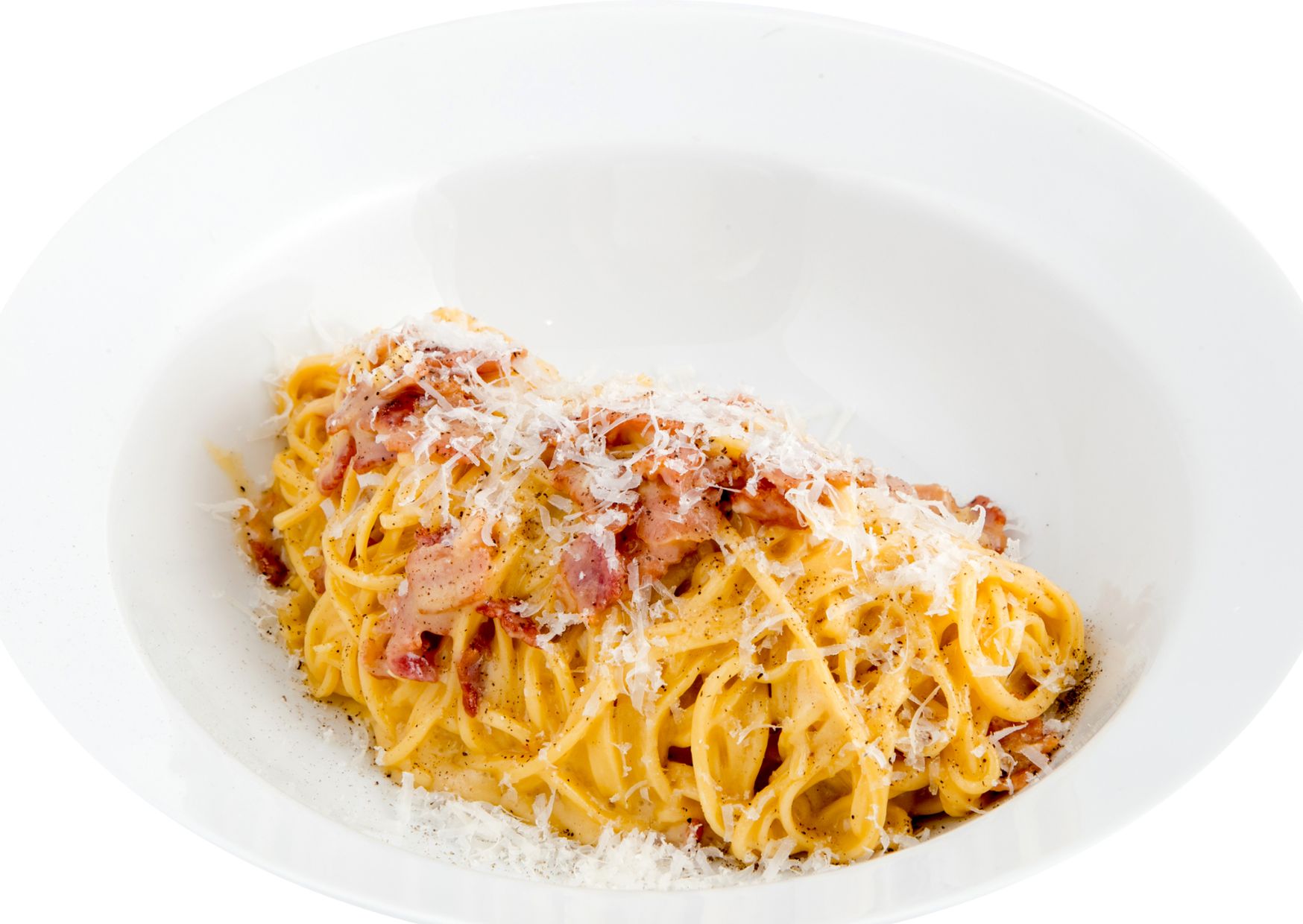
Pasta alla Carbonara is one of Rome’s most iconic dishes, celebrated for its rich, creamy sauce made without a drop of cream. Authentic carbonara uses just eggs, Pecorino Romano cheese, guanciale, and black pepper to create a silky, flavourful sauce that clings to every strand of pasta. In this recipe guide, you’ll learn how to make pasta alla carbonara the traditional Roman way, bringing a taste of Italy’s capital into your kitchen with simplicity and authenticity.
What makes carbonara so special is its perfect balance of salty guanciale, sharp Pecorino, and the luxurious texture of the egg-based sauce. Unlike many modern versions, true Roman carbonara never uses cream; the creaminess comes from properly combining eggs and cheese off the heat to create a glossy coating. It’s a quick dish to prepare yet feels indulgent, proving why it remains a timeless Italian favourite.
Whether you’re craving a comforting lunch, preparing a traditional dinner for guests, or wanting to master authentic Italian pasta techniques, carbonara is always a winning choice. It shows that with just a few high-quality ingredients and the right method, you can create restaurant-worthy meals in your own home.
Read here best Italian food, vegetarian food in Italy, best drinks in Italy and best breakfast in Italy
Read Here Things to know before visiting Italy and how to buy a sim card in Italy.
What Is Carbonara?
Pasta alla Carbonara is a traditional Roman pasta dish made with eggs, Pecorino Romano cheese, guanciale (cured pork cheek), black pepper, and pasta (usually spaghetti or rigatoni). The creamy texture comes from emulsified egg yolks and cheese—not cream.
It’s a quick dish but requires precision and timing, making it a favorite among chefs and home cooks alike.
Best Time To Eat
Pasta alla carbonara is best enjoyed as a hearty lunch or comforting dinner, especially when you crave a rich, satisfying pasta dish that feels special yet is quick to prepare.
Best Dishes To Partner
Pair your carbonara with a simple green salad dressed with lemon and olive oil, roasted artichokes, or bruschetta with fresh tomatoes. For drinks, serve it with a crisp Italian white wine like Frascati or a light red such as Chianti Classico to complement its savoury, creamy flavours beautifully.
Carbonara has become a battleground for culinary authenticity. In many parts of the world, recipes call for cream, garlic, or even mushrooms to create a thicker, more “restaurant-style” sauce. But Romans consider this culinary blasphemy, arguing that the true magic comes from the emulsion of eggs, Pecorino, and pasta water—no cream needed.
This cultural divide often sparks heated debates between Italians and international foodies. For Italians, carbonara is not just a dish; it’s an identity. Changing its ingredients is seen as erasing part of their heritage. For others, the adapted versions reflect creativity and accessibility, especially in places where guanciale or Pecorino Romano may be hard to find.
At its heart, the controversy asks an important question: should recipes remain strictly authentic, or is there room for reinterpretation? The answer depends on whether you’re cooking for tradition—or for taste.
Pasta alla Carbonara Ingredients (Serves 2)
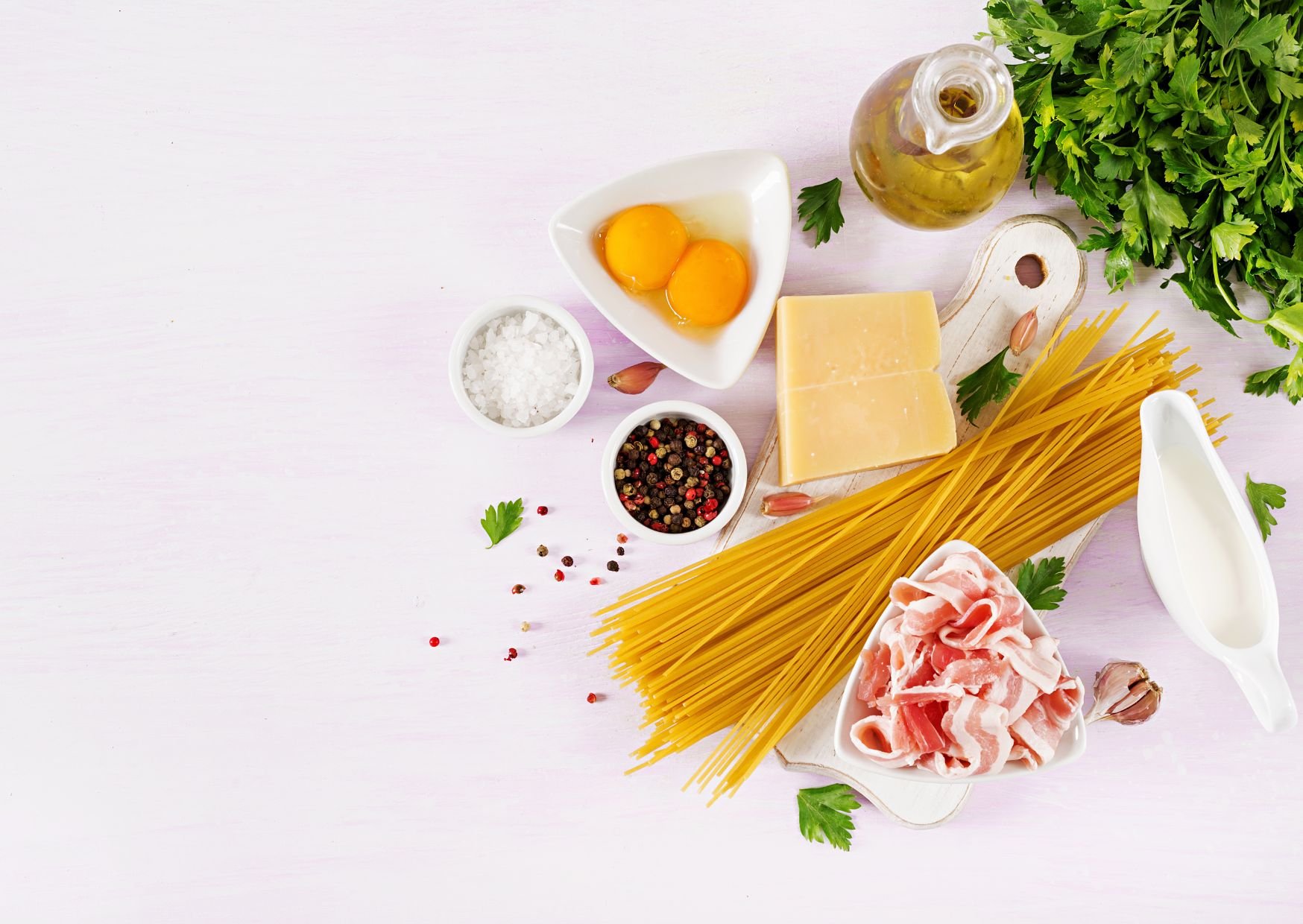
200g (7 oz) spaghetti or rigatoni
100g (3.5 oz) guanciale, cut into small strips or cubes
2 large egg yolks + 1 whole egg
1/2 cup (50g) Pecorino Romano, finely grated
Freshly ground black pepper
Salt (for pasta water only)
Note: Authentic carbonara *does not contain cream, garlic, onion, or parsley.
Pasta alla Carbonara Step-by-Step Instructions
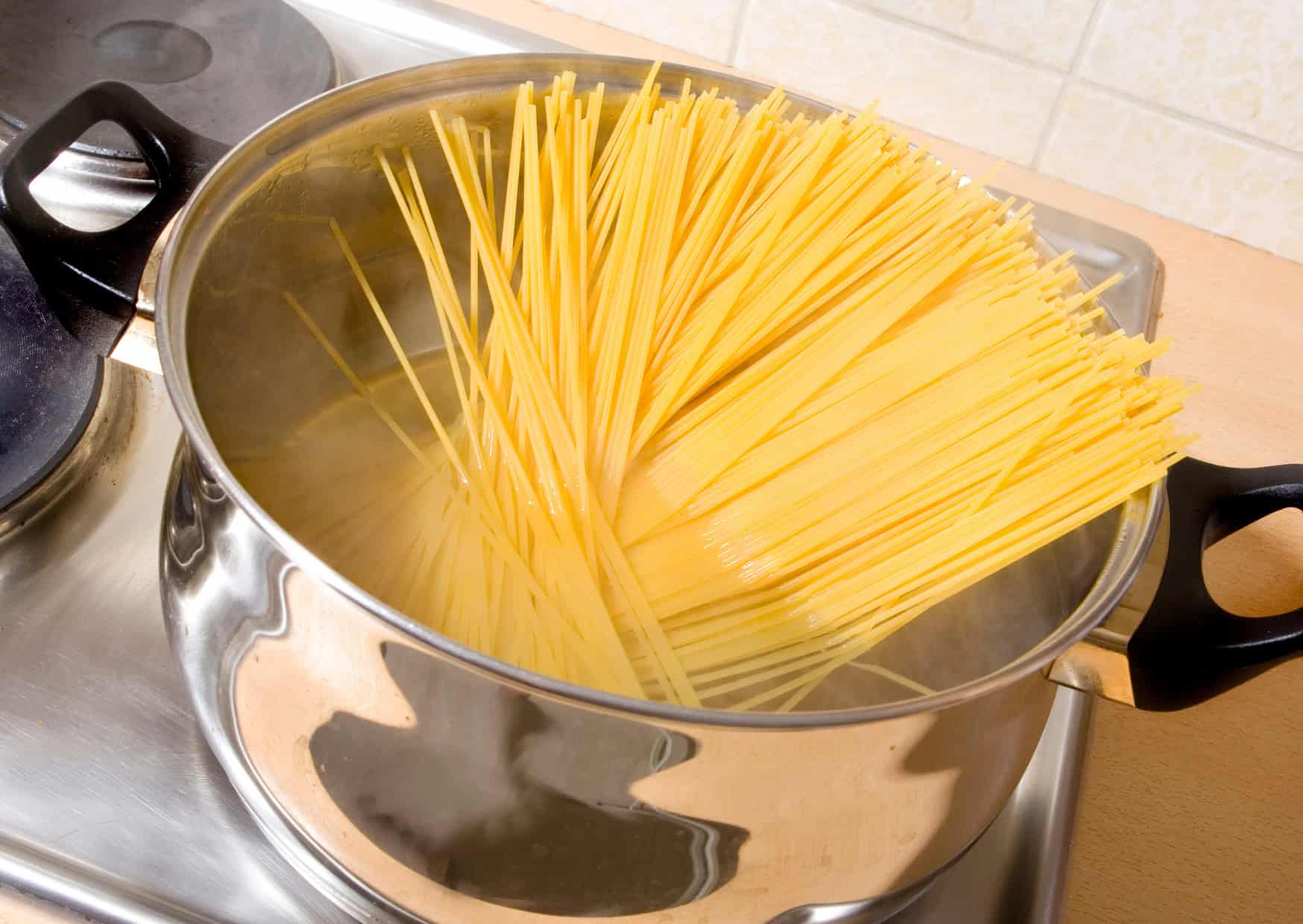
Boil the Pasta
Bring a pot of well-salted water to a boil.
Cook pasta until just al dente, reserving about 1 cup of pasta water before draining.
Cook the Guanciale
While the pasta cooks, heat a skillet over medium heat.
Add guanciale (no oil needed—it renders its own fat).
Cook for about 5–7 minutes, until crisp and golden but not burned.
Remove from heat and set aside, leaving the fat in the pan.
Make the Egg-Cheese Mixture
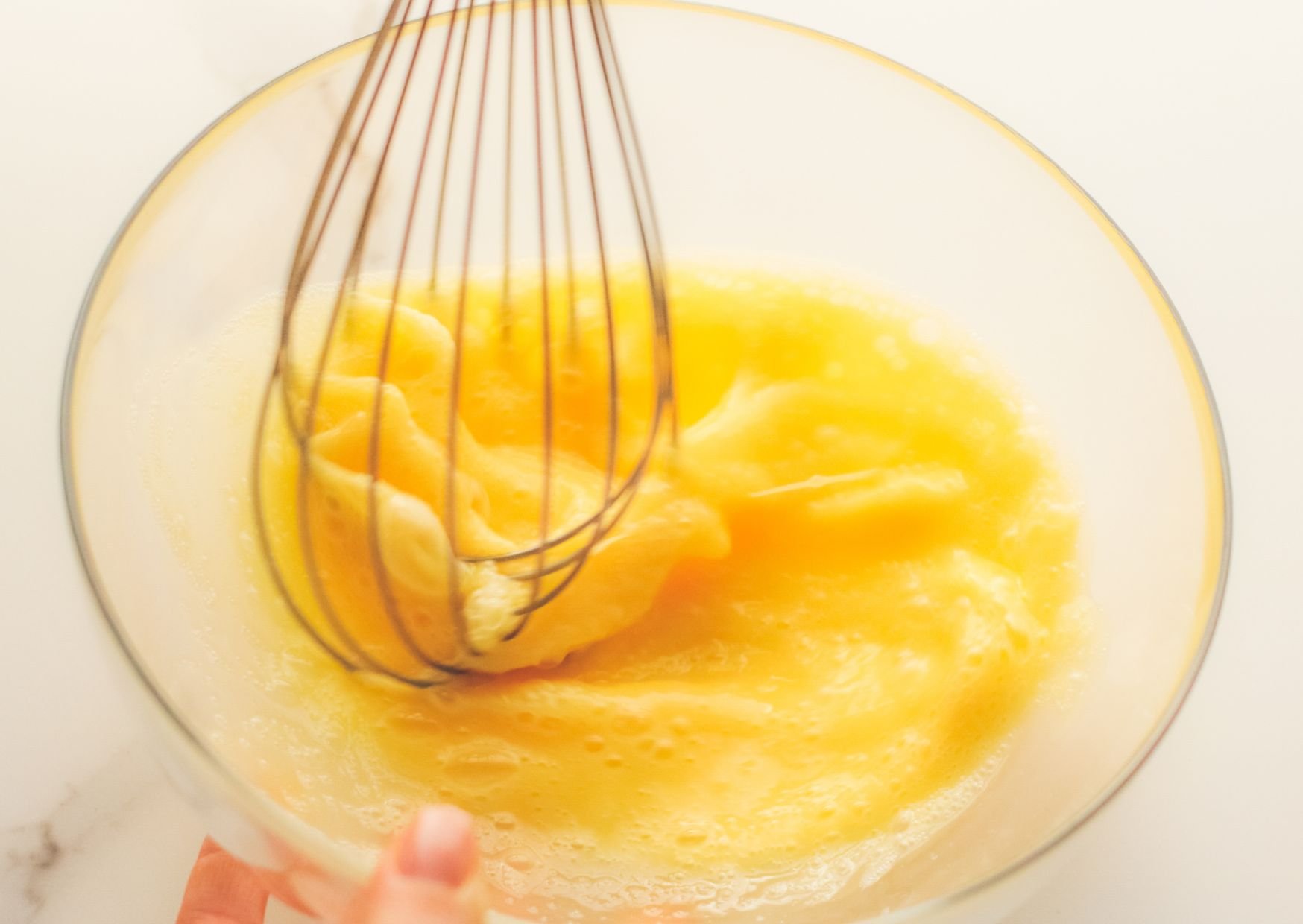
In a bowl, whisk together:
2 yolks + 1 whole egg
Grated Pecorino Romano
A generous amount of black pepper
Tip: The mixture should be thick and smooth—like a custard base.
Combine Everything (Off Heat!)
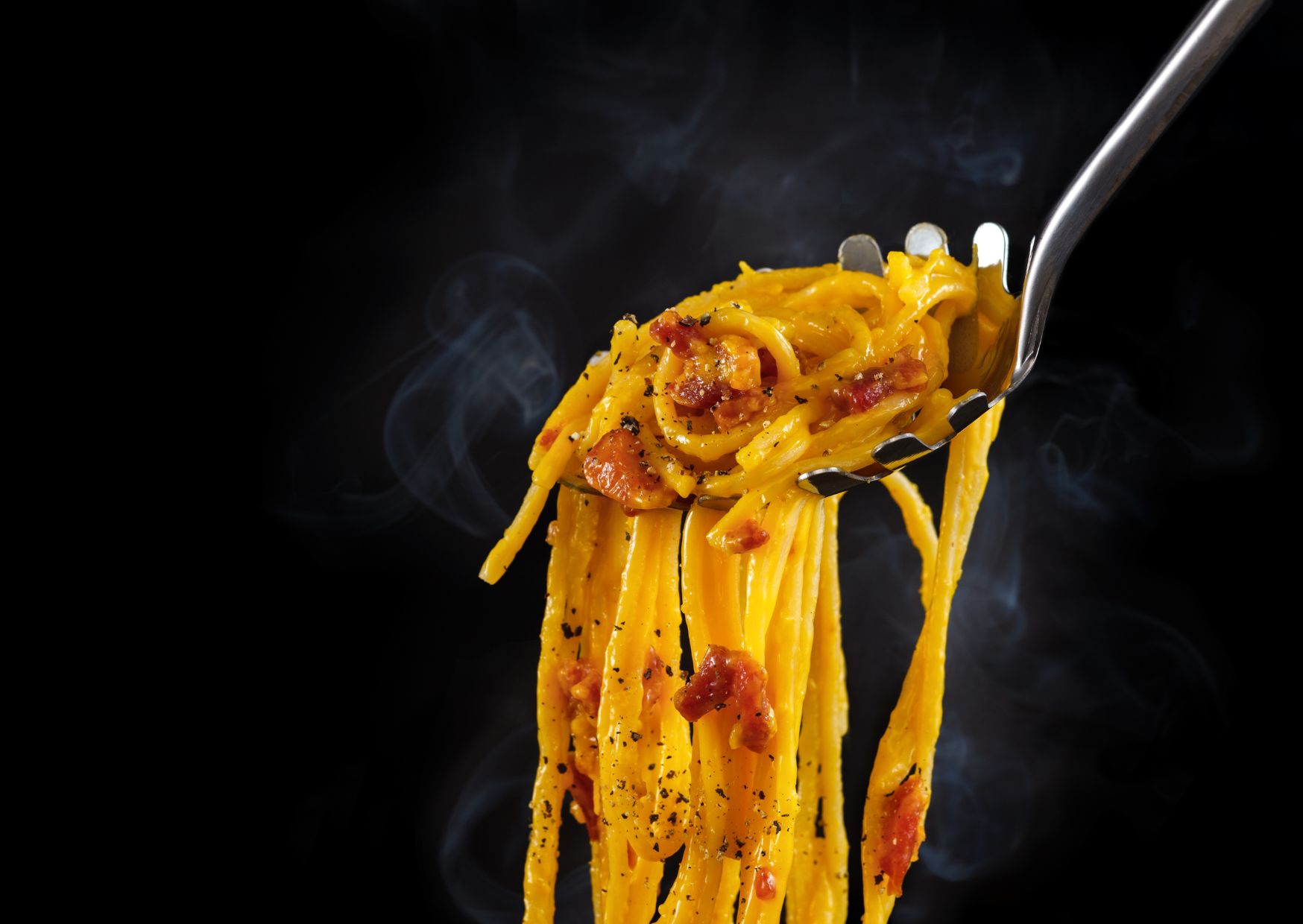
Add the drained pasta to the pan with guanciale and toss to coat in the fat.
Remove the pan from heat (important: no direct flame or you’ll scramble the eggs).
Quickly pour in the egg-cheese mixture, tossing or stirring vigorously.
Add reserved pasta water a tablespoon at a time to create a silky, creamy sauce.
Serve Immediately
Plate the pasta and top with extra Pecorino Romano and black pepper.
Serve hot and enjoy the real Roman taste.
Tips for Perfect Carbonara
Use guanciale, not pancetta or bacon, for authentic flavor and texture.
Don’t add cream—it’s not traditional and masks the real richness of the eggs and cheese.
Temper the eggs with hot pasta and fat—off heat—to avoid scrambling.
Work quickly when combining ingredients so the sauce stays smooth and emulsified.
Grate cheese finely so it melts easily into the sauce.
Variations (Not Traditional)
Pancetta or high-quality bacon if guanciale is unavailable
Parmesan instead of Pecorino (milder, but less authentic)
Add a little lemon zest or chili flakes for a modern twist (but not in Rome!)
Pasta alla Carbonara Nutrition Info (Per Serving)
Calories: ~620
Protein: 23g
Fat: 32g
Carbohydrates: 55g
Fiber: 2g
Sugar: <2g
Sodium: ~500mg
Based on 1 of 2 servings with traditional ingredients.
Wine Pairing
White: Frascati, Vermentino, or Pinot Grigio
Red: A light Chianti or Dolcetto works well too
Origin and History
Pasta alla Carbonara is one of the most iconic dishes from Rome, celebrated around the world for its rich, silky sauce and simple ingredients. Unlike many Italian classics with centuries-old roots, carbonara’s history is relatively modern. Most historians trace its origins to the mid-20th century, around the end of World War II, when American soldiers stationed in Italy brought rations of bacon and eggs, which inspired Roman cooks to create this now-famous dish.
Though its exact origin story is debated, the most accepted version is that Roman chefs blended these ingredients with local pasta and cheese, creating a creamy sauce without the need for cream. It quickly became a beloved staple of Roman cuisine, known for its richness and speed of preparation.
Over time, carbonara evolved into a cultural emblem of Rome. It’s a dish that perfectly reflects the Italian philosophy of cooking: simple, high-quality ingredients elevated through precise technique.
Carbonara might seem straightforward, but it’s one of the most debated dishes in Italian cuisine. The biggest controversy revolves around the use of cream. Traditionalists argue that authentic carbonara relies solely on eggs, cheese, and rendered pork fat for creaminess. Adding cream is considered a culinary sin in Rome, though many international versions include it.
Another heated debate involves the type of pork used. True Roman carbonara calls for guanciale (cured pork jowl), which provides a distinct depth of flavor. However, outside Italy, many use pancetta or bacon as substitutes. Purists see this as an adaptation that changes the soul of the dish, while others see it as a practical compromise.
Finally, the type of pasta and the method of emulsifying the sauce also spark passionate arguments. Spaghetti is the most traditional choice, but rigatoni and bucatini are also popular. The key point of contention remains the technique: timing the eggs perfectly to create a creamy sauce without scrambling them.
How Long You Take to Prepare
One of the beauties of carbonara is how quickly it comes together. From start to finish, the dish can be made in 20 to 30 minutes, making it perfect for a comforting weeknight meal or an impressive dinner for guests.
The longest step is cooking the pasta, during which the guanciale is rendered until crisp and golden. The egg and cheese mixture—typically a combination of eggs, Pecorino Romano, and sometimes Parmigiano Reggiano—is whisked together while the pasta finishes cooking. The sauce forms when the hot pasta is tossed with the guanciale fat and the egg mixture, creating a silky, glossy coating.
Although quick, carbonara requires attention to detail. The heat must be just right to cook the eggs gently without turning them into scrambled eggs. This delicate balance is what makes an authentic Roman carbonara unforgettable.
Serving Suggestions
Carbonara is traditionally served immediately after cooking, while the sauce is still warm and creamy. A generous dusting of extra Pecorino Romano and freshly cracked black pepper elevates the dish to perfection. The simplicity of the ingredients allows the flavors to shine, so restraint is key.
For drinks, a crisp Italian white wine such as Frascati wine pairs beautifully, cutting through the richness of the dish. Alternatively, a light red wine can work well for those who prefer a bolder pairing. Bread on the side is optional but often welcome to soak up any leftover sauce.
While carbonara is traditionally a standalone dish, it can also be served as part of a larger Italian meal, followed by a light salad or dessert to balance its richness. Its elegance lies in its minimalism.
Final Thoughts
Pasta alla Carbonara isn’t just a dish; it’s a masterclass in Italian culinary philosophy—minimal ingredients, precise technique, and maximum flavor. Its story, born in post-war Rome, proves that some of the best recipes come from simplicity and resourcefulness.
What makes carbonara so enduringly beloved is how it manages to feel both comforting and sophisticated. Whether served at a Roman trattoria or in a home kitchen, its creamy texture and bold flavor leave a lasting impression.
Making authentic carbonara is about more than just following steps. It’s about respecting the tradition, understanding the ingredients, and letting them shine. When done right, it truly earns its place as one of Italy’s greatest pasta dishes.
So next time you cook it, remember: carbonara isn’t just pasta—it’s a conversation between tradition and modern taste. And that, in many ways, is what makes it truly timeless.

About the Author: Ruben, co-founder of Gamintraveler.com since 2014, is a seasoned traveler from Spain who has explored over 100 countries since 2009. Known for his extensive travel adventures across South America, Europe, the US, Australia, New Zealand, Asia, and Africa, Ruben combines his passion for adventurous yet sustainable living with his love for cycling, highlighted by his remarkable 5-month bicycle journey from Spain to Norway. He currently resides in Spain, where he continues sharing his travel experiences with his partner, Rachel, and their son, Han.