
In a quiet apartment above a bakery, you hear chairs scraping tile at 7 a.m., then the hiss of a first espresso. On the street, shutters lift, a tram rings, and the day begins without a car key. The surprise is not the scene. It is how simple and inexpensive the legal routes can be when you match the right visa to your life. If you want months, not weekends, inside this rhythm, here is the playbook that keeps the fees sane and the paperwork short.
How This List Works
We ranked real, legal routes by two things that matter in the kitchen at night. Total out-of-pocket cost in year one and hours of paperwork you will actually do, from document gathering to consulate appointments. We focused on routes Americans ask about most and that ordinary households use without lawyers.
A few ground rules keep it honest. This is about residency, not tourist overstays. We only include paths that allow a stay beyond ninety days and can be renewed toward long-term residence or permanent status. Numbers shift by country and city. As of October 2025, the figures below reflect current thresholds and fees. Use the Sources to double-check any requirement before you buy tickets.
The Rankings: Seven Affordable, Repeatable Paths
We ordered these from least total cost and lightest paperwork to higher cost or heavier binders. Each mini-profile shows who it suits, what it costs, and what the paperwork feels like.
1) France Long-Stay Visitor Visa (VLS-TS Visitor)

Who it suits
People who can support themselves without French employment for a year and want a simple, respectable path to start life in France. Remote workers who are paid outside France often use this while they explore longer-term options.
Why it ranks high
Low state fees, clear process, modest paperwork. You apply for a long-stay visitor visa, prove funds and private health coverage, sign a pledge not to take local employment, then validate the visa online after arrival.
Cost snapshot
- Application fee about €99.
- Private health insurance varies, budget a few hundred euros.
- Proof of funds is judged case by case. French guidance for visitors often references daily means rather than a fixed annual floor. Bring bank statements that make a full year look reasonable. Total first-year cash outlay stays low unless you buy premium insurance.
Paperwork feel
Bank statements, proof of accommodation, a clean criminal record, and a simple letter in French stating you will not work locally. Expect a tidy checklist and a calm appointment. Validation after arrival is online and quick. Result: a 3 to 12-month stay with a path to extend.
Bottom line for France
If you can live on savings or outside income, France offers a cheap doorway with light admin and real life on the other side.
2) Portugal D7 (Passive Income) Residence

Who it suits
Retirees and remote investors with predictable passive income. Think pensions, rentals, dividends, or royalties. It is popular because you can renew toward permanent residence over five years.
Why it ranks high
Low income bar relative to lifestyle in many towns, clear consulate files, strong national health access after residence, and affordable renewal fees.
Cost snapshot
- Minimum income tied to the national minimum wage. Guidance in 2025 places the floor around €8,460 per year for the main applicant, with 50 percent more for a spouse and 30 percent per child.
- Application fees are modest, hundreds not thousands.
- Private insurance for the first months, then public coverage after you register locally.
Paperwork feel
Proof of passive income, clean record, accommodation, and medical insurance. A bank account helps. Expect a two-stage process: visa approval at the consulate, residence card issued in Portugal. The admin is dull but not difficult.
Bottom line for Portugal
If your income fits, D7 is the value king. You trade a slim paper stack and small fees for a stable, renewable life.
3) Spain Non-Lucrative Residence (NLV)

Who it suits
Households with savings or passive income that want Spain without taking Spanish employment in year one. Works for sabbaticals, families between chapters, or retirees who can show resources.
Why it ranks high
Clear rule of thumb on money and a predictable consulate file. You can renew and later adjust to other statuses if your life evolves.
Cost snapshot
- Income threshold set at 400 percent of IPREM for the main applicant. In 2025 that is about €28,800 per year, plus 100 percent IPREM per dependent or consulate equivalents that round to about €32,000 plus €8,000 per dependent in some jurisdictions.
- Private health insurance priced for age and coverage.
- Visa fees are modest.
Paperwork feel
Bank statements, income letters, clean record, full-scope private policy, proof of housing. Expect a thorough but standard file. Appointment availability varies by consulate, so plan early. Once issued, life on the ground is straightforward.
Bottom line for Spain NLV
Costlier than France on proof of funds, still affordable for many, with a smooth runway into Spanish daily life.
4) Spain Digital Nomad Visa (Remote Work Residence)

Who it suits
Salaried remote workers or contractors paid by non-Spanish clients. Families who want schools, sunlight, and a clean base while income flows from abroad.
Why it ranks mid-table
It is flexible and family friendly, and the income bar is clear. The file is thicker than a visitor visa though, and you must document the remote-work relationship.
Cost snapshot
- Income floor about 200 percent of Spain’s minimum wage. In 2025 that puts a solo applicant near €2,700 to €2,800 per month depending on whether you calculate on 12 or 14 payments.
- Add increments for dependents.
- Insurance and standard visa fees apply.
Paperwork feel
Company letters or client contracts, proof of qualifications, clean record, insurance, and housing. Expect a careful review of your work setup. Processing can be quick once your file is clean.
Bottom line for Spain DNV
For real remote workers, a strong blend of clarity and lifestyle, with fees that stay in the sensible zone.
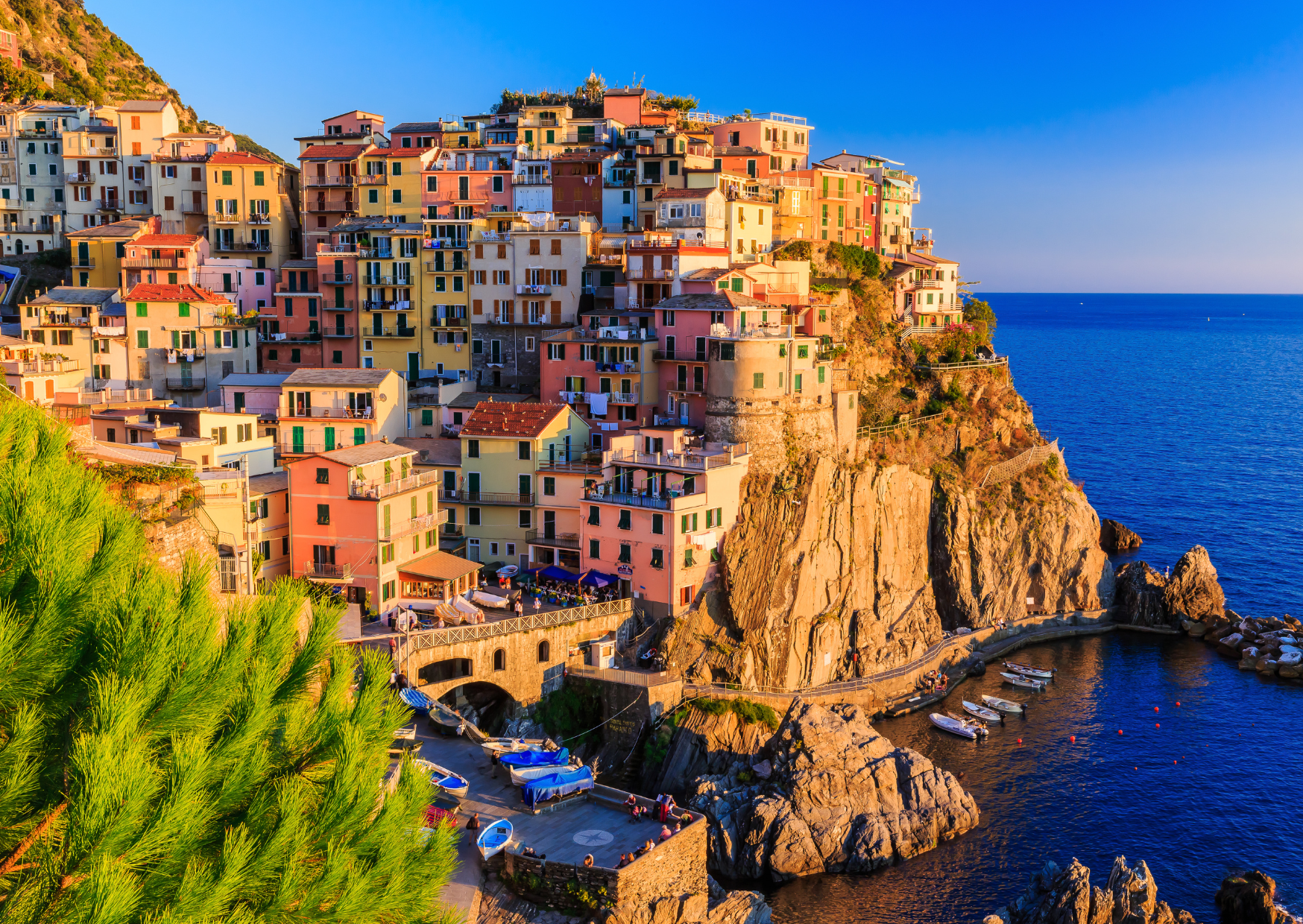
5) Italy Elective Residence Visa (ERV)
Who it suits
Households with proven passive income who want to live in Italy without local employment. Think pensions, annuities, rentals, dividends. Not for people who need to work locally.
Why it ranks here
Italy is generous once granted, but the income proof is stricter and consulates can be demanding about leases that show you truly plan to live there.
Cost snapshot
- Income guidance commonly cited around €31,000 to €32,000 per year for a single applicant, higher for couples and families.
- Insurance required.
- Visa fees are minor compared to your housing and set-up costs.
Paperwork feel
Proof of passive income streams, long-term lease or deed, clean record, insurance. Expect a careful interview and a premium on showing ties that look stable. Renewal is practical once you are in and set up.
Bottom line for Italy ERV
More money and more formality than Portugal or France, rewarded by a very livable day once you are settled.
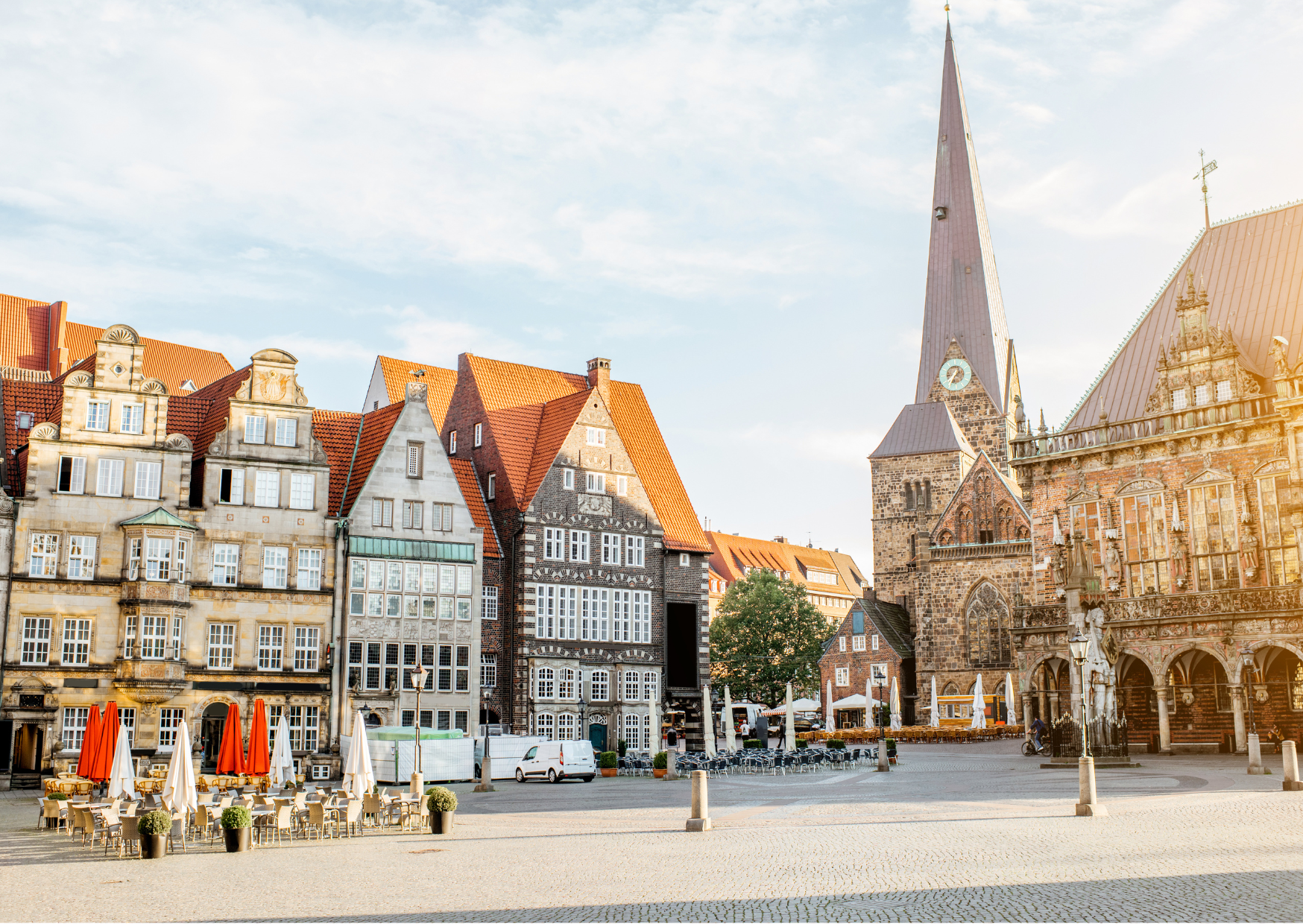
6) Germany Opportunity Card (Chancenkarte) and EU Blue Card
Who they suit
Skilled workers and degree holders who want to work legally rather than sit on savings. The Opportunity Card is for jobseekers who meet points criteria. The EU Blue Card requires a job offer at a threshold salary, with lower thresholds for shortage occupations.
Why they rank lower on “cheapest”
When you work, you pay contributions and live near stronger job markets. Housing can be pricier, and you will spend time on recognition of credentials. The paperwork is real. The reward is a direct career route with long-term security.
Cost snapshot
- Opportunity Card: proof of funds to live while job hunting, health insurance, and fees.
- EU Blue Card: salary threshold set by each country. In Germany, around €43,760 gross for shortage fields in 2025 lowers the bar compared to general occupations.
Paperwork feel
Diplomas, experience letters, contracts, insurance, and registrations. Expect multiple appointments, but permanent residence paths are clear once you are in.
Bottom line for Germany
Not the cheapest upfront, but a powerful door if your goal is career plus residence with durable rights.
7) Student Residence, Short and Targeted
Who it suits
Adults ready to study something real, from language to a master’s, who want a simple legal base with part-time work rights in many countries.
Why it ranks last here
Tuition is the big variable. In several EU countries programs are affordable, yet total cost rises with fees and living expenses. Paperwork is moderate and tends to be predictable.
Cost snapshot
- Tuition scales from low four figures to mid five figures depending on country and course.
- Proof of funds and health insurance required.
Paperwork feel
Admission letter, proof of means, housing, insurance, clean record. Straightforward in most places, with renewals tied to enrollment progress.
Bottom line for study
Solid, respectful, and sometimes the fastest letter in your hand, but we list it last because tuition can dwarf a family budget.
Exactly How To Choose In One Evening
Take out two sheets. Write money on one, paperwork on the other.
- Money questions to answer
- Can you prove passive income that meets the Portugal D7 baseline.
- Can you meet Spain’s digital nomad threshold with contracts and payroll that survive scrutiny.
- Would a France visitor year buy time to test neighborhoods with the smallest cash outlay.
- Do you qualify for a salaried role that meets an EU Blue Card threshold.
- Paperwork questions to answer
- How fast can you gather apostilles, clean record, and insurance.
- Do you have a signed lease or can you start with a reservation and convert after arrival where the rules allow.
- Are you willing to fly for a consulate appointment outside your state if slots are scarce.
When both pages are filled, pick the path that clears both sets with the least pain. That is your cheapest legal EU stay for 2026.
Costs Nobody Warns You About
You can keep the headline cheap and still get nicked. These are the small leaks to plug.
- Private health insurance gaps before you access national coverage. Price a full year, then celebrate if you swap earlier.
- Apartment deposits equal to one or two months plus agency fees in some cities. Cashflow, not just rent, matters in month one.
- Translation and apostille costs for marriage and birth certificates. Budget a few hundred dollars to avoid delays.
- Taxes in your home country. Remote income is still taxable at home. Plan filings before you book movers.
- School placement timing if you arrive in spring. Hold a buffer for stopgap childcare or language support.
Who Each Path Works For

France VLS-TS Visitor
People who want a low-cost test year in Europe with light admin. Writers, sabbatical families, and remote workers paid abroad who do not need local contracts.
Portugal D7
Retirees and investors with documented passive income who value renewability, family stability, and a calm route to permanent residence.
Spain NLV
Households with savings who want the Spanish school day, transit, and climate, and can meet the higher proof-of-funds bar without stress.
Spain Digital Nomad
Salaried remotes and contractors who can prove foreign income and want straightforward family life in Spain.
Italy ERV
Passive-income households who love Italy enough to gather a heavier file and sign a real lease before approval.
Germany Opportunity Card / EU Blue Card
Skilled workers who want career plus residence, and who accept more admin for long-term security.
Student
Adults who need a fast letter and can afford tuition for a year or two while they build a base.
A Two-Month Plan That Actually Gets You There
Week 1
Pick a path and freeze the choice. Order your FBI check and state records. Start apostilles immediately. Request employer or client letters if you are a remote worker.
Week 2
Collect proof of housing. For visitor visas and D7, a longer booking or a lease works. For Italy ERV, expect a real lease. For Spain DNV, line up contracts and a letter from your employer that spells out remote status.
Week 3
Buy private health insurance that meets the exact wording on your consulate’s page. Do not save ten euros here and lose three weeks later.
Week 4
Assemble the file in triplicate and book the consulate appointment. If your local consulate is jammed, check nearby jurisdictions that accept out-of-state applicants. Some do, some do not. Read the fine print.
Week 5
Use the waiting time to study local registration steps. Learn how to validate France’s VLS-TS online, how to book Portugal’s residence card slot, or how Spain handles fingerprints and TIE issuance. File systems move faster if you arrive with a script.
Week 6 to 8
Approvals in hand, travel on a weekday, register within the local deadlines, and keep scanned copies of every stamp and receipt. Momentum matters. Do the boring bits first and the city opens faster.
What Happens Next When You Arrive
Day one is admin. Day seven you know the bakery. Day thirty your calendar switches to local time and public transit. The second month is when costs fall. You stop using ride-hails, stop hunting international SIM cards, and stop paying for gyms that live in an auto mall. The map starts keeping your money for you.
Quick Comparisons You Can Screenshot
- Cheapest on fees: France Visitor VLS-TS.
- Cheapest on income proof: Portugal D7 for many retirees and investors.
- Cheapest for a working family: Spain Digital Nomad if your payroll fits the threshold.
- Heaviest binder: Italy ERV.
- Best career path: EU Blue Card, with threshold variations by country.
- Fastest letter in some cases: Student residence, if tuition fits.
A Note On Grants and Local Incentives
A few regions add cash to attract residents. Rural Spain, for example, has piloted grants for remote workers in under-populated valleys. The amounts will not carry a family, but they reduce set-up pain if you already qualify for residence. Treat grants as a pleasant surprise, not a plan.
The Quiet Ending
You do not need a fortune or a lawyer to live legally in the EU next year. You need a matched route, clean paperwork, and three calm mornings to run the checklist. Pick a path that respects your income type, your appetite for admin, and your family’s timing. If you do that, the most expensive part of Europe, the plane ticket, becomes the least interesting line in your ledger.

About the Author: Ruben, co-founder of Gamintraveler.com since 2014, is a seasoned traveler from Spain who has explored over 100 countries since 2009. Known for his extensive travel adventures across South America, Europe, the US, Australia, New Zealand, Asia, and Africa, Ruben combines his passion for adventurous yet sustainable living with his love for cycling, highlighted by his remarkable 5-month bicycle journey from Spain to Norway. He currently resides in Spain, where he continues sharing his travel experiences with his partner, Rachel, and their son, Han.