
And What It Reveals About Taste, Timing, and the Invisible Rules of the Italian Table
There’s something deeply American about piling it all onto one plate.
Pasta next to salad. Meat and cheese on everything. Garlic bread, sauce, and chicken — all in the same bite.
It’s efficient. It’s satisfying. It feels like abundance.
But in Italy, that same plate — cheerful, cheesy, overflowing — looks like a mistake.
Or worse, an insult to the meal itself.
Because Italian food culture isn’t just about ingredients. It’s about order, balance, and restraint.
Meals are divided by course for a reason. Ingredients are combined with intention.
And some pairings that feel comforting in the U.S. are seen in Italy as strange, unnecessary, or even offensive to the dish.
Here are the combinations Italians never eat — and what those choices reveal about how a culture views food, digestion, and the quiet elegance of doing one thing at a time.
Looking for More Travel & Culture Reads?
– They Don’t Work 24/7: 5 Vacation Customs in Europe That Drive Americans Crazy
– 7 Dress Code Shocks Americans Face in Italy
– 9 European Beach Habits That Shock First-Time Tourists
Quick Easy Tips
Don’t Mix Cheese with Seafood – Italians believe strong cheeses overpower delicate seafood flavors.
Skip Chicken in Pasta Dishes – While common in the U.S., chicken Alfredo is nearly unheard of in Italy.
Respect Course Order – Avoid combining salad with pasta or eating bread as an appetizer. Italians follow a structured meal.
No Cappuccino After Meals – This is considered a breakfast drink only. Order espresso instead.
Less Is More – Italians prioritize ingredient balance. Avoid overloading your plate with multiple flavors at once.
To many Italians, certain food combinations Americans love are borderline culinary crimes. Take, for instance, cheese-laden fish pasta, or spaghetti with meatballs served on the same plate—two staples in American-Italian restaurants that would rarely, if ever, be served together in Italy. These combinations often stem from adaptation rather than tradition, leaving many Italians puzzled when they visit Italian restaurants abroad. It’s not about snobbery; it’s about preserving the integrity of ingredients and culinary heritage.
The American tendency to blend everything onto one plate reflects a different approach to food—efficiency and indulgence over sequence and simplicity. Italians, on the other hand, view each dish as an experience with its own rhythm and respect. Mixing a meat course with pasta or drowning risotto in cheese may seem delicious to outsiders, but to Italians, it’s missing the point. This culinary discipline isn’t meant to restrict; it’s designed to enhance each bite with intention.
Some American chefs argue that food should evolve, that fusion can create innovation. But for Italians, certain boundaries define their food identity. Challenging these combinations isn’t just about taste—it’s cultural preservation. What many call innovation, Italians often see as distortion. The clash between culinary tradition and globalization fuels these debates, especially as Italian cuisine spreads worldwide. It raises the question: are we honoring authenticity, or just serving stereotypes?
1. Pasta and Chicken
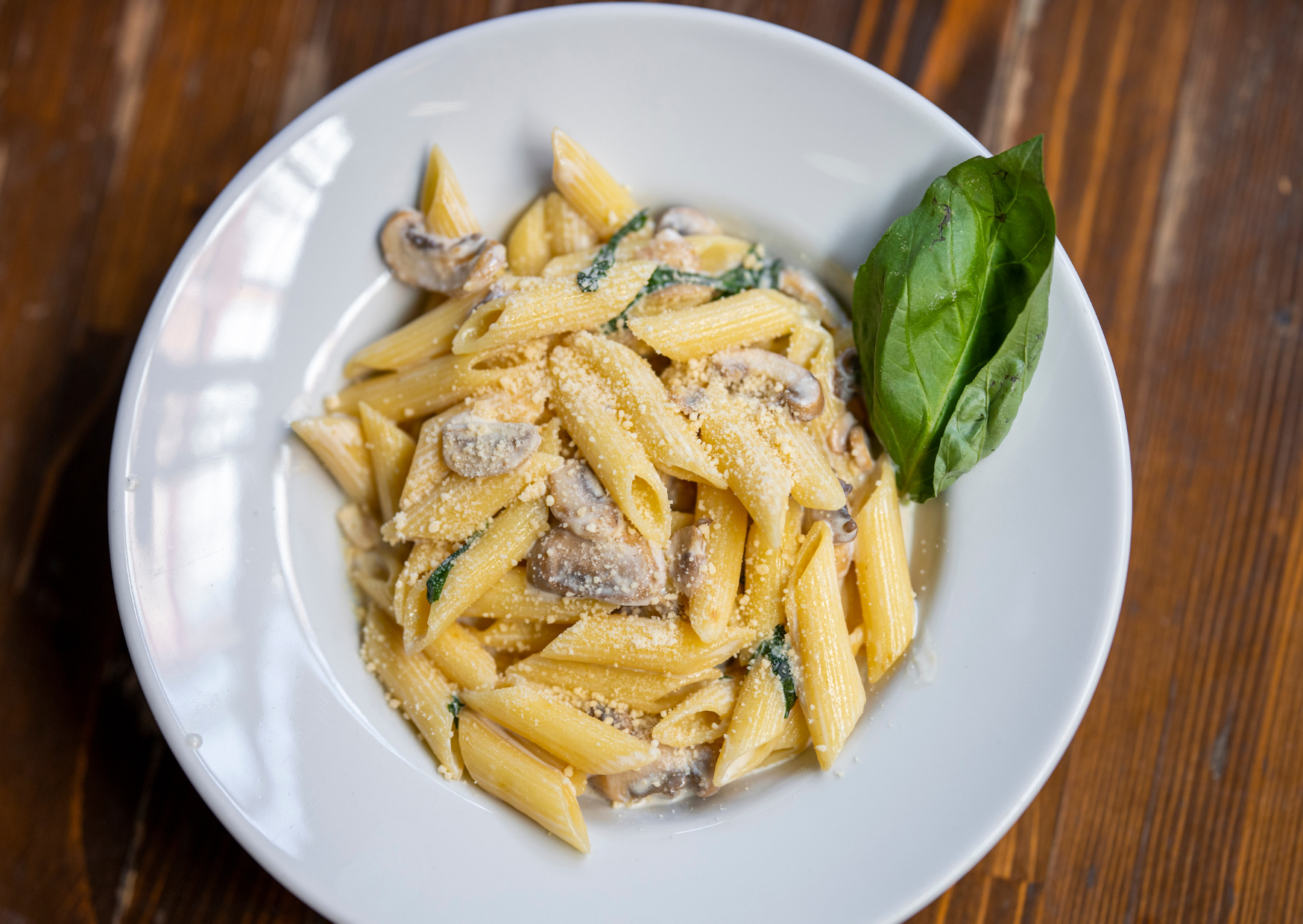
In the U.S., it’s a staple: chicken Alfredo, chicken parmesan on spaghetti, grilled chicken over fettuccine.
In Italy, it’s almost unheard of.
Why? Because pasta is the star of its own course — the primo piatto.
It doesn’t need protein added on top. In fact, doing so:
- Overloads the dish
- Throws off the texture balance
- Breaks the natural sequence of the meal
Chicken belongs in the secondo — served after the pasta, often with vegetables.
Combining the two in one dish is like serving cake with soup.
It’s not forbidden. It’s just… not done.
2. Garlic Bread with Pasta
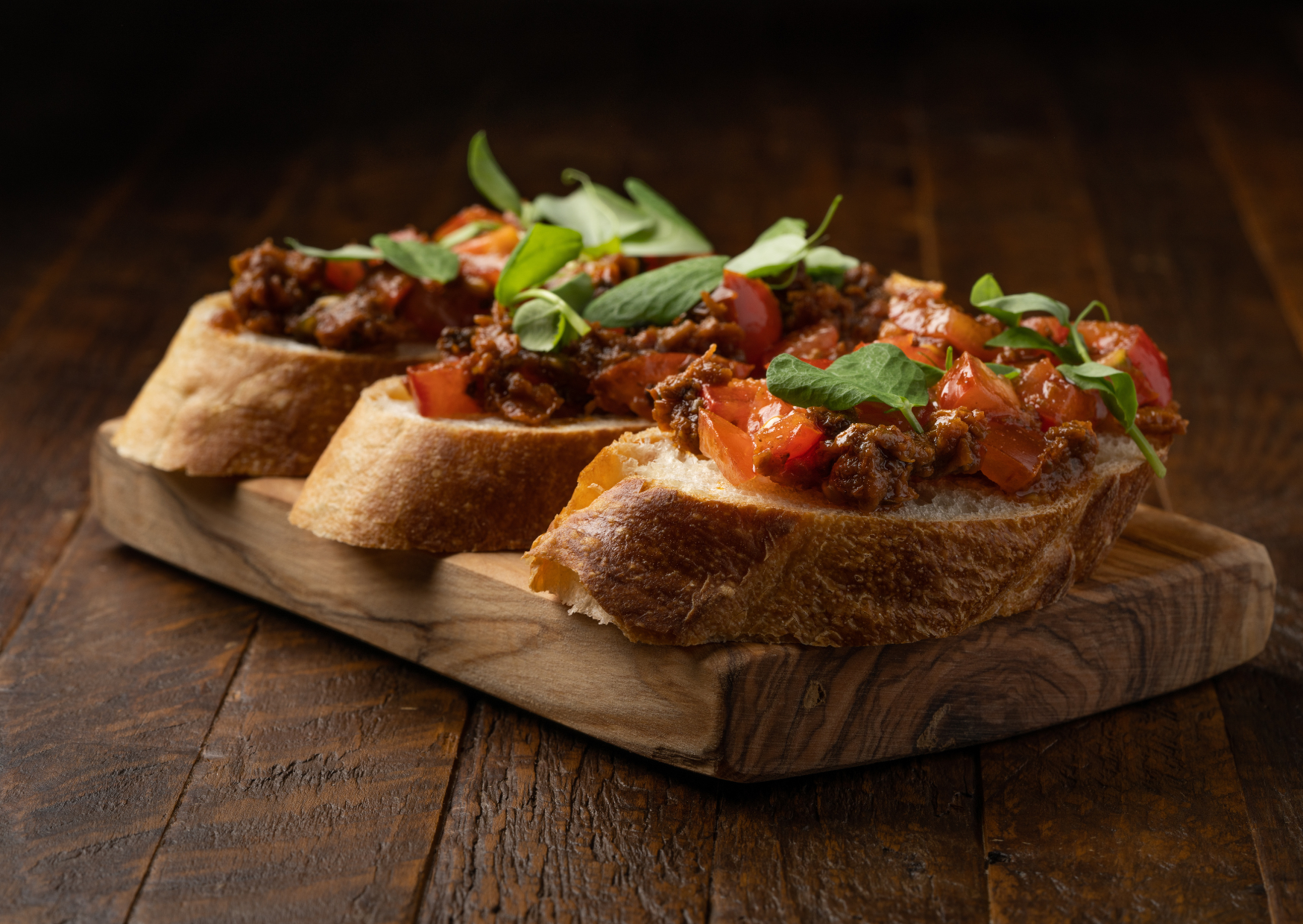
Americans love garlic bread as a pasta side. It’s rich, salty, and perfect for wiping sauce off a plate.
In Italy, that combination is a red flag.
First, garlic bread isn’t Italian. It’s Italian-American.
You won’t find it on a menu in Naples or Florence.
Second, bread isn’t meant to be:
- Buttery
- Toasted
- Served alongside pasta
Italian bread is usually plain, served at the table, and eaten:
- With cheese
- With cured meats
- To accompany the secondo or mop up leftover sauce after the pasta is finished
Pairing rich pasta with rich bread violates the balance Italians are careful to maintain at every meal.
3. Spaghetti and Meatballs (in the Same Bowl)
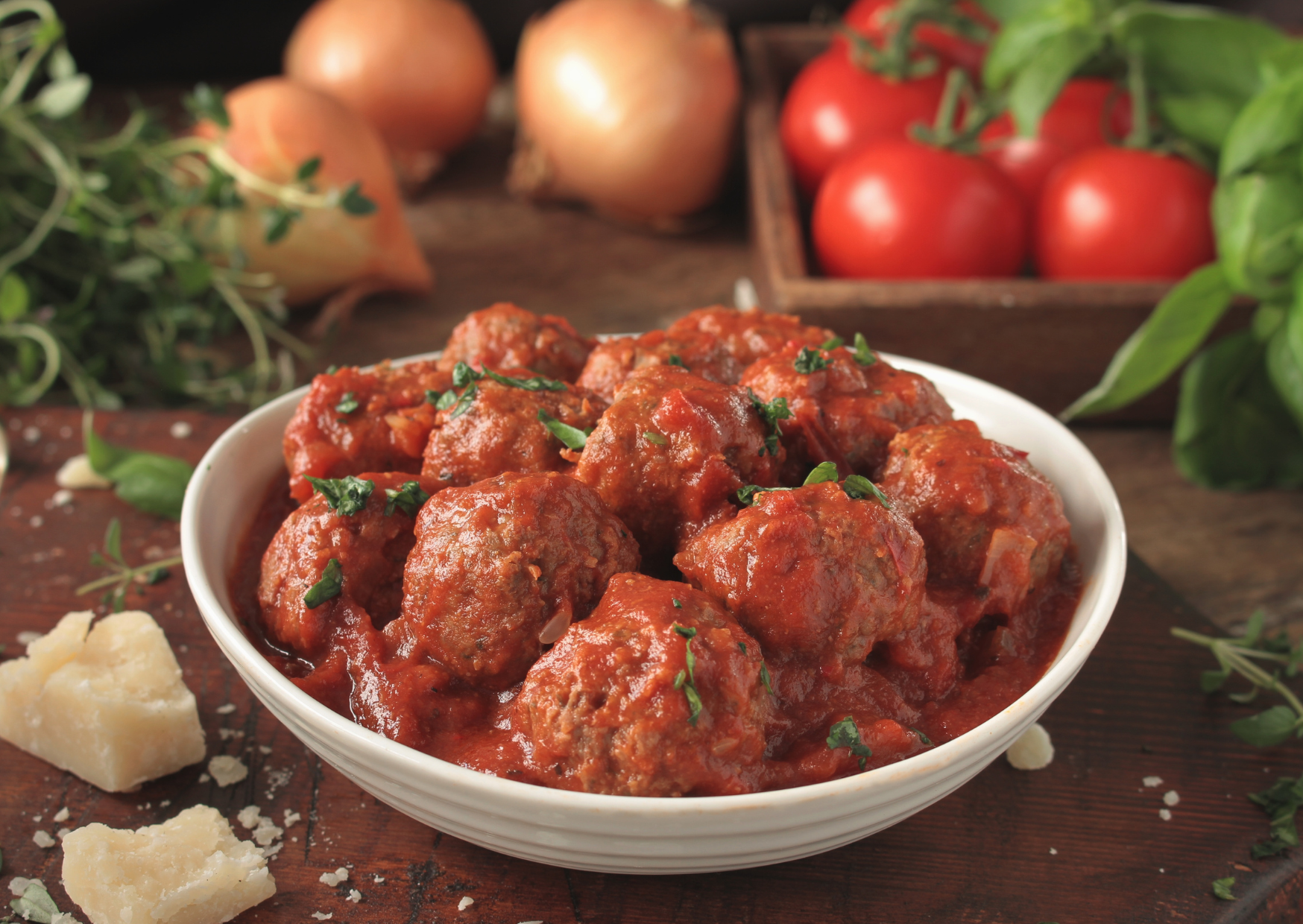
It’s iconic in the U.S. — the red-sauce Italian-American standard.
But in Italy, spaghetti and meatballs are served separately — if they’re served at all.
Meatballs (polpette) exist. But they’re usually:
- Eaten as a main course
- Smaller in size
- Served on their own, or with light vegetable sides
Dumping them on top of spaghetti is a cinematic invention.
In Italian homes, it feels messy. Overdone. A flattening of two dishes into one.
It’s not offensive. Just inauthentic to the structure of an Italian meal, which values precision and pace.
4. Salad Served with the Main Course
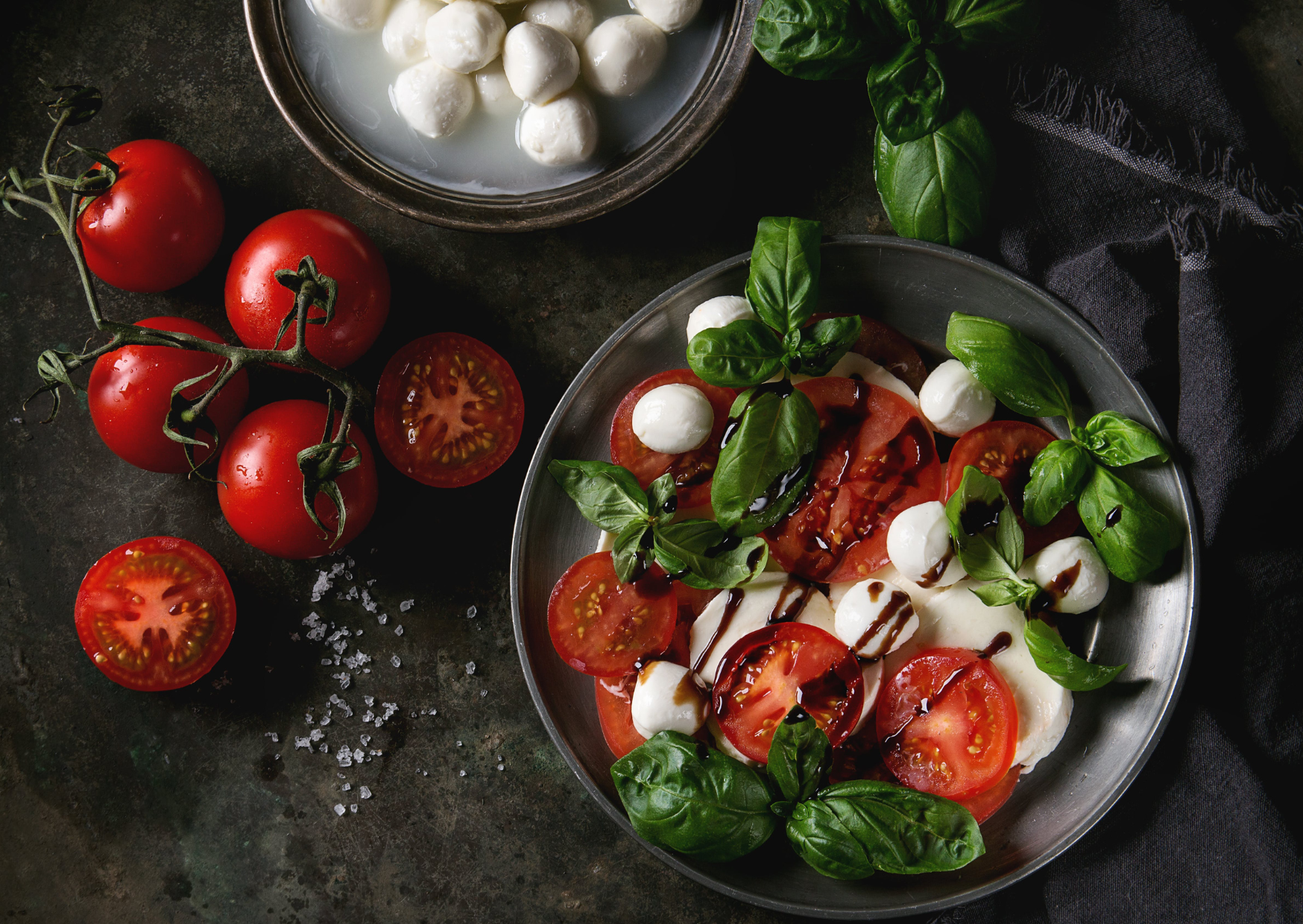
In the U.S., salad is usually served:
- As a starter
- Alongside the main dish
- On the same plate as meat or pasta
In Italy, salad is often served last, or at least on its own, never mixed in with the hot food.
The logic is simple:
- Salad refreshes the palate
- Raw vegetables aid digestion after heavier courses
- Acidity and crunch provide contrast at the end of a meal
Eating it alongside steak or pasta confuses the rhythm — like reading the epilogue in the middle of the book.
5. Cheese on Seafood Pasta
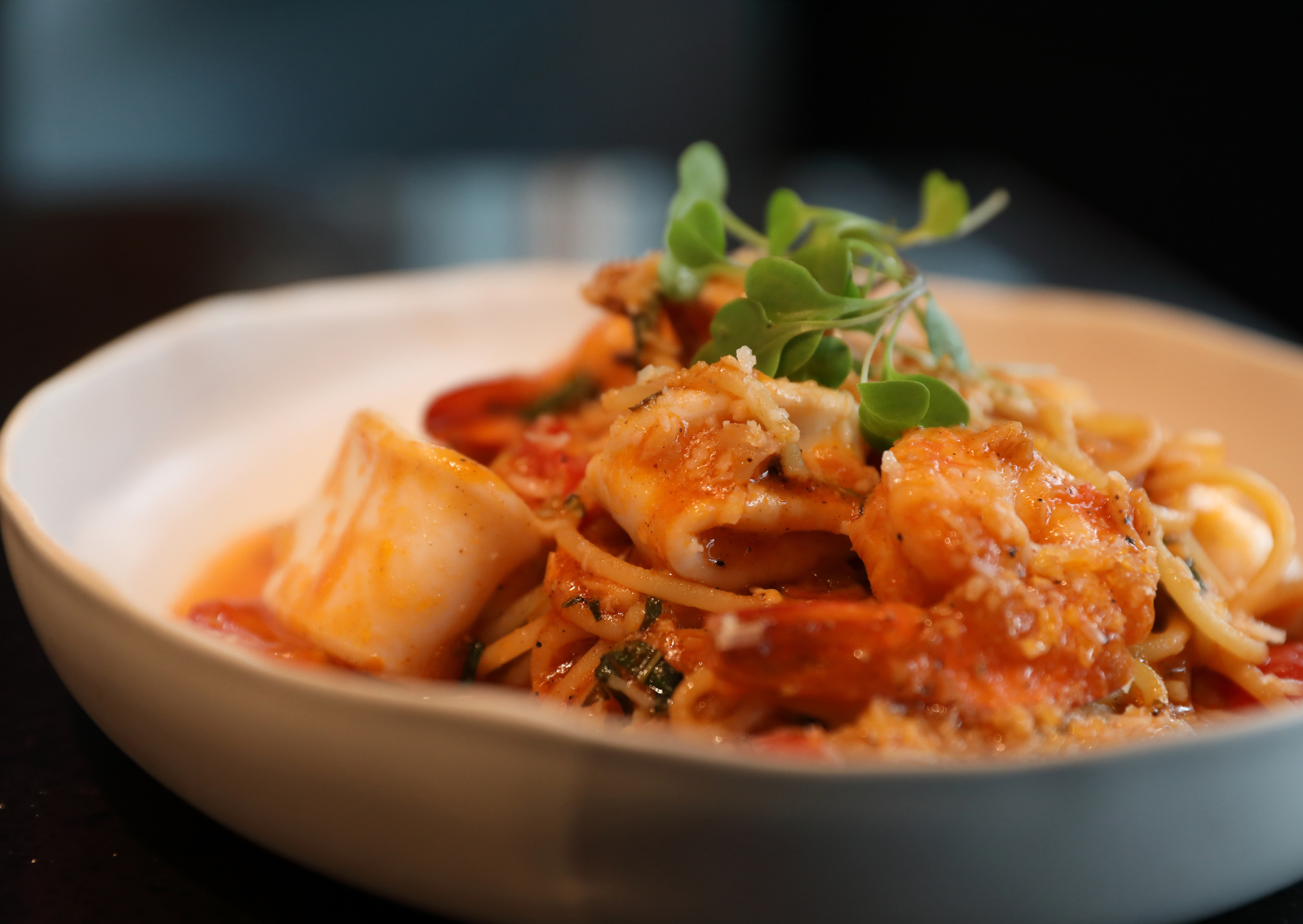
This is the combination that stops Italians in their tracks.
Grated parmesan on linguine with clams? Shrimp Alfredo with a dusting of pecorino? In Italy, that’s blasphemy.
The rule is clear: no cheese on seafood. Ever.
Why?
- Cheese overwhelms delicate seafood flavors
- The fats clash on the palate
- It disrespects the subtlety of the dish
Even a sprinkle of parmesan is enough to offend.
And if you ask for it in a restaurant? Expect a gentle but firm “no.”
This isn’t snobbery. It’s protection of balance, learned over generations.
6. Pasta and Salad on the Same Plate
This is common in American cafeterias, potlucks, and homes. A scoop of pasta. A handful of greens. Maybe a vinaigrette drizzling onto the penne.
To Italians, it’s chaos.
Not because salad is bad. But because every part of the meal deserves its own space.
Mixing pasta and raw greens disrupts:
- Temperature balance
- Texture
- Sequence
Even if you’re in a hurry, Italians would prefer to serve them one after the other — not tangled together in a shared bowl.
In short: food deserves its moment.
7. Fried Appetizers Followed by Heavy Pasta

In many American restaurants, a meal begins with:
- Fried calamari
- Mozzarella sticks
- Garlic knots
Then jumps straight into pasta alfredo or baked ziti.
In Italy, meals build gently.
Antipasti are light, often consisting of:
- Sliced prosciutto
- Marinated vegetables
- A few olives or bites of cheese
The idea is to wake up your appetite, not overwhelm it.
Fried food before rich pasta is seen as excess.
Too heavy. Too much. Too soon.
Italians prefer to let each course whisper, not shout.
8. Drinking a Cappuccino During or After Dinner
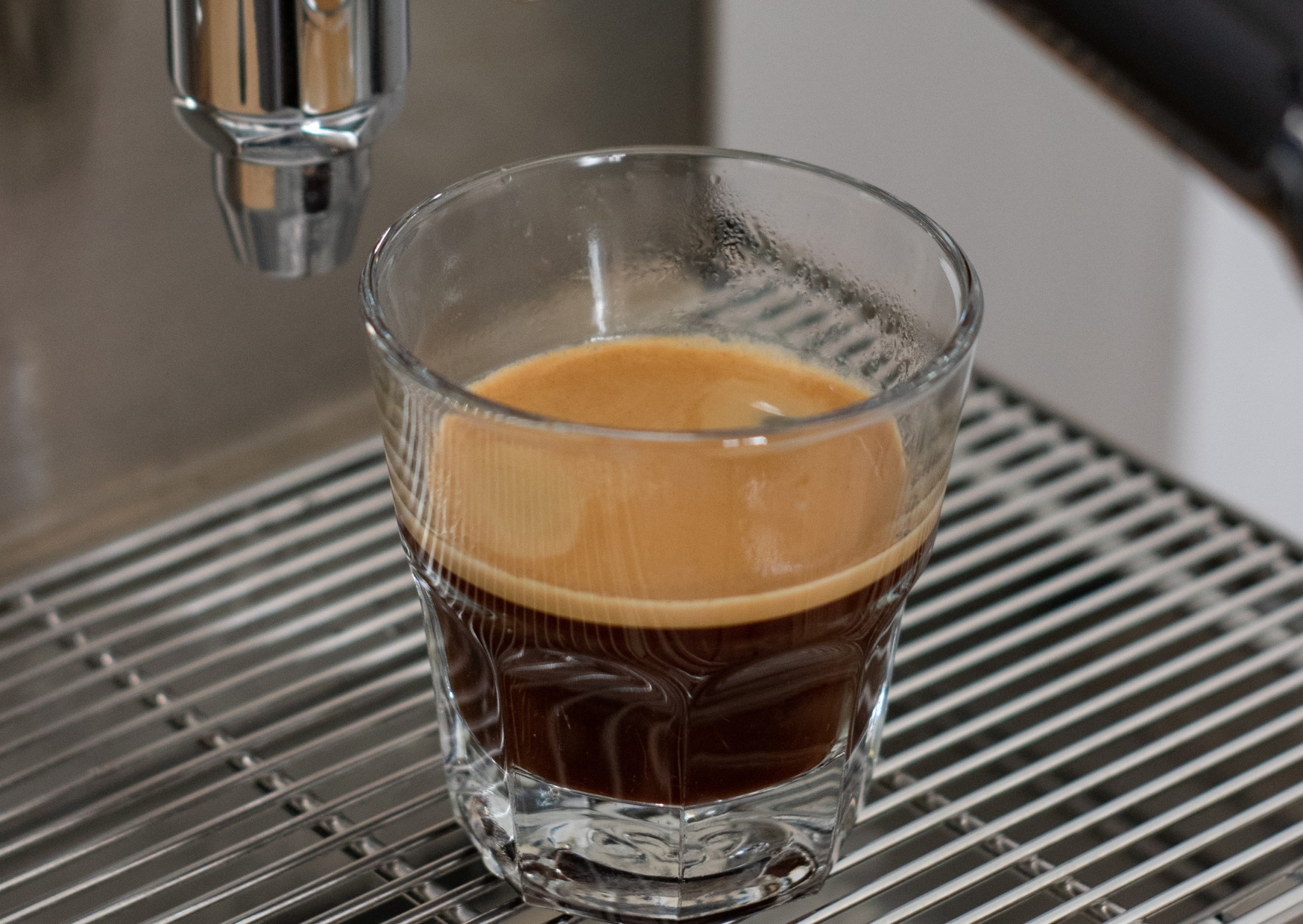
In America, a cappuccino can arrive at any hour. Dessert coffee? Why not.
In Italy, a cappuccino after noon is considered a rookie move.
It’s:
- Too milky for digestion
- Reserved for breakfast only
- A surefire way to label yourself a tourist
If you want coffee after dinner, the answer is simple: an espresso.
Small, bitter, bracing — and perfectly aligned with the Italian sense of closure.
9. Putting Butter on Pasta
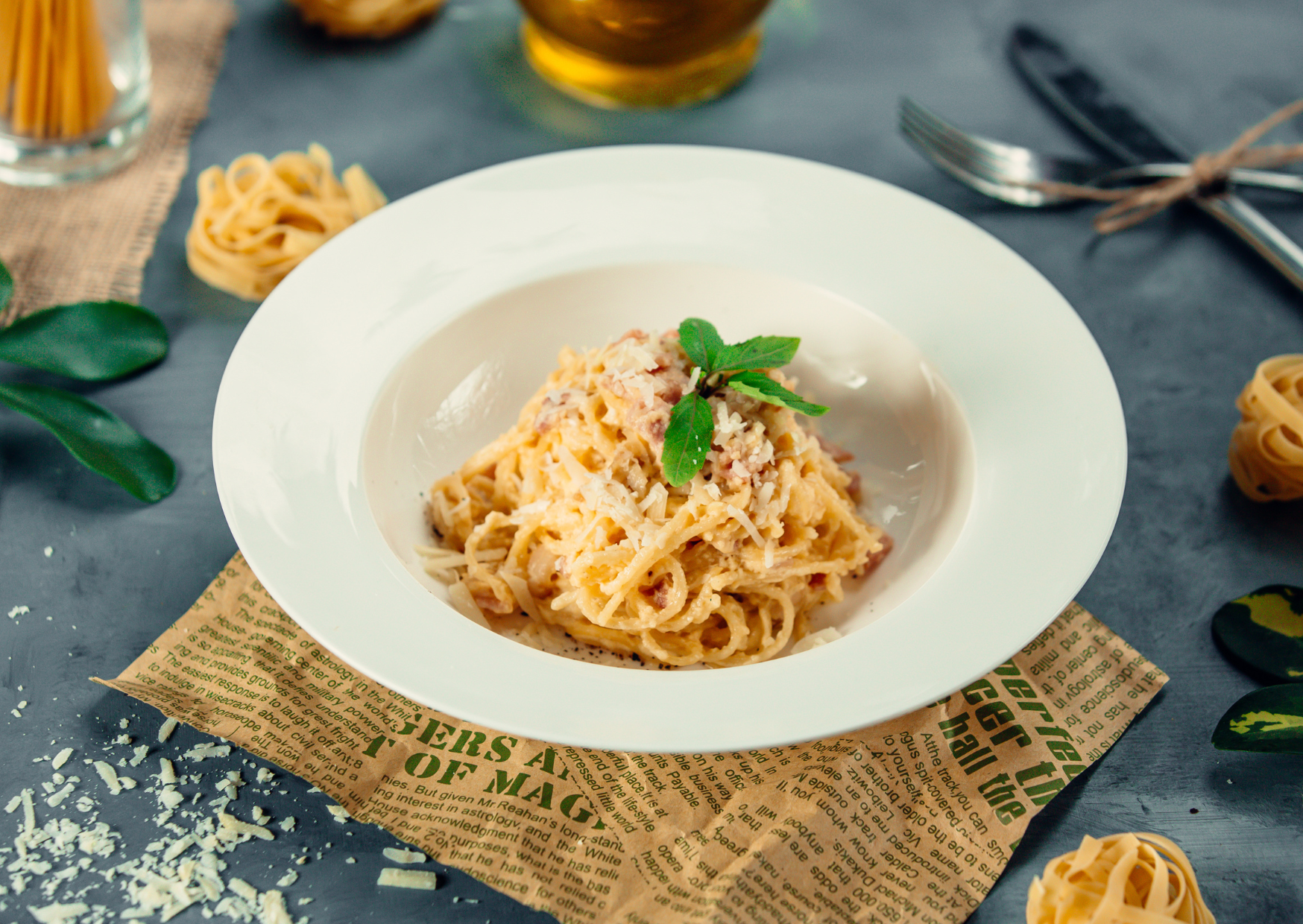
This is common in the U.S., especially for children or simple dishes.
But in Italy, butter is not the go-to fat for pasta.
Pasta is dressed with:
- Olive oil
- Tomato sauces
- Light cream or cheese sauces (in specific regions)
- Sometimes nothing but a splash of pasta water and a little cheese
Butter is used in certain northern dishes (like risotto or gnocchi in cream), but even then, with restraint.
Slathering pasta in butter feels to Italians like erasing the dish’s identity.
One Plate, Two Philosophies
To Americans, mixing foods is efficient. Comfortable. Indulgent.
To Italians, it’s the culinary equivalent of speaking over someone else’s sentence.
One culture says: More is better.
The other says: One thing at a time, done well.
And in that quiet difference — not in the ingredients, but in the combinations — lies the real story of how Italians eat.
Not to impress. Not to fill up. But to honor each bite.

About the Author: Ruben, co-founder of Gamintraveler.com since 2014, is a seasoned traveler from Spain who has explored over 100 countries since 2009. Known for his extensive travel adventures across South America, Europe, the US, Australia, New Zealand, Asia, and Africa, Ruben combines his passion for adventurous yet sustainable living with his love for cycling, highlighted by his remarkable 5-month bicycle journey from Spain to Norway. He currently resides in Spain, where he continues sharing his travel experiences with his partner, Rachel, and their son, Han.