
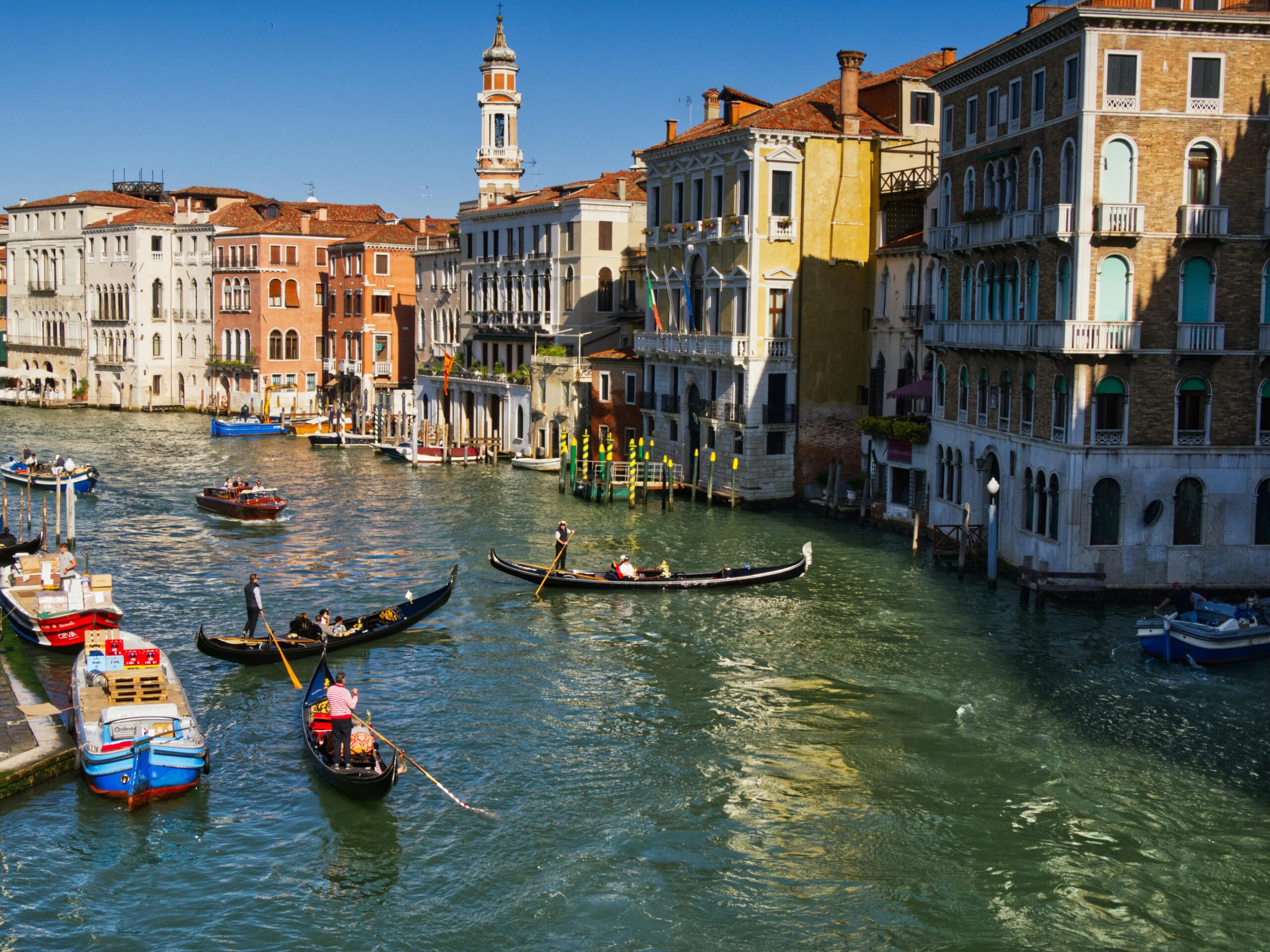
A bakery window fogs from warm bread. On the clinic door, today’s hours sit under a small line that reads no payment at point of care. In the real estate window, ordinary two-bed flats near the tram are priced to be lived in. Nothing here asks you to be lucky. It asks you to be a resident. The rankings that measure life like this keep repeating the same pattern: a cluster of European countries near the very front, the United States down in the high teens. What matters is why those numbers keep holding, and how an ordinary household can claim the difference.
What These Rankings Actually Measure
Quality of life is not a beauty contest. It is a sum of boring parts that make a day feel kind. Most indices score how safe you feel, how easy it is to see a doctor, whether housing eats your paycheck, how long you sit in traffic, and whether the air and streets invite you out of the house. They add in education access, social trust, income after rent and transport, and a few other quiet levers that shift mood more than any skyline.
Different lists use different recipes, so the exact digits wobble. The pattern rarely does. Countries that make daily costs predictable for ordinary residents drift toward the top. Countries that price essentials as private puzzles drift downward. The rankings are not judging dreams. They are counting frictions.
Where The United States Sits, And Why That Surprises People
Americans often expect a top five finish because the economy is huge and innovation is loud. The lists disagree. A typical snapshot places a leading European country in the top three, with the United States in the teens or low twenties. That feels unfair until you stop thinking in headlines and start thinking in invoices.
Spend one month tracking five numbers and you can predict your personal rank without opening a report. Write down minutes from door to desk, housing as a share of take-home, steps between “I need a doctor” and “I saw a doctor”, kid costs for lunch and activities, and how often surprise bills interrupt your week. The lower those five run, the higher your life will feel, even if your address never changes. In much of Europe, policy lowers all five by design. In much of the United States, households are asked to fight those battles alone.
Housing: The Anchor That Decides Every Other Choice
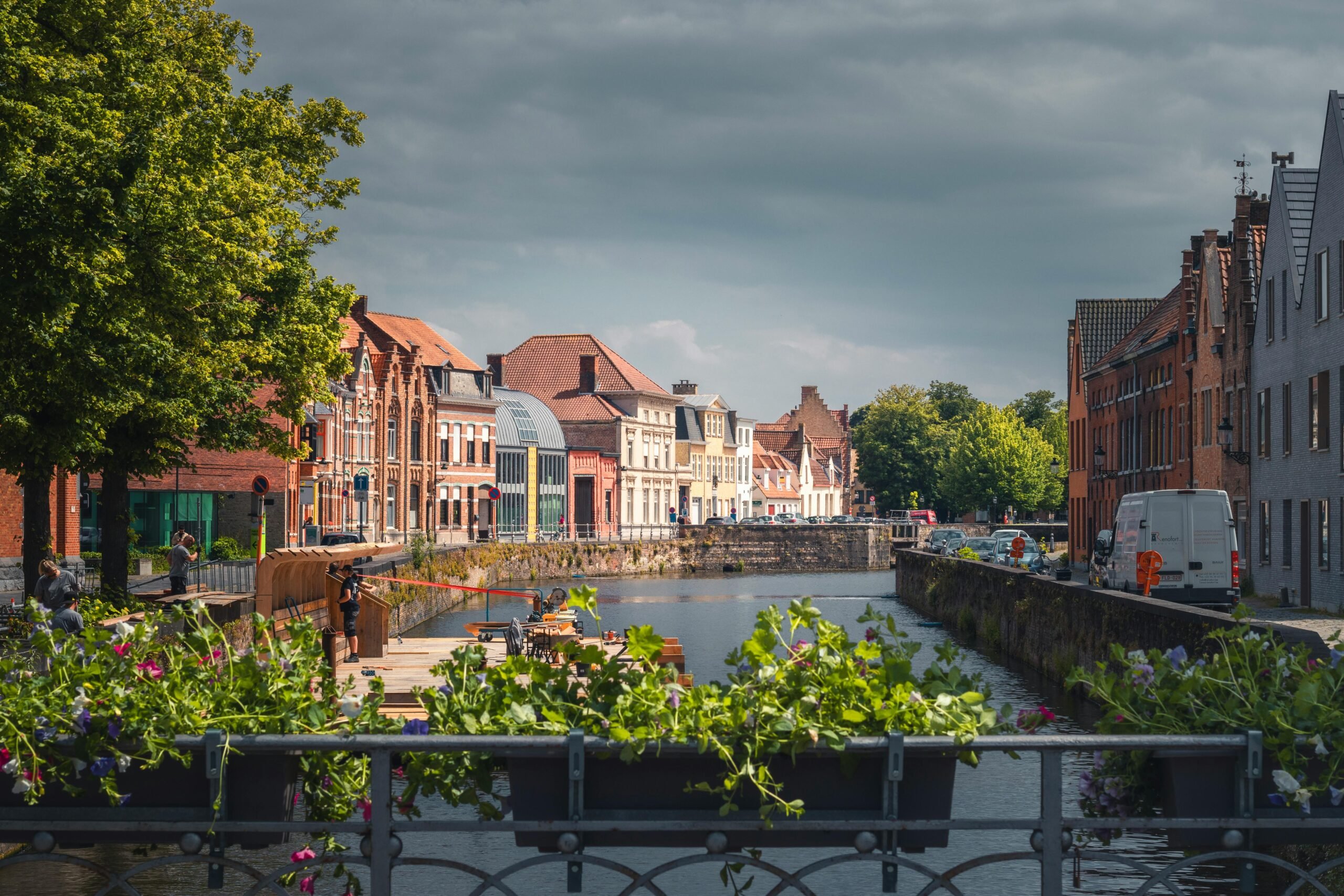
A home is not just a roof. It is the gravity that pulls every bill into place. When rent or a mortgage eats the month, food gets cheaper, time gets tighter, and transport grows teeth because the only affordable homes sit far from work and school. In many European regions outside a few capitals, two-bedroom flats near reliable transit still price for working residents. You can live within a ten-minute walk of a tram, buy back an hour each day, and skip owning a second car altogether. Location acts like a raise, not because your paycheck rises, but because everything around your address costs less to use.
The United States is not devoid of affordable housing, but the pattern in metro areas is punishing. Families stretch for space, then pay for distance with fuel, insurance, parking, and time. The 30 percent rule breaks quietly. Budgets start to wobble. Dinner arrives from an app because the day ran long. That meal is not dinner. It is the invoice for a commute.
Healthcare: Care As A Service Versus Care As A Subscription

Walk into a public clinic in much of Europe, show your card, and care begins at the door. You may pay small copays for medicines, but the visit itself does not start life as a bill. That single design choice turns prevention into a habit. Parents book checkups because nothing dramatic happens at the desk. People show up for vaccinations because there is no payment ritual attached. Health becomes a calendar event instead of a budget event.
Employer coverage in the United States can be excellent at a large company, yet the structure is different. Insurance is a monthly expense before care, then copays and deductibles arrive when something real happens. Even a good plan teaches delay. Families wait to see if a cough resolves itself. Parents count clinic visits against a number in their head. Fear of an envelope changes what people do, which is exactly what a quality-of-life index is trying to capture.
Education: Building A Future Without Buying A Bill

If you have children, ordinary months in Europe are honest. Public schools do not charge tuition, and lunch prices are posted on a fence on a sheet of paper you can photograph. A child plays football at a municipal field for a fee that looks like a utility, not a luxury, and takes a swim class for the price of a streaming plan. A normal school month lands near a few hundred euros, not thousands, because the public sphere carries the long day.
At university age, the fork widens. Residents in many European countries face low fees or none at public universities, with modest semester contributions that do not behave like a mortgage. The same student in the United States often sees a bill that changes how a family thinks about money for a decade. One path builds a network and a degree. The other path builds a degree and a monthly payment. Rankings score that difference, and households feel it every Sunday night when they plan the week.
Transport: A Pass And A Walk Instead Of A Second Budget
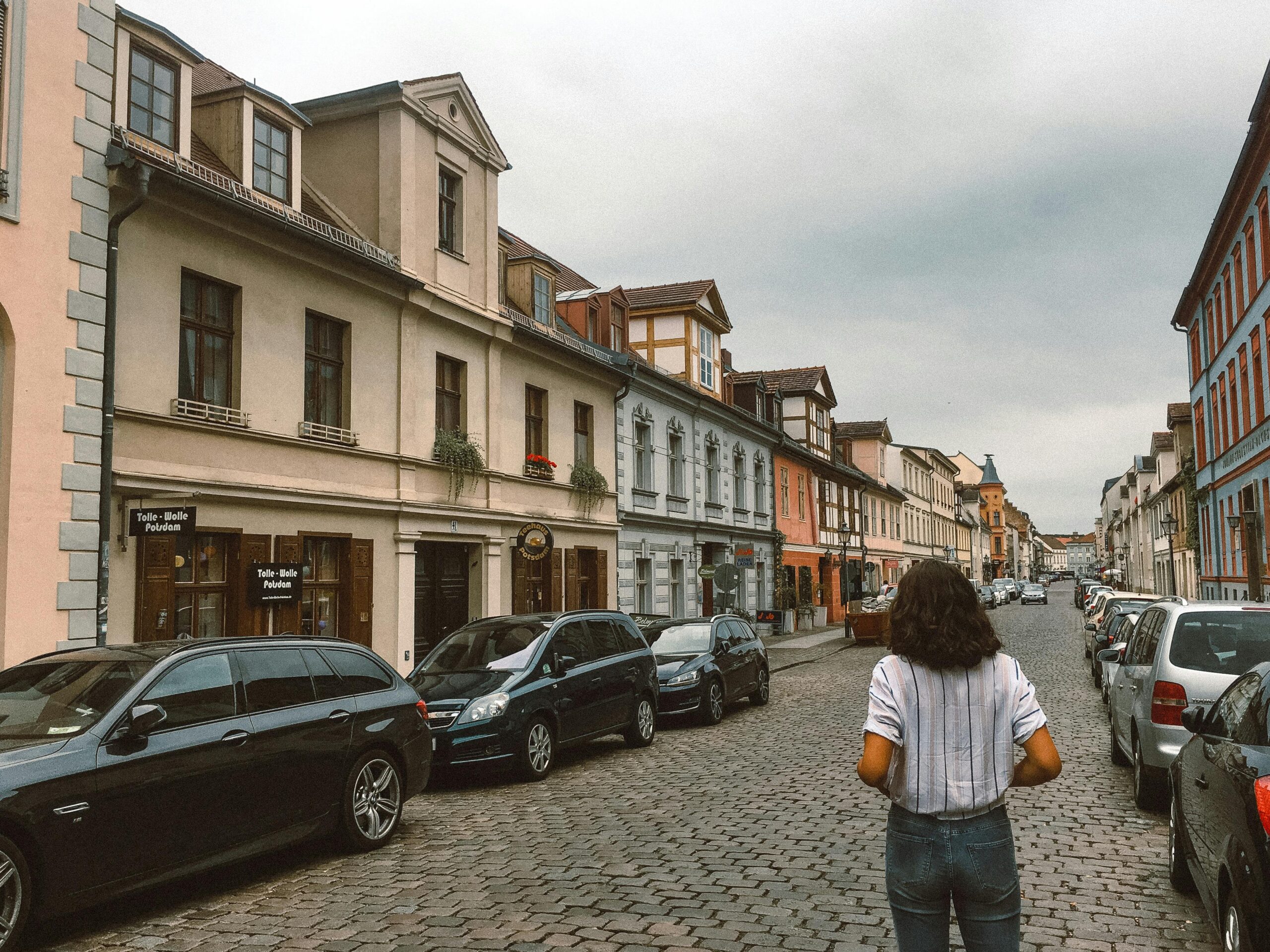
A predictable life begins with a predictable route. In most European cities that perform well on these lists, the default trip is a pass and a short walk. Trams, buses, metros, and bikes cover distances that used to require a car. The pass is a fixed number that does not spike because the weather turned. The walk is exercise disguised as movement. When errands happen on foot, the world grows smaller and kinder. Surprise charges retreat because very little can go wrong between your door and a corner shop.
Car culture in the United States is not a moral failing. It is a map. That map asks households to finance a vehicle, insure it, fuel it, maintain it, and hide the true cost in depreciation. If you carry two cars, you carry two budgets. When a quality-of-life list says the United States sits lower than people expect, this is one of the quiet reasons. The commute is a bill.
Utilities And Daily Costs: Habits That Keep Bills Small
Energy shocks hit Europe hard, then many countries absorbed and adapted. Household habits shifted. Drying racks returned. Heavy appliances moved to off-peak hours. Shades came down at noon in summer and windows opened for cross-breeze at night. The result is not that utilities are tiny. It is that bills are small enough to ignore most months once you adapt to the rhythm of your building and climate.
Internet and mobiles are a similar story. Seamless bundles at rational prices exist because competition is lively and expectations are clear. When a provider overreaches, you change with a week’s notice. None of these lines will ever headline a ranking. Together they preserve the calm that rankings reward.
What The Gap Looks Like In A Household Ledger
Take a family of three and compare two ordinary months. In a mid-size European city, rent for a two-bedroom near transit sits inside a ceiling that leaves money on the table. Lunch and activities for a school-age child cost what you can write on a postcard. The adults carry passes instead of a second car. Utilities behave. Healthcare arrives as care, not a bill. The total lands close to what many U.S. households spend on rent and one vehicle alone.
Shift the same family to a typical American metro. The apartment or mortgage reflects distance more than design. A car is mandatory, and a second car is convenient enough to become inevitable. Employer coverage is solid, yet the monthly contribution shows up whether anyone is sick or not. After-school care covers the gap between bell time and work time. Activities want to be private. Bills want to arrive in stacks. It is the same family. It is a heavier map.
Three Living Maps That Consistently Work

One path is the regional city that outsiders ignore. The tram may be a bus and the square may be small, but housing fits. A child can walk to school. A clinic sits three blocks away. Work happens in a neighborhood office or at a kitchen table on fiber that does not blink. The price of calm is not secrecy. It is choosing a city designed for residents.
Another path is the mid-size hub with a real network. The pass matters because it makes every route short. Grocery bags come home by hand. A school fence still lists lunch prices. Commercial streets stay alive because foot traffic exists. Even a modest income builds a cushion because the structure reduces friction faster than an extra hundred euros ever will. The pass is a pay raise.
The third path sits just outside a capital ring. You take the train in for work or a museum, then go home to a rent that respects a budget. This is where families who love a big city’s gravity but hate its numbers feel human again. Access without punishment is the trick, and Europe’s transport maps make it ordinary.
How To Install The High-Rank Routine In Ninety Days
Start with the address. Choose the smallest city that still does what you need. Look for a flat within a short walk of real transit, not a bus that wanders every forty minutes. Make peace with stairs and sunlight. Trade private parking for proximity to a school and a corner shop. Your rent is not just a price. It is a strategy.
Once the keys are in your hand, set the rails that carry a year. Buy passes and stop shopping for cars. Enroll school lunch and choose one municipal sport that fits your child’s temperament and your pickup window. Visit a market twice a week and a discount chain once. Learn your meter’s rhythm and run washers when the clock is kind. Install a drying rack. Habits are the cheapest appliances you will ever own.
In the third month, protect the gains. Bundle fiber and mobiles into one bill you distrust just enough to renegotiate yearly. Keep a small buffer for school photos, a split shoe, and an unplanned train snack. Replace any cross-town activity with a local equivalent, because time is a cost and distance is a tax. None of this is glamorous. All of it is repeatable. The glamour arrives when your calendar and budget stop fighting.
Why These Choices Lift Your “Rank” Even If You Never Read A Report

A top-three life is not about museums on a Tuesday. It is about going to bed on time because your commute is short, seeing a doctor when you need one because the desk does not ask for a card, letting children join a sport because the fee is friendly, and cooking dinner without a clock breathing down your neck. The calm is cumulative. Every month that ends with room funds a better month after it. Margin becomes a habit.
People argue less when the system under them is quiet. Parents make different choices when a child’s long day is already paid by the public sphere. Adults walk more because it is faster to walk. You will not find any of that on a map, yet it is what the rankings are trying to describe with numbers and charts. The feeling comes first. The report arrives later.
Common Mistakes When Chasing A High-Rank Life
Many newcomers chase the postcard neighborhood that ruins the plan. They pay a premium for a famous street and then rebuild a car life to move across it. A better choice is a working district near a transit line that gets you to the postcard in ten minutes and home in eleven. Your favorite café is nicer when the rent did not hurt you to reach it.
Others over-enroll children because they think more activity means more opportunity. Two good local programs beat four branded ones that require a taxi. Neighborhood hours are the real curriculum. A child who can walk to practice gains independence that no logo can buy.
Some households buy a car on arrival because it feels like adulthood. The smart move is to wait ninety days. If you still need one after a quarter of passes and rideshares, you will know why and how often. You may still buy the car, but you will not buy the second budget that comes with it.
What Changes When You Move Ten Places Up The Table
Evenings become evenings again. Commutes end earlier and daylight remains for a park, a bench, or a quiet dinner. Preventive care happens because it asks for time, not money. Children sleep better because the day is shorter and their legs did some of the work. You stop counting days to payday because surprise bills cannot find you as often. A boring Tuesday becomes the prize, and you stop trying to earn rest with a weekend that costs too much.
That feeling is the story behind the numbers people argue about online. You do not need a ranking to tell you it is happening. Your kitchen will tell you. Your shoes will tell you. Your child will tell you when they point to their club schedule and not to your calendar.
If You Are Staying In The United States, What You Can Still Copy
Not everyone will move across an ocean. The structure still helps at home. Pick a neighborhood where a child can walk to school and you can walk to a small shop. Choose a rental that cuts your commute by ten minutes each way, even if it means losing a bathroom. Replace two after-school pickups with a school-run club and one neighborhood sport. Use public clinics and low-cost pharmacies when they exist in your county. Design your map to reduce distance and ritualize prevention, and you will climb your own table without changing your passport.
The Quiet Ending That Rankings Cannot Print
Quality of life is not a list of freedoms you shout. It is a list of frictions you never meet. When you are not being charged to move, treated, or learn, you begin to use the city you live in. The neighborhood starts to look like a community instead of an invoice. Money returns to its proper place as a tool instead of a mood. The dream you were told to buy turns out to be a set of routes and routines that do not collapse under your weight. That is what the top of the table feels like, and it is available to ordinary households that choose structure over spectacle.

About the Author: Ruben, co-founder of Gamintraveler.com since 2014, is a seasoned traveler from Spain who has explored over 100 countries since 2009. Known for his extensive travel adventures across South America, Europe, the US, Australia, New Zealand, Asia, and Africa, Ruben combines his passion for adventurous yet sustainable living with his love for cycling, highlighted by his remarkable 5-month bicycle journey from Spain to Norway. He currently resides in Spain, where he continues sharing his travel experiences with his partner, Rachel, and their son, Han.