
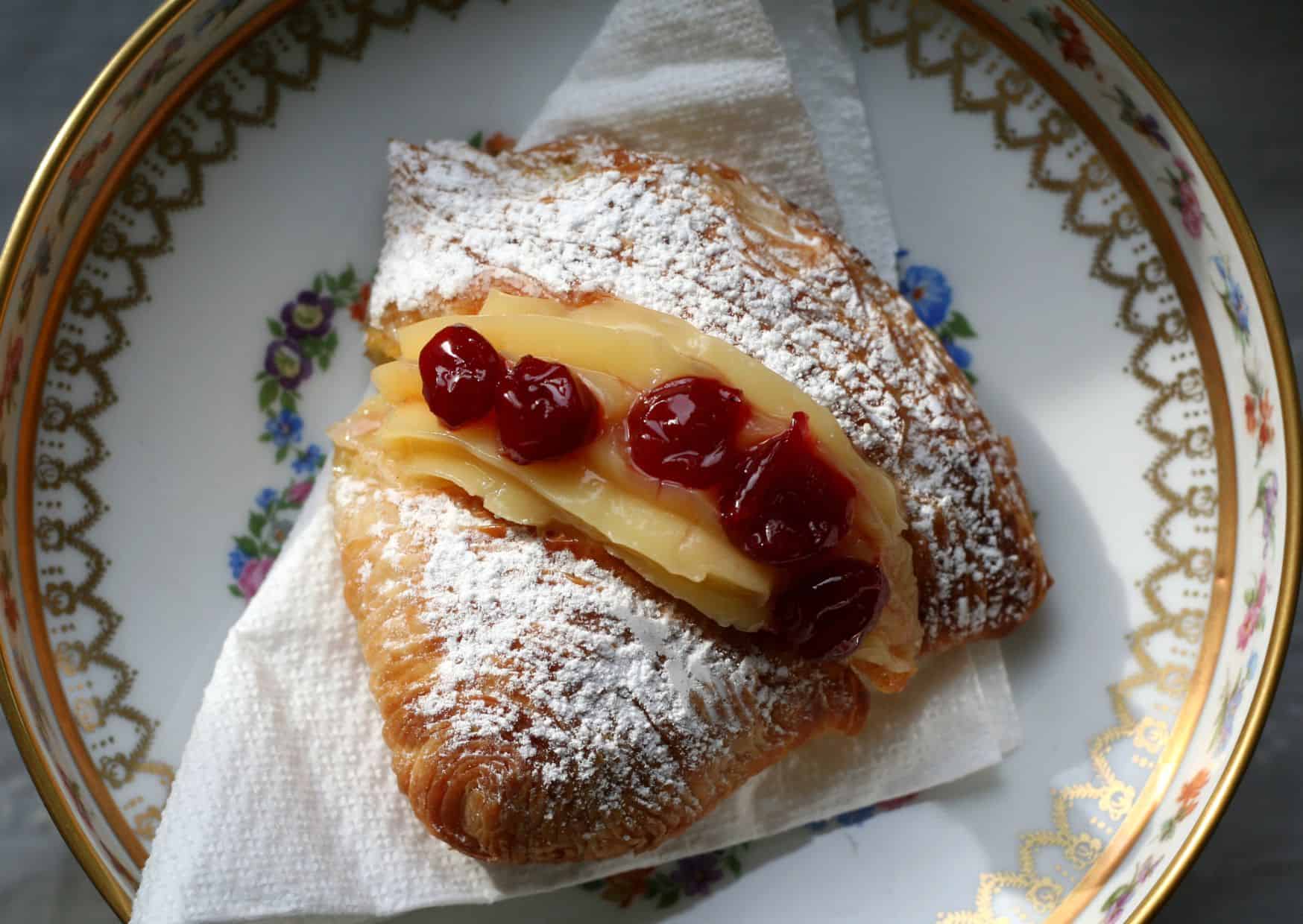
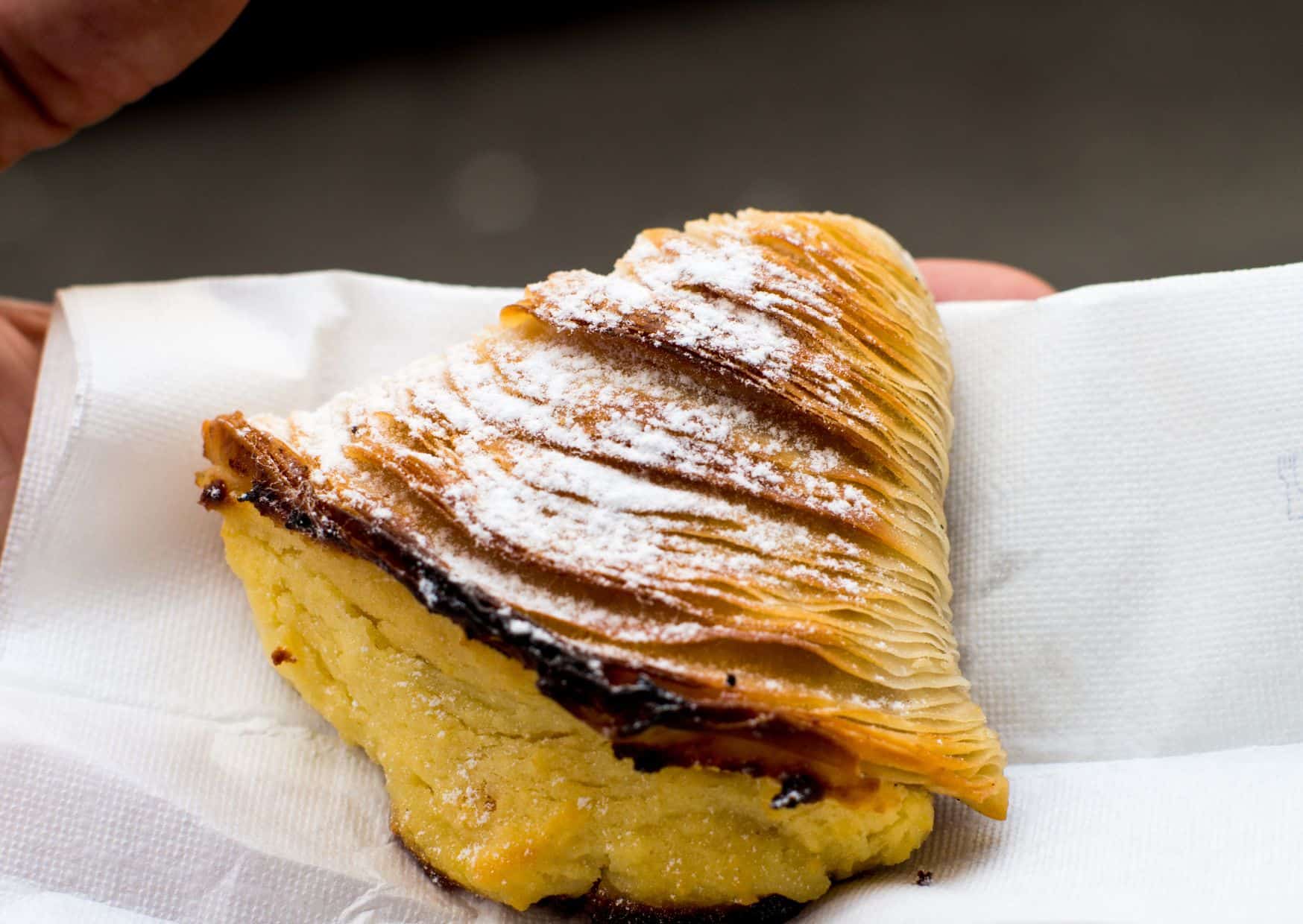
If there’s one pastry that captures the spirit and indulgence of Southern Italy, it’s the Sfogliatella. With its crisp, shell-like layers and aromatic ricotta filling, this Neapolitan treat is both a culinary marvel and a labor of love. Its name, which means “little leaf” in Italian, perfectly describes the paper-thin folds of dough that make it as eye-catching as it is delicious.
Originating from Naples in the 17th century, Sfogliatella has become a symbol of Italian pastry craftsmanship. There are two main types: sfogliatella riccia, with its crunchy, flaky layers, and sfogliatella frolla, a smoother, shortcrust version. Both are filled with a delicately spiced mixture of semolina, ricotta, candied citrus peel, and a hint of cinnamon or vanilla.
In this recipe guide, we’ll show you how to make the traditional sfogliatella at home—from dough to filling to perfect bake. It may take some patience, but the reward is a warm, crisp pastry straight from your oven, bursting with Old World charm and flavor.
Read here best Italian food, vegetarian food in Italy, best drinks in Italy and best breakfast in Italy
Read Here Things to know before visiting Italy and how to buy a sim card in Italy
BOOK YOUR TRAVEL INSURANCE
Two of our favorite travel insurance: Heymondo Vs Safetwing cheapest travel Insurance. You can get for $135 USD your Heymondo Travel Insurance with Heymondo discount code valid for 90 days. Read our full comparison of Genki vs Safetywing Travel Insurance Review and the comparison Heymondo vs Genki
Best Time to Eat Sfogliatella
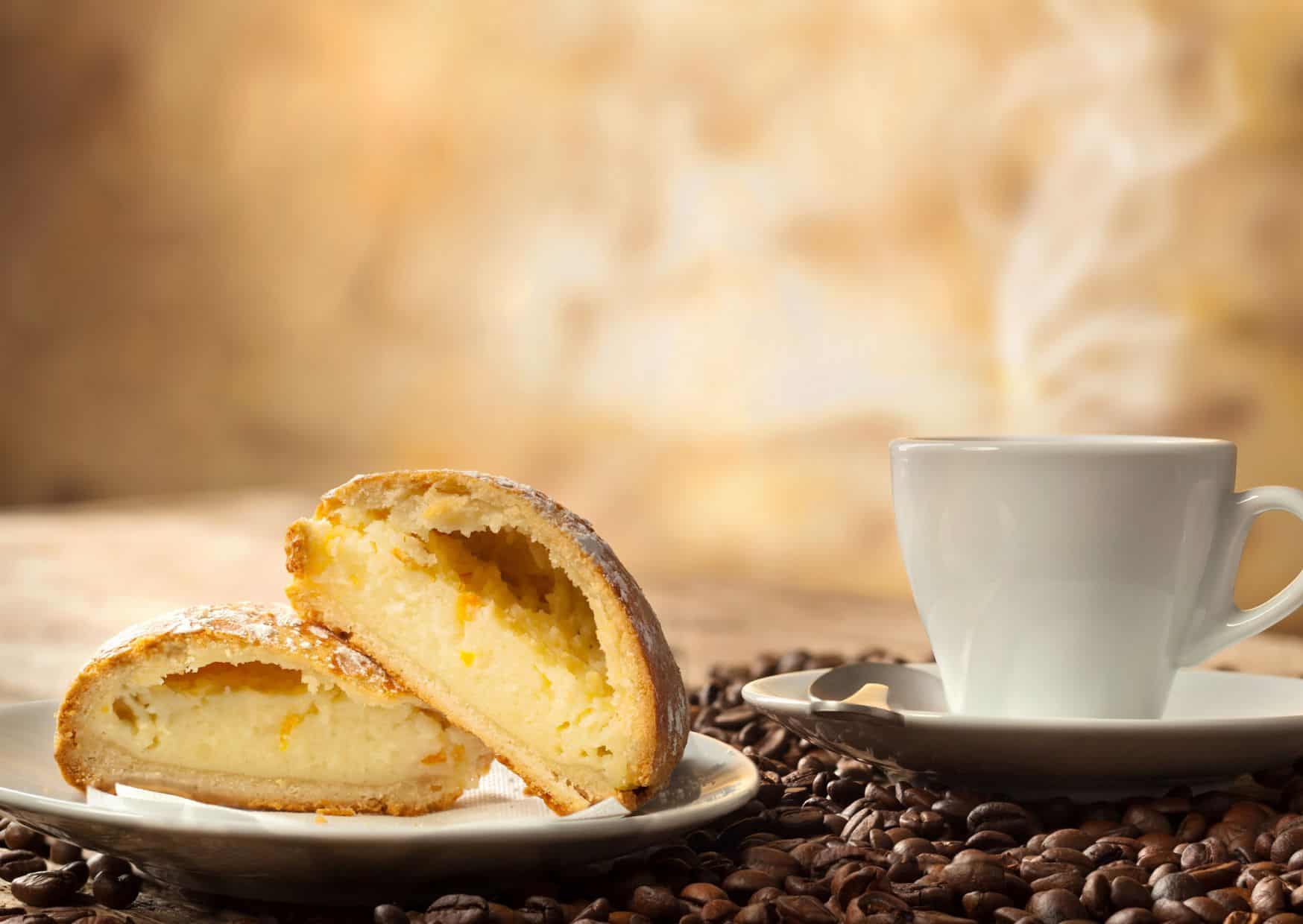
Sfogliatella is traditionally eaten in the morning, often as part of a leisurely Italian breakfast with a cappuccino or espresso. In Naples, it’s common to stop by a café or bakery and enjoy one fresh out of the oven, still warm and dusted with powdered sugar. It’s also popular as a mid-morning snack or afternoon pastry, especially when entertaining guests or celebrating special occasions.
Best Pairings for Sfogliatella
To enjoy sfogliatella like a true Neapolitan, pair it with a strong Italian espresso or cappuccino—the slight bitterness of the coffee beautifully balances the pastry’s sweet and citrusy notes. If serving later in the day, a small glass of vin santo or amaretto liqueur adds a festive touch. For a full Italian-style pastry spread, accompany with cannoli, biscotti, or pasticciotti to impress your guests (or just yourself).
Sfogliatella isn’t just a dessert—it’s a regional identity, and that’s where the controversy begins. In Naples, sfogliatella is a point of pride, and locals fiercely defend the authenticity of its preparation. Many Italians outside Campania—even professional pastry chefs—are accused of “faking it” when they try to simplify the recipe, skip the traditional lard, or use shortcuts for the delicate shell. Neapolitans argue that without the painstakingly layered dough and the specific ricotta-semolina filling, it’s not sfogliatella—it’s a fraud. To them, this flaky pastry is sacred, not open to interpretation.
Then comes the sfogliatella vs. lobster tail debate. In many Italian-American bakeries, the sfogliatella has been transformed into something entirely different—larger, sweeter, filled with pastry cream instead of ricotta. Purists see this as culinary blasphemy, arguing that the Americanized version has lost the subtlety, texture, and soul of the original. The two might look similar on the outside, but to a Neapolitan, calling both “sfogliatella” is like comparing opera to pop music. It’s led to a quiet rift between diaspora bakeries and Italian traditionalists.
Finally, there’s the generational tension. Younger Italians, especially those outside Naples, are sometimes indifferent to sfogliatella, favoring trendier desserts like cannoli variations or tiramisù-in-a-cup. This has stirred anxiety among older bakers who see the art of making sfogliatella as slowly disappearing. Some believe it’s too labor-intensive for the modern pace of life, while others insist that preserving this meticulous technique is essential for honoring Italy’s culinary heritage. In a nation where food is identity, sfogliatella isn’t just a treat—it’s a battleground for tradition, pride, and authenticity.
How to Make Homemade Sfogliatella
Homemade Sfogliatella Recipe Ingredients
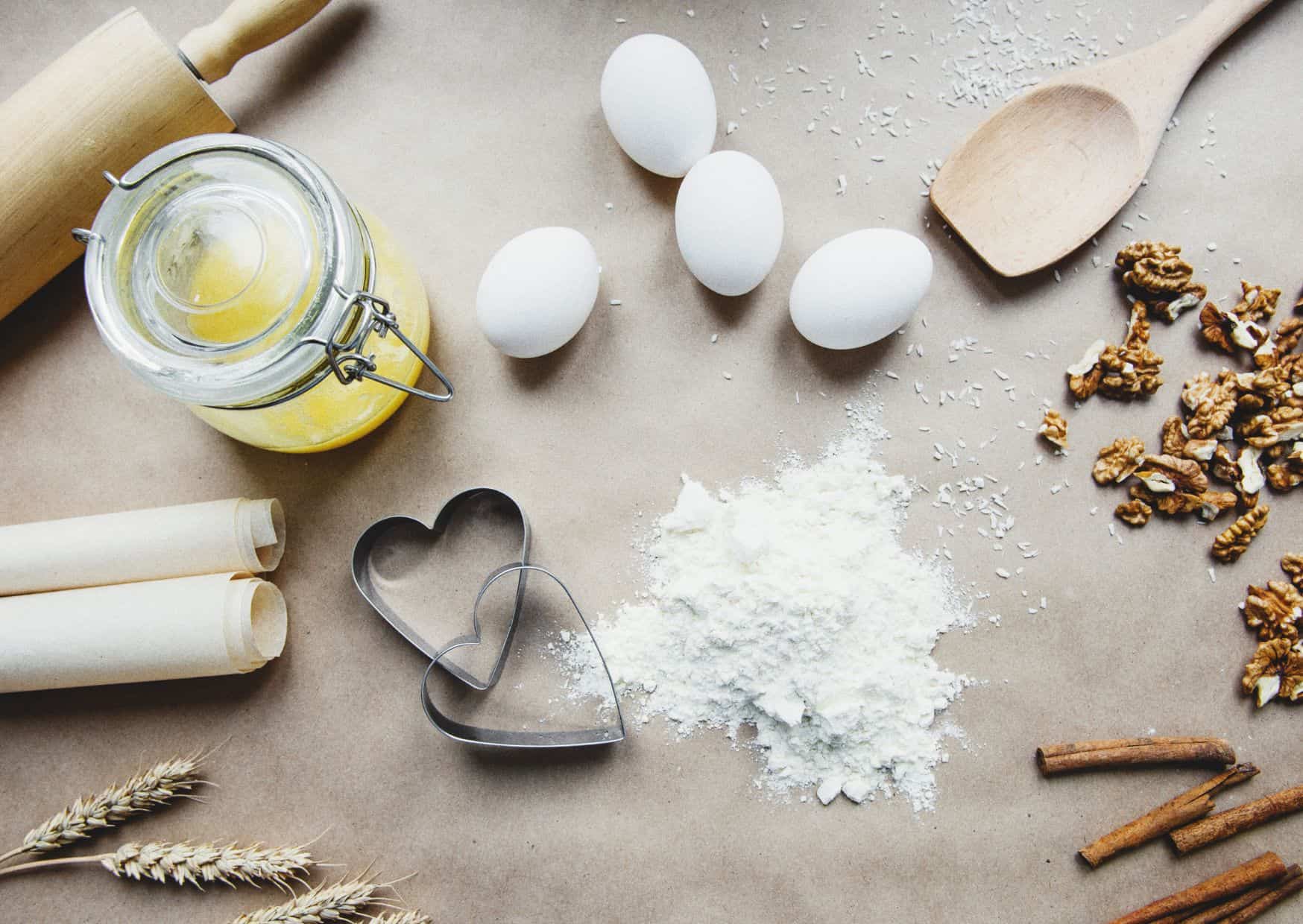
For the Dough:
2 cups all-purpose flour
1 teaspoon salt
3/4 cup warm water
1/2 cup unsalted butter, at room temperature (for spreading on the dough layers)
For the Filling:
1 cup ricotta cheese, strained
1/4 cup sugar
1/2 teaspoon cinnamon
1/4 cup semolina (cooked in 1/2 cup of milk until thick)
1/4 cup candied orange peels, finely chopped
1 egg yolk (for brushing)
Get the best deals for your home and kitchen needs
Step By Step How to Make Sfogliatella
Make the Dough
In a large mixing bowl, combine flour and salt. Gradually add warm water and mix until a dough forms. Knead the dough on a lightly floured surface until smooth and elastic, about 10-15 minutes. Wrap the dough in plastic wrap and let it rest for at least 30 minutes.
Prepare the Filling
In a bowl, mix the strained ricotta with sugar, cinnamon, cooked semolina, and candied orange peels until well combined.
Roll and Layer the Dough
Divide the rested dough into four pieces. Keep each piece covered while you work with one. Roll out one piece of dough into a very thin sheet (almost paper-thin) using a pasta machine or a rolling pin.
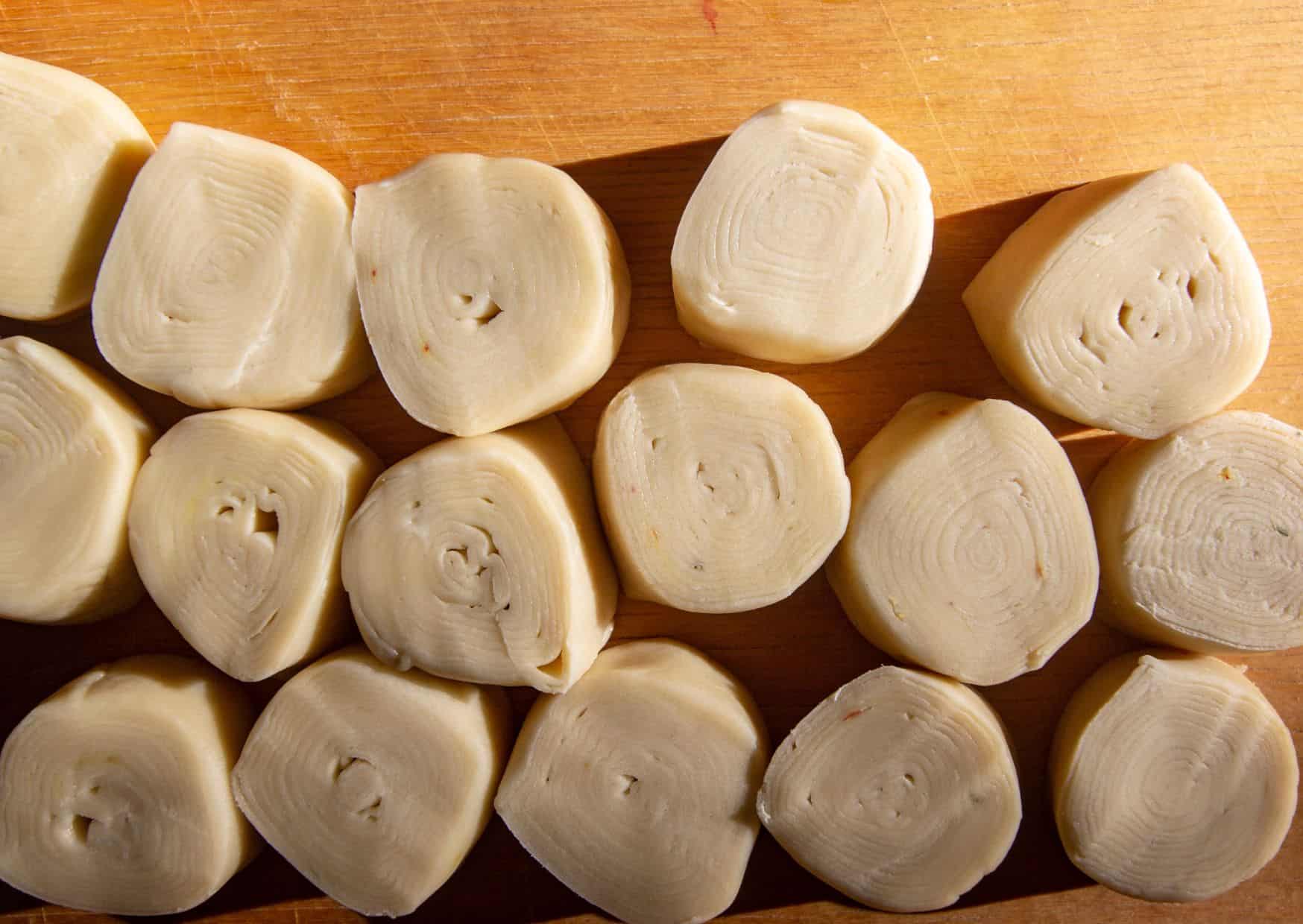
The dough should be almost translucent. Spread a thin layer of softened butter over the dough sheet. Roll the dough tightly into a log. Repeat this process with the remaining pieces of dough. Place the logs in the refrigerator for about an hour to firm up.
Shape the Sfogliatella
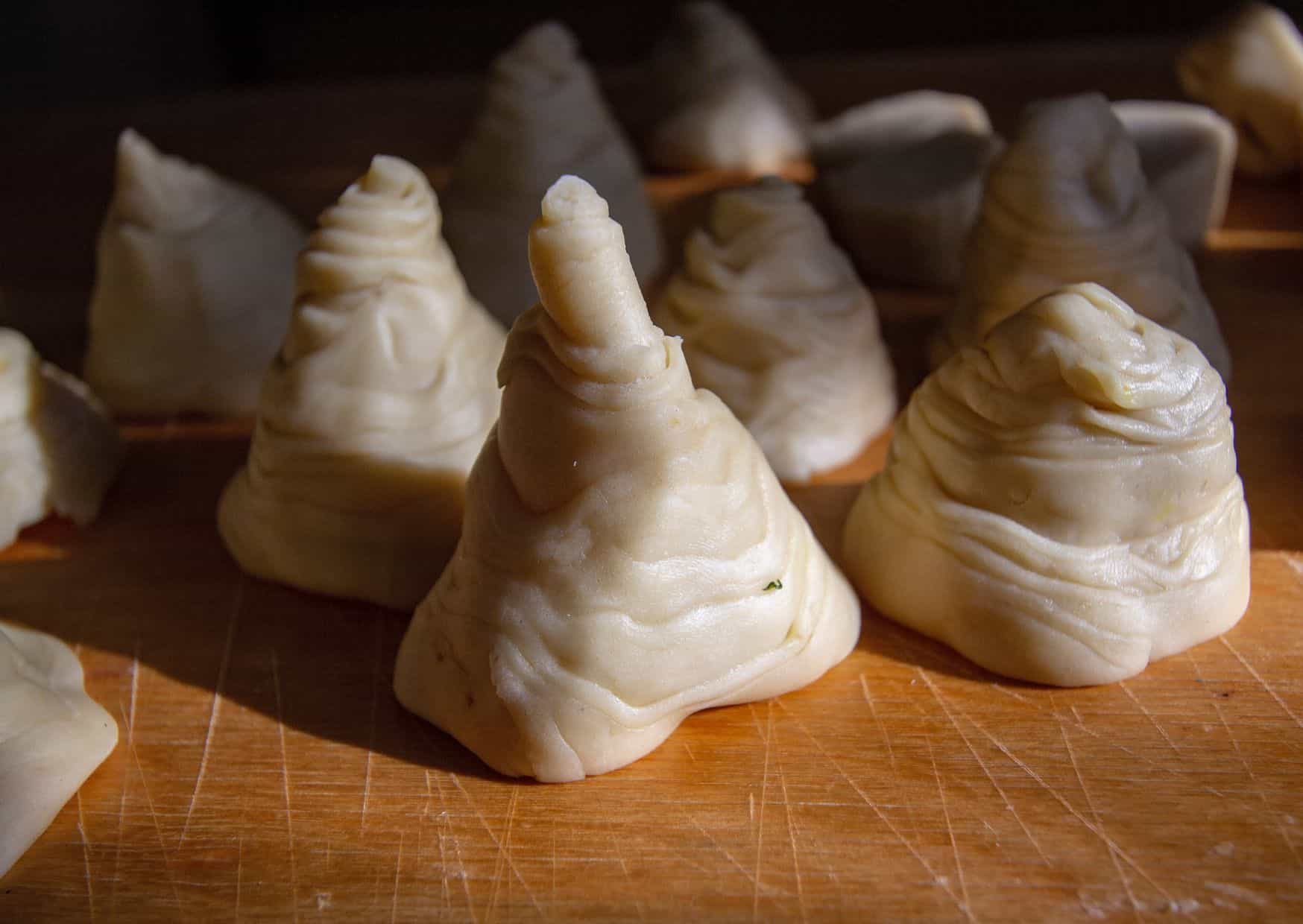
Slice the chilled dough logs into 1-inch thick pieces. Use your fingers to shape each slice into a cone, with the layers of dough fanning out. Spoon the ricotta filling into the center of each cone, then pinch the dough together to seal the pastry.
Bake
Preheat the oven to 400°F (200°C). Place the shaped sfogliatella on a baking sheet lined with parchment paper. Brush each pastry lightly with beaten egg yolk. Bake in the preheated oven for about 20-25 minutes or until golden and crisp.
Serve
Let the sfogliatella cool slightly before serving. They are best enjoyed warm, dusted with powdered sugar.
Tips To Make Sfogliatella
Getting the dough thin enough is crucial; it should be almost translucent. If the dough tears, it’s okay to patch it as you roll it tightly. Ensure the butter is very soft for easy spreading; this helps create the sfogliatella’s characteristic layers.
Make sure to seal the edges well to prevent the filling from leaking out during baking.
How Many Calories Have Sfogliatella
Approximately 250-300 calories each, depending on the size and exact ingredients used.
Origin and History
Sfogliatella is one of the most iconic pastries of Naples, instantly recognizable for its delicate, layered shell and sweet, creamy filling. Its name means “small, thin leaf,” a reference to the pastry’s paper-thin layers that create its signature flaky crunch. This dessert dates back to the 17th century, when nuns in a convent near the Amalfi Coast invented it as a way to use leftover semolina. Over time, the recipe traveled to Naples, where it became a beloved local specialty.
Originally, sfogliatella was made with a mixture of semolina, ricotta cheese, sugar, eggs, and candied citrus, creating a filling that was both rich and fragrant. The dough required precision, patience, and skill to achieve the perfect texture. As Neapolitan bakers perfected the technique, the pastry became a symbol of local craftsmanship and pride.
By the 19th century, sfogliatella had spread beyond Naples, winning hearts across Italy and eventually the world. Despite its fame, true sfogliatella remains a pastry closely tied to its birthplace, where bakeries still use traditional methods to preserve its authenticity.
Sfogliatella may be beloved, but it’s also at the center of passionate debates. One of the most heated discussions is between the two main versions: sfogliatella riccia and sfogliatella frolla. The riccia version features the classic crisp, layered shell, while the frolla has a smooth, cookie-like exterior. Locals often have strong opinions about which is superior.
Another point of contention lies in the filling. Purists insist on the traditional blend of semolina, ricotta, and candied citrus, while modern variations introduce chocolate, Nutella, or other fillings to cater to international tastes. These twists are popular with tourists but sometimes frowned upon by traditionalists.
Even the baking process sparks debate. Some argue that sfogliatella should only be baked fresh and eaten warm to preserve its flaky perfection, while others believe it can be enjoyed after cooling. For Neapolitan bakers, authenticity isn’t just about ingredients—it’s about technique and respect for tradition.
How Long You Take to Prepare
Making sfogliatella from scratch is a labor of love. The process typically takes about three to four hours, including resting time for the dough and preparation of the filling. While it may seem daunting, the result is a pastry that tastes far superior to anything store-bought.
The key lies in creating the delicate, paper-thin layers that give sfogliatella its signature texture. This requires rolling and stretching the dough, then brushing it with fat or butter before carefully shaping it. The filling can be prepared in advance, which helps streamline the process on baking day.
Although time-consuming, the process is straightforward with patience and attention to detail. It’s the kind of baking project that rewards effort with stunning results, making each bite feel like a little piece of Naples.
Serving Suggestions
Sfogliatella is best enjoyed fresh from the oven, when the pastry is at its flakiest and the filling is warm and aromatic. In Naples, it’s often served for breakfast or as a mid-morning treat, paired with a strong espresso or cappuccino. The combination of crisp layers and creamy filling is simple yet decadent.
For a more elegant presentation, sfogliatella can be dusted with powdered sugar just before serving. This subtle touch enhances its delicate appearance without overpowering the flavor. It’s also common to serve it alongside fresh fruit or gelato for a more indulgent dessert experience.
Sfogliatella isn’t just a pastry—it’s a moment of pleasure. Whether served in a bustling café or at home, it carries the warm, familiar flavors of southern Italy with every bite.
Final Thoughts
Sfogliatella represents the soul of Neapolitan baking: meticulous craftsmanship, bold flavor, and a deep respect for tradition. Its flaky layers and rich filling tell a story that began centuries ago in a small convent and grew into a cultural icon.
While it may take time and patience to make, sfogliatella is proof that great desserts don’t need shortcuts. Each layer, each step, adds to the final experience—making it more than just a sweet treat but a true expression of Italian culinary art.
In the end, learning to make sfogliatella isn’t just about mastering a recipe. It’s about embracing the spirit of Naples, honoring its heritage, and sharing that love through every delicate, flaky bite.

About the Author: Ruben, co-founder of Gamintraveler.com since 2014, is a seasoned traveler from Spain who has explored over 100 countries since 2009. Known for his extensive travel adventures across South America, Europe, the US, Australia, New Zealand, Asia, and Africa, Ruben combines his passion for adventurous yet sustainable living with his love for cycling, highlighted by his remarkable 5-month bicycle journey from Spain to Norway. He currently resides in Spain, where he continues sharing his travel experiences with his partner, Rachel, and their son, Han.