
Walk a European river path on a weekday and you see movement dressed like ordinary life. Office trousers with running shoes. A grandmother in a windbreaker, counting benches as intervals. Kids in school PE kits pedaling home. Nobody has a matching set. The gear is simple, the ritual is daily, and the reason is not a photo. It is a route that exists and a price that invites. Cross the Atlantic and the default flips. Beautiful apparel arrives before a habit does. The day is built around a brand, a gym parking lot, and a receipt that promises motivation later. Same bodies. Different maps. One culture builds motion into errands. The other sells motion as an outfit.
What This Headline Really Means

The point is not that Europeans avoid brands or that Americans never move. The point is structural. Europe equips the street first, then lets households layer on gear if they want. America equips the storefront first, then asks households to buy a reason to go. When infrastructure carries the motivation, habits cost less and survive longer. When identity carries the motivation, purchases come first and habits wobble when money or time does.
The difference shows up in small choices. A three-kilometer walk to the tram becomes ten thousand steps without a calendar reminder. A municipal pool with a cap rule and a posted lap hour becomes weekly cardio. A €30 backpack and a free park deliver a family hike. No one needs a matching set to enter. The threshold is a door, not a logo.
The European Map: Motion Designed Into Ordinary Days
European cities that perform well on quality-of-life lists tend to repeat a boring pattern. There is always a safe way to walk. There is usually a way to ride. There is often a way to swim. That sounds poetic until it lands on a calendar.
Side streets are calmed. Pavements connect. Crossings are short and lit. Bus and tram stops are where the feet want them. Cycling lanes are protected or at least legible, and school routes are treated as civic infrastructure, not as weekend projects. Municipal pools publish hours and fees that read like utilities, not small luxuries. Bike share exists, even in second cities. The result is a city that pays you back for moving instead of charging you for trying.
Participation data tells the less romantic version of the same story. Eurostat and EU partners have reported for years that roughly four in ten Europeans exercise at least once a week, and many countries are pushing policy to lift that figure through school sport, active mobility, and local investment. It is not perfection. It is a designed baseline that makes movement thinkable and cheap.
The American Funnel: Motivation Sold As Merchandise
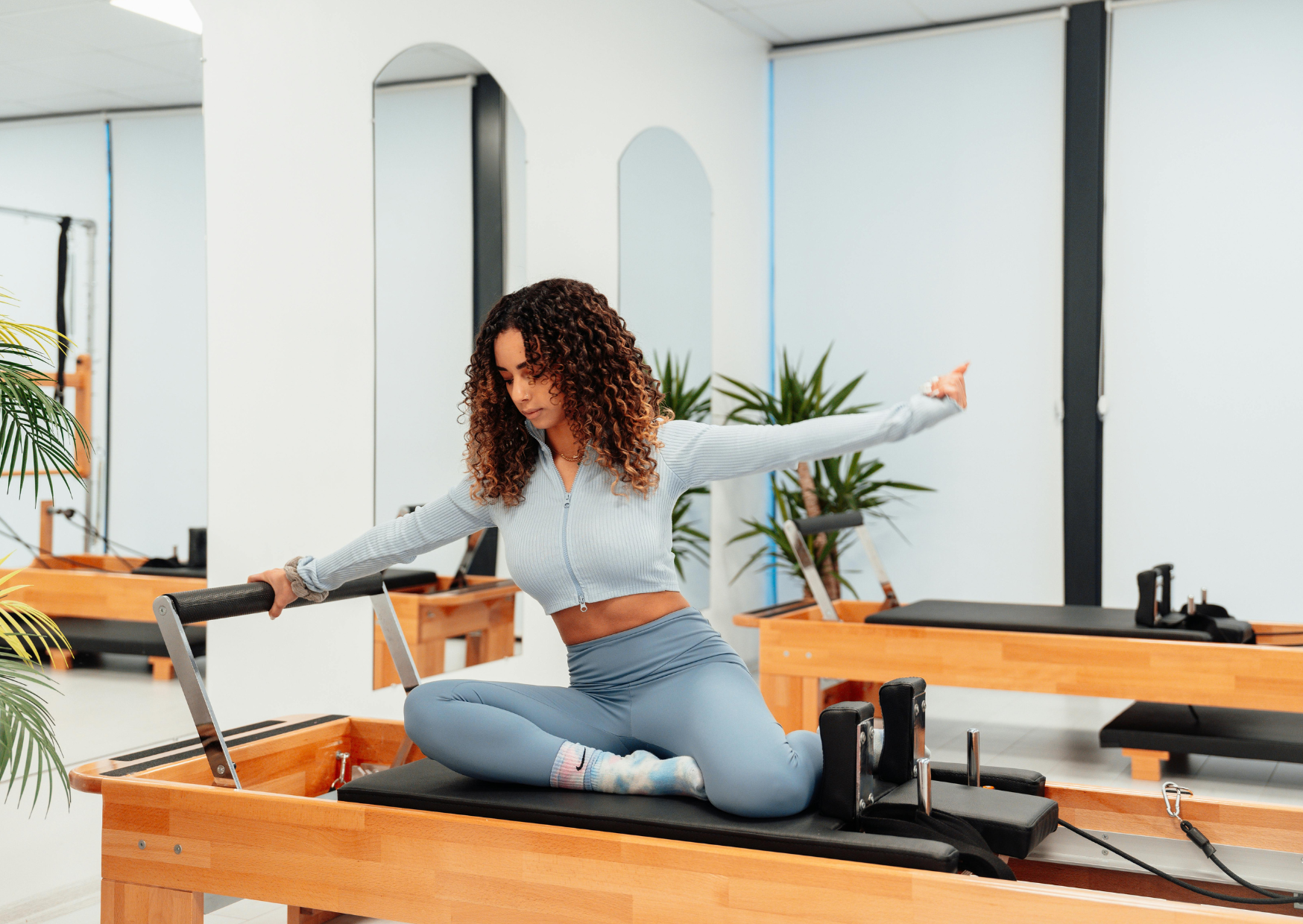
The U.S. is not short of facilities. It is long on friction. Commutes sit far from sidewalks. Errands live in highways and lots. Gyms absorb the need that the street does not meet, and retailers step in to sell a reason to go.
The receipts are not imaginary. The athletic and athleisure markets are enormous. Analysts put the U.S. athleisure segment near $97 billion in 2024, with global sales past the $330–400 billion range and climbing. Prestige labels report record revenue while warning that core American shoppers are fatigued. It is a machine that works even when people move less than they intend. Identity spends when routine fails.
Gym memberships fill the gap between desire and geography. Mid-tier chains list monthly fees that look harmless at $35 to $50, while premium clubs cross $150. Millions of Americans pay, and millions stop going. The model depends on a motivational purchase. Europe’s model depends on a walk to somewhere worth walking.
The Numbers That Matter

Retail tells the same story from another angle. Decathlon and peers dominate European sporting goods by selling competent gear at low prices, then keeping people in motion with repair benches, buyback racks, and in-house brands that fit ordinary use. In market roundups, Decathlon sits as a heavyweight in European sales while prestige apparel captures headlines elsewhere. Europe sells participation. America sells presentation.
Why European Gear Looks “Cheap” And Works Anyway
Spend ten minutes under the fluorescent lights of a big European sports store and you see the plan. House brands everywhere. Prices that invite a first try. Racks organized by use, not by identity. You can outfit a teenager for swimming for the price of one U.S. label hoodie. You can buy a hiking daypack for the cost of lunch. You can repair, resell, or rent. None of it is cynical. It is vertical integration and volume, pushed toward participation instead of aspiration.
The American mall is not a villain. It is a different specification. Beautiful garments live there. Warranties and fabrics can be superb. But the entrance fee is high, and the premium arrives before the habit. When households confuse a high price with a high likelihood of use, closets fill with lightly worn proof of intent. Europe’s low-price baseline reduces regret because trying is affordable and failure is reversible.
Infrastructure Beats Motivation

A protected lane is not a political statement. It is a weekly mileage machine. A municipal lap hour is not a perk. It is cardio with a timetable. A school sports hall at a posted price is not a gesture. It is family logistics solved with a receipt that fits a budget.
European mobility policy leans hard on this idea. Cities publish cycling and walking targets. Regional plans treat bike share, safe crossings, and low-speed streets as health and climate policy at once. The point is not winning a ribbon. It is cutting the number of decisions a person must make to move today. If a route is obvious and cheap, you take it.
Contrast that with a suburban U.S. afternoon. The route is a drive. The schedule is a slot. Motion requires leaving home twice and paying twice. The barrier is not laziness. It is distance as a tax. When distance wins, apps and outfits step in to sell a shortcut to the feeling of being active, which can be pleasant and sometimes useful, but rarely changes a life.
How Americans End Up Spending More To Move Less
Start with the car. Every gym trip is a small commute. Add a membership fee because the sidewalk is not a training ground. Add apparel that makes the trip feel less like a chore. Add a bottle that narrates hydration. Add a smart watch because the route is too dull to be its own reward. None of those purchases are silly. Taken together, they are an admission that the city did not help.
The same pattern holds for kids. Where a European school hands a parent a flyer for a €20 club and a weekly sport at a municipal hall, a U.S. family often stitches together travel teams and private lessons, then buys gear and merch to match. Some children thrive in that structure. Many just need a field, a timetable, and a price that their parents do not argue about at dinner.
A Tale Of Two Saturdays
Picture a family of four on a mild Saturday.
In a European mid-size city, they leave the flat with two daypacks, four refillable bottles, and a €6 football. A tram ride takes ten minutes. A riverside path gives ten kilometers of walking almost without cars. Lunch is fruit and bread from a corner shop. The afternoon stops at a public pool where a posted €3 to €7 entry covers an hour in clear water. They return with the same money they left home with, minus a modest stack of coins. Motion happened because the city asked them to move.
In a typical U.S. suburb, the family drives to a trailhead that faces a busy road. The path is pretty but short. Lunch is a drive-thru because the safe picnic spots are a drive away. The afternoon becomes a mall because the pool is seasonal or membership-only. The day is fine. It is expensive by default and sedentary by structure. None of this is failure. It is a map. If you change the map, you change the day.
The Social Layer: Why Europe Posts After, Not Before
Activity trackers thrive in both places. Strava’s user base is global and growing. Clubs are up, and older cohorts are logging serious miles. The difference is the reliance on posting as purpose. In cities where routes and groups exist, the post is a souvenir. In cities where routes are hostile and groups are scattered, the post becomes the plan. One is an echo. The other is a substitute.
If you feel that difference, you know why a €12 shirt and a working footpath can outproduce a $120 outfit and a parking lot selfie. Visibility is not the enemy, but it is rarely the engine.
Costs Nobody Warns You About When Fitness Is Retail
A retail-first fitness life carries invisible fees.
Clothes that require line drying need more space and time than most apartments offer. Drive time eats the hour you thought you were buying back. Membership pauses become guilt, then apathy. The watch demands upgrades to match a phone. The shoe that promised to fix your cadence wants to be replaced after 500 miles that you never ran. Friction multiplies, and money goes first.
A public-first fitness life has invisible costs too. You need to learn timetables, book early for popular pool slots, and accept weather as you find it. You also need to own fewer things and repair more often. The trade makes sense because the bills are small and the route is free.
If You Live In The U.S., How To Copy Europe Without Moving
You cannot rebuild a city, but you can rebuild your day.
Start with a route that solves something. Choose a grocery, park, library, or café within a twenty to thirty minute walk and make it your default. Errands become training when the destination is real.
Shift two car trips a week to walking or public transport. Do not aim for ten thousand steps. Aim for two relocations by foot that you would have driven. The steps will follow.
Replace one gym visit with a municipal option. Many U.S. cities maintain pools, rinks, or rec centers with posted, low fees. The water is chlorine either way. The difference is the price and the calendar.
Keep gear boring and specific. One pair of shoes you like, one jacket that stops wind, one pack that carries water, one bottle that seals. If a purchase does not force more movement this week, it is décor.
Find one public group that meets on a timetable. A community walk, a lap hour, a park run. Habit is social even if you never say hello. Other bodies create gravity.
These moves are small and unsexy. They are also cheap and repeatable, which is what habits require.
The European Upgrade Path, If You Are Already Here
If you live in Europe and you are still not moving, the fix is usually logistics, not motivation.
Map your three nearest safe routes at the time you will use them. Morning footpaths and night footpaths are different. Choose one and stop searching for a better one.
Pick a municipal pool that you can reach in fifteen minutes and accept its rules. Caps exist to keep water clean and entry prices low. The goal is a lane, not a look.
Use a €30 backpack rule for any new sport. If you cannot cover the basics with thirty euros or less, you are shopping at the wrong store or for the wrong reason. Save upgrades for month three, when you have proof of use.
Leave your watch at home once a week. Pace is a feeling you can relearn. When you come back to data, it will mean something.
You do not need a sweeping resolution. You need a small route and a small price that repeat.
What Changes When You Switch From Outfit To Route

Dinner moves earlier because you are already near a market on the way home. Sleep lands because your legs did work and the phone did not get to referee. Kids stop arguing about screens because they ran, swam, or pedaled. Your closet becomes quieter. Your calendar becomes simpler. Your bank account stops performing your personality and starts reflecting your week.
This is the quiet European secret. Exercise is not a performance. It is a commute to a better mood. The commute is short because the city allows it. The gear is cheap because the activity is not a costume. The photo happens after because the reason to move was never the photo.
The Takeaway For Brands And Cities

Households do not owe brands an identity. Cities do owe households a route. If you build pavements, crossings, lanes, parks, and pools that are easy to use at ordinary prices, people will use them in clothes they already own. Retailers will still sell shoes and shorts, but the baseline will be boring gear that gets dirty, not statement pieces that look active on a couch.
When you shift the baseline, a funny thing happens. People still buy beautiful things. They just use them more, and they buy them later, after the habit is installed. That is a healthier economy for everyone involved.
A Closing Picture To Keep
Imagine two photos. In the first, a person in a flawless outfit stands by a treadmill, lit perfectly, captioned with a promise. In the second, a person in a plain jacket is slightly out of breath on a wind-bright footbridge, holding a loaf of bread and a bottle of water, captioned with nothing. Only one of these photos predicts next week.
Choose the bridge.

About the Author: Ruben, co-founder of Gamintraveler.com since 2014, is a seasoned traveler from Spain who has explored over 100 countries since 2009. Known for his extensive travel adventures across South America, Europe, the US, Australia, New Zealand, Asia, and Africa, Ruben combines his passion for adventurous yet sustainable living with his love for cycling, highlighted by his remarkable 5-month bicycle journey from Spain to Norway. He currently resides in Spain, where he continues sharing his travel experiences with his partner, Rachel, and their son, Han.