
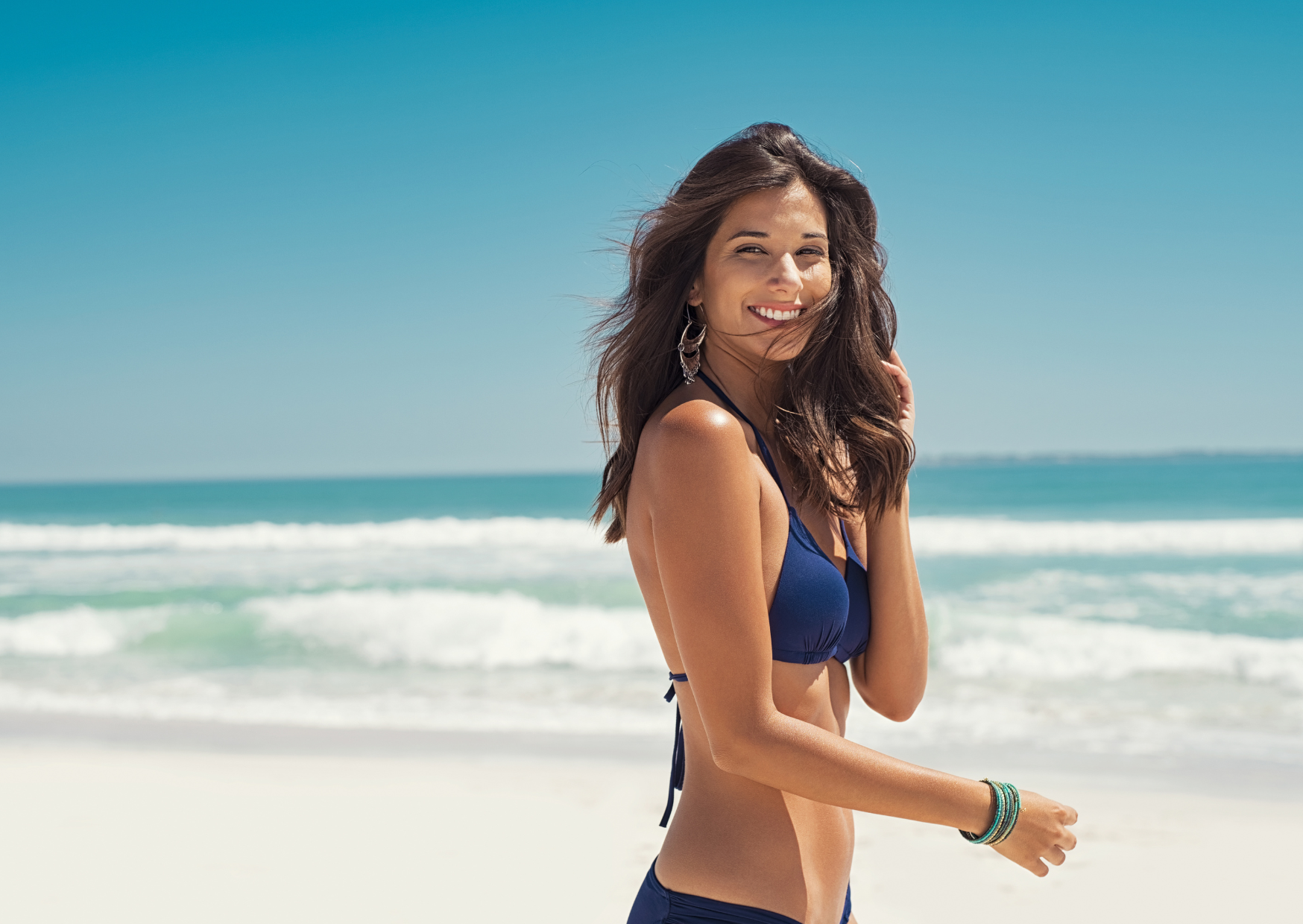
On most Mediterranean promenades, the beach shop is a cube of shade with zinc buckets of €10 flip-flops and a stand of €6 pareos fluttering in the breeze. A rack of UV shirts sits between buckets and kites. Nobody is guarding a wall of gauze robes with designer hangtags. People arrive in swimsuits, swim, dry, and go for coffee. The ritual is simple, the gear is cheap, and the water is the point.
What You Think You Need Versus What The Beach Actually Demands
American resort retail trains you to pack a second outfit for the walk from umbrella to café. Europe’s default is a swimsuit and a towel, with an optional €6 cotton pareo that doubles as shade, tablecloth, and shawl. There is no performance of “resort wear” between dunes and boardwalk because the boardwalk is an extension of the beach, not a mall.
The upshot is cultural and structural. Public beaches dominate, kiosks lease limited space, and shelves are for essentials that move: sunscreen, water, hats, buckets, and cheap towels. If a cover-up appears, it is a pareo or a toweling poncho from a sporting-goods brand, not a $200 chiffon badge of admission. Decathlon lists UPF 50 swim shirts at €7.99 to €14.99, rash-guard leggings near €11.90, and basic hooded towel ponchos in the €30 to €40 band. That is the price layer you see in the sand.
The intent is different. U.S. beach boutiques monetize transitions: hotel lobby to pool, pool to bar, bar back to lobby. European concessions monetize use: shade, chairs, a drink, reapplication, a toy. One sells an identity. The other sells a day.
Why Shops Stock Sunscreen And Rash Guards Instead Of Silk
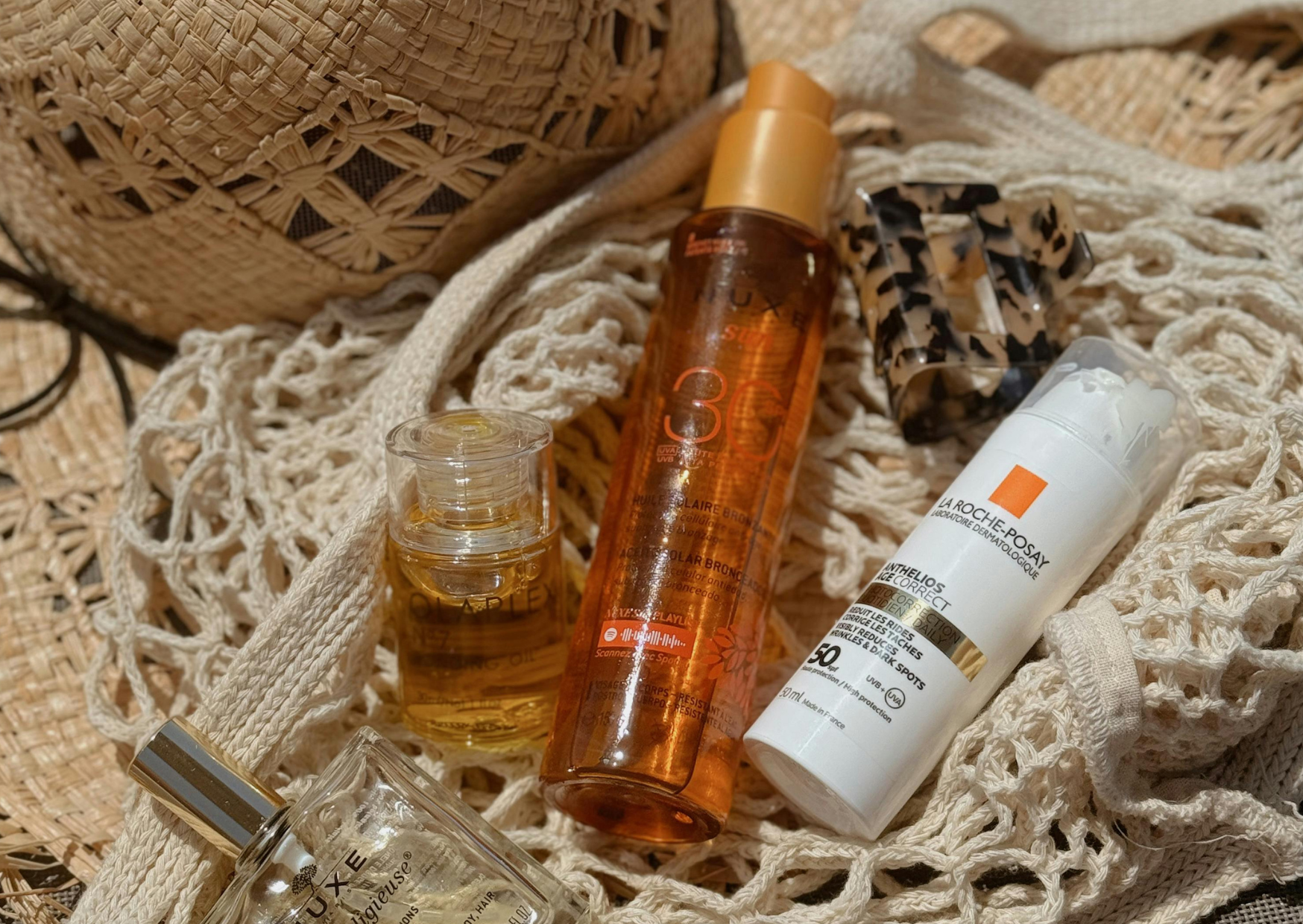
On European coasts, sun protection is a utility, not a fashion story. That shows up in ingredient labels as well as price tags.
European shelves carry modern UVA filters such as Tinosorb S, Tinosorb M, and Mexoryl SX/XL, which remain unapproved in the United States. American products can be excellent, but FDA approvals lag for several filters that are common in the EU. Universities, hospitals, and watchdog groups all explain the gap in similar terms: EU frameworks let new filters reach consumers faster, and many European formulas offer broader, photostable UVA coverage out of the box. That technical edge turns sunscreen into a boring commodity you buy like toothpaste, not a boutique up-sell that needs a matching robe.
A practical detail finishes the picture. When a €9.99 UPF shirt blocks the sun better than a gauze wrap, people choose the shirt. The result is racks of rash guards and UV tees instead of silk cover-ups. Function wins, and the receipt shrinks.
You Are Not In A Hotel Mall: The Kiosk Economy Explained
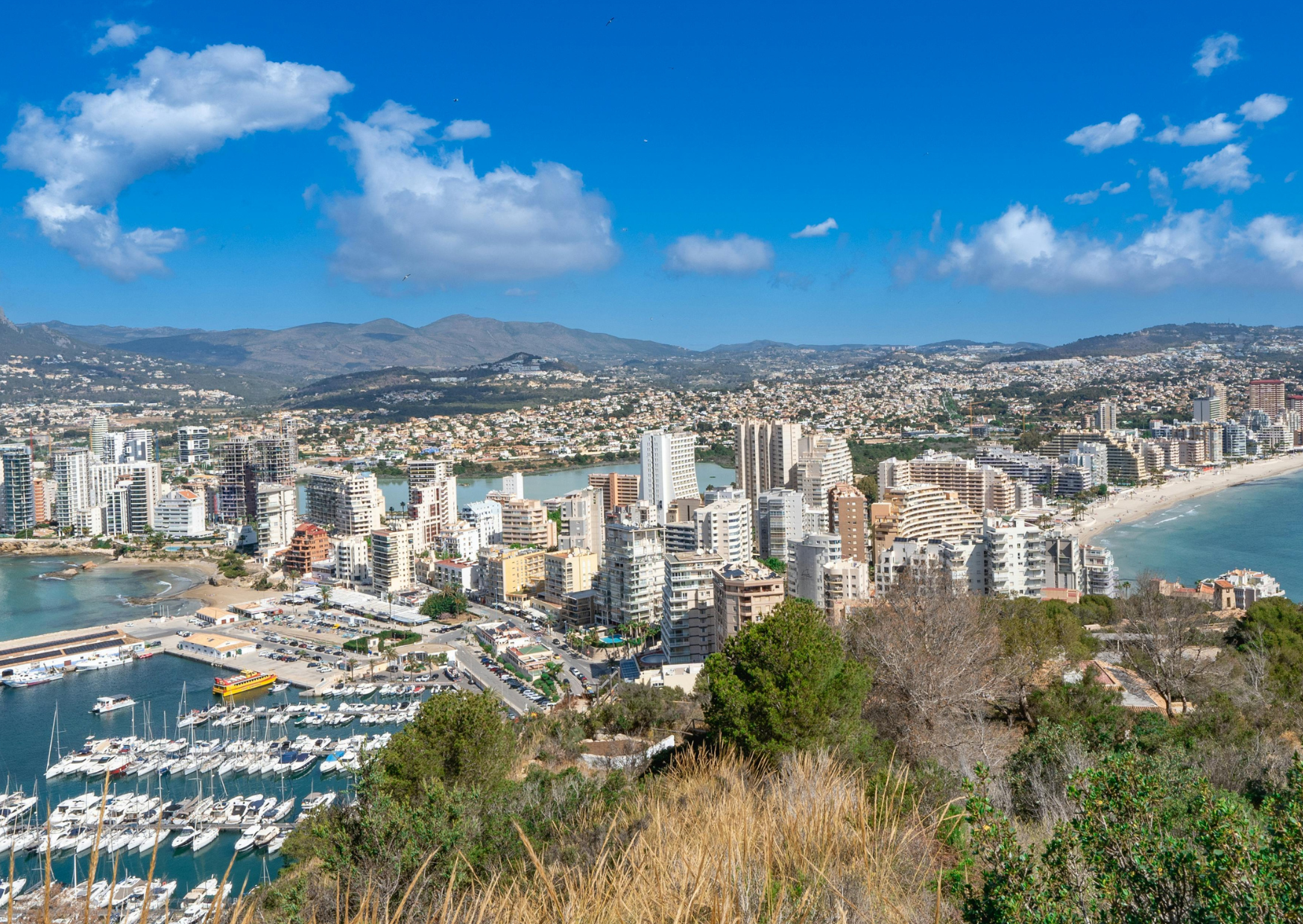
European beachfront stands work under municipal concessions. Shelf meters are rationed, and operators pay rent to the city or town. The math rewards fast-turn, low-margin goods that every second person will need.
What you actually see at most kiosks:
- Sunscreen and lip balm in familiar brands, plus local pharmacy lines.
- Hats, €10 flip-flops, €6 to €12 pareos, and €8 to €15 beach toys.
- UPF shirts and toweling ponchos from sporting-goods chains, not couture labels.
What you rarely see: a curated wall of $200 “cover-ups.” Those belong to resort boutiques where rent is paid by margin, not volume. Most European sand touches public space, not a private lobby, so the boutique layer thins out the moment you leave the hotel footprint.
The Price Of Comfort Lives In The Umbrella, Not The Outfit
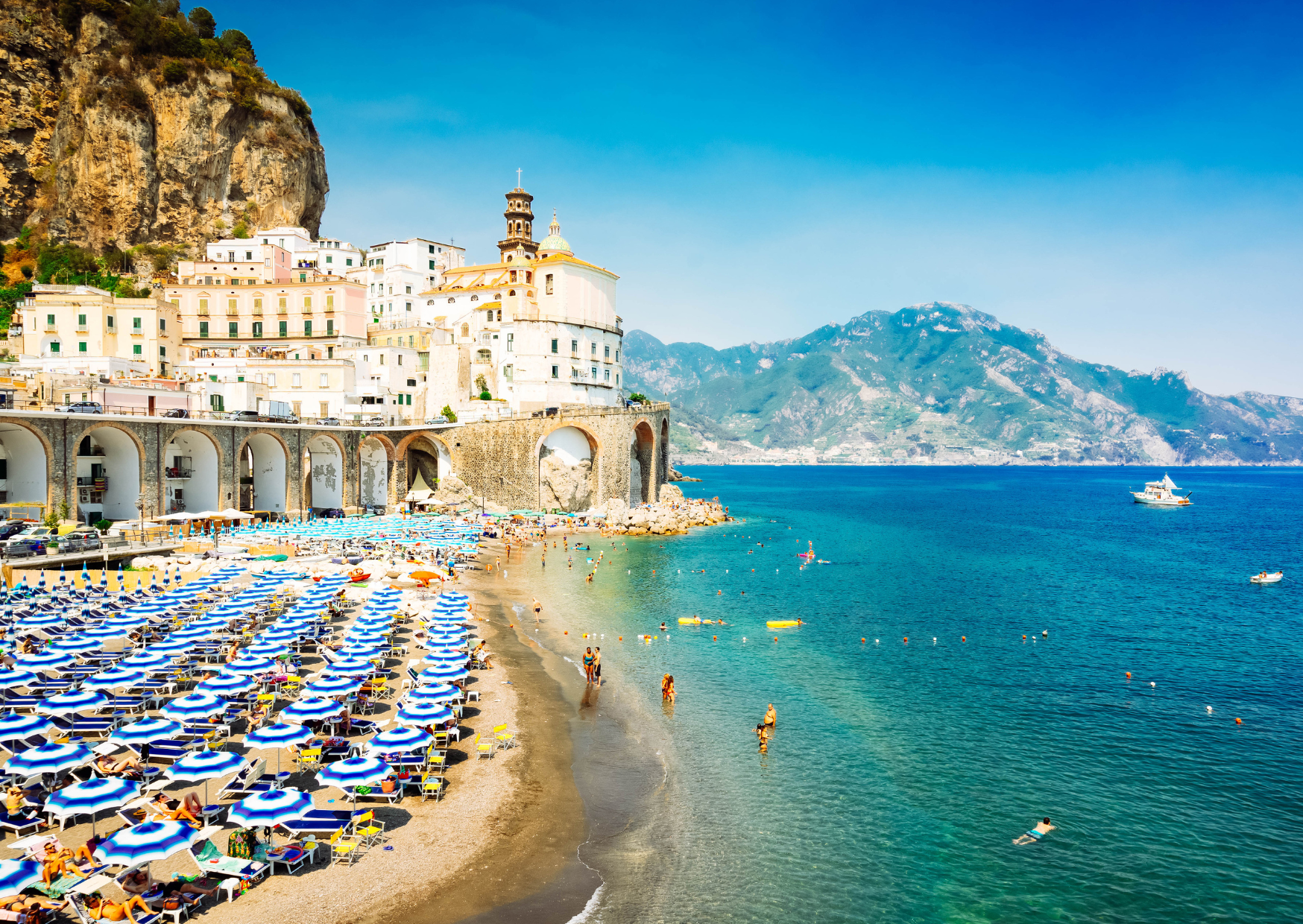
If you want to spend money at a European beach, you rent comfort, not clothing. Concessions charge for shade and chairs, and the range is public and posted.
Examples tell the story:
- Italy’s prices swing with status and front-row distance. Rimini or Viareggio may run €20 to €40 for an umbrella and two beds, while Amalfi, Positano, or Forte dei Marmi jump to €70 to €100+ for the same setup. Family resorts publish weekly packages for €70 to €90, with premium rows higher. Local lidos list line-by-line prices for beds, umbrellas, and day entry.
- Spain’s municipal audit this summer found hamacas and parasols that vary fourfold by region, with an average daily line near €5.50 per unit and luxury chiringuitos packing services into high tickets on select islands. Even so, long public stretches remain free, with optional rentals at €12 to €15 for a set in many towns.
- Portugal’s Algarve lists €10 per sunbed per day at ordinary town beaches, with resorts offering premium setups for guests.
The money is in the square meters of shade, the position relative to the water, and service add-ons, not in a chiffon layer between you and the sky. You can spend big, but you are spending on place, not presentation.
Public First: How Law And Layout Shrink The Upsell
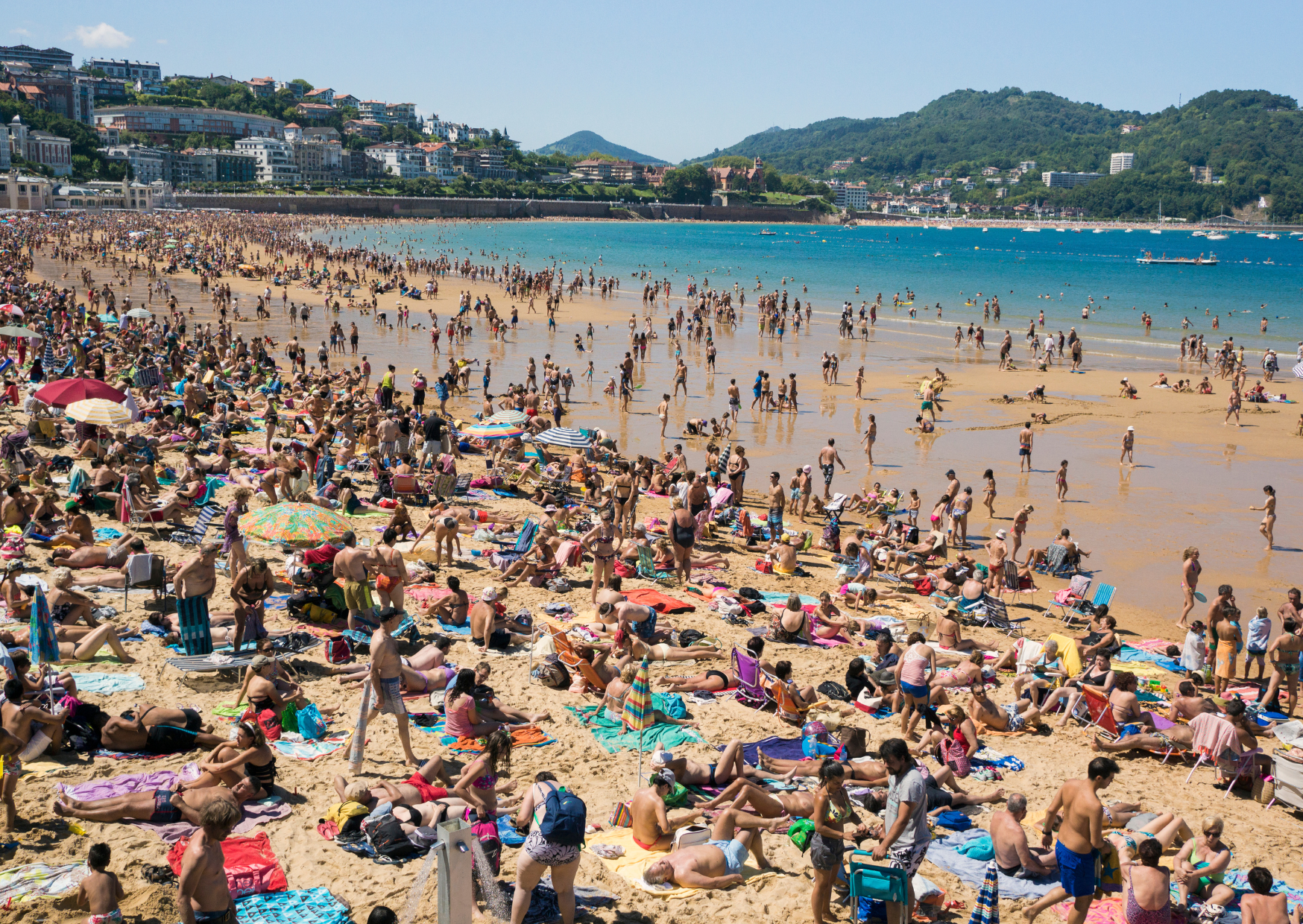
Europe’s coasts are designed, on purpose, to remain public. Spain’s Ley de Costas is explicit that beaches sit within maritime-terrestrial public domain, with private ownership restricted away from the shore. The principle repeats across the EU in different legal languages. The sand is for everyone, and access is a right to protect, not a perk to sell.
That design choice starves the luxury funnel. When the walk from tram stop to towel passes only a kiosk, a lifeguard post, and a café with plastic chairs, there is no corridor of boutiques to persuade you that your swimsuit needs a costume change. You come dressed for water because water is twenty steps away. The city does not force you to cross a mall to reach the sea.
Even enforcement points to use over show. Popular Spanish towns have ticketed people €250 for reserving space with unattended towels and chairs at dawn. The goal is rotation and cleaning, not staged aesthetics. Turnover beats theater because the beach is for the next family too.
The American Cover-Up Is A Story About Hallways
U.S. beach shopping tells a different story because the hallway is private. You leave a room, pass an atrium, cross a lobby, and step into a pool deck that belongs to a hotel, club, or condo. Staff and signs suggest a dress code without naming one. A $200 cover-up becomes a uniform for moving through private space, not a tool for sand.
Boutiques cluster where capture is high: between elevator and pool, between pool and restaurant. Prices reach because rent is embedded in every hanger, and because cover-ups are easy margin. Gauze is cheap to make, stunning on a mannequin, and effortless to size. You are not buying fabric. You are buying permission to exist in a corridor without feeling out of place.
European beaches dodge that corridor. Permission is free when the path is public.
What People Actually Wear Between Towel And Terrace
The silhouette is not a secret. Men throw on a T-shirt or UV top over trunks. Women knot a pareo, pull on a T-shirt dress, or shrug into a toweling poncho to dry, warm up, and walk for ice cream. Children live in rash guards and UPF tees because parents do not want to chase reapplication every hour. You will see sundresses and linen too, but they are clothes you already own, not a specialized “cover-up” category with a resort premium.
The important bit is function. A UV shirt at €7.99 to €14.99 blocks radiation better than gauze. A pareo becomes shade, towel, and skirt. A €35 toweling poncho dries you, blocks wind, and solves the café problem in one piece. The price ladder climbs only if you want it to, and it rarely climbs because the public routine does not ask it to.
The Quiet Role Of VAT, Margins, And Space
It is tempting to blame taxes for price differences. The EU’s VAT sits between 17 percent and 27 percent in most countries, with Spain at 21 percent. If VAT were the story, beach retail would be more expensive, not less. The real levers are margins and space. Public concessions have small footprints and little appetite for dead inventory. They cannot afford a rack of garments that will not move. Resort boutiques charge what they do because their shoppers are captive and the rent is high.
Short version: Europe taxes, yet sells cheaper beach gear because the shelves are disciplined by space and purpose. The U.S. taxes less, yet sells $200 cover-ups, because the sales funnel is designed for margin, not throughput.
A Day On Sand, Priced
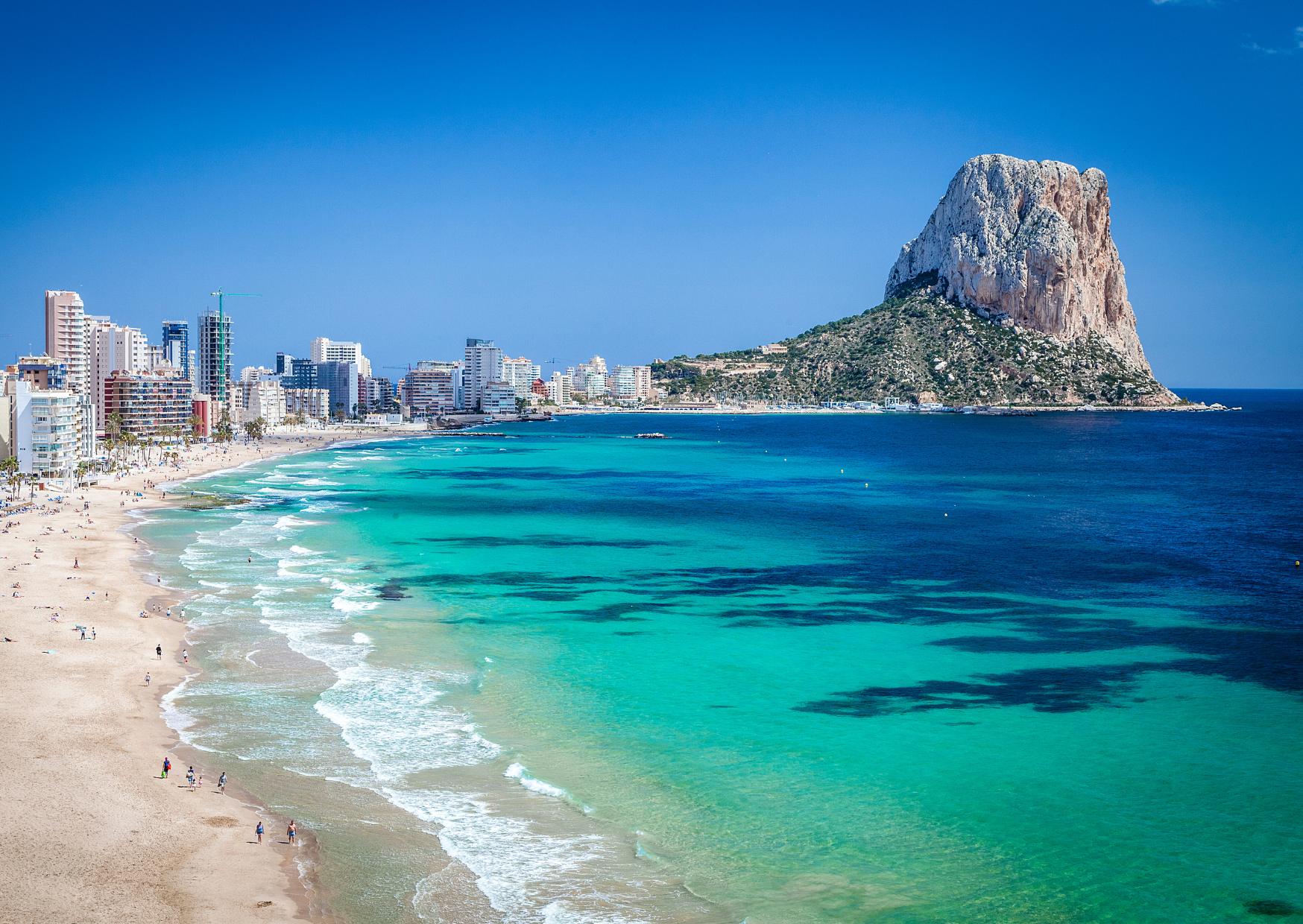
Put receipts next to each other and the contrast stops being a vibe.
A family of three in a Spanish or Portuguese town rents two sunbeds and an umbrella for €12 to €30, depending on the coast and row, or nothing at all on a free section. They add €15 worth of sunscreen and water at the kiosk and €6 for a new shovel. A parent buys a €9.99 UV top because the afternoon is windier than expected. They walk to the promenade in towels and T-shirts, sit down, and order coffee. No costume change, no boutique toll.
A similar U.S. day at a resort can be lovely, but the receipts migrate. The family rents a cabana, buys branded sunscreen at lobby prices, and detours into a boutique because the walk to lunch passes twelve mannequins. A gauze cover-up tags along at $180 to $240 because it solves the unspoken hallway question, then lives the rest of its life in a closet two thousand miles from the ocean.
Both days end with sunsets. Only one day ends with a smaller Visa bill.
The Health Angle People Miss
Beach air is generous, but summer sun is not. The simplest European habit pays dividends: cover skin with fabric that blocks UV, then use sunscreen to fill gaps. That order of operations is efficient and cheap.
Medical and consumer sources keep repeating that many European sunscreens carry newer filters that stabilize UVA protection in a way U.S. shelves still struggle to match. That does not make every European bottle superior, but it raises the floor, and the floor decides how calmly families behave at noon. When a €9.99 shirt and a broad-spectrum formula do the heavy lifting, there is no justification for a $200 layer of gauze that blocks neither sun nor wind.
This is why European beaches look like they do. Function first, then a simple café dress when the day is done.
What You Should Pack Instead Of A $200 Cover-Up
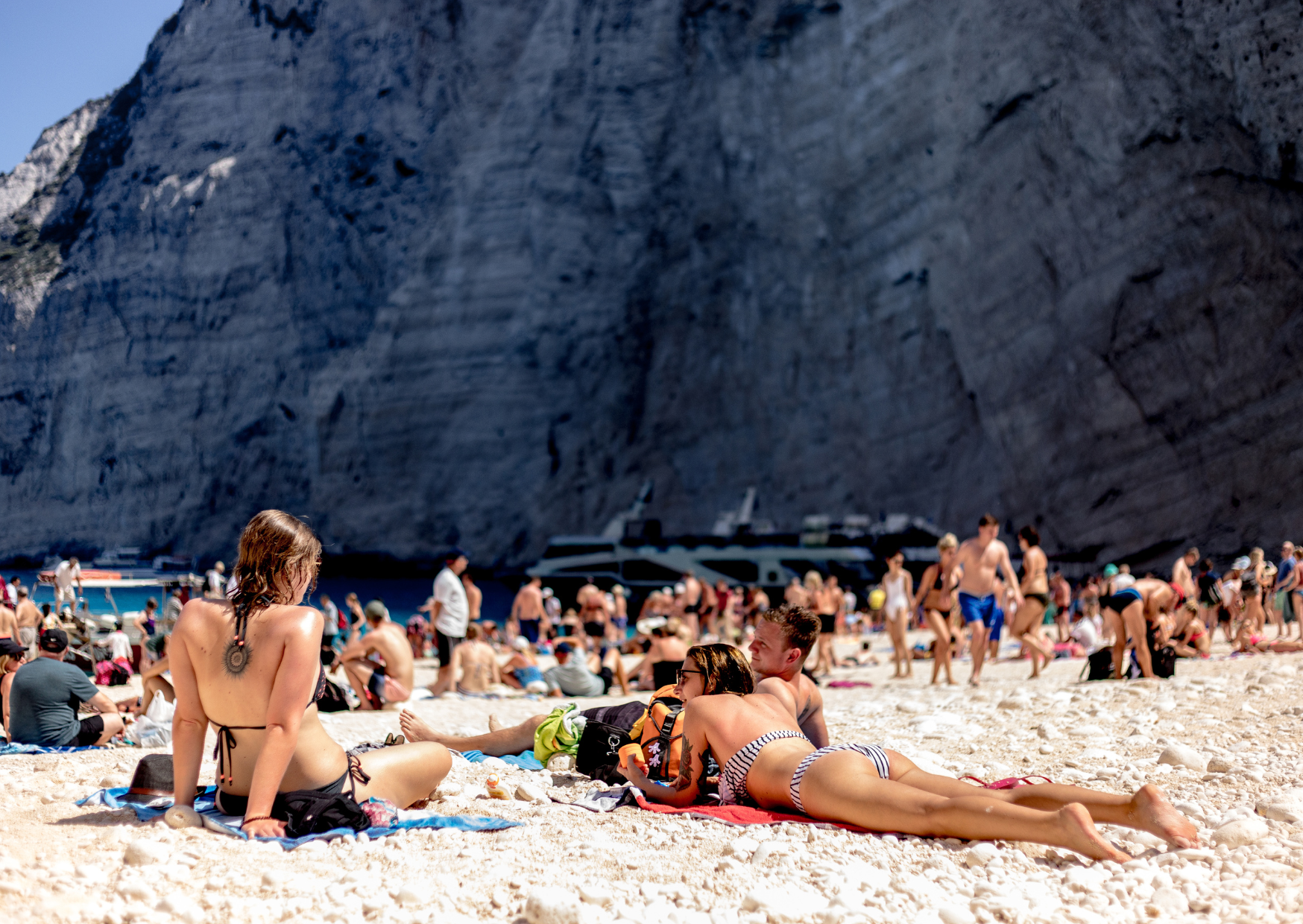
A minimalist list gets you through a week anywhere from the Algarve to the Adriatic without visiting a boutique.
- UPF 50 shirt per person, fast-dry, sized to move.
- Pareo that serves as wrap, shade, towel, and tablecloth.
- Toweling poncho for the one who runs cold or changes on the sand.
- Broad-spectrum sunscreen bought locally if you want EU filters, or bring your trusted formula if it already works for you.
Everything else is a kiosk away at prices that read like groceries, not souvenirs.
The Real Reason Americans Think They “Need” Cover-Ups
You learned a choreography: hotel hallway, lobby, elevator, pool desk, bar. That choreography lives in private space and nudges you to dress for passage. A gauze robe answers the nudge. Once you are on public sand with the same people you were shoulder-to-shoulder with on a tram, the nudge disappears. There is no audience and no threshold to impress.
When the path from towel to terrace is thirty public meters, the dress code is towel plus sandals. When it is five private spaces, the dress code becomes something to buy. That is the whole mystery.
If You Still Love A Cover-Up, Buy It On Purpose
This is not an argument against pleasure. If a pretty robe makes you happy, keep it and use it as a café layer at sunset. Just do not confuse a beautiful want with a structural need. The European beach does not require the robe to let you sit down, and it certainly does not require a $200 version to recognize you as a guest. The sea is free. The chair is rented. The coffee is hot. The rest is costume.
A Small Etiquette Note That Saves Money
European towns treat beaches as extensions of the city. That means posted rules matter, and they aim to keep public space usable. Do not reserve space at dawn with unattended gear. In some Spanish towns, that habit triggers €250 fines. When in doubt, read the board by the lifeguard flag and copy what locals do. You save money by following the simplest script in sight.
The Quiet Ending
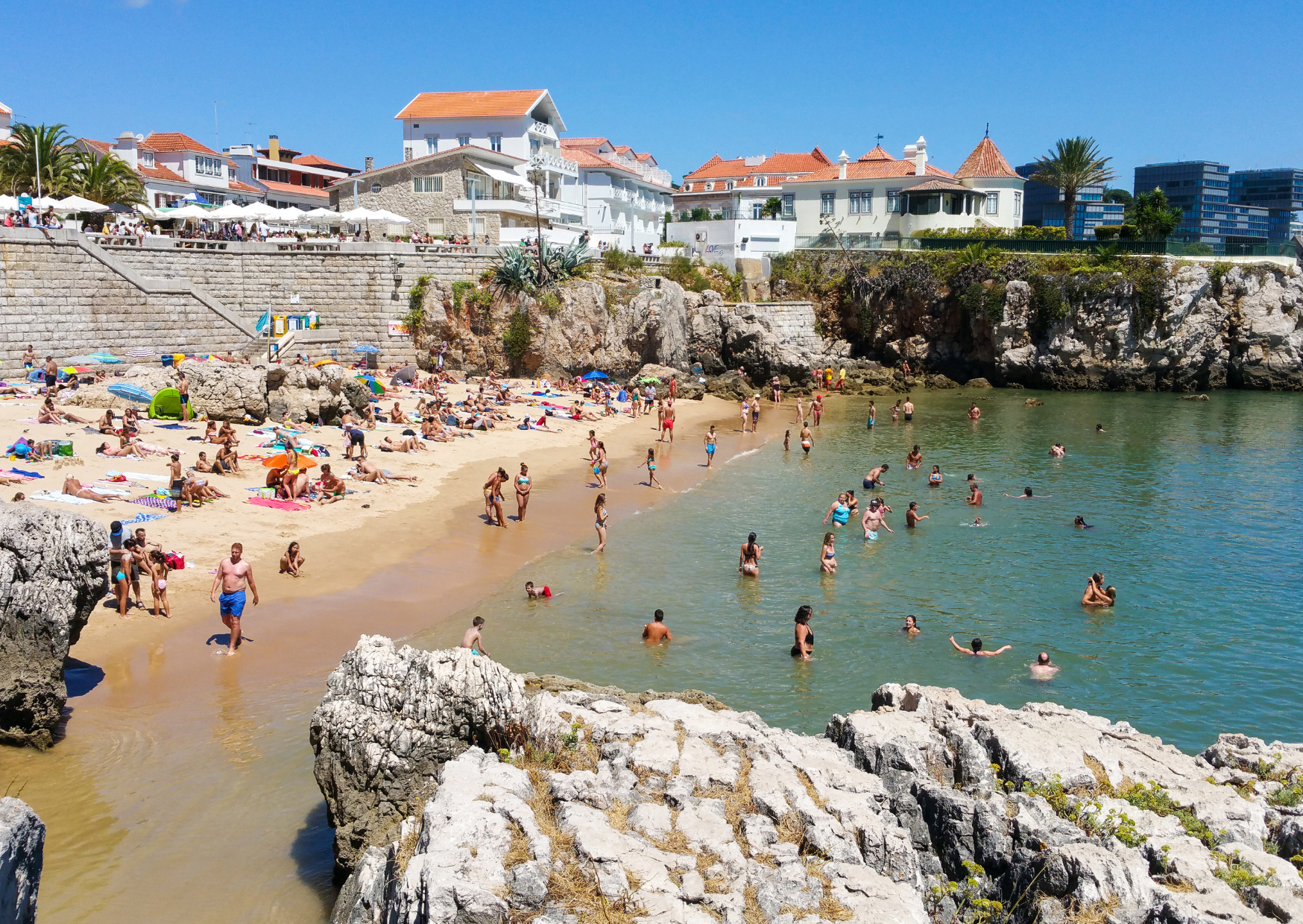
The point of a beach is salt on skin, a nap under shade, and cold fruit on a bench that faces blue. The European version leaves the wallet alone because nobody is selling you a hallway solution. Buy a shirt that blocks sun. Tie a pareo. Rent a chair if you want one. Swim. Read. Walk to coffee. If a robe appears later, let it be a souvenir you chose, not a rule you obeyed.
When your suitcase comes home lighter and your card statement arrives shorter, you will understand why the shops by the sand sell what people use, not what corridors demand.

About the Author: Ruben, co-founder of Gamintraveler.com since 2014, is a seasoned traveler from Spain who has explored over 100 countries since 2009. Known for his extensive travel adventures across South America, Europe, the US, Australia, New Zealand, Asia, and Africa, Ruben combines his passion for adventurous yet sustainable living with his love for cycling, highlighted by his remarkable 5-month bicycle journey from Spain to Norway. He currently resides in Spain, where he continues sharing his travel experiences with his partner, Rachel, and their son, Han.