

At the entrance there is a small ritual that feels theatrical the first time and ordinary the second. Shoes stop at the line. A quick shower with soap. A cap pulled on. Suits must be fitted, not streetwear that moonlights as swimwear. The desk is calm, the water is clear, and the bill at the register is small. What looks like fussy etiquette is an operating model. It keeps pools clean, open, and cheap.
What The Rule Actually Is
French public pools ask swimmers to wear fitted swimwear and often a swim cap, with a brief pre-swim wash. Street clothes, cotton T-shirts, and baggy shorts are turned away. The signage is plain and the enforcement is polite but real. If your shorts look like something you could wear to a café, they will not pass the gate.
The rule is not about fashion. It is about inputs to the water. Fabric that has lived a day outdoors carries grit, fibers, sunscreen, and detergent residues. Loose garments shed more and trap more. Caps reduce hair in drains and skimmers. A quick shower before entry removes the thin film of daily life that would otherwise end up in the pool.
Two consequences follow immediately. Less contamination means less chemical load, and filters do not clog as quickly. That alone keeps doors open more hours each week and entry prices lower than many Americans expect.
Why It Exists: Hygiene First, Operations Always
Ask a French attendant why baggy shorts are rejected and you will hear a straightforward answer. Hygiene. Board shorts are streetwear. They touch benches, sidewalks, grass, and bus seats. A fitted suit, by custom and design, is reserved for swimming, so it arrives clean. Pool operators also cite filtration. Fibers, hair, and fabric dye stress filters and force backwashing, which dumps treated water down a drain and pulls new water that must be heated and balanced again. That cycle costs money.
You will see the same logic in cap rules. Some pools make caps optional. Many do not. The driver used to be hygiene and a quieter hair load in filters. In recent years, operators have added a second reason. Energy. Caps reduce hair in the system, which reduces the frequency of backwashing. Each avoided backwash saves heated water, chemicals, and staff time. Multiply that by thousands of bathers across a summer and the savings reach the ledger.
This is how a “rule” becomes a cost strategy. Less debris means fewer closures and calmer dosing. Good water at lower cost is the outcome, not a philosophy.
What You Pay At The Gate

Municipal pools in France routinely post single-entry prices in the €3 to €7 range for adults, with reduced rates for children and students. Examples are easy to find. Tourist offices and town sites list adult entries at €2.50 to €7, with family passes priced to invite, not exclude.
American pricing is a patchwork. Some outdoor pools are free in summer in specific cities, especially where they are funded as heat relief. Others charge $5 to $10 per adult for a single visit, with season passes and memberships layered on top. A quick lap through municipal pages shows $5 to $9 daily adult admissions in Austin, $7.50 to $8 in Seattle, membership-only access for many indoor NYC pools at $150 per adult per year, and small-city day rates around $5. None of these prices are surprising, but the pattern matters: France’s baseline is low and consistent, while U.S. pricing swings wide by city and season.
The French rule stack helps explain why a ticket can stay cheap without the water turning murky. Cleaner inputs, fewer shutdowns, steadier chemicals. Accounting follows biology.
The Money Math Behind Clean Water

Here is where the ritual pays off.
Lower chemical demand.
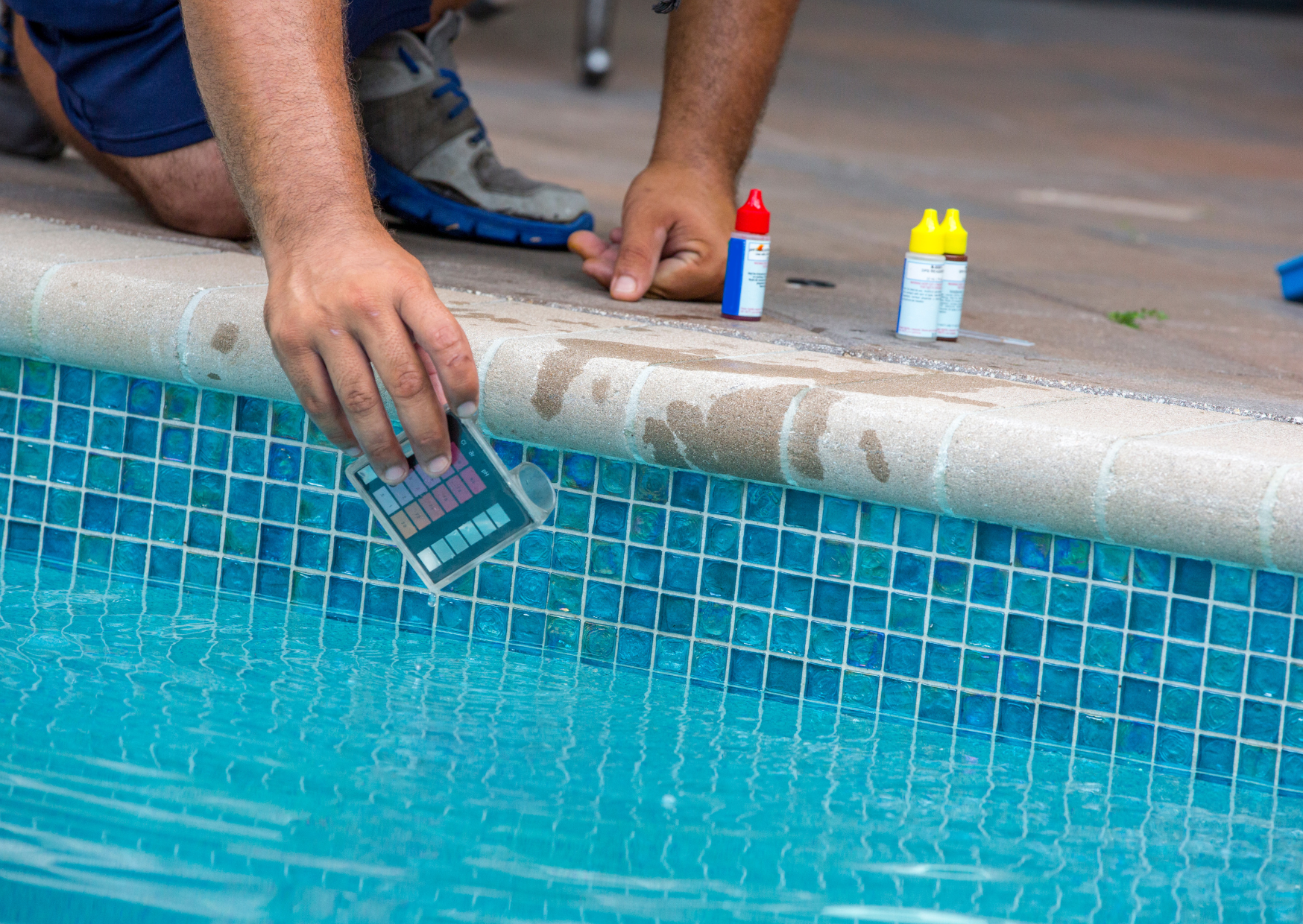
Pre-swim showers remove lotions and residues that would react with disinfectant. Fewer foreign inputs mean fewer chloramine issues, fewer complaints about “that pool smell,” and smaller chemical orders over a season. Caps and fitted suits reduce hair and fibers that trap grime. Water stays simpler, so dosing stays lighter.
Fewer backwashes.
When filters clog, pools must backwash and dump part of the system. That is heated, treated water going to waste, followed by fresh water that must be warmed and balanced. Caps and fitted suits reduce the junk that forces that cycle. Each prevented backwash saves water, heat, chemicals, and time. Operators in France explicitly cite this when making caps obligatory, alongside hygiene.
Fewer closures.
Every preventable shutdown is more than an inconvenience. Staffing is still paid. Patrons turn away. Refunds must be processed. A clear rule at the door keeps more hours open, which stabilizes revenue and spreads fixed costs across more admissions.
Staffing where it matters.
If lifeguards and attendants spend less of the day mediating clothing debates or dealing with cloudy water and complaints, they spend more time on safety and flow. That is not only calmer, it is cheaper to run. Calm operations are efficient operations.
Put differently, the French pool rule is a cost control in disguise. It looks cultural from the outside. It reads as budgeting from the inside.
What It Feels Like At The Door

You arrive. Shoes stop at the line. A posted card shows the simple sequence: shower, cap if required, fitted suit. Some pools sell caps at the desk for a few euros. Others have vending machines with caps and coin lockers near the turnstile. Attendants check quickly and move the line. The water smells like water, not a bottle of cleaner.
For newcomers, caps are the strangest part. They are not universal throughout France, but they are common and growing. Post-pandemic energy pressures accelerated the trend. When an operator tells you caps are now required, consider what they are really saying. We would like to keep the doors open, the pool warm, and the price low. The cap is the cheapest tool in the room to help that happen.
The U.S. Counterpoint
Many U.S. municipal pools already require proper swim attire and pre-swim showers. The difference is degree and enforcement. Notices often say no denim or cotton and no streetwear in the water. Yet board shorts are widely tolerated if they are marketed as swim trunks. Caps are encouraged but rarely mandatory, and showers are often aspirational. The result is water that fights a tougher job each day. Admissions are not outrageous, but closures, chemical spikes, and seasonal staffing disruptions keep costs noisy.
There are standout U.S. exceptions. Some cities make summer outdoor pools free as a public good. Others subsidize lessons. The point is not that America cannot run good pools. It is that the median experience leaves savings on the table, because the rule stack is softer and the inputs are messier.
The Rule, As Design
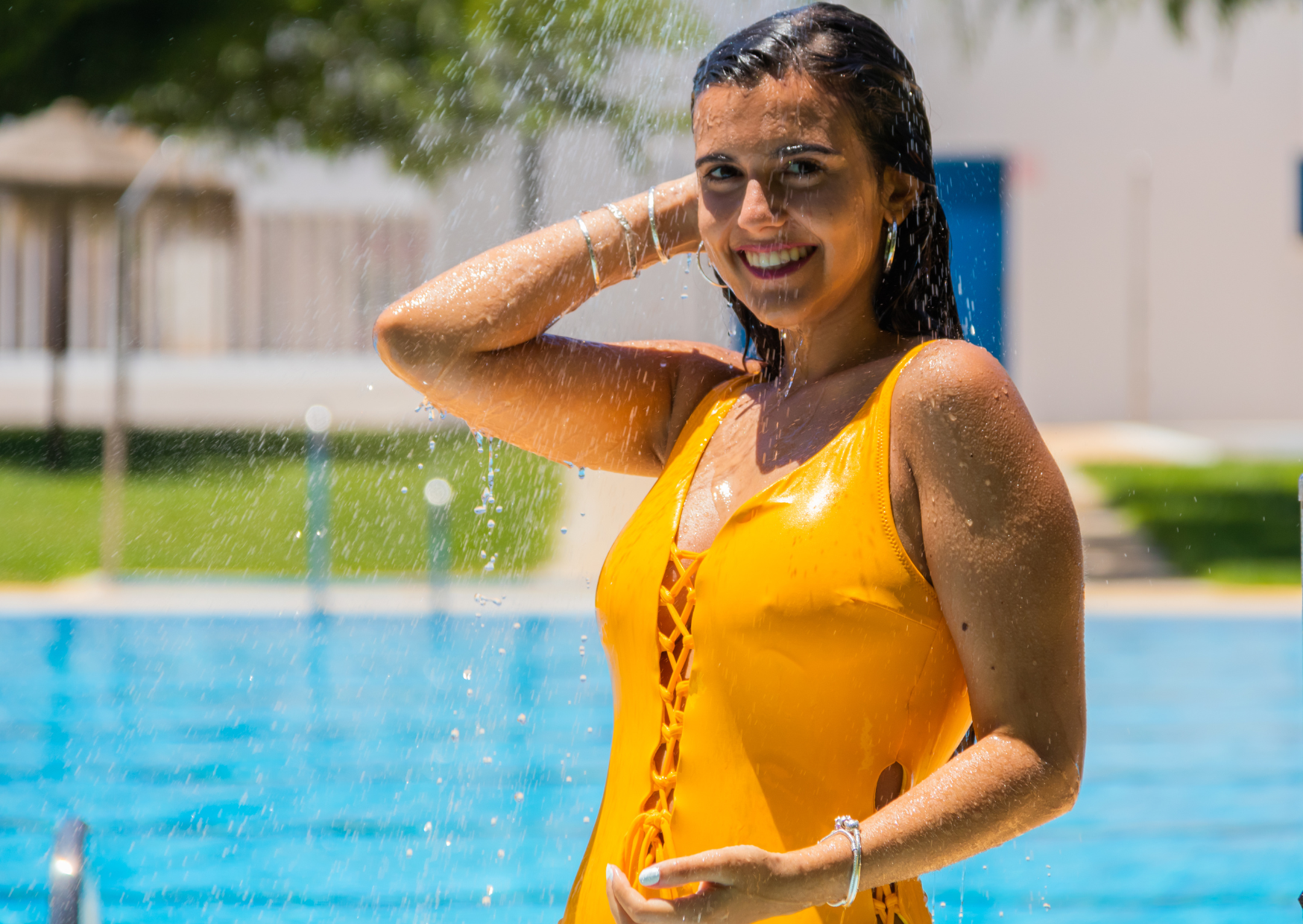
If you reframe the French approach as design, it starts to look elegant. Each piece does more than one job.
- Fitted swimwear reduces fabric load, increases swim efficiency, and signals that the garment has not sat on a bench or a bus.
- Pre-swim showers remove sweat, sand, and products that eat disinfectant and create odor.
- Caps reduce hair in water, cut backwash frequency, and help retain a little heat at the surface on busy indoor days.
None of these rules are dramatic. All of them are cheap to follow, trivial to enforce, and friendly to the ledger over a season.
Costs Nobody Expects, Savings Nobody Notices
Small costs that pools carry quietly:
- Backwash water and heat. Dumping a few thousand liters of heated, balanced water is a real expense, especially in winter.
- Chemical run-ups. Dirty days require heavier dosing and venting time. Patrons see a “closed” sign. Management sees a bill and a schedule slip.
- Filter media life. Dirtier inputs age filters faster. Media changes are labor, downtime, and money.
The French rule stack shaves all three without selling a single naming right or raising a ticket by a euro.
But What About Comfort And Dignity
This objection comes up first from visitors who grew up associating fitted suits with competition instead of leisure. Comfort is not only a fabric choice. It is also the temperature of the water, the smell of the air, and the line at the door. Fitted suits move water better and dry faster. A cap tames stray hair and keeps goggles happier. After two swims, what felt strange stops feeling like anything.
The dignity argument deserves respect, especially for people who want more coverage. French pools have quietly modernized here. Jammers that cover to the knee and fitted one-piece suits with higher coverage meet policy in many facilities. The rule is fit, not exposure. If in doubt, pools post diagrams at the entrance and on their sites. Campsites and private complexes sometimes relax standards, but municipal pools tend to be clearer because they carry the maintenance costs.
Health, Smell, And Skin
Patrons associate the chlorine smell with clean water. Operators know a strong smell often signals chloramines, the byproducts of chlorine reacting with contaminants like sweat, oils, and urine. Caps and showers reduce those inputs. Cleaner inputs mean less chloramine formation, which means air that is easier on lungs and eyes. It is not just cosmetics. It is respiratory comfort for staff and swimmers, especially indoors.
Skin tells the same story. When disinfectant is not spending itself on lotions and fibers, it spends itself on disinfection. Water can sit at a saner balance while still being safe. That reduces the post-swim itch that many people accept as normal.
France Versus The U.S.: The Quiet Numbers
Two real world snapshots make the point.
France
A town pool posts €4 adult entry, €2.50 for youth, and a family card at a friendly rate. Caps are required. Fitted suits only. Showers are quick and expected. The water is clear, and the smell is just a hint. Staff move between chair and deck without firefighting. Operating hours hold.
United States
A city charges $7.50 to $8 for adult admission to an indoor pool or $5 to $9 for outdoor entries, while bigger cities tie indoor pools to an annual membership. Rules say proper swimwear required, but board shorts are common. Caps are optional. Showers are on signs, not in habits. Closures happen after busy weekends. The water is safe, but the operation works harder and spends more to get to the same place.
Neither snapshot is universal. The pattern is consistent. The French model removes variables at the door and enjoys the savings inside.
How To Swim The French Way Anywhere

You can copy the savings even if your local pool never changes its signs.
Arrive with a fitted suit you only use for water. Shower with soap before you enter, even if nobody asks. Wear a cap when you lap swim. The difference you will notice first is smell and eye comfort. The difference the pool will notice is nothing, which is the point. You will be one less variable in a system trying to stay open and calm.
For families, teach the ritual like handwashing. Shoes here. Quick shower. Cap on. Watch the water and the lifeguards, then go. Children who learn that sequence swim more and fuss less because the day is frictionless.
What Americans Call Fussy Is Often Frugal
French public life has a reputation for rules that look fussy to outsiders. In pools, the fussiness is frugality. A cap is a budget line. A fitted suit is a maintenance plan. A shower is chemical savings. The reward is a ledger that supports long hours, low prices, and clean water.
That is why you will keep seeing notices for caps at facilities that never required them before. Post-pandemic energy costs forced operators to ask hard questions. The quickest answer did not come from a new machine. It came from the entrance. Change what enters the water, and the water costs less to keep good.
Practical Notes Before You Go
A few details make your first visit smooth.
- Bring a one or two euro coin for lockers. Many facilities refund it when you return the key.
- Buy a cap on site if you forget. Desks and vending machines sell basic caps cheaply.
- Check the timetable. French pools run lap, lesson, family, and club slots. You want the right hour, not the right address.
- Rinse your suit at home and let it dry. Do not wash it with fragranced detergents that end up back in the water.
Those tiny habits feel fussy in week one and invisible in week two. Invisible is the goal.
The Larger Lesson Hidden In A Small Rule
Good public services are usually less about heroics and more about inputs. Start clean, run simple, and make it easy for ordinary people to cooperate. The French pool rule succeeds because it asks little and pays a lot. It keeps facilities open through hot weeks and cold months. It keeps prices moderate while energy bills rise. It keeps chloramines down and eyes happier. And it teaches children that shared spaces work when everyone gives a little on the way in.
A fitted suit and a cap are not sacrifices. They are tickets to a cheaper, cleaner system. Once you swim inside that logic, it is hard to go back to anything else.

About the Author: Ruben, co-founder of Gamintraveler.com since 2014, is a seasoned traveler from Spain who has explored over 100 countries since 2009. Known for his extensive travel adventures across South America, Europe, the US, Australia, New Zealand, Asia, and Africa, Ruben combines his passion for adventurous yet sustainable living with his love for cycling, highlighted by his remarkable 5-month bicycle journey from Spain to Norway. He currently resides in Spain, where he continues sharing his travel experiences with his partner, Rachel, and their son, Han.