
And what it reveals about land, loyalty, and why Spanish rice holds more than just flavor
There are recipes you share. Then there are recipes you guard. In the rice fields around Valencia, just inland from the breeze of the Mediterranean, paella is not a dish—it’s a birthright, and a test of lineage. It’s inherited, not taught. And it’s corrected—always corrected—if done wrong.
While tourists snap photos of yellow rice topped with shrimp in the middle of Barcelona, real Valencians smirk. That’s not paella. That’s a show.
The real thing—paella Valenciana—is so fiercely protected that families have argued, cut ties, and yes, threatened lawsuits over its misuse. Not because they’re proud, but because they’re right. For them, paella is not just a meal. It’s an act of geography, memory, and discipline—300 years of ritual captured in one pan.
Here’s why paella in Valencia isn’t a recipe you can improvise—and why the families who still make it by the book will go to war over a single ingredient.
1. The pan is sacred and so is the fire
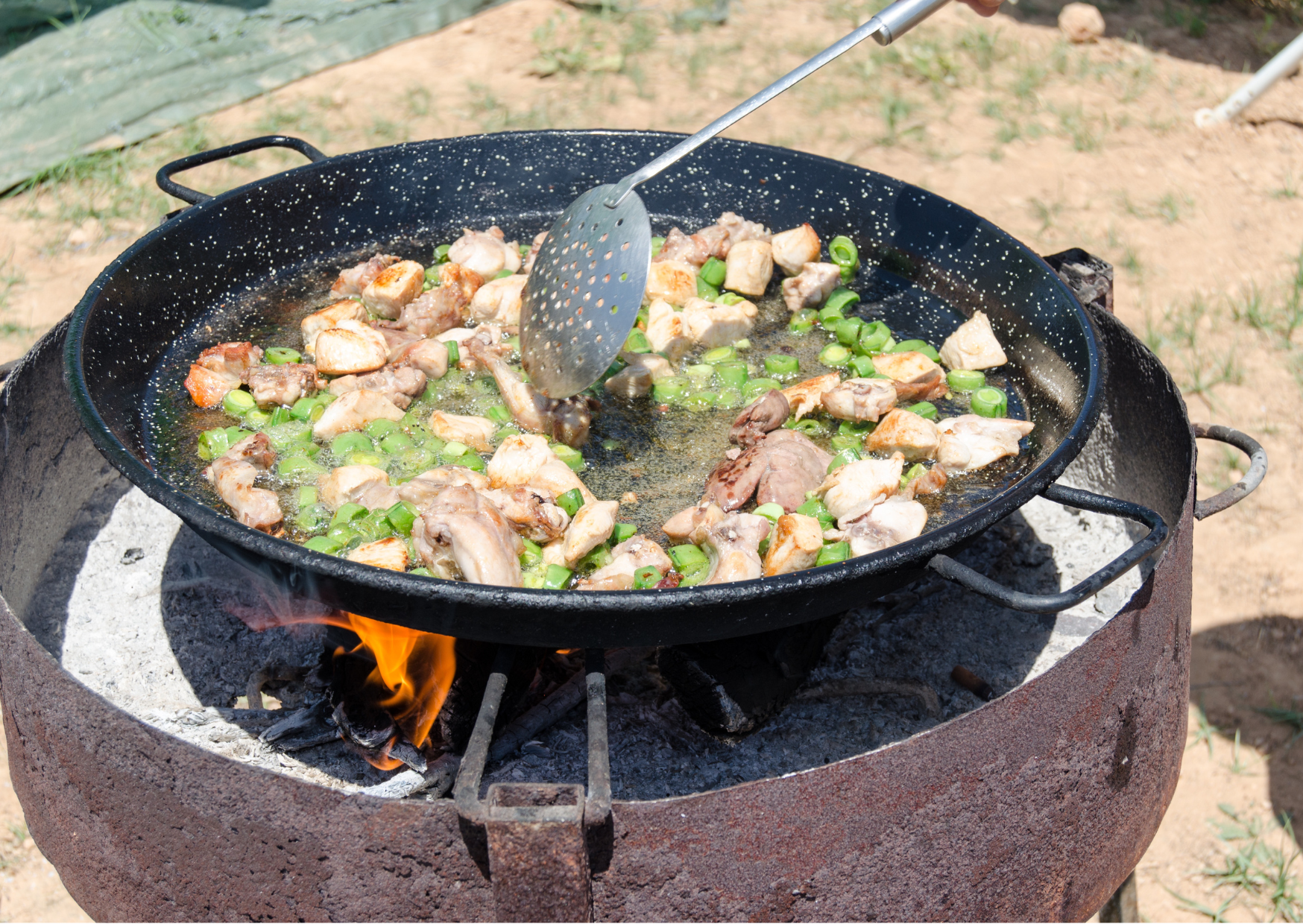
Paella is named after its pan. A wide, shallow, carbon steel dish with two small handles. No lid. No depth. And absolutely no substitutions.
The width ensures the rice cooks in a thin layer—no more than the height of a grain. That rule alone eliminates most “paellas” made outside Spain.
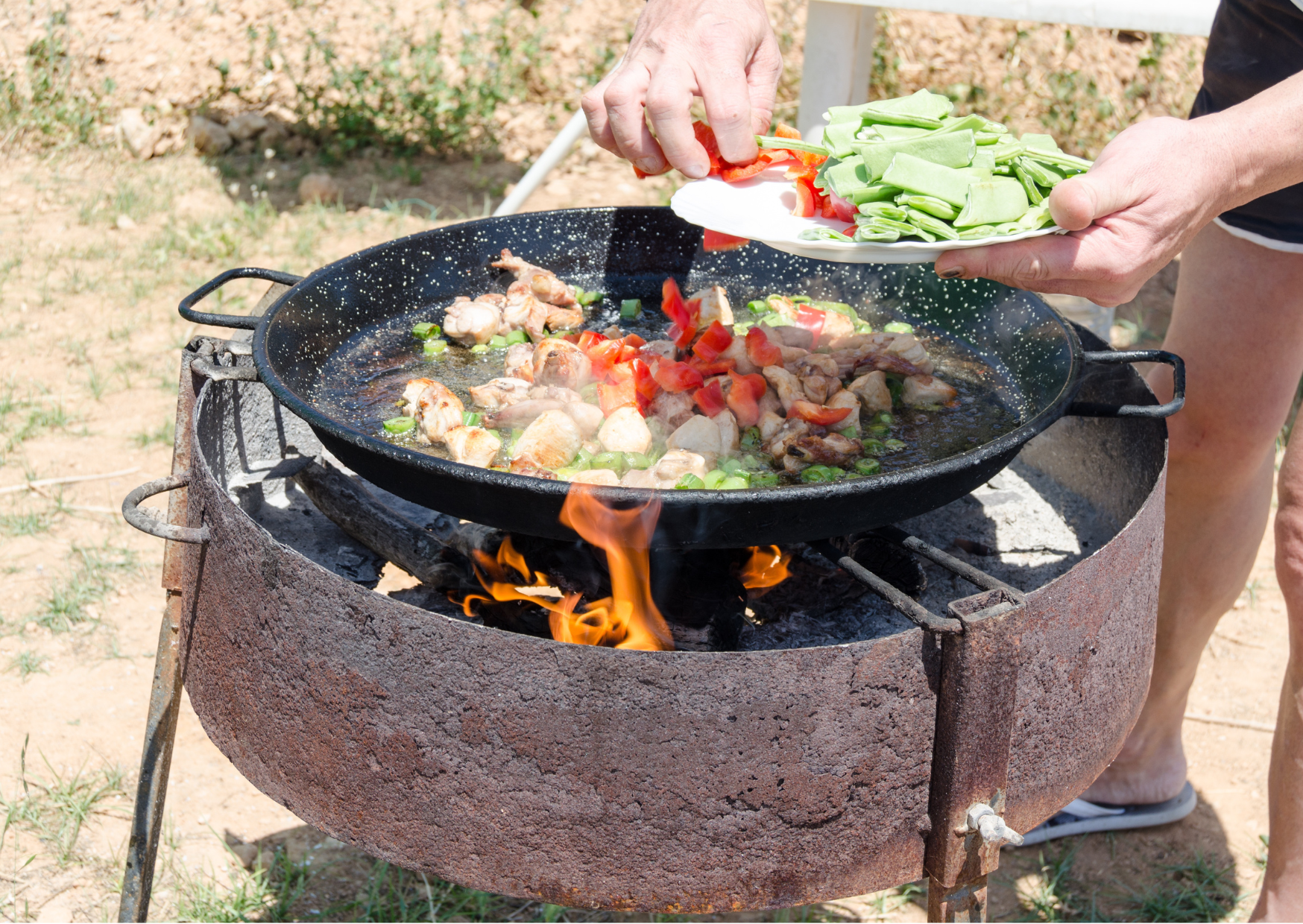
But the cooking method matters more. True paella isn’t made on a stovetop. It’s cooked over open flame, traditionally orange tree wood or vine trimmings, which give the rice its signature smoke.
The heat is uneven. That’s part of the magic. Some grains burn slightly at the bottom—creating socarrat, the golden crust that Valencians prize above all else.
A gas stove can’t reproduce it. An oven bakes it flat. And a deep skillet turns it into stew.
The pan is what tells you you’re home.
2. Only 10 ingredients are allowed and shrimp is not one of them
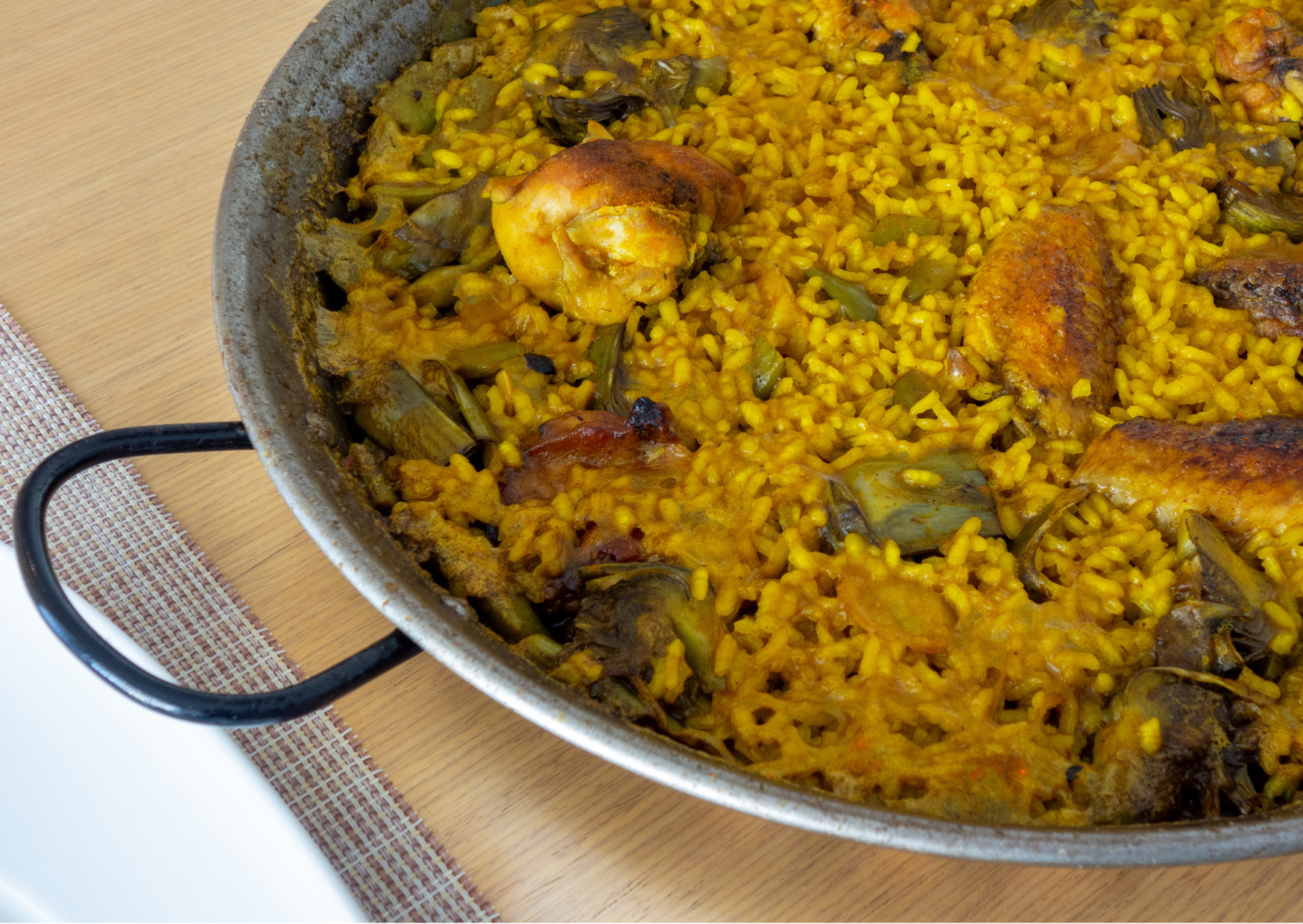
The original recipe for paella Valenciana is strict. No chorizo. No peas. No seafood. No fusion. The real list includes:
- Chicken (usually thigh or drumstick)
- Rabbit (or duck, in some coastal variations)
- Flat green beans (judía verde)
- White beans (garrofó, a local variety)
- Tomato (grated)
- Olive oil
- Saffron
- Smoked paprika
- Salt
- Bomba or Senia rice (short-grain, grown in Albufera)
Water is added. Maybe a sprig of rosemary. But that’s it.
To add anything else—especially shrimp—is not just wrong. It’s offensive.
Locals call those tourist versions “arroz con cosas” (rice with things). They might taste good. But they are not paella.
3. The stock is built in the pan, not poured in
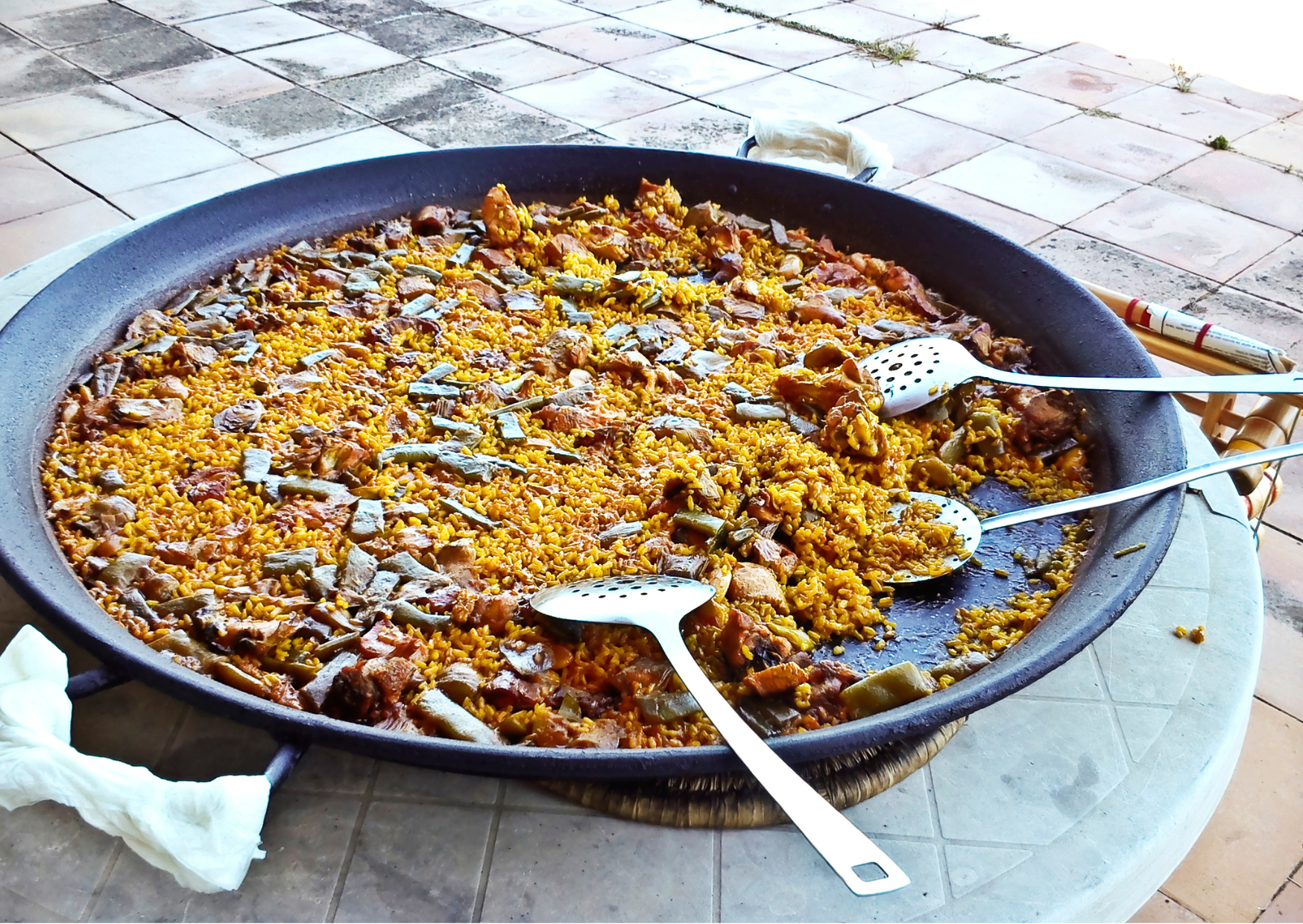
In restaurants, stock is often made ahead of time. Poured in warm. Measured.
In Valencia, it’s made on the spot, in the same pan. First, the meat is seared until golden. Then the beans are added. Then the tomato. Then water. The searing leaves fond on the bottom. The tomato loosens it. The water extracts it.
This means the liquid is built with intention, not convenience. Its depth comes from time and attention, not boxes or bouillon.
Only after this broth has simmered for 30–40 minutes is the rice added.
In that moment, there’s no going back. The amount of water is fixed. The fire must be controlled. The rice cannot be stirred.
4. Rice is the star but also the test
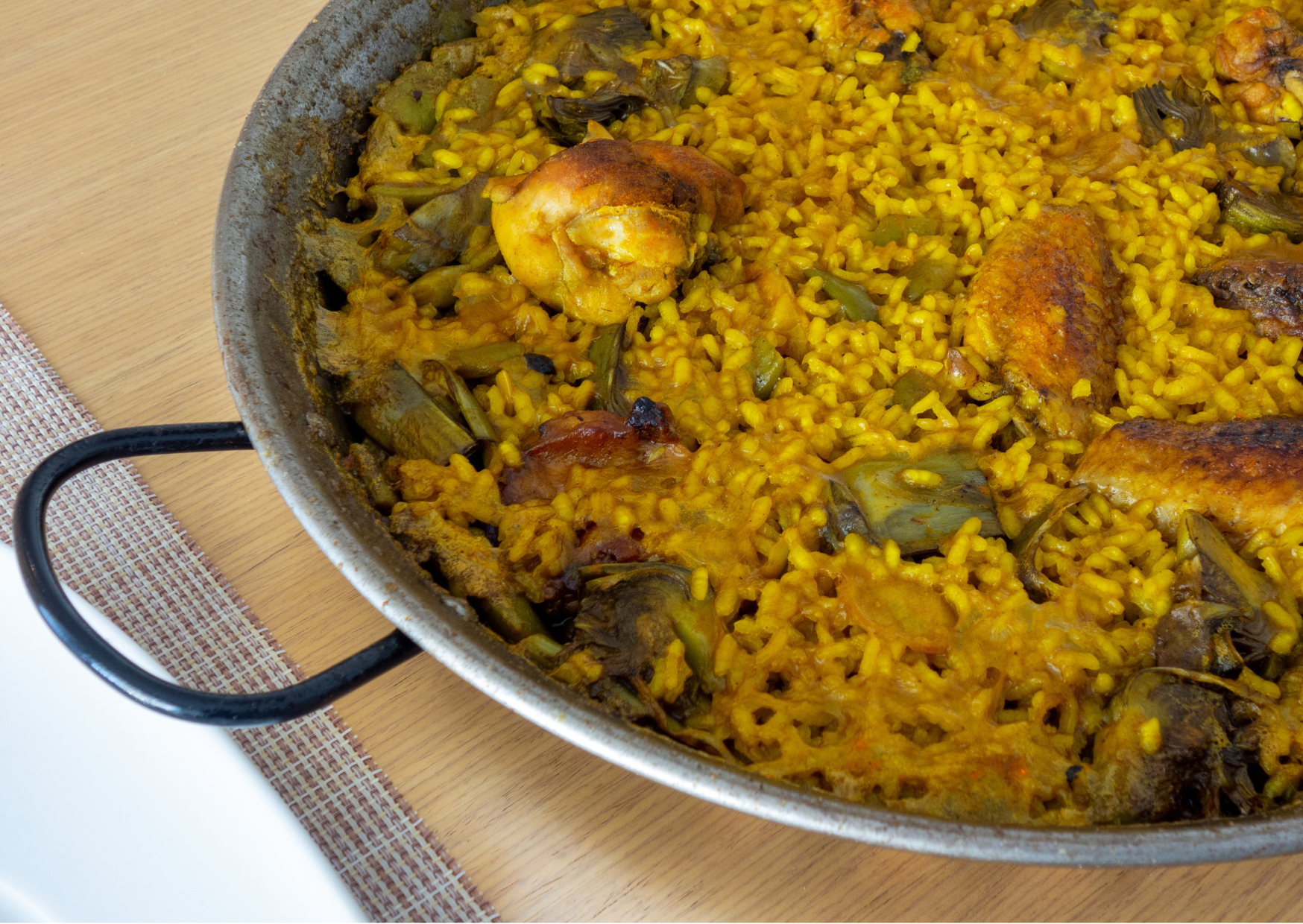
Bomba rice is not sticky. It doesn’t release starch. It absorbs up to three times its volume in liquid and still holds its shape. That’s what makes it ideal.
But it also leaves no room for error.
Once added, the rice must cook undisturbed for exactly 18–20 minutes. Stirring breaks the crust. Covering it softens the top. Lowering the heat too early makes it soggy. Raising it too late burns it.
This is where families argue. Some like a thinner socarrat. Others want it caramelized. But everyone agrees: if you stir it, you’ve already lost.
5. The recipe
Ingredients (serves 4)
- 400g (14 oz) chicken, cut into pieces
- 300g (10 oz) rabbit or duck (optional but traditional)
- 200g (7 oz) flat green beans
- 100g (3.5 oz) garrofó (or lima beans as substitute)
- 2 medium ripe tomatoes, grated
- 1 tsp smoked paprika
- Pinch of saffron threads, steeped in warm water
- 400g (14 oz) Bomba or Senia rice
- 1.2 liters (5 cups) water (approximate)
- Extra virgin olive oil
- Salt
- Optional: sprig of rosemary during final minutes
6. Preparation
- Heat olive oil in paella pan over open flame or wide burner. Brown the meat well. Add salt.
- Add green beans and garrofó. Sauté 2–3 minutes.
- Add paprika, then quickly stir in grated tomato to prevent burning. Cook until reduced.
- Add water. Simmer 30–40 minutes until the broth is rich. Skim as needed.
- Taste and adjust salt. Add saffron-infused water.
- Add rice evenly across the pan. Do not stir. Cook uncovered 18–20 minutes. Adjust fire as needed.
- In final 5 minutes, increase heat briefly to form socarrat. Watch closely.
- Remove from heat. Let rest 5 minutes, uncovered. Serve directly from pan.
7. The pan never leaves the table
In a Valencian home, paella is served straight from the pan. The pan is placed on the table. Guests eat from their side inward. No scooping. No plating. No garnishes.
This is about respect. The crust must be preserved. The rice must remain in its structure. No one touches the other’s side.
It also encourages conversation. Sharing. Slowness.
In restaurants, plating paella is sometimes seen as a betrayal. It breaks the integrity of the dish. It rushes the process. It hides the crust.
A real paella is eaten together, slowly, from the source.
8. Imposters face more than criticism they face outrage
In 2016, celebrity chef Jamie Oliver posted a recipe online: “My version of paella.” It included chorizo. The internet exploded. Thousands of Spaniards replied in outrage. Memes were born. A hashtag followed. Oliver later said he’d never felt such backlash for a recipe in his life.
This wasn’t trolling. It was defense. Because in Valencia, paella isn’t just cuisine—it’s identity.
To change it, dilute it, or mislabel it is to disrespect centuries of cultural memory.
And families still teach it with the same seriousness they teach prayers.
9. Children are taught by doing not by watching
In many households, children learn paella not by standing beside, but by taking over early. Stirring the tomatoes. Controlling the flame. Laying the rice.
Every Easter, every Sunday, every family gathering, the same process repeats. The same voices guide. “Not yet.” “Let it reduce more.” “Spread the rice evenly.” “Don’t touch it now.”
It becomes muscle memory, passed down not through books but burns, steam, and practice.
By age ten, a child in Valencia might already have made three dozen paellas. That’s how seriously it’s kept alive.
10. Time is the ingredient Americans can’t bottle
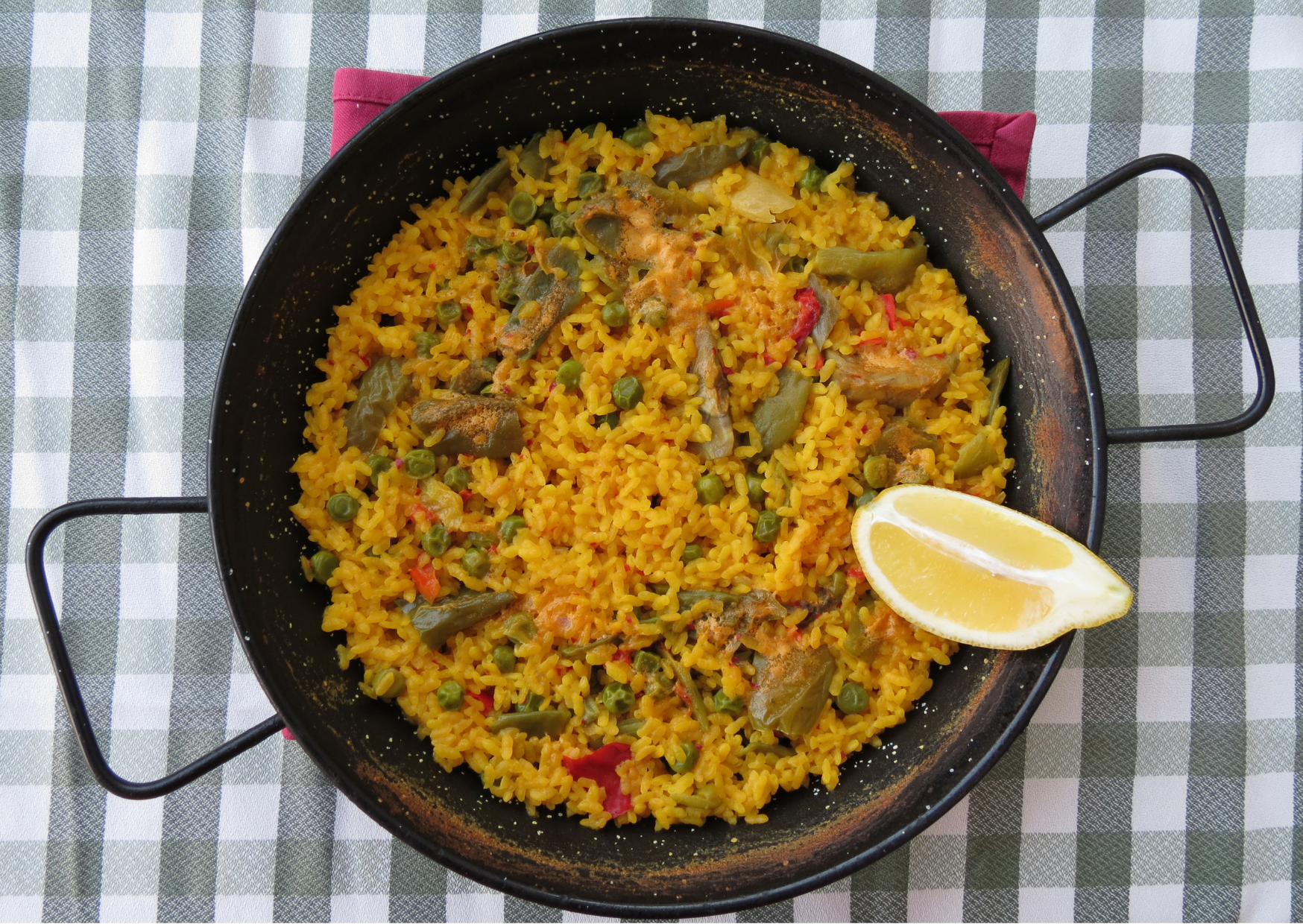
The flavor of real paella doesn’t come from the saffron. It comes from the hours spent around the pan. From the sun on the back of your neck. From the smoke. From the way the broth tastes just before you add the rice. From listening to the sound of the simmer and knowing when to turn the flame low.
Americans can buy the rice. The pan. Even imported saffron. But they often lack the one thing the families of Valencia still protect—the discipline of waiting.
Because this isn’t fast food. It isn’t adaptable. It isn’t scalable. It’s a form of attention.
And that, more than any ingredient, is what makes it priceless.
Origin and History
Paella is more than just a famous rice dish—it’s a culinary emblem of Spanish identity, especially in Valencia, where it was born over 300 years ago. Originally a humble meal prepared by farmers and laborers, paella was cooked outdoors over an open flame, using local ingredients like rice, vegetables, rabbit, and snails. This simple yet flavorful combination created the foundation of what would become one of Spain’s most celebrated dishes.
The word “paella” refers to the wide, shallow pan in which the dish is cooked. This design allows the rice to cook evenly and develop the prized socarrat—the crisp, caramelized layer at the bottom that’s considered the highlight of the dish. As the recipe passed down through generations, each family added its own touch, creating slightly different but equally authentic versions.
By the 19th century, paella had moved from the countryside to the heart of Spanish gastronomy, becoming a symbol of hospitality and tradition. To this day, many Valencian families hold their recipes close, treating them like heirlooms rather than just instructions for a meal.
One of the biggest controversies surrounding paella is what counts as “authentic.” Purists argue that true paella must contain only traditional ingredients like chicken, rabbit, snails, green beans, and saffron. Anything else, they claim, isn’t real paella but a mere imitation.
Modern variations, however, often include seafood, chorizo, or even vegetarian options. These adaptations have sparked heated debates, especially when international chefs put their own spin on the dish. In Valencia, such changes are often seen as diluting the cultural integrity of paella.
Another point of contention is cooking technique. Real paella, according to Valencian tradition, must be cooked over an open flame to achieve that perfect socarrat. Using stovetops or ovens is considered sacrilege by many locals, proving just how fiercely this dish is protected as part of their heritage.
How Long You Take to Prepare
Paella isn’t a rushed dish—it’s a slow and deliberate cooking process that rewards patience. On average, preparing a traditional paella takes about 90 minutes to two hours from start to finish. This includes prepping the ingredients, carefully layering flavors, and letting the rice cook undisturbed to create its signature texture.
The most time-consuming part isn’t the cooking itself but the preparation. Chopping vegetables, cleaning meats or seafood, and building a deep, flavorful broth lay the foundation for a perfect paella. The timing of when each ingredient goes into the pan is crucial.
Unlike quick weeknight meals, paella is meant to be cooked and enjoyed slowly. It’s a communal experience, often made outdoors, with family and friends gathered around. The process is just as important as the final dish.
Serving Suggestions
Traditionally, paella is served straight from the pan in which it was cooked. This keeps the rice warm and allows everyone to dig in together, making it an inherently social meal. Each person is served from their section, with the coveted socarrat usually saved for last.
Paella is often paired with a simple green salad, crusty bread, and a chilled glass of white wine or sangria. This combination keeps the focus on the rich, layered flavors of the rice and proteins. The goal is not to overshadow the dish but to complement it.
While classic paella is enjoyed during special gatherings, it’s also perfect for festive occasions and weekend meals. Its vibrant colors and aromas make it the centerpiece of the table, turning a meal into a memorable event.
Final Thoughts
Paella is more than a recipe—it’s a living tradition. For Valencian families, it represents history, pride, and a way of life. Protecting their centuries-old recipes isn’t just about preserving flavor; it’s about honoring the generations who came before them.
What makes paella special isn’t only the ingredients but the care, patience, and respect behind every step of its preparation. Each pan of paella tells a story, passed down through time and shared with those lucky enough to gather around the table.
In a world where recipes are easily adapted and shared, paella remains a fiercely guarded culinary treasure. And maybe that’s part of what makes it taste so extraordinary.

About the Author: Ruben, co-founder of Gamintraveler.com since 2014, is a seasoned traveler from Spain who has explored over 100 countries since 2009. Known for his extensive travel adventures across South America, Europe, the US, Australia, New Zealand, Asia, and Africa, Ruben combines his passion for adventurous yet sustainable living with his love for cycling, highlighted by his remarkable 5-month bicycle journey from Spain to Norway. He currently resides in Spain, where he continues sharing his travel experiences with his partner, Rachel, and their son, Han.
Carlos
Saturday 9th of August 2025
What’s the size of the pan for this recipe?