

The school fence lists the budget: lunch €5.20, chess cheaper than a streaming plan, swimming €18. A plain flyer explains how to apply for a lunch subsidy if a job changes midyear.
A city bus kneels, a grandparent taps a youth card, and two kids walk into a public school with no tuition. The bell rings, and the street resets in a minute.
At the clinic, doors open to routine. Checkups and vaccines are covered, prescriptions carry small copays, and parents talk about homework, not deductibles.
By afternoon the homework room fills and a coach lays out cones for football. Fees are printed, predictable, and small, while most of a child’s day is already paid by the public sphere.
Add lunch, activities, transport, supplies, and a modest share of clothes and the month lands near €300. Run the same ledger in a typical American city and many families approach $2,000 once care and health costs stack.
Want More Deep Dives into Other Cultures?
– Why Europeans Walk Everywhere (And Americans Should Too)
– How Europeans Actually Afford Living in Cities Without Six-Figure Salaries
– 9 ‘Luxury’ Items in America That Europeans Consider Basic Necessities
What American Families Actually Pay

American households describe the same pattern when they send numbers. Childcare takes the first slice, health costs take the second, and after-school coverage fills the gaps. The total varies by city, but the national averages keep rising.
Daycare alone averages about $343 weekly per child in center-based care according to a January 2025 national survey of posted prices. That is roughly $1,370 per month before fees and supplies. Nanny care averages $827 weekly, which is not a realistic baseline for most families but shows the shape of the market. Even “family care” homes now list in the $340 weekly range on average. These are posted rates, not negotiated discounts, and they have outpaced wages in many regions.
When a child reaches school age, costs do not vanish. After-school programs at public sites run $150 to $400 monthly, while private programs and daycare-run after-school options often range $280 to $750 monthly. Hourly care lands near $18 to $25 when families hire sitters to bridge pickup gaps. The math for two working parents turns after-school into a quiet second tuition.
Health costs are the third leg. The average annual premium for employer family coverage reached $25,572 in 2024, with workers contributing about $6,296 of that figure out of pocket, not counting copays and deductibles. Spread over twelve months, the typical worker contribution alone adds about $525 monthly to the family ledger, and many plans carry deductibles that push real monthly exposure higher in active years. Insurance is not a pediatric visit. It is a bill that arrives whether your child needs care or not.
Put the pieces together for a single school-age child in a typical metro. A family might spend $300 to $700 monthly for after-school or a patchwork of sitters, $525 monthly in average premium contributions for health coverage, and additional copays, transportation and activity fees. For younger children in full-time care, the $1,370 monthly daycare average dominates. Landing near $2,000 monthly for all child-specific costs is common in large cities, and many families report numbers far north of that when two children overlap in paid care.
The point is not that America lacks good schools or caring staff. It is that the system treats childcare as a private commodity, and families carry costs that European parents rarely see at wallet level. Journalists and policy groups keep showing the same story with different examples. The totals change by state. The direction does not.
How Spain’s Monthly Total Settles Near €300
Spain makes two structural choices that matter in daily life. Public school tuition is free, and healthcare for children is included in the tax-funded system for registered residents. That removes two giant bills from the kitchen table. What remains are predictable, moderate fees for lunch, activities, materials, transport and clothes.
Here is a realistic monthly stack for a primary school child in many Spanish cities and towns.
School lunch, the comedor
Daily lunch prices vary by region and subsidy, with published rates around €4.50 to €7.50 per day. A typical family without a grant pays €100 to €150 monthly during the school year, assuming about twenty meal days. Some regions run higher, some offer discounts tied to income or special circumstances. The fee buys a full meal, supervision and a smooth school day.
Activities and sports
Municipal clubs and school-based activities often land between €15 and €35 monthly per activity. A child who plays football and takes swimming might cost €30 to €60 monthly in fees. Equipment is modest because leagues are local and public pools supply lanes. You pay for participation, not private infrastructure.
Transport
Primary children usually walk or ride public transport at low youth fares, often free on special passes during promotional periods. Families away from schools may budget €10 to €20 monthly for a youth card or occasional bus rides. In many neighborhoods the number is zero because the route is on foot.
Materials and clothing
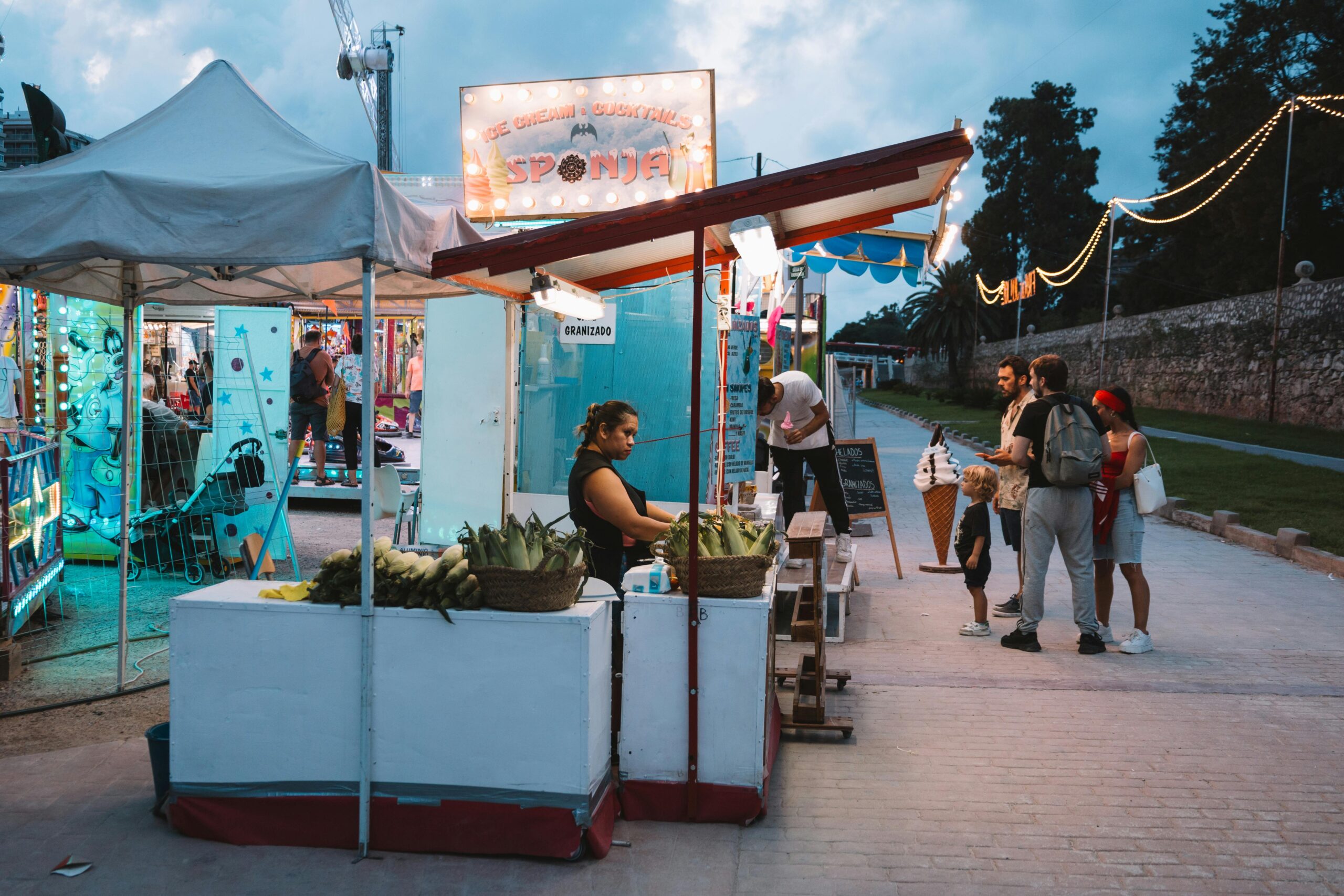
Public schools expect basic supplies, and many regions supply or subsidize textbooks. A sensible monthly average is €20 to €40 across a year for materials, plus €20 to €40 for clothing and shoes as children grow.
Healthcare
Pediatric consultations, vaccinations and emergency care are covered under the national system once a family is registered. Medicines carry small copays with caps, and chronic medications for children may have reduced contributions with limits per prescription. The monthly number many families record is near zero unless a specific therapy is required. Care exists as a service, not as a separate bill.
Add the pieces. Lunch €120, activities €40, transport €10, materials and clothing €60. The total lands at €230. If a family adds a second activity or sees a higher lunch rate, €300 monthly is a clean round figure that holds across the year for a school-age child in many communities. Concertado schools may add small monthly fees, private and international schools cost more, and metropolitan lunch rates can spike. The mainstream public system keeps the baseline low.
For toddlers in public nursery care, published fees range roughly €100 to €300 monthly depending on the municipality, with private nurseries higher. Even in those early years, the monthly bill rarely resembles American daycare rates. Spain keeps the floor humane.
The Comparison Families Ask For
A single chart on a fridge can decide a move. Below is a like-for-like comparison for one child in school age, excluding rent and groceries because those vary widely.
United States, typical metro
- After-school program or mixed care: $300 to $700 monthly.
- Worker share of employer family premium: about $525 monthly on average.
- Copays, prescriptions and extras: $50 to $150 monthly in a normal year.
- Activities and sports: $60 to $200 monthly depending on the program.
- Transport and incidentals: $30 to $60 monthly.
Total: about $965 to $1,635 monthly, often $2,000 in higher cost cities or when families need longer coverage windows.
Spain, typical city or town
- School lunch: €100 to €150 monthly.
- Municipal sports and activities: €30 to €60 monthly.
- Transport: €0 to €20 monthly.
- Materials and clothing: €40 to €80 monthly.
- Healthcare at point of use: €0 to small copays.
Total: about €170 to €310 monthly, with €300 a conservative round figure that includes a small buffer.
Families who write in with their Spain budgets often add a line for child benefit discussions currently in the news. Proposals under debate would add €200 monthly per child as a universal support, subject to rules and budget approvals. Whether those policies finalize or not, the baseline system already pushes monthly costs down before subsidies arrive. The structure is the story.
How To Build A Spain Budget That Survives The First Year
A move fails when a plan ignores real life. Use this five-step builder to get from estimate to calendar.
Step 1. Choose the school lane
Public schools are tuition-free. Concertado schools carry modest monthly fees. Private and international schools charge full rates. Decide your lane before you search for housing, because catchment areas matter more than glossy brochures.
Step 2. Pin the lunch number early
Ask the school for the comedor daily rate and subsidy criteria. Multiply by twenty school days and by nine or ten months. Record the number. If you will pack lunches, adjust down but budget for cafeteria days during activities and exam weeks.
Step 3. Pre-select activities by calendar, not fantasy
Pick one sport and one club that fit your commute and the school timetable. Confirm municipal fees and registration windows. The cheapest program is the one a child attends because it is five minutes away.
Step 4. Set a clothing envelope
Children grow in jumps, not slopes. Budget €20 to €40 monthly across the year for shoes, coats and uniforms if required. Sale months and swaps cover the rest.
Step 5. Confirm healthcare registration
Register for the public healthcare system as soon as your residency is in hand. Select a pediatric primary care center and confirm vaccination schedules. Keep over-the-counter and prescription copay envelopes small and predictable.
The builder protects you from drift. A family that follows this sequence usually lands within €250 to €350 monthly for kid-specific costs in an ordinary month of the school year. Summer carries a different pattern that you plan separately.
The Summer Question Americans Always Ask
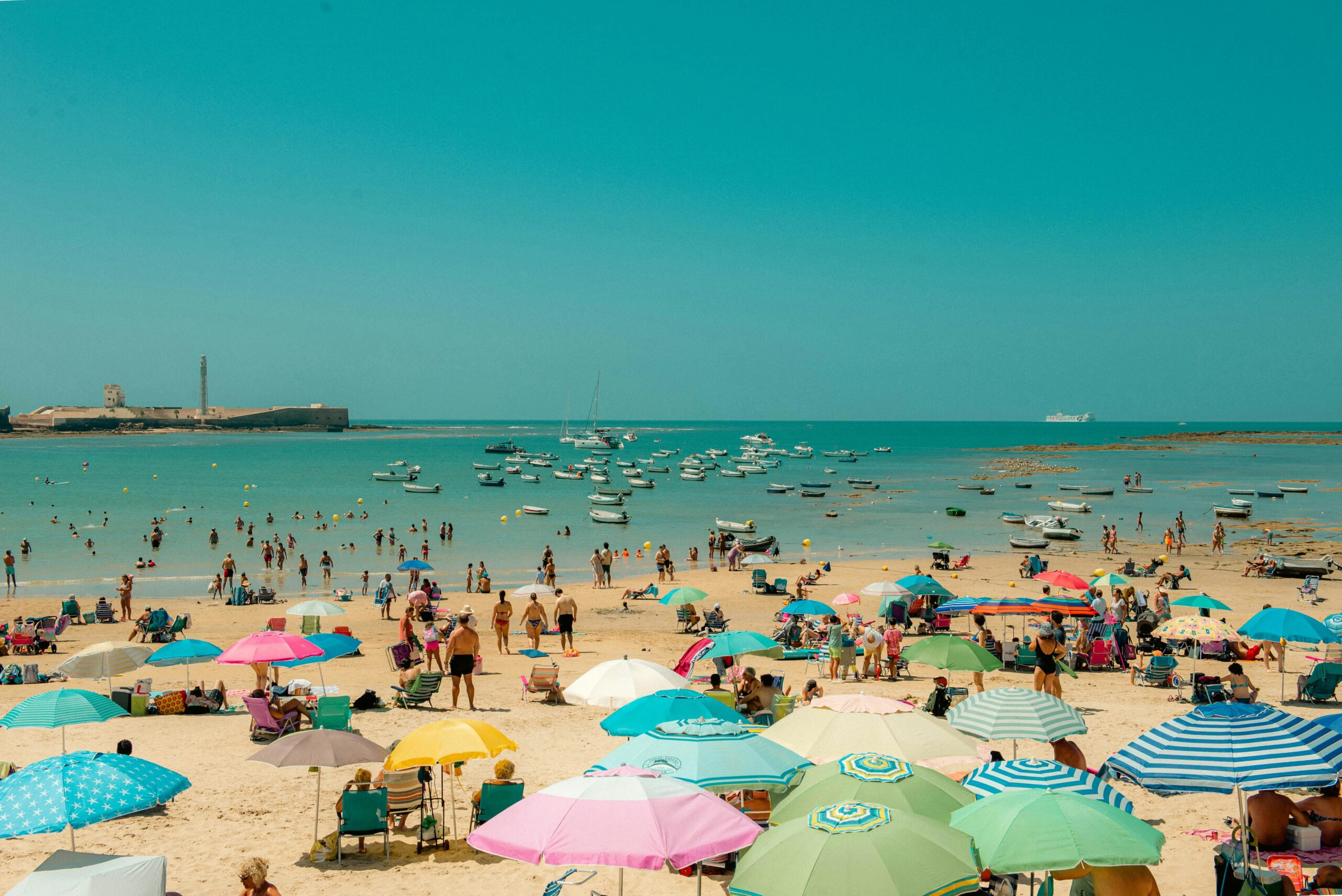
Summer is where American budgets explode because coverage hours collapse and programs cost more. Spain runs municipal day camps, public pool passes, local sports weeks and low-cost cultural workshops that cover slices of the day at friendly prices. Families often mix time with grandparents, flexible schedules and a few weeks of camps. The monthly spike is smaller because the baseline school year is calm and options are local. Costs vary by town, but the structure remains. The neighborhood helps.
If you plan to work full days through July, book camps early and select those that run until late afternoon. Rotate with a second household if you have one nearby. Many families find that three weeks of camp plus family time covers July, with August taken off or managed through a mix of travel and local pool days. There is no single formula, but there is far less panic because nobody is reinventing supervision every summer.
What Changes When Healthcare Is Not A Bill
American parents talk about deductibles the way they talk about weather. It is a background risk you plan around. In Spain, pediatric care sits inside a public system. You register, you choose a center, and you show up. Checkups, vaccines and urgent care exist without price negotiation. Prescription copays are low, and many chronic medications for children have reduced contributions with monthly caps. Families still carry private policies in some cases for faster specialist choice, but the floor is already good. Your monthly budget reflects that, and so does your head.
This shows up in tiny ways. Parents book therapy for speech issues because the path exists. Children get seen for asthma. Soccer injuries do not create a payment plan. The decision to seek care is not a calculation about debt. That difference changes how families live a year, not just a bill cycle.
Cases That Push Spain Above €300
Every average hides a story. Here are the common exceptions and how to handle them.
International or private schooling
If you choose a private or international school, monthly tuition replaces the public baseline. You are buying an alternate system with its own calendar and fees. Budget accordingly.
Metropolitan lunch rates
Some regions charge the high end of the €4.50 to €7.50 range for school lunch. If your school sits at the top, your monthly might be €150 to €180 for lunch alone. Adjust activities down to keep the total close to €300 to €350.
Multiple activities with travel
Swimming across town and football across another neighborhood will add transport and time. Choose programs embedded at school or in the nearest municipal complex. The cheapest activity is the one that requires no car.
Therapies and special needs
Public pathways exist, but timelines can stretch. Private sessions may be worth it while you wait. Add a dedicated line in your budget for therapy so the plan stays honest.
Nursery years
Public nursery (0 to 3) can range €100 to €300 monthly, private options more. You are still below many American daycare rates, but your Spain line will sit above €300 until the school years begin. Plan for this temporary stage.
Exactly How To Replicate The €300 Outcome
Families who hit €300 monthly do four things predictably.
Pick housing near a public school you actually want
Commute time is money. Catchment rules matter. If you can walk to school, you save on transport and impulse expenses.
Use the school day and municipal grid
School lunch covers supervision and nutrition at a fair price. Municipal sports and clubs are designed for budget, not branding. Say yes to what the neighborhood already runs.
Automate the admin
Set reminders for lunch payments, club registrations and transport renewals. Administration costs nothing except time. Make it boring.
Keep a kid ledger
Track lunch, activities, transport and clothing in four lines. When the total creeps, you will know which lever to pull. Cuts are easy when your categories are visible.
Why This Matters To Americans Considering Europe
This is not about postcards. It is about margin. When a child costs €300 monthly instead of $2,000, the household gains cash and calm. A parent can reduce hours without wrecking the budget. Savings can sit in an account instead of a check to a daycare. Weeknight dinners happen because activities are near and affordable. The absence of a bill becomes a tool for the life you want.
It is also about predictability. When school is free, lunch is priced, activities are modest and healthcare is included, there are fewer shocks. Families can plan a year and hit the plan. That is the quiet power behind the Spanish ledger.
A 30-Day Plan To Test The Spain Equation
You can test almost everything on a scouting trip or during the first month after arrival.
Week 1
- Visit the public school and confirm catchment, lunch rate and after-school options.
- Walk the route at start and end times. Count minutes, not optimism.
- Register with the health system if your residency is active and locate the pediatric center.
Week 2
- Enroll in one municipal sport and one school club.
- Pay the first lunch invoice and record the monthly number in your ledger.
- Price transport cards and decide if you need one.
Week 3
- Buy only the school materials you lack. Use the list from the classroom, not a social media haul.
- Price shoes and a raincoat at a local chain. Put the total in the clothing line.
Week 4
- Add the four lines. If you are over €350, adjust by replacing a private activity with a municipal one or by packing lunch twice a week where allowed.
- Save the month’s ledger as a template. The year will match the template more than you think.
The result of this month will tell you more than a dozen articles. When the four lines stay quiet, you will sleep better even before the calendar fills.
Bottom Line
Spain does not make parenting easy. It makes it affordable and predictable in ways that change daily life. €300 monthly for a school-age child is not a stunt. It is a reflection of public choices that move big bills out of the family budget. $2,000 monthly in many American cities is not a personal failing. It is the price you pay when childcare is treated as a private product and health coverage arrives as a premium rather than a service.
If you are considering a move, let the ledger decide. When a child costs one sixth as much to raise each month, the conversations you can have about work, time and savings get calmer and more interesting. That is the real headline.

About the Author: Ruben, co-founder of Gamintraveler.com since 2014, is a seasoned traveler from Spain who has explored over 100 countries since 2009. Known for his extensive travel adventures across South America, Europe, the US, Australia, New Zealand, Asia, and Africa, Ruben combines his passion for adventurous yet sustainable living with his love for cycling, highlighted by his remarkable 5-month bicycle journey from Spain to Norway. He currently resides in Spain, where he continues sharing his travel experiences with his partner, Rachel, and their son, Han.