
Across the Serra da Estrela and the Beira Interior, small municipalities are trying something blunt and practical: cash on arrival, a front-loaded rent break, and, in some cases, a set of keys for temporary housing so you can land without burning savings. The idea is simple. If people will not come to the mountains for postcards alone, help them move with money, housing, and a clear path to work.
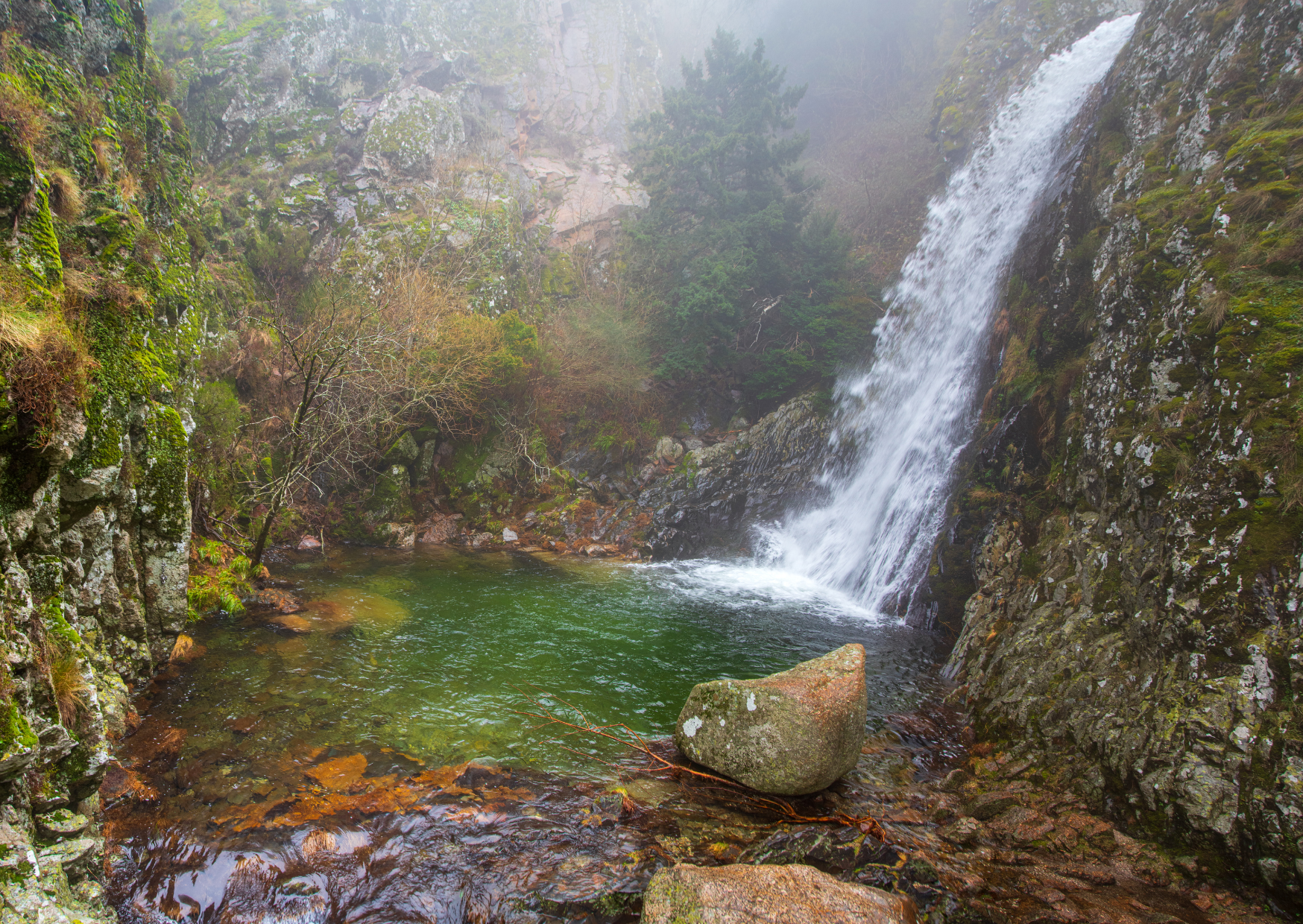
The first thing you notice driving into Portugal’s high country is how the air changes. Granite villages appear on ridgelines like anchors, sheep bells carry on cold mornings, and streets pinch into stone alleys where a baker operates with the door open. You can live here well for less, but until recently there was a catch. The job followed the city, not the mountain. In the past five years, that dynamic has shifted. Grants now meet you at the municipal line. Incentives stack if you bring a job or start one. A handful of towns keep apartments aside for newcomers so the first month is about unpacking, not hunting. The pitch is not romance. It is arithmetic made livable.
Why Town Halls Are Writing Checks
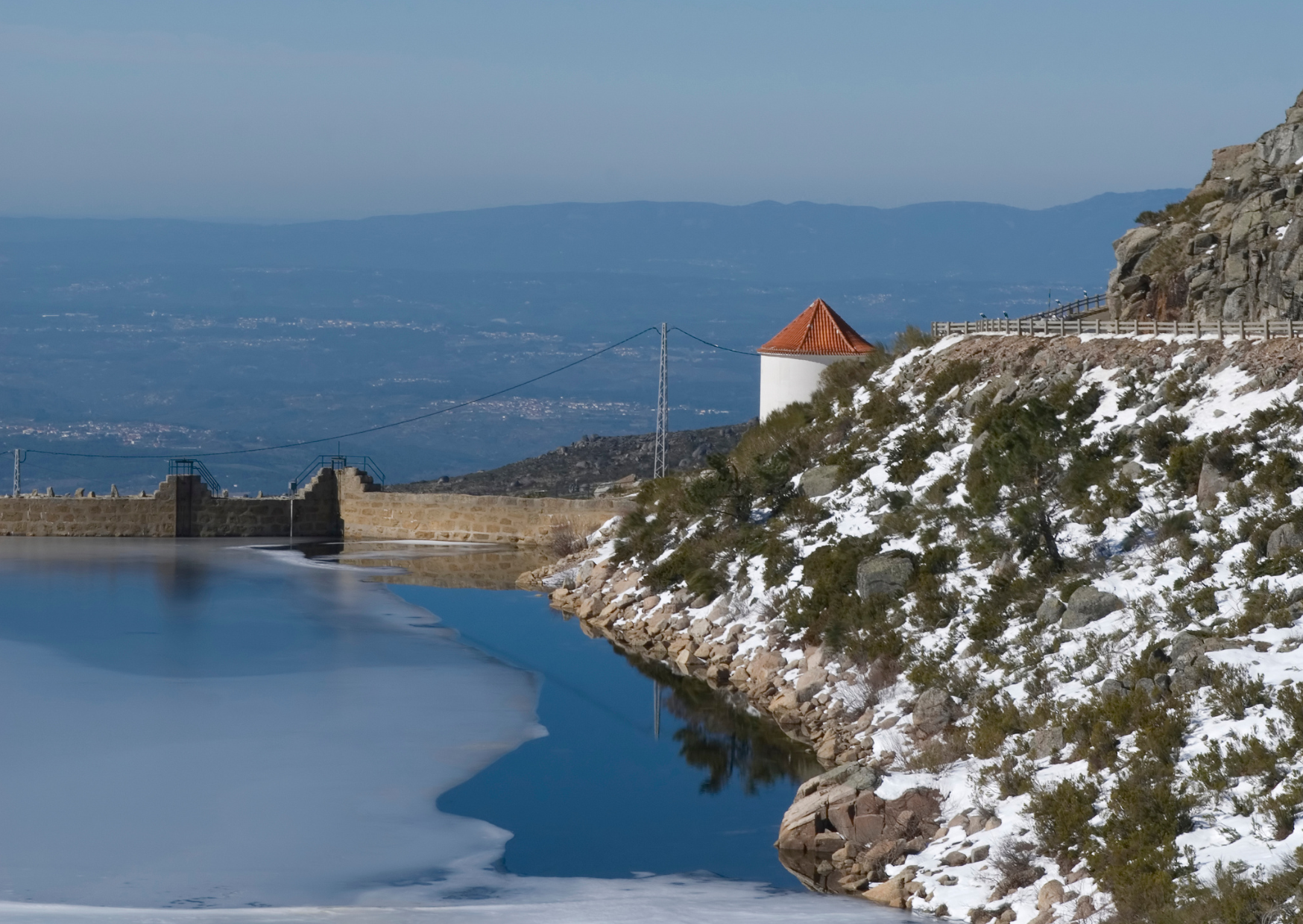
Portugal’s interior has been losing people for decades. Young families leave for the coast, the tax base thins, schools consolidate, and services strain to cover long distances. Cash incentives are a direct response. Pay people to relocate, lower the cost of the first year, and make it easy to stay by pairing the money with jobs, training, and housing. These are not vanity grants. They are population policy.
Two big levers are in play. First, the national relocation grant for anyone who moves to the interior with a job or viable self-employment. The award tops out near five thousand euros when you add household and moving supplements. Second, a growing network of municipal add-ons, from rent subsidies and tax cuts on construction to the most useful perk of all for a move into a tight market, bridge housing supplied by the town so you can arrive and actually start. When those pieces line up, mountain living stops being an aspirational idea and becomes a week-one address with a school enrollment and a tax number.
How the €5,000 Works
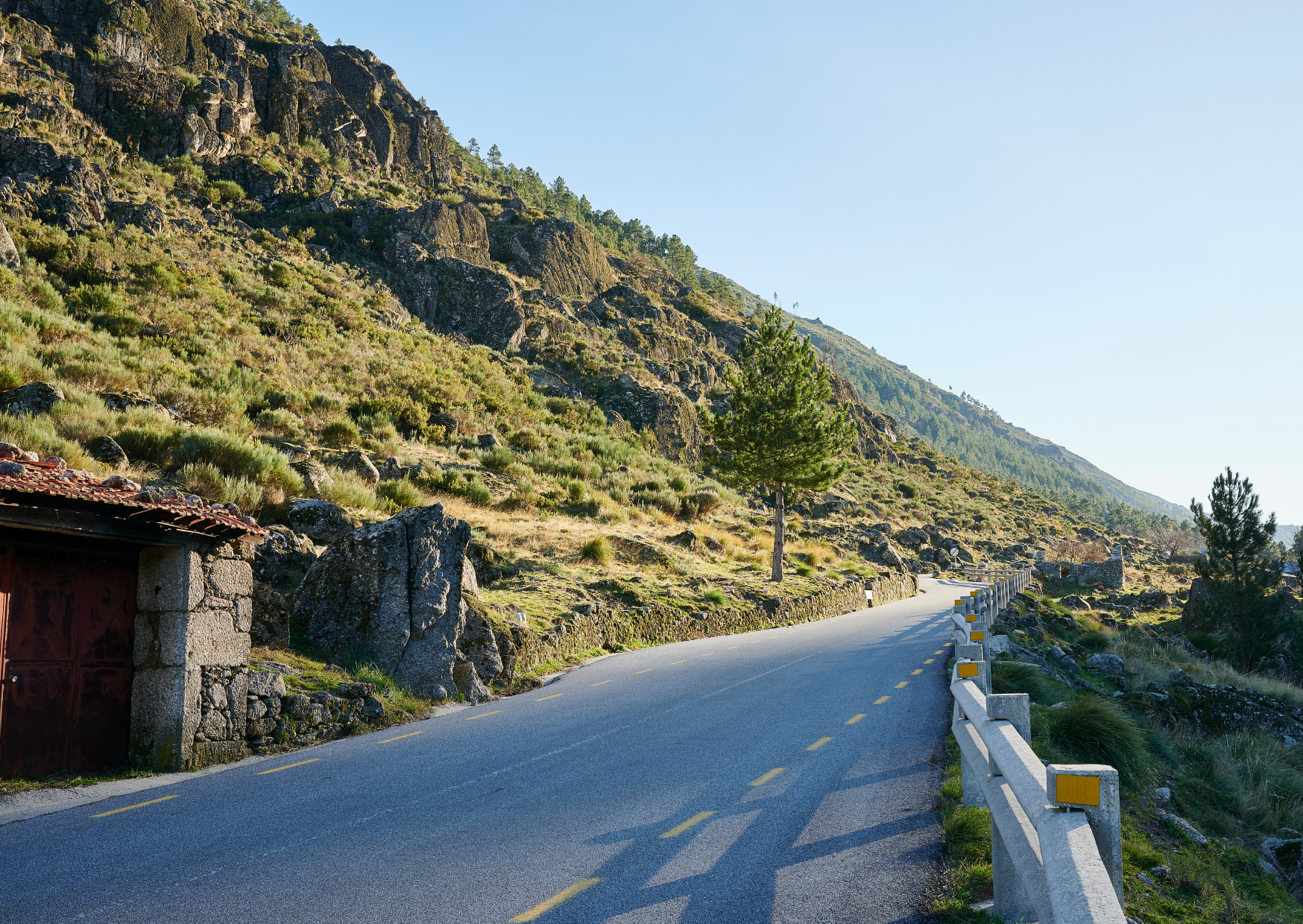
The national relocation grant for Portugal’s interior is simple in design and strict in the details. If you sign a work contract in an eligible interior municipality or register real self-employment there, you can apply for a package that includes a base amount, an increment per family member, and reimbursement for documented moving costs. In recent updates during 2024 and 2025, the ceiling has hovered just under five thousand euros. Many applicants report final awards in the €3,000 to €4,800 range depending on family size and receipts. Think of it as your landing buffer.
A few important rules matter more than the headline number. You must move your tax residence to the interior, stay a minimum period, and prove the work link. Some applicants can layer this with training support or entrepreneurship micro-grants if they open a business locally. A common mistake is assuming the grant is for anyone who loves stone villages. It is not. The program funds people who live and work in the interior, including remote workers who register there. Retirees and second-home owners generally do not qualify under the national scheme.
Where “Free Housing” Actually Shows Up
Free housing is never truly free, but several interior municipalities and intermunicipal programs now do something close to it for a short window. Two patterns are emerging in the mountain regions.
1) Municipal bridge apartments. Towns keep a small inventory of furnished units for new arrivals with verified jobs. The model is straightforward. You receive a short, zero-rent or symbolic-rent stay, usually one to three months, while you search for a long-term lease. Utilities are often included. The condition is simple. You are actively settling, not browsing. This solves the hardest week of any relocation, the period where you need a local address to get anything else done.
2) Rent subsidies that mimic free housing. In tight markets, local councils offer rent offsets big enough to make your net rent unusually low for the first year. A common version is a fixed monthly credit paid to your landlord or reimbursed after you submit receipts. Families with children sometimes receive an enhanced rate. When you layer that with the national relocation grant and employer help, the first year’s housing cost can approach zero on paper. That is how “free housing” makes it into headlines. It is a product of stacked incentives, not a single magic apartment.
Do not expect every mountain town to run both models. Programs shift by budget cycle and can be paused when units fill. The right way to approach housing is to confirm the current municipal offer before you plan a move, then work through the town’s settlement office that handles grant intake and lease matching.
Where This Is Happening
The Portuguese highlands are not one place, but a set of ranges and plateaus. If you are reading this with a map open, aim for three clusters.
Serra da Estrela and the Historic Villages Belt. This is Portugal’s highest range, ringed by hill towns like Guarda, Belmonte, Linhares da Beira, and Sortelha. Councils here concentrate on stabilizing schools and services, so they love applicants who show up with remote-friendly work, teaching, healthcare, or trades. Several towns operate bridge housing or strong rent offsets, and the region’s intermunicipal group is unusually active at pairing newcomers with year-round leases rather than holiday rentals.
Beira Interior Sul and the border line. Towns near the Spanish frontier, smaller and wind-worn, often offer the strongest cash stack. You trade a longer drive to big hospitals and airports for low rents, quiet streets, and councils willing to fight hard for every family. If you work in logistics, renewable energy, construction, or health, the job pairing can be faster than you expect.
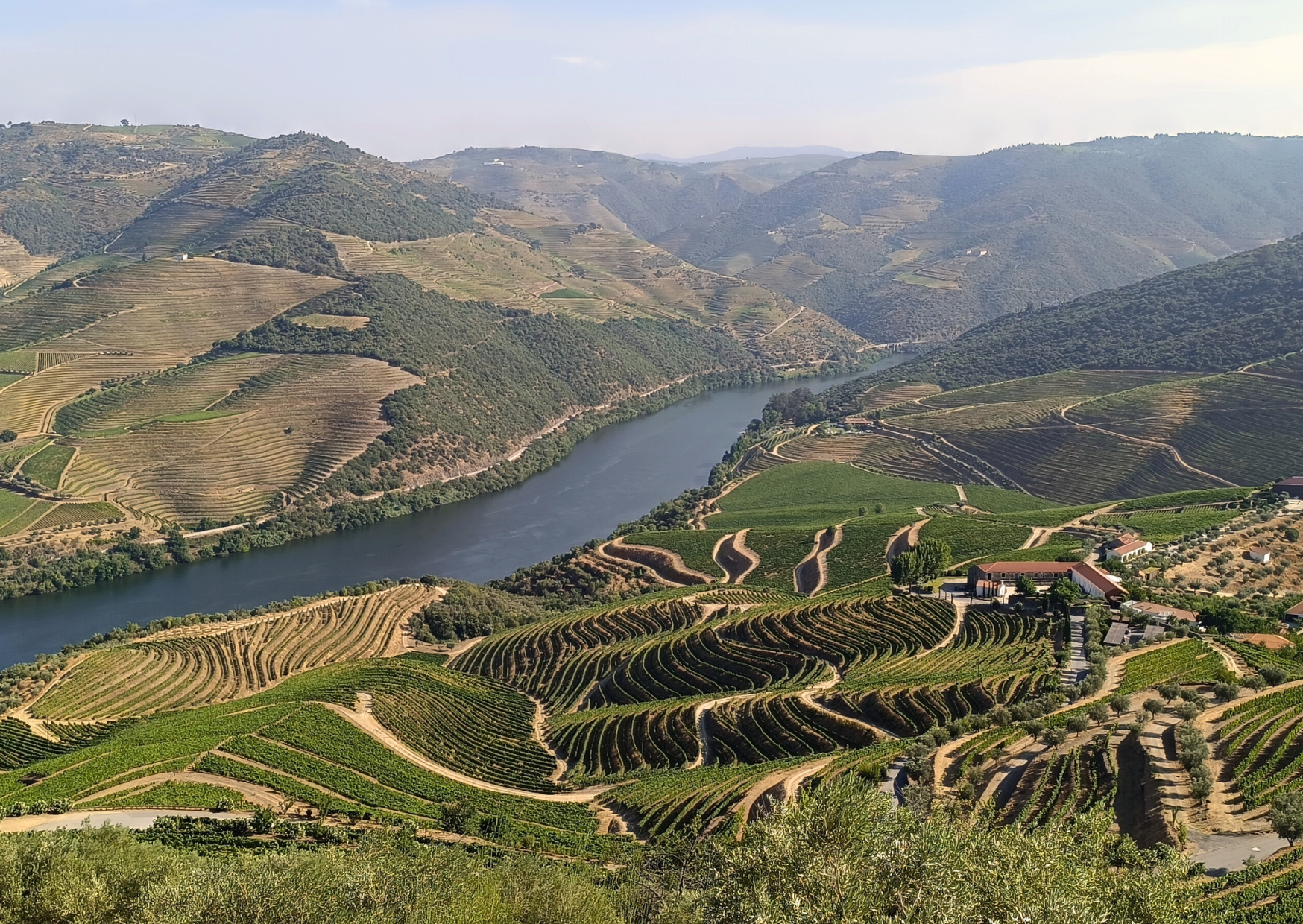
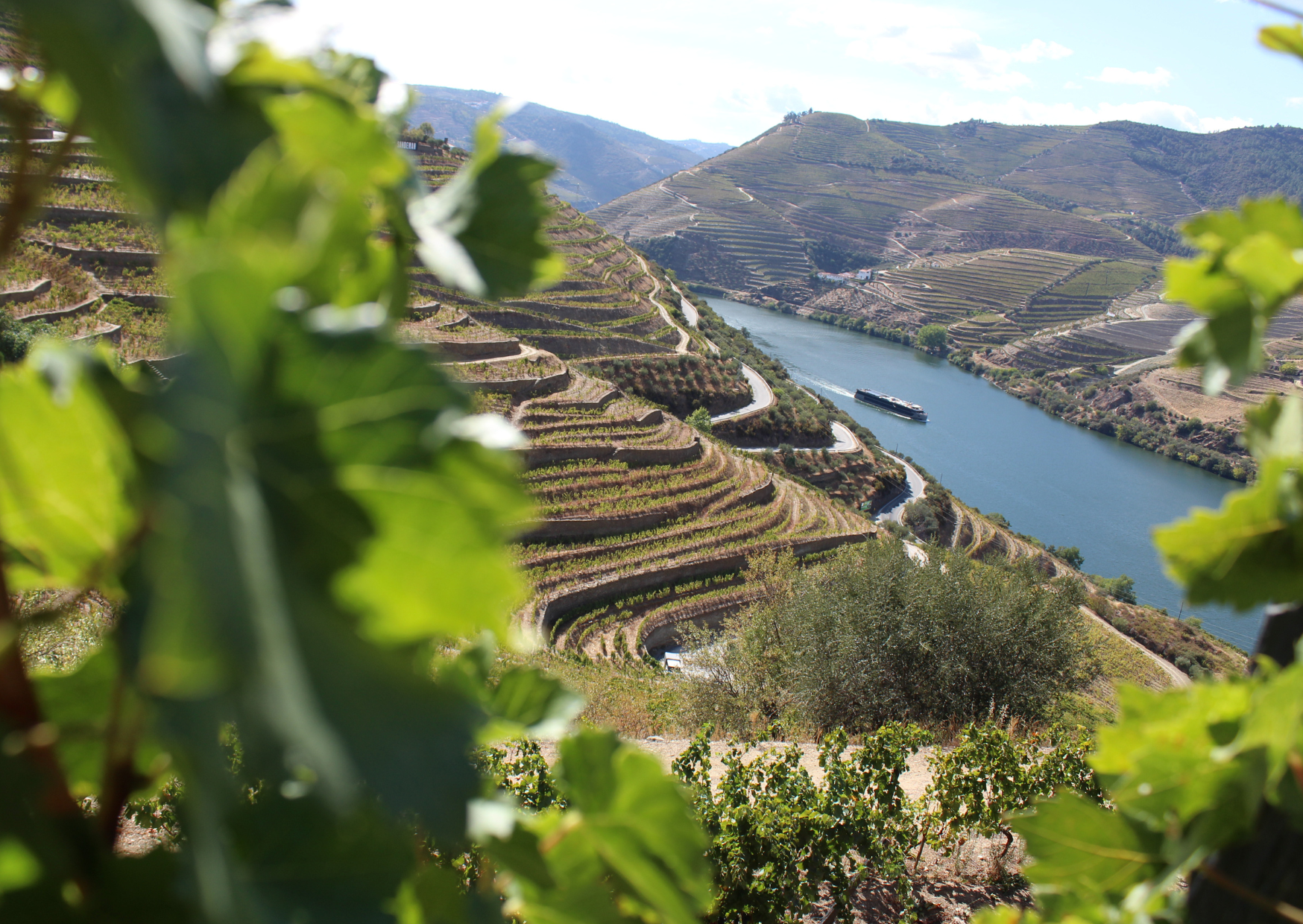
Douro interior and the high terraces. North of the mountains, towns behind the river’s wine fame are using relocation grants to feed both agriculture and services. If you are a couple with one remote worker and one who can slot into local work, these councils will throw real effort at your landing, especially if you bring school-age children.
Each cluster pays differently and calls its housing help something different, but the logic is the same. Cash to move. A place to stay while you find your place. A warm line into employers who actually answer their phones.
What It Really Costs To Live Up Here
In a mountain town, the line items that sink budgets on the coast flatten. Rents fall. Parking is a question you stop asking. Heat rises as an expense and then becomes manageable when you learn your house. The real cost in the highlands is a set of small adjustments that save money once you make them.
Heating and insulation. Stone is beautiful and stubborn. Invest in draft control, thick curtains, and pellets or wood if your house is set up for it. One winter of waste will teach you faster than any guide. After that, you will spend less than you fear and more than a beach city friend imagines.
Transport. A second car rarely makes sense. The town center is your daily range. Use trains and regional buses for the rest. If you are a remote worker, you will drive less and walk more. Your shoes will last longer and your dentist will ask what changed because your jaw unclenched.
Groceries and services. Prices track national averages with pleasant surprises. Seasonal fruit and cheese are cheaper. Takeaway is less common and less tempting. You will cook more and complain less. The budget holds because the day is not designed to siphon cash.
Exactly How To Apply Without Getting Stuck
Treat the move like a two-part file: national grant plus municipal help. Then layer a third part if your employer contributes. Stacking is how you win.
1) Confirm eligibility and timing for the national relocation grant.
- You need a work contract tied to an interior municipality or a registered self-employment activity there.
- The grant package combines a base award, a per-dependent increment, and moving cost reimbursement. Collect every receipt.
- The program has a minimum stay requirement. If you bolt early, you repay.
2) Choose your mountain council like you choose a school.
- Ask three questions on the first call. Do you run bridge housing, a rent subsidy, or both right now? How many units are available this quarter? Who at town hall shepherds new arrivals through leases, utilities, and schools?
- Do not accept “we are studying it” as an answer. Choose the council that runs the program, not the council that posts about it.
3) Line up housing the interior way.
- If the town has bridge housing, book your dates. If not, ask for the list of owners who rent year-round and the WhatsApp group where locals post vacancies before they hit platforms.
- Bring Portuguese translations of your basic documents. A one-page introduction in Portuguese with your family details and employer name opens doors.
4) File the grant with a clean packet.
- ID, tax number, social security, work contract, proof of address, bank details, dependent information, and moving receipts.
- The packet must match what you say on the phone. Small inconsistencies cause long pauses.
5) Stack municipal help last.
- Rent subsidies usually require the signed lease and a bank IBAN. Bridge housing needs dates and proof the move is underway.
- Some councils add baby bonuses, school supply stipends, or utility credits. Ask for the current grid.
Grant windows and council budgets do not wait. Hit your dates, prove your work link, and show up when you say you will. The interior is relaxed. The programs are not.
The Fine Print That Trips People Up
Assuming every village pays the same. They do not. One town has cash and no housing. The next has housing and a short budget. Call first.
Arriving without a work link. The national grant funds workers, not wish lists. If you plan to open a small business, prepare your registration and a one-page plan first.
Expecting a coastal lease process. Mountain landlords rent by conversation and proof of stability. Bring references, proof of income, and your Portuguese introduction.
Underestimating winter. You will love it by February if you respect it by December. Learn your house and your hill. The second winter is easy.
Thinking “free housing” means a year. It means a glide path to your long-term lease. Use the time to find your place, not to delay choosing one.
A Month-By-Month Settlement Plan
Month 1: Arrival and landing.
- Use bridge housing or a short lease. Register your tax address. Enroll kids. Open utilities. Walk every block and every grocery.
- File the relocation grant and submit moving receipts. If there is a municipal rent credit, complete that form next.
Month 2: Lock in the lease.
- Choose your long-term apartment or house. Know the wind, sun, and noise at different hours. Meet the neighbors before you sign.
- Join the municipal WhatsApp groups for sports, swaps, and events. Life gets cheaper and fuller when you do.
Month 3: Get local about work.
- If you are remote, set a town office habit so your day is not endless. If you are employed locally, ask about training and pay supplements.
- Map your errands to the market schedule instead of the shopping apps. The habit will pay you back.
Month 4 and 5: Learn winter or summer.
- If it is cold, install draft stoppers, adjust curtains, and test your heat with a utility monitor for one week. If it is hot, learn shade and timing.
- Take the regional train for a weekend and notice how easy it is to leave and return. A place is easier to love when you can exit it without drama.
Month 6: Stack your advantages.
- If you started a business, apply for the small entrepreneurship support that pairs with the relocation grant.
- Check for school, sports, and baby bonuses you missed in the arrival rush. Councils rarely market the full list.
What Life Looks Like After The Incentives
The grants get you here. The town keeps you here. After the first year, you will spend most days within a three-kilometer loop and enjoy it. The calendar revolves around harvest weeks, snow mornings, school festivals, and the small pride of knowing every bakery by name. You will drive less and meet more people. Your rent will not rise by surprise. You will own more wool. Your weekends will require fewer reservations.
There is no trophy for choosing the mountain over the coast. There is a different rhythm, lower background noise, and a municipal phone number that returns calls because the person on the other end saw you at the market yesterday. If your work fits inside that rhythm, the math is good and the days are better.
How The Numbers Stack In Real Life
Here is a common landing stack for a couple with one remote worker, one local contract, and a child. Adjust to your reality.
- National relocation grant: base award plus dependent increment and documented moving costs, total near €4,000 to €4,800.
- Municipal rent support: €150 to €300 per month for six to twelve months, or a bridge apartment that removes rent for one to three months.
- Employer help: one-time stipend for relocation, often €500 to €1,500 in public sector roles with hard-to-fill posts.
- Tax and fee breaks: reductions on construction or renovation fees if you buy and fix, discounted parking, free school meal credits for lower-income families.
Net effect in year one: the grant covers your deposit and move, the rent credit bridges the lease, and the employer stipend buys the appliances your city lease used to include. In a country where national housing policy is finally expanding affordable stock, mountain councils are using what they control right now to make a town livable the week you arrive.
Pitfalls Most Buyers Miss
Chasing the prettiest village instead of the most organized council. The best stone street is not the best intake office. Choose the team that runs programs on time.
Ignoring school logistics. If you have children, confirm transport and extracurriculars before you sign a lease on a hillside that adds a half hour to every activity.
Forgetting your own job math. If your income depends on easy airport access, check winter schedules and drive times from your specific town, not the district capital.
Assuming the grant is renewable. It is not. Treat it as a one-time boost and build your budget on permanent costs, not temporary help.
Under-documenting your move. Keep every receipt. Photograph boxes and bills. The relocation grant pays faster when your packet leaves no room for guesswork.
Exactly How To Choose Your Town
Make a short list of three councils. Send each the same one-page email in Portuguese and English with your family details, work link, arrival month, and housing needs. Ask five questions.
- Do you run bridge housing right now and how many units are available in the next quarter?
- What is your current rent subsidy amount and duration?
- Who is the named person in your office that shepherds new families through schools, leases, and utilities?
- Which local employers are actively hiring in my field in the next six months?
- What is the average rent this month for a two-bedroom year-round lease in your town?
Pick the council that answers clearly, gives you names, and offers a video call this week. That is the council that will answer when you arrive.
Portuguese mountain towns are not asking you to gamble on romance. They are offering a precise trade. Cash to come, a place to land, and a simple path to work in towns that need neighbors more than they need slogans. If you bring a job or build one and you want a life with crisp seasons, small classes, and a rent bill that does not bruise, the interior is ready to pay you to make the move. Take the money, take the keys, and take the view that comes with them. The rest is learning which bakery sells out first and which road ices last. You will know both by the end of your second week.

About the Author: Ruben, co-founder of Gamintraveler.com since 2014, is a seasoned traveler from Spain who has explored over 100 countries since 2009. Known for his extensive travel adventures across South America, Europe, the US, Australia, New Zealand, Asia, and Africa, Ruben combines his passion for adventurous yet sustainable living with his love for cycling, highlighted by his remarkable 5-month bicycle journey from Spain to Norway. He currently resides in Spain, where he continues sharing his travel experiences with his partner, Rachel, and their son, Han.