
Ever wonder what chefs avoid ordering when they eat out? From overpriced dishes to food safety risks, these are 10 restaurant menu items you should think twice about before ordering!
Dining out is supposed to be a treat — a chance to enjoy expertly prepared food without the hassle of cooking. But according to many professional chefs, there are certain dishes you should think twice about before ordering. Whether it’s because of freshness concerns, overpriced ingredients, or poor preparation, some menu items have earned a reputation among insiders as ones to avoid.
From deceptively simple dishes that restaurants often overcharge for, to items with a high risk of being reheated or poorly sourced, chefs have seen firsthand what goes on behind the kitchen doors. Their advice can save you money, help you avoid disappointment, and make your dining experience much more rewarding. Knowing what to skip — and why — can help you dine smarter wherever you go.
In this post, we’ll explore ten foods that chefs say you should avoid ordering at restaurants. We’ll also share what dishes tend to be safer bets, ensuring that your next meal out lives up to expectations — whether it’s at a fine dining spot or a casual café.
Read Here European Things that terrify Americans and American Habits that make Europeans Cringe
Read here how to pack for Europe and Best eSIM for Europe
BOOK YOUR TRAVEL INSURANCE
Two of our favorite travel insurance: Heymondo Vs Safetwing cheapest travel Insurance. You can get for $135 USD your Heymondo Travel Insurance with Heymondo discount code valid for 90 days. Read our full comparison of Genki vs Safetywing Travel Insurance Review and the comparison Heymondo vs Genki
Quick & Easy Tips for Smarter Restaurant Ordering
Skip the Specials Board if It’s Too Long — Specials should showcase fresh ingredients, not serve as a dumping ground for leftovers.
Be Cautious with Brunch Buffets — Buffets often prioritize quantity over quality, with food sitting out too long.
Question Out-of-Season Dishes — If a dish relies on seasonal ingredients, it’s worth checking if it’s actually in season for the best quality.
Avoid “House” Versions of Common Dishes Without Asking — Always ask what makes a house special truly special before ordering.
Go for Dishes the Restaurant Is Known For — Stick to specialties and signature dishes rather than generic menu fillers.
One major misconception is that everything on a restaurant menu is prepared fresh and to the same standard. In reality, some dishes are bought pre-made, frozen, or pre-cooked to save time and reduce costs — particularly appetizers and side dishes. Chefs often recommend steering clear of items that seem out of place on the menu or overly generic.
Another debated belief is that ordering the most expensive item guarantees the best quality. Often, high-priced dishes like seafood platters or premium cuts of meat are marked up significantly without offering a proportional jump in quality. Chefs suggest sticking to mid-range items or house specialties, where the kitchen’s expertise truly shines.
Perhaps most surprising is the idea that chef’s recommendations are always about flavor and experience. Sometimes, chefs recommend dishes to move inventory or highlight items with higher profit margins. While many chefs do suggest their favorite dishes, it’s wise to ask follow-up questions about what makes a dish stand out.
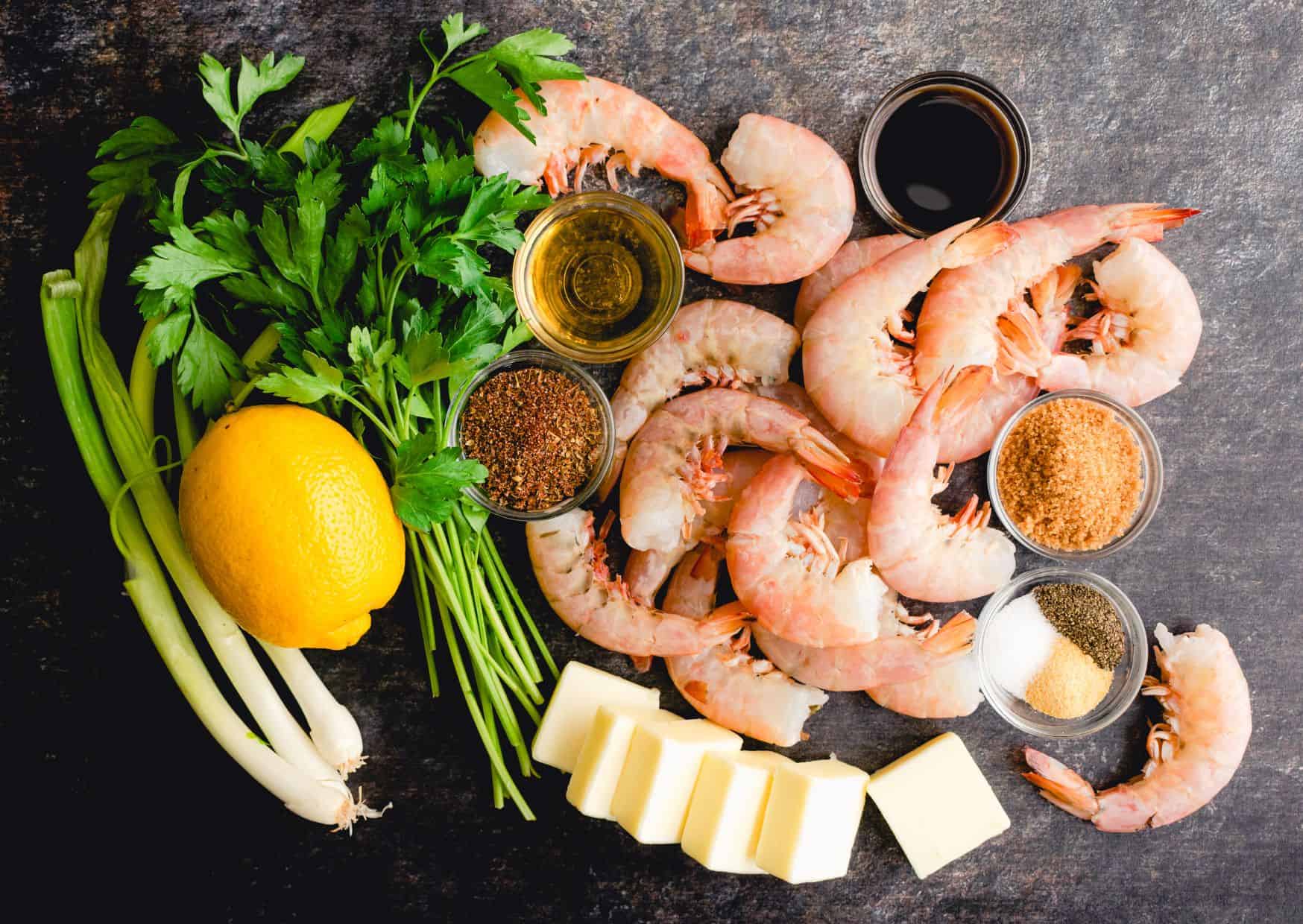
1. Seafood on Mondays (Unless It’s a High-End Spot)
Why Avoid It?
Many restaurants get seafood deliveries on Thursdays or Fridays, meaning that Monday’s fish is several days old.
Fish sitting too long = loss of freshness & higher risk of foodborne illness.
When It’s Safe: At high-end seafood restaurants with daily deliveries.
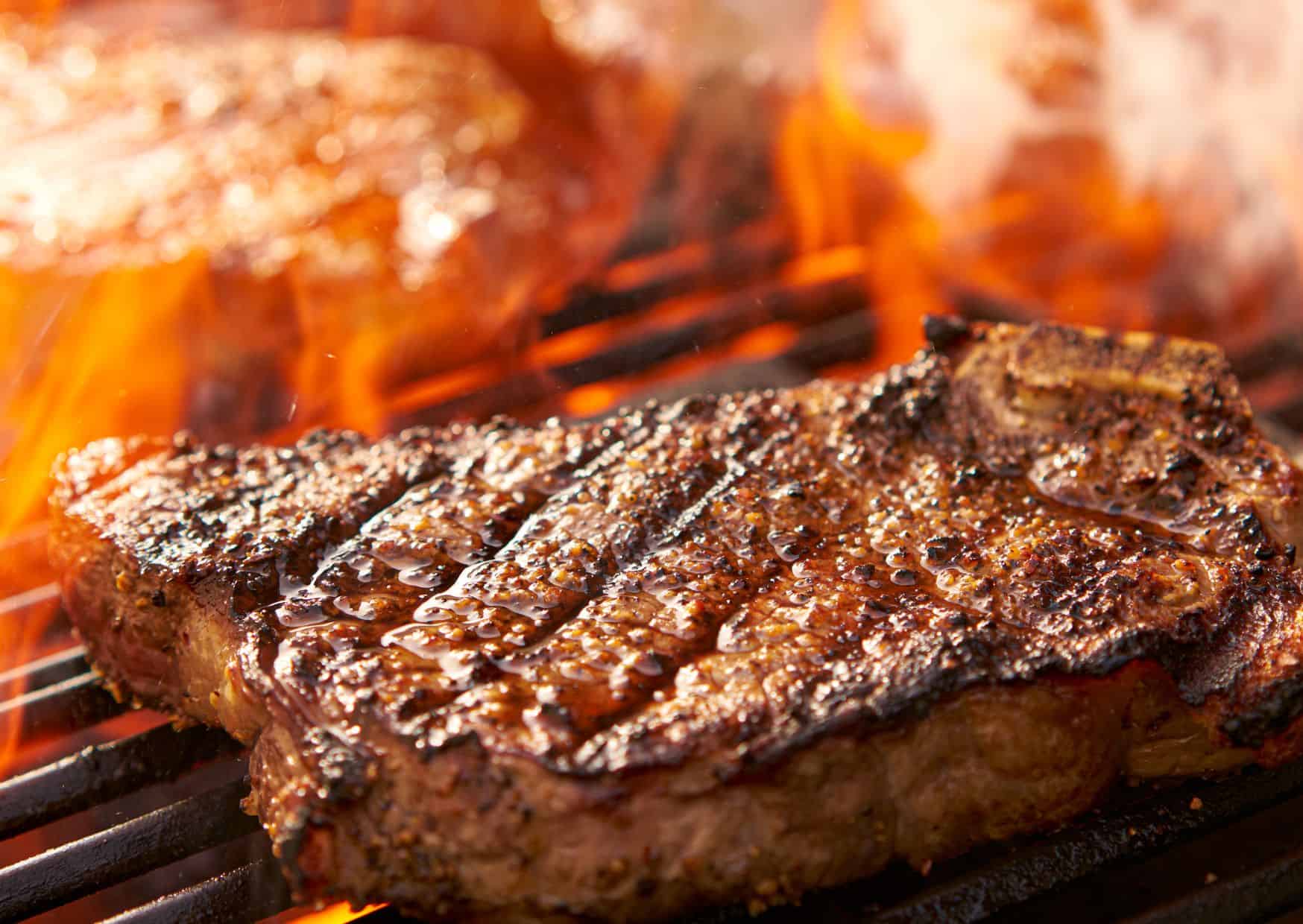
2. Well-Done Steak (A Waste of Good Meat)
Why Avoid It?
Chefs hate cooking steak well-done because it kills flavor & tenderness.
Many places use lower-quality cuts for well-done orders since the texture is ruined anyway.
Better Choice: Medium-rare or medium for a juicier, more flavorful steak.
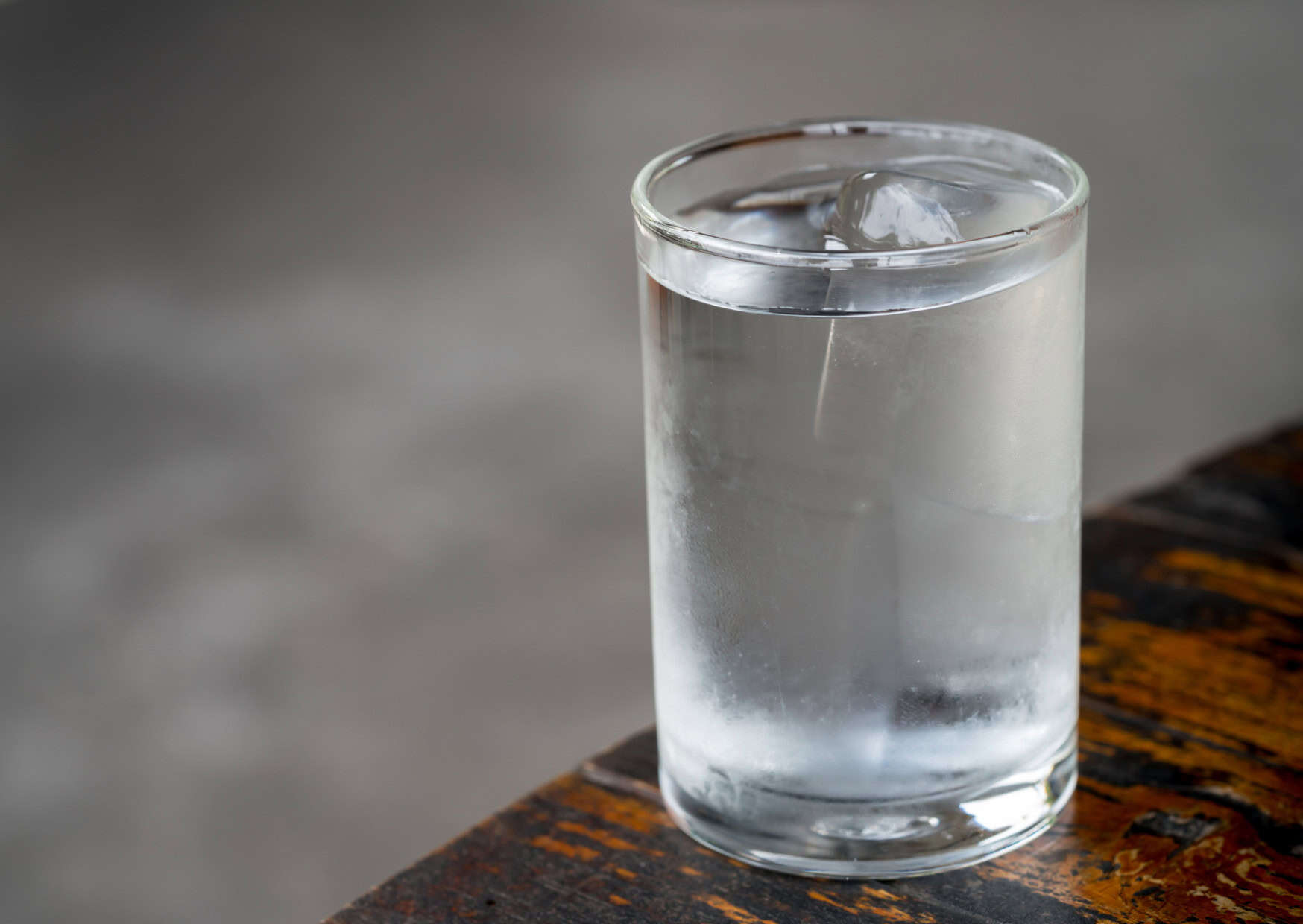
3. Ice in Your Drink (Unless You Trust the Restaurant’s Hygiene)
Why Avoid It?
Ice machines are rarely cleaned properly, making them a breeding ground for mold & bacteria.
Studies have found ice in some restaurants is dirtier than toilet water (yikes!).
Better Choice: Order drinks without ice at sketchy or lower-end restaurants.
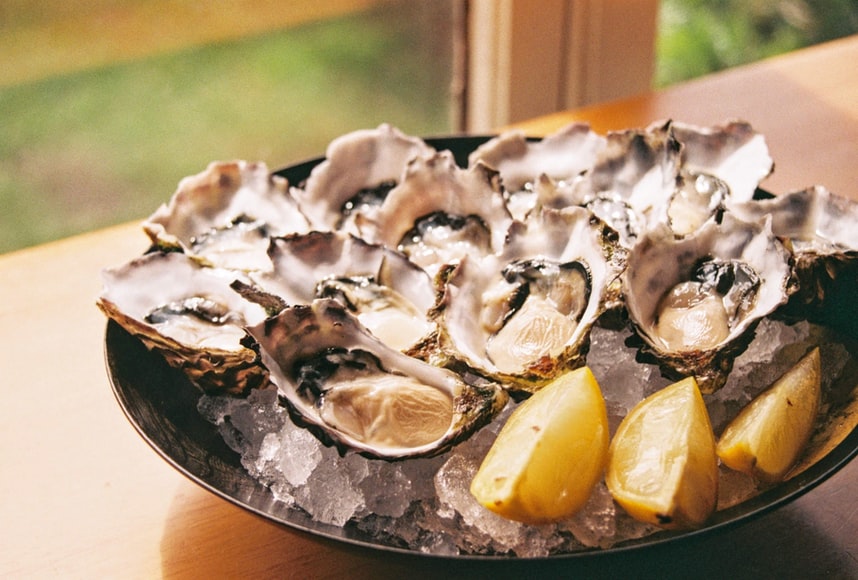
4. Raw Oysters (From Untrustworthy Places)
Why Avoid It?
Oysters filter water, meaning they absorb toxins, bacteria, and pollutants.
If not stored correctly, they can contain Vibrio bacteria, which can cause severe food poisoning.
When It’s Safe: Only eat oysters at high-quality seafood spots with fast turnover & fresh shipments.
5. “Specials” (That Aren’t Really Special)
Why Avoid It?
Some restaurants use “specials” to get rid of old ingredients before they go bad.
Unless it’s chef’s-choice fresh, it could be leftover ingredients repurposed into a dish.
When It’s Safe: Ask the server if it’s a true specialty or just a “clear-the-fridge” dish.
6. Salad with Dressing on the Side (It’s Not as Healthy as You Think)
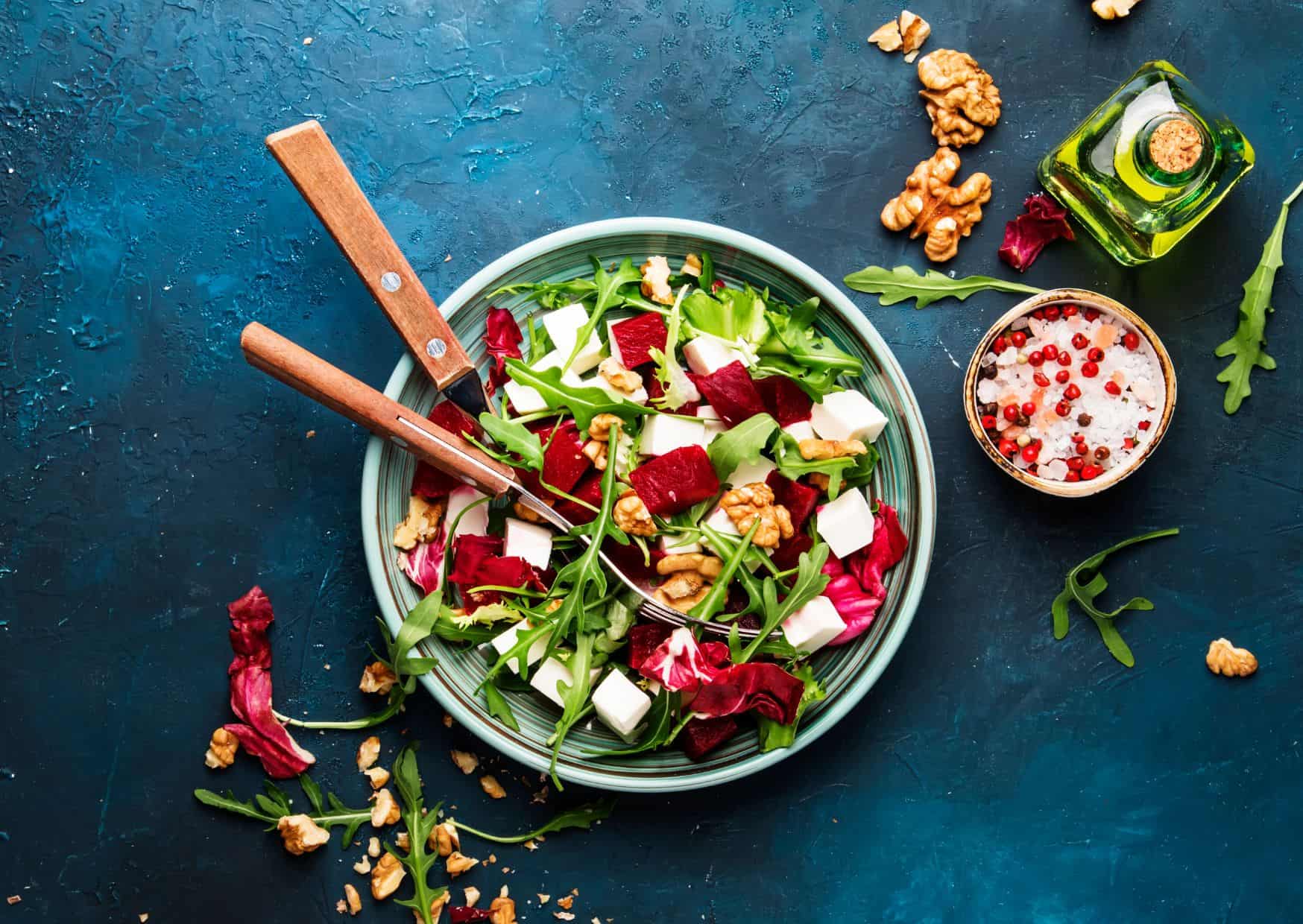
Why Avoid It?
Pre-cut lettuce sits in storage for days, increasing risk of bacteria & foodborne illness.
Dressings are often loaded with sugar, cheap oils, and preservatives.
Better Choice: Go for hot, freshly cooked vegetables instead of raw salads.
7. Anything Truffle-Flavored (Fake & Overpriced)
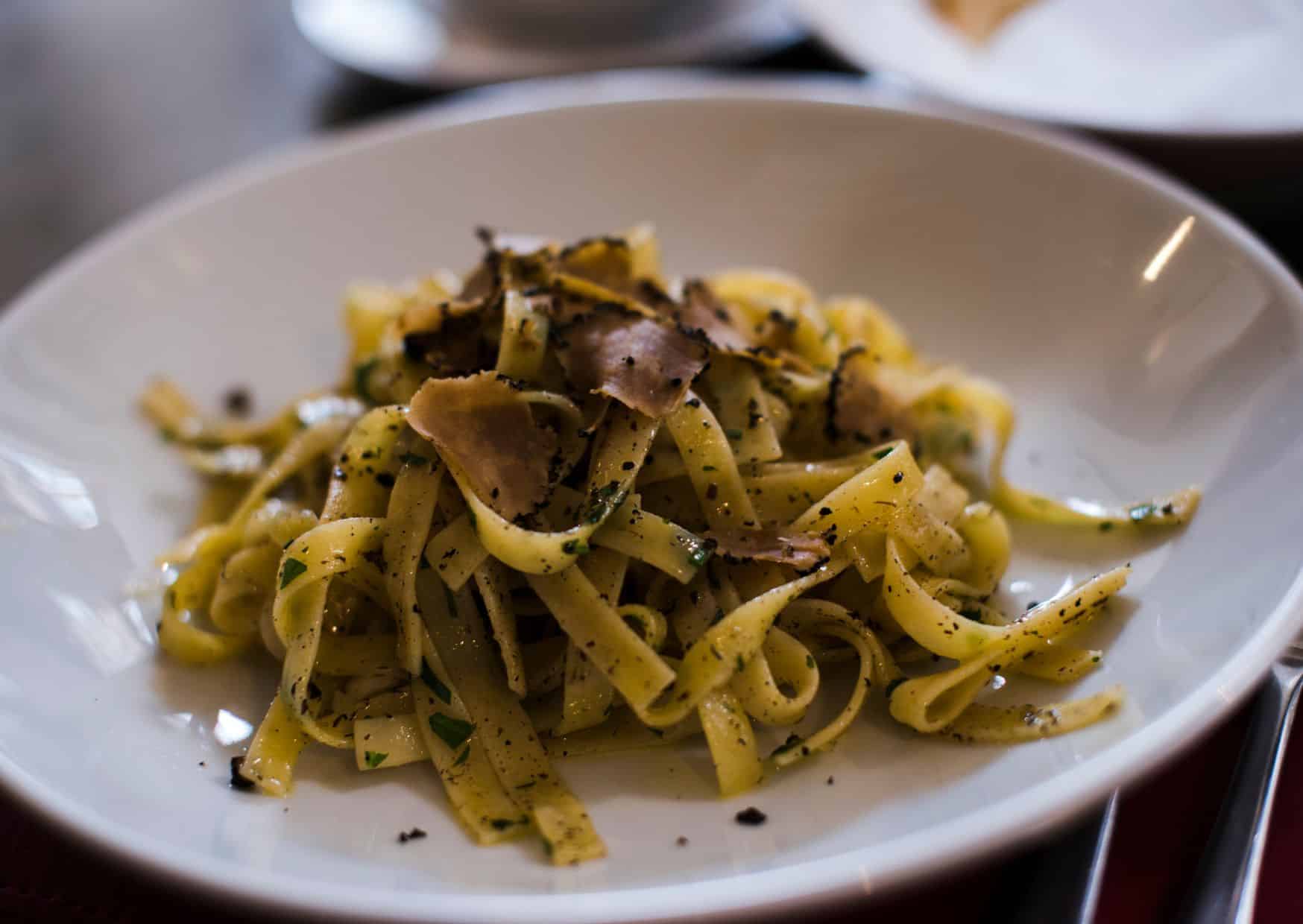
Why Avoid It?
Most “truffle” dishes don’t have real truffles—they use truffle oil made from synthetic chemicals (not real mushrooms!).
Extremely overpriced for something that’s not authentic truffle flavor.
Better Choice: If you want real truffles, look for dishes with fresh shaved truffles (not just “truffle oil”).
8. Lobster Mac & Cheese (A Rip-Off)

Why Avoid It?
Often uses frozen or low-quality lobster (not fresh!).
Overpriced—you’re mostly paying for the idea of luxury, not actual premium ingredients.
Better Choice: Order grilled or steamed lobster instead of a gimmicky pasta dish.
9. Anything “Wagyu” or “Kobe” (Unless You’re at a Legit Steakhouse)
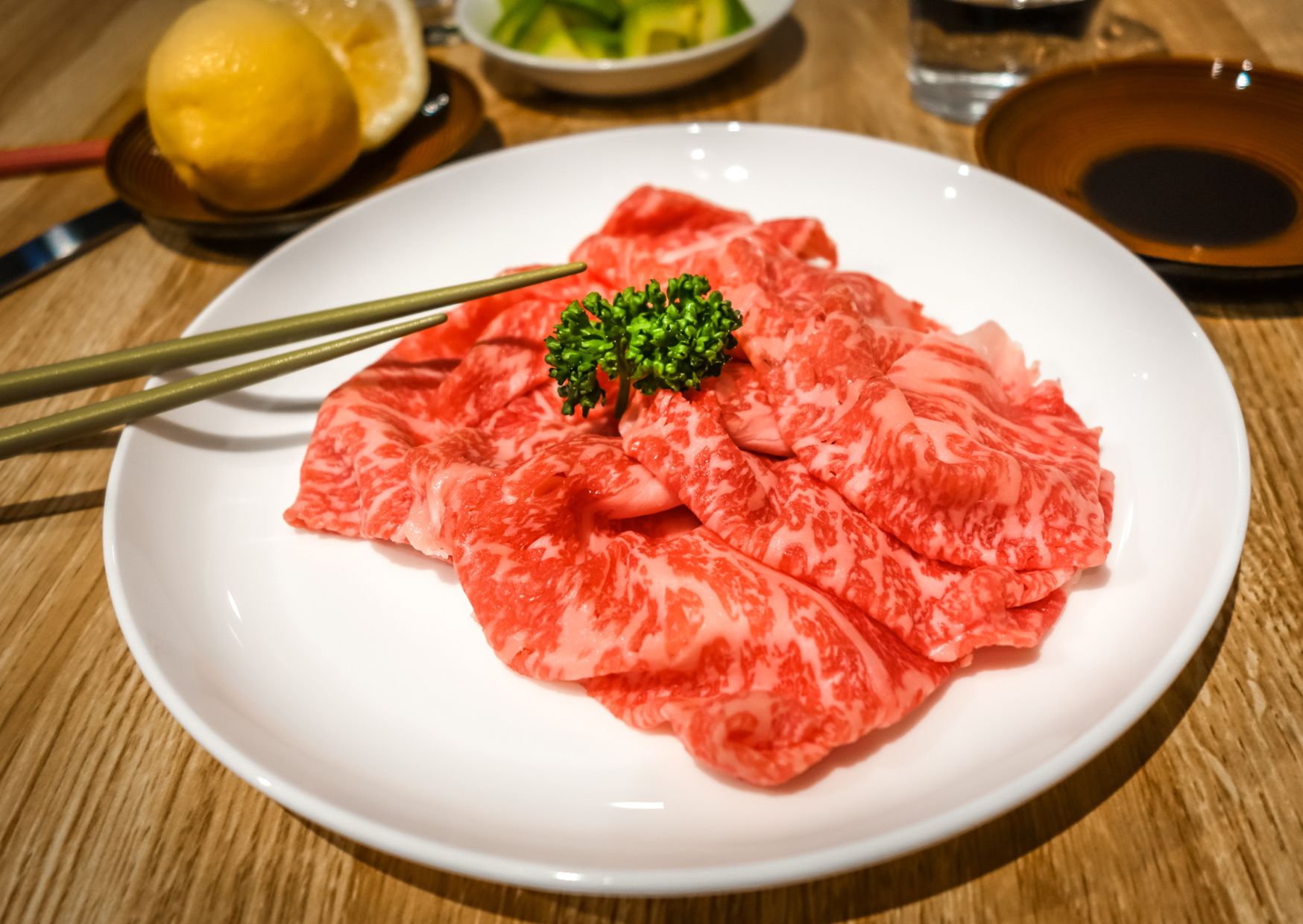
Why Avoid It?
Most “Wagyu” or “Kobe” beef in the U.S. isn’t real—it’s just regular beef with extra fat.
True Japanese Wagyu or Kobe is expensive & rare—if it’s cheap, it’s fake.
When It’s Safe: Only order from high-end, certified restaurants that import real Japanese beef.
10. Fancy “Farm-to-Table” Dishes That Are Just Buzzwords
Why Avoid It?
Many places use “farm-to-table” or “organic” as marketing, but their food still comes from bulk suppliers.
It’s often just a way to charge higher prices.
Better Choice: Ask where the ingredients actually come from before paying extra.
These items aren’t always bad, but knowing when & where to order them will save you money & keep you from getting sick.
Final Thoughts
Dining out should feel special, and that starts with making informed choices about what you order. By understanding which dishes chefs avoid — and why — you gain a better sense of what’s worth your money and what might leave you disappointed. Smart ordering means better meals, fewer regrets, and a deeper appreciation for good food.
While it’s tempting to stick with familiar menu items or fall for flashy specials, taking a moment to consider your choices can make all the difference. Trusting your instincts, asking questions, and being a curious diner often lead to discovering hidden gems and enjoying truly memorable meals.
So before you order that overpriced entrée or suspiciously fancy special, remember the insights shared by those who know the industry best. With a little knowledge, you’ll dine like a pro — savoring meals that are worth every bite and avoiding the ones that aren’t.

About the Author: Ruben, co-founder of Gamintraveler.com since 2014, is a seasoned traveler from Spain who has explored over 100 countries since 2009. Known for his extensive travel adventures across South America, Europe, the US, Australia, New Zealand, Asia, and Africa, Ruben combines his passion for adventurous yet sustainable living with his love for cycling, highlighted by his remarkable 5-month bicycle journey from Spain to Norway. He currently resides in Spain, where he continues sharing his travel experiences with his partner, Rachel, and their son, Han.