
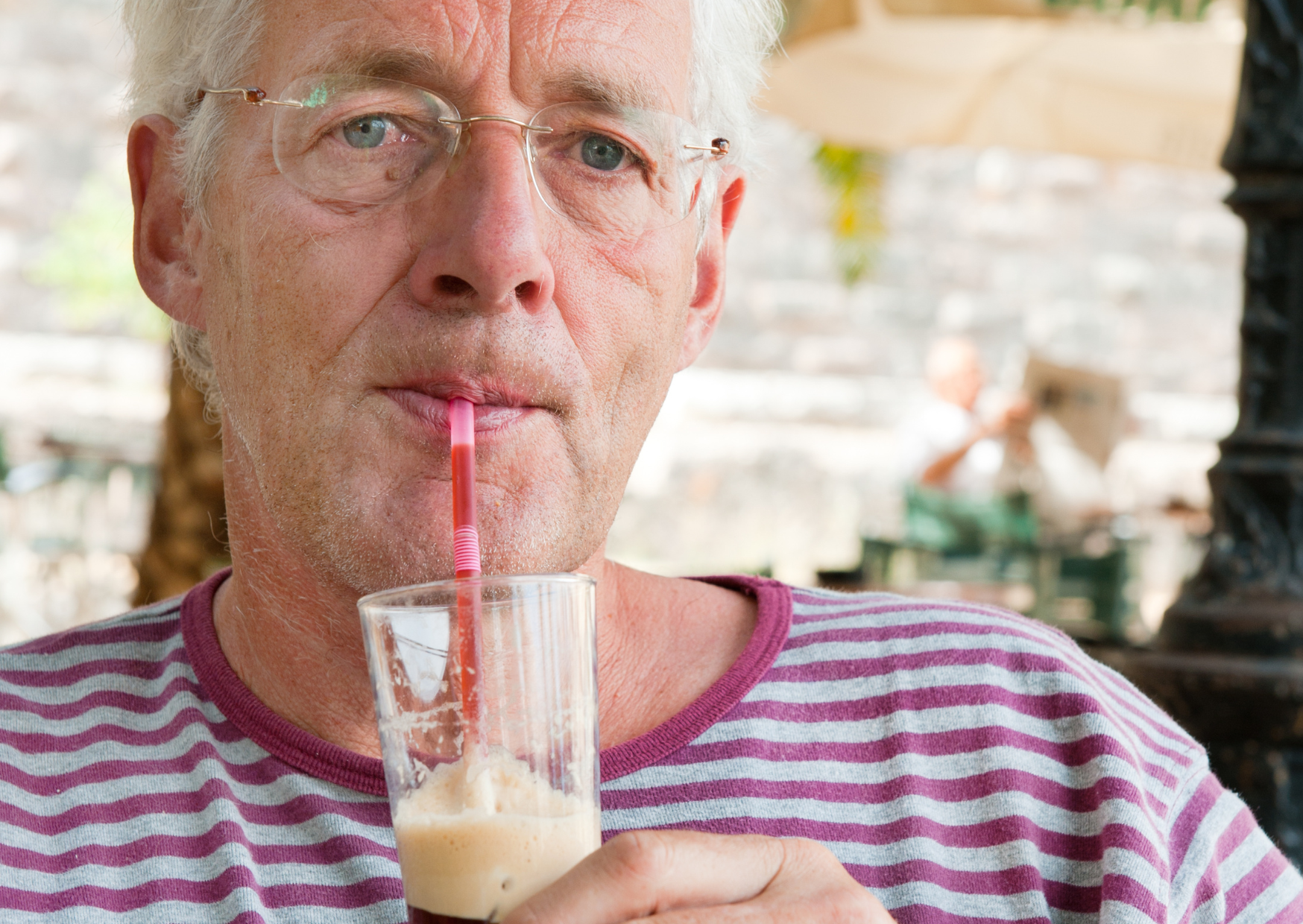
Americans treat afternoon coffee like a crime against sleep. Greeks treat it like a daily ritual. As of September 2025, the science says dose, genetics, and evening habits matter more than a hard noon cutoff. Here is why a 6 p.m. Greek coffee rarely ruins the night, the exact rules that make it work, and two easy recipes to bring the ritual home.
You see it everywhere in Athens at golden hour.
It is 6 p.m. Tables fill with tall glasses, all clinking with ice. Friends talk. Students scroll. Parents hand out bites of koulouri to kids who weave through chairs like sparrows. The drinks are almost always two things: frappé, a shaken foam of instant coffee and cold water, or freddo espresso, a double shot poured over ice. Nobody is rushing. Nobody looks guilty.
Across the Atlantic, the vibe changes. Your coworker looks at the clock, frowns, and abandons the idea of a late coffee with a sigh. “If I drink after noon I will not sleep.” The rule is treated like physics. Break it and pay with a wired mind at midnight.
Both crowds want the same thing: to feel good in the late afternoon and to sleep at night. The difference is how they treat the hours in between. Greeks manage it with portion control, slow sipping, movement, and a late dinner culture that spaces coffee far from bed. Underneath, biology matters too: caffeine metabolism is highly variable, and many people can drink small amounts later with no penalty. The point is not to convert everyone into a 6 p.m. espresso person. It is to show you how it can work and how to test it safely for yourself.
Want More Deep Dives into Other Cultures?
– Why Europeans Walk Everywhere (And Americans Should Too)
– How Europeans Actually Afford Living in Cities Without Six-Figure Salaries
– 9 ‘Luxury’ Items in America That Europeans Consider Basic Necessities
The Greek Evening Coffee Tradition
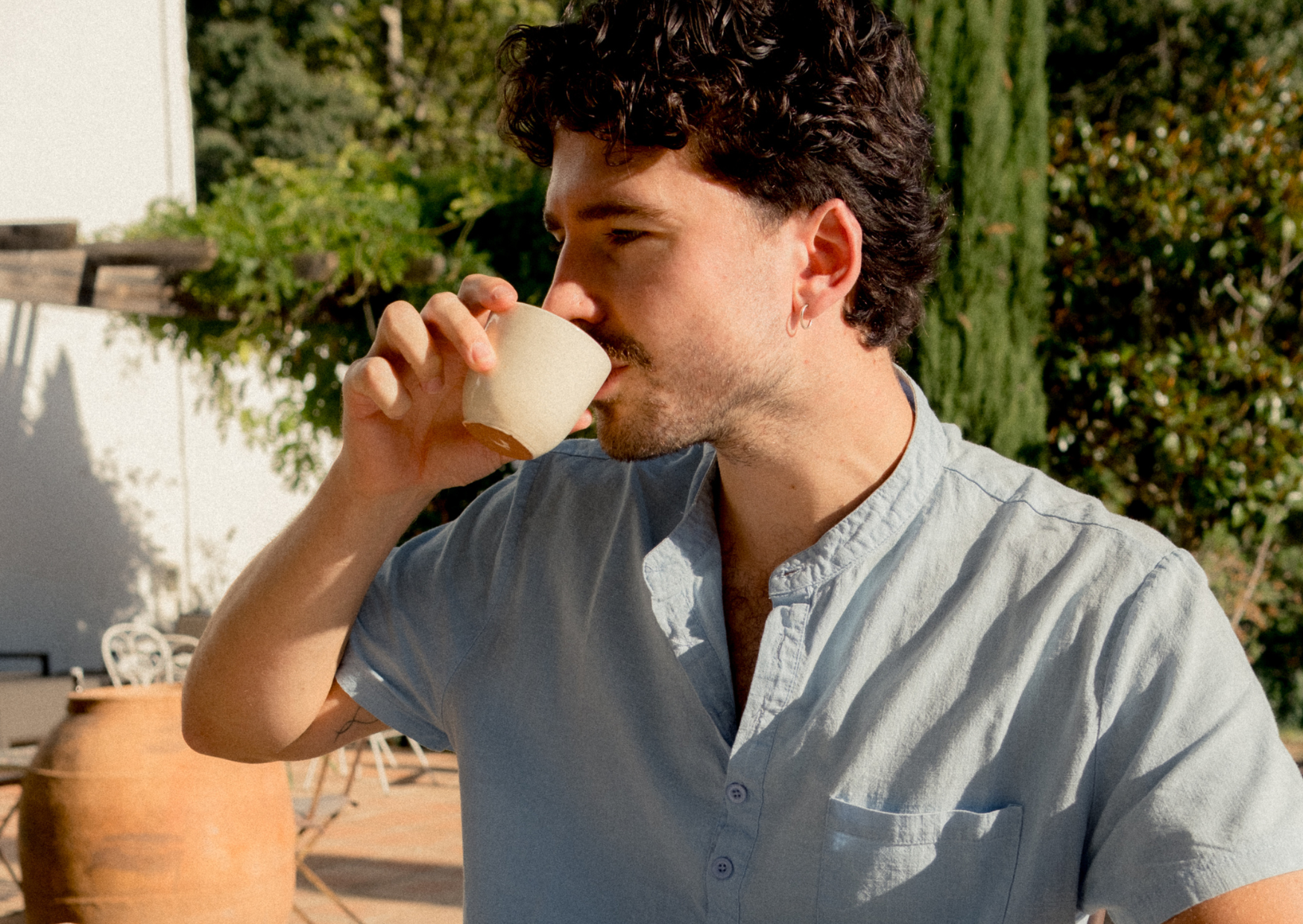
Walk the neighborhoods of Athens or Thessaloniki in the early evening and you will see a specific choreography. Coffee marks the start of the social evening, not the end of the workday. Dinner often lands at 9 or 10 p.m., so a 6 p.m. drink is not a nightcap, it is a bridge. The two house styles are:
- Frappé: instant coffee shaken with cold water and sugar to a dense foam, then topped with water or milk over ice.
- Freddo espresso or freddo cappuccino: one or two shots over ice, sometimes topped with cold frothed milk.
Cold coffee dominates the market here. Industry surveys and trade interviews put cold beverages at roughly sixty to sixty five percent of Greek coffee consumption, with freddo espresso or cappuccino making up the lion’s share. That preference is cultural habit now, not a fad.
At the same time, coffee is daily life. A 2024 survey run for the Hellenic Coffee Association reported more than four in five Greeks drink coffee every day. The evening cup is part of that rhythm and usually part of a walk, an errand, or a conversation, not a solo caffeine bolt.
The Biology: Why 6 PM Is Not Automatically Fatal

The American fear of afternoon coffee comes from a real phenomenon: caffeine can delay sleep onset, reduce total sleep time, and reduce deep sleep for some people. But the effect is dose dependent and person dependent. This is not internet lore. Multiple controlled studies and reviews show wide ranges in response because of metabolism speed, habit, and what else you do before bed.
Here are the levers that decide whether a 6 p.m. coffee wrecks your night.
1) The half life of caffeine is a range, not a number.
You will often hear “five hours.” Reality is messier: the literature puts caffeine’s elimination half life roughly between about 1.5 and 9.5 hours in healthy adults, shaped by genetic variants, hormones, smoking, altitude, and other factors. That means the same 100 mg at 6 p.m. can behave like 30 mg at 11 p.m. for one person and 70 mg for another.
2) Genetics change the slope.
The liver enzyme CYP1A2 does most of the work breaking down caffeine. People with “fast” variants clear caffeine more quickly and often report less sleep disruption from a late cup. “Slow” metabolizers hold onto caffeine longer and are more likely to react to even small doses. Recent genetics reviews and 2024 to 2025 studies keep pointing to CYP1A2 as the main switch for metabolism speed, and they note that intake patterns often mirror genotype.
3) Dose per minute matters more than dose per day.
A small espresso sipped over an hour has a smoother absorption curve than a giant cold brew chugged in five minutes. Many Greek evening drinks land near 80 to 120 mg of caffeine for a double espresso over ice, diluted and drunk slowly. Compare that with a 20 ounce cold brew at 3 p.m. that can push 250 to 300 mg into you bang-bang. Same molecule. Different curve. (Caffeine content varies by roast and method, but the portion logic holds.)
4) Routine and spacing matter.
Because Greek dinners are later, a 6 p.m. coffee has three or four hours before a full meal and five to six hours before typical midnight bedtimes. That gives more room for the curve to fall. Eating and walking in between also buffer the effect. Mediterranean mealtime timing data consistently show a late lunch and late dinner pattern compared with Central and Northern Europe. That rhythm helps.
None of this means you can drink unlimited coffee at 9 p.m. and sleep like a stone. It does mean a small, diluted, slowly sipped coffee at 6 p.m., inside a routine that includes movement and a proper dinner, is very different from a huge late-afternoon caffeine bomb behind a screen.
What Americans Get Wrong About Afternoon Coffee

Myth 1: Any coffee after lunch destroys sleep.
There are people for whom this is true. There are many for whom it is not. Systematic reviews show average sleep impacts, but the variance is large. Treat the clock as a starting hypothesis, not a law. Test your response with small doses and clear conditions before you banish afternoon coffee forever.
Myth 2: Decaf is zero.
Decaf is not zero. A cup often contains a few milligrams up to the teens, which matters for extremely sensitive sleepers. For most people, that is trivial. For you, it might not be. Know your margin.
Myth 3: The solution is to quit at noon.
The solution is to look at total daily load, timing, portion, and sleep hygiene. If you stop at noon but scroll in bed against bright light at 11 p.m., you are solving the wrong problem.
Myth 4: A bigger drink keeps me going longer, so it is efficient.
Big late drinks work like a cannon. They hit hard then leave residue late at night. A small late cup sipped slowly raises you enough to enjoy the evening and lands you gently.
The Greek Rules That Protect Sleep
The ritual has built-in buffers that Americans often skip.
Portion control. A freddo is usually one or two shots over ice. A frappé uses two teaspoons of instant coffee shaken hard, then diluted. Both are small inputs by American standards.
Slow sipping. A Greek evening coffee lasts thirty to sixty minutes. That spreads absorption.
Movement after coffee. You almost always walk after, either to dinner or as part of the evening. Movement supports metabolism and lowers the odds that caffeine feels like static.
Spacing from bedtime. With dinner at 9 to 10 p.m. and lights out near midnight, a 6 p.m. coffee has five to six hours of runway for many people.
Social setting. You are not slamming coffee to fight a work slump. You are talking, people watching, and relaxing. Your nervous system reads that context.
The Practical Playbook: How To Try a 6 PM Coffee Without Wrecking Your Night
If you want to test the Greek pattern, do it like a scientist and a local at once. Run this for one week.
Day 1 to Day 2: Pick the right drink.
Start with one freddo espresso or frappé between 5:00 and 6:30 p.m. Keep it 120 mg caffeine or less by choosing a double shot over ice or two teaspoons instant in a frappé. Sip it for at least 20 to 30 minutes.
Day 1 to Day 7: Pair with movement.
Take a 10 to 20 minute walk within thirty minutes after you finish. Evening walks show measurable benefits on glucose handling, which often translates to steadier energy and better sleep pressure later.
Eat a real dinner.
Aim for a proper meal three to four hours later. Carbs, protein, and fat help you land. Mediterranean countries dine later than Central Europe, which means a 6 p.m. coffee is not near lights out.
Protect the bedroom.
Dim screens. Cool the room. Keep lights low. If you add caffeine and blue light together at night, you are mixing signals.
Log it.
Note sleep onset, night awakenings, and how you feel at 10 a.m. the next day. Repeat on at least three evenings. If sleep is unchanged or better, you found your dose and window. If worse, you found your limit.
Who should skip the experiment.
Pregnant people, those with diagnosed insomnia, or anyone on stimulant sensitive medications should stick to established caffeine guidance and timing limits and talk to clinicians first. EFSA’s current adult guidance caps daily caffeine at about 400 mg for most adults, with lower limits for pregnancy and adolescents.
Recipe Break: Make the Greek Drinks At Home
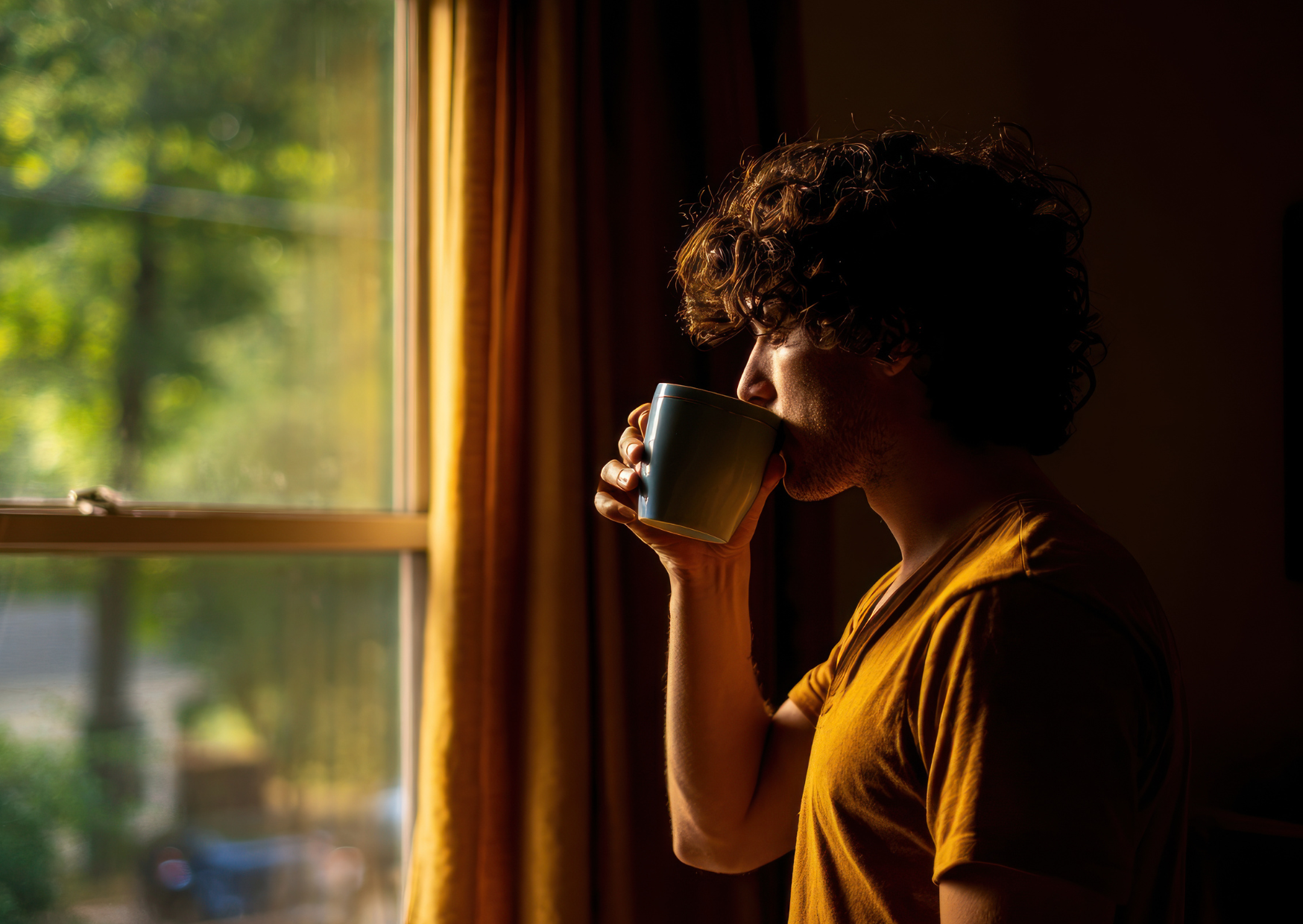
This section belongs in the middle because trying the form factor helps you feel what the routine is meant to feel like.
Greek Frappé
You need: instant coffee, water, ice, sugar optional, milk optional.
Ingredients
- 2 teaspoons instant coffee
- 50 ml cold water for shaking
- 2 teaspoons sugar, optional
- 4 to 5 ice cubes
- 100 to 150 ml cold water or cold milk to top
Method
- In a shaker or lidded jar, combine instant coffee, sugar if using, and 50 ml cold water.
- Shake hard 15 to 20 seconds until a tight foam forms.
- Slide several ice cubes into a tall glass.
- Pour the foam into the glass. Top with cold water or milk.
- Stir gently and sip slowly. The goal is 30 to 45 minutes of relaxed drinking.
Why this version helps sleep: You get a modest dose, you dilute it, and you sip. Portion is the lever.
Freddo Espresso
You need: an espresso machine or moka pot plus an ice glass.
Ingredients
- 1 double shot espresso, pulled long or moka equivalent
- 5 to 6 ice cubes
- Optional: 30 to 60 ml cold milk, frothed
Method
- Pull a double shot into a small pitcher.
- Fill a rocks or tall glass with ice.
- Pour espresso over ice. Stir a few seconds.
- For freddo cappuccino, float cold frothed milk on top.
- Sip slowly. Aim for twenty to forty minutes.
Why this version helps sleep: You experience espresso flavor without the heavy caffeine load of a large brewed coffee, and dilution smooths the curve.
The Edge Cases That Trip People Up

You are a slow metabolizer.
If evening coffee consistently delays sleep even when you keep it small, you may carry the “slow” CYP1A2 variant and should keep caffeine to mornings only. Genetic differences here are real and explain a lot of “but my friend can do it” arguments.
You drink energy drinks, not coffee.
Labels matter. A small freddo might land near 100 mg. An energy drink can pack 160 to 240 mg plus other stimulants. Not the same experiment.
You stack shots late.
The Greek pattern is one late coffee, not a chain. If you need three, you are compensating for sleep debt. Fix the foundation.
You front load light and snack late.
Going to bed hungry after caffeine backfires. Eat a proper dinner. Movement plus a meal creates sleepy pressure.
You think decaf is a free night pass.
Decaf still holds a few milligrams. For very sensitive people that can matter. If you react, make your evening ritual herbal and save your coffee for brunch.
How This Fits a U.S. Workweek
You do not need a Greek plaza to test the ritual. Try this U.S. weekday version.
Monday and Thursday
- 5:30 p.m. small freddo at home or a single iced espresso from a café.
- 6:00 p.m. fifteen minute walk outdoors or on a treadmill.
- 9:00 p.m. dinner or substantial snack.
- 11:30 p.m. lights down, screens dimmed, room cool.
Tuesday and Friday
- No evening caffeine. Keep the rest of the routine. Compare sleep and next morning energy.
Saturday
- Social version. Meet a friend for a frappé, stroll, then dinner. Small, slow, light.
Track notes in your phone. If there is no change or sleep improves on the coffee days, you found your late window. If it worsens, you learned your boundary. Your body sets the rule, not someone else’s warning.
When To Avoid Evening Coffee Entirely
There are clear red lines. If you are pregnant, stick to conservative caffeine guidance and avoid late cups. If you have insomnia, anxiety disorders, or cardiac arrhythmias that worsen with stimulants, do not experiment without clinician input. If you take medications that interact with caffeine, follow medical guidance. Population level recommendations still cap most adults at about 400 mg per day total. Evening is where you are most likely to tip from helpful to harmful.
What This Means For You
You do not have to banish afternoon coffee forever. You have to right size it, slow it down, and embed it in a calmer evening. Greeks are not magic. They are methodical. Their 6 p.m. coffee works because it is small, diluted, sipped slowly, paired with a walk, and spaced from bed by a real dinner and a screen toned down.
Try the ritual for a week with one small drink. Measure your sleep, not your guilt. If it works, you win an hour of pleasant energy and the joy of a daily ritual that extends your day without stealing your night. If it does not, you lose nothing and learn something.
The clock does not control caffeine. Your dose, your genes, and your evening do.

About the Author: Ruben, co-founder of Gamintraveler.com since 2014, is a seasoned traveler from Spain who has explored over 100 countries since 2009. Known for his extensive travel adventures across South America, Europe, the US, Australia, New Zealand, Asia, and Africa, Ruben combines his passion for adventurous yet sustainable living with his love for cycling, highlighted by his remarkable 5-month bicycle journey from Spain to Norway. He currently resides in Spain, where he continues sharing his travel experiences with his partner, Rachel, and their son, Han.