
Picture a weekday in Bologna: a tiny coffee and a heel of bread at 8, a real lunch at 1 with vegetables first, pasta al dente and fish, a 10-minute walk, then a light dinner at 8:30 and another stroll. It looks ordinary. It also quietly stacks circadian timing, meal order, and post-meal movement in a way that flattens glucose curves without a single pill.
Why “Italian timing” works when macros alone don’t
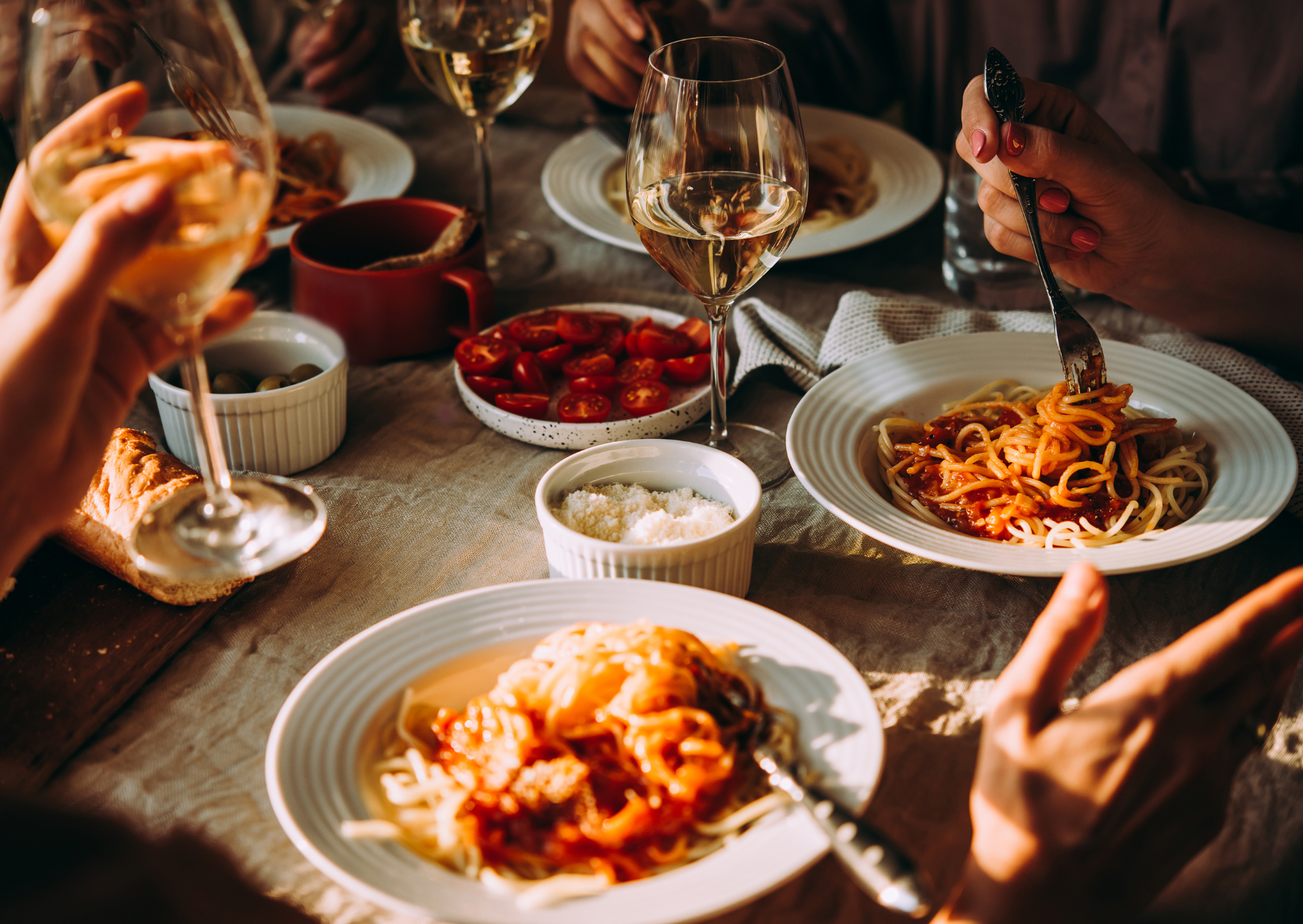
Most American advice talks about what to eat. Italians have a habit of focusing on when and how. The three levers are simple: front-load energy earlier, sequence the plate so fiber and protein go in first, and walk right after you eat. Layer those with al dente starches and acid/fat that slow digestion, and you get smaller glucose peaks, steadier afternoons, and calmer nights.
Two ideas sit underneath:
- Human metabolism runs on light-linked clocks. Feed it earlier, and many people see better insulin sensitivity than if they push a big meal late. Routines that confine most calories to midday and afternoon often improve fasting glucose and insulin dynamics within weeks.
- Muscles act like sugar sponges after a meal. Ten to thirty minutes of easy walking right after eating lowers the post-meal spike in healthy adults and in people with impaired glucose control.
Italy happens to fold both ideas into normal life: pranzo as the heaviest meal, cena as lighter, vegetable-first plates, passeggiata as a social default. Add pasta cooked al dente, beans, olive oil, and a splash of vinegar or lemon, and you nudge digestion toward slower release. That is why a day that feels indulgent on vacation can be profoundly glycemic-friendly at home.
Want More Deep Dives into Other Cultures?
– Why Europeans Walk Everywhere (And Americans Should Too)
– How Europeans Actually Afford Living in Cities Without Six-Figure Salaries
– 9 ‘Luxury’ Items in America That Europeans Consider Basic Necessities
The 4 rules: how to eat like an Italian for steadier glucose
You do not need to move to Emilia-Romagna. You just need to steal the rhythm.
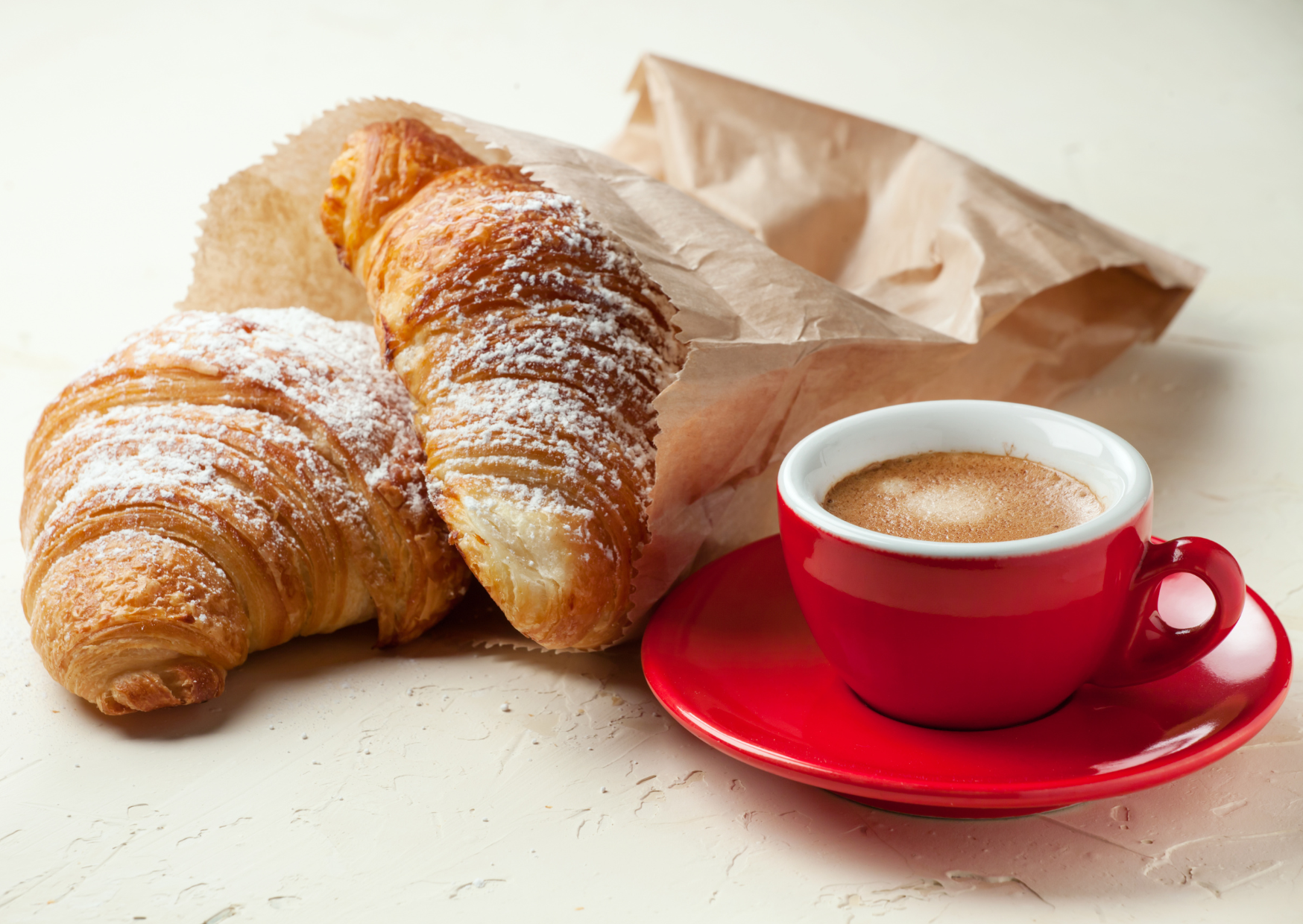
1) Make lunch the main event, dinner the understudy.
Italy still treats midday as the meal with real food and real time. Push a big plate into the early afternoon and you give your circadian system the easy job. Keep dinner lighter so you do not flood a night-leaning metabolism. Early time-restricted feeding trials show better insulin sensitivity when calories come earlier, not late at night. You do not have to be rigid; just move more of your energy to lunch and shrink dinner.
2) Sequence your plate: vegetables first, protein next, starch last.
A tiny Italian trick with outsized results: start with a contorno or insalata before you touch bread or pasta. Fiber first, then protein/fat, then starch. Clinical meal-order studies show meaningfully lower post-meal glucose when vegetables and protein precede carbohydrates. If you do only one thing, do this.
3) Cook starch like an Italian: al dente, acid, and often cooled-then-reheated.
Al dente pasta has a lower glycemic index than mushy noodles because its starch matrix stays tighter. Vinegar or lemon lowers a meal’s glycemic impact. And when you cool, then reheat pasta or potatoes, you increase resistant starch, which blunts glucose rises. None of this is fringe; it is how many Italian home kitchens work by habit.
4) Walk ten minutes after you eat. Every time you can.
The passeggiata is not fitness theater. It is a metabolic nudge: a short, immediate walk pulls glucose into muscle without asking insulin to work alone. Ten minutes right after a meal can beat a longer walk done later. If you are busy, walk the first ten and count it a win.
These four rules do not ban bread, pasta, or dessert. They change the context so those foods land softer.
A full day, the Italian way: timings, plates, and tiny moves that add up
Here is a realistic weekday blueprint that fits office life and kids.
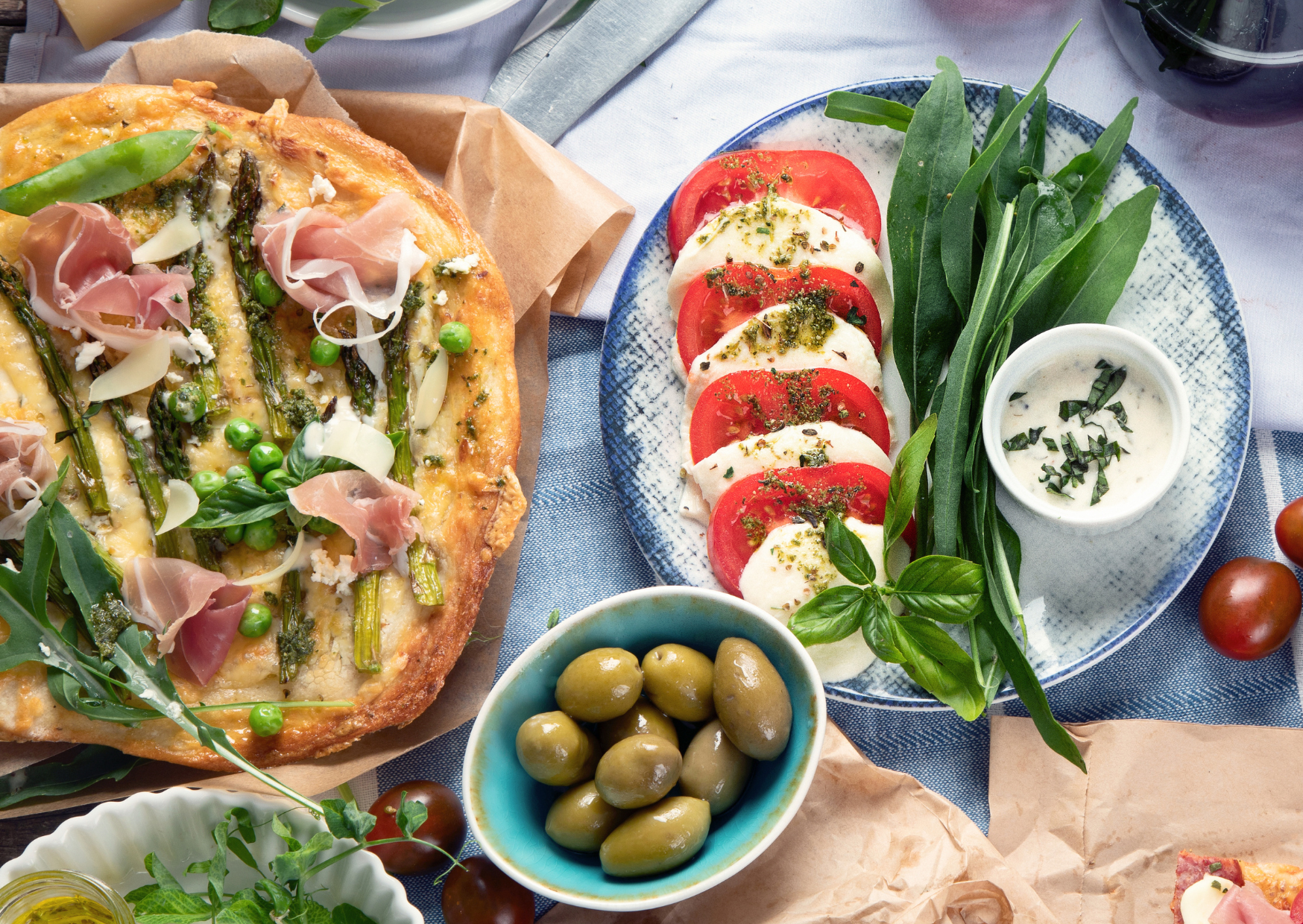
07:30 — Light, not nothing
- Coffee plus a protein-anchored bite: plain yogurt with chopped nuts, or a boiled egg and a slice of sourdough.
- If you want a sweet pastry, put a knob of butter or cheese next to it, or take it after a small yogurt. The goal is a protein/fat buffer, not deprivation.
12:30–13:30 — The big one (pranzo)
- Start with vegetables: fennel-orange salad, arugula with olive oil and lemon, or grilled zucchini with vinegar.
- Add protein: grilled fish or chicken, or a legume main like pasta e ceci.
- Then starch: al dente pasta or risotto in a modest portion. If you cook at home, cook pasta to the bite, toss with olive oil and something acidic, and stop.
- Finish: fruit, or a small dessert. Espresso if you like.
13:30 — Walk
- Ten to fifteen minutes around the block. No gym clothes, no app required.
17:30 — If you snack, snack like a bar in Turin
- Aperitivo rules: olives, a square of cheese, a handful of nuts, raw veg with olive oil and salt. If you pour a small glass of wine, keep it with food, not alone on an empty stomach.
20:30 — Light dinner (cena)
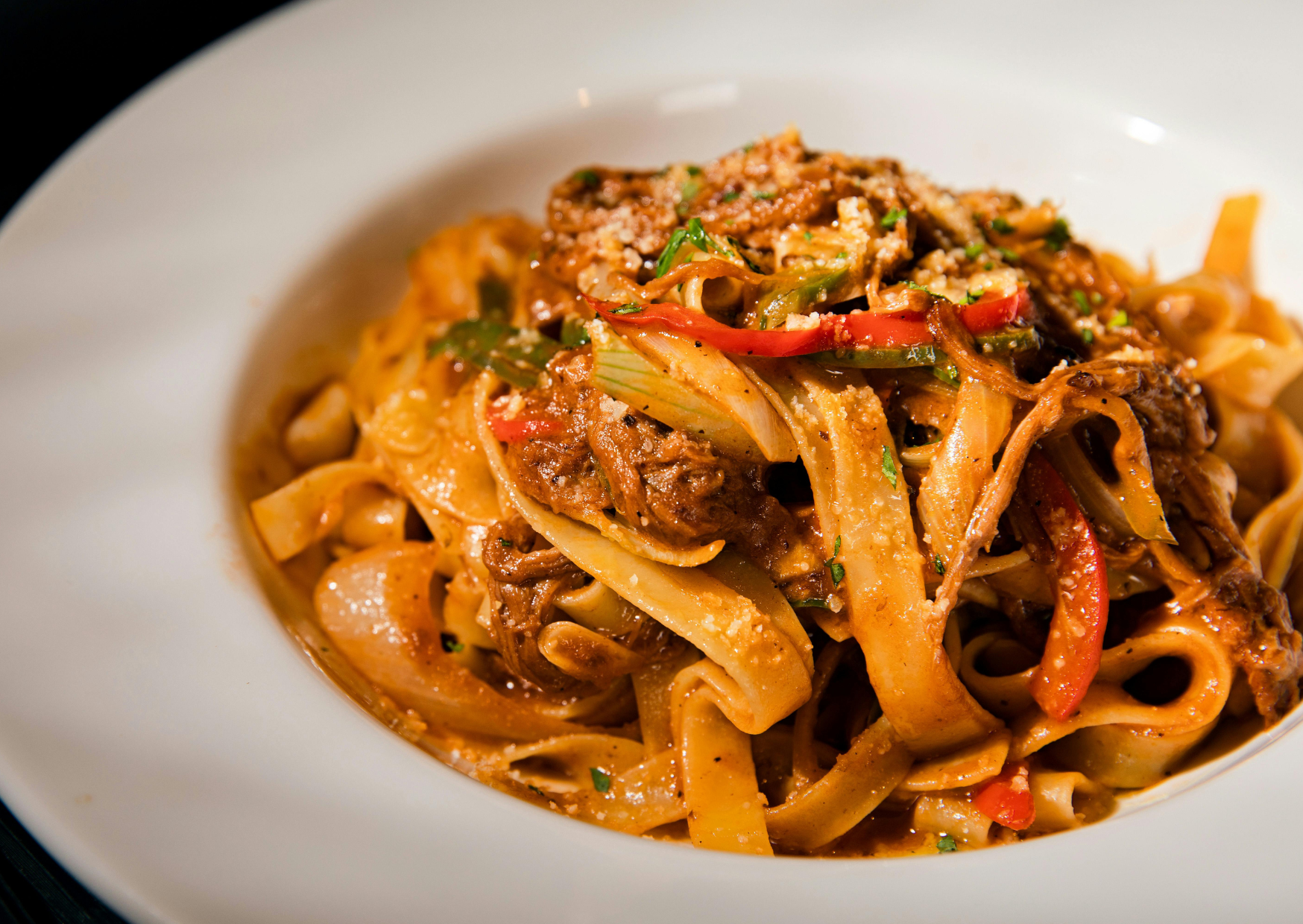
- Soup like minestrone or a pureed veg soup with olive oil.
- Or a vegetable + protein plate: tomatoes and mozzarella, tuna and white beans with red onion and parsley, roasted peppers with anchovies and capers.
- Bread if you want but after the vegetables and protein, and not much.
- A square of dark chocolate for something sweet.
22:00 — Short stroll
- Five to ten minutes on your block counts. You are telling your body “we’re done eating; it is night.”
This is not a strict diet. It is a schedule with order. Put it on repeat for 30 days, and many people watch their CGM traces smooth out and their mornings feel cleaner.
The food details Italians get right without thinking
If you are chasing steadier glucose, small culinary choices do heavy lifting.
Vegetables are not garnish.
Start every main meal with a full fist-or-two of vegetables dressed in olive oil and acid. The fiber creates a physical barrier that slows carb absorption, and the dressing improves satiety so you naturally shrink the starch that follows.
Al dente is not snobbery.
Cook pasta to resistance. The structure matters. Well-designed tests show lower GI for al dente varieties and shapes, especially traditional semolina pasta. Industrial overcooking turns it into fast sugar.
Acid everywhere.
A teaspoon of vinegar in the dressing, a squeeze of lemon on fish, pickled vegetables on the side. Acetic acid modestly lowers post-meal glucose and insulin, particularly when the rest of your plate behaves.
Cook once, eat twice—on purpose.
Make more pasta or potatoes than you need, chill the leftovers, and reheat tomorrow. Cooling increases resistant starch, and reheating keeps much of the effect. It is the laziest glycemic upgrade in the kitchen.
Beans as the stealth base.
Italian kitchens lean on chickpeas, cannellini, borlotti. Legumes slow the meal down and bring second-meal effects that keep afternoon glucose calmer.
Dessert is a taste, not a course.
If you want sweetness, keep it small and after a real meal. A little gelato after dinner behaves better than a giant cookie alone at 4 p.m.
None of this asks you to be hungry. It asks you to cook and chew like a local.
What to expect in the first 14 days
If you have never paired lunch-heavy days with post-meal walks, the early wins show up fast.
- Less afternoon sleepiness. Big lunches usually mean crashes when they are starch-first and sit-still. A vegetable-anchored lunch plus a ten-minute walk turns that into flat energy.
- Cleaner mornings. Shrinking late dinners moves calories earlier, helpful for fasting glucose the next day in many people.
- Smaller spikes on a CGM. If you use a sensor, you will often see spikier lines on days you snack at 10 p.m. and flatter ones when dinner is light, late carbs are tiny, and you walk.
You may also notice fewer cravings. Vegetables, protein, and fat up front make a plate self-limiting. You do not need willpower when structure does the job.
Troubleshooting: common snags and Italian fixes
“My schedule forces late dinner.”
Make lunch unapologetically big and early afternoon snack a thing: nuts, cheese, olives, raw veg. Keep dinner to soup + protein/veg. A ten-minute walk protects you even when you eat later.
“I crave bread immediately.”
Put salad on the table first and start eating before the bread arrives. If you bake at home, buy small loaves that stale quickly. Italians avoid overeating bread by never keeping perfect bread on the counter for days.
“Pasta still spikes me.”
Check doneness and portion. Then add an acidic sauce and protein. Try shapes with denser structure. Or go pasta e ceci: starch diluted by beans often behaves differently.
“I hate vinegar.”
Use lemon or tomato acidity, or dress greens with just olive oil and salt and take a spoon of plain yogurt with your starch. The point is fat + some acidity, not suffering.
“I lift at night; I need calories.”
Shift a serious afternoon snack to post-workout and keep dinner light. Or finish training sooner and eat by 8. The system flexes; timing still matters.
“I travel a lot.”
At a restaurant, ask for vegetables first. If they cannot, order grilled veg as a starter, then your main, then starch. Walk before you sit back down at your laptop.
A 30-day Italian timing plan you can actually follow
Week 1: Learn the rhythm
- Move 30–40 percent of daily calories to lunch, 20–30 percent to dinner, the rest to breakfast/snacks.
- Start every lunch and dinner with vegetables dressed in olive oil and something acidic.
- Walk 10 minutes after lunch every day; after dinner if possible.
Week 2: Fix the starch
- Cook all pasta al dente; put a timer on it.
- Make double starch twice this week; cool and reheat the leftovers.
- Replace one dinner starch with beans.
Week 3: Tighten the windows
- Keep no calories two hours before bedtime.
- Nudge lunch earlier by 30 minutes if you can; many people feel the difference in morning glucose.
Week 4: Proof of concept
- Repeat Week-1 labs/CGM notes if you have them.
- Keep what worked: for most people it is vegetable-first, al dente + acid, and walks.
- Plan one “long lunch” each weekend to lock the habit.
You do not need perfect weeks. You need a pattern that survives real life.
Lunch ideas that behave like Italy and taste like home
You will stick with this if it is delicious. Five lunch templates that hit vegetables first, protein next, starch last.
- Tuscan bowl: tomato-cucumber-onion salad with olive oil and red wine vinegar; grilled chicken; a small bowl of al dente pasta with pesto and green beans.
- Pasta e ceci: sauté garlic and rosemary in olive oil, add crushed tomatoes, broth, and chickpeas; simmer, then add a small handful of broken pasta to finish al dente.
- Sicilian fish plate: orange-fennel salad first, then grilled mackerel with lemon; a scoop of cooled-then-reheated potatoes dressed with capers and parsley.
- Market minestrone: start with a bitter greens salad; then a vegetable-heavy soup finished with Parmigiano and olive oil; a slice of sourdough after, not before.
- Bean-anchovy toast: arugula salad first; then Tuscan white beans mashed with olive oil and lemon on toast; top with an anchovy and chili flakes. Small, salty, satisfying.
Every template ends with a walk. No exceptions.
What happens if you already eat “Mediterranean”
A Mediterranean pattern is a great base. Timing and order sharpen the results. Strong trials show Mediterranean diets lower diabetes risk over years, and calorie-aware Mediterranean + movement drops risk further and faster. If you already live there, shift more energy to lunch, sequence your plate, cook al dente, and walk. The changes are small, but the glycemic effect is not.
When to be cautious
If you use insulin or sulfonylureas, changing meal size and timing can alter your dose needs. If you have gastroparesis, high-acid foods or large salads may be uncomfortable. If you work nights, the “earlier” window means earlier in your wake cycle, not the wall clock. The Italian pattern still helps, but align it to your day.
For everyone else, treat this as a 30-day experiment. Measure fasting glucose, or if you have access, watch your CGM trends and post-meal peaks. The goal is better curves, not perfect behavior.
What this means for you
You do not need a new macro calculator to flatten blood sugar. You need a schedule and a sequence. Eat more at lunch and less at dinner. Put vegetables and protein in first, starch last. Cook carbs al dente, add acid and olive oil, and reheat leftovers on purpose. Then walk ten minutes after you eat. That is it. It is the way millions of Italians live without naming it, and it is why a bowl of pasta there leaves you awake and steady, not sleepy and spiking.
Start tomorrow at lunch. Put a salad in front of the bread basket. Boil the pasta one minute less. Drizzle the oil, squeeze the lemon, and go outside. Do it again the next day. Ordinary, repeated, effective.

About the Author: Ruben, co-founder of Gamintraveler.com since 2014, is a seasoned traveler from Spain who has explored over 100 countries since 2009. Known for his extensive travel adventures across South America, Europe, the US, Australia, New Zealand, Asia, and Africa, Ruben combines his passion for adventurous yet sustainable living with his love for cycling, highlighted by his remarkable 5-month bicycle journey from Spain to Norway. He currently resides in Spain, where he continues sharing his travel experiences with his partner, Rachel, and their son, Han.