

Living in Spain with my Spanish husband and our child, I kept hearing from American readers that a “clean house” cost more and felt worse. Thirty days of a quiet European basket came to €14.83 and delivered zero inhaler uses. The surprise was not the scent. It was the math and the fumes.
Price And Air, Side By Side
American readers send receipts that cluster around about $70 per month for laundry and cleaning supplies. Many report $120 to $180 in heavy seasons once wipes, scent boosters, and specialty sprays pile in. Here in Spain, the same month cost €14.83, including a prorated share of a floor concentrate and an oxygen cleaner for grout. Four to six times cheaper is not a rounding error. It is a different aisle and a different method.
The health gap is just as blunt. During a thirty-day switch to the European basket, our log showed zero inhaler uses, down from three to four per week in homes that depend on strong sprays and perfumed add-ons. The rooms smelled like nothing. Clean is not a smell. Clean is the absence of irritation.
Before winter tightens windows, your indoor air becomes your daily weather. Choose products that leave your air alone, then watch the line item on the budget soften at the same time.
The Problem Americans Face
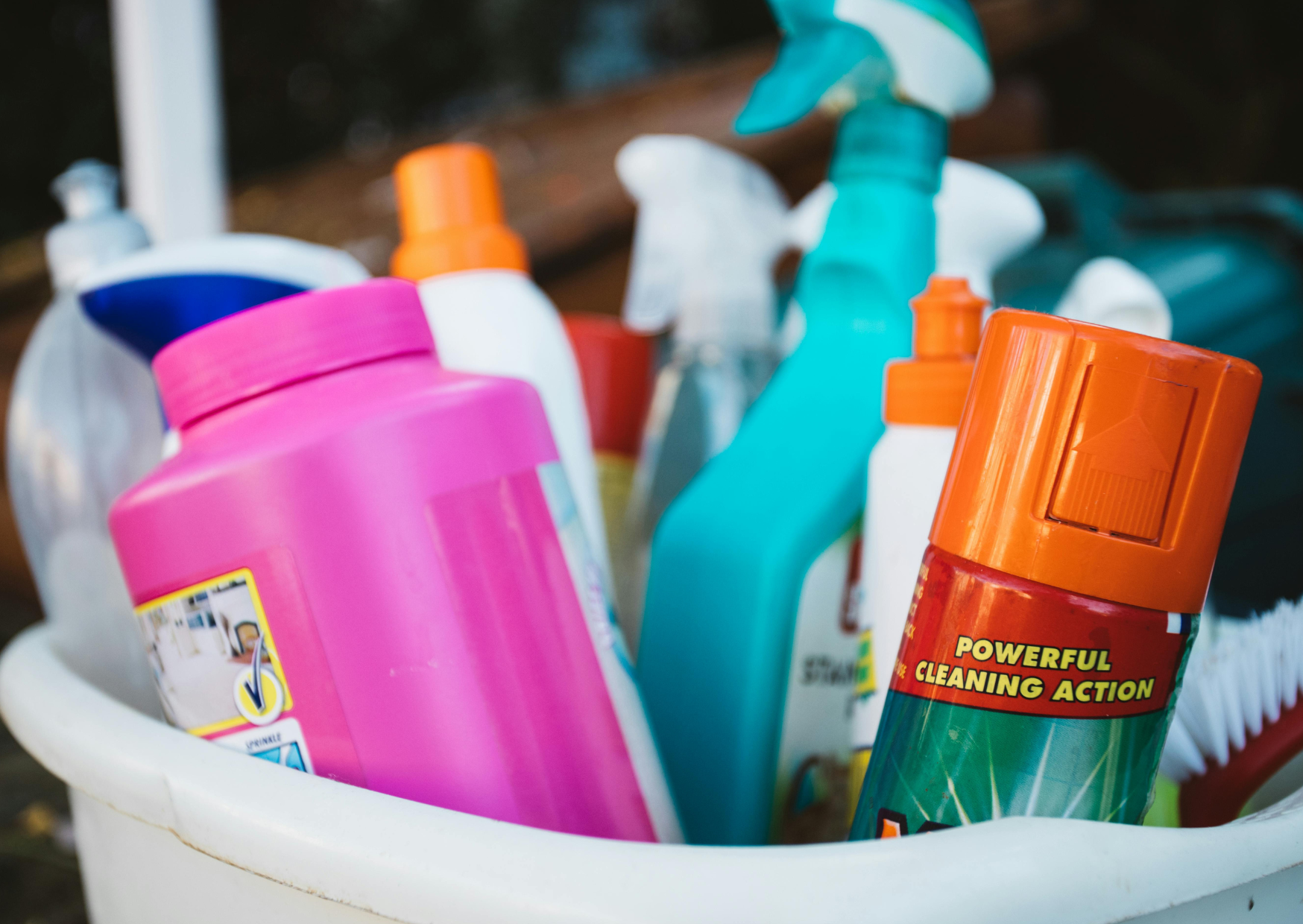
My American readers describe the same loop. Big carts. Loud bottles. Higher bills. Irritated lungs. The trouble is a mix of money and chemistry that shows up in ordinary apartments.
The cost pattern is clear. Household budgets assign about $70 monthly to laundry and cleaning supplies, and it jumps when households add disinfectant wipes, seasonal perfumes, and single-purpose sprays. Many readers send spreadsheet-level detail. The month always ends higher than they thought it would.
The exposure is measurable. Common fragranced multipurpose cleaners and bleach sessions drive volatile organic compound spikes in small rooms. Studies comparing conventional fragranced formulas to fragrance-free or certified green options find many times more VOC emissions from the conventional set. Strong smell is not proof. It is payload.
Overbuying multiplies drag. Cabinets become museums of half-used bottles. People pay for redundancy because marketing sells novelty. In practice, four basics do the job of twelve if you use them correctly and ventilate.
The result is a home that looks clean, smells like a commercial, and quietly taxes the chest. The fix is not a premium line. The fix is a simpler basket with fewer fumes and a method that uses water and air as part of the plan.
The European Alternative That Actually Works
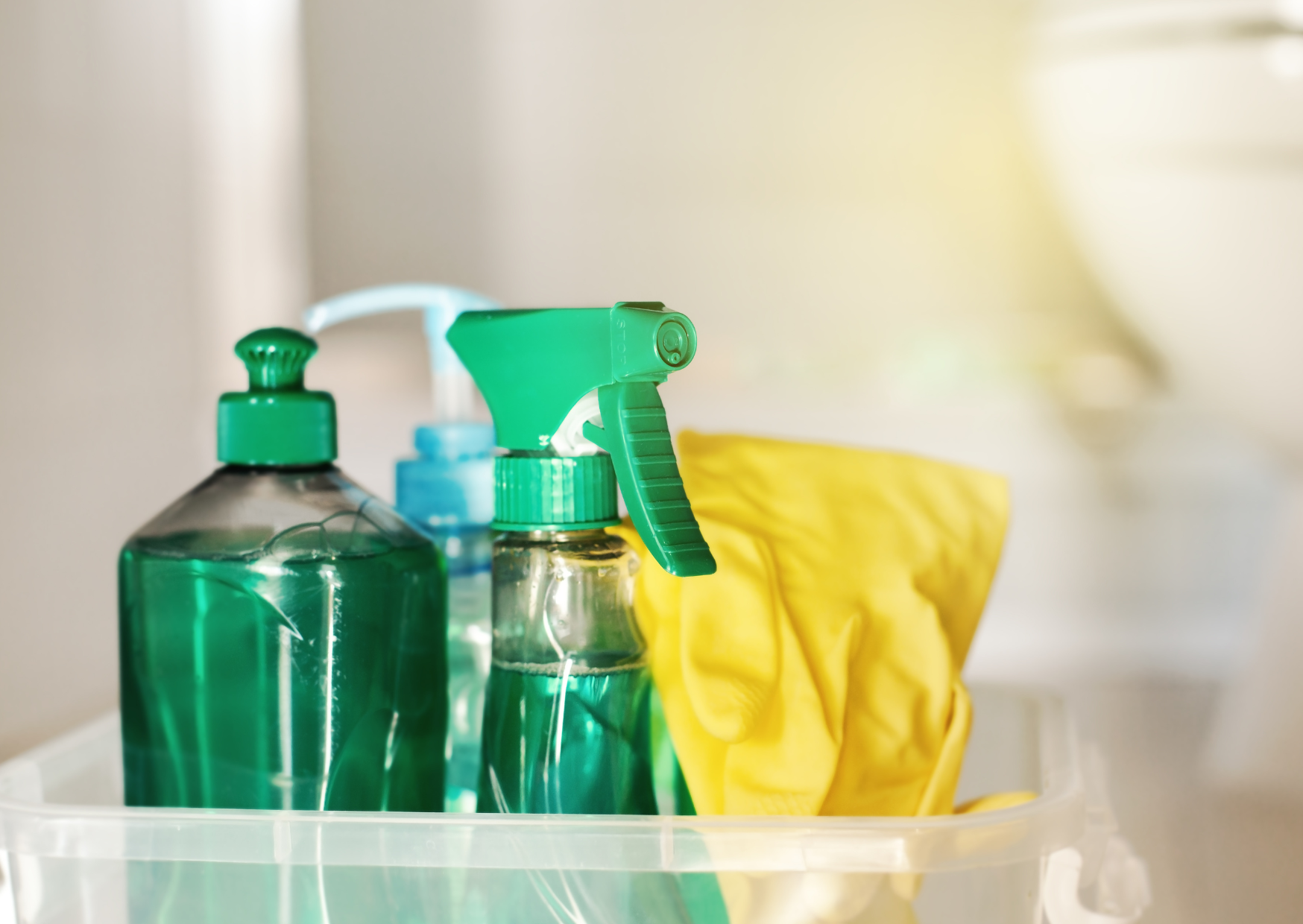
Here in Spain, the aisle is quiet by design. Light scent, lower VOCs, fewer harsh solvents, clear labels. The rules behind that calm shelf matter in daily life. Manufacturers must prove safety before wide sale, and labels must reveal hazards plainly once a product is on the shelf. That combination trims the worst offenders out of everyday routines.
The working basket is small and boring in the best way.
- Neutral all-purpose cleaner for floors and large surfaces. You dilute it. You do not perfume the house with it.
- Vinegar glass and stainless spray for mirrors, taps, and appliances. You wipe with a dry microfiber, then buff with a second cloth.
- Marseille soap, liquid or flakes, for sinks, spot washing, and an optional floor boost.
- Baking soda and an oxygen cleaner for real grease and grout. Short contact time. Rinse. Ventilate.
Prices stretch. Frosch Neutral Cleaner at about €3 per liter lasts multiple weeks because you use a capful in a bucket. Vinegar glass cleaner lives around €1 to €2 for a half-liter to one liter bottle. Marseille floor concentrate near €10 runs for months. Oxygen cleaner and baking soda sit between €1 and €4 each. Lower cost, lower fumes, same or better shine.
Here is the part that never makes it into ads. Several compounds and higher VOC loads common in U.S. household products would be capped or restricted in Europe, so the daily rotation looks different. American companies can legally sell domestically what would be limited here, especially in fragranced consumer categories. The net effect is obvious to a nose and a chest. The U.S. aisle shouts. The EU aisle works and disappears.
The 30-Day Trial And What We Logged
Readers asked for a plan they could copy without moving. We ran a simple, controlled month as a family of three and logged everything that mattered.
The basket
- Frosch Neutral Cleaner, 1 L. Floors, counters, and sealed wood. About €3.
- Bosque Verde vinegar glass cleaner, 500 ml to 1 L. Glass, mirrors, taps, and stainless. €1 to €2.
- Marseille soap, liquid or flakes. Sinks, hand-wash, and a floor boost when we wanted extra shine. About €10 concentrate for months of use.
- Baking soda and oxygen cleaner. Oven day and grout. €1 to €4 each.
- Two microfiber cloths and one grout brush. Reusable. No perfume.
The rules
- Ventilate for five minutes while cleaning. Cross-breeze if possible.
- Dilute the neutral cleaner. One capful in a bucket of warm water for floors and big surfaces.
- Use the two-cloth glass method with vinegar. Wipe, then buff dry.
- Reserve oxygen cleaner for monthly grout and oven.
- Skip aerosols, wipes, and scent boosters entirely.
- Log euros and symptoms after each session. No guesswork.
What we measured
- Total spend, by item and in the month.
- Cleaning sessions per room and total time spent.
- Eye irritation, cough, throat catch, and any inhaler use.
- Room smell after thirty minutes. We wrote “air” or “residual.”
By day three, the pattern held. Surfaces looked the same. Air felt better. The bathroom did not hold a chemical halo. The kitchen smelled like food again within a half hour. The mop bucket needed a capful, not a cup. My husband, who has no patience for product trends, asked what changed. I told him the truth. Nothing complicated. Just different bottles and smaller doses.
We kept the notebook honest. If a room ever registered “residual,” we wrote it down, inspected the step, and usually found an over-spray or a lazy rinse. When we followed the capful and the cloth, the room smelled like the room and not the bottle.
Cost Breakdown That Sticks For A Year
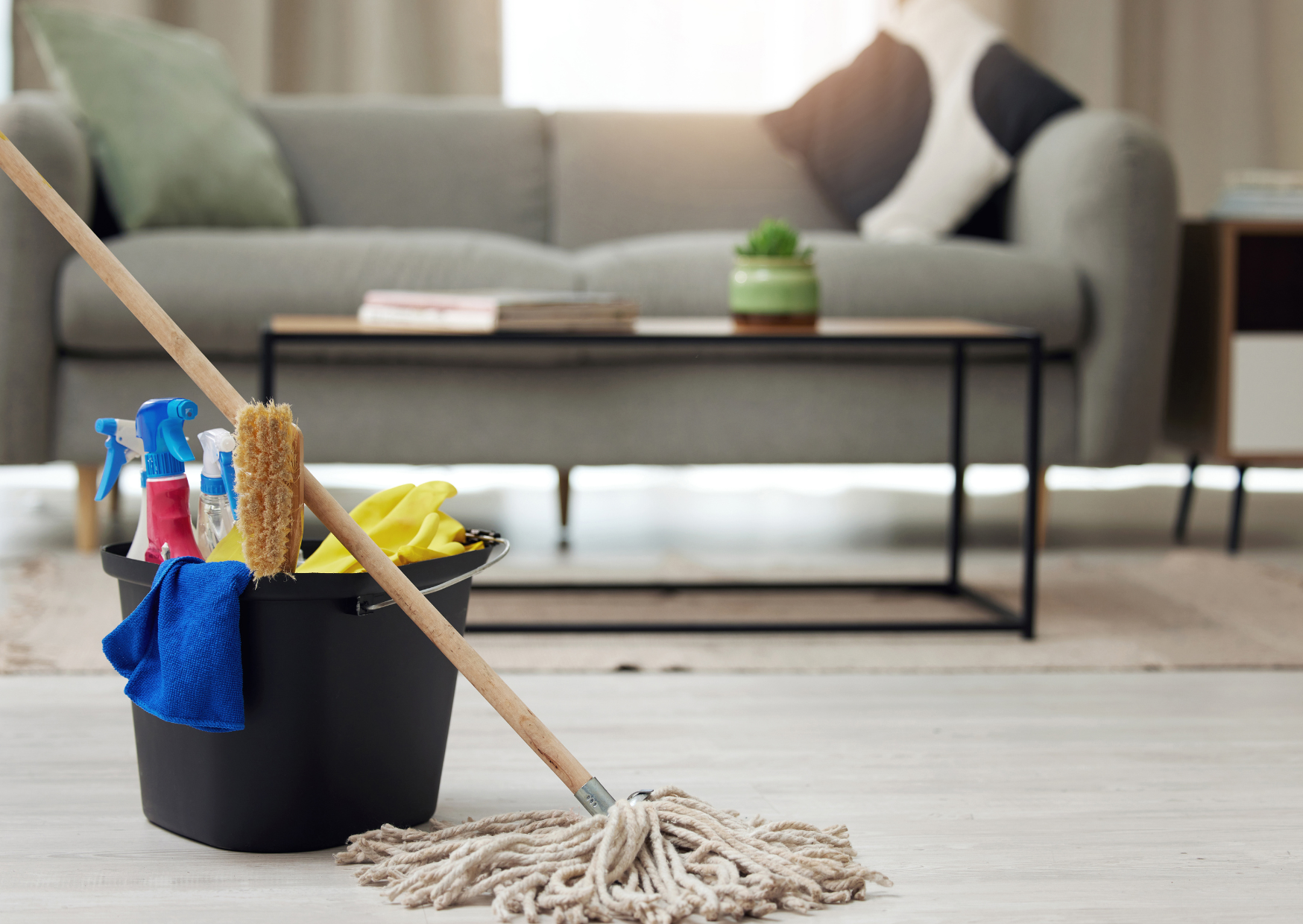
Numbers decide if this becomes a household habit, so here is the shape of the spend in a way readers can use for budgeting.
Neutral all-purpose cleaner
- United States: popular multipurpose liquids $4 to $8 per liter, heavily fragranced, used straight by many people because the label implies strength equals clean.
- Spain and much of the EU: about €3 per liter for a neutral cleaner, used by capful in water. One bottle runs six to eight weeks in an average apartment.
Glass and stainless cleaner
- United States: ammonia-based sprays $3 to $6 for about 650 ml. Sharp scent that lingers in small bathrooms.
- Spain: vinegar cleaner €1 to €2 for 500 ml to one liter. Light mist plus a dry microfiber ends streaks without fumes.
Floor concentrate
- United States: pine or disinfectant washes $5 to $9 per liter, often used undiluted because the smell reads as proof.
- Spain and France: Marseille concentrate near €10 per liter, used in small doses per bucket. Lasts for months.
Degreaser and grout
- United States: aerosol oven sprays $6 to $9, heavy warnings, heavy scent.
- EU routine: baking soda and oxygen cleaner €1 to €4 each. Paste, short contact time, rinse, air.
Wipes and scent boosters
- United States: common combined monthly spend $10 to $15.
- EU habit: zero euros. Cloths and air replace both.
Typical monthly total
- U.S. readers: about $70, higher with add-ons.
- Our month in Spain: €14.83, including a fair share of the long-lasting items.
Annual math
- American annual spend near $840.
- European-style basket near €180, roughly $190 to $200.
- Savings of about $600 to $650 each year, with better air as a side effect.
The numbers hold when you scale to a house. Bigger floors change time, not cost. Dilution protects the budget because one capful still cleans the room.
How To Replicate This In One Grocery Trip
You do not need to move. You need to simplify. Treat this as a one-trip reset for a typical American home.
Buy five basics
- Neutral cleaner, one liter, low-scent or fragrance-free.
- Vinegar glass spray, 500 ml to one liter.
- Marseille soap, liquid or flakes, or a plain castile-style equivalent.
- Baking soda and oxygen cleaner for tough jobs.
- Two microfiber cloths and one grout brush.
Drop three budget leaks
- Aerosol sprays for daily work.
- Disinfectant wipes for general cleaning.
- Laundry scent boosters that perfume rooms.
Room-by-room routine
- Kitchen: dilute neutral cleaner for counters, near-dry cloth for wipe, dry cloth to finish. Baking soda paste on the stove. Oxygen cleaner once a month for oven rails. Vinegar on stainless, then buff.
- Bathroom: Marseille soap in warm water for basin and tub. Vinegar on glass with the two-cloth method. Oxygen cleaner on grout monthly.
- Floors: one capful of neutral cleaner in warm water, mop in sections, open a window for five minutes.
- Laundry: low-scent detergent, no softener, line-dry when possible. Bedroom smells like cotton again.
Air discipline
- Open a window for five minutes during and after.
- If you have no window in the bathroom, run the fan and leave the door ajar.
- The goal is not perfume. The goal is absence.
Simple tracking
- Write down dollars spent this month versus last.
- Note any cough or wheeze within an hour after cleaning.
- Write what the room smells like at thirty minutes. If it smells like itself, you did it right.
Results, Questions, And What Changes Next
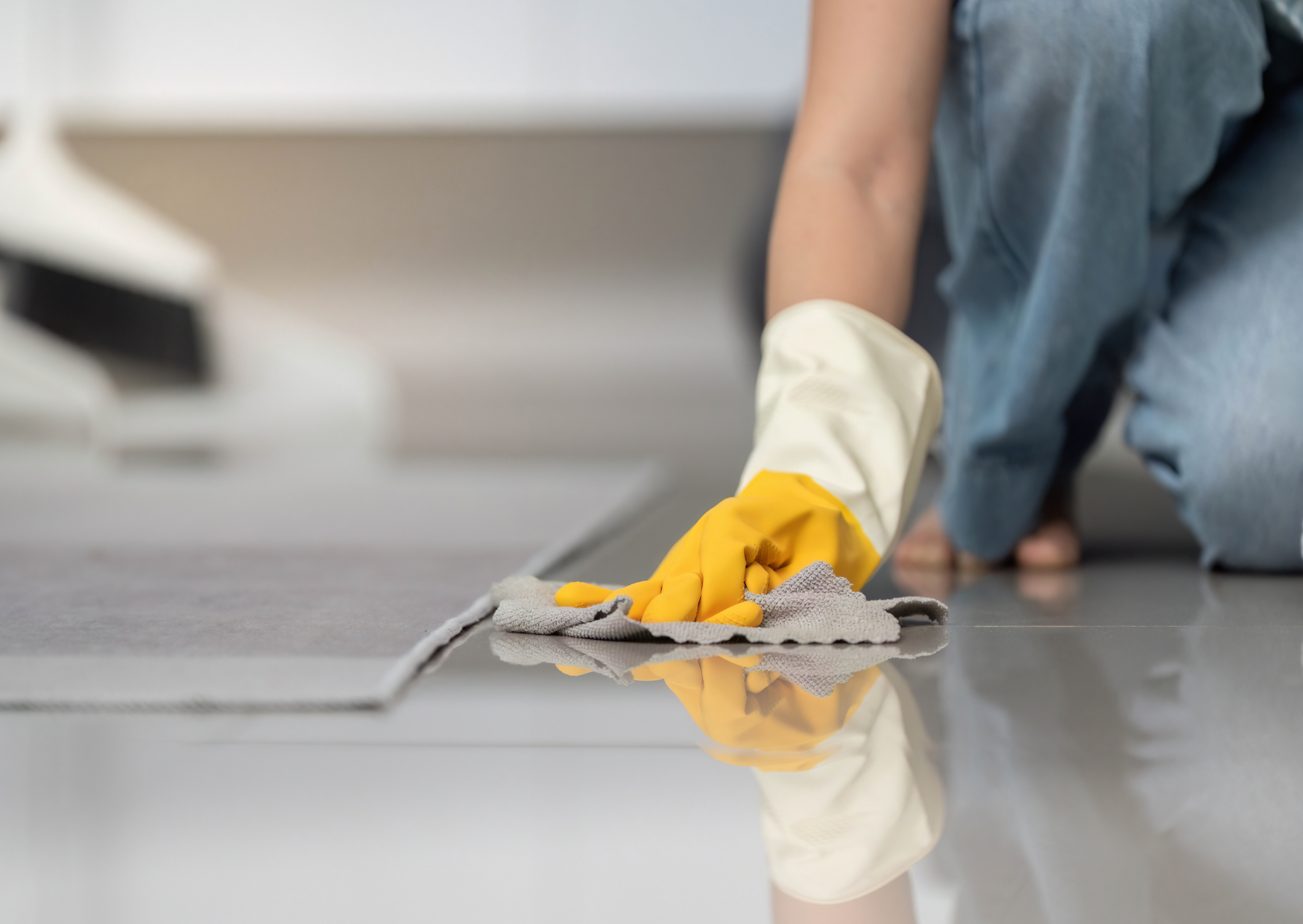
The thirty-day results were not subtle. Inhaler uses fell to zero. Irritation disappeared. Rooms smelled like rooms within a half hour. Spend fell under €15.
Readers asked the same questions in different words. The answers do not change with the zip code.
Do I lose disinfecting power without daily bleach wipes?
No for routine life. Clean more, disinfect less. Reserve strong agents for raw meat boards, trash bins, and illness. Respect contact time, rinse, and ventilate. When the job is done, put the bottle away. Your lungs do not need a daily dose of hospital theatre.
Is vinegar safe on every surface?
Avoid acids on marble, limestone, and travertine. Use the neutral cleaner and water on natural stone. On sealed composite and glass, vinegar works well with the two-cloth method.
I still want a hint of scent. What is safe enough?
If you want a whisper, add one drop of real essential oil to a mop bucket on floor day and open a window. The test is simple. If you can smell it thirty minutes later, it was too much.
Do I need an eco label for this to work?
Labels help, but they are not magic. The result comes from simpler formulas, correct dilution, and fresh air. A plain, low-scent neutral cleaner does the work if you use it as a capful in water.
What about glass haze and soap scum?
Two-cloth vinegar on glass. Marseille soap and a soft brush for scum. Oxygen cleaner once a month on seams. The trick is short contact time and a real rinse.
How do I keep this from creeping back into clutter?
Set a five-item cabinet rule. When a sixth product arrives, one must leave. Put wipes and seasonal perfumes on a never-buy list. Refill the basics and ignore the rest.
What changes in a family home besides air?
Bedtime gets easier when bedrooms stop smelling like detergent perfume. Kitchens return to food smells within the hour. Pets sneeze less. People argue less about “that smell” because the house has no smell to argue over.
What about skin sensitivity and hands in winter?
Marseille in warm water is mild. If you have sensitive skin, wear light gloves on grout day and wash with plain soap afterward. Avoid softeners in laundry so towels dry fully and stop holding perfumes against skin.
How should I time this around sales and seasons?
Before Black Friday cleaning sales, know that more bottles will not fix a method problem. As winter closes windows, the basket matters more. Install the five basics now, then ignore the aisle until spring.
Can I do this in a big house with kids and dogs?
Yes. The method scales. The bucket gets a fresh capful as you move room to room. Ventilation can be a cracked door and a fan. The fewer products you own, the more likely you are to clean quickly and often.
The First Month Plan You Can Keep
Week 1
- Empty the caddy onto a table. Keep five basics. Box the rest.
- Clean one room with the new basket and log smell at thirty minutes.
- If clear, finish the home. Line-dry one load to reset the bedroom.
Week 2
- Oxygen cleaner on grout and oven, one time, short contact, full rinse.
- Track any cough, wheeze, or eye irritation in a small notebook.
Week 3
- Set the five-item cabinet rule. Donate or dispose of extras.
- Repeat floor day with a small Marseille boost if you want more shine.
Week 4
- Total the month. Compare to last month in dollars.
- Decide which two items will never return. Most readers pick wipes and scent beads.
Month 2 and after
- Refill only the basics. Buy a spare set of microfibers. Keep the window habit. If the room smells like itself at thirty minutes, you are doing it right.
Why This Matters In Homes With Asthma Or Allergies
Families with asthma write that they have tried everything except the boring fix. This is the boring fix. Lower VOCs in daily products plus ventilation and dilution reduce triggers during chores that never go away. When the room smells like nothing and the budget falls at the same time, the habit survives. That is what you want. A change that keeps itself once novelty is gone.
If you need a test that convinces a skeptical spouse or a visiting relative, do this for seven days. Neutral cleaner, vinegar spray, open window, notebook. Note any throat catch. By day five most households know.
What We Tell American Readers Who Email
You do not need a premium line. You need four basics and air. Clean is a result you see and feel, not a perfume you smell. If your cabinet makes your eyes water, it is selling you the problem. Walk past it. Take the boring basket, and keep the savings for something that actually belongs in a home, like bread in the oven or coffee in the morning.

About the Author: Ruben, co-founder of Gamintraveler.com since 2014, is a seasoned traveler from Spain who has explored over 100 countries since 2009. Known for his extensive travel adventures across South America, Europe, the US, Australia, New Zealand, Asia, and Africa, Ruben combines his passion for adventurous yet sustainable living with his love for cycling, highlighted by his remarkable 5-month bicycle journey from Spain to Norway. He currently resides in Spain, where he continues sharing his travel experiences with his partner, Rachel, and their son, Han.