
Picture landing at Fiumicino with a tiny backpack, tapping onto the airport train, and eating your first Roman slice within an hour. Five days later you’ve walked the Forum at golden hour, crossed every bridge on the Tiber, and spent less than a single night at a Manhattan five-star. The trick isn’t being cheap. It’s using Rome’s price structure the way locals do, letting timing and small choices do the heavy lifting.
What I’m Comparing Against, Exactly
When people say “a night in New York,” they usually mean Manhattan hotel prices, and 2025 has been a lot. Data sites have New York’s average double-room price around the mid-$400s, with five-star averages pushing past $1,100 depending on week and neighborhood. That means one Saturday near Midtown can cost as much as a full, slow, delicious five-day Rome if you build it right. This comparison is not a gimmick; it’s a clean way to show how far euros still stretch when you skip tourist defaults and book like you live there.
To keep this honest, I used public prices from September–October 2025 and built a plan you could copy next month. The benchmark in my head the whole time: one Manhattan night at a top-tier hotel. The goal: do five days in Rome for less.
The 5-Day Skeleton That Makes Rome Ridiculously Affordable
The whole budget hangs on a few quiet decisions that don’t feel like sacrifice: fly in on a shoulder-season fare, sleep at a monastery guesthouse or simple pensione, eat like a Roman (big midday, smaller night), use the city’s transit passes, and buy official site tickets without markups. It is not extreme frugality. It’s just Roman.
Here is the frame I used:
- Flights (roundtrip): I grabbed a sub-$400 fare to FCO from the Northeast by watching Google Flights and airline deal pages; these prices pop up routinely outside holiday weeks. You can find mid-$300s from Newark/JFK in late fall. If your departure city runs hotter, budget $450–$600 and trim elsewhere. The benchmark works either way because NYC’s top-end nightly rates are so high.
- Airport transfer: Leonardo Express to Termini is a flat €14 each way. It’s fast, predictable, and lands you at a rail hub with the metro right below. Return trip total €28.
- Transit in town: ATAC rolled out new prices for tourist passes. The CIS 7-Day card is €29 and covers all buses, trams, and metro within Rome. That’s the cheapest “forget it, tap in” option for a five-day visit.
- Lodging: Monastery guesthouses and simple pensioni still sit in the €45–€70 range for a single, more for a double. They’re safe, central, quiet at night, and often include breakfast. Call it €55 x 5 = €275 for a single, or €70 x 5 = €350 for a simple double. Add city tax €4–€6 per person per night depending on category. Two people in a basic guesthouse pay roughly €60–€80 in city tax total for the five nights; a solo traveler pays half that. Even with tax, the math stays friendly.
- Food: Rome rewards the big lunch. A smart daily pattern is coffee + small bite in the morning, real lunch at a trattoria, and light dinner later. Budget €25–€30/day if you lean market-to-table, maybe €35 if you like a glass of wine and coffee with every sit-down. Over five days that’s €125–€175.
- Sights: Buy official tickets for anchor sites. The Colosseum/Forum/Palatine standard ticket is €18. Everything else you can build from churches, piazzas, and free museums on scheduled days, or you can add one paid site like Castel Sant’Angelo and still keep the total disarmingly low. Do not buy inflated reseller bundles unless you actually want the guided add-ons.
Stack those lines and you’ll see why five days in Rome keeps losing to a single Manhattan night.
The Actual Budget, Line By Line
Scenario A: Solo traveler, monastery room, off-peak flight
- Flight (EWR/JFK–FCO, late fall): $371 (recent examples dipped $371–$400; shoulder weeks vary)
- Airport train: €28
- City transit (CIS 7-Day): €29
- Lodging (monastery single): €55 x 5 = €275
- City tax: €4/night x 5 = €20
- Food (market breakfasts, trattoria lunches, light dinners): €25/day x 5 = €125
- Colosseum/Forum/Palatine: €18
- “Small joys” buffer (espresso, gelato, buskers’ coins): €20–€30
Total in euros: roughly €515–€525 without flight.
At $1.08–1.10 per euro, that’s $557–$578 on the ground. Add the $371 flight and you’re sitting around $928–$949 all-in for five days.
Scenario B: Two travelers, simple double, same flight band
- Flight (x2): $742–$800
- Airport train (x2): €56
- Transit (x2): €58
- Lodging (double): €70 x 5 = €350
- City tax (basic category, two people): ~€60
- Food (two people @ €30/day each): €300
- Colosseum (x2): €36
- Small joys buffer: €40
Total in euros: about €900 on the ground, plus flights. Converted and combined, two people can do the five days for well under the price of a single Manhattan five-star night. The comparison holds even if your flights land closer to $1,000 for both.
The point is not penny-counting; it’s showing how Rome’s baseline costs stack beautifully when you time flights, sleep simply, and eat like locals.
The Daily Plan I Used
Day 1 — Arrival, Trastevere grid
- Airport train to Termini, then tram 8 into Trastevere. Drop bag.
- Lunch: a fixed-price pranzo gets you vegetables + pasta + water for less than a Midtown coffee and muffin.
- Afternoon: cross Ponte Sisto, loop Campo de’ Fiori to Piazza Navona, then Pantheon just before closing.
- Evening: light dinner, share plates, walk the river.
Day 2 — Ancient core for less than a New York taxi
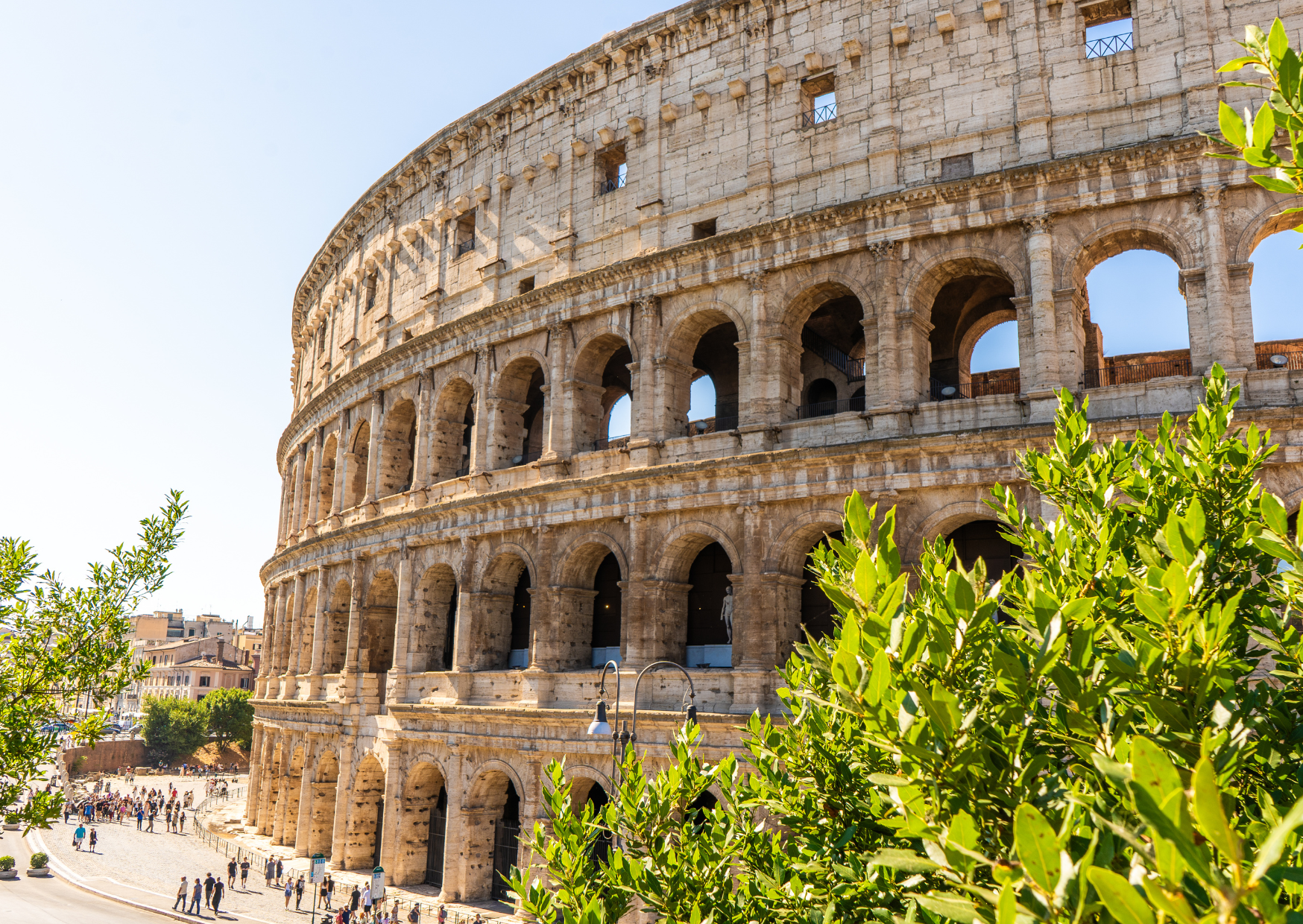
- Morning: Forum and Palatine on the €18 ticket.
- Lunch: pasta al dente, then 10-minute walk to keep your blood sugar even and your afternoon happy.
- Late day: Colosseum in your ticket window.
- Evening: Monti backstreets for apertivi and tiny bars.
Day 3 — Baroque and free beauty
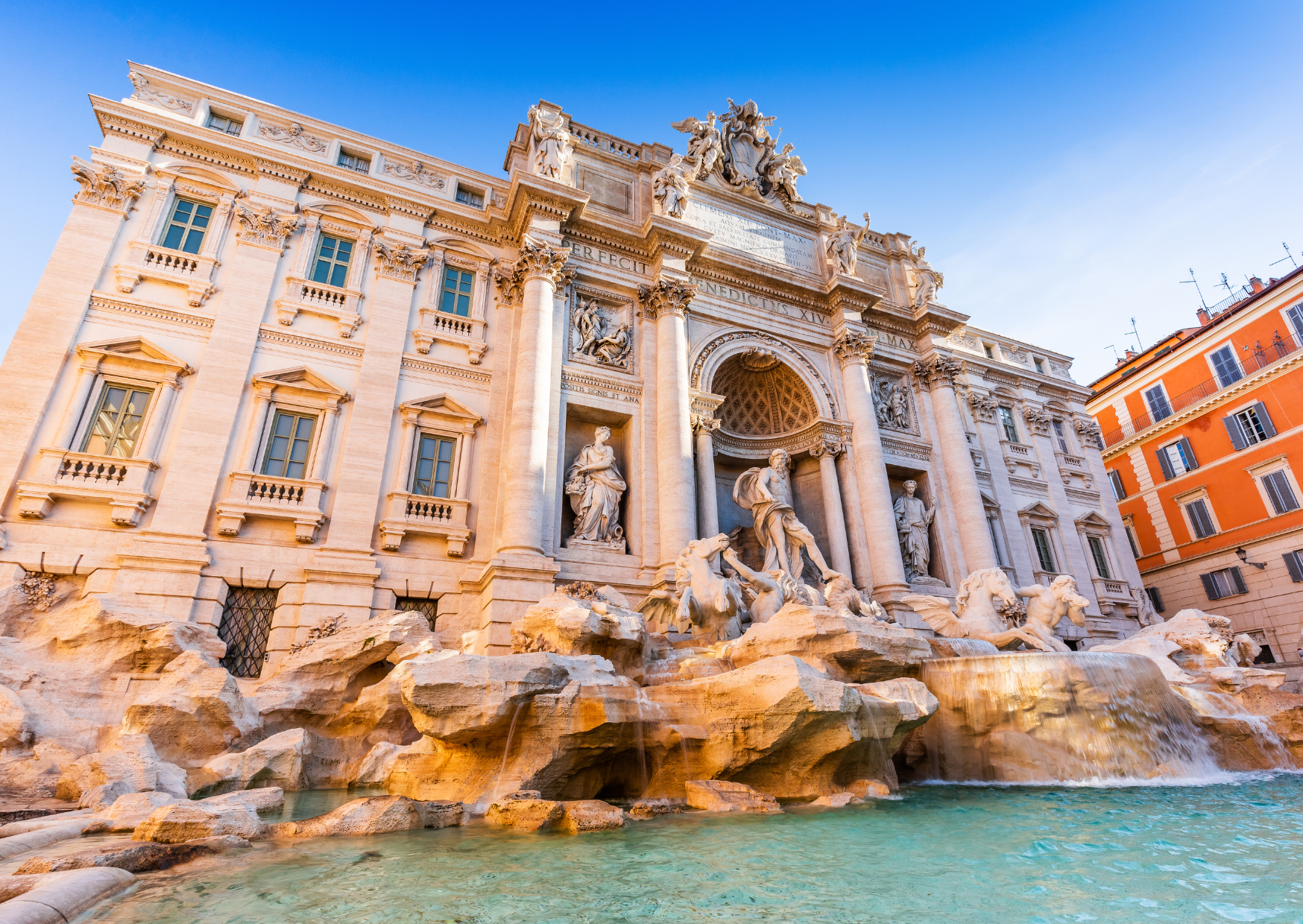
- Free sights stack fast: Trevi, Spanish Steps, Piazza del Popolo, Via Margutta.
- Churches as galleries: San Luigi dei Francesi for Caravaggio, Sant’Ignazio for the trompe-l’œil ceiling, Santa Maria sopra Minerva behind the Pantheon. None of this costs you a cent.
- Dinner: classic Roman vegetables, cacio e pepe for the table, house wine by the mezzo litro if you like.
Day 4 — Museums or Appian Way
- If you want museum time, Capitoline Museums give you Rome’s civic soul without the Vatican crush.
- Or rent an Appia Antica bike and ride past mausoleums, aqueducts, and catacombs. Buses get you to the start on your pass.
Day 5 — Testaccio and the hilltops
- Market lunch in Testaccio. Supplì for pocket change.
- Climb Aventine for the keyhole and the orange garden, then Giardino degli Aranci at sunset.
- Final espresso, Leonardo Express back out, and you’re done.
Every day is stitched by local transit and walking. That’s why the €29 pass matters: the day stays fluid and you never think about single-ride costs.
Flights: The Two Moves That Drop You Under $400
1) Watch shoulder weeks and midweek departures. Google Flights and the airlines’ own pages have been showing $300s–$400s roundtrip to Rome from the Northeast in late fall and early winter. Tuesday and Wednesday departures price best, and booking a few weeks out still snags deals. United’s Newark–Rome and other carriers publish those fares in waves. Set alerts and pounce.
2) Travel light to dodge surprises. On bare-bones fares, first checked bag fees to Europe can add $70–$100 each way. A 7–10 kg carry-on and personal item keep the advertised fare real. If you must check, build it into your math.
If your home airport won’t play ball, position to a cheaper gateway on a separate ticket and leave three hours between flights. The Rome savings often swamps the positioning cost.
Sleep: Why Monasteries And Pensioni Beat “Deals”
Hotels in central Rome can be fantastic, but the value layer lives in monastery guesthouses and family-run pensioni. The rooms are simple, spotless, and usually walking distance to the good stuff. The tradeoffs are small: sometimes curfews, often no TV, and a breakfast that’s coffee + bread + jam rather than a buffet. What you get back is location and quiet at a price that keeps the whole trip under the NYC benchmark. Do check the city tax on your booking email so it doesn’t surprise you.
If you prefer an apartment, price it honestly. Rome’s per-night city tax can add up in higher-category places, and cleaning fees pivot the calculus. In shoulder season, a monastery single or double is the perfect middle between hostel and hotel.
Eat Like A Roman And Your Budget Behaves
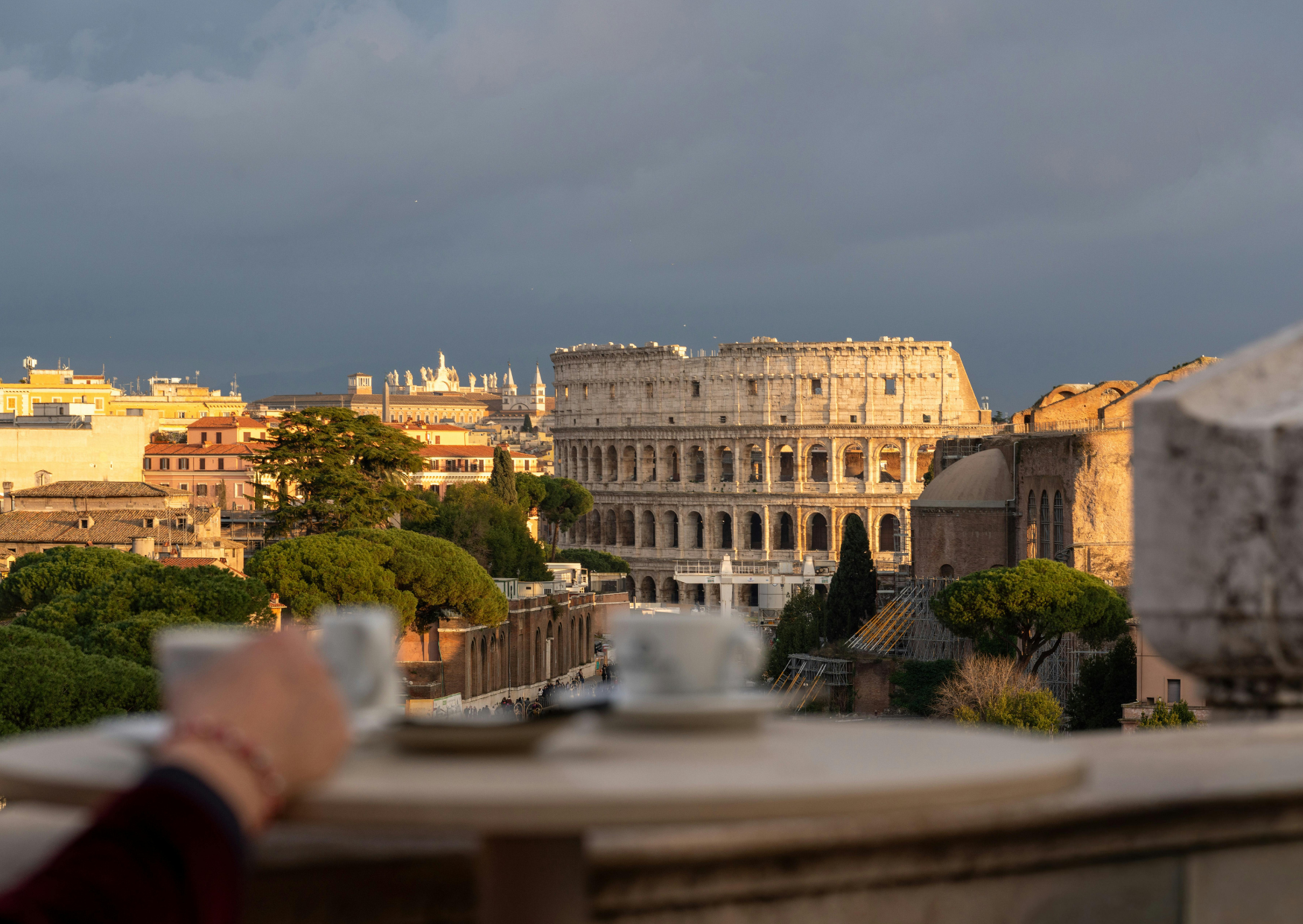
The Roman day is built to control costs without thinking about it. Lunch is the main meal. Dinner is lighter. Vegetables first, starch last, and 10-minute walks before and after. You can get excellent fixed-price lunches for €12–€16 if you leave the immediate ring around Piazza Navona and the Trevi. Add €2–€3 for coffee and an evening pizza al taglio or soup/salad and you’re still under €30 for the day. The big spend is only when you go full trattoria at night, and even then, splitting plates and ordering house wine keeps the check human.
Markets are your friend: Testaccio, Campo de’ Fiori (early), Trionfale near Vatican walls. A bag of fruit, fresh bread, cheese, and you’ve bought breakfast for two days cheaper than a Midtown pastry.
Sights: Pay For What’s Worth Paying For
There are three honest ways to lose money in Rome: markups on official tickets, bundles you don’t need, and hop-on buses you end up not using. The fix is easy.
- Colosseum/Forum/Palatine: €18 standard. You don’t need a pricey bundle unless you specifically want a guided tour or underground access. In 2025 Italy fined several resellers for practices that made regular tickets harder to get; the lesson is book official and book early if you want prime slots.
- Vatican Museums: book direct and choose a late afternoon slot to dodge the worst crush.
- Everything else: Rome gives you world-class art in churches for free, public museums with sane prices, and views that cost only the climb.
Pick one paid anchor and let the rest be streets, churches, and piazzas. Your budget will feel infinite.
Pitfalls Most Travelers Miss
Paying “instant” prices for ordinary train tickets. The Leonardo Express is €14. Anything quoting more for the same train is adding a service fee. Ignore it.
Buying the wrong transit product. For five days, the CIS 7-Day card (€29) beats stacking 48- or 72-hour passes. You’ll stop thinking about tickets and start hopping trams.
Letting “free” museums turn into costly detours. Rome’s free days are real, but lines eat time. If you only have five days, pay the €18 for the ancient core and spend the time, not the queue.
Not counting the city tax. It’s small, but it’s per person, per night and paid at the property. It belongs in your math.
Assuming the cheapest flight is cheapest overall. A $320 fare with $200 in bag fees is not cheaper than a $390 fare you can carry on. Read the fare rules.
If You Want To Beat Even The $900 All-In Number
You can get the five days well under $800 with three levers:
- Fly when the grid is green. The Northeast sees Rome roundtrips in the $300s several weeks each fall and early winter. Start looking 6–8 weeks out, fly midweek, and avoid Thanksgiving corridors.
- Use a guesthouse with kitchen access. Two market breakfasts and a self-made salad drop daily food cost to €18–€22 without feeling like punishment.
- Pick one paid site. If you choose the Colosseum/Forum/Palatine, let churches and piazzas fill the rest. Rome’s free inventory is absurdly rich.
That gets a solo traveler into the high $700s all-in, less with luck. For two people sharing a room, per-person totals slide down even faster because lodging splits and transit is already cheap.
The 10-Minute Booking Script
Flights: Set Google Flights alerts for your city to FCO and CIA, toggle flexible dates, and watch the $300s–$400s windows. When United, Delta, or a low-cost long-haul opens a 72-hour fare, book first, think second—you have 24 hours to cancel in the U.S.
Sleep: Check two monastery portals and one pensione site, choose refundable if you’re nervous, and email to confirm city tax and check-in. Expect a friendly reply within a day.
Transit: Buy the Leonardo Express on your phone when you land, and pick up the CIS 7-Day at a metro station machine. No thinking after that.
Sights: Book Colosseum/Forum/Palatine on the official channel. Pick late afternoon for Pantheon or Trevi to see the stones warm.
Food: Mark two fixed-price lunch spots near where you’ll be at noon each day. Everything else flows from neighborhoods: Trastevere, Monti, Testaccio.
What This Means For You
You can spend five days eating well, seeing the big classics, and crossing half the city for the cost of one Manhattan five-star night. The only magic is timing flights, sleeping simple, and letting Rome’s ordinary systems work for you. €29 makes the entire city your network. €18 buys you three thousand years in an afternoon. €55–€70/night keeps you inside the walls, up early, and never tired.
Build the skeleton once—flight in the $300s–$400s, monastery or pensione, CIS pass, official tickets—and Rome becomes a place you visit the way Romans live. The math stops hurting. The days stretch out. And the only New York price you’ll think about is the latte you’re not paying for anymore.

About the Author: Ruben, co-founder of Gamintraveler.com since 2014, is a seasoned traveler from Spain who has explored over 100 countries since 2009. Known for his extensive travel adventures across South America, Europe, the US, Australia, New Zealand, Asia, and Africa, Ruben combines his passion for adventurous yet sustainable living with his love for cycling, highlighted by his remarkable 5-month bicycle journey from Spain to Norway. He currently resides in Spain, where he continues sharing his travel experiences with his partner, Rachel, and their son, Han.