
And what it reveals about trust in tradition, food safety, and the unapologetic French approach to eating well
Walk into a French home on a Sunday afternoon, and there’s a good chance you’ll see a bowl on the table with eggs cracked into it — raw. Sugar sprinkled. A spoon already dipped. No heat. No fear. No gloves, warnings, or sterilized utensils.
To Americans, this is an open invitation to food poisoning.
To the French, it’s le goûter, or sometimes dessert — a classic way to enjoy eggs in their simplest, richest, most elemental form.
It goes by many names: œufs à la coque (soft-boiled eggs barely set), mousse au chocolat made with raw yolks, or even straight raw egg whipped with sugar — called “œufs au sucre,” something many French children grow up eating as a treat.
In the U.S., public health agencies warn against consuming raw or undercooked eggs due to the risk of salmonella, which causes over 1 million illnesses a year — and hospitalizes thousands.
But in France, raw egg-based recipes are still common, beloved, and socially acceptable. No disclaimers. No panic. Just confidence in sourcing and preparation — and deep culinary trust in how people have always eaten.
Here’s why the French continue to eat raw egg recipes that horrify Americans — and what that tells us about the very different relationships these two cultures have with risk, food, and the role of tradition.
Want More Deep Dives into Everyday European Culture?
– Why Europeans Walk Everywhere (And Americans Should Too)
– How Europeans Actually Afford Living in Cities Without Six-Figure Salaries
– 9 ‘Luxury’ Items in America That Europeans Consider Basic Necessities
1. Americans See a Pathogen — the French See a Delicacy
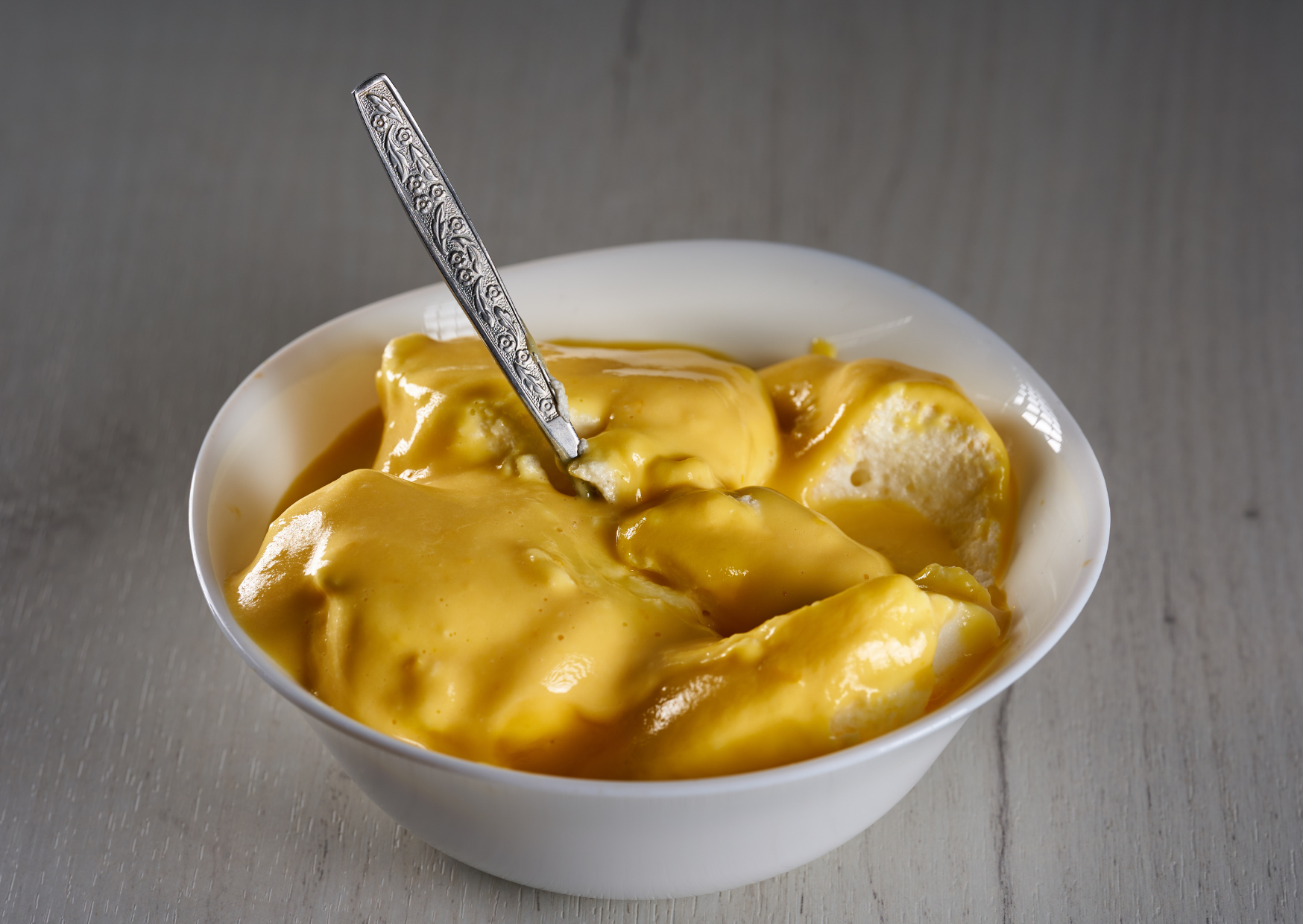
In the United States, raw eggs are treated like a biological hazard. Grocery store cartons carry warnings. Recipes include footnotes. Menus post disclaimers in fine print. And any dish containing raw egg is expected to be pasteurized, clarified, or replaced.
But in France, a raw egg — whether stirred into steak tartare, emulsified into a fresh mayonnaise, or spooned with sugar — is seen as a legitimate and often superior way to eat.
There is no automatic assumption that raw equals unsafe. There is, instead, a deep respect for how the ingredient behaves in its natural state.
2. French Families Pass Down Raw Egg Recipes — Without Fear
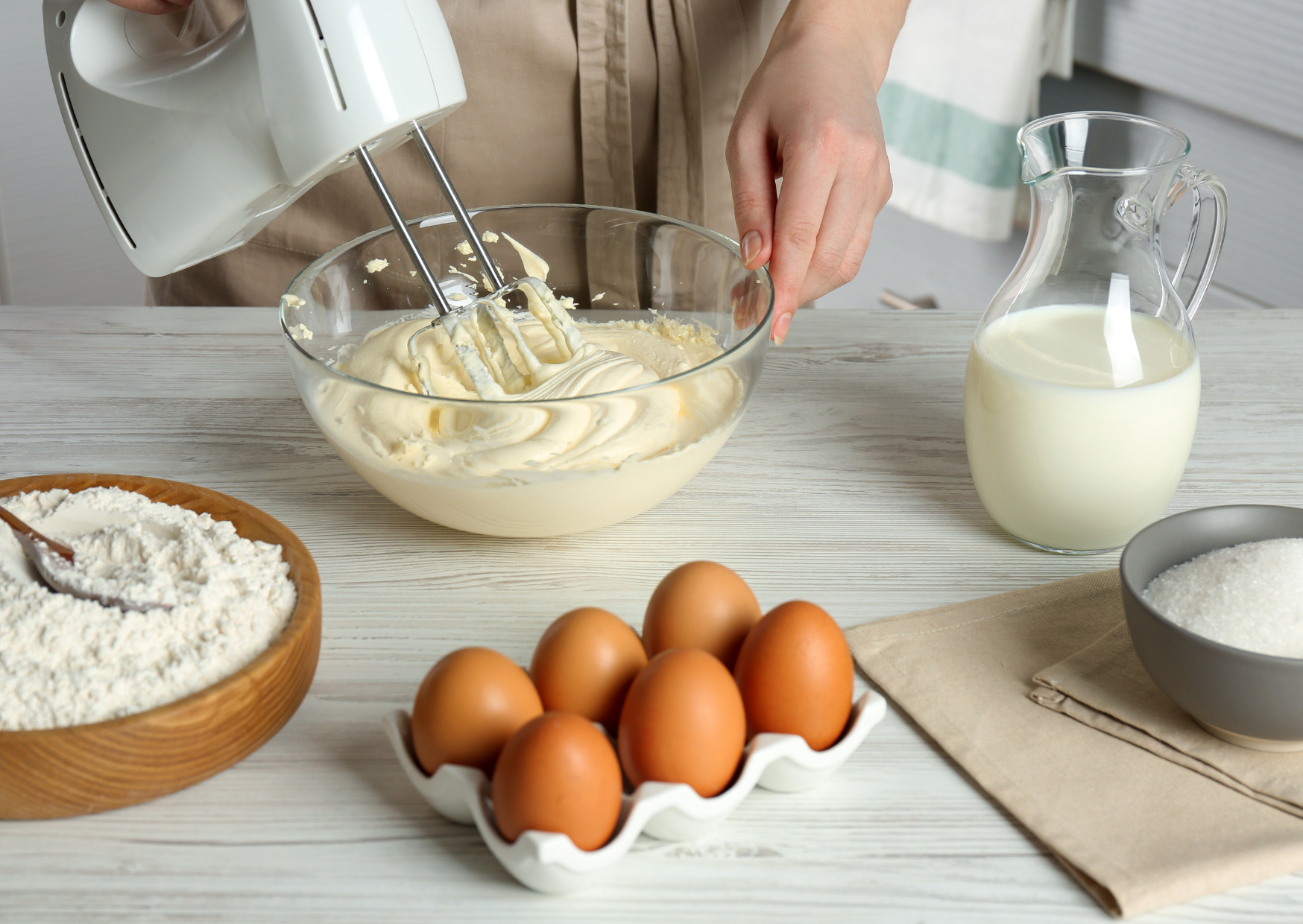
In French kitchens, it’s common for grandparents to prepare raw egg dishes for children. A fresh yolk beaten with sugar. A bit of rum whisked into a cream. Raw eggs folded into chocolate for mousse. Soft-boiled eggs opened on the table and dipped into with toast soldiers.
These are not experimental. They are part of childhood — as familiar as peanut butter and jelly in the U.S.
No one calls the pediatrician. No one checks online forums for safety updates. Instead, the emphasis is on quality eggs, freshness, and trust in tradition.
3. Sourcing, Not Sterilizing, Is the French Food Safety Strategy
Americans rely on processes — pasteurization, refrigeration, sterilization — to ensure food safety. Eggs are washed, bleached, and kept cold from production to plate.
In France, the egg is not aggressively processed. It’s not washed. It’s often stored at room temperature. The shell is intact, the bloom undisturbed.
And while this sounds unsafe to Americans, it’s actually a different form of risk management. French food safety relies on sourcing — small farms, daily markets, trusted producers.
The idea is: don’t sterilize the product — choose better product from the start.
4. Pasteurized Eggs Are Rare — and Not Preferred
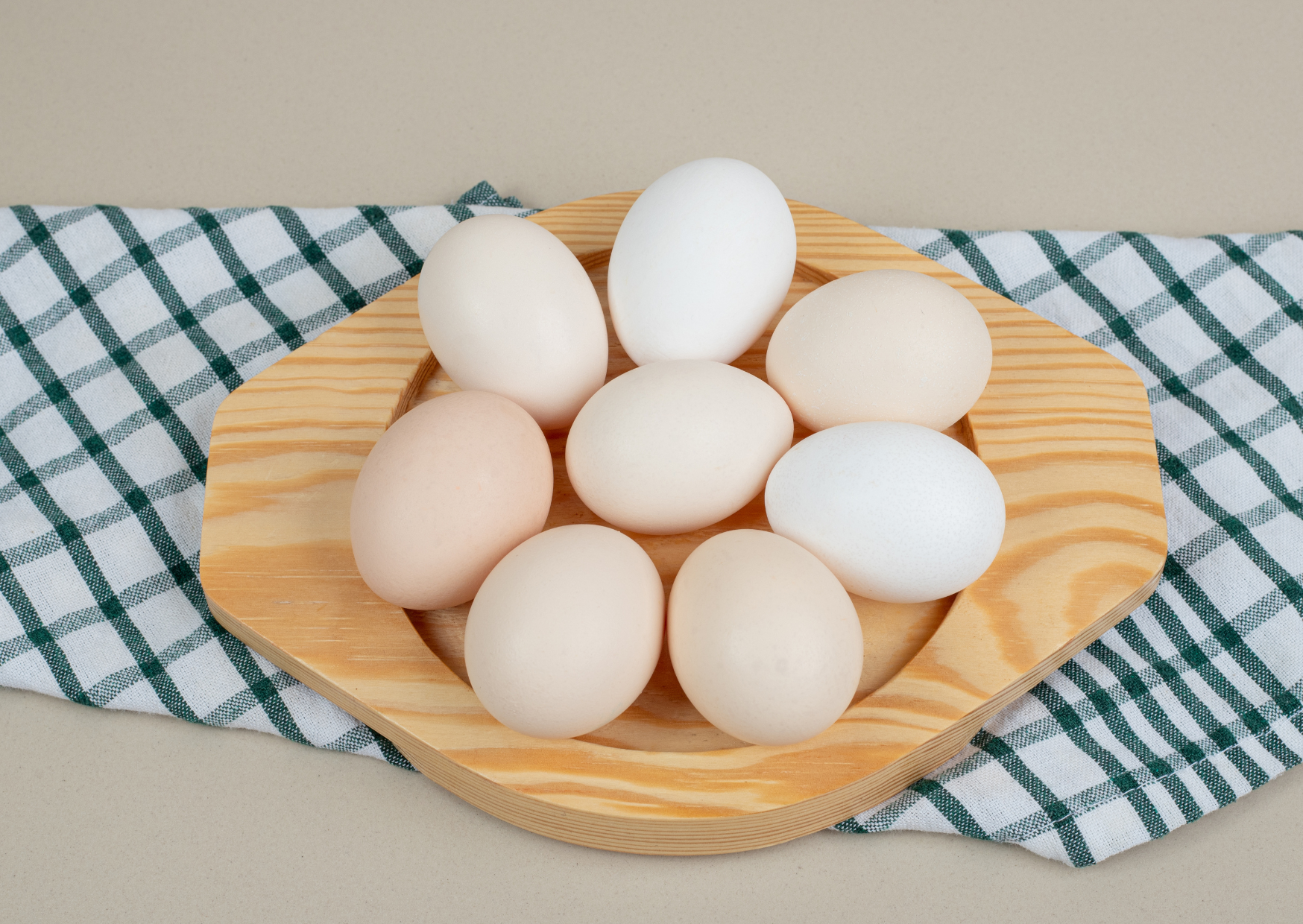
In the U.S., any raw egg recipe used in a restaurant is likely made with pasteurized eggs. These eggs are heat-treated to kill bacteria but can be more expensive and less flavorful.
In France, pasteurized eggs aren’t widely used in home kitchens — and in many restaurants, raw eggs are cracked fresh, on the spot.
This would cause panic in American food service training. But in France, chefs are trained to source safe eggs, handle them correctly, and trust the ingredient.
It’s a system built not on insurance policies, but on culinary apprenticeship and consistency.
5. Chocolate Mousse Is Still Made the Traditional Way — With Raw Egg Whites
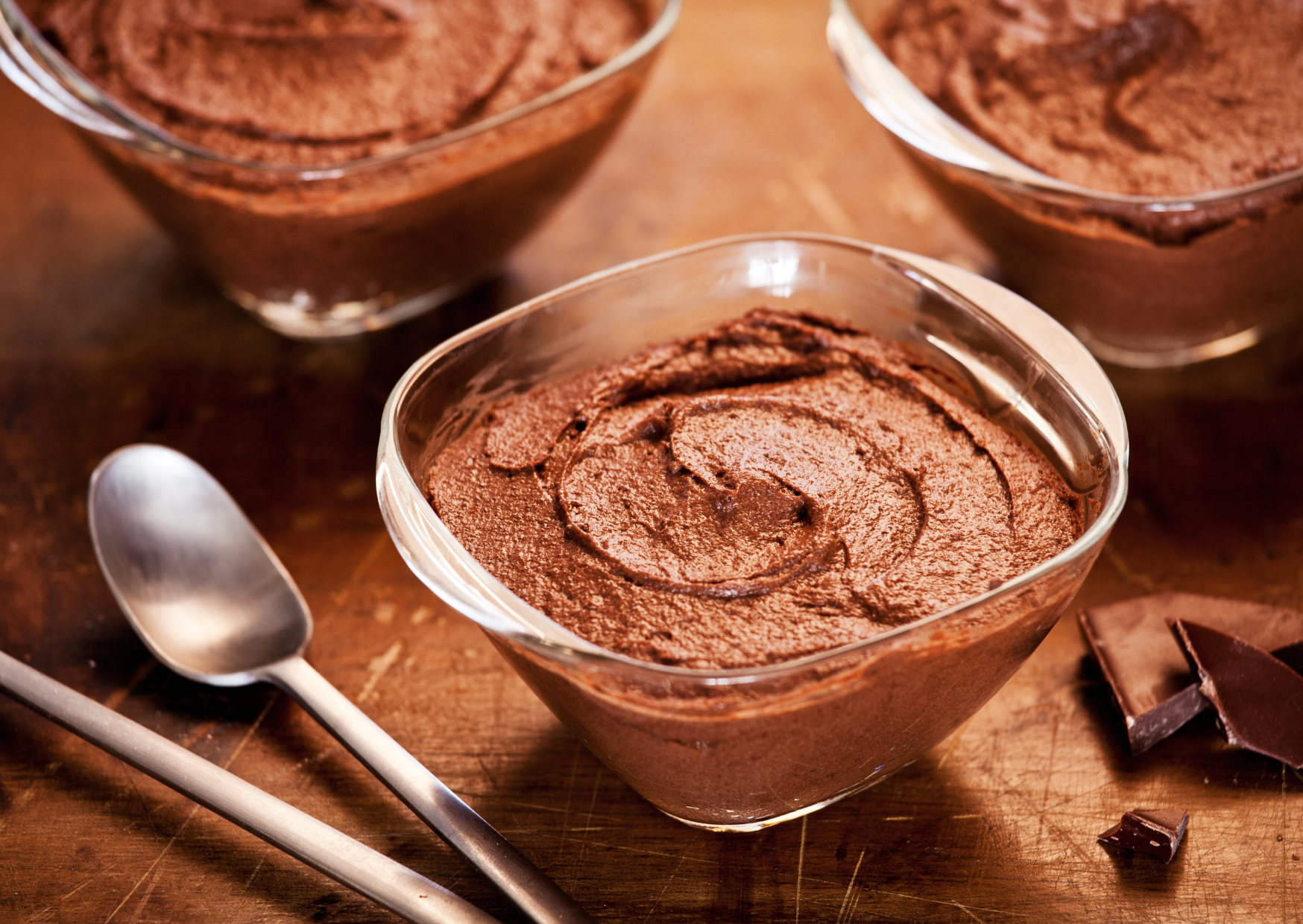
Walk into any French household making chocolate mousse, and you’ll see raw egg whites whipped to peaks and folded into melted chocolate. No cream. No shortcuts. No substitutes.
In America, food bloggers scramble to recreate the texture with whipped cream or stabilized meringue. Because publishing a recipe with raw eggs — especially for children — is considered irresponsible.
But in France, the mousse stays mousse. Light, fluffy, rich — and exactly as it was made for generations.
6. The French Assume Competence — Not Crisis
American food safety messaging is built on the assumption that people need to be protected from themselves. That one wrong step could lead to hospitalization.
In France, food culture assumes people can be trusted to know what they’re doing — and that tradition holds wisdom.
No one fears a raw egg yolk in their homemade mayonnaise. No one is shocked to see someone lick the batter spoon.
It’s not recklessness. It’s confidence in a culture that has raised children on raw egg dishes for centuries — and sees no reason to stop now.
7. The Egg Is a Symbol of Life — Not a Source of Anxiety
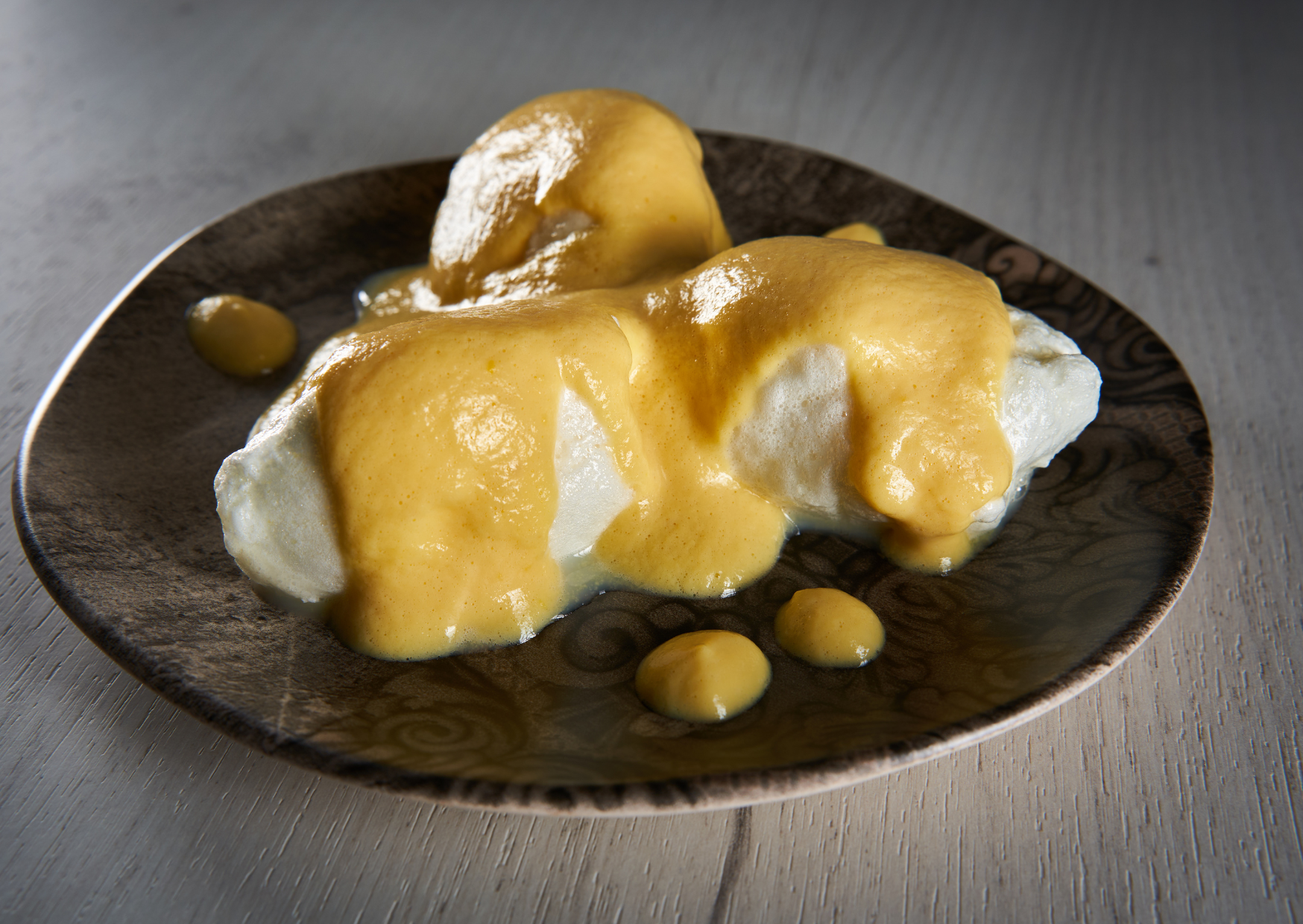
In France, the egg is more than an ingredient. It’s a symbol of simplicity, renewal, and nourishment. You’ll see it painted on Easter pastries, topping bistro salads, or cracked over pizza.
And in its raw form, it’s seen as the purest state of that nourishment — unaltered, uncorrupted, full of potential.
In American kitchens, eggs are treated with suspicion. “Wash your hands after touching them.” “Keep them cold.” “Never eat undercooked yolks.”
This anxiety shapes the food — and narrows the culture around it.
8. Food-Borne Illnesses Are Framed Differently
In the U.S., if a product sickens someone, the entire system is blamed — lawsuits, recalls, media coverage. The lesson: avoid the risky ingredient next time.
In France, if someone gets sick from eating a raw egg dish, it’s seen as a rare failure — not a reason to overhaul the recipe.
Blame is more likely to fall on poor sourcing, bad luck, or deviation from known methods.
This doesn’t mean French food safety is lax — it just isn’t reactionary. It’s rooted in the belief that if you cook (or don’t cook) something correctly, it will be fine.
9. Culinary Identity Is More Important Than Conforming to Safety Trends
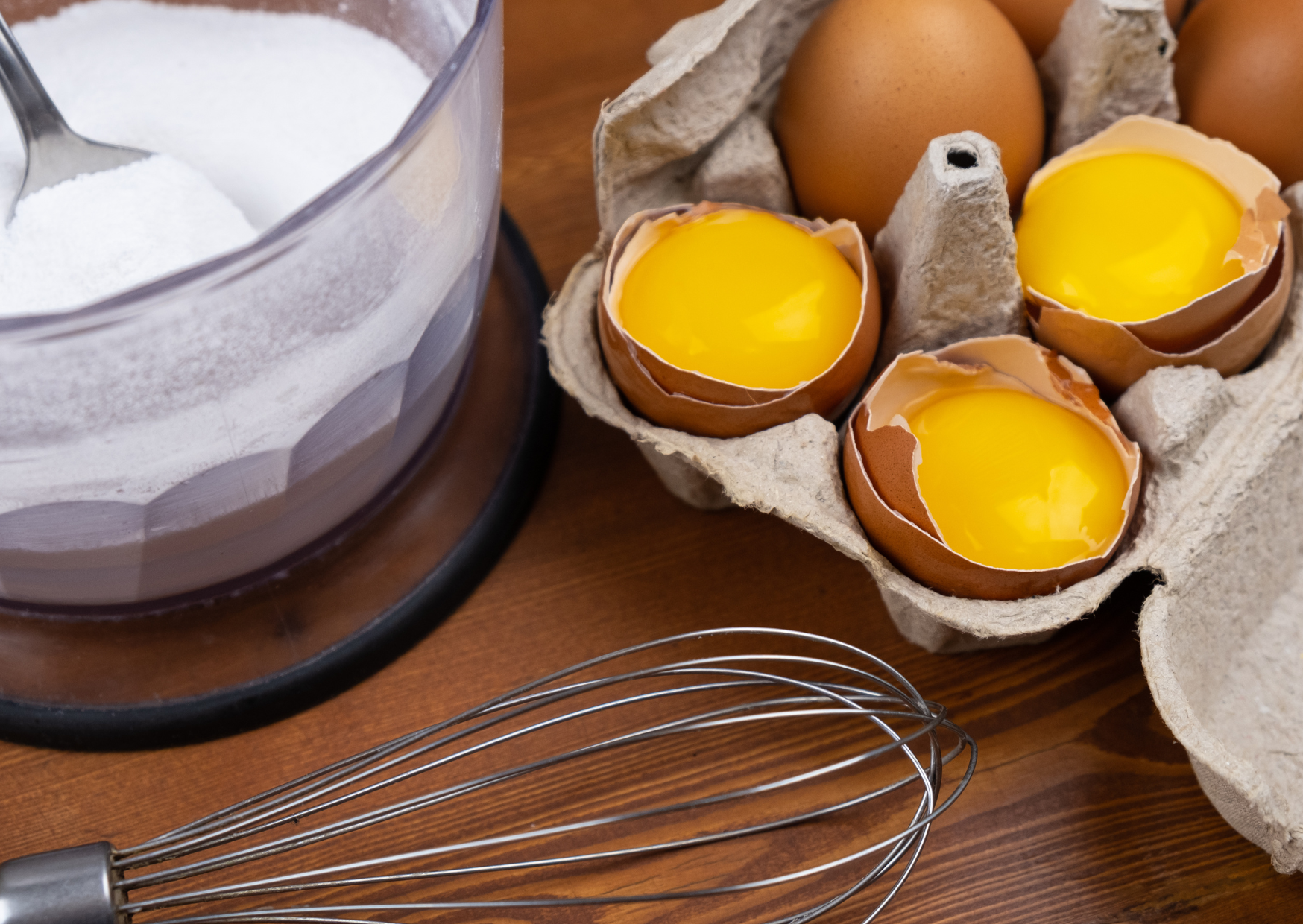
French cuisine is tied to technique and identity. When a recipe calls for a raw egg, you don’t replace it with a pasteurized carton product or change the method.
The mousse, the aioli, the tartare — they’re made the way they’ve always been made.
Changing them for safety trends would be, to many French chefs, a betrayal of the dish itself.
To Americans, this sounds dramatic. But in France, cooking is not just feeding. It’s culture. It’s memory. And those recipes aren’t rewritten easily.
Serving Suggestions
In France, raw and lightly cooked eggs often appear in dishes that highlight their freshness and richness. Think steak tartare topped with a raw yolk, mousse au chocolat made with uncooked eggs, or even a simple bowl of fresh farm eggs whisked into sauces like hollandaise or mayonnaise. When made with high-quality, farm-fresh eggs, these dishes are considered perfectly safe and even luxurious in France.
If you’re curious about trying this at home, always source the freshest pasture-raised eggs, preferably organic and local. Pair raw-yolk dishes with something hearty to balance textures—like crusty bread, roasted vegetables, or a crisp salad. And, if you’re still hesitant, you can enjoy a “safely French” twist by using pasteurized eggs, which mimic the traditional taste while reducing health risks.
One Egg, Two Philosophies
To Americans, the raw egg is a hazard. Something to control, disguise, or eliminate.
To the French, it’s a gift — one that must be respected, not feared.
In the U.S., food safety is about external controls. In France, it’s about internalized standards.
In the U.S., the eater is a liability. In France, the eater is trusted.
That’s why, even in 2025, French families still crack an egg, beat it with sugar, and hand it to a child with a spoon — smiling, confident, and completely unafraid.
It’s not that the French don’t know the risks. It’s that they believe good food, made well, is worth them.
What feels like a shocking or unsafe practice in one country can be a culinary treasure in another. The French tradition of eating raw eggs isn’t just about risk-taking—it’s about trusting the source of your food and valuing freshness over fear. Americans, on the other hand, live under stricter food safety rules and industrialized farming practices, which have made raw egg consumption far riskier.
This cultural divide shows how food isn’t just about taste—it’s about history, farming, and philosophy. To the French, a raw egg is an ingredient at its purest; to many Americans, it’s a lawsuit waiting to happen. Bridging this gap means learning from both sides: appreciating the luxury of raw, high-quality eggs while respecting modern food safety. In the end, whether you dare to try it or not, this little ingredient sparks one of the biggest culinary culture clashes between Europe and America.

About the Author: Ruben, co-founder of Gamintraveler.com since 2014, is a seasoned traveler from Spain who has explored over 100 countries since 2009. Known for his extensive travel adventures across South America, Europe, the US, Australia, New Zealand, Asia, and Africa, Ruben combines his passion for adventurous yet sustainable living with his love for cycling, highlighted by his remarkable 5-month bicycle journey from Spain to Norway. He currently resides in Spain, where he continues sharing his travel experiences with his partner, Rachel, and their son, Han.